

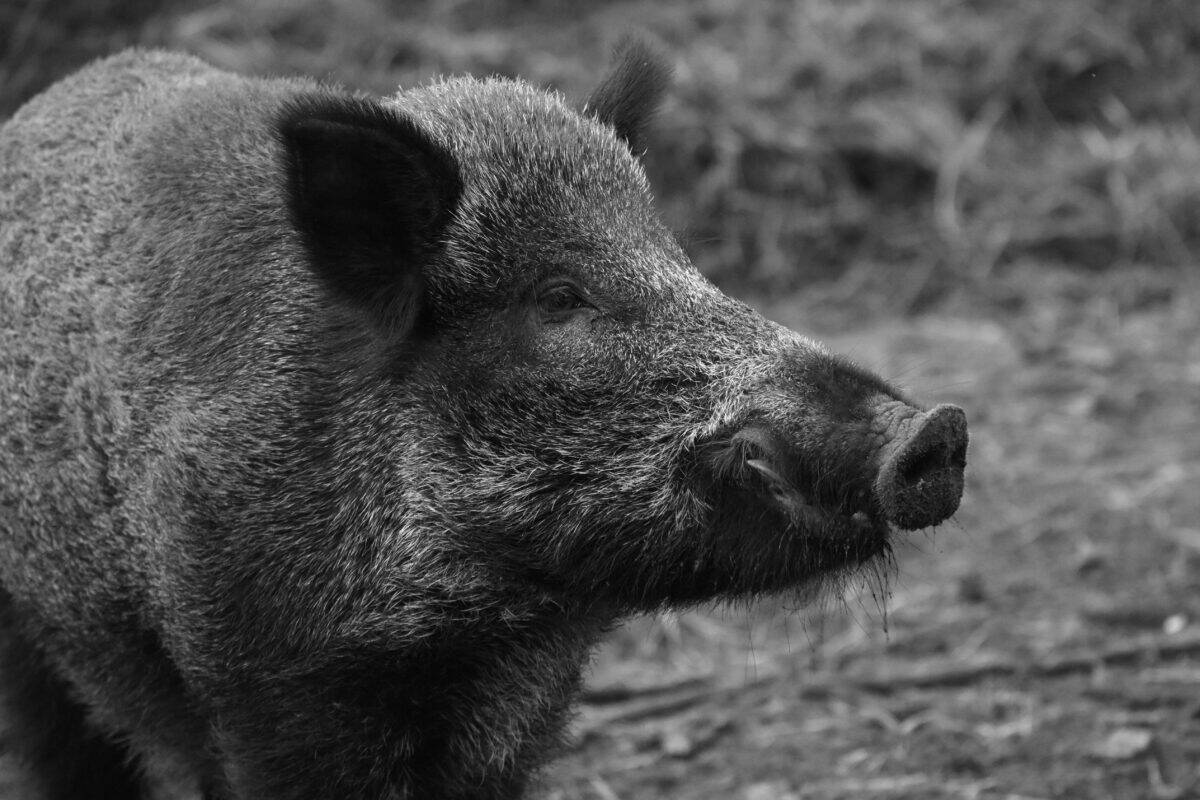
Across Europe, a silent invasion is reshaping forest ecosystems. Wild boars (Sus scrofa), once controlled by natural predators and human hunting, are experiencing an unprecedented population boom that has ecologists, farmers, and city planners increasingly concerned. These highly adaptable mammals have expanded their range and numbers dramatically in recent decades, thriving in environments from remote woodlands to the outskirts of major European cities. Their success story represents one of the most remarkable wildlife comebacks in modern European history—but also presents significant ecological, agricultural, and public health challenges that demand attention. This article explores the complex factors behind the wild boar population explosion and its wide-ranging implications for European landscapes and communities.
The Remarkable Population Surge

The numbers tell a compelling story: wild boar populations have grown exponentially across Europe over the past three decades. According to estimates from the European Food Safety Authority, some countries have seen population increases of over 400% since the 1980s. Germany’s wild boar population has grown from approximately 200,000 in the 1980s to over 2 million today. In Spain, yearly hunting harvests have increased from 20,000 animals in the early 1980s to more than 300,000 recently, indicating a massive population growth. France reports similar trends, with an estimated population exceeding 1 million boars. This remarkable surge isn’t limited to a few countries but represents a pan-European phenomenon stretching from Portugal to Poland, and from Italy to Sweden. The population density in some forest regions now exceeds 10 individuals per square kilometer—well beyond what ecologists consider sustainable for local ecosystems.
Climate Change as a Key Driver

Climate change has played a pivotal role in the wild boar explosion. Milder European winters with reduced snowfall have dramatically increased winter survival rates, particularly among younger boars. Historically, harsh winters would naturally control population numbers, with juvenile mortality often exceeding 90% during severe cold periods. Today, in many regions, winter mortality has dropped below 50%. Additionally, warmer conditions have extended the breeding season and increased food availability year-round. Climate models suggest this trend will continue, with some researchers predicting an additional 50-100% population increase in northern European countries by 2050 if current climate trajectories continue. The relationship between climate change and boar populations represents a clear example of how global warming can dramatically affect wildlife population dynamics, creating ripple effects throughout ecosystems and human communities.
Agricultural Bounty: The Unintended Buffet

Modern European agricultural practices have inadvertently created ideal conditions for wild boar prosperity. The expansion of maize (corn) cultivation across the continent has provided boars with calorie-rich food sources that sustain larger populations year-round. A single hectare of corn can support approximately 10-15 wild boars through a season. Agricultural data shows that corn cultivation in Europe has increased by over 30% since 2000, creating vast “feeding zones” for boar populations. Other crops like wheat, potatoes, and oilseeds similarly provide abundant nutrition. Wild boars are opportunistic omnivores with remarkable adaptability—they can derive up to 90% of their caloric intake from agricultural sources when available. This agricultural bounty has not only increased their overall numbers but has changed their reproductive patterns, with sows now frequently producing two litters annually instead of one, and reaching sexual maturity earlier. The combination of increased food availability and reduced natural mortality has created perfect conditions for population expansion.
The Decline of Natural Predators

The absence of natural predators has removed a critical population control mechanism for wild boars. Historically, wolves, bears, and lynx would have kept boar numbers in check through predation, particularly targeting vulnerable piglets and younger animals. However, centuries of persecution severely reduced large predator populations across most of Europe. While recent conservation efforts have helped some predator species begin recovery—particularly wolves in parts of Central and Eastern Europe—their numbers remain far too low to significantly impact boar populations. Studies from areas with recovering wolf populations, such as parts of Poland’s Białowieża Forest and Italy’s Apennine Mountains, show that wolves can reduce local boar populations by 10-20% when present in sufficient numbers. However, in the majority of European forests, predator densities remain well below what would be required for natural population regulation. This predator-prey imbalance has removed a key ecosystem control mechanism, allowing boar populations to expand beyond historical norms.
Human Hunting Practices: A Double-Edged Sword

Changes in hunting traditions and regulations have inadvertently contributed to boar proliferation. While hunting remains common across Europe, several factors have reduced its effectiveness as a population control mechanism. In many countries, the number of active hunters has declined by 30-50% over the past generation as rural traditions fade and younger generations show less interest in hunting. Simultaneously, hunting regulations in many regions have become more restrictive. Additionally, some hunting practices, like supplementary feeding intended to attract boars for sport hunting, have had the unintended consequence of increasing survival rates and reproductive success. Studies from Germany and France indicate that feeding stations can increase local boar densities by up to 400%. Further complicating matters, selective hunting that targets larger animals while sparing reproductive females has altered population structures in ways that actually increase overall reproductive capacity. This paradoxical situation—where hunting both controls and encourages population growth—highlights the complex relationship between human management practices and wildlife populations.
Hybridization with Domestic Pigs

The genetic mixing between wild boars and domestic pigs has created more robust and fertile hybrid populations. Crossbreeding occurs through escaped domestic pigs or intentional releases by farmers in some regions. These hybrids often exhibit enhanced growth rates, larger litter sizes, and increased cold tolerance compared to pure wild boars. Genetic studies across Europe have found domestic pig genetic markers in 5-30% of wild boar populations, depending on the region. In some areas of Southern and Eastern Europe, this hybridization rate reaches up to 40%. The hybrid vigor resulting from these genetic exchanges has produced animals with remarkable reproductive potential—hybrid sows often produce litters of 8-12 piglets compared to the 4-6 typical of pure wild boars. Additionally, hybrids frequently reach sexual maturity earlier, sometimes as young as 5-6 months of age versus 8-10 months for pure specimens. This genetic mixing has effectively created “super boars” with enhanced survival and reproductive capabilities, further accelerating population growth across the continent.
Ecological Impacts on Forest Ecosystems

Wild boars function as ecosystem engineers, dramatically altering forest environments through their rooting and foraging behaviors. A single adult boar can turn over 2-4 square meters of soil daily while searching for food. This activity can have both positive and negative ecological effects. On the positive side, soil disturbance increases aeration, accelerates nutrient cycling, and creates microsites for plant germination, potentially increasing plant diversity in some contexts. However, intensive rooting also damages rare plant species, reduces tree regeneration, and disrupts soil microbial communities. Studies from German and Polish forests indicate that areas with high boar densities show up to 80% reduction in spring flowering plants and significant decreases in oak and beech regeneration. Boars also consume large quantities of acorns and other tree seeds, reducing forest regeneration potential. Additionally, their preference for earthworms can remove up to 40% of worm biomass in heavily impacted areas, disrupting soil ecology. As keystone species in many European forests, earthworms play crucial roles in soil formation and nutrient cycling. The ecological consequences of boar overpopulation ripple throughout forest ecosystems, affecting everything from soil structure to plant community composition.
Agricultural Damage and Economic Consequences

The economic impact of wild boar damage to European agriculture has reached crisis levels in many regions. Annual crop damage is estimated at over €1 billion across the EU, with particularly severe impacts on corn, wheat, potatoes, and vineyards. In parts of Germany, France, and Italy, some farmers report losing 30-50% of their crop yields to boar damage. Beyond direct consumption, boars destroy far more than they eat by trampling crops and disrupting irrigation systems. The financial burden falls heavily on individual farmers, as compensation schemes cover only a fraction of actual losses. Insurance data from France indicates that wild boar damage claims have increased by 325% over the past two decades. Beyond crops, wild boars also damage pastures through extensive rooting, rendering grazing lands unusable for livestock and requiring expensive restoration. The economic consequences extend beyond direct crop losses to include increased costs for preventive measures—electric fencing, specialized deterrents, and night monitoring have become necessary expenses for many European farmers. In some marginal agricultural areas, particularly in mountainous regions of Spain, Italy, and Romania, persistent boar damage has led to land abandonment, further changing rural landscapes and economies.
Urban Encroachment: When Wild Boars Come to Town

Perhaps the most visible sign of boar population explosion is their increasing presence in urban and suburban environments. Cities from Berlin to Barcelona now report regular wild boar incursions. In Berlin alone, an estimated 5,000 wild boars now inhabit the city’s forest periphery, regularly venturing into residential areas. Barcelona has a specialized “wild boar response unit” that handles over 1,200 boar-related incidents annually. These urban interactions create multifaceted challenges: traffic accidents involving boars have increased by over 200% in some regions during the past decade. In suburban Rome, boars cause approximately 1,000 traffic accidents annually. Property damage is widespread, with boars destroying gardens, parks, and sports fields through their rooting behavior. Public safety concerns have emerged as well—while boars typically avoid human confrontation, defensive responses particularly from sows with piglets have resulted in dozens of injuries across Europe annually. The psychological impact is equally significant, with many residents in affected areas reporting anxiety about outdoor activities, particularly walking dogs or allowing children to play in areas with boar activity. This urban dimension adds complex social and political dynamics to an already challenging wildlife management issue.
Public Health Concerns: Disease Vectors

Wild boars serve as reservoirs and vectors for numerous diseases that threaten livestock, wildlife, and human health. African Swine Fever (ASF), a highly contagious viral disease with mortality rates approaching 100% in domestic pigs, has spread across Eastern and Central Europe largely through wild boar populations. The economic impact of ASF has been devastating to the European pork industry, with losses exceeding €1.5 billion since 2014. Tuberculosis transmission between wild boars and cattle remains problematic in parts of Spain, France, and Portugal, complicating livestock disease control efforts. Wild boars also harbor Trichinella parasites, which can infect humans who consume improperly prepared wild boar meat. Less recognized but equally concerning is the role boars play in environmental contamination—their presence in watershed areas has been linked to increased E. coli levels in water sources in several European studies. As boar populations expand into new territories, they potentially introduce these pathogens into previously unaffected areas. This disease vector role has significant implications not only for animal and human health but also for the economics of agricultural production and public health management across Europe.
Management Challenges and Ethical Considerations
Controlling wild boar populations presents complex management and ethical dilemmas. Traditional hunting alone has proven insufficient given current population growth rates. More intensive control methods, such as trapping programs and targeted culling operations, face practical limitations including high costs and logistical challenges in implementation across large areas. A typical large-scale trapping program costs €30,000-50,000 per year for a single municipality. Fertility control through contraceptive vaccines shows promise in controlled settings but remains impractical for widespread wild populations due to delivery challenges and high costs, with current estimates at €100-200 per treated animal. Public attitudes toward control measures vary dramatically across Europe, creating political obstacles to coordinated management approaches. Urban residents often oppose lethal control methods, while rural communities typically favor more aggressive population reduction. These value differences frequently result in inconsistent policies that limit effectiveness. Conservation ethics add another layer of complexity—while current populations are problematically high, wild boars remain important native components of European ecosystems. The management challenge lies in finding balanced approaches that address damage and health concerns while respecting the species’ ecological role and animal welfare considerations.
Success Stories: Effective Management Approaches

Despite the challenges, some European regions have developed promising approaches to managing wild boar populations. Coordinated hunting strategies in parts of northern Spain have successfully reduced boar numbers by 40-60% over five years through carefully planned approaches that prioritize removing reproductive females and maintaining consistent pressure across large landscapes. In Switzerland, coordinated management between urban and rural jurisdictions has reduced human-boar conflicts by 70% in targeted areas through strategic fencing, habitat modification, and targeted removal programs. Technology offers new management tools—GPS tracking of representative animals provides insights into movement patterns, allowing more targeted and efficient control efforts. Several Italian and German pilot programs using this approach have reduced agricultural damage by 30-50% with fewer resources than traditional methods. Additionally, innovative barrier systems that allow other wildlife to pass while excluding boars have helped protect sensitive ecological areas and high-value crops. These success stories share common elements: they are coordinated across jurisdictional boundaries, sustained over multiple years, based on sound ecological data, and adaptive to changing conditions. They demonstrate that while the wild boar challenge is substantial, effective solutions exist when properly implemented.
Conclusion: Finding Balance in European Forests

The wild boar population explosion across Europe represents a complex ecological, economic, and social challenge with no simple solutions. As we’ve explored, multiple factors—from climate change and agricultural practices to predator loss and human hunting traditions—have converged to create ideal conditions for boar population growth. The consequences extend far beyond forests into farms, suburbs, and even city centers, affecting ecosystem function, agricultural productivity, and human wellbeing. Moving forward, effective management will require integrated approaches that address multiple factors simultaneously, with strategies tailored to local ecological and social contexts. The wild boar situation serves as a powerful case study in how human-altered landscapes create unexpected ecological responses, sometimes with cascading effects across society. Finding a sustainable balance will require continued scientific research, collaborative management across political boundaries, and public education about the ecological role of wild boars and the challenges of their overabundance. The future of European forests and their wild boar populations ultimately depends on our ability to develop management approaches that respect both ecological integrity and human needs.

- This River Delta Is a Magnet for Endangered Birds - July 17, 2026
- New Fossils in Baja California Reveal a Never-Before-Seen Grouper - July 17, 2026
- The Most Venomous Animal on Land—And How It Kills - July 17, 2026