

Wild boars, a growing concern in many regions across the United States, are causing significant disturbances, particularly in the southern states. Recognizable by their bristly hair, sharp tusks, and unpredictable nature, these creatures have become an ecological and economic challenge. As their population surges, understanding the reasons behind their invasive behavior and the subsequent consequences is essential. This article explores the factors contributing to the proliferation of wild boars in the South and the ramifications of their presence.
Origin and Introduction of Wild Boars

Wild boars, also known as feral swine or hogs, are not native to North America. They were initially brought to the continent by European settlers in the 1500s as livestock. Over time, some of these domesticated pigs escaped and adapted to the wild, leading to the feral populations we see today. This adaptation facilitated their spread and established them as a formidable presence in various ecosystems, particularly in the southern United States.
Rapid Reproduction and Population Growth

The reproductive habits of wild boars significantly contribute to their growing numbers. A female boar can produce multiple litters each year, with each litter comprising as many as a dozen piglets. This high reproductive rate has led to an exponential increase in their population, exacerbating their impact on the environment and local economies.
Destruction of Agriculture
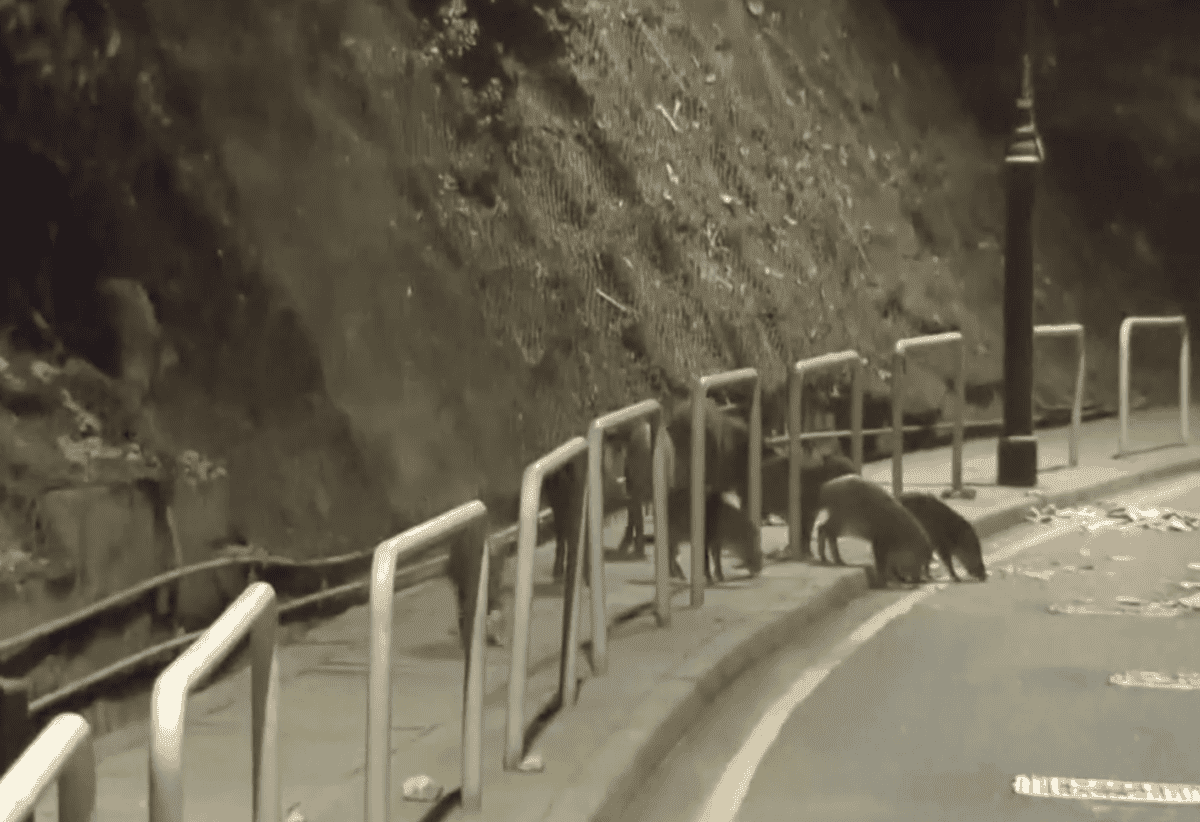
Wild boars are infamous for the destruction they cause to agricultural lands. In their search for food, they root and dig, often devastating crops and pasturelands. This not only results in significant economic losses for farmers but also disrupts local ecosystems by altering the soil composition and plant diversity.
Impact on Local Ecosystems

The presence of wild boars in southern ecosystems has led to considerable disturbances. Their feeding habits affect native plant species, and their rooting behavior transforms the landscape, promoting erosion and degrading habitats for other wildlife. The competition they pose to native species for food and territory further complicates conservation efforts.
Threats to Livestock and Domestic Animals
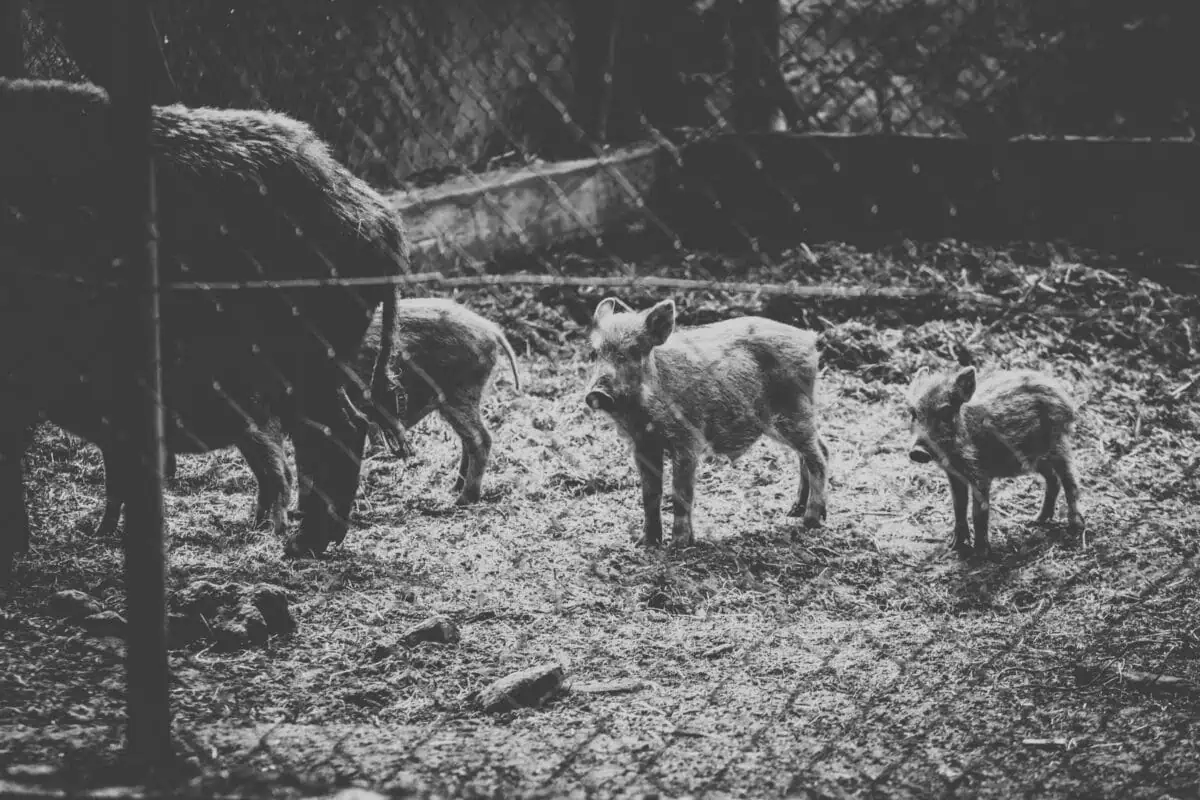
Wild boars can also pose direct threats to livestock and domestic animals. They are known carriers of diseases such as swine fever and leptospirosis, which can be transmitted to domestic pigs and other farm animals. This risk necessitates vigilant monitoring by farmers to protect their animals and livelihoods.
Challenges in Wild Boar Management

Controlling the wild boar population presents significant challenges for wildlife management officials. Traditional hunting and trapping methods have limited effectiveness given their high reproductive rates and adaptability. Coordinated efforts between government agencies and private landowners are essential to develop comprehensive management strategies.
Efforts Towards Eradication
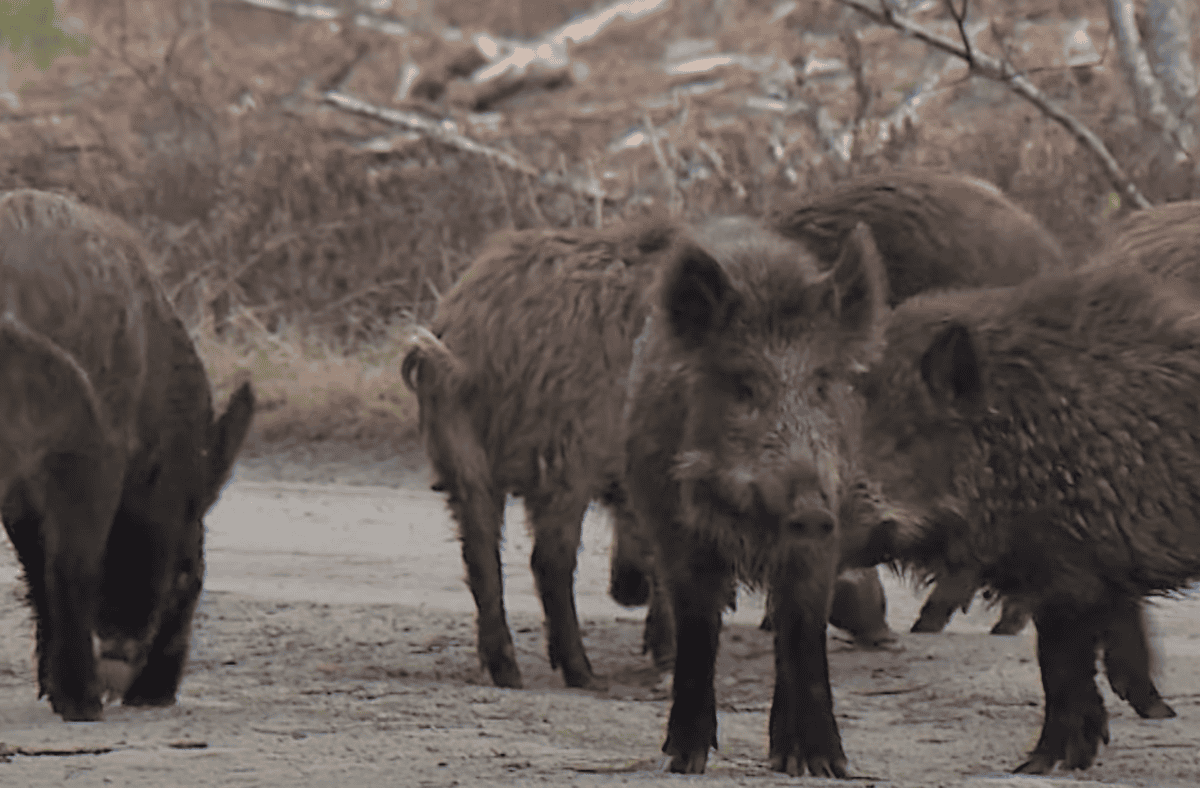
Various states have implemented programs aimed at controlling the wild boar population. These include offering hunting incentives, supporting research to better understand their behavior, and promoting public awareness campaigns. Despite these efforts, the elusive and cunning nature of wild boars has complicated eradication initiatives.
Cultural and Historical Significance

In some regions, wild boars have become ingrained in local culture and history. Historically used for hunting and food, they are now also seen as a symbol of human influence on natural environments. This duality presents both a challenge and an opportunity for education and advocacy efforts.
Economic Implications

The economic impact of wild boars is extensive, with damages reaching millions of dollars annually due to crop losses, property damage, and management expenses. Communities affected by these creatures must balance the cost of control measures with the losses incurred from their ravages.
Role of Climate and Environment

The warm climate and abundant resources in the southern United States provide an ideal habitat for wild boars, allowing them to thrive year-round. This environmental suitability has accelerated their population growth and widened their geographical range.
Legal and Policy Considerations

Legal regulations regarding hunting and management of wild boars vary across states, adding another layer of complexity to their control. Policies governing hunting seasons, allowable methods, and landowner responsibilities require continuous updates to remain effective against this adaptive species.
Future Prospects and Solutions
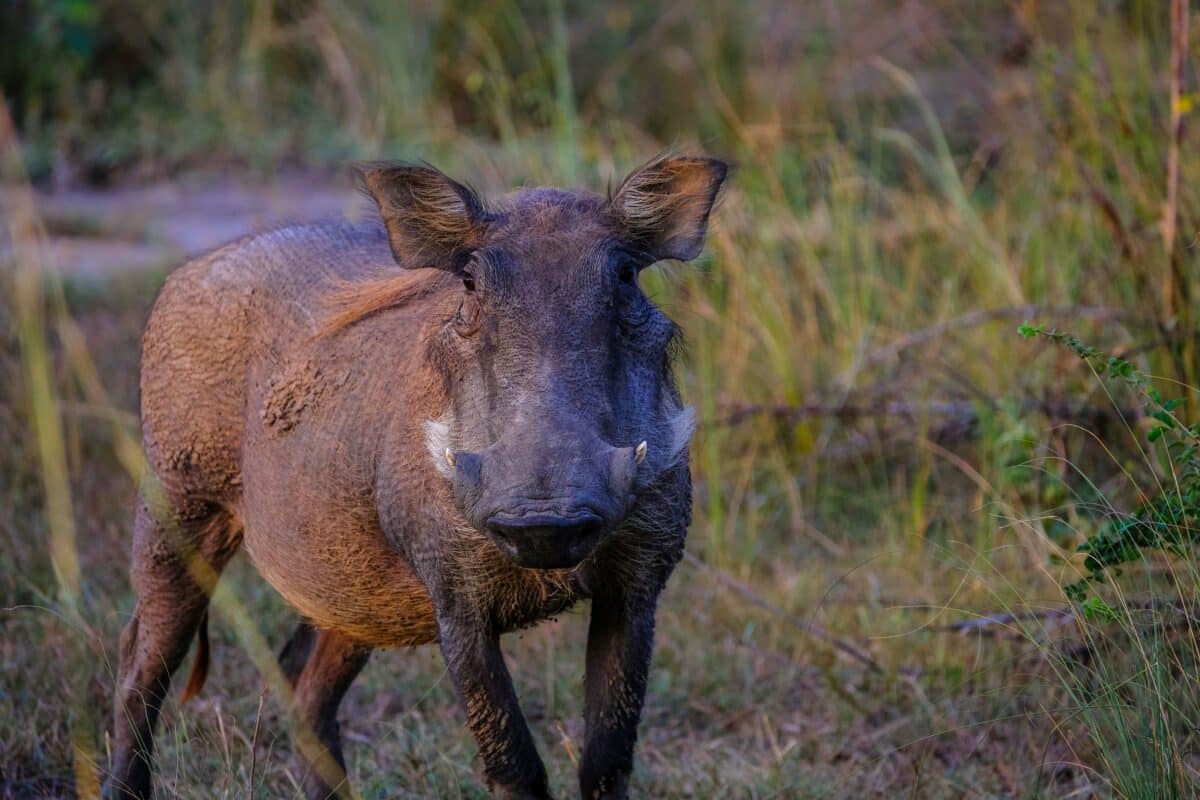
Future solutions to the wild boar problem may involve innovative technology, enhanced cooperation between landowners and wildlife agencies, and new research into more efficient management practices. Public education is also crucial for fostering awareness and encouraging community participation in control efforts.
In conclusion, wild boars are a growing menace in the southern United States, presenting serious ecological, economic, and health challenges. Understanding the factors contributing to their spread and the impacts of their presence is critical for developing effective strategies for their management. A coordinated, adaptive approach that leverages technology, policy, and community action may offer the best hope for mitigating the havoc wrought by these resilient creatures.

- The World’s Deadliest Plants and What Makes Them So Lethal - July 18, 2026
- The Tallest Waterspout Ever Seen Off the Florida Keys - July 18, 2026
- The Deadliest Floods That Wiped Out Entire Cities - July 17, 2026