
You’re running late for work. The dog needs a quick walk before you head out the door. You grab the leash, hoping for a brisk five-minute loop around the block.
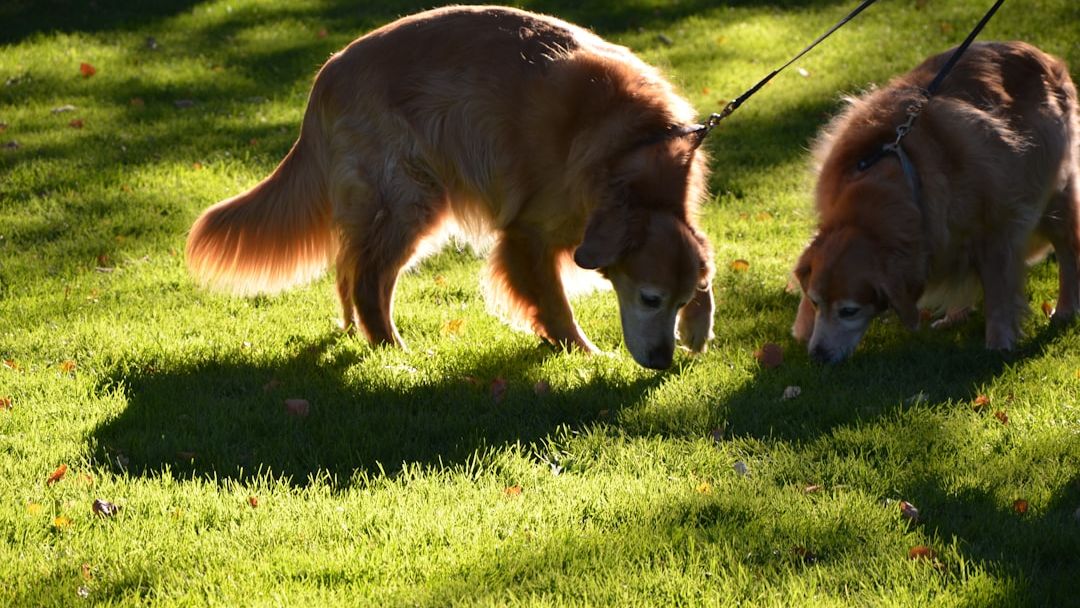
Then your dog stops. Again. Head buried in a patch of grass that looks completely unremarkable to you. You tug gently, trying to hurry things along. Yet there they remain, nose twitching with intense focus.
Sound familiar? Most of us have been there, treating our dog’s sniffing habit as an inconvenience rather than what it truly is: a fundamental need. Turns out, those pauses aren’t about being stubborn or distracted. They’re about experiencing the world in a way we can barely imagine, and denying them this simple act might be doing more harm than good.
Their Nose Is Their Superpower
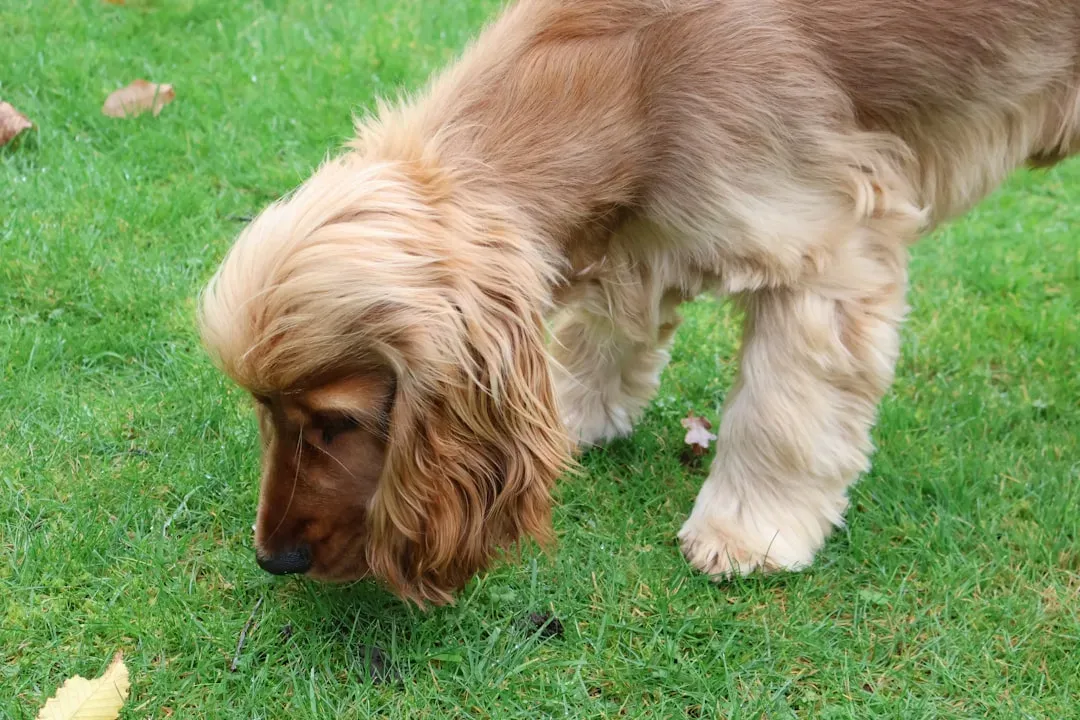
Let’s be real, our dogs live in a completely different sensory universe than we do. Dogs have hundreds of millions of scent receptors compared to our six million, and they devote approximately 40 times more brain volume to decoding smells than we do. That’s not just impressive, it’s mind-blowing.
Think about walking into a bakery. You smell fresh bread. Your dog? They can identify the flour, the yeast, the butter, each ingredient separately. Dogs “see” the world through scent, and allowing them to interact with their environment through their noses taps into an often-overlooked processing tool.
Their olfactory system is wired differently from ours. There is increasing evidence for the olfactory system playing a dominant role in dog cognition rather than a more complementary role as is often described in human functioning. When you understand that, suddenly those sniffing sessions feel less like delays and more like essential activities.
Mental Workouts Disguised as Sniffing
Here’s something that surprised me when I first learned it: Just 20 minutes of sniffing can provide the same mental stimulation as an hour of vigorous exercise. Yeah, you read that right. All that nose work? It’s exhausting their brain in the best possible way.
Scent walks allow dogs to use their natural sniffing instincts, providing both mental stimulation and enrichment. While a brisk jog might tire out their legs, letting them sniff deeply engages their brain, working through complex scent information like a puzzle that never gets boring.
This mental exercise becomes especially valuable for older dogs who may struggle with physical activity. This can be especially beneficial for senior pets who may be limited by achy joints and low energy. A slow walk with plenty of sniff breaks gives them the stimulation they crave without taxing their bodies.
Because such a large portion of their brain is dedicated to their sense of smell, sniffing is a great way to give your dog’s brain a workout – and a happy side effect of this will be a more calm, relaxed dog at home. Honestly, if you’ve got a dog who seems restless or gets into mischief at home, more sniffing time might be exactly what they need.
Stress Relief You Can Actually See
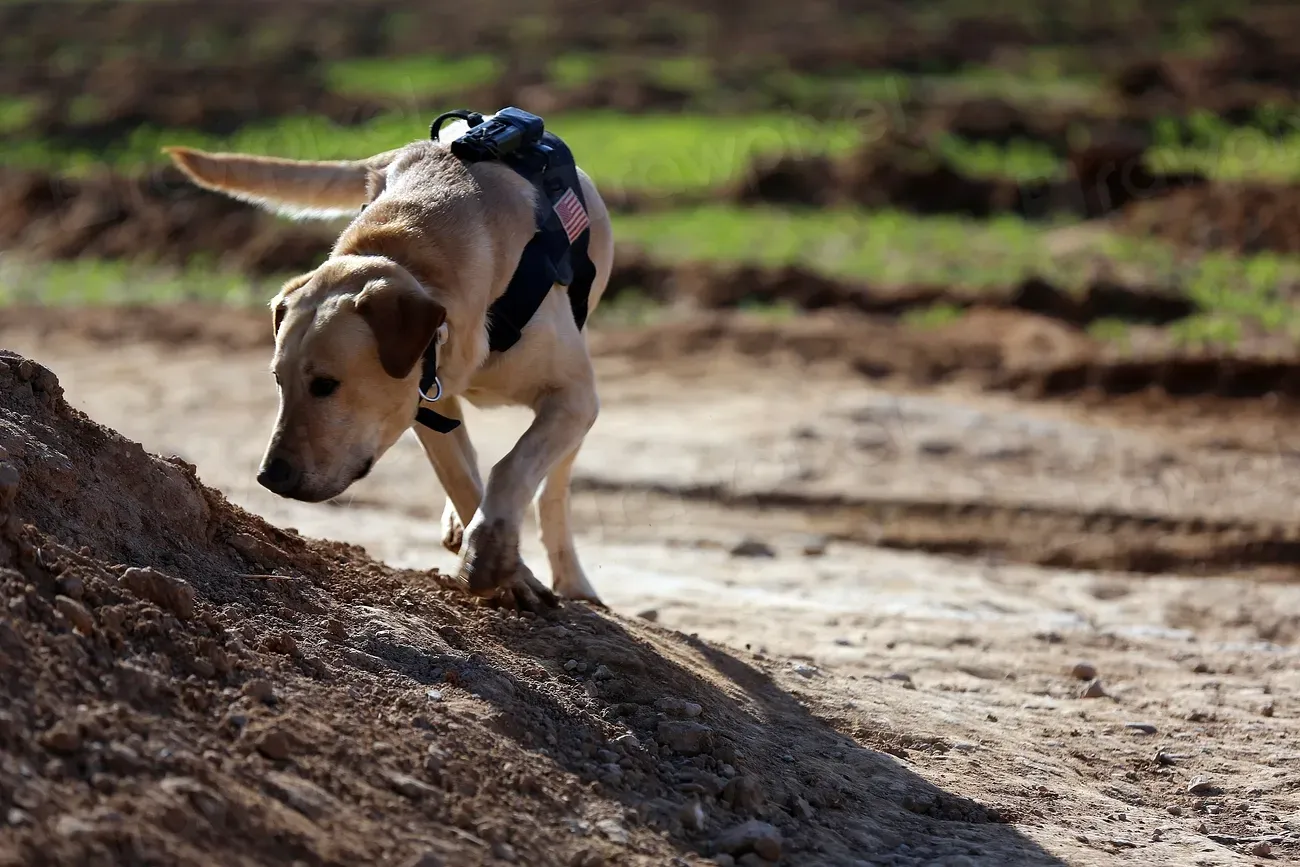
Watch your dog closely next time they’re deeply engaged in sniffing something. Their body language changes. Shoulders drop. Breathing shifts. That’s not coincidental.
Studies have shown that when dogs sniff, their heart rate goes down – and the more they sniff, the more their heart rate goes down, suggesting that sniffing has a calming, self soothing effect on dogs. It’s their version of meditation, essentially. Meandering sniff sessions on a long leash can lower a dog’s pulse rate and release the mood-boosting chemical dopamine.
Sniffing activates many parts of a dog’s brain, releasing the pleasure hormone dopamine and promoting rest, thereby helping to reduce stress. This becomes crucial for anxious dogs or those living in overstimulating urban environments where every walk involves traffic noise, crowds, and countless distractions.
Giving your dog access to low-stress dog-led sniffing walks can be a great way to boost your dog’s confidence, reduce stress, and help build your dog’s resilience. Sometimes they’re not being difficult when they stop to sniff repeatedly, they’re trying to self-regulate their emotions and cope with stress.
Reading the Neighborhood Newsletter
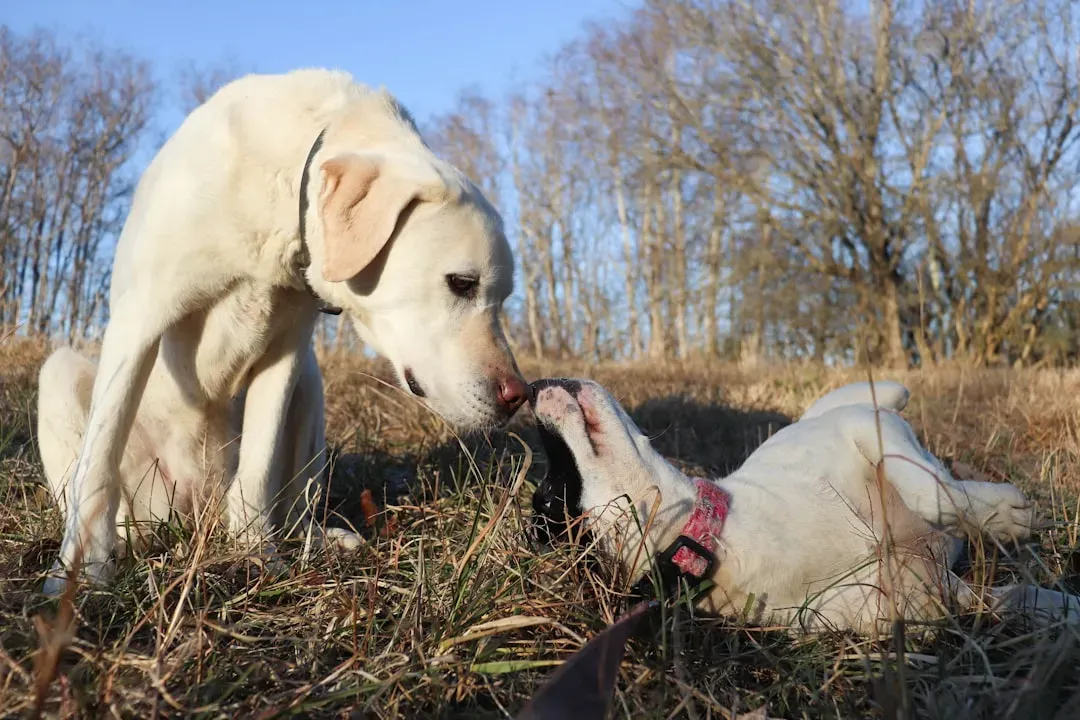
Ever noticed your dog becomes obsessed with certain spots? Fire hydrants, fence posts, the corner of that one building? They’re not being weird, they’re catching up on local news.
When dogs sniff, they are gathering vital intel about their territory and four-legged neighbors, whether it’s discerning the scent of a male rival, a notification that a bitch is in heat, or that a critter they’d like to chase took a pause in that spot. It’s like checking social media, except infinitely more informative for them.
Dogs use smell similar to how humans use sight, and by taking in the scents around them, dogs can decode data – like a recent passthrough from a neighbor dog, nearby scat from a wild animal, or even upcoming changes in weather. Yeah, they can literally smell a storm coming. Wild, right?
This information gathering serves real purposes beyond curiosity. It helps them understand their environment, assess potential threats, and feel oriented in their territory. Denying them this is kind of like blindfolding a human and expecting them to navigate comfortably.
Behavior Problems Might Just Need More Sniffing
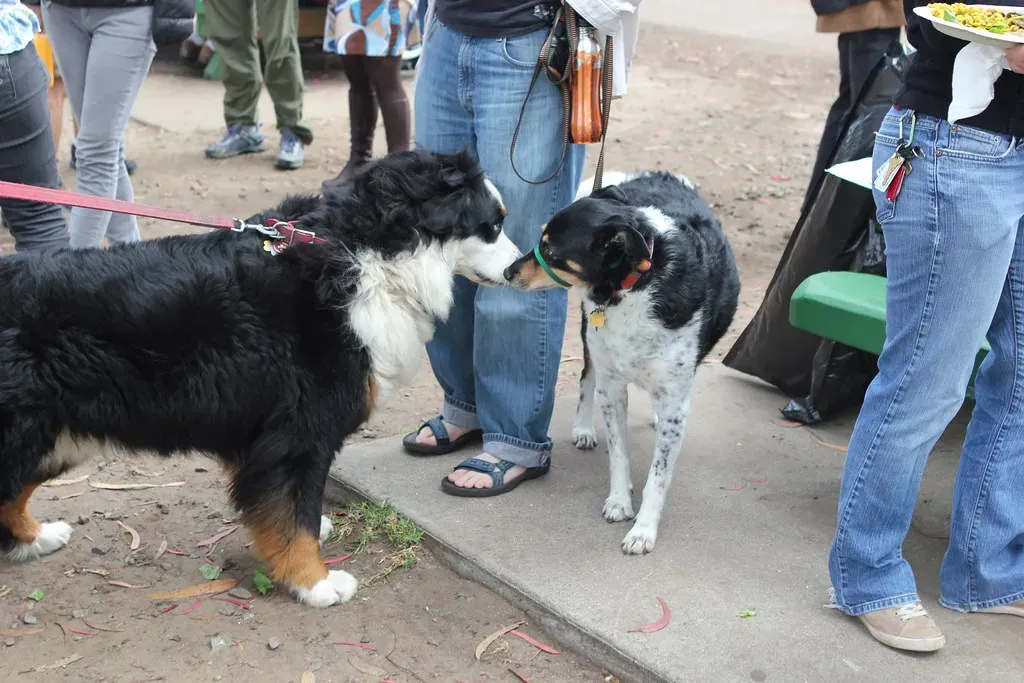
I think one of the most overlooked connections is between inadequate sniffing opportunities and behavioral issues at home. Sniff walks are just as effective as physical exercise at expending pent-up energy and decreasing behaviors like destructive chewing or excessive digging.
Dogs who don’t get enough mental stimulation find ways to entertain themselves, and we usually don’t love their creative solutions. Chewed shoes, shredded pillows, relentless barking. A stimulated dog is also less likely to show behavioral issues and will be easier to train.
In addition to reducing stress, studies have shown that sniffing can improve a dog’s mood and make them more optimistic. A more optimistic dog? That’s a dog who’s easier to live with, more resilient to change, and generally happier. Studies even suggest sniffing makes dogs feel more optimistic.
If you’re dealing with a dog who seems perpetually unsatisfied despite regular walks, consider whether those walks actually meet their needs. Are you rushing them through, focused on distance and speed? Or are you giving them time to truly explore through their most powerful sense?
How to Actually Do a Sniff Walk
Alright, so you’re convinced. Now what? The mechanics are simpler than you might think, though it requires a mindset shift.
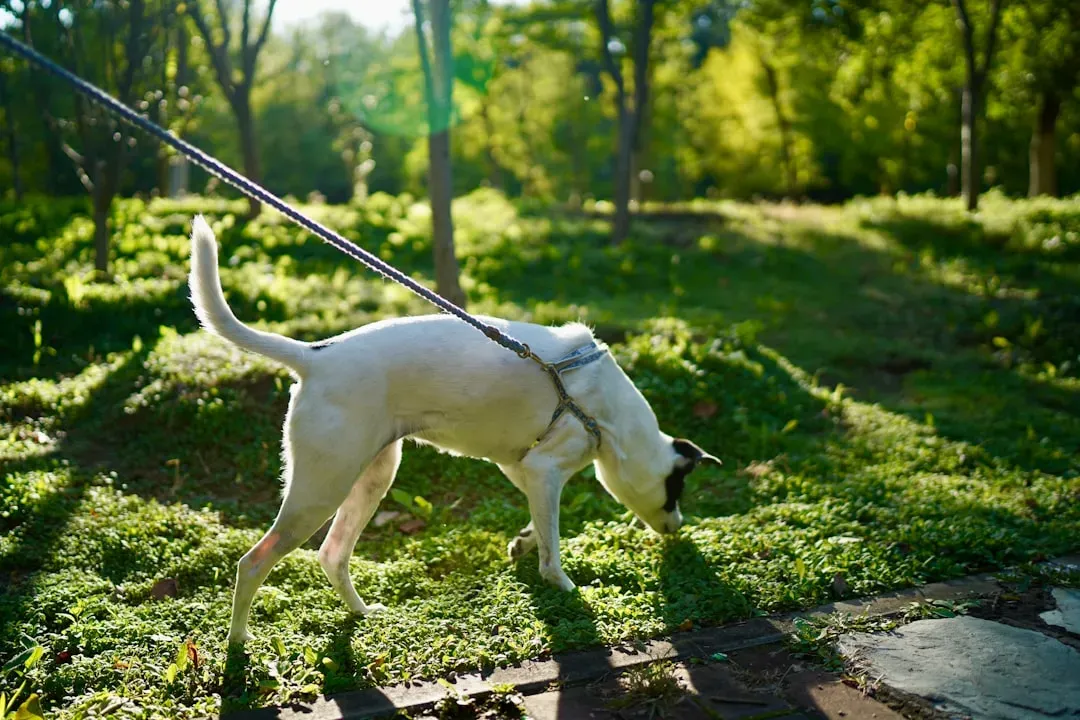
The walk should be 100% driven and guided by your dog and their nose, with your dog choosing where to go in the environment, what to sniff, when to stop/move, and how fast to go. You’re basically the passenger. Let them choose where they want to go and how long they’ll linger at each smell, covering very little distance slowly, remembering that humans are more about the destination, dogs more about the journey.
All you need is a well-fitting harness and a long line measuring between 10 and 15 feet, enabling your dog to not feel pressure on their neck and also get ahead of you and set the pace. Studies show that dogs sniff 280% more on a long leash than a short leash. The longer leash gives them freedom to zigzag and follow scent trails.
The best locations offer a lot of grass, trees, bushes, and natural terrain. Parks, nature trails, quiet neighborhoods. Not every walk needs to be a sniff walk, but incorporating them regularly makes a huge difference. Maybe fast-paced exercise walks in the morning, slower sniff sessions in the evening?
Let go of expectations about distance or time. This isn’t about burning calories or hitting step goals. It’s about meeting a fundamental need that we’ve too often overlooked in our modern approach to dog ownership.
Conclusion
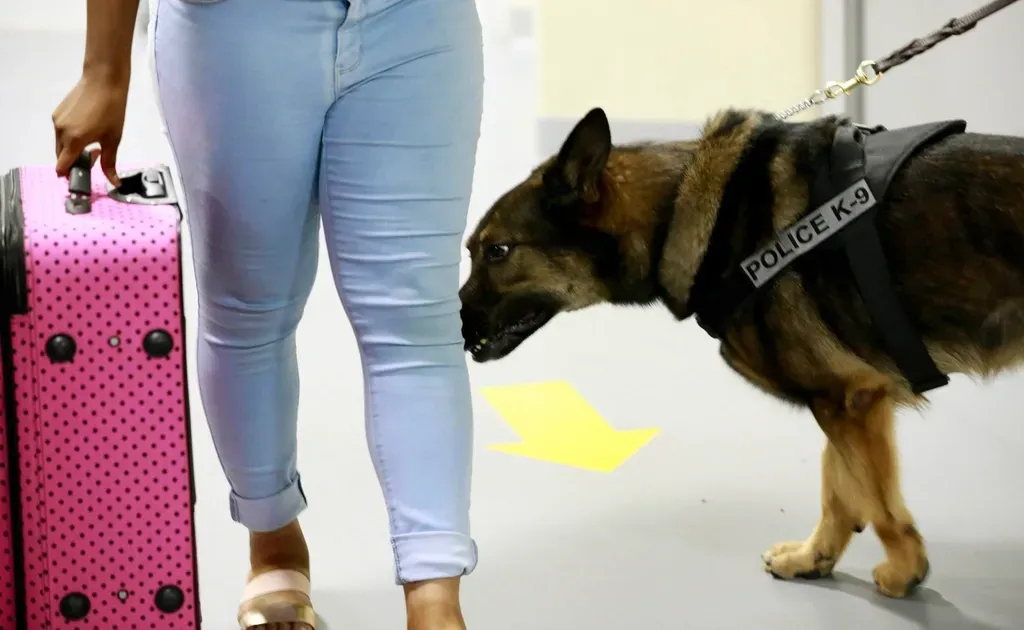
The next time your dog stops to investigate a seemingly boring patch of grass, try pausing with them instead of tugging the leash. Watch how their whole body engages with the scent. Notice the intensity of their focus.
We’ve spent years training dogs to fit into our human world, prioritizing obedience and convenience. There’s nothing wrong with structure, yet we’ve maybe forgotten that some of their needs are non-negotiable. Sniffing isn’t optional enrichment for dogs, it’s how they understand and interact with reality.
Giving them the freedom to explore their environment gives them choice and autonomy over their body and their environment, telling them that they matter, and that their needs, desires, and feelings are important. Such a simple act, yet it communicates so much.
So slow down. Let them sniff. Your schedule can wait a few extra minutes. What’s the rush, anyway? Have you noticed a difference in your dog’s behavior after giving them more sniffing freedom?
