

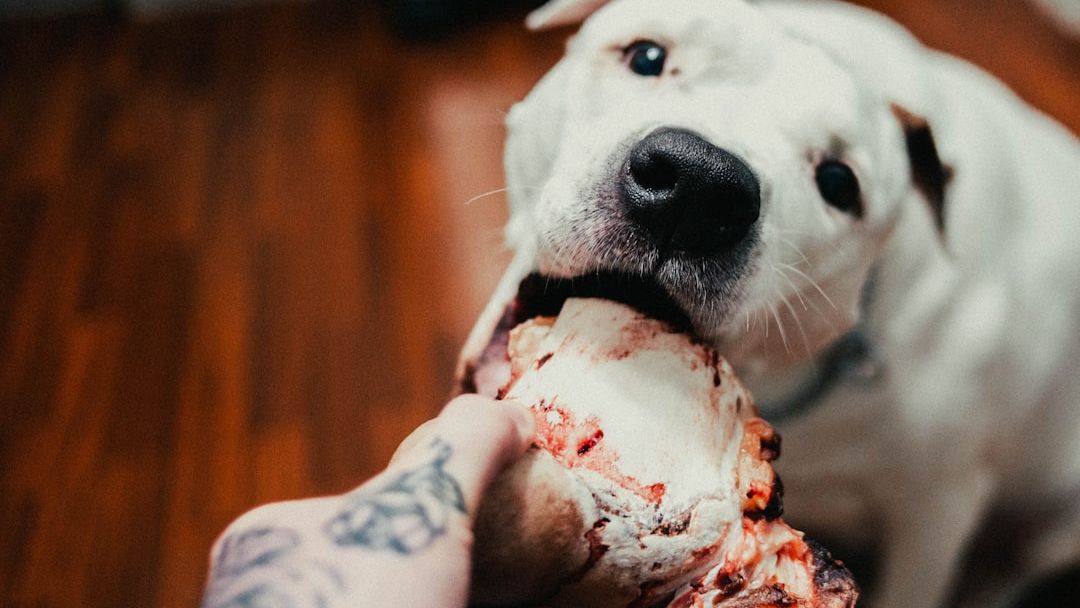
Can Dogs Eat Bacon? Safety Guide for Pet Owners – Image for illustrative purposes only (Image credits: Unsplash)
Every morning the smell of bacon fills the kitchen, and your dog waits nearby with hopeful eyes. The urge to slip a piece under the table feels harmless in the moment. Yet that small act can set off a chain of health problems that owners often discover too late.
The Everyday Temptation Owners Face
Most dogs beg because bacon delivers intense flavor and fat that their senses crave. Owners see the pleading look and weigh a quick reward against long-term effects. The decision repeats at breakfast tables across homes, turning one strip into a habit before anyone notices the pattern.
Veterinary records show that repeated exposure to fatty table scraps ranks among the common triggers for digestive upset in otherwise healthy pets. The human impulse to share remains strong, even when the science points elsewhere.
What Bacon Actually Contains
Bacon starts as pork belly cured with salt and preservatives. A single strip delivers more than 130 milligrams of sodium along with saturated fat and nitrates used to extend shelf life. Dogs process these compounds differently than people do, and their smaller bodies absorb the load faster.
While bacon supplies protein, the balance tilts heavily toward elements that strain organs rather than support them. Canine nutrition guidelines emphasize lean proteins and controlled fats instead of processed meats that carry added chemicals.
Health Problems Linked to Even Small Amounts
High-fat foods like bacon can inflame the pancreas, producing sudden pain and vomiting that sometimes requires emergency care. The same fat load contributes to gradual weight gain, which then raises the chance of joint strain and reduced mobility over years.
Sodium levels pose another immediate issue. Excess intake may cause tremors or more serious neurological signs in sensitive dogs. Nitrates add a longer-term concern, with studies in both humans and animals connecting prolonged exposure to higher cancer risks.
Owners often notice the first signs only after several incidents. A single piece rarely causes visible trouble in a robust adult dog, yet frequency matters more than any one serving.
Better Choices for Training and Treats
Plain cooked chicken or turkey breast provides the savory taste dogs enjoy without the added salt or fat. Small portions of these lean meats work well for rewards and keep calorie counts low.
Other options include:
- Cooked rabbit or lean fish such as tuna packed in water
- Commercial dog treats formulated for training with controlled ingredients
- Vegetables like carrots or green beans for dogs that accept them
Plant-based bacon substitutes made for people still contain seasonings and oils that dogs should avoid. The safest route stays with foods prepared specifically for canine digestion.
Steps to Take After Accidental Exposure
If a dog consumes a small cooked piece, watch closely for the next day. Vomiting, loose stools, or unusual lethargy signal the need for a veterinary call. Larger amounts or bacon grease require faster contact with a professional.
Never attempt to induce vomiting without guidance. The priority remains steady monitoring and prompt advice when the quantity or the dog’s reaction raises any doubt.
Consistent feeding routines protect long-term health more reliably than occasional indulgences. The choice to keep bacon off the floor ultimately rests with the person holding the plate.

As a little kid, I fell in love with nature, wildlife, and animals. Living in the USA, South Africa, Italy, China and Germany gave me the opportunity to discover the world's Wildlife. My favorite animals are Mountain Gorillas, Siberian Tigers, and Great White Sharks.
I'm a certified PADI Open Water Diver, went to Everest Base Camp and Trekked Gorillas in Uganda. I hold a Master of Science in Economics and Finance.
Please send any feedback to feedback@animalsaroundtheglobe.com
- 11 Weather Records That Still Haven’t Been Broken - July 23, 2026
- 12 Most Adorable Dog Breeds That Melt Hearts - July 23, 2026
- 10 Laws That Changed Animal Rights Forever - July 23, 2026