


In the heart of Uganda’s Budongo Forest, a remarkable discovery has unveiled a sophisticated facet of chimpanzee behavior: the use of medicinal plants for treating wounds. This behavior not only highlights the cognitive abilities of our closest primate relatives but also offers insights into the evolutionary roots of human healthcare practices.
A Chimpanzee’s Natural Remedy
Researchers observed a chimpanzee with an injured hand seeking out specific plants known for their healing properties. The chimpanzee chewed the leaves of the Christella parasitica fern, a plant recognized for its anti-inflammatory effects, and applied the masticated material directly to the wound. This deliberate action suggests an understanding of the plant’s medicinal benefits and an ability to self-medicate effectively.
Treating Others’ Wounds
Beyond self-care, the study documented instances where chimpanzees treated the injuries of their peers. In one notable case, a chimpanzee chewed leaves from the Alchornea floribunda plant and applied the paste to another chimpanzee’s wound. This behavior indicates a level of empathy and social responsibility, as the caregiver received no immediate benefit from assisting the injured individual.
The Medicinal Arsenal
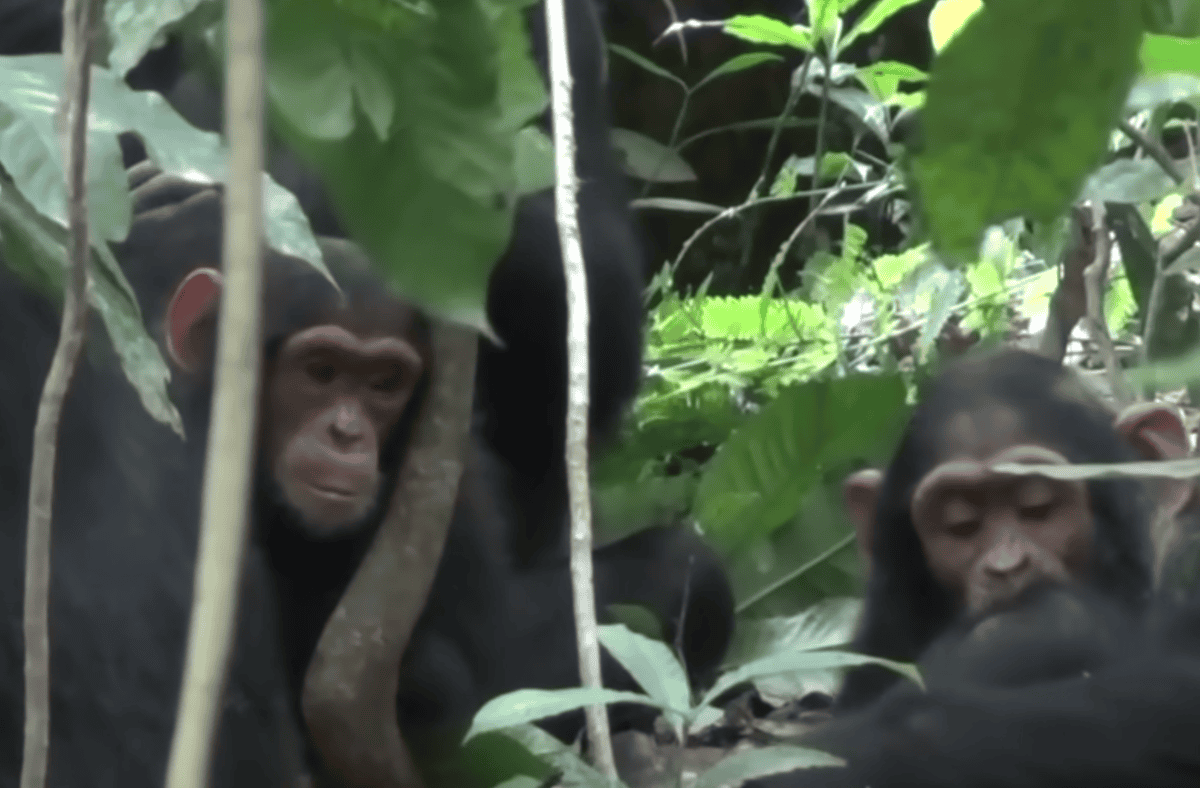
The chimpanzees’ choice of plants is particularly intriguing. Species such as Acalypha and Pseudospondias microcarpa (African grape tree) were frequently used, both of which are known in traditional medicine for their antibacterial, antifungal, and analgesic properties. The deliberate selection and application of these plants underscore the chimpanzees’ sophisticated understanding of their environment and its resources.
Implications for Human Evolution and Medicine

These findings challenge the long-held belief that the use of medicinal plants is a uniquely human trait. The chimpanzees’ behavior suggests that the roots of medical knowledge and empathetic care extend deep into our evolutionary history. Understanding these practices in chimpanzees can shed light on the origins of human medicine and the development of social behaviors centered around caregiving.
Conservation and Continued Research
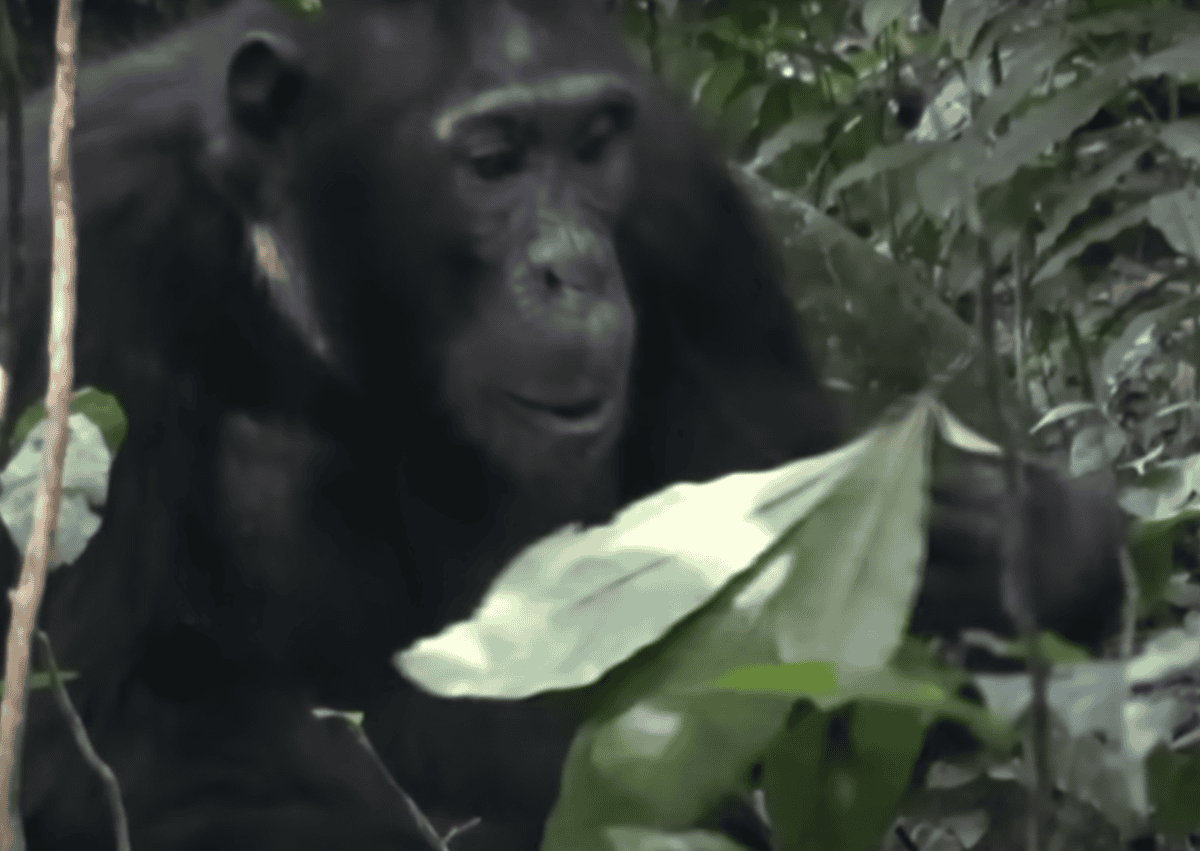
The study’s revelations emphasize the importance of conserving natural habitats like the Budongo Forest, which serve as living laboratories for understanding primate behavior and evolution. Continued research in these environments is crucial for uncovering the depths of animal intelligence and the parallels between human and animal societies. The chimpanzees of Budongo Forest have demonstrated that the use of medicinal plants is not solely a human endeavor. Their behaviors reflect a complex interplay of knowledge, empathy, and social interaction, offering a profound perspective on the shared traits between humans and our closest relatives in the animal kingdom.

adventuring, photography and videography. I am currently working towards a BSc in Biodiversity and Ecology at Stellenbosch University to go on to specialise in Marine Sciences one day.
Please send any feedback to Feedback@animalsaroundtheglobe.com
- Wild Chimpanzees Discovered Using Medicinal Plants to Heal Themselves and Others - July 12, 2026
- This Dog Loves Sitting On Warm Laundry - July 12, 2026
- Black-eyed Tree Frog Waking Up From A Nap - July 12, 2026
Leave a comment
You must be logged in to post a comment.