
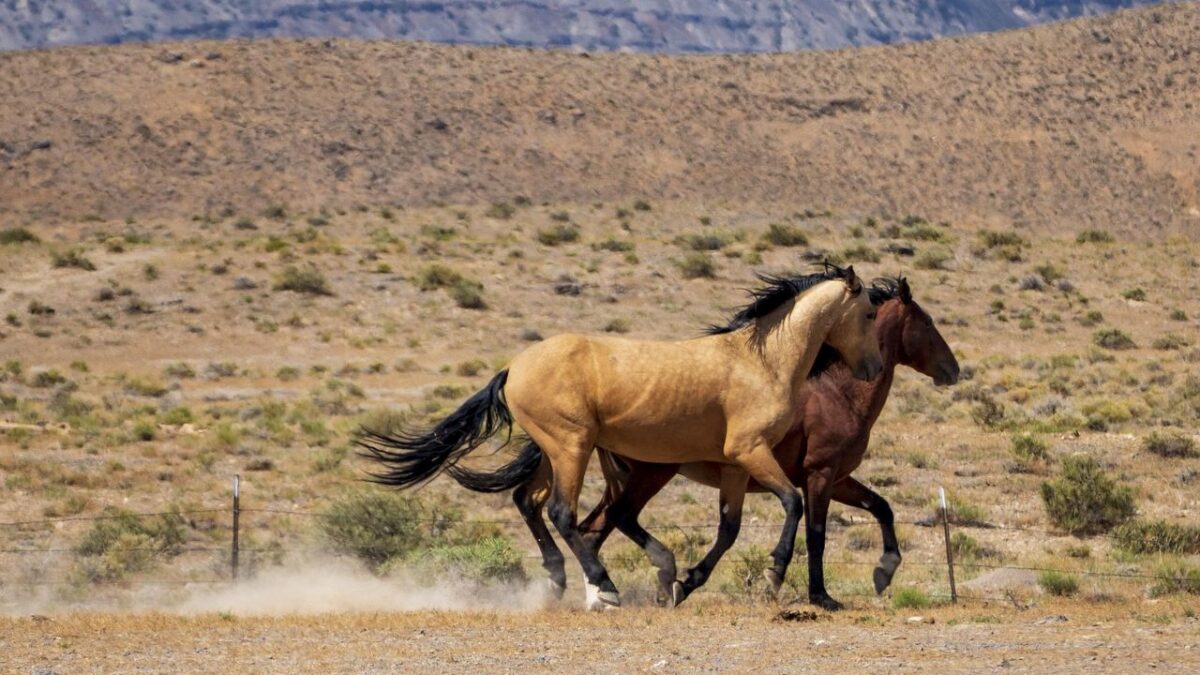
There is something almost mythological about catching your first glimpse of a wild mustang crossing open desert at dusk. Mane tangled by wind, moving with the kind of unhurried confidence that only comes from generations of surviving without a fence in sight. It stops you. For a moment, the whole West feels the way it used to.
Wild horses have roamed the American West for centuries, and their story is far more complicated than most people realize. A growing body of evidence shows that the horse originated in North America some 53 million years ago and traveled over the Bering Land Bridge, dispersing into Asia between 800,000 and 1 million years ago, with DNA evidence showing horses remained in North America at least as recently as 5,000 years ago. Today, they persist across desert basins, high plateaus, and volcanic rimrock, holding on in landscapes that would break most creatures. What’s happening with their populations right now, and which states are at the center of the story, is more nuanced than a headline ever lets on.
#1: Nevada – The Undisputed Heart of Wild Horse Country
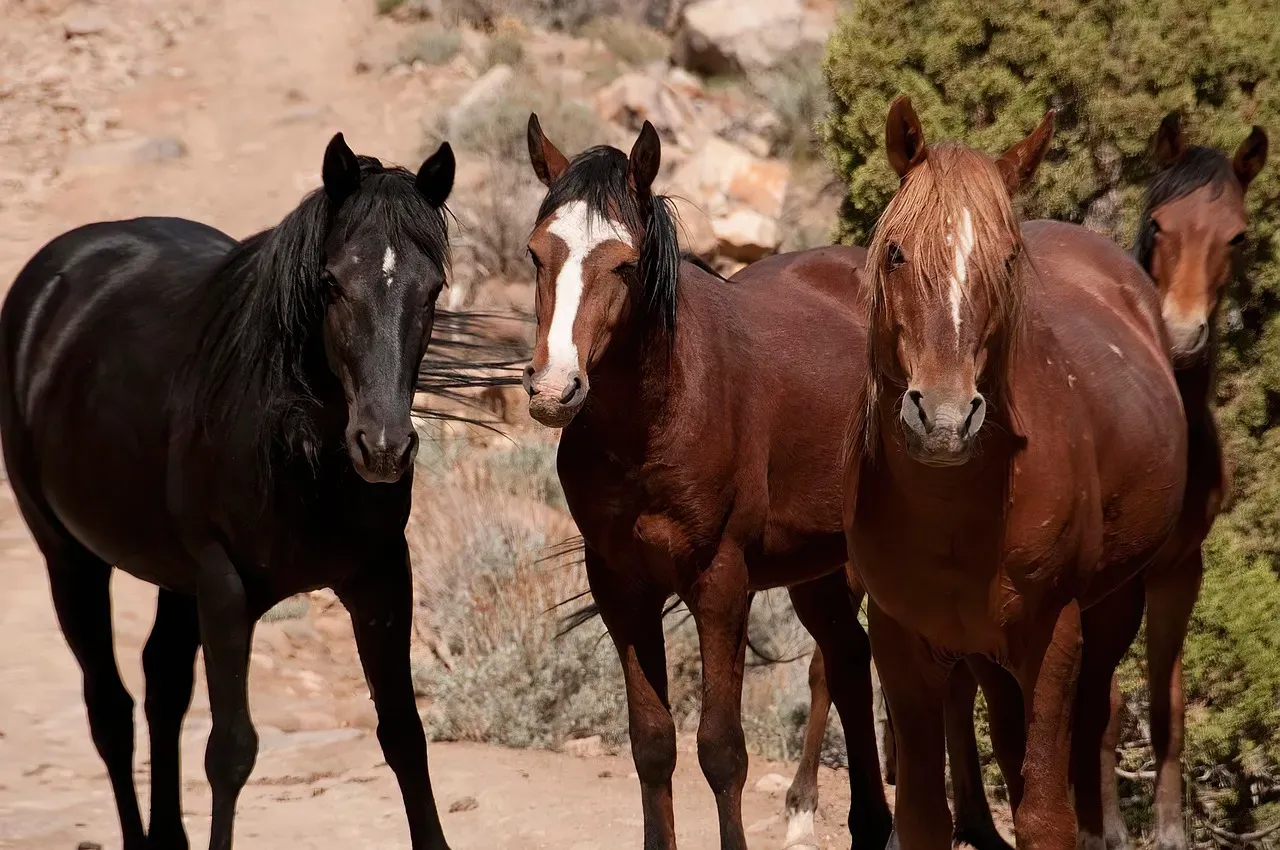
If wild horses have a capital, it is Nevada. More than half of the feral horses in the Western United States are in Nevada. The state’s wide open valleys, sagebrush flats, and mountain ranges create a patchwork of terrain that herds have adapted to over many generations, developing a hardiness and sure-footedness that distinguishes them from their domesticated relatives.
The most reliable place to view wild horses is in the Virginia Range, located between Reno and Virginia City, which is home to around 2,000 wild mustangs that come in all shapes and sizes. Nevada also hosts the massive Triple B Complex in its central region, one of the herd management areas identified for ongoing management operations, which has been the site of emergency gather operations in recent years to rescue animals imminently at risk of starvation and thirst, with the herd still significantly over its appropriate management level as of early 2024.
In Nevada’s very arid climate, it can take 20 acres or more to sustain one horse for a single month, which gives you a real sense of just how tough life on the range actually is. The herds that survive here are genuinely resilient. Feral horses adapted to difficult environments can be genetically resistant to many diseases that impact domesticated stocks, and contain more genetic diversity than modern domesticated horses. Nevada’s mustangs carry that resilience in every step.
#2: Wyoming – Wide Open and Fiercely Contested
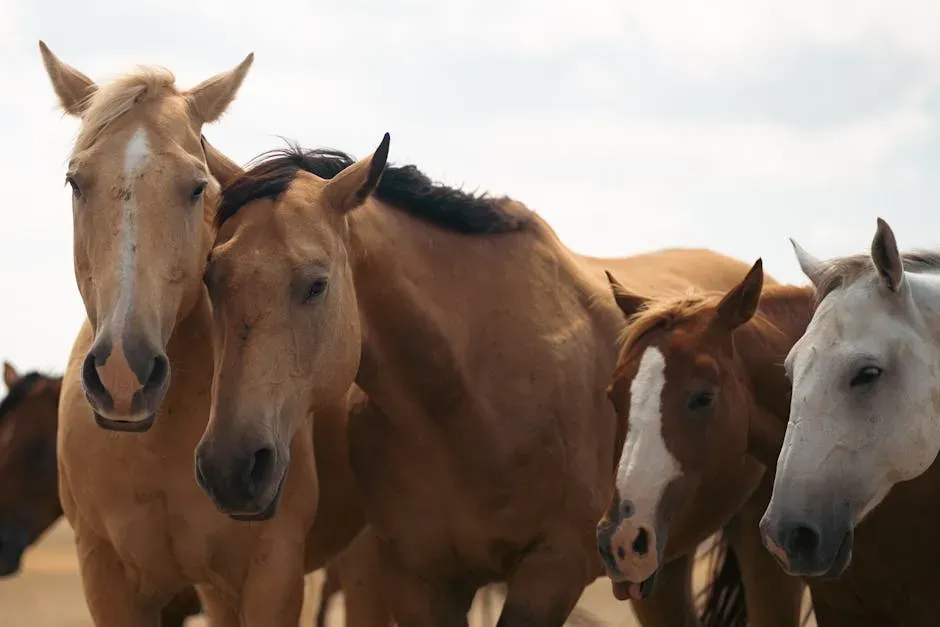
Wyoming holds some of the most dramatic wild horse terrain on the continent, from the sweeping Red Desert to the rugged high country near Cody. There are 16 wild horse herds remaining in Wyoming, including Adobe Town near Baggs, McCullough Peaks near Cody, the North Lander Complex, White Mountain near Rock Springs, and several others scattered across the state’s vast interior. Each herd carries its own distinct character, shaped by the land it has called home for generations.
Wyoming is also where the tension between wild horse conservation and land management has boiled over most visibly in recent years. Over the course of 2025 and 2026, the Bureau of Land Management has planned to fully remove roaming horses from several herd management areas, with removal operations targeting the Adobe Town Herd and Salt Wells Creek Herd, while roundups to eliminate the Great Divide Basin Herd are planned as well, though these timelines remain uncertain. Still, substantial herds persist, and Wyoming remains one of the most important states for wild horse watching and advocacy.
The Spanish or Iberian influence remains strong in some wild horse populations, including the Pryor Mountain herd, which spans the Wyoming and Montana border and is considered one of the most genetically distinct herds in the country. These horses are living links to colonial-era Spanish stock, and their preservation carries a significance that goes well beyond simple population numbers.
#3: Utah – Ancient Horses on Ancient Land
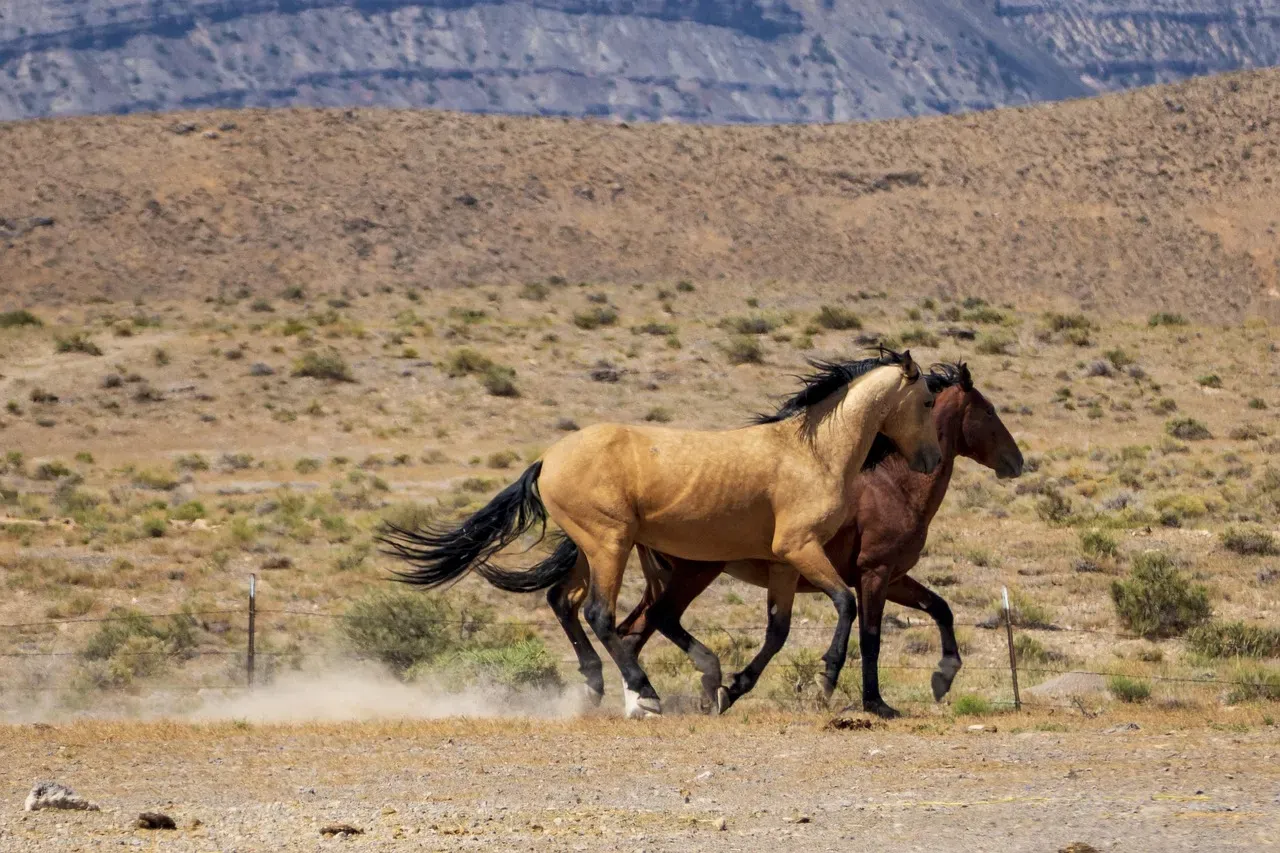
Utah’s wild horse story has an almost geological depth to it. The state’s high desert plateaus, canyon systems, and volcanic ranges provide habitat unlike anywhere else, and the herds that live here reflect that uniqueness. Utah’s Sulphur Spring herd is a direct link to the primitive Iberian horse and has been recognized by geneticists as a resource of “truly unique and irreplaceable genotypes,” retaining traits of the endangered Sorraia breed, including triple dorsal stripes, zebra striped legs, and chest barring. That is not a footnote. That is a living museum.
Research into herd management and behavior has been conducted at Utah’s Conger and Frisco Herd Management Areas, where scientists have studied the effects of various management approaches on horse social behavior and herd structure. Utah also contains the famous Onaqui herd in the west desert, one of the most photographed and visited wild horse herds in the country. The BLM manages wild horses and burros in 175 herd management areas across 10 western states, with each HMA unique in its terrain features, local climate, and natural resources, just as each herd is unique in its history, genetic heritage, coloring and size distribution.
What makes Utah particularly compelling is the evidence of how these animals interact with their environment over time. Vegetation seems to thrive in some areas inhabited by the horses, which may be one reason the Great Plains were once a “sea of grass,” as the horses’ digestive system allows entire seeds to pass through their bodies, effectively replanting their own forage, and they help plants take root by trampling seeds into the ground with their hooves. That ecological role is easy to overlook when the debate focuses only on numbers.
#4: Oregon – Remote Ranges and Recovering Herds
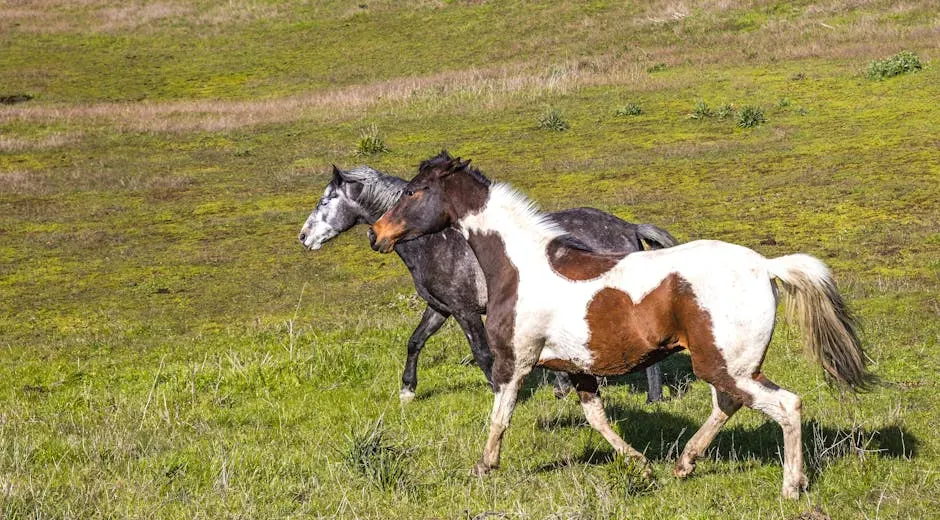
Oregon tends to get less attention in wild horse discussions than Nevada or Wyoming, but it deserves a closer look. Herds of wild horses can be found across Arizona, California, Colorado, Idaho, Montana, Nevada, New Mexico, Oregon, Utah, and Wyoming, and Oregon’s herds occupy some of the most remote and spectacular terrain in the Pacific Northwest. The state’s high desert region in the southeast, stretching into the Great Basin, supports several distinct herds with their own genetic histories and landscape adaptations.
Northern California and northwestern Nevada share a border zone that has drawn federal attention, with the Bureau of Land Management having sought to manage wild horse populations in herd management areas across far northeast California and far northwest Nevada, addressing population dynamics across the Carter Reservoir, Coppersmith, and Buckhorn herd management areas. Oregon’s herds exist within that broader regional ecosystem, and management decisions on one side of the state line ripple across the other. The majority of BLM gather operations have historically taken place in Nevada, the state with the most wild horses, but Oregon remains very much part of the active management picture.
What is quietly remarkable about Oregon is that its horses have adapted to a more varied climate than their Nevada counterparts, navigating both cold winters and dry summers across the high plateau country. These horses not only have to contend with human development that often cuts off their access to food and water resources, but with climate changes that threaten their already tough habitat, yet horses have evolved in ways that allow them to live in difficult environments including deserts, canyons, and mountains.
#5: Colorado – A Quieter Presence With Deep Roots
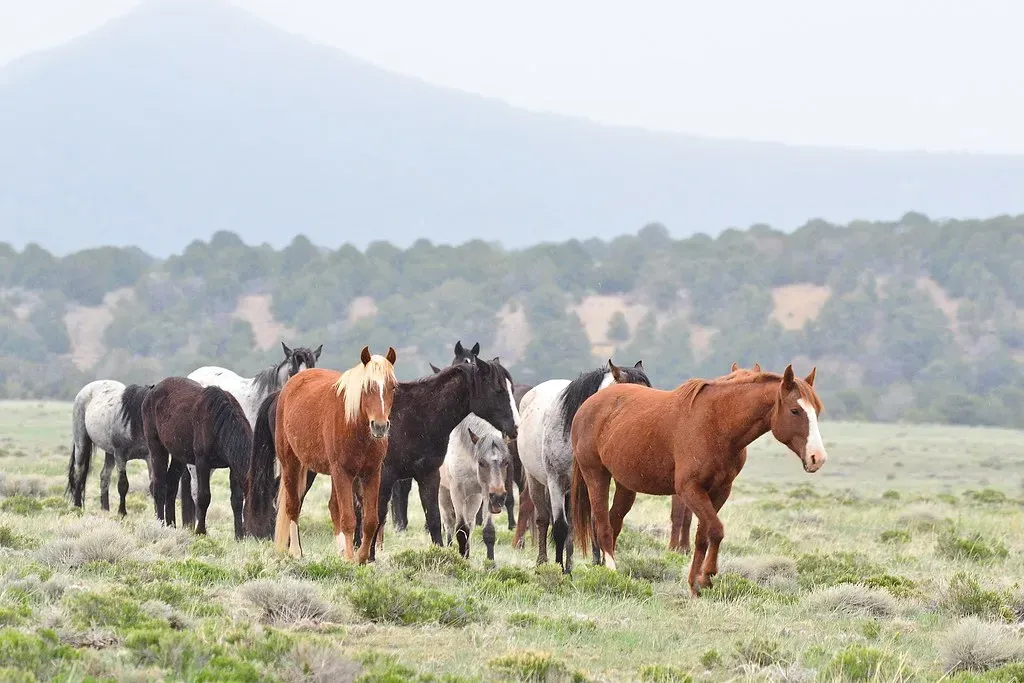
Colorado’s wild horse population is smaller than Nevada’s or Wyoming’s, but it carries an outsized cultural and scientific significance. The USGS, BLM, and USDA have conducted field trials of fertility control vaccines in free-roaming wild horses at the Little Book Cliffs Wild Horse Range in Colorado, making the state something of a testing ground for more humane and sustainable herd management approaches. The Little Book Cliffs range, tucked into the canyon country near Grand Junction, is one of the few places in the West where visitors can reliably find horses on foot.
Herds of wild horses found across these western states are incredibly unique, with their own genetic backgrounds, histories, and survival techniques honed from years of living in deep relationship with their surrounding environment. Colorado’s herds exemplify that, carrying bloodlines and behavioral traits shaped by the mesa and canyon country that surrounds them. Studies on the genetics of feral and wild horses have found that these herds can contain genetic remnants of genes shared with ancient species that were long thought to have died out completely.
Colorado also sits at the intersection of conservation science and public access in a way few states do. The Little Book Cliffs herd is collaboratively managed with strong volunteer involvement, offering a model that other states have begun to study. Where practical and effective, the BLM applies safe and approved fertility control treatments to wild horses and burros on public lands as a way to slow herd growth, and in many herds where wild horses are approachable, BLM gets valuable help from volunteers who devote many hours to identifying animals and delivering vaccines by dart.
The Bigger Picture: Numbers, Nuance, and What “Thriving” Really Means
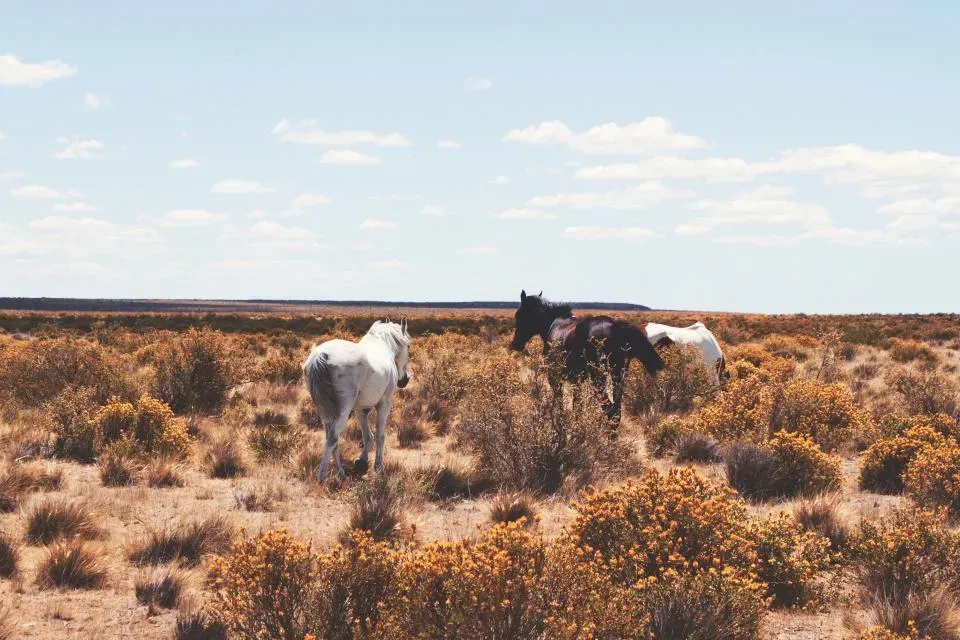
The nationwide population estimate stood at 73,130 wild horses and burros as of March 1, 2025. That figure sounds large until you consider the context. If those numbers were used to describe any other species as a cumulative population in ten western states, they would be considered critical or endangered. The word “thriving” in the context of wild horses is genuinely complicated, and it depends enormously on which metric you use.
Total populations declined from a record 95,114 in 2020 to 73,130 as of March 2025, a roughly 23 percent decrease, with wild horse populations alone decreasing by about 8.7 percent between 2024 and 2025. The number of free-roaming wild horses and burros on federal land is now at the lowest level in nearly a decade, making it easier for the bureau to protect soils, vegetation, and already scarce water resources the animals need to survive. Whether that trend is cause for relief or concern depends entirely on where you stand.
To support healthy conditions on public lands, the BLM determines what it calls the Appropriate Management Level, which is the number of wild horses and burros that can thrive in balance with other public land resources and uses. Population modeling has shown that immediately implementing fertility control alongside any removal that the BLM is already conducting is the only realistic way to stabilize herd growth, replace removals as the primary management tool, and save taxpayer dollars over the long run. The science on this point is fairly consistent, even if the politics are not.
What Lies Ahead for the West’s Iconic Mustangs
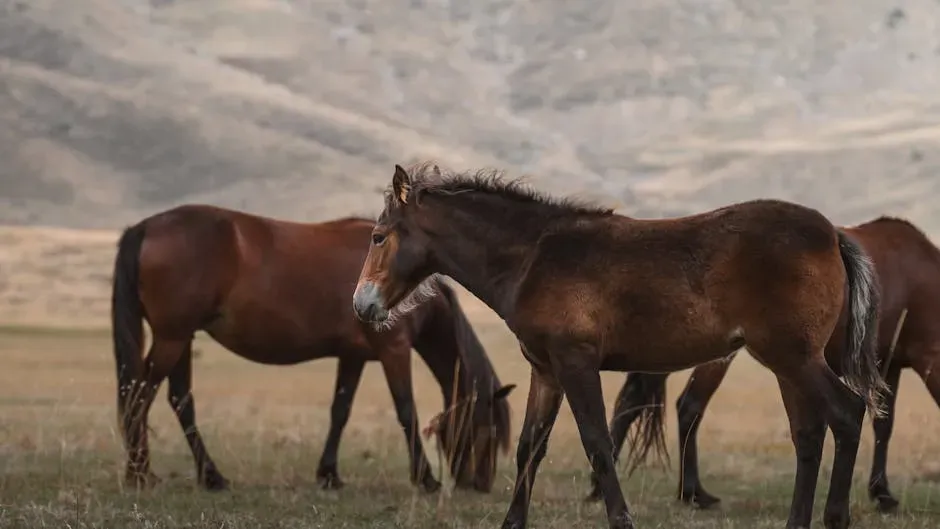
If left unchecked, wild horses can increase their numbers by 15 to 20 percent annually, resulting in the doubling of wild horse populations about every four years. That biological reality is the engine driving most of the management debates you read about today. As more wild horse and burro herds approach appropriate management levels, the BLM intends to increase fertility control treatments to help maintain herds at the target size, which represents a meaningful shift in strategy away from pure removal toward something more sustainable.
Overgrazing can both deplete native vegetation and invite the spread of invasive weeds that are less nutritious to the animals, and can have other impacts such as causing hotter and more frequent wildfires. Managing for that reality without losing the herds entirely is the defining challenge of wild horse conservation in 2026. Wild horses are, in the vast majority of cases, fit and thriving in the West, evidenced by the fact that horses and burros being captured from public lands in recent roundups are generally in good body condition.
America’s horses are valuable to the ecology and natural balance of the West, and vegetation seems to thrive in some areas they inhabit, with the horses’ digestive system allowing entire seeds to pass through their bodies, effectively replanting their own forage. That ecological contribution rarely makes headlines, but it matters. The conversation about wild horses in the American West has always been bigger than population numbers and budget lines. It’s a conversation about what kind of landscape we want to leave behind.
The five states covered here are not just geographic locations on a BLM map. They are living chapters in an ongoing story about wildness, resilience, and the uneasy relationship between human management and natural systems. Whatever decisions get made in the years ahead, the sight of a mustang moving freely across open land will remain one of the most honest things the American West still offers.
