
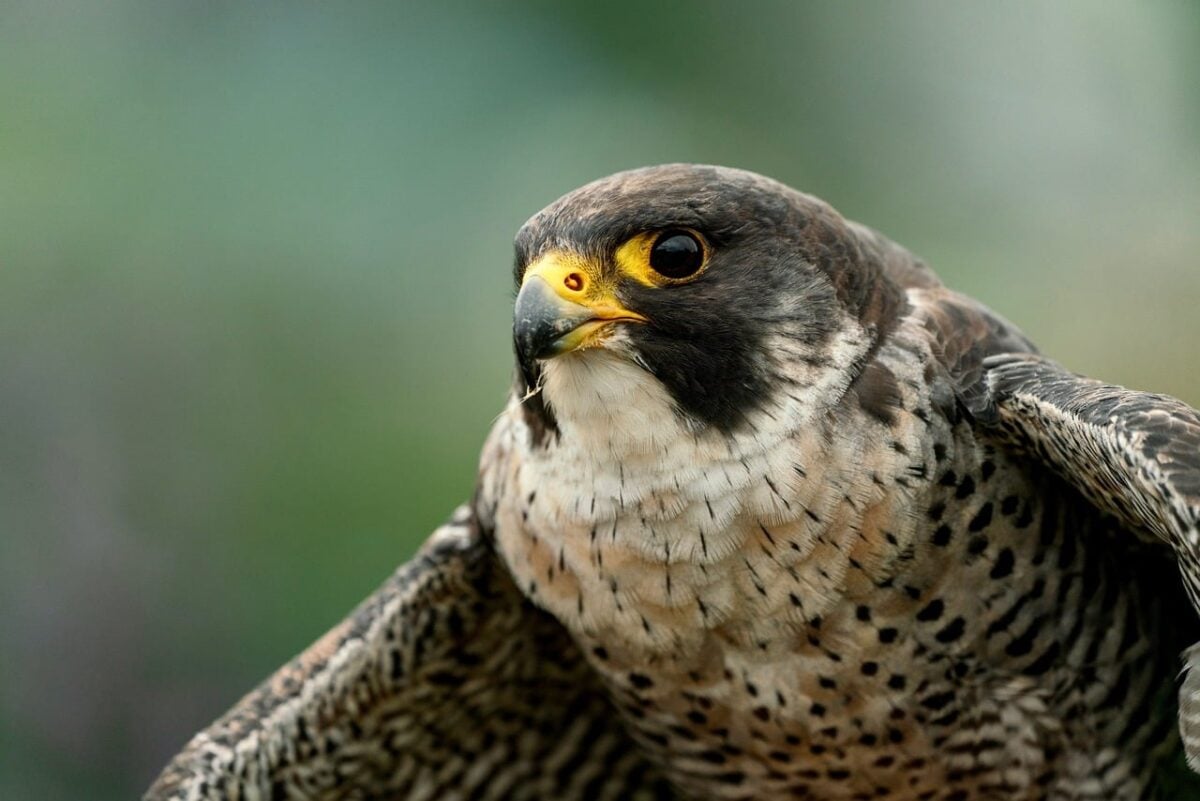


Imagine spotting a sleek bird of prey perched high on a skyscraper ledge, its sharp eyes scanning the streets below for prey. That scene plays out more often these days in places once thought too noisy or polluted for such wildlife. The shift reflects a quiet turnaround in how some species adapt when given a chance.
Decades ago, few would have predicted peregrine falcons thriving amid concrete and traffic. Their story involves a near collapse followed by steady gains through protection and habitat changes. Urban structures now serve as substitutes for the cliffs they once favored.
The Devastating Effects of DDT
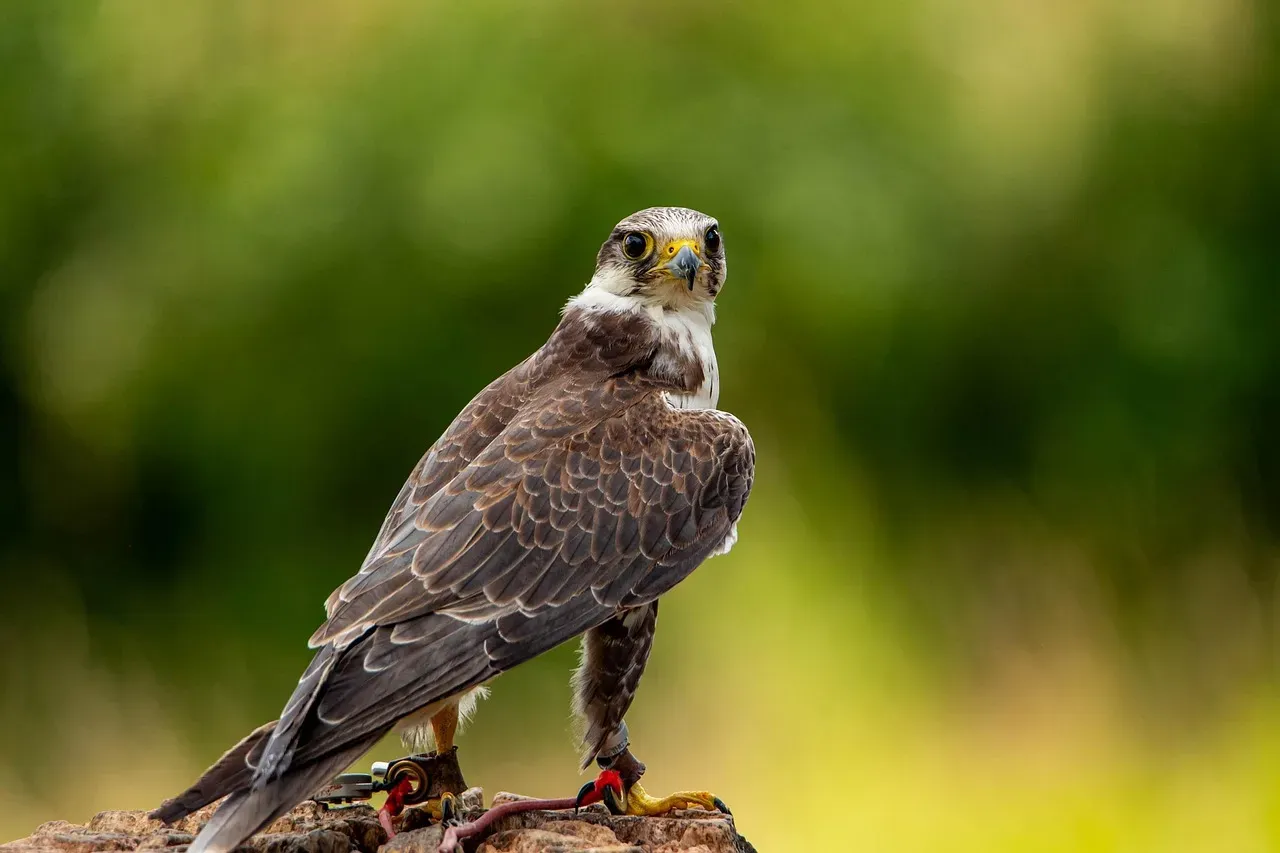
DDT entered widespread use after World War II as a pesticide that seemed like a miracle for agriculture and disease control. It accumulated in the food chain and thinned eggshells in birds of prey, including peregrine falcons. Many nests failed as a result, and populations across North America dropped sharply by the 1960s.
Scientists documented the decline through careful counts at historic nesting sites. The chemical affected reproduction so severely that some regions saw almost no successful fledglings for years. This created a cascade where fewer adults meant even fewer chances for recovery without intervention.
Recovery After the Ban
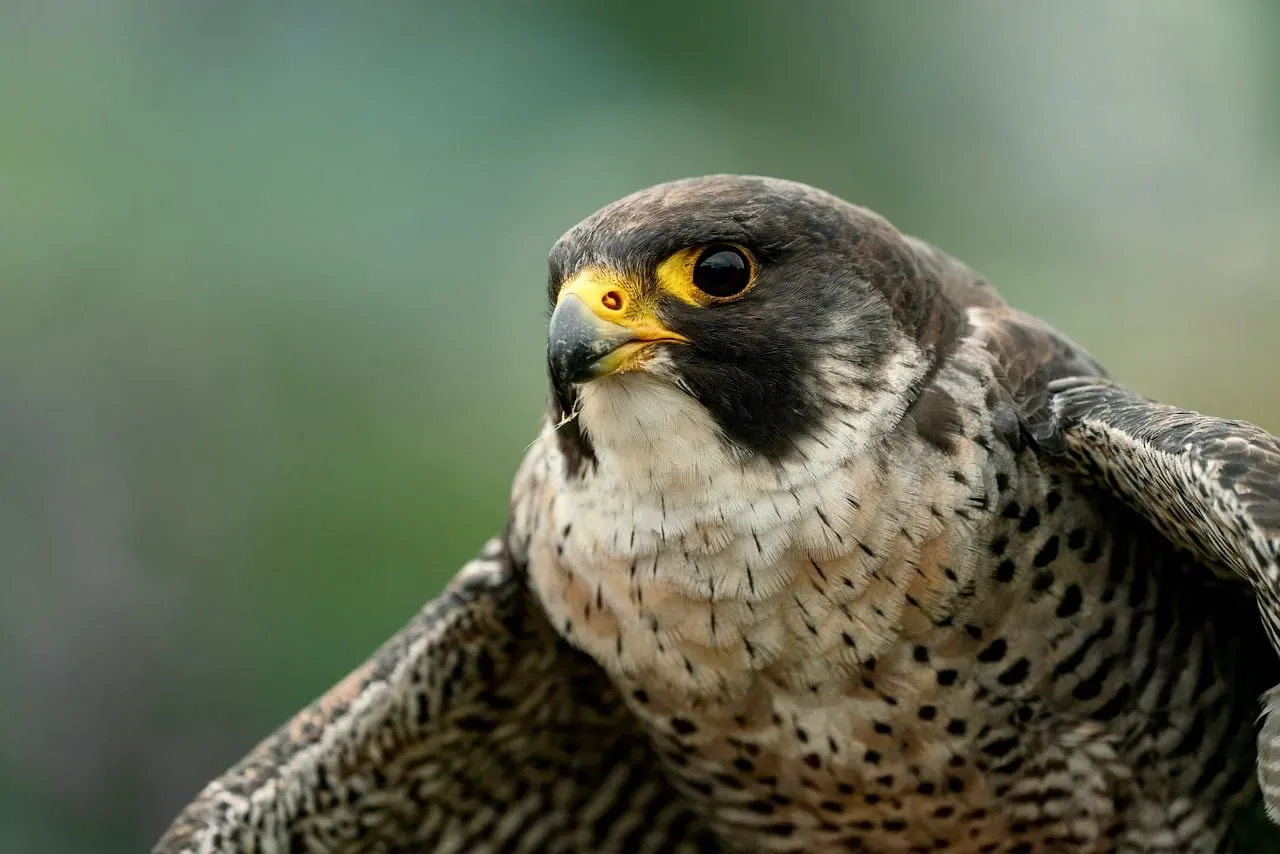
The United States banned DDT for most uses in 1972, which removed the main barrier to successful breeding. Populations began to stabilize and then grow as eggshells regained normal thickness. Captive breeding programs released birds into the wild to speed the process along.
By the 1990s, numbers had climbed enough for the species to be removed from the endangered list in many areas. Monitoring showed consistent increases in both rural cliffs and new urban sites. The rebound demonstrated how policy changes can restore balance when paired with active support.

Halloween Cat Costume Cloak Witch Hat Pet Accessories
Check Price on AmazonAs an Amazon Associate, we earn from qualifying purchases.
10/9/2026 2:44 pm GMTi

Earth Rated XL Dog & Puppy Pee Pads, Discreet Top, Max Absorbency
Check Price on AmazonAs an Amazon Associate, we earn from qualifying purchases.
10/7/2026 1:28 pm GMTi

Halloween Dog Collar with Bow, Orange Cute Ghost Collar,
Check Price on AmazonAs an Amazon Associate, we earn from qualifying purchases.
10/9/2026 2:43 pm GMTi
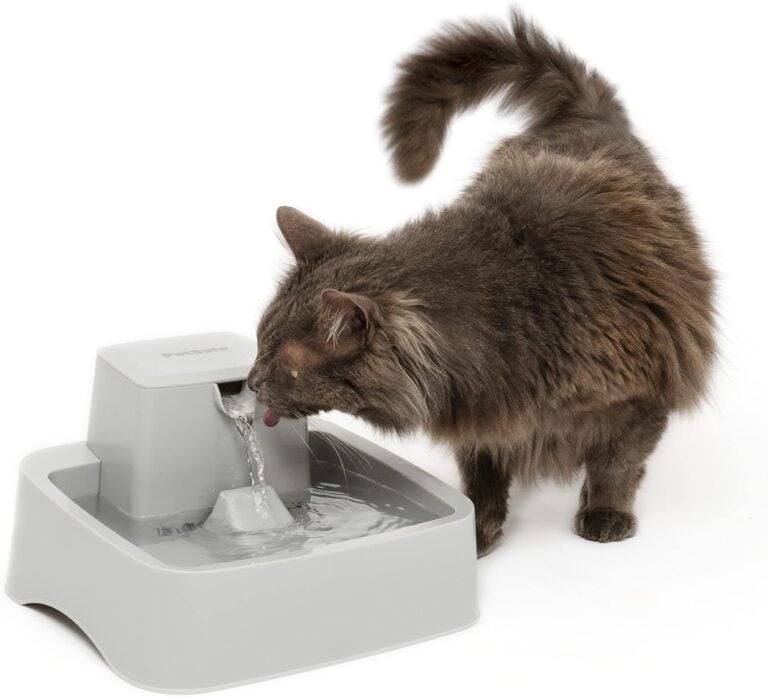
PetSafe Oasys Pet Fountain, 1/2 Gallon (64 oz), Small Dogs & Cats
Check Price on AmazonAs an Amazon Associate, we earn from qualifying purchases.
10/8/2026 8:14 am GMTi
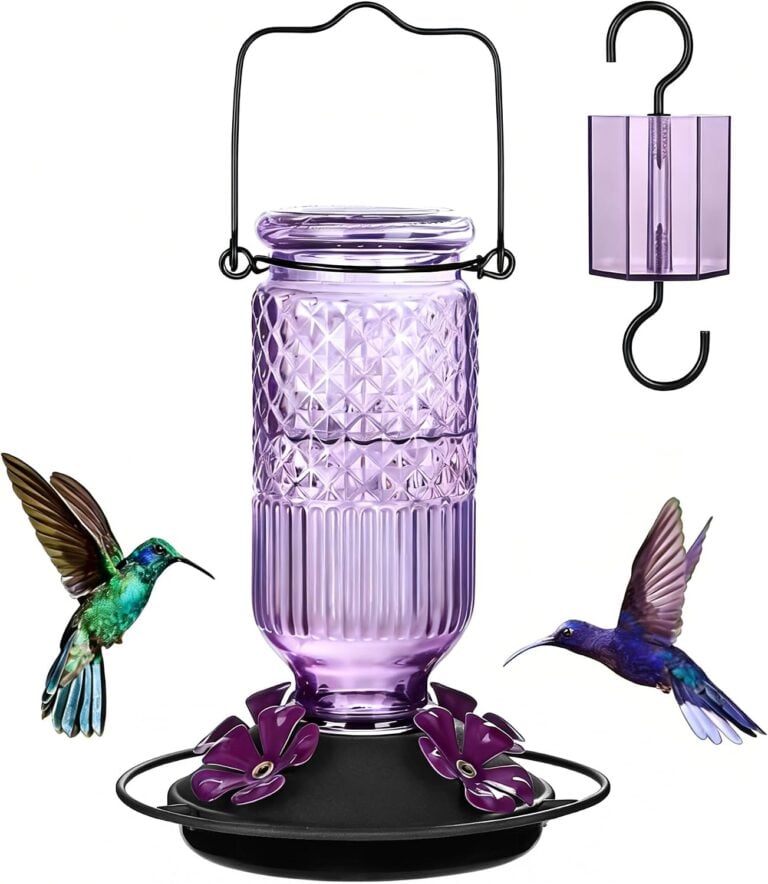
Glass Hummingbird Feeder for Outdoors Hanging, 16 oz Leak-Proof Nectar Feeder with Bee Guards & Ant Moat
Check Price on AmazonAs an Amazon Associate, we earn from qualifying purchases.
10/7/2026 1:22 pm GMTi
Falcons Making Homes in Urban Landscapes
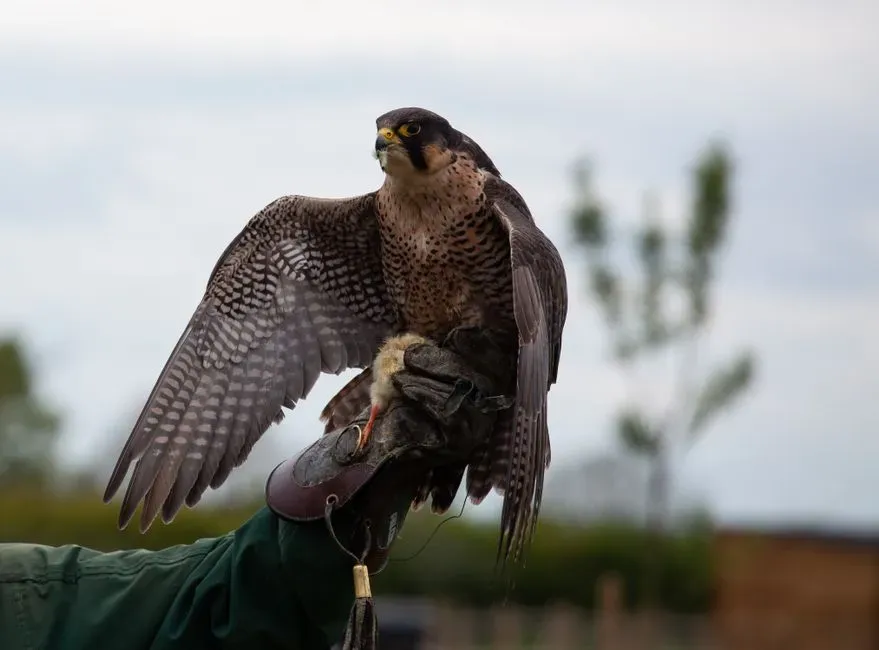
Peregrine falcons naturally seek high, open ledges for nesting, and city buildings and bridges offer similar features with fewer predators. They hunt pigeons and other birds that thrive in human environments, turning the city into a reliable food source. This adaptation has allowed pairs to settle in locations far from traditional wilderness areas.
Observations confirm nests on structures in several large cities, where the birds raise young each spring. The height provides safety and vantage points for spotting prey from above. Over time, these urban falcons have become part of the local ecosystem rather than outsiders.
Success Stories from Major Cities
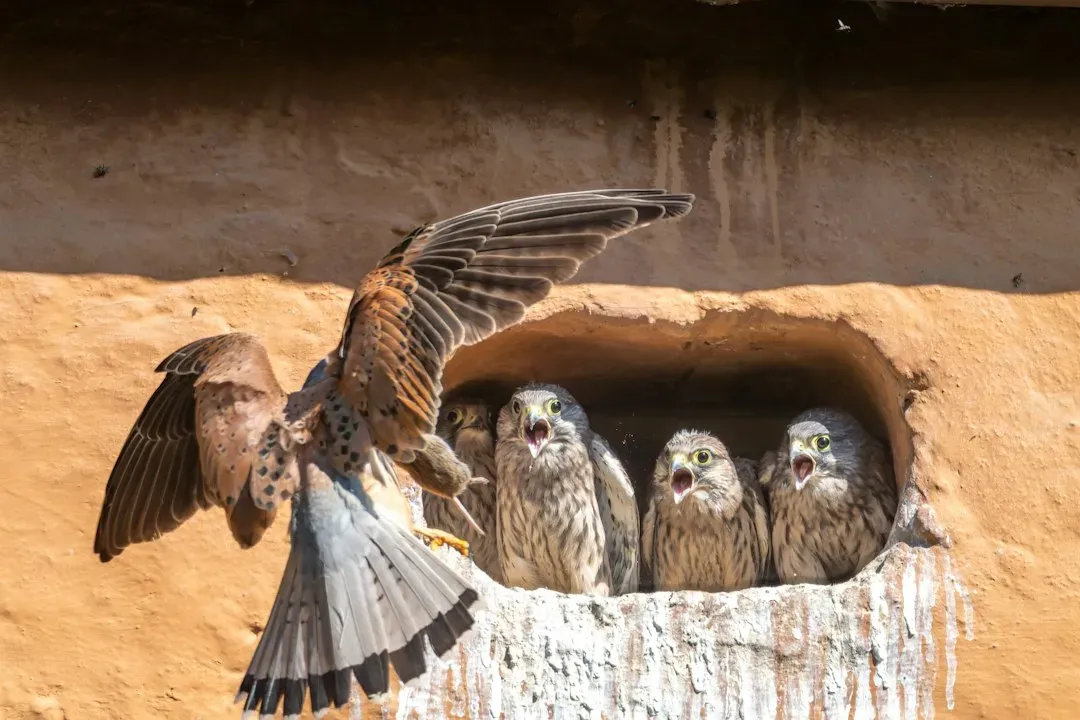
Programs in cities such as New York and Chicago track nesting pairs and install nest boxes on tall buildings to encourage settlement. These efforts have produced dozens of fledglings annually in some locations. Volunteers and biologists work together to band young birds and record their movements.
Similar projects appear in other urban centers where bridges and towers provide suitable spots. The presence of falcons sometimes reduces certain pest bird populations, creating a practical side benefit. Public interest has grown as people watch live camera feeds from nest sites.

Orthopedic Extra Large Dog Bed, Waterproof Washable XL Pet Bed 44"
Check Price on AmazonAs an Amazon Associate, we earn from qualifying purchases.
10/7/2026 1:32 pm GMTi

Air Purifiers for Home Pets Large Room Up to 3000 Ft²,HEPA Air Cleaner with Washable Double-Side Filter, PM2.5 Air Quality Monitor,15dB Sleep Mode for Bedroom Odor Dust Pollen,White
Check Price on AmazonAs an Amazon Associate, we earn from qualifying purchases.
10/8/2026 8:23 am GMTi
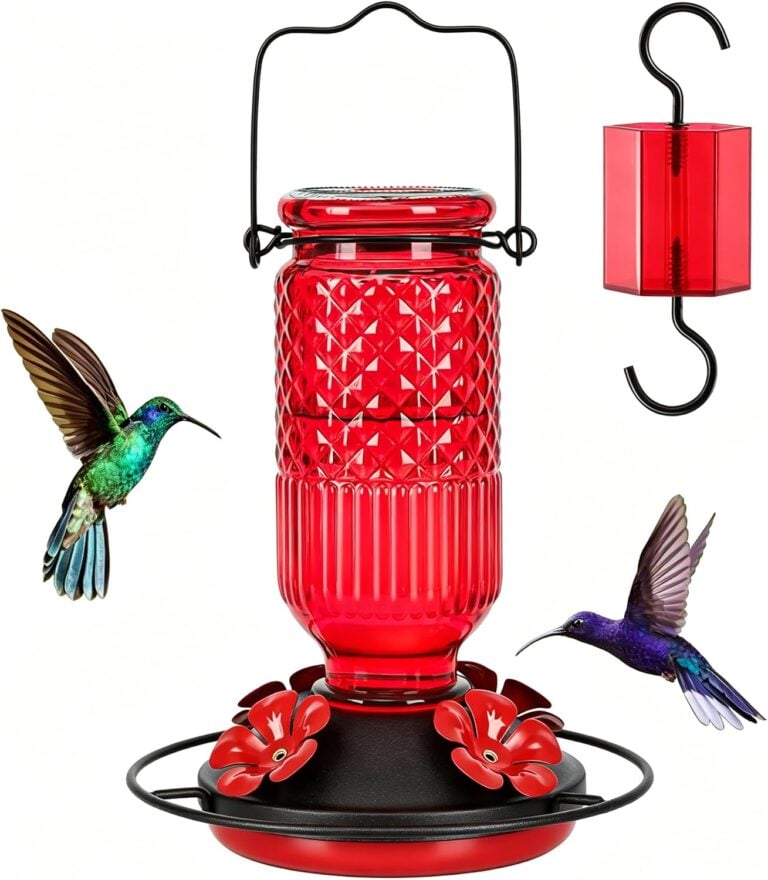
Glass Hummingbird Feeder for Outdoors Hanging
Check Price on AmazonAs an Amazon Associate, we earn from qualifying purchases.
10/7/2026 1:21 pm GMTi

Professional 7 in 1 Dog Paw Cleaner for Dogs & Cats - Includes 1 Portable Paw Washer, 1 Bath Brush
Check Price on AmazonAs an Amazon Associate, we earn from qualifying purchases.
10/7/2026 1:26 pm GMTi

Portable Dog Water Bottle Foldable Dog Travel Water Bottle
Check Price on AmazonAs an Amazon Associate, we earn from qualifying purchases.
10/7/2026 1:29 pm GMTi
How Conservation Groups Support These Birds
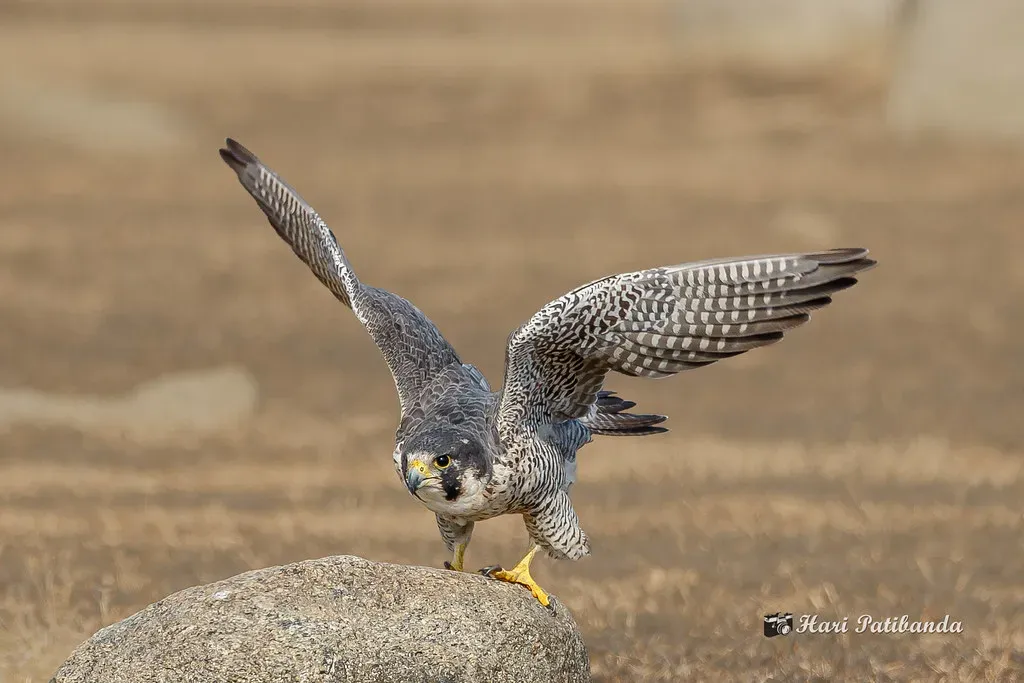
Organizations focus on habitat protection, nest monitoring, and public education to keep urban populations stable. They collaborate with building owners to maintain safe ledges and reduce disturbances during breeding season. Funding often comes from grants and donations tied to broader wildlife initiatives.
Research tracks migration patterns and health indicators to spot emerging issues early. Partnerships with universities help analyze data on survival rates and breeding success. These combined actions turn individual efforts into measurable population gains over time.
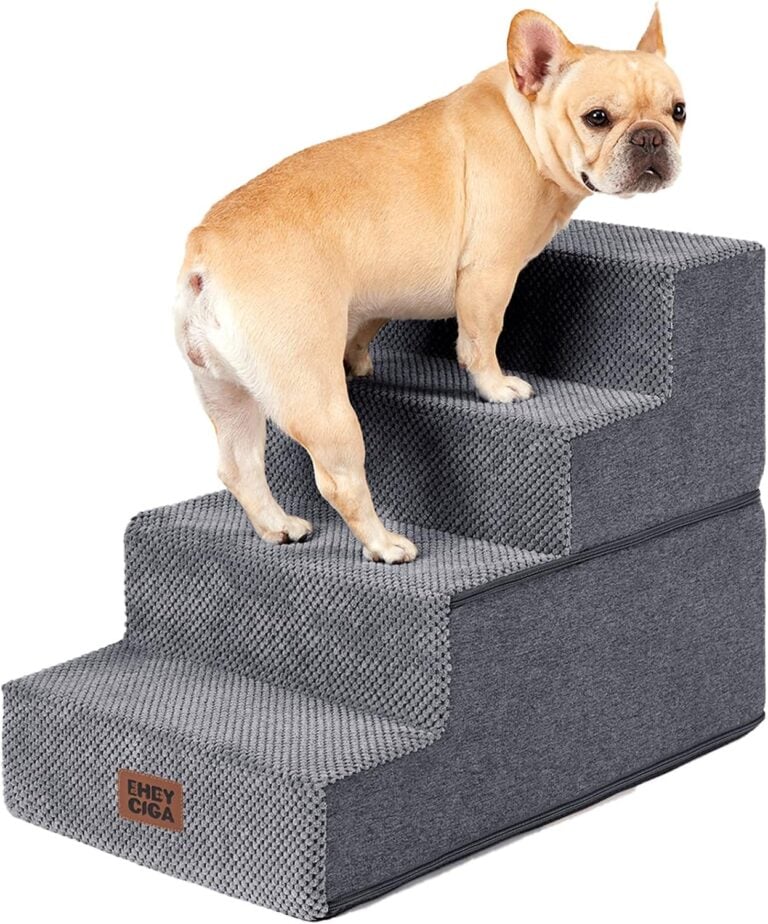
Dog Stairs for Bed 18" H, 4-Step Dog Steps for High Bed
Check Price on AmazonAs an Amazon Associate, we earn from qualifying purchases.
10/9/2026 2:42 pm GMTi

Hand Blown Glass Hummingbird Feeders for Outdoors Hanging, 24oz Wild Bird Nectar Feeder
Check Price on AmazonAs an Amazon Associate, we earn from qualifying purchases.
10/7/2026 1:23 pm GMTi

Smart Bird Feeder with Camera Solar Powered, 2K HD Live Video, 10,000+ Bird Species AI Identification
Check Price on AmazonAs an Amazon Associate, we earn from qualifying purchases.
10/7/2026 1:22 pm GMTi

2 Pcs Halloween Pet Hat Bandana Set, Witch Pumpkin Costumes for Dogs
Check Price on AmazonAs an Amazon Associate, we earn from qualifying purchases.
10/9/2026 2:45 pm GMTi
The Broader Lessons from This Comeback
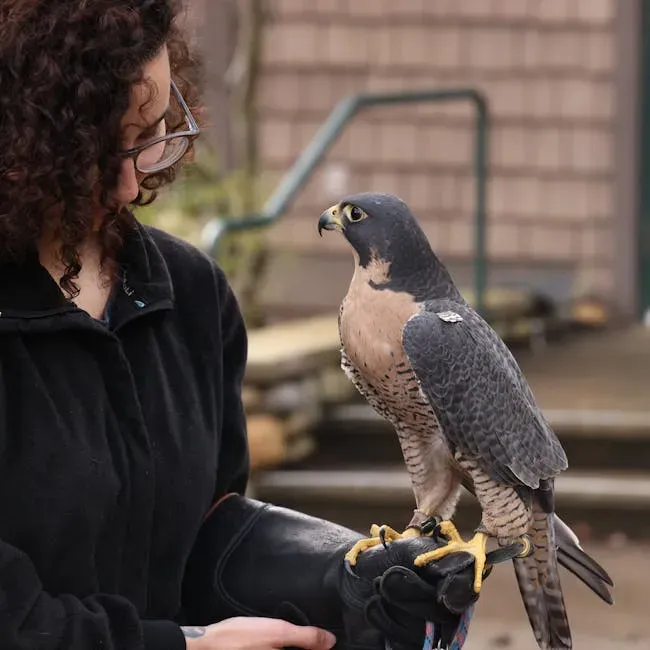
The peregrine falcon recovery shows that targeted action can reverse serious declines when the root cause receives attention. Urban nesting highlights how flexible some species can be when traditional habitats face pressure. It also underscores the value of long term monitoring rather than quick fixes.
Still, continued vigilance matters because new chemicals or habitat loss could create fresh challenges. The story serves as a reminder that conservation works best when it combines science, policy, and community involvement. In the end, seeing these birds thrive in city settings offers quiet proof that recovery remains possible even after severe setbacks.