
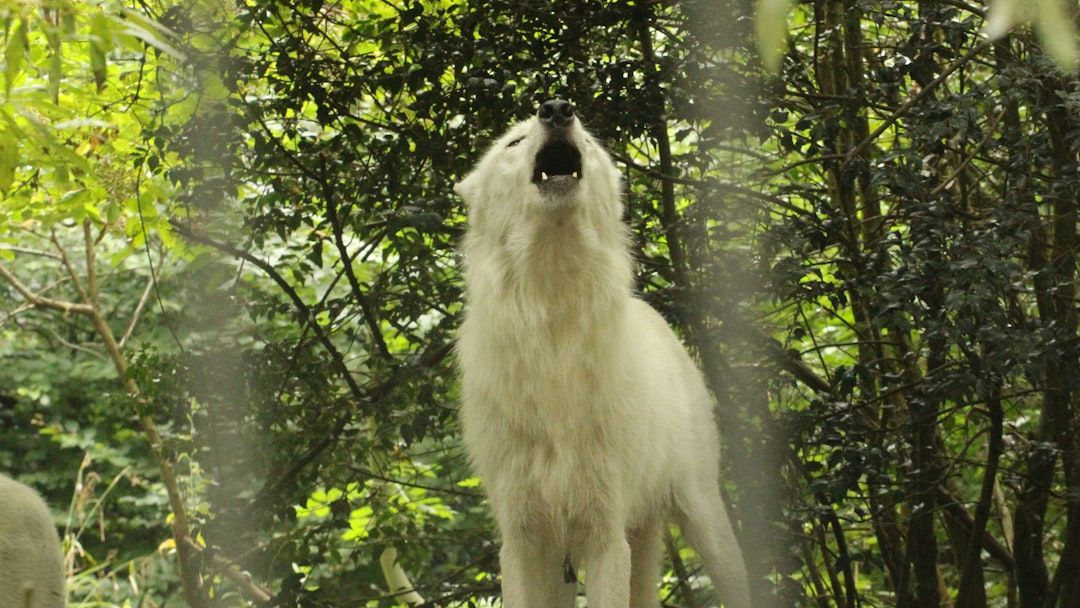
Picture a gray wolf standing atop a snow-covered ridge, head tilted back in a haunting howl that echoes through the wilderness. That sound carries more than just raw power. It transmits identity, location, emotion, and intention to pack members miles away. For centuries, we’ve misunderstood these magnificent creatures, painting them as mindless predators driven by instinct alone. The reality couldn’t be more different.
Wolves possess remarkable intelligence that rivals many species we consider cognitively advanced. They navigate intricate social relationships, solve complex problems, and communicate through sophisticated systems that would impress any linguist. What’s even more fascinating is how deeply they bond with one another, forming family units held together by something that looks remarkably like love. Let’s dive into the hidden world of wolf cognition and discover why these animals deserve far more credit than we’ve given them.
Problem-Solving Abilities That Outperform Dogs
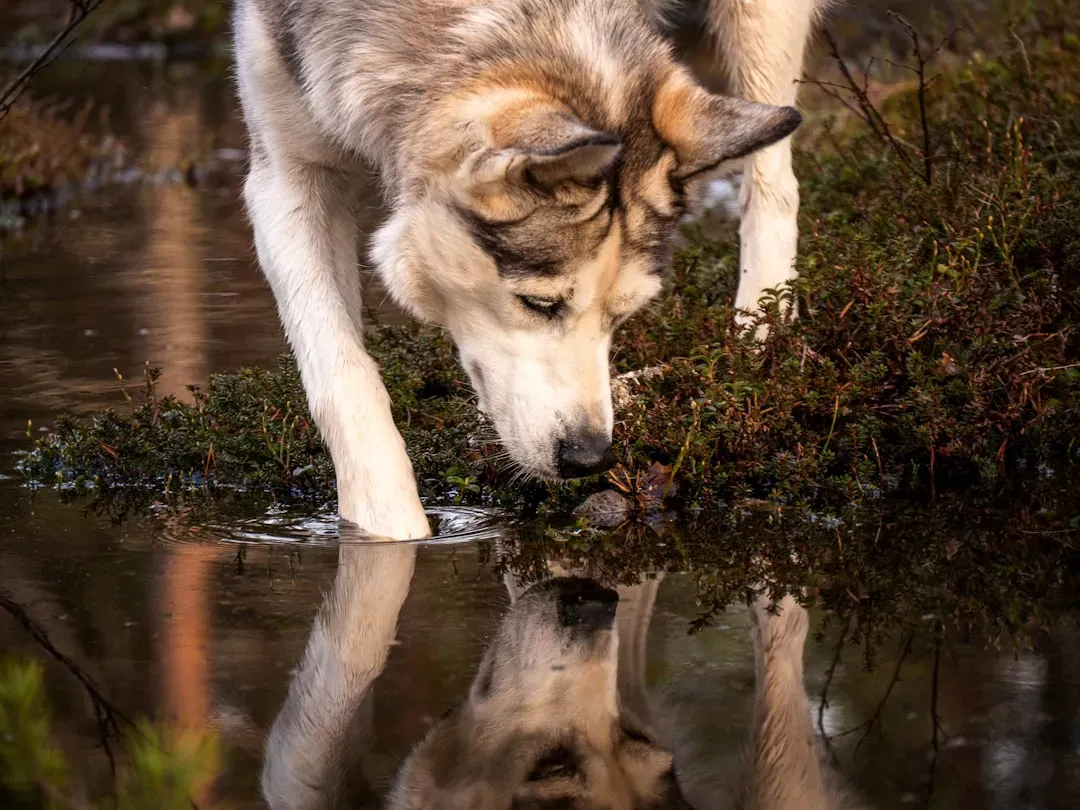
Here’s something that might surprise you. Wolves demonstrate an 80% success rate in problem-solving tasks compared to just 5% for domestic dogs. Think about that for a moment. Despite thousands of years of living alongside humans and benefiting from our companionship, dogs have actually lost some of their problem-solving edge.
Research comparing wolves and dogs in near-identical environments showed that wolves were better at making causal inferences about where food was hidden. When presented with puzzle boxes containing treats, wolves persistently manipulated the apparatus until they succeeded, while dogs often gave up and looked to humans for help. It’s not that dogs are dumb. They’ve simply evolved to rely on us.
Wolves persist on challenging tasks, while dogs look to humans when confronted with difficulties. This difference reveals something profound about wolf intelligence. They possess an independent streak, a determination to figure things out on their own terms. When a wolf encounters an obstacle, it doesn’t wait for rescue. It experiments, tests different approaches, and learns from failure until it achieves success.
Studies confirm that wolves are more persistent in exploring both environments and objects than dogs, displaying this behavior consistently at all ages. Even as puppies, wolves show greater curiosity and tenacity. This isn’t just stubbornness. It reflects genuine cognitive flexibility and motivation to understand their world.
Social Intelligence and Cooperative Relationships
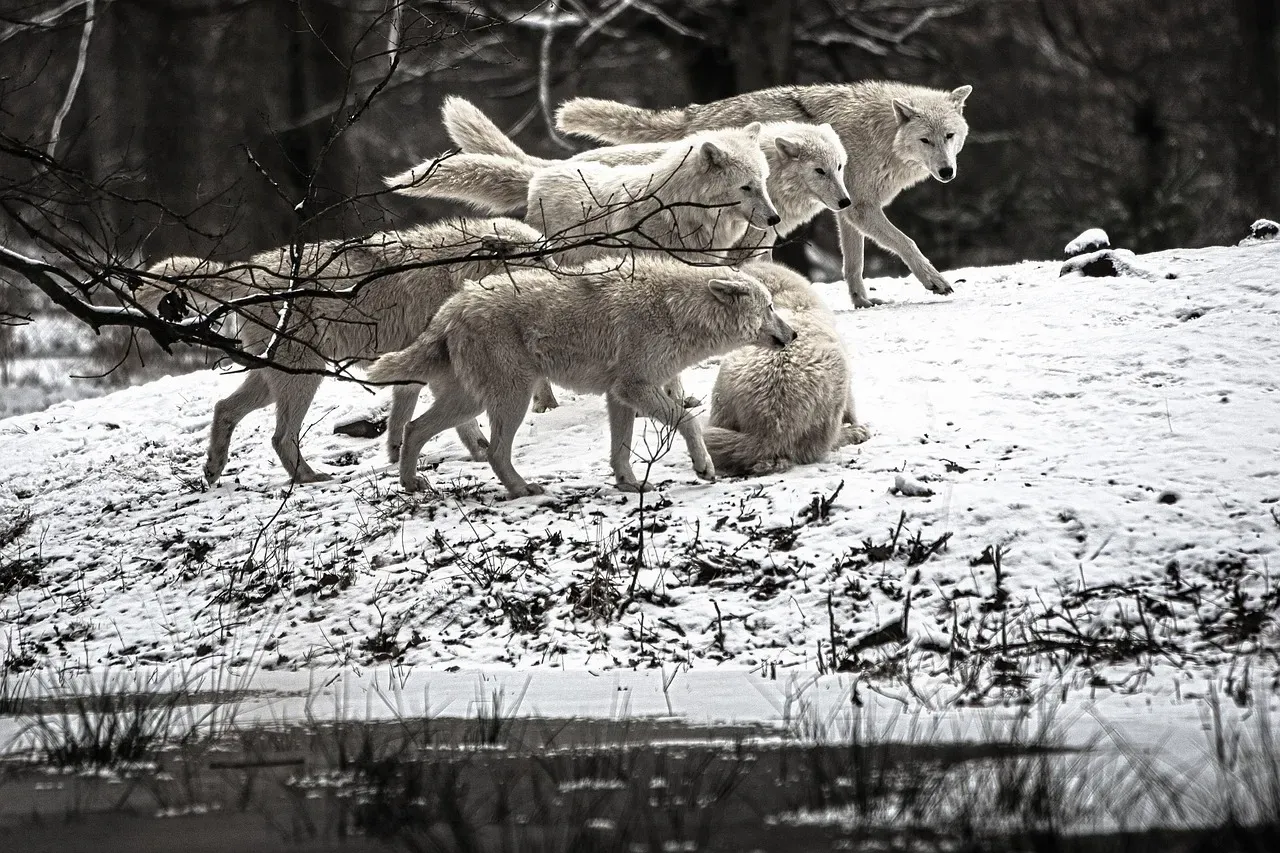
Scientists measure wolf social intelligence by their behavioral resilience and adaptations to changing aspects of their environments in both wild and captivity. This goes far beyond simple pack hierarchy. Wolves constantly adjust their behavior based on who they’re interacting with, whether it’s a sibling, parent, rival, or stranger.
The high level of cooperativeness characterizing wolf society comes together with a high propensity to pay close attention to others’ actions. Wolves watch each other intently, learning from observation in ways that put many social species to shame. When hunting, raising pups, or defending territory, each wolf must understand not only its own role but also anticipate what packmates will do next.
In food-sharing experiments, although there was more aggression among wolves, every wolf including the lowest ranked was able to negotiate a share of food. Compare this to dogs, where the alpha monopolizes resources and subordinates simply avoid conflict. Wolves have developed a more sophisticated system of negotiation and compromise.
Six-month-old wolves outperform same-aged dogs in imitation tasks following a conspecific demonstration. In experiments where animals watched demonstrations of opening a box, all twelve wolves succeeded and nine copied the exact method shown, while only four of fifteen dogs opened it at all. This reveals wolves’ remarkable ability to learn socially from one another, a cornerstone of intelligence across species.
Communication Systems More Complex Than We Imagined
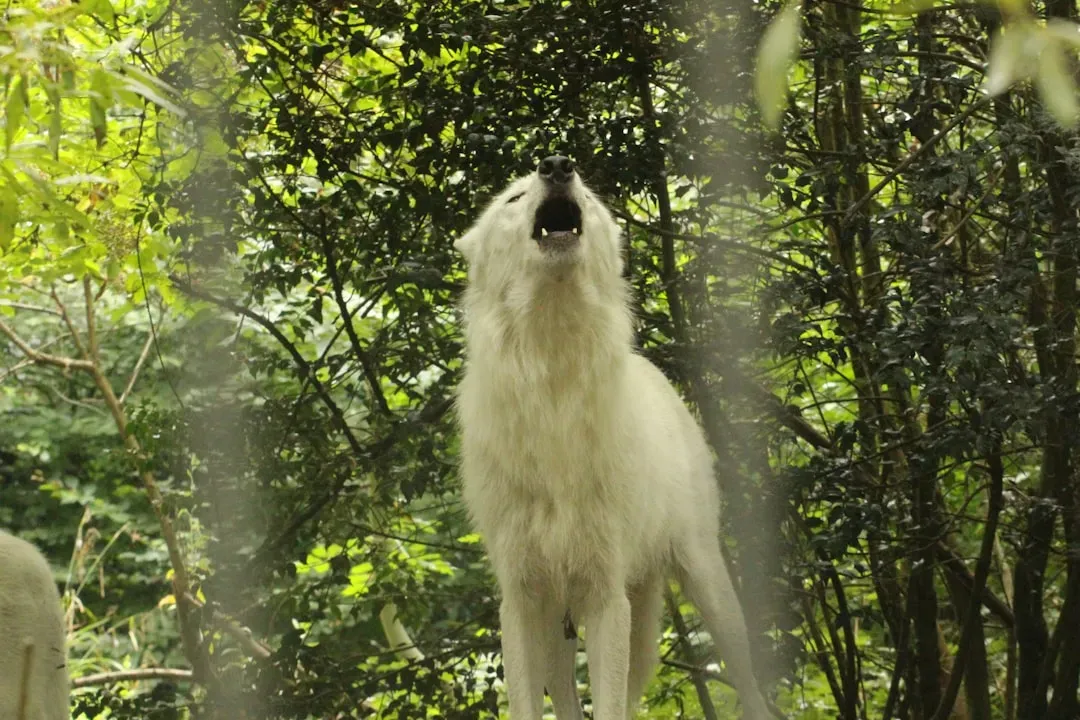
Wolves communicate through body language, scent marking, barking, growling, and howling. Each method serves specific purposes, and wolves seamlessly integrate multiple channels simultaneously. A wolf might lower its ears while tucking its tail and whimpering, sending a clear message of submission without a single sound beyond that whimper.
Information about individual identity is carried in howling and scent marking behavior, with howling providing information about immediate presence without revealing location. That’s incredibly clever when you think about it. A howl announces “I’m here” without giving away precisely where “here” is, which could be strategically valuable when dealing with rival packs or potential threats.
Each wolf’s howl is unique, allowing pack members to identify one another even when separated by considerable distances. It’s like having a name, a voice signature that others recognize instantly. Imagine being able to identify your family members just by hearing them call out from miles away. That’s the reality for wolves.
Wolves utilize tail positions, ear movements, and facial expressions to express emotions or intentions, with a raised tail indicating dominance or confidence while a tucked tail signals submission or fear. These aren’t random movements. They’re a nuanced language that prevents unnecessary conflict and maintains social cohesion. Fighting is expensive, both energetically and in terms of potential injury, so having a rich vocabulary of peaceful communication is essential.
Pack Bonds Built on Family and Loyalty
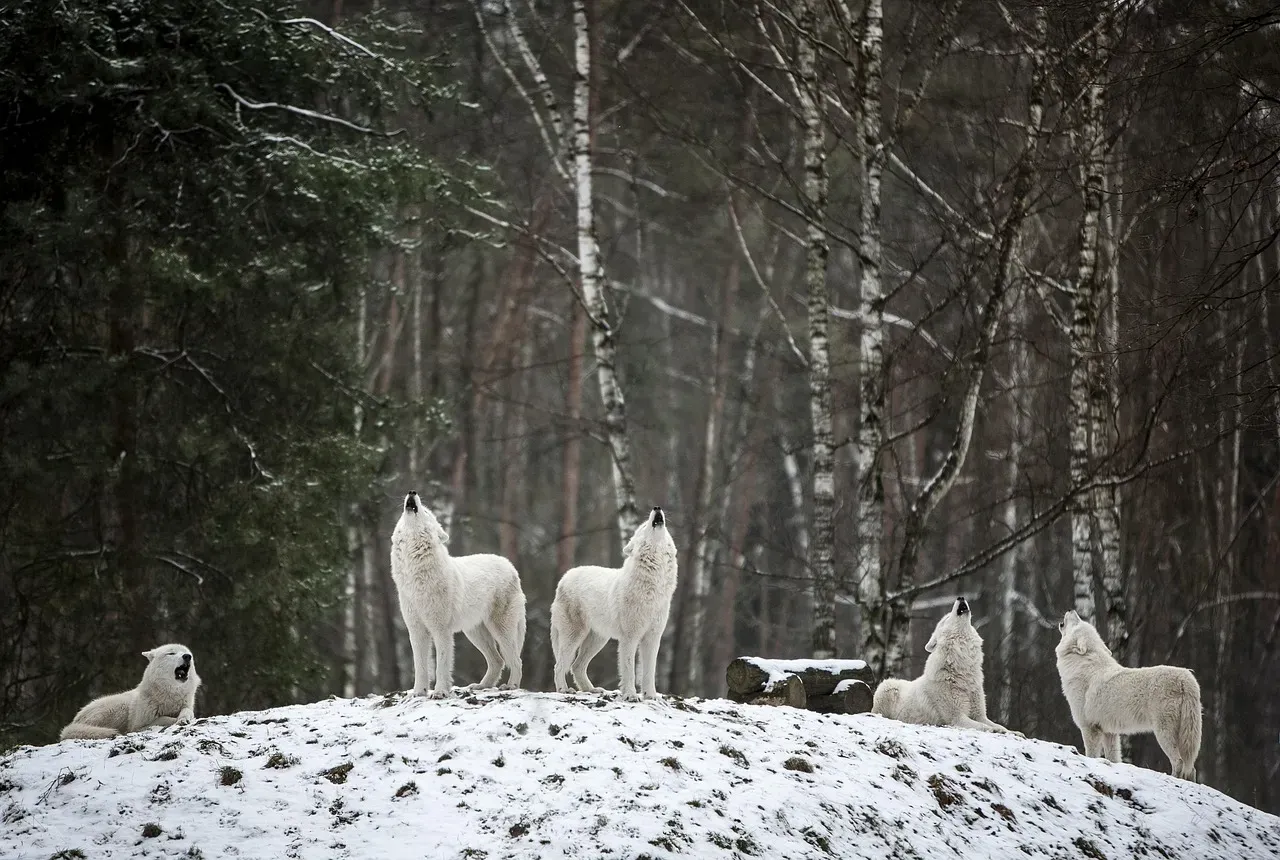
Wolves are recognized for creating cooperative relationships within their pack structure which significantly influence their interactions with one another. Honestly, calling it just cooperation undersells what actually happens. Wolf packs are families, typically consisting of breeding parents and their offspring from multiple years.
Because wolves live in familial units, it facilitates a strong emotional bond between each member. These bonds go deep. Evidence shows the pack will mourn the loss of a member, and if an alpha female is lost, the entire pack is at risk of disintegrating. That’s not instinct alone. That’s grief, social dependence, and emotional connection.
Wolves engage in greeting ceremonies daily, with face licking, nuzzling, and playful gestures upon reuniting after separation, serving to reaffirm connections and reduce tension among pack members. Think of it like family members hugging when they come home. These rituals strengthen relationships and create the trust necessary for cooperation in high-stakes situations like hunting or territorial defense.
A culture exists within wolf packs that is passed to offspring by elders, with pups learning from each member and attaining vital social skills required to create powerful bonds. Knowledge transfers across generations. Young wolves don’t just inherit genes. They inherit learned traditions, hunting strategies, and territorial knowledge that accumulates over time.
Learning and Teaching Within the Pack
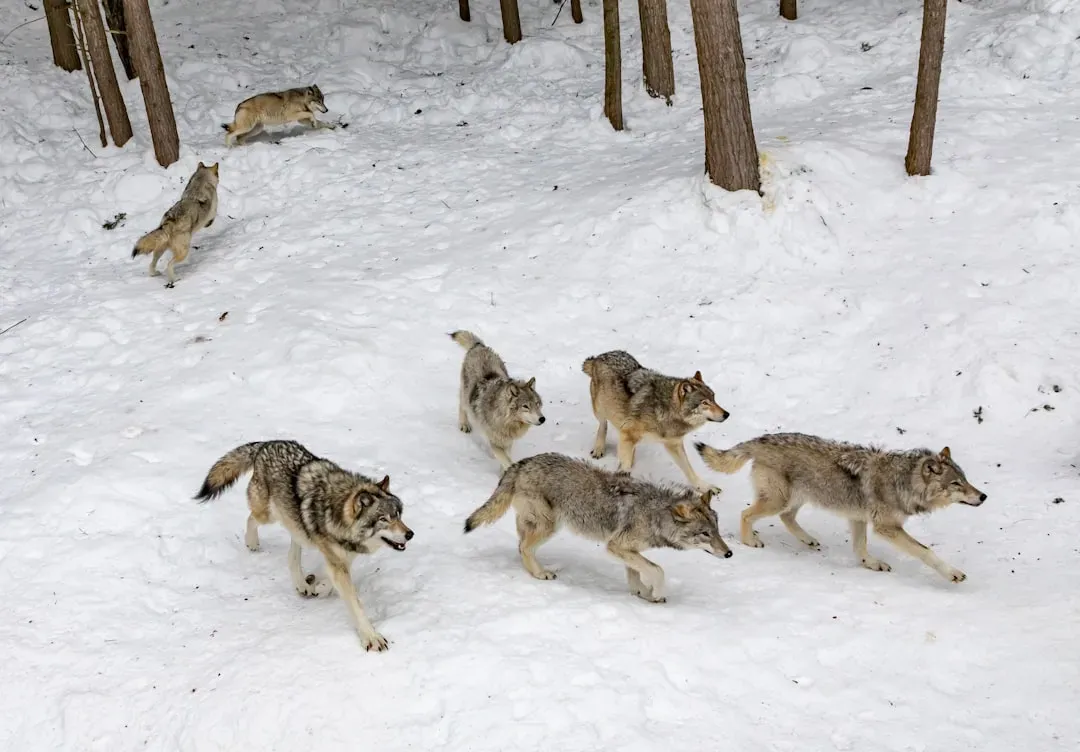
Young wolves are educated by the entire pack, not just their parents. It’s a community effort, with different adults contributing various lessons. Some teach hunting techniques, others demonstrate communication signals, and still others model appropriate social behavior for different situations.
Young wolves watch how hunters handle different situations such as adverse weather conditions and adapt their strategies accordingly, later imitating the skills displayed by experienced pack members. This observational learning is sophisticated. They’re not just copying movements. They’re understanding context, recognizing when certain strategies work better than others, and adapting flexibly.
Every member knows the expectations of the hunt and their role within wider pack dynamics, and although the alpha male is the leader, no orders need barked as the pack works on instinct like a well-oiled machine. There’s something almost telepathic about how a wolf pack coordinates during a hunt. Years of living together, combined with acute attention to subtle cues, create synchronization that appears effortless but results from countless hours of practice and social learning.
The youngest wolves often stay with the pack for years before dispersing, using this time to master everything they’ll need to survive independently or start their own families. Those that leave too early face significantly higher mortality rates, underscoring how valuable this extended education period truly is.
Emotional Complexity and Individual Personalities
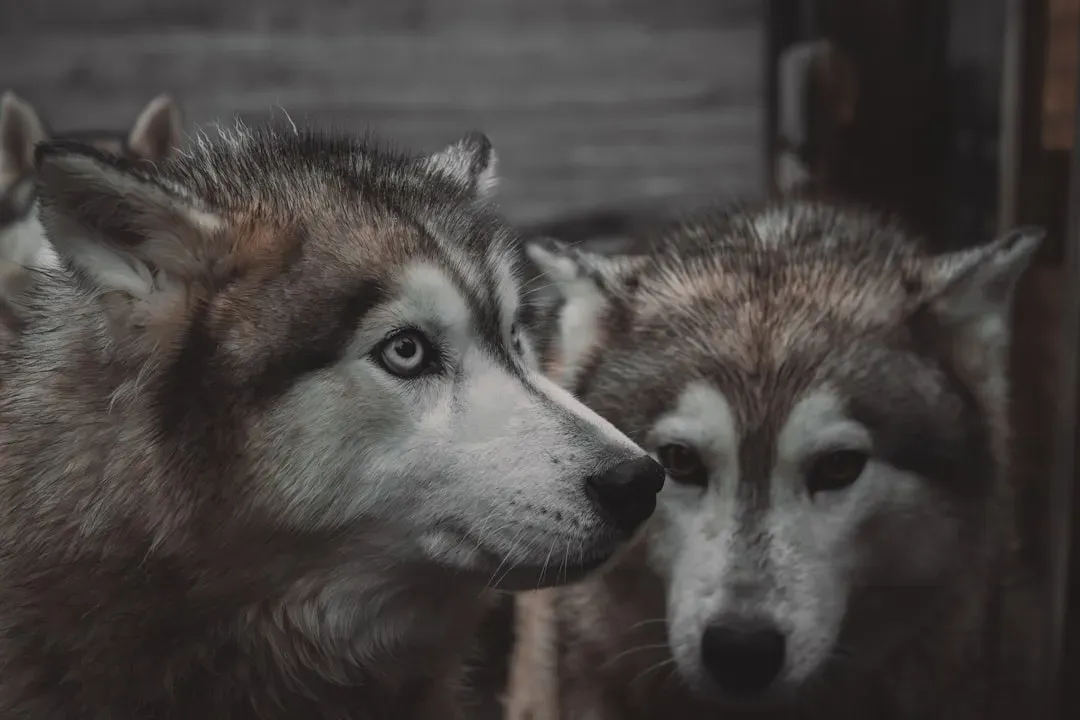
Wolves are flexible in learning the specifics of interacting with particular individuals including same-age siblings, older siblings, parents, and occasionally grandmothers or strangers, and they are resilient in coping with stressors that challenge stability of emotional and physiological systems. Each wolf develops distinct relationships with different pack members, adjusting their behavior based on individual history and temperament.
Not all wolves are identical. Some are bolder, others more cautious. Some display greater patience while others act impulsively. These personality differences aren’t random noise. They contribute to pack effectiveness. Having diverse personalities means the pack can respond flexibly to different challenges, with the right wolf stepping forward for each situation.
Studies note that when a pack loses their omega wolves, they stop hunting and begin mourning them. The omega, often considered the lowest-ranking member, plays a crucial role in pack stability despite being the target of stress displacement. Losing even this seemingly subordinate member disrupts the entire social fabric so severely that the pack ceases normal functioning. That demonstrates how much wolves value every single member.
Wolves form preferences, hold grudges, experience joy during play, and show signs of depression when isolated or grieving. They’re not biological machines running on programming. They’re thinking, feeling beings navigating a complex social world with remarkable emotional intelligence.
Conclusion
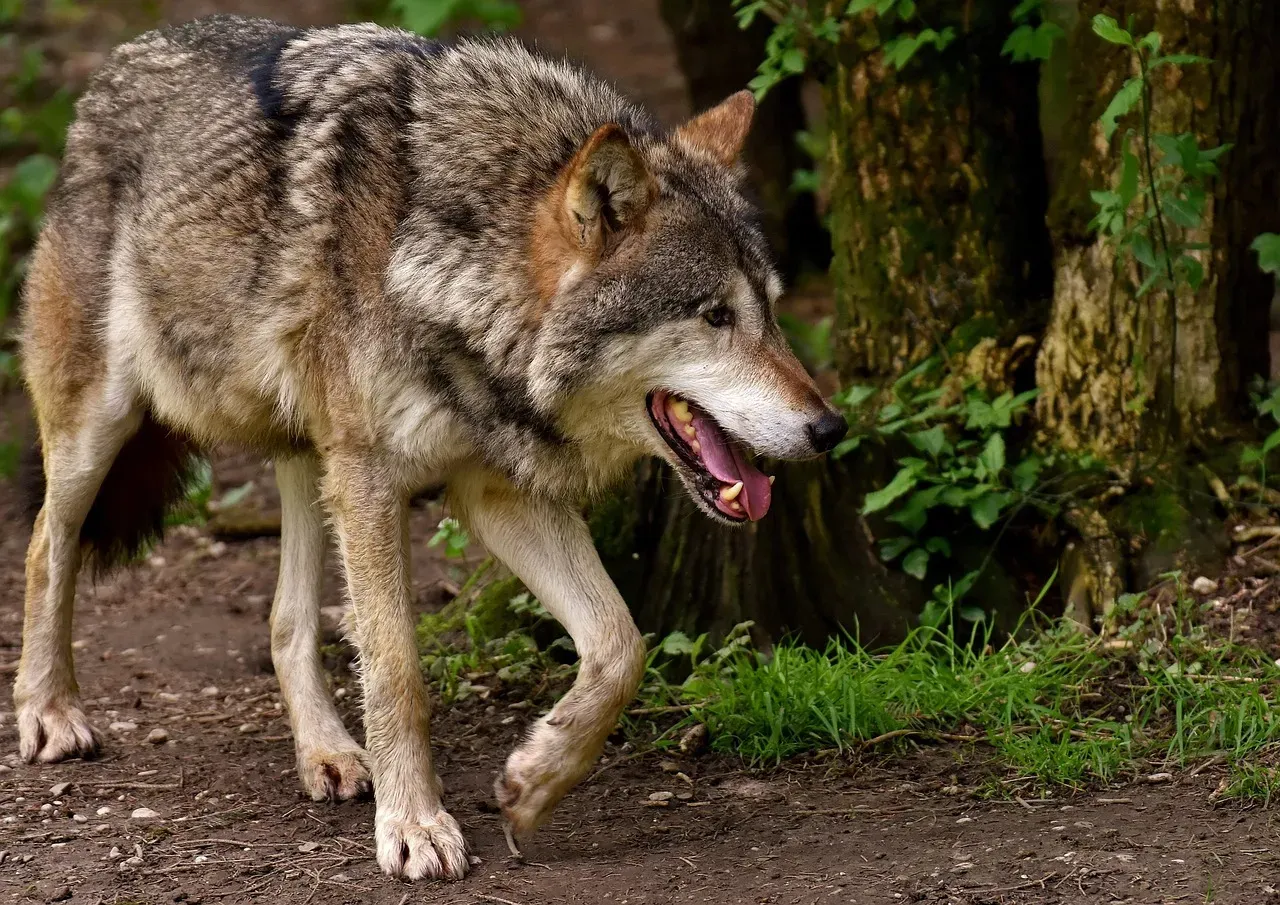
The evidence is overwhelming. Wolves possess sophisticated intelligence that manifests in problem-solving abilities, social cooperation, communication complexity, and emotional depth. They form bonds that resemble human families in their strength and importance. They teach, learn, grieve, and celebrate together.
We’ve spent centuries fearing and persecuting wolves based on misunderstandings. Perhaps it’s time we recognized them for what they truly are: highly intelligent social animals with rich inner lives and remarkable cognitive abilities. The next time you hear a wolf howl, remember it’s not just a sound. It’s a message, a declaration of identity, a call to family, carried on the wind from one brilliant mind to another.
What aspects of wolf intelligence surprised you most? Has learning about their social bonds changed how you view these animals?

- 11 Cat Breeds Vets Say Handle Aging Alone Far Better Than Most Owners Ever Expect - August 1, 2026
- The Amazing Reason Why Some Dogs Act Like They Own the House - August 1, 2026
- 8 Signs Your Rabbit Trusts You Completely - August 1, 2026