

Walk into any barn and you’ll see the same thing. People reaching up to pat their horses on the face, giving them a good slap on the neck after a ride, or enthusiastically rubbing anywhere they can reach. It feels natural to us, but here’s the truth: most horses aren’t enjoying it the way you think they are.
Let me be honest with you. Research has shown that much of what we consider affectionate touch might actually be uncomfortable or even stressful for horses. That’s not to say your horse doesn’t appreciate your presence or the bond you share, but the way we touch them often misses the mark completely. It’s time to rethink our approach and learn what horses actually prefer when it comes to physical contact.
Scratching Beats Patting Every Single Time
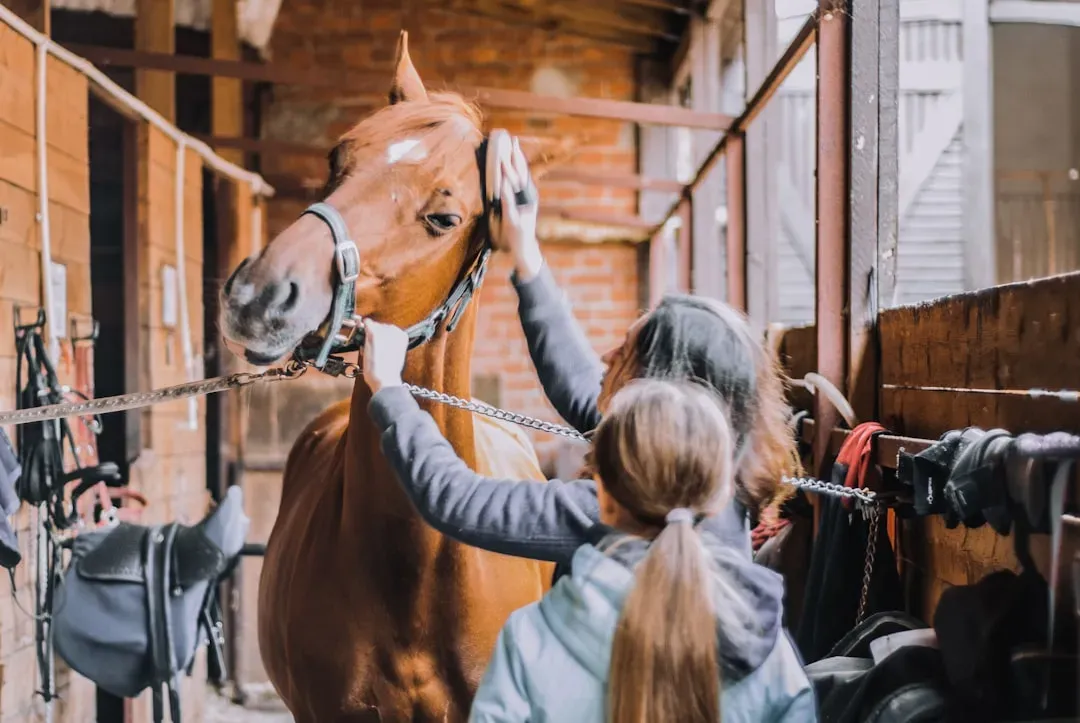
Wither scratching could potentially increase horse/human bonding and act as a more effective reward, according to research conducted at major equestrian events. Think about it: when was the last time you saw two horses in a field patting each other on the neck? Never, right? In the wild or when communicating with other horses in the pasture, they scratch against each other or lightly nibble to bond with other horses.
Only 34% of the times being pat did a horse show a negative reaction of undesirable behavior or increased pace, which might sound encouraging until you realize that’s still one in three instances where the horse was uncomfortable. Patting is unnatural to horses while rubbing or scratching, particularly in the withers area is part of mutual grooming. Your horse might tolerate it, especially if they’ve learned to associate it with praise during training, but tolerance isn’t the same as enjoyment.
The Withers Are Your Golden Ticket
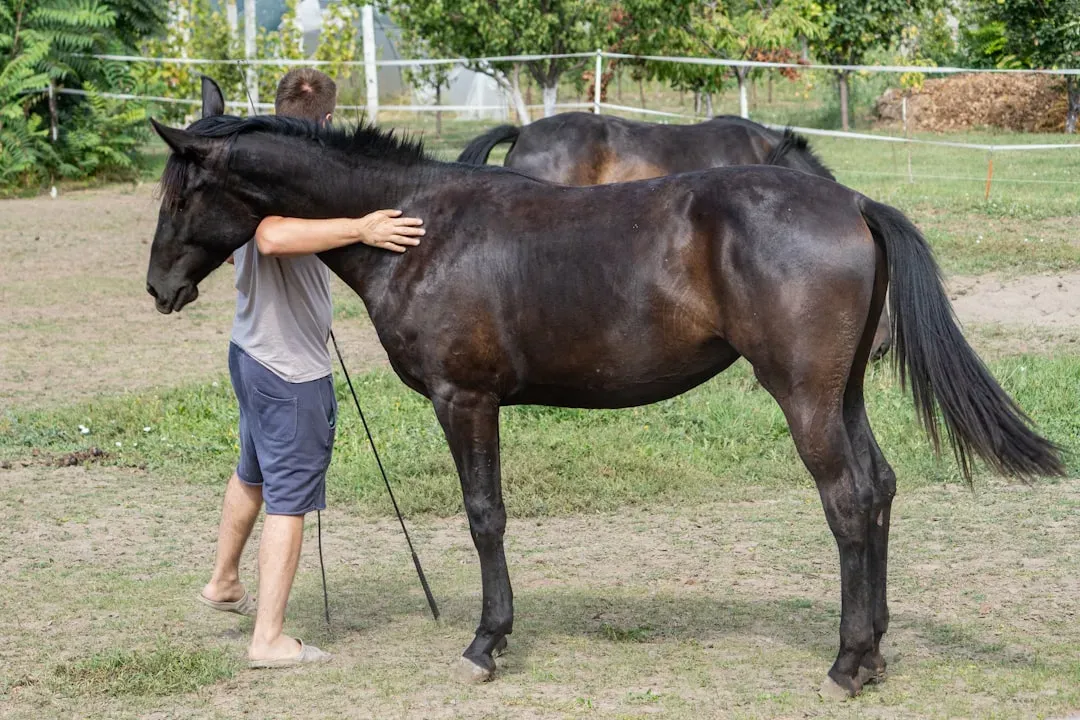
In a herd, horses groom each other on the withers and around the shoulder area, making it the most natural place for horses to be pet. This spot right at the base of the neck is where horses instinctively scratch each other. It’s not random; this area is difficult for them to reach on their own and provides genuine relief and pleasure when properly attended to.
Horses often begin a mutual grooming session by scratching each others withers but then move up and down each others body using their teeth to scratch and gently nip their grooming partner. I think we can skip the teeth part, but the principle holds. Strong, rhythmic scratching in this area mimics what horses naturally do for each other and strengthens your bond in a way that feels authentic to them.
Stay Away From Their Face (At Least At First)
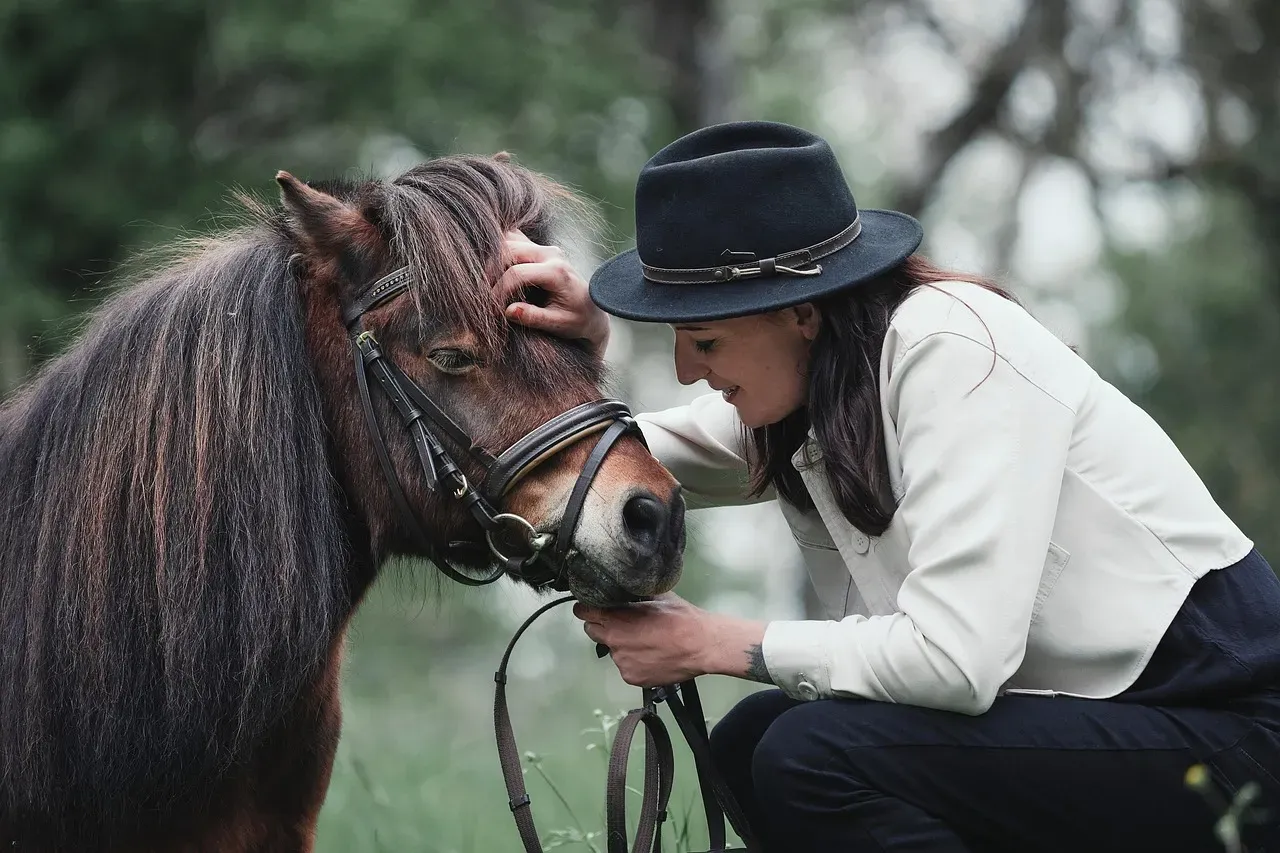
This one surprises people. We humans love to go straight for a horse’s face, touching their soft muzzle or rubbing their foreheads. Because horses are prey animals, that immediate first interaction can feel uncomfortable, according to equine behavior specialists who liken it to how you would feel if someone put a hand to your face as soon as they see you.
The ears, muzzle, and lips are sensitive areas a horse may not like to be pet, as the whiskers in these areas are sensitive because that is how horses explore the world. The nose, lips, mouth and possibly the ears are the most sensitive areas to touch. These aren’t just ticklish spots; they’re critical sensory tools. Touching them without permission is like someone repeatedly poking your eyes while trying to be friendly.
Once trust is established, some horses may enjoy gentle touch on their faces. The key word being some. Let the horse tell you what they like rather than assuming they want your hands all over their head.
Firm And Rhythmic Works Better Than Light And Ticklish
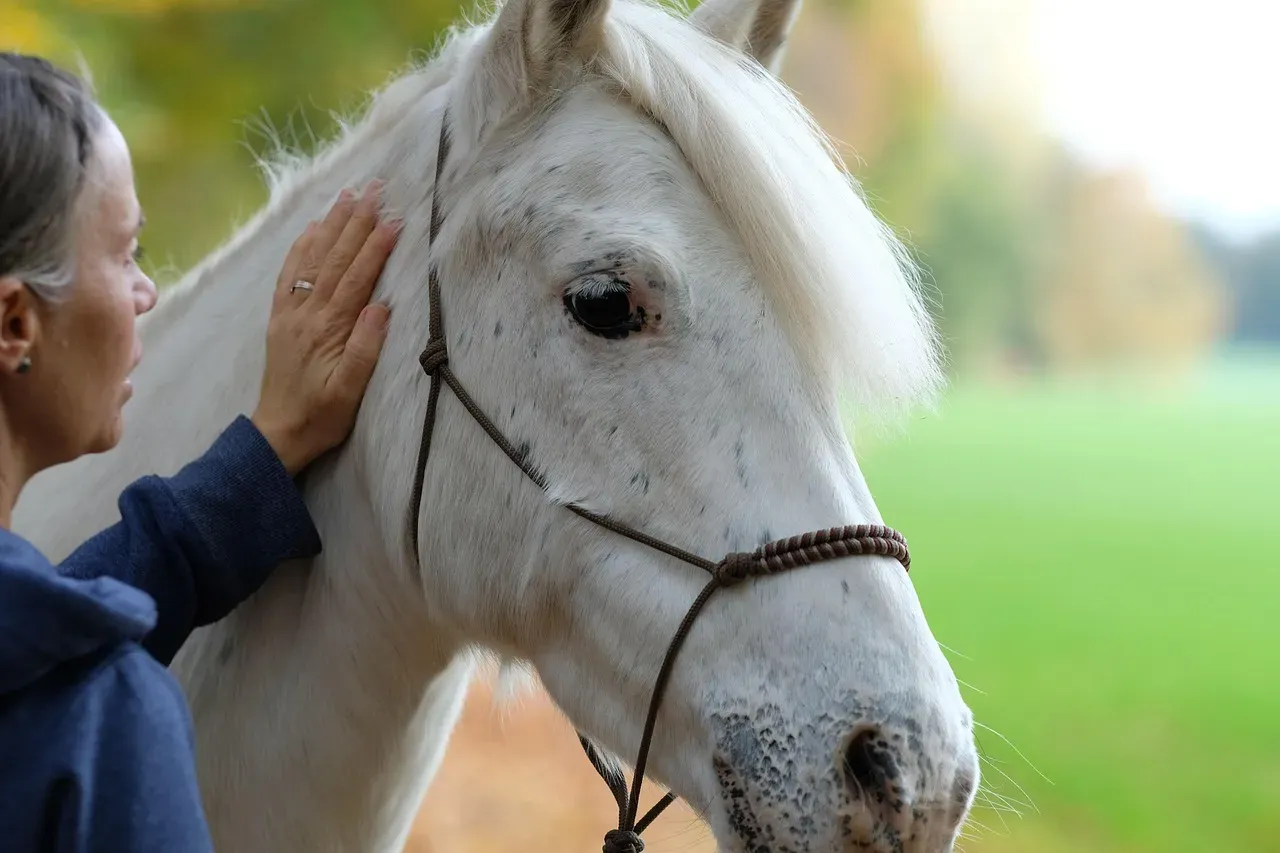
Horses prefer to be rubbed or stroked strongly and in a rhythmical fashion versus being scratched or tickled. Light, fluttery touches that we might find soothing can actually be irritating to horses. The majority of horses want to be rubbed with strong rhythmical strokes, similar to what they experience during mutual grooming with other horses.
Think massage, not tentative petting. Your touch should be confident and purposeful. Horses prefer to be rubbed and stroked over being tickled or slapped, and they often don’t want rubbing on sensitive areas like the flank, girth, belly, nose, ears, and legs. The neck, shoulder, chest, and hip respond well to this kind of firm, steady contact. Honestly, if you’re being too gentle, you’re probably not giving them what they want.
Give Them Choice And Watch What Happens
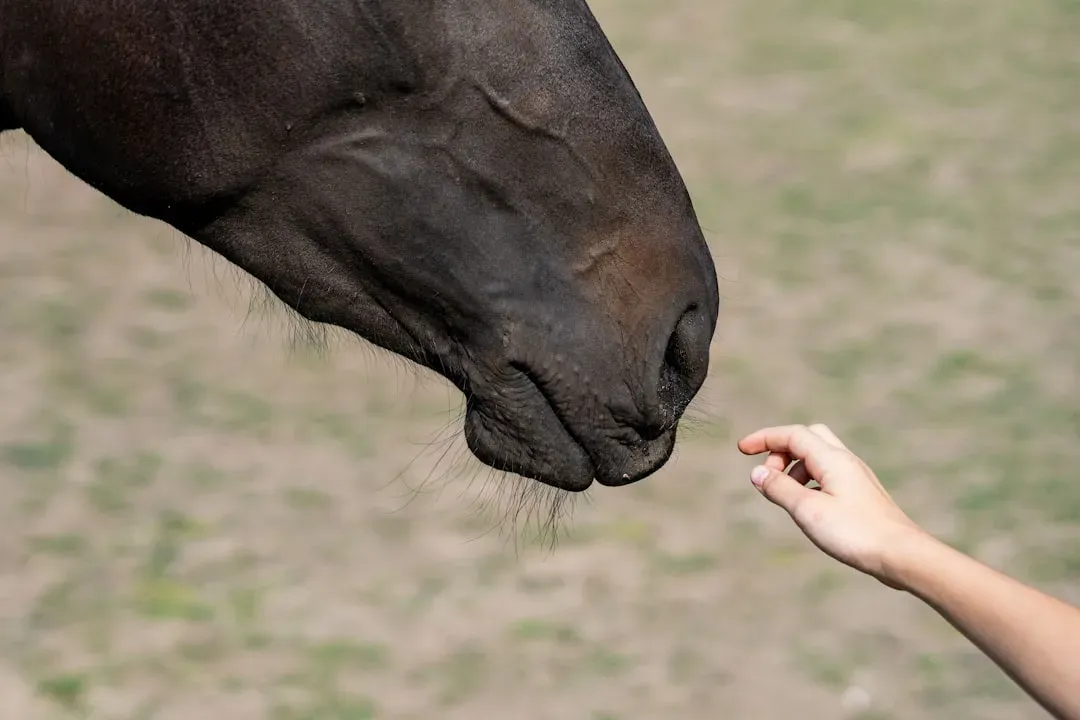
Here’s something fascinating: Oral behaviours, restlessness and tail swishing were more frequent, while head shaking behaviour was less frequent during forced than free-choice touch treatments in a recent study. When horses could walk away if they wanted to, they showed fewer stress behaviors. That tells us something important about consent in horse interactions.
Horses do not need touch the way we humans do; they often enjoy just being near each other. Sometimes your horse just wants space, and that’s perfectly fine. Not wanting to be petted does not mean the horse doesn’t like you, or that he wouldn’t love to go for a ride with you. Backing off when they move away or show signs of discomfort actually builds trust rather than diminishing it.
Try this experiment: pet your horse for a few minutes, then step back and wait. See if they seek you out for more. You might be surprised by what happens.
Read The Body Language Before You Reach Out
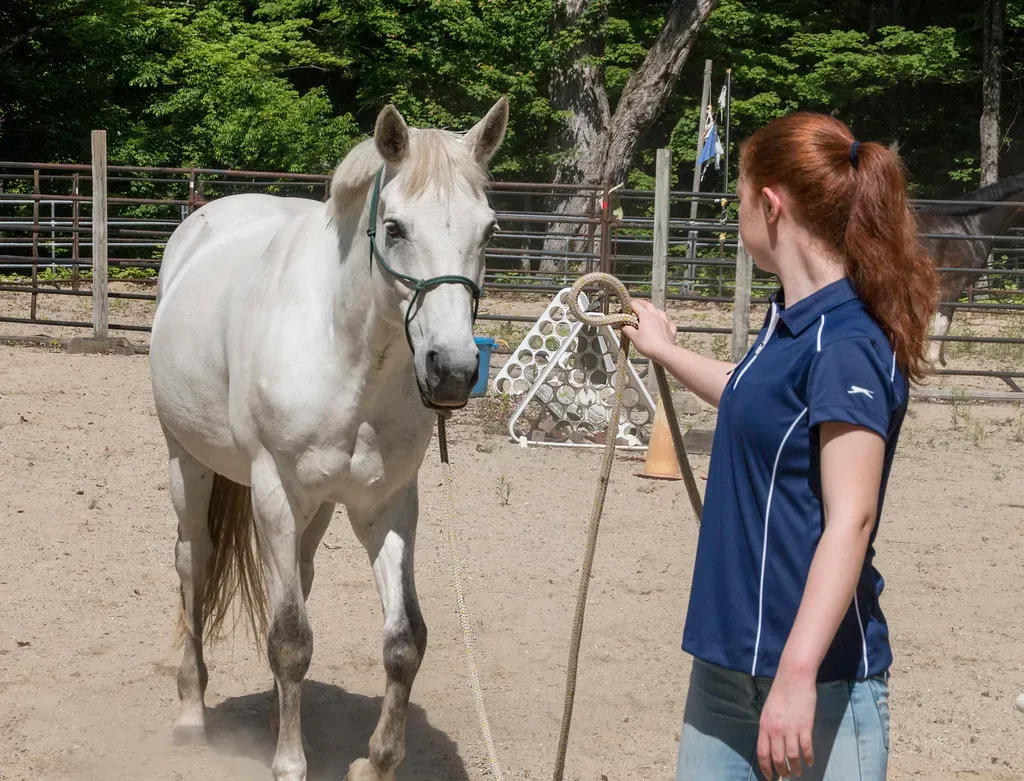
If the horse does not like it, he will move away, pin his ears, or raise his head; if he does like it, he may lower his head, move towards you, or tilt his head to the side and look at you. These signals are clear once you know what to look for. A relaxed horse might even stretch their neck out or wiggle their lip when you hit that perfect spot.
Approaching a horse from the side, and petting or rubbing the horse on the side of its body rather than the front or nose is best; the horse can see you better from here and your body language and out stretched arm is less likely to be misunderstood as aggressive by the horse. Coming at them head-on triggers their prey instincts. Side approaches feel safer and more natural to them. Always work with their nature, not against it.
What This Means For Your Relationship
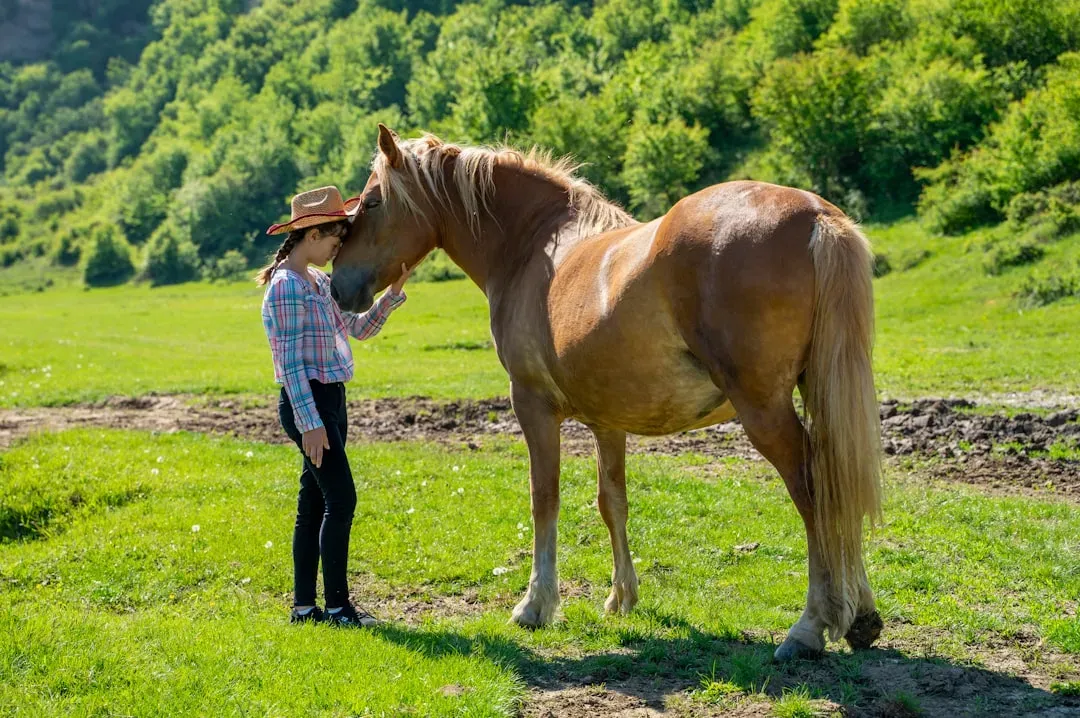
Look, I know it feels good to shower your horse with affection the way we show love to other humans or even to dogs. The thing is, horses aren’t dogs or people. They have their own language of comfort and connection, and when we learn to speak it fluently, everything changes.
The horses who seem aloof or resistant to touch often just haven’t been touched in ways that feel good to them. When you shift your approach to scratching instead of patting, focusing on the withers and shoulders, using firm rhythmic strokes, and genuinely paying attention to their responses, you’ll likely see a transformation. Your horse might start seeking you out, lowering their head in contentment, or even attempting to groom you back.
It’s worth reconsidering everything you thought you knew about petting horses. These magnificent animals have been trying to tell us what they prefer all along. What do you think? Are you ready to try something different next time you reach for your horse? Let us know what happens when you make the switch.

- 7 US States With the Most Arctic Foxes - July 16, 2026
- You’re Probably Petting Your Horse Wrong: Here’s What They Like - July 16, 2026
- These Desert Animals Have Developed Incredible Ways to Survive Extreme Heat - July 16, 2026