
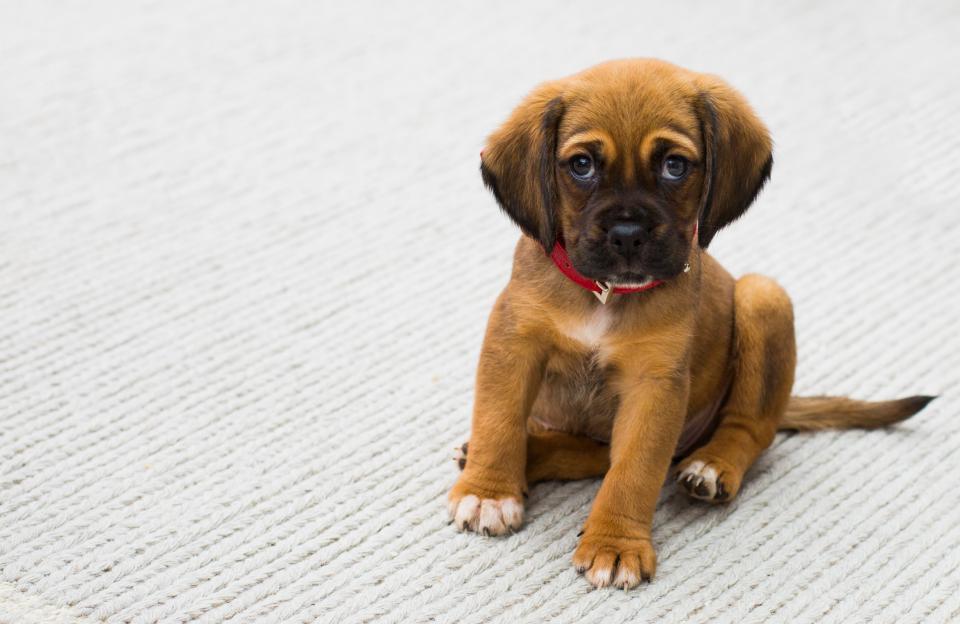
Dogs have a way of looking at people that feels almost deliberate. Their eyes soften, the inner corners lift, and suddenly the whole face seems to plead for attention or affection. This expression, often called puppy eyes, turns out to be more than just a cute habit. It ties directly to a small muscle that most wolves simply do not possess in the same developed form.
Recent zoological work has shown that dogs use this muscle far more often when a person is actually watching them. The behavior suggests an adaptation shaped by thousands of years of living alongside humans. Wolves, by contrast, rarely produce the same movement even when people are present. The difference points to a deeper story about how domestication changed the way dogs communicate.
The Muscle That Makes Puppy Eyes Possible

🔥 Would you like to save this?
We'll email this post to you, so you can come back to it later!
Dogs possess a well developed levator anguli oculi medialis muscle that pulls the inner eyebrow upward and inward. This small structure sits near the eye and allows for the distinctive raised brow look that humans find so engaging. Wolves carry a much thinner or absent version of the same muscle, which limits their ability to create the same facial movement. The anatomical contrast appears consistently across comparisons of domestic dogs and their wild relatives.
Researchers examining preserved specimens found clear differences in muscle thickness and attachment points. In dogs the fibers run in a way that supports quick, noticeable lifts of the inner brow. Wolves show less organized tissue in the same area, resulting in subtler or absent expressions. These physical traits align with the behavioral patterns observed in living animals during everyday interactions.
How Dogs Respond When Humans Pay Attention
🔥 Would you like to save this?
We'll email this post to you, so you can come back to it later!
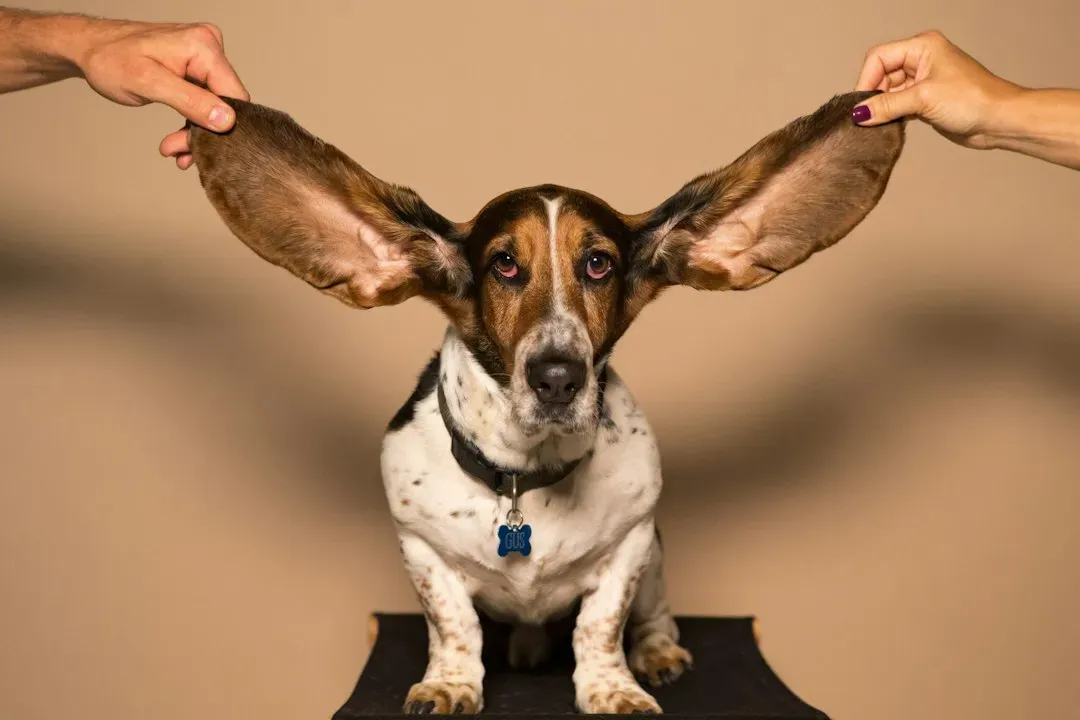
When a person looks directly at a dog, the animal tends to raise its inner eyebrows more frequently and with greater intensity. The movement happens quickly, often within seconds of eye contact, and it draws human gaze back to the dog’s face. This response does not occur at the same rate when the dog interacts with another dog or when no one is watching. The pattern suggests the expression serves as a social signal tuned to human presence.
Video recordings from controlled settings reveal that dogs adjust their brow raises based on whether a person maintains eye contact. The action appears more pronounced during moments when the dog seeks food, play, or simple acknowledgment. Wolves in similar situations show far less brow activity even when humans are nearby. The difference highlights how dogs have refined a specific facial cue that resonates with people.
Comparing Facial Anatomy Across Canines
🔥 Would you like to save this?
We'll email this post to you, so you can come back to it later!
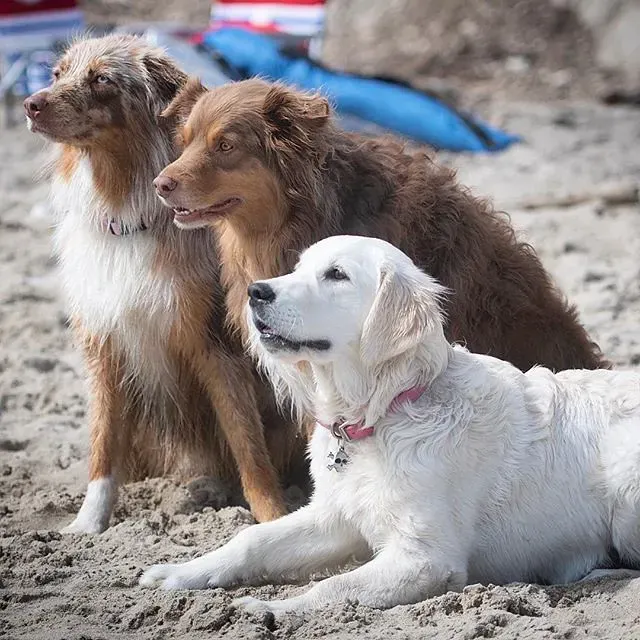
Side by side examinations of dog and wolf skulls and soft tissue reveal consistent structural gaps. Dogs display more pronounced ridges and attachment sites for the inner brow muscle. Wolves retain a flatter profile in the same region, which restricts the range of motion. These skeletal and muscular distinctions emerged alongside other changes that accompanied domestication.
Measurements of muscle mass and fiber orientation further separate the two groups. Domestic dogs across many breeds show reliable development of the levator anguli oculi medialis. Most wolf populations lack comparable development, though occasional individuals display minor variations. The overall trend remains clear in large sample comparisons.

Glass Hummingbird Feeder for Outdoors Hanging
Check Price on AmazonAs an Amazon Associate, we earn from qualifying purchases.
10/7/2026 1:21 pm GMTi

Hand Blown Glass Hummingbird Feeders for Outdoors Hanging, 24oz Wild Bird Nectar Feeder
Check Price on AmazonAs an Amazon Associate, we earn from qualifying purchases.
10/7/2026 1:23 pm GMTi

Glass Hummingbird Feeder for Outdoors Hanging, 16 oz Leak-Proof Nectar Feeder with Bee Guards & Ant Moat
Check Price on AmazonAs an Amazon Associate, we earn from qualifying purchases.
10/7/2026 1:22 pm GMTi

Smart Bird Feeder with Camera Solar Powered, 2K HD Live Video, 10,000+ Bird Species AI Identification
Check Price on AmazonAs an Amazon Associate, we earn from qualifying purchases.
10/7/2026 1:22 pm GMTi

Professional 7 in 1 Dog Paw Cleaner for Dogs & Cats - Includes 1 Portable Paw Washer, 1 Bath Brush
Check Price on AmazonAs an Amazon Associate, we earn from qualifying purchases.
10/7/2026 1:26 pm GMTi
What Controlled Observations Reveal About the Behavior
🔥 Would you like to save this?
We'll email this post to you, so you can come back to it later!
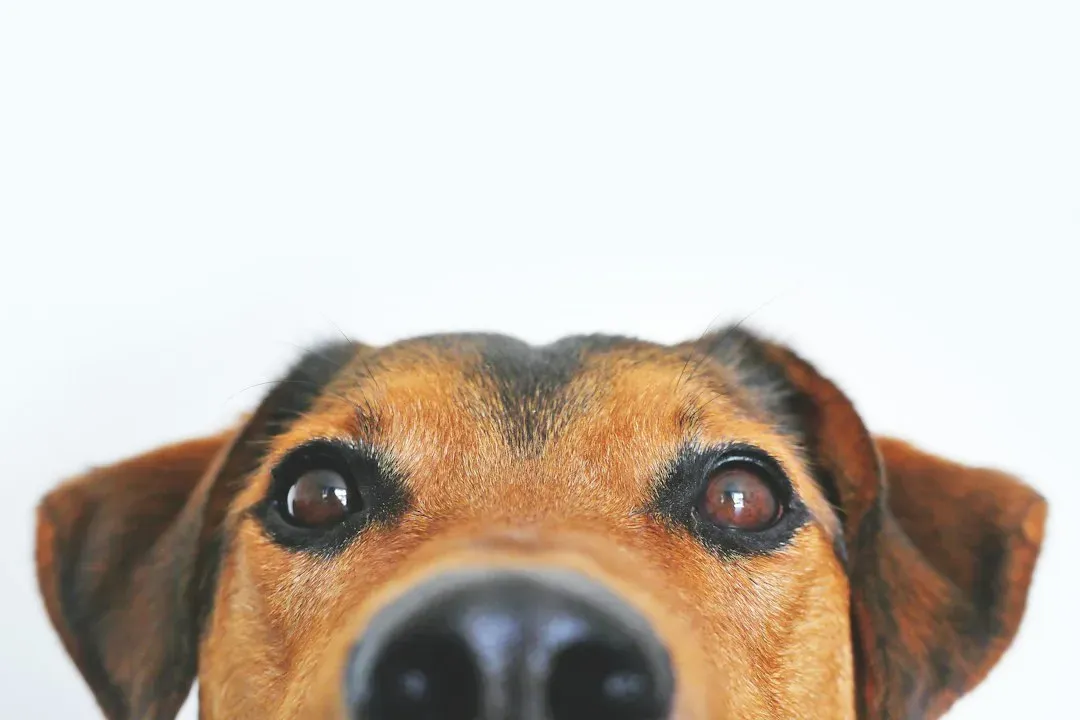
Experiments that track eye movements and facial actions demonstrate that dogs increase inner brow raises specifically in the presence of attentive humans. The frequency rises when a person speaks to the dog or offers treats while maintaining visual contact. The same dogs show reduced activity when the person turns away or leaves the room. These shifts occur without any training, pointing to an instinctive adjustment.
Wolves placed in parallel test conditions rarely match the dogs’ rate of brow movement. Even when food or social contact is offered, their expressions stay more neutral around the eyes. The data come from repeated trials that control for age, sex, and prior exposure to people. The results hold across different facilities and observer teams.
Links to Domestication and Daily Life With People
🔥 Would you like to save this?
We'll email this post to you, so you can come back to it later!
The muscle difference likely developed as dogs began living in closer proximity to human settlements thousands of years ago. Individuals that could produce more expressive faces may have received extra care or food from people who responded to the look. Over generations this trait became more common in dog populations. Wolves that stayed wild faced different pressures that did not favor the same facial feature.
Modern dogs continue to use the expression in homes, shelters, and training sessions. Owners often interpret the raised brows as a request for attention or reassurance. Trainers note that dogs employ the look during moments of uncertainty or when they want to initiate play. The behavior integrates smoothly into the routines of shared living spaces.

Earth Rated XL Dog & Puppy Pee Pads, Discreet Top, Max Absorbency
Check Price on AmazonAs an Amazon Associate, we earn from qualifying purchases.
10/7/2026 1:28 pm GMTi

Halloween Cat Costume Cloak Witch Hat Pet Accessories
Check Price on AmazonAs an Amazon Associate, we earn from qualifying purchases.
10/9/2026 2:44 pm GMTi

Portable Dog Water Bottle Foldable Dog Travel Water Bottle
Check Price on AmazonAs an Amazon Associate, we earn from qualifying purchases.
10/7/2026 1:29 pm GMTi

Halloween Dog Collar with Bow, Orange Cute Ghost Collar,
Check Price on AmazonAs an Amazon Associate, we earn from qualifying purchases.
10/9/2026 2:43 pm GMTi

Dog Stairs for Bed 18" H, 4-Step Dog Steps for High Bed
Check Price on AmazonAs an Amazon Associate, we earn from qualifying purchases.
10/9/2026 2:42 pm GMTi
Questions That Remain Open in Canine Research
🔥 Would you like to save this?
We'll email this post to you, so you can come back to it later!
Scientists continue to explore whether other facial muscles or neural pathways also changed during domestication. Some studies examine how early puppyhood experiences shape the use of the brow raise. Others compare different dog breeds to see whether working lines or companion lines show variations in muscle strength or frequency of use. The field still seeks clearer answers on how quickly the trait spread through ancient dog groups.
Additional work looks at whether wolves raised by humans from birth can develop stronger versions of the muscle through practice or different diets. Early results suggest the anatomical base remains limited even with extensive human contact. These ongoing lines of inquiry keep the topic active among zoologists and behavior researchers.

2 Pcs Halloween Pet Hat Bandana Set, Witch Pumpkin Costumes for Dogs
Check Price on AmazonAs an Amazon Associate, we earn from qualifying purchases.
10/9/2026 2:45 pm GMTi

Orthopedic Extra Large Dog Bed, Waterproof Washable XL Pet Bed 44"
Check Price on AmazonAs an Amazon Associate, we earn from qualifying purchases.
10/7/2026 1:32 pm GMTi

PetSafe Oasys Pet Fountain, 1/2 Gallon (64 oz), Small Dogs & Cats
Check Price on AmazonAs an Amazon Associate, we earn from qualifying purchases.
10/8/2026 8:14 am GMTi

Air Purifiers for Home Pets Large Room Up to 3000 Ft²,HEPA Air Cleaner with Washable Double-Side Filter, PM2.5 Air Quality Monitor,15dB Sleep Mode for Bedroom Odor Dust Pollen,White
Check Price on AmazonAs an Amazon Associate, we earn from qualifying purchases.
10/8/2026 8:23 am GMTi
Looking Ahead at What the Findings Suggest
🔥 Would you like to save this?
We'll email this post to you, so you can come back to it later!
The specialized muscle and its selective use around people underscore how deeply dogs have integrated into human social worlds. Their faces now carry a built in tool for connection that wolves never needed in the same way. This adaptation likely strengthened the practical partnership that turned wolves into the dogs we know today. It also explains why a simple glance from a dog can feel so communicative.
Understanding these small anatomical shifts helps explain the everyday ease of living with dogs. The raised inner brows serve as one visible thread in a much larger fabric of mutual adjustment between species. Future observations will probably uncover more such details, yet the current picture already shows a clear evolutionary nudge toward human oriented expression. Dogs did not just learn to live with us. Their faces evolved to speak our language in ways wolves never required.

- Zoology Says Dogs Raise Their Inner Eyebrows Far More When a Human Is Watching – and Most Wolves Lack a Well-Developed Version of the Muscle Behind ‘Puppy Eyes’ - November 7, 2026
- Animal Behaviorists Say When Your Dog Looks Back at You During a Puzzle It Can’t Solve It Is Asking for Help in a Way Wolves Rarely Do - November 7, 2026
- Discover the Secret World of Nocturnal Animals in US Ecosystems - November 7, 2026