
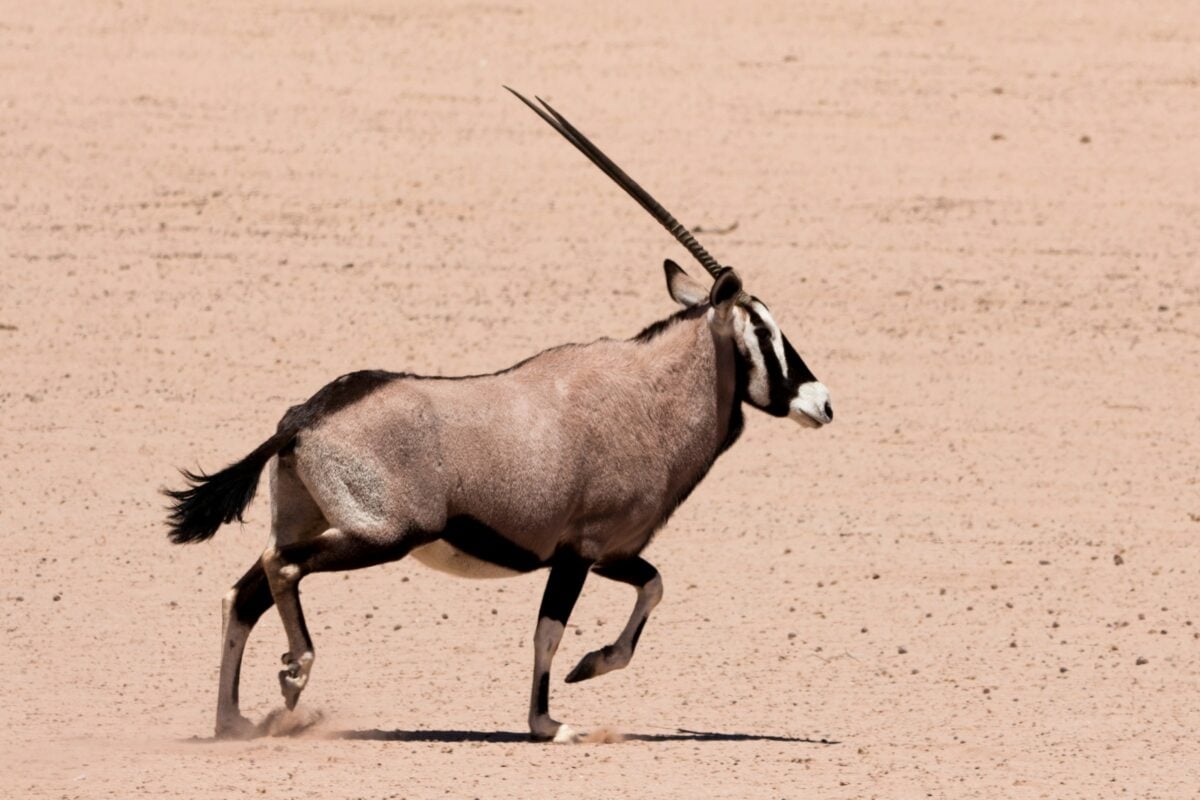
Imagine going through the hottest months of the year without a sip from a river, lake, or even a puddle. No iced drinks, no water bottle, nothing. For most of us, that sounds impossible. Yet across Africa’s harshest deserts and driest savannas, some animals do almost exactly that, surviving for unbelievable stretches with little to no free-standing water.
These animals have turned water scarcity into a survival superpower. Their bodies squeeze moisture from food, recycle every drop they can, and avoid wasting even a breath of it. Some of their tricks feel almost like science fiction. Let’s dive into ten of the most impressive African species that can go for at all.
Dromedary Camel: The Desert Icon That Redefined Thirst
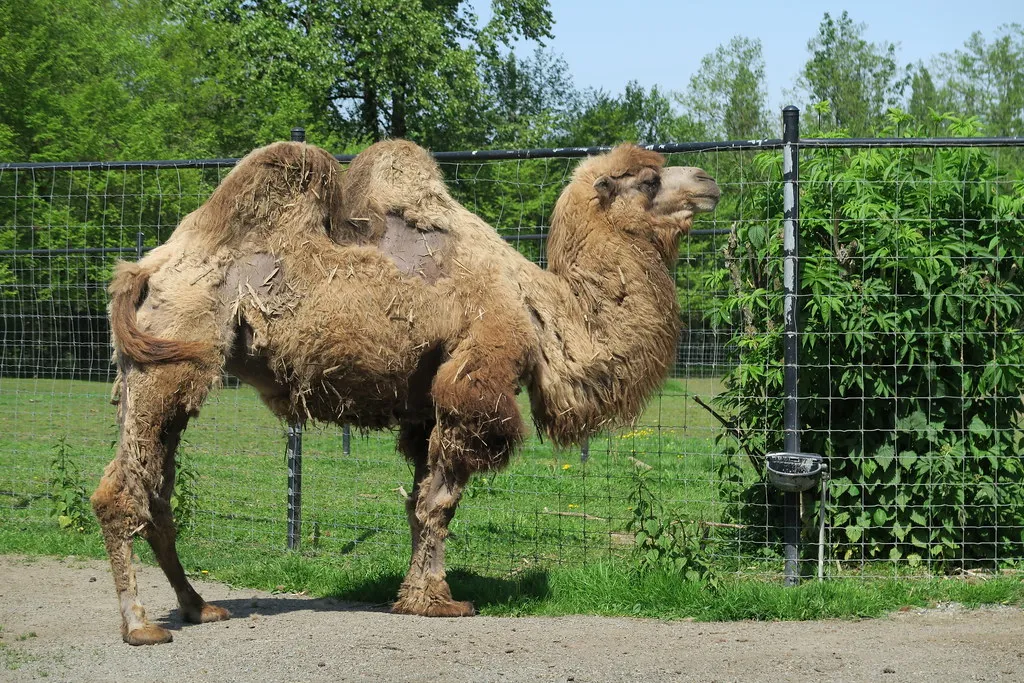
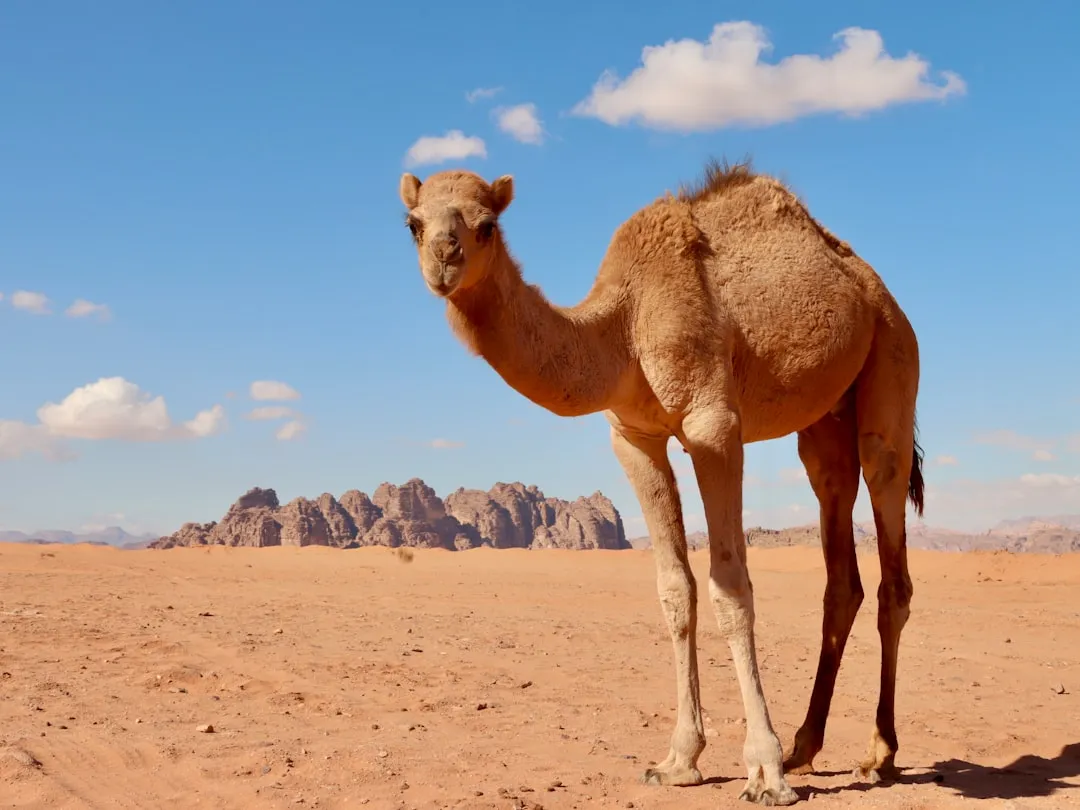
The one-humped dromedary camel is practically a symbol of the African desert, and for good reason. Camels can lose a huge portion of their body weight in water and still keep going when most other mammals would collapse. They do not store water in their humps; those humps are full of fat, which can be broken down for both energy and metabolic water when things get extreme.
Instead of relying on regular drinks, camels control water loss in ways that feel almost unfair. Their body temperature fluctuates over the day so they do not sweat as much, their nostrils trap moisture from each exhale, and their urine and dung are so concentrated and dry that very little water leaves their bodies. In the wild, they can go many days or even weeks between real drinks, especially when feeding on salty or thorny plants that provide a little extra moisture.
Addax Antelope: The Ghost of the Sahara
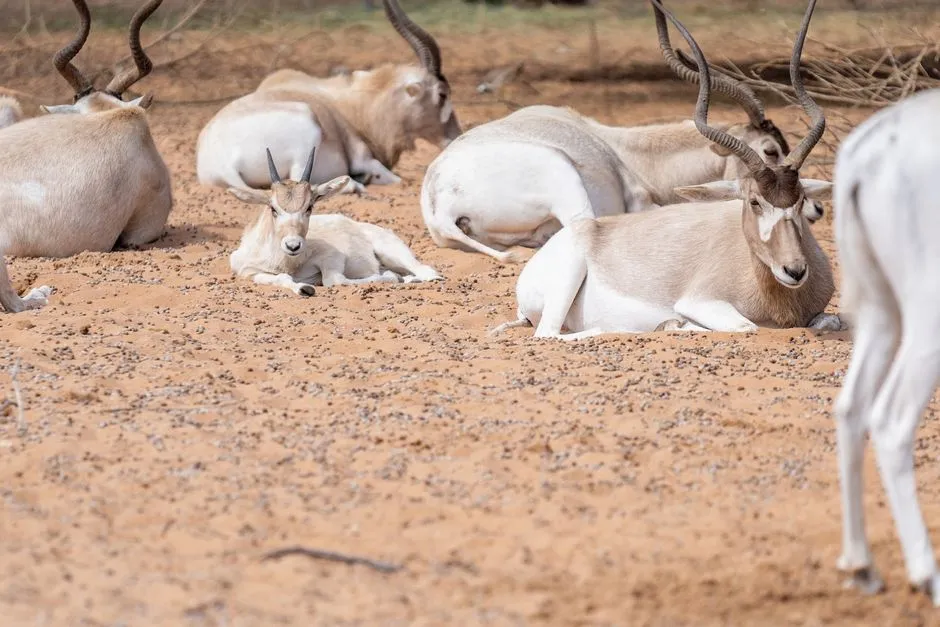
The addax antelope, a pale, spiral-horned antelope once widespread across the Sahara, is one of the most water-independent hoofed animals on Earth. It can survive in areas where rain might not fall for years, relying almost entirely on moisture from the sparse desert plants it eats. That means it can go for months without drinking free water, because there simply is none to find.
Its lifestyle is built around saving every possible drop. The addax is mostly active at night or in the cooler hours of the day, resting in shallow depressions during blistering daylight to avoid overheating and sweating. Its kidneys produce extremely concentrated urine, its feces are dry, and its pale coat reflects sunlight like a natural sunshield. Sadly, this desert master is now critically endangered, more at risk from humans than from the brutal climate it is perfectly designed to withstand.
Oryx: The Antelope That Turns Heat Into an Advantage
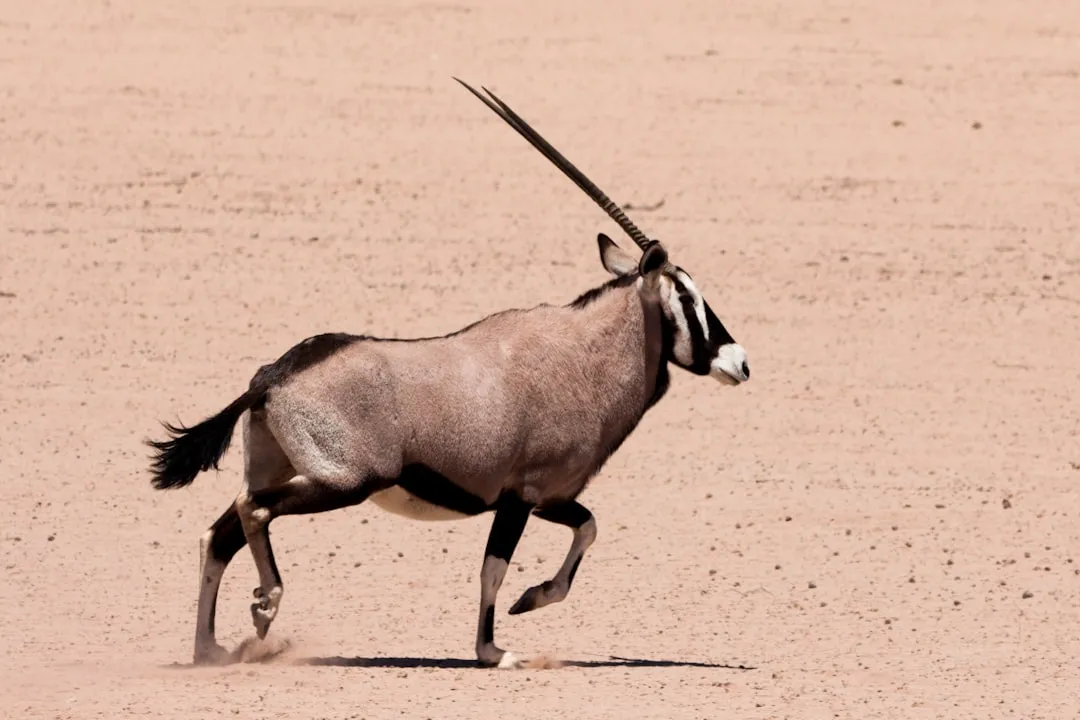
Oryx antelopes, such as the gemsbok and scimitar-horned oryx, are champions of drylands and semi-deserts in Africa. They can go for long stretches without drinking free water, pulling what they need from hardy grasses, shrubs, and desert succulents. In some regions, wild oryx are rarely seen at permanent waterholes at all, because they simply do not depend on them the way many other herbivores do.
What makes oryx especially fascinating is their internal cooling strategy. They allow their body temperature to rise safely during the heat of the day, which reduces the need for sweating, and then release that stored heat when temperatures drop later on. They often dig for roots and bulbs that are richer in moisture than they look, like nature’s hidden water bottles under the sand. Watching an oryx stand calmly in blazing heat is like seeing a living air-conditioner that has learned to run on almost nothing.
Springbok: The Dryland Acrobat That Hardly Ever Drinks
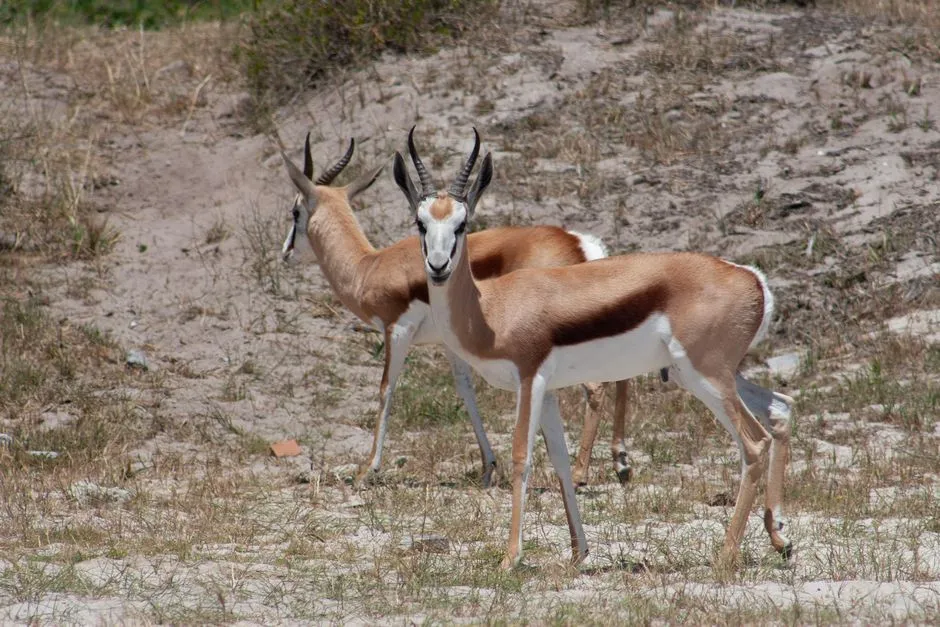
The springbok, famous for its dramatic leaps called pronking, is more than just a show-off. In parts of its range, these antelopes can go months without visiting a waterhole, especially during dry seasons. They manage this by extracting water from the plants they graze, particularly fresh shoots and succulents that hold more moisture than they appear to.
Their bodies are tuned to desert and semi-arid life. Springboks often use the cool hours of morning and evening to feed, avoiding the worst of the midday heat, which reduces water loss through panting and sweating. Their kidneys work overtime to conserve water, and their small, efficient bodies are better suited to dealing with dry conditions than many larger antelope. For an animal known for its high-energy jumps, it is surprising how quietly and efficiently it lives when it comes to water.
Grant’s Gazelle: The Antelope That Can Skip Waterholes Entirely
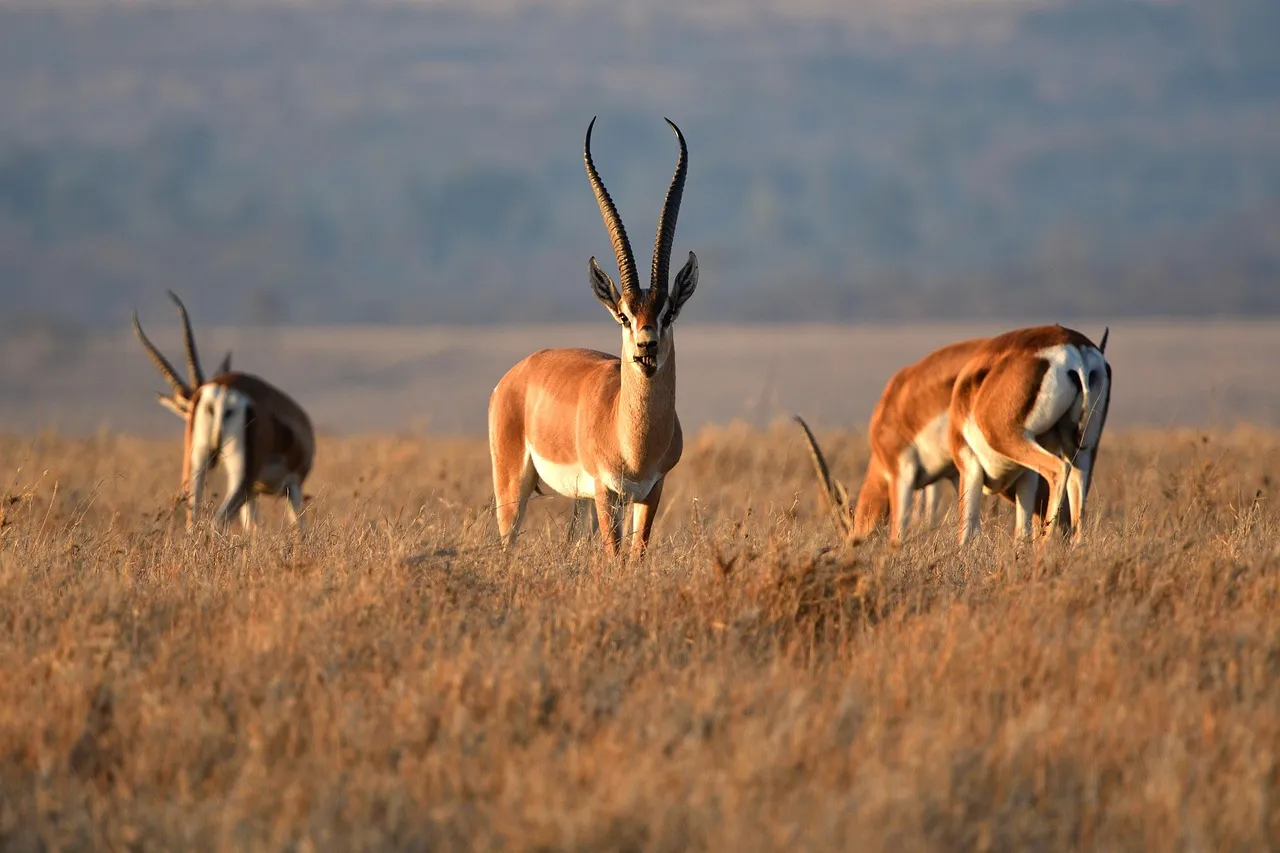
Grant’s gazelle lives in some of the hottest, driest savannas and semi-deserts of East Africa, often right alongside other species that must drink regularly. What sets Grant’s gazelle apart is that, under the right conditions, it can go for months without drinking free water at all. It survives on moisture from leaves, buds, and grasses, even when those plants look dry and unappealing to us.
Grant’s gazelles handle heat by allowing their body temperature to climb slightly, which means they do not need to sweat as much and lose fewer precious droplets. They also tend to be selective feeders, seeking out the greenest parts of plants or specific species that retain more water. It is a quiet, almost invisible superpower: while other animals crowd waterholes and risk predators, Grant’s gazelle can simply opt out.
Sand Gazelle and Other Desert Gazelles: Masters of Metabolic Water
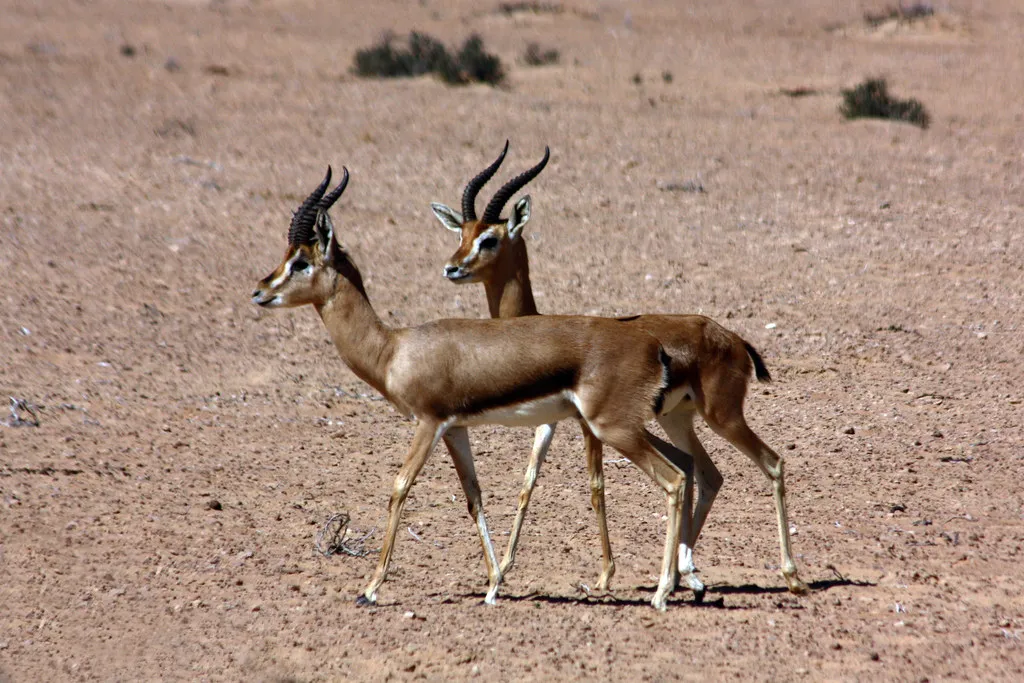
Several desert-adapted gazelles in North Africa and the Sahel, sometimes grouped generally as sand gazelles or Dorcas gazelles, have pushed water independence to an extreme. Many of them can live virtually their entire lives without ever drinking liquid water, as long as they have access to some vegetation. Their bodies rely heavily on metabolic water, which is the water produced internally when food is broken down.
These gazelles shrink water loss from every angle. They have efficient noses that reclaim moisture from each breath, kidneys that wring every last bit of water out of blood, and behavior patterns that keep them out of direct sun as much as possible. When you see one standing in a bare, shimmering landscape where you cannot spot so much as a puddle, it feels almost like a magic trick. But it is pure biology, honed by generations in an unforgiving climate.
Fennec Fox: The Big-Eared Desert Survivor
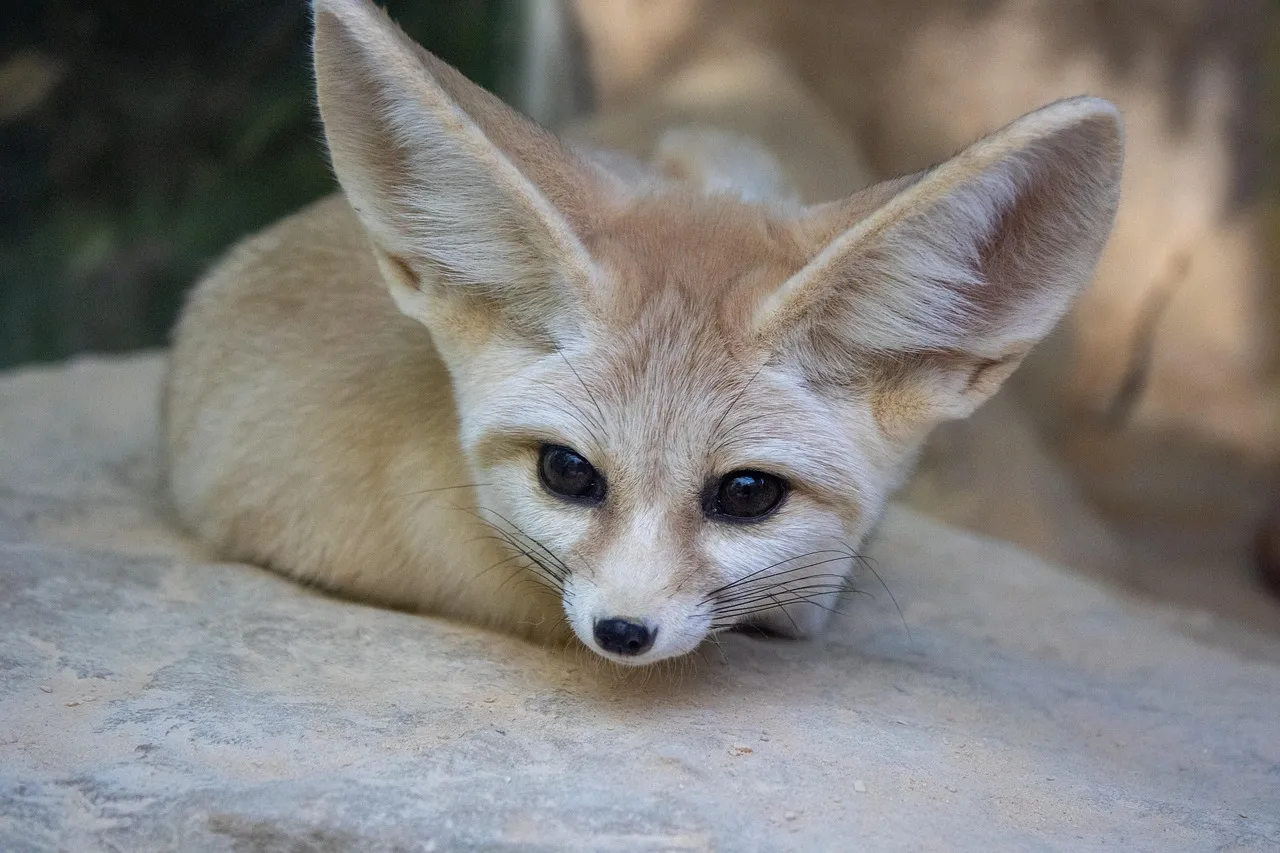
The tiny fennec fox, with its oversized ears and delicate frame, might look fragile, but it is one of the desert’s toughest little survivors. Native to the Sahara and surrounding arid regions, it can go long periods without drinking free water. Instead, it lives on moisture from insects, small vertebrates, and whatever plant matter it consumes, making every meal double as a drink.
Those enormous ears are basically living radiators, helping shed heat and keep body temperature from spiking so high that heavy panting becomes necessary. Less panting means less water loss. Fennec foxes are active mostly at night, resting in cool underground burrows during daylight. I still remember the first time I saw one in a photo and assumed it must live in a forest somewhere; finding out it was a near-waterless desert expert was a bit like learning that a toy-sized dog could run an ultra-marathon.
Bat-Eared Fox: Insect-Eater With a Tiny Water Footprint
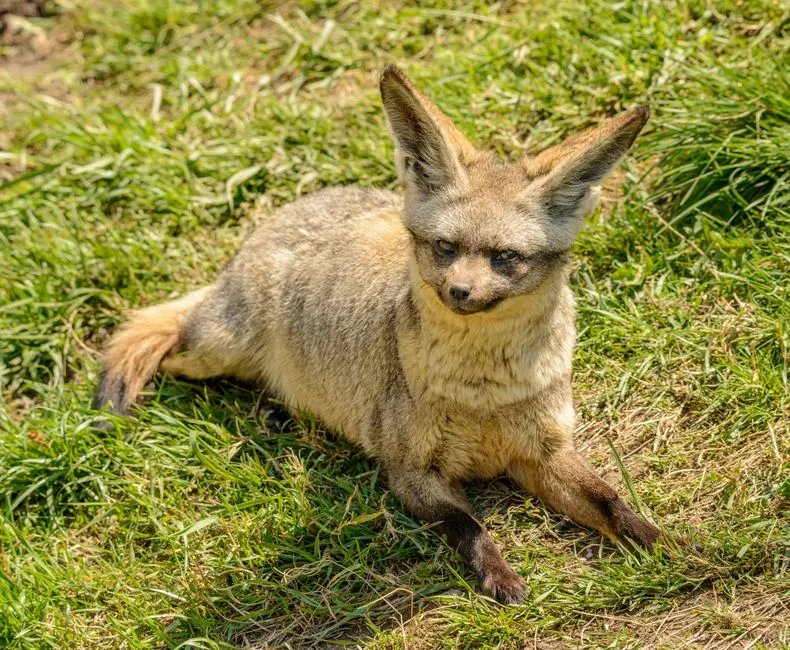
The bat-eared fox roams savannas and semi-arid areas of eastern and southern Africa, and while it is not as extreme as some desert specialists, it still manages impressively low water needs. Much of its moisture comes from the vast number of termites and insects it eats, plus occasional fruits and other plant material. In many regions, it can go for long spans without directly drinking, especially when food is plentiful.
Its body and behavior help keep water demands down. Like the fennec, those large ears are not just cute; they help with heat regulation. Bat-eared foxes are mostly nocturnal or crepuscular, active in the cooler periods when evaporation from breathing and skin is lower. Imagine trying to get nearly all the water you need from eating tiny crunchy snacks all day; that is essentially what this fox does, and it works surprisingly well.
Cape Ground Squirrel: Beating the Heat With Shade and Strategy
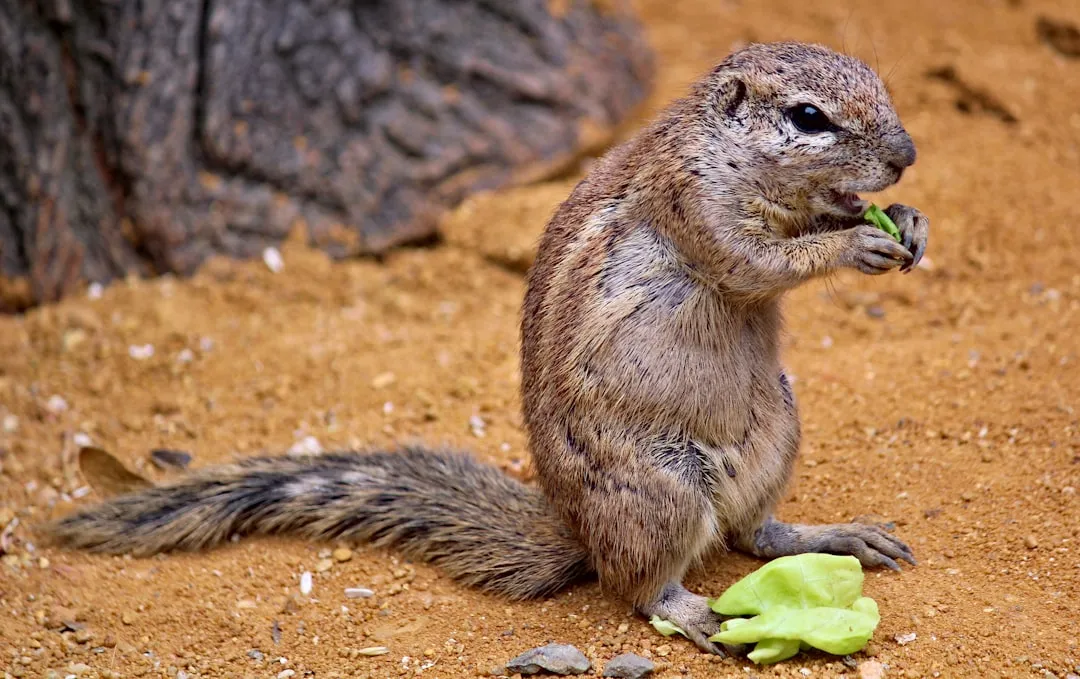
The Cape ground squirrel lives in hot, open regions of southern Africa where shade is limited and water can be painfully scarce. While it does drink when water is available, it has the ability to get by for extended stretches without it, relying heavily on moisture from seeds, roots, and bulbs. These underground plant parts often hold more water than the dry soil suggests, and the squirrels are experts at finding them.
One of their most striking tricks is behavioral: they use their bushy tails like umbrellas, shading themselves as they forage under harsh sunlight. They also spend a lot of time in cool burrows, which moderates their temperature and cuts down on the need to cool themselves through water-wasting processes. It is a good reminder that surviving with little water is not just about fancy organs or chemistry; sometimes, it is about clever daily habits.
Sandgrouse: The Bird That Carries Water in Its Feathers
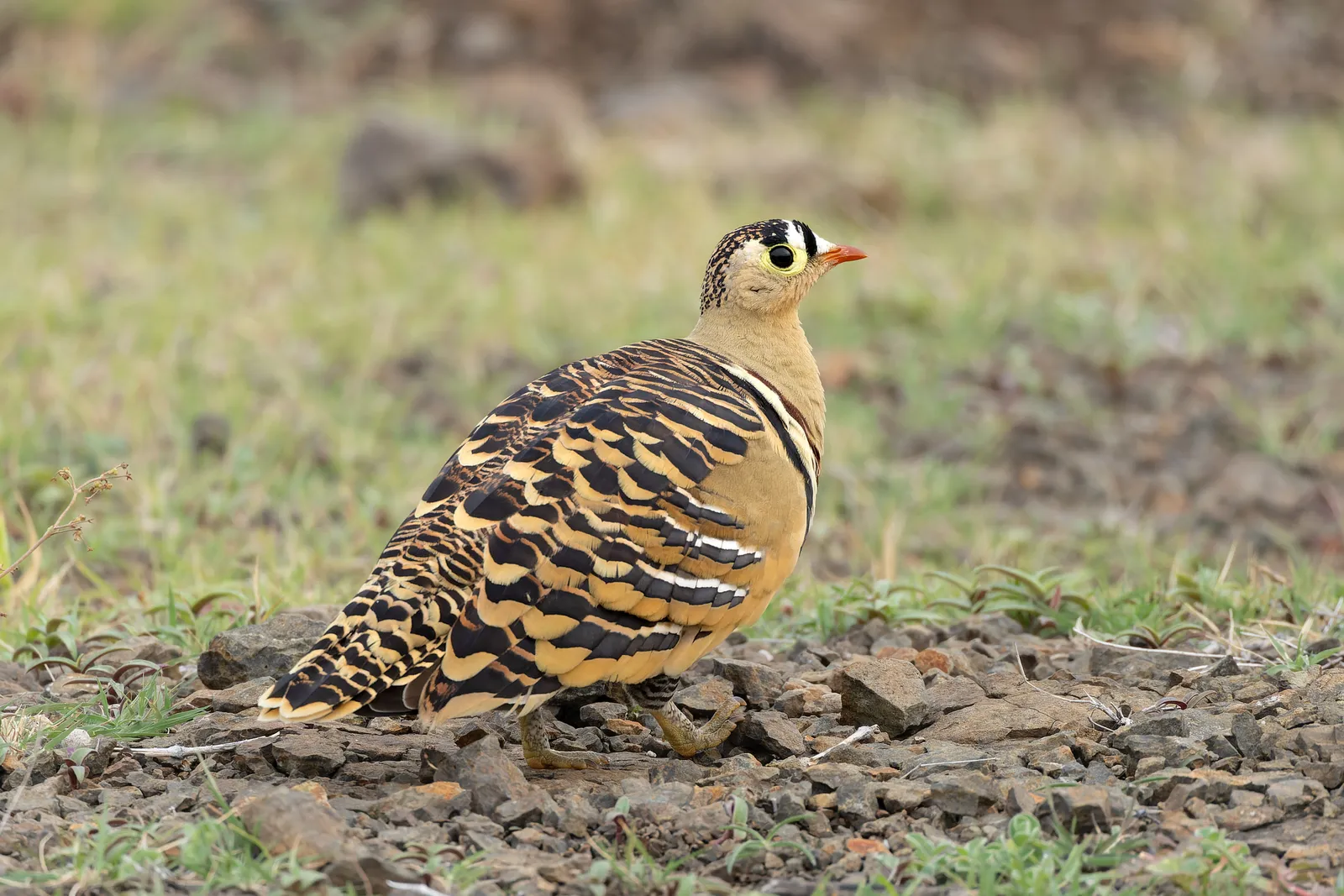
Sandgrouse might be the most emotionally striking story on this list. These birds live in arid and semi-arid regions and are incredibly tough, able to fly vast distances to find water and then go long hours or days before returning. Adult sandgrouse themselves can cope with limited drinking, often relying on seeds for both food and some moisture, but their real genius shows up when they are caring for chicks far from water.
Male sandgrouse fly to distant waterholes, soak their specially adapted belly feathers, and then carry that water back to their young. The chicks drink directly from the feathers, literally sipping water off their parent’s body. It is not exactly surviving without water, but it is an ingenious way of solving the problem of living in a landscape where standing water might be dozens of miles away. In a place where many animals must crowd dangerously at waterholes, sandgrouse turn themselves into mobile canteens.
Conclusion: What Water-Stressed Animals Can Teach Us
Looking at these ten African animals side by side, it is hard not to feel a mix of awe and discomfort. Awe, because their adaptations are so elegant and extreme that they almost feel unreal. Discomfort, because many of these species are now more threatened by human activity than by drought, even though drought is the force that shaped them. To me, that contrast says a lot about how casually we treat water compared to the way wild animals must fight for every drop.
These creatures survive months with almost no free water by doing the opposite of what modern humans do: they waste nothing, live within the limits of their environment, and change their behavior instead of demanding that the world change for them. That does not mean we should try to live like camels or gazelles, but it does suggest that our everyday choices could be a lot more water-wise than they are now. When you think about how far a camel, a tiny fox, or a desert bird can go on so little, it makes a full running tap look almost scandalous. Which of these quiet survival tricks surprised you the most?

- 10 African Animals That Survive Months With Almost No Free Water - August 16, 2026
- 8 Things African Wild Dogs Do During a Hunt That Lions Rarely Do - August 16, 2026
- Animal Science Says Bumblebees Can Learn New Tasks by Watching Other Bees - August 16, 2026