
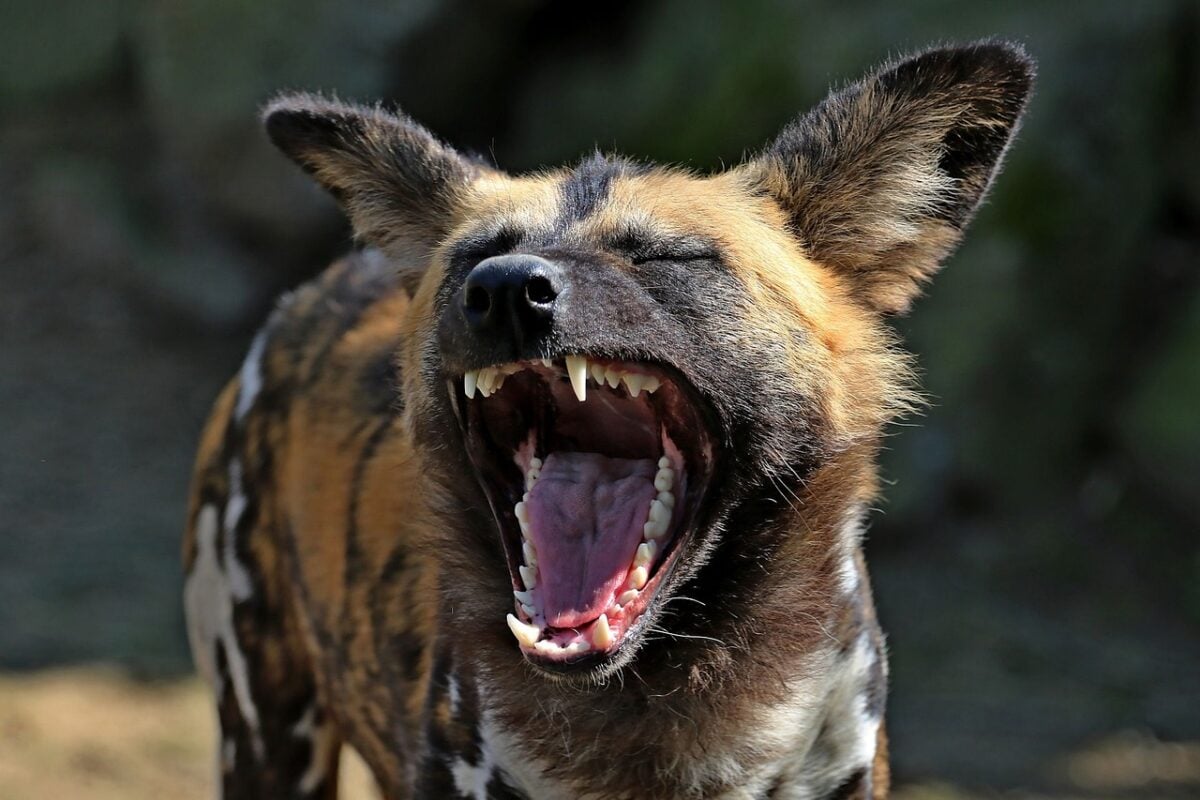
If you picture an African predator at work, your mind probably goes straight to the lion: roaring, powerful, king of the savannah. But out there on the open plains and in the mopane scrub, another hunter is quietly putting on a masterclass in teamwork and endurance – the African wild dog. And in many ways, these scrappy, big-eared “painted wolves” are doing things that lions almost never do.
Once you zoom in on a wild dog hunt, it feels less like watching a brute-force takedown and more like seeing a perfectly drilled sports team running set plays. They read each other, adjust on the fly, and pull off coordinated moves that would make a human coach jealous. Some of what they do looks almost unsettlingly strategic – and it raises a bold question: if this is a game of success and survival, are lions really the best players on the field?
1. Running Endurance Marathons Instead of Short Power Sprints
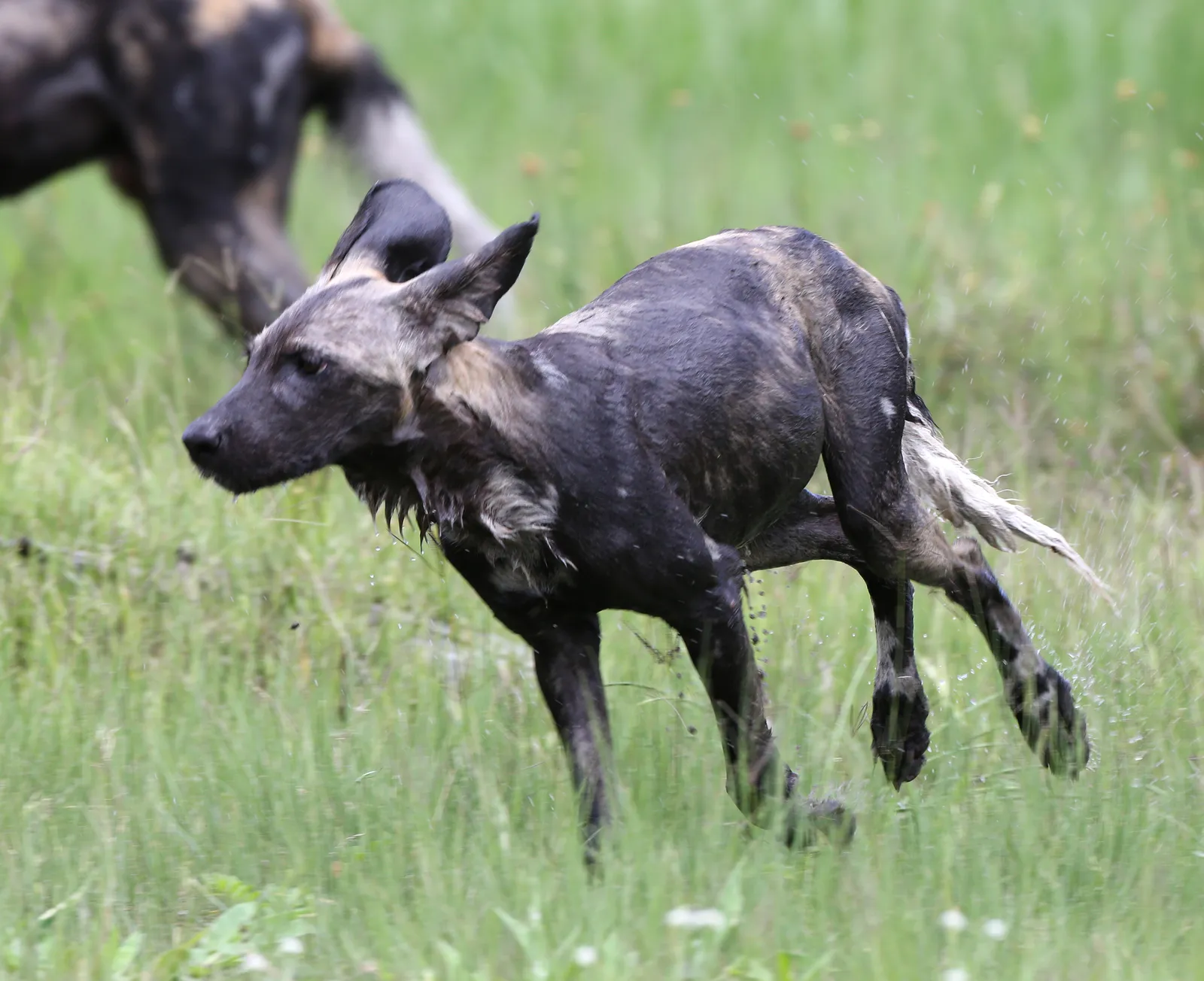
African wild dogs are distance runners in a world obsessed with sprinters. While lions rely on explosive bursts of speed that last just a few seconds before they overheat or run out of steam, wild dogs will simply keep going, trotting along at a steady pace and ramping up when it matters. They can maintain a chase over several minutes and across long distances, essentially turning a hunt into a high-stakes endurance race.
This marathon style completely flips the script on how a predator wins. Instead of pouncing from cover and hoping to get lucky in the first few seconds, wild dogs systematically wear down their prey until it is simply too exhausted to continue. Lions, built like heavyweight boxers, are rarely able to match that kind of prolonged pressure. In a very real sense, wild dogs win not just with teeth, but with stamina and stubbornness.
2. Hunting in Highly Synchronized Packs With Almost No Infighting
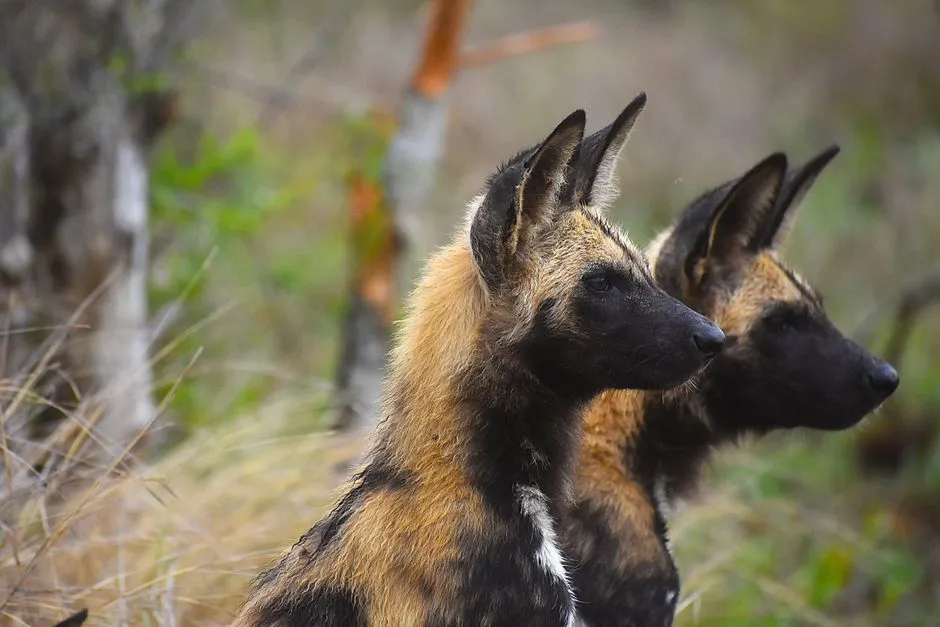
If you watch a wild dog pack on the move, it feels weirdly like watching a perfectly synced dance troupe. Every animal seems to know where it needs to be, when to accelerate, and when to peel off. They rarely waste time arguing, posturing, or fighting among themselves during a hunt. The focus is on the target, not on who is in charge or who gets to look the toughest.
Lions do hunt in groups, but lion prides are full of social tension, dominance, and competition, especially when it comes to feeding or deciding who moves first. Wild dogs, by contrast, show a level of cooperation that looks almost selfless. They act like a single organism built out of many bodies, and that unity gives them an edge in tight situations where hesitation or squabbling would mean losing the kill. It is not that they are “nicer,” they are just ruthlessly efficient about putting the group before the ego.
3. Using Rotating “Relay” Chasing to Keep the Pressure On
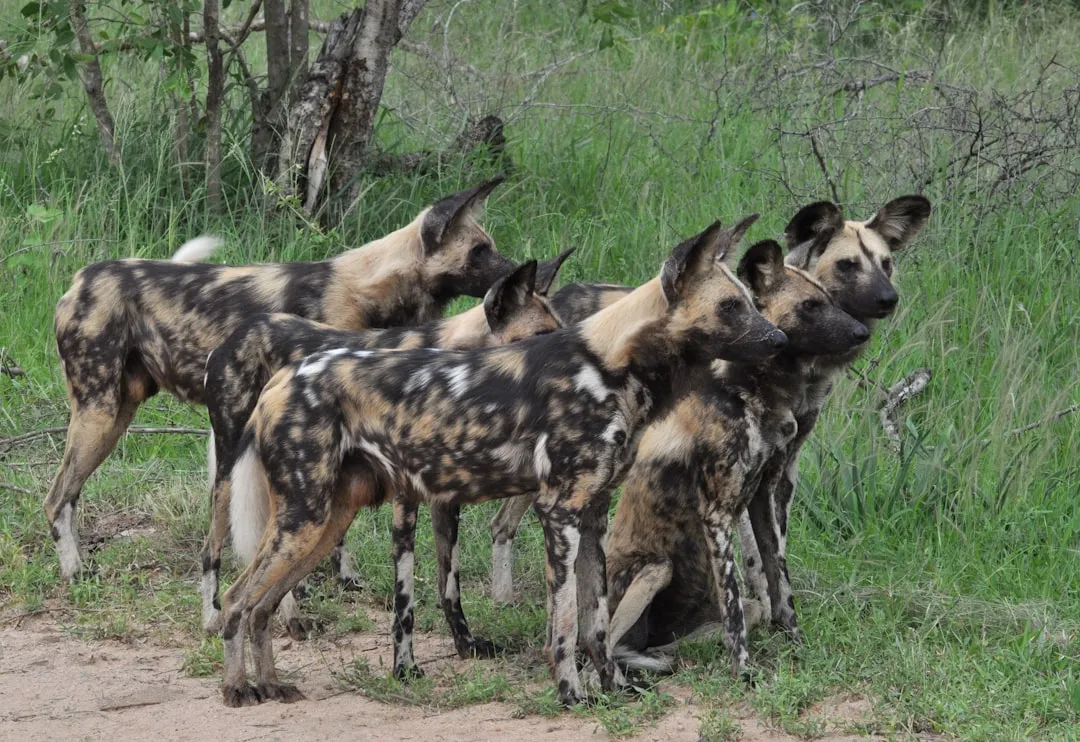
One of the most surprising things African wild dogs do is take turns being in the hot seat during a chase. When they are pursuing an antelope or similar prey, some dogs will push hard at the front, then ease off while others move in to maintain the pace. It is like a relay team or a cycling peloton, where different riders take the wind so others can recover briefly before joining the next push.
Lions almost never do this kind of structured rotation. They either charge together in a short rush or have a couple of ambushers and a few “drivers,” and if that fails, the hunt usually ends quickly. Wild dogs, on the other hand, use this rotating strategy to keep the prey under constant stress. The victim rarely gets a full break to recover, while individual dogs can catch their breath for a moment and then jump back into the chase, keeping the pressure relentless but sustainable.
4. Coordinating Silent Flanking Moves Over Large Distances
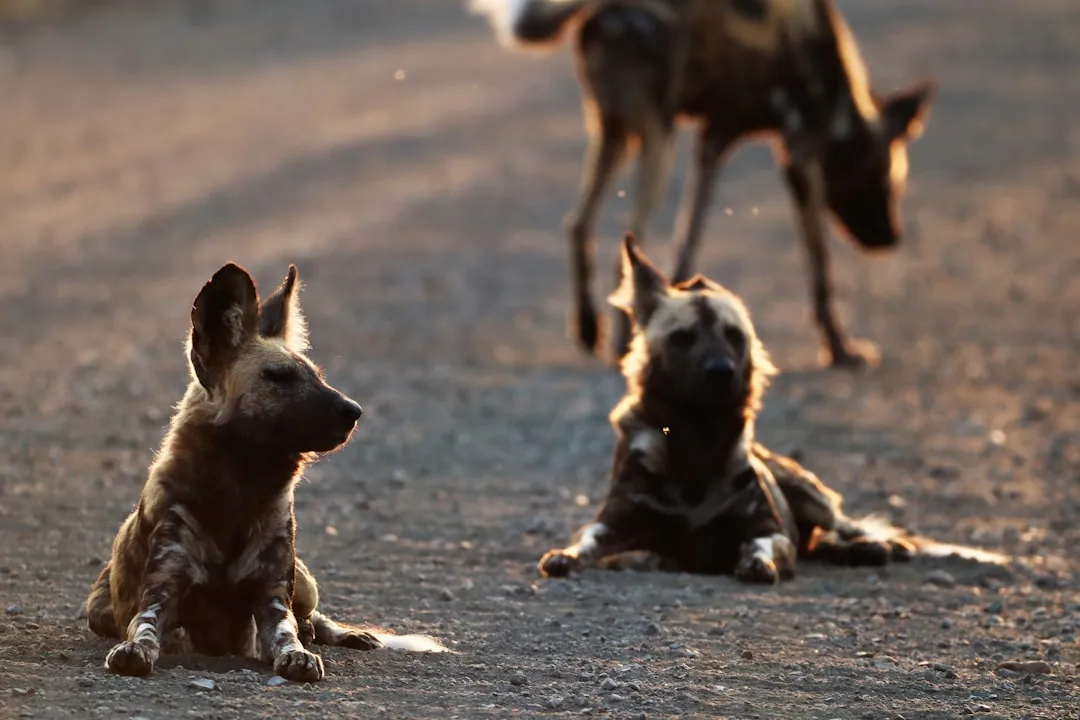
Another thing wild dogs excel at is using space intelligently. They spread out, sometimes over surprisingly large areas, and keep track of each other with subtle body language and occasional soft sounds. Some dogs will push the prey in a certain direction while others quietly move ahead or to the sides, ready to intercept if the animal tries to escape. It is a level of spatial awareness that feels almost like a team running a practiced playbook.
Lions do sometimes flank, but they are much more reliant on a quick ambush from relatively close range, often breaking cover only at the last minute. Wild dogs, because they can sustain long chases, are able to think and act in terms of “where will this animal be in thirty seconds?” rather than “can we catch it right now?” That added tactical patience makes them feel more like long-range strategists than pure ambushers, and it is a style lions rarely match.
5. Sharing Food Generously With Pups, Sick Members, and Even Late Arrivals
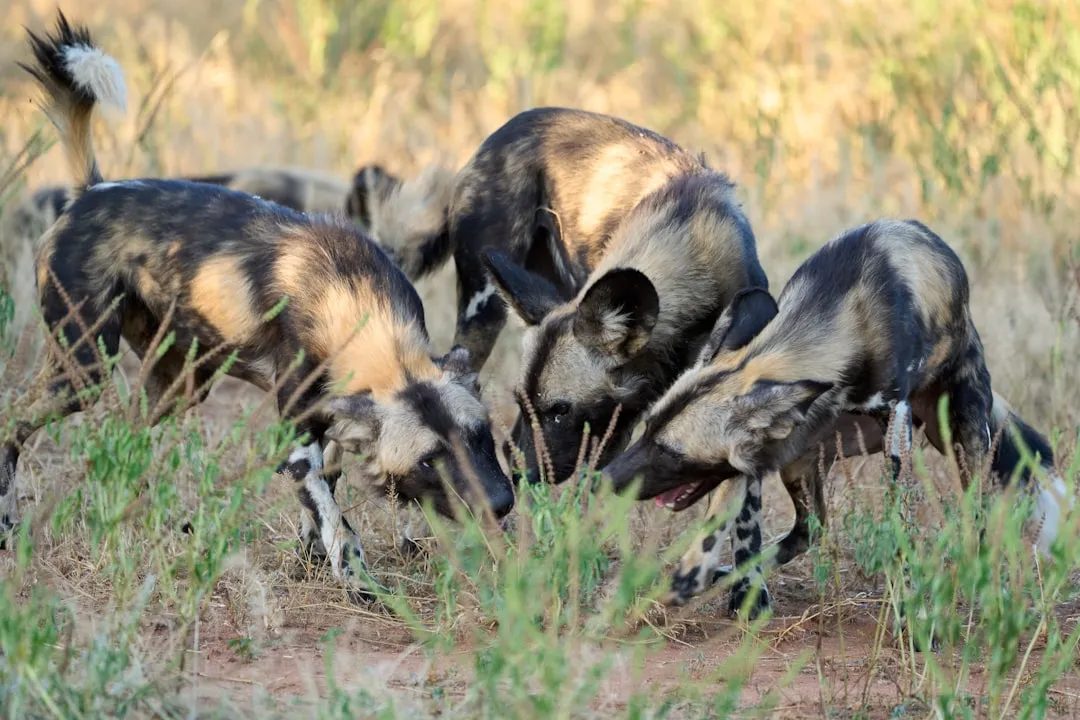
What happens after the kill might be the most dramatically different part of the story. When wild dogs bring down prey, they feed fast, but they do it with a surprising level of order and generosity. Pups, injured adults, and nursing mothers are often prioritized or at least actively fed later through regurgitation. Even pack members that were not at the front line during the kill tend to get a fair chance to eat.
Lions, by contrast, can be notoriously rough and competitive at a carcass. Dominant individuals frequently push others aside, and cubs or weaker adults have to fight hard for a spot. Wild dogs treat the kill as a resource for the whole unit, not as a prize for whoever is strongest in that moment. It is a radical difference in social economy: wild dogs hunt as a unified team and then eat as one, reinforcing the very cooperation that made the hunt successful in the first place.
6. Actively Feeding Absent Pack Members Through Regurgitation
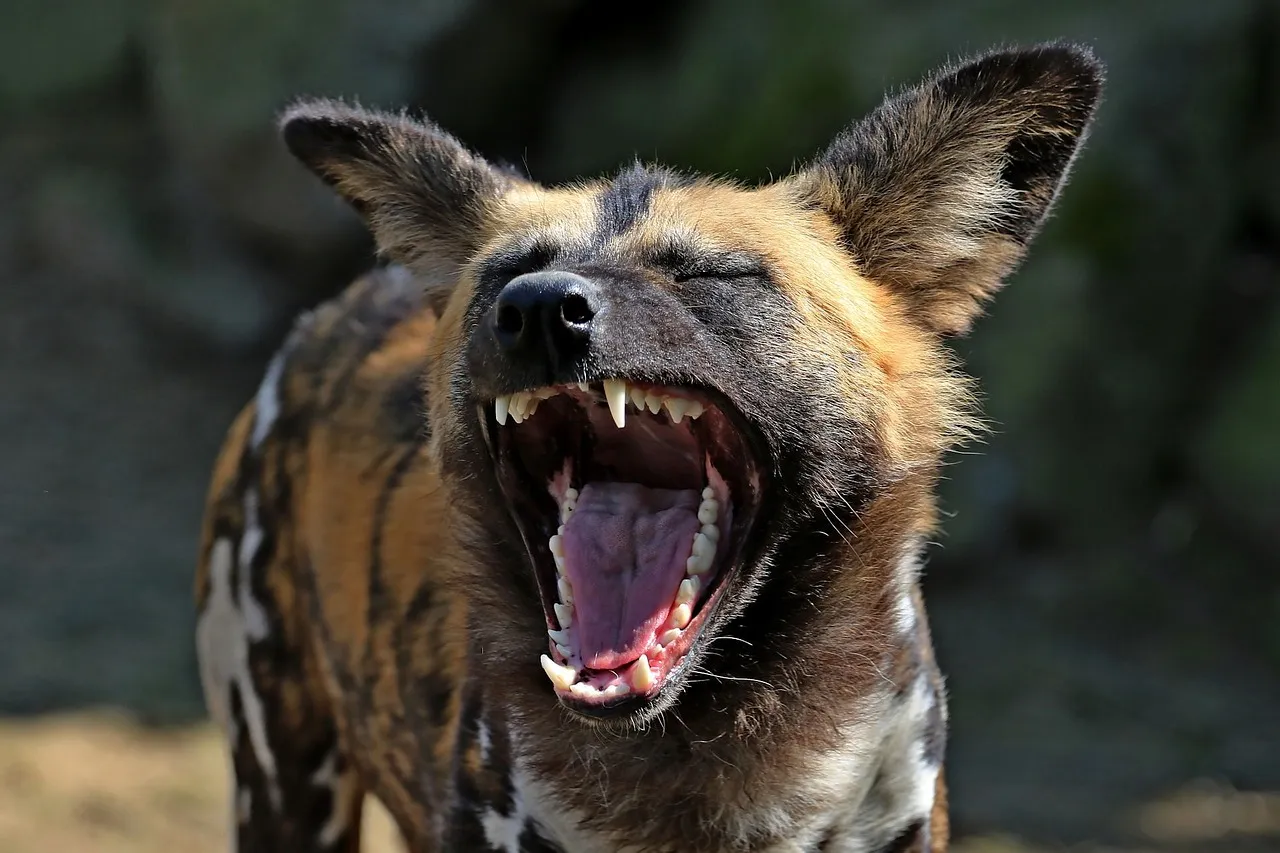
One deeply unusual behavior you see in wild dogs, but rarely in lions, is how far they go to support pack mates that are not even present at the kill. After feeding, hunters will often travel back and regurgitate partially digested meat for pups or adults that stayed behind. It is messy, unglamorous, and absolutely vital to the survival of the group, especially for young animals that cannot yet join the full-speed chase.
Lions sometimes let cubs feed on leftovers, but the idea of actively returning from a kill and bringing food back inside your own body is something wild dogs have really leaned into. This behavior means an injured or temporarily weakened adult is not automatically a burden or a liability. Instead, the pack can keep that individual alive and eventually bring them back into full participation. It is a level of post-hunt caregiving that underlines just how intense their social bond really is.
7. Sticking With a Failed Hunt and Quickly Resetting as a Group
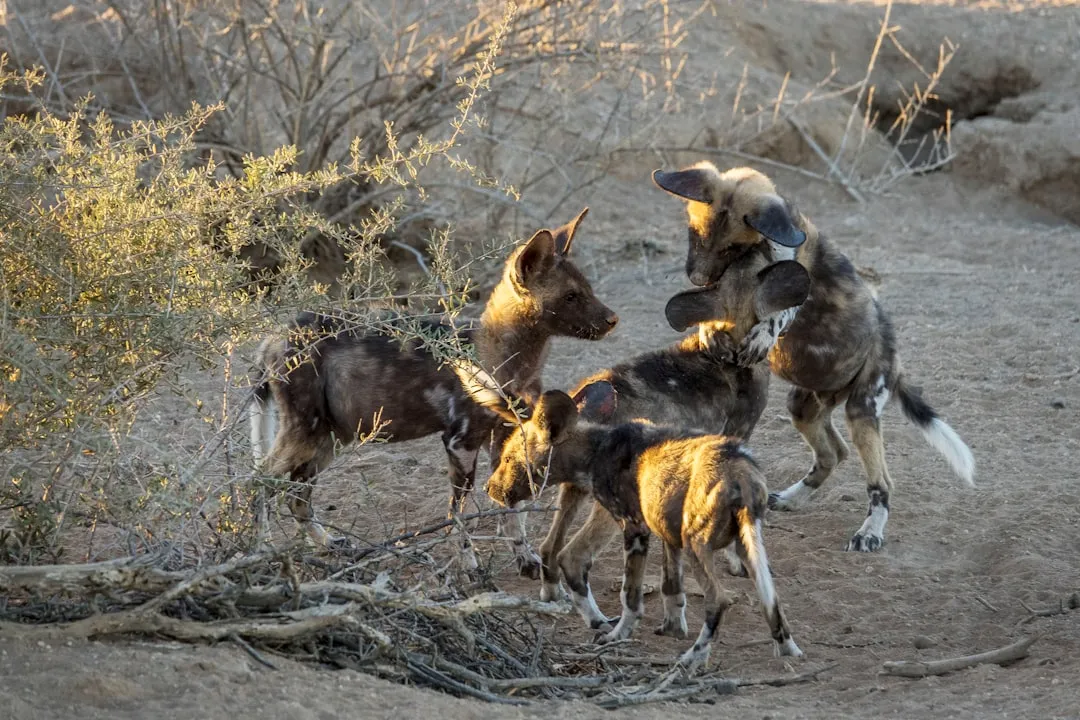
Another thing that stands out is how wild dogs respond to failure. When a chase breaks off or prey escapes, they often regroup almost immediately – tails wagging, bodies close, sometimes even with an almost playful energy. Then they scan, move, and start planning the next opportunity without sinking into long stretches of inactivity. It is as if they collectively shrug, reset, and get back to work.
Lions, especially after a failed high-energy sprint, are much more likely to flop down and rest for a long time before trying again. Because wild dogs spread the workload and use endurance, they can afford to keep searching and capitalizing on new chances. That ability to emotionally and physically bounce back quickly might sound small, but on a landscape where each day is a razor-thin balance between hunger and survival, it is a huge advantage – and one lions rarely show with the same consistency.
8. Hunting Successfully in Broad Daylight With Confidence
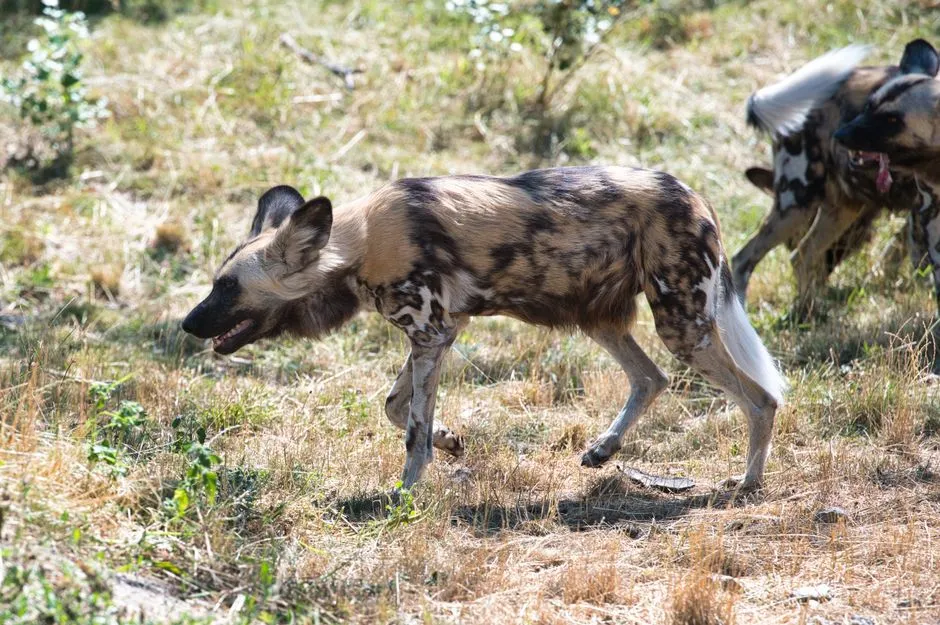
Finally, African wild dogs are strikingly comfortable hunting in open daylight. They often move and chase when the sun is high, covering large distances while clearly visible on the landscape. Their endurance-based, team-focused strategy works well even without the cover of darkness or thick brush, so they can exploit times of day that many other predators avoid or underuse.
Lions are most effective at night or in the low light of dawn and dusk, when their ambush tactics give them a major edge. In full sun and open terrain, a failed rush wastes a lot of energy and exposes them to defensive prey or other threats. Wild dogs flip that limitation into an opportunity, owning the daytime with confidence. It makes them feel less like shadowy predators and more like relentless, all-weather hunters that simply refuse to clock out.
Conclusion: The Better Hunter Is Not Always the Biggest Cat
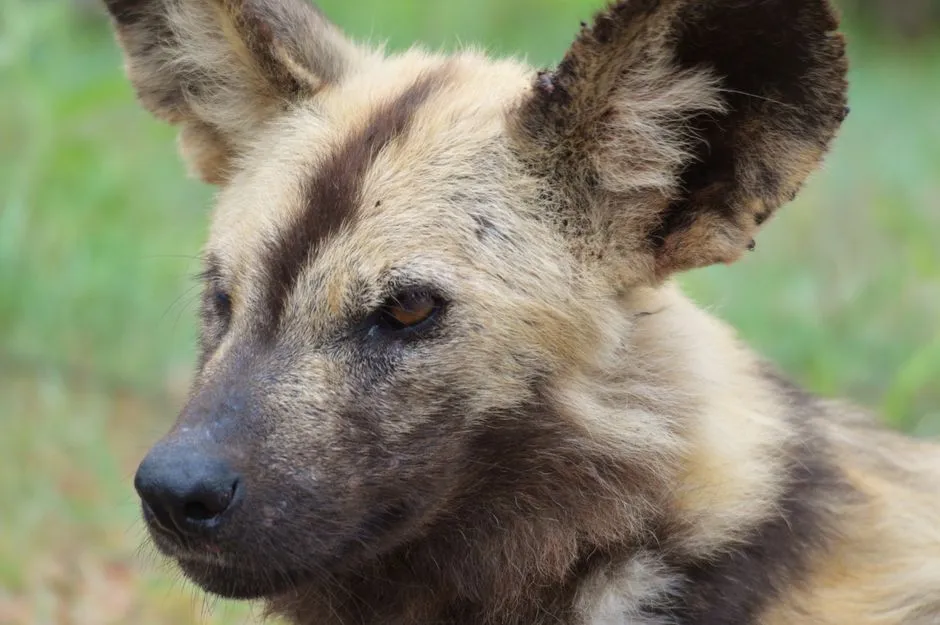
When you put all of this together, it is hard not to come to a slightly controversial conclusion: in terms of pure hunting strategy and teamwork, African wild dogs often outclass lions. Lions may have the crown in our stories and on tourist brochures, but wild dogs quietly rack up impressive success rates using brains, endurance, and cooperation rather than brute strength alone. Watching them hunt feels less like watching a monarch enforce power and more like seeing a tightly knit community fight for its shared future.
Personally, the more I learn about them, the more I think we have been admiring the wrong “kings” all along. African wild dogs are proof that you do not need to be the biggest or the loudest to be extraordinary; sometimes the real magic is in the invisible threads that hold a group together under pressure. Next time you picture the African savannah, will you still see only the lion, or will the painted wolf finally take its deserved place in your imagination too?
