
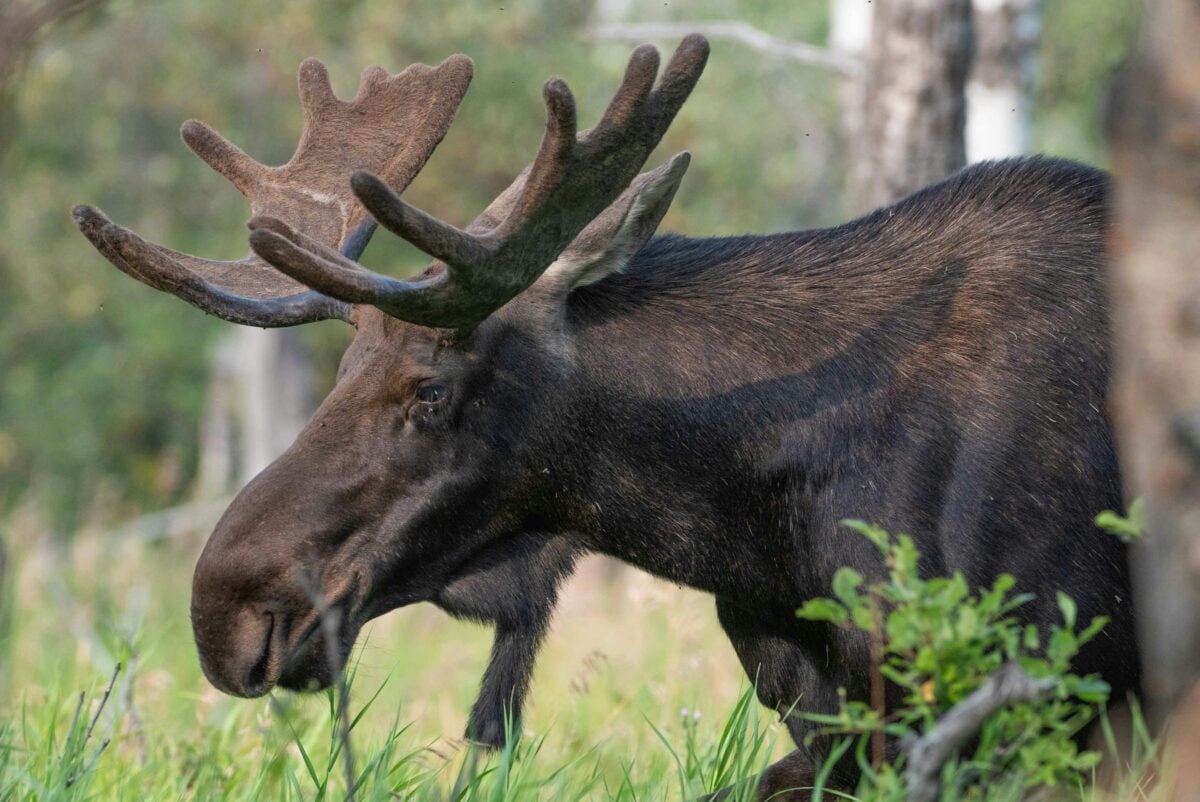
Picture this: you’re hiking a mossy trail in Alaska, the air smells like spruce and wet earth, and suddenly the trees open up to reveal a massive moose standing dead center on your path. It looks calm, almost bored, and your brain instantly flips between awe and panic. In that frozen moment, what you do next can mean the difference between a wild story you tell later and a very bad day that ends with you limping back to the trailhead.
Moose look like something out of a kids’ book gone oversized and slightly ridiculous, but when they feel cornered or stressed, they can become frighteningly fast and aggressive. The problem is that many people treat a moose like an oversized deer instead of the unpredictable, powerful animal it really is. Let’s walk through the biggest mistakes you absolutely cannot afford to make when a moose blocks your trail in Alaska – and what to do instead.
1. Never Walk Straight Toward the Moose Like It Will Politely Move
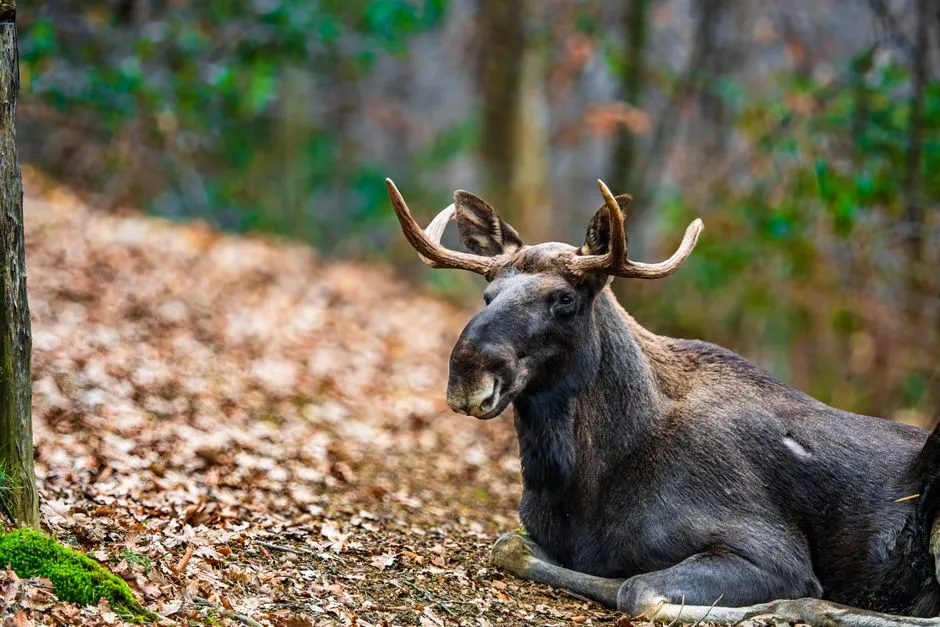
It’s tempting to treat a moose like a stubborn pedestrian: you assume if you just stroll forward with confidence, it will step aside and let you pass. In reality, when you walk directly toward a moose, you’re entering its personal space in the most confrontational way possible, especially if the trail is narrow and there’s thick brush on either side. The animal doesn’t see a friendly hiker; it sees something closing the distance, and that can trigger a defensive reaction.
Think of it from the moose’s point of view: it’s already on alert, maybe tired, maybe stressed from insects, maybe guarding a hidden calf nearby. Then here comes a human marching straight at it, leaving the moose to decide whether to flee or fight. Moose do not always choose to flee. They can lower their head, pin their ears, raise the hair on their back, and charge in seconds. So if you see one blocking your trail, stop well back, stay still, and give it time and room instead of expecting it to behave like a considerate trail user.
2. Never Try to Squeeze Around It or Sneak Past in the Brush
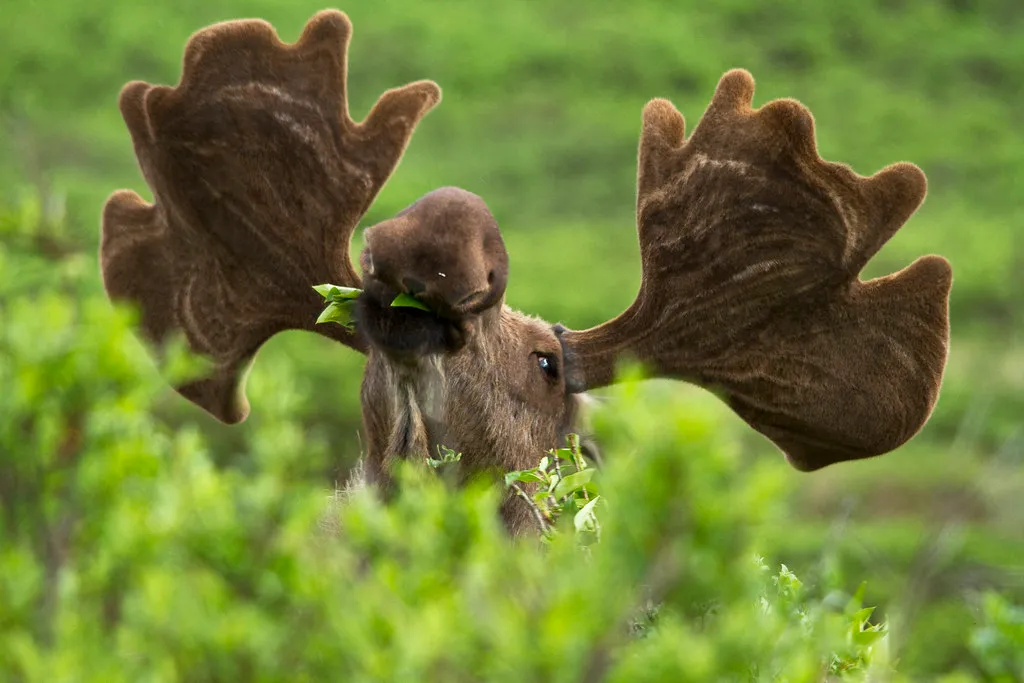
Once people realize they probably shouldn’t walk straight at the moose, the next bad idea often shows up: trying to sneak around it in the bushes or rock-hop past it on the side. That might feel clever and low-key, but from the moose’s angle you’re still closing in, just from a different direction, and you’re probably making more noise and movement than you think. You’re also stepping into terrain where you can trip, get stuck, or lose your footing if you have to move fast.
Moose like to have an escape route, and if you push into the brush and effectively “surround” it between you and thick vegetation, it may decide the only open lane is straight over you. Add in poor visibility through willows or spruce, and you might suddenly be much closer than you realized. A safer move is to back out the way you came or put a large solid object like a tree or boulder between you and the moose while you wait. If you can’t give it a wide berth of real distance, don’t try to pass at all.
3. Never Turn Your Back and Completely Ignore It
On the flip side of charging toward a moose is pretending it’s no big deal and turning your back on it while you fuss with your pack or chat with friends. That kind of casualness can be dangerous because moose give subtle warning signs before they charge, and you need your eyes on them to catch those cues. Ears laid back, lips smacking, a slight sway of the head, or a stiff-legged walk toward you can all be early hints that things are escalating.
If you turn away and zone out, you might not realize the situation has changed until the moose closes the gap. It’s a bit like standing on a train track with noise-canceling headphones: by the time you sense the danger, it may be moving too fast. Instead, keep the animal in your field of view while you slowly and calmly put more distance between you and it. You don’t need to stare it down, but you do need to stay aware enough to react if its body language shifts.
4. Never Yell, Throw Things, or Try to “Show It Who’s Boss”
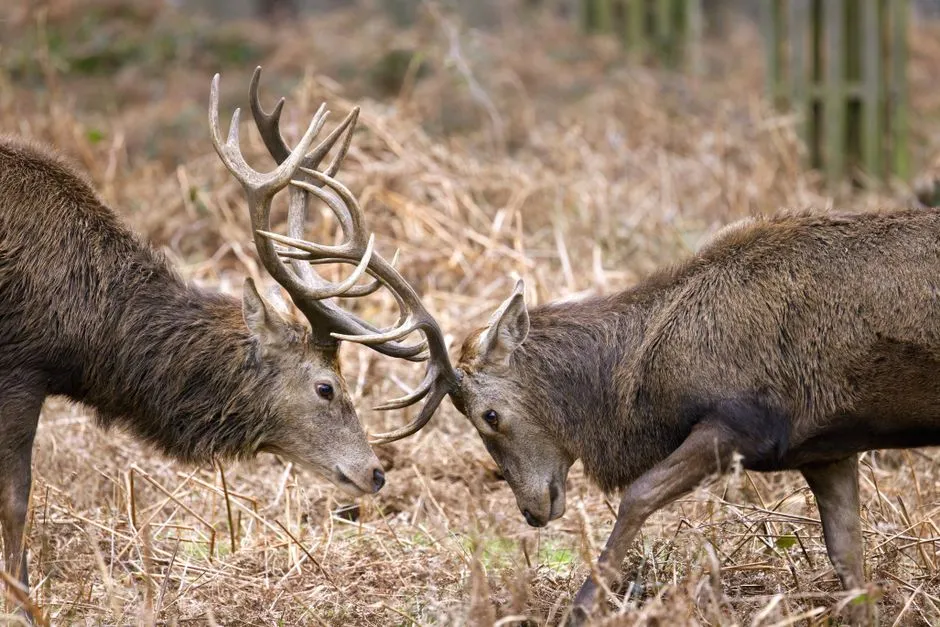
There’s always that one person who thinks the solution is to shout, clap, throw rocks, or wave trekking poles in the air like they’re scaring off a squirrel in the garden. With moose, this tough-guy routine can backfire badly. Loud, aggressive behavior ramps up the tension and can feel like a direct challenge, especially if the animal is already stressed, injured, or guarding a calf. You are not teaching it respect – you’re forcing it to decide how far it’s willing to go to make you back off.
Unlike some smaller wildlife that spook easily, moose often stand their ground and then escalate. A moose that was only mildly annoyed might rear, stomp, or charge when you start yelling or tossing objects. A better approach is almost the opposite of what your adrenaline demands: talk in a normal voice, move slowly, and create calm, predictable motion as you retreat. You want to convince the moose that you’re not a threat, not try to win a dominance contest you’re guaranteed to lose.
5. Never Get Closer for a “Quick Photo” or Social Media Moment
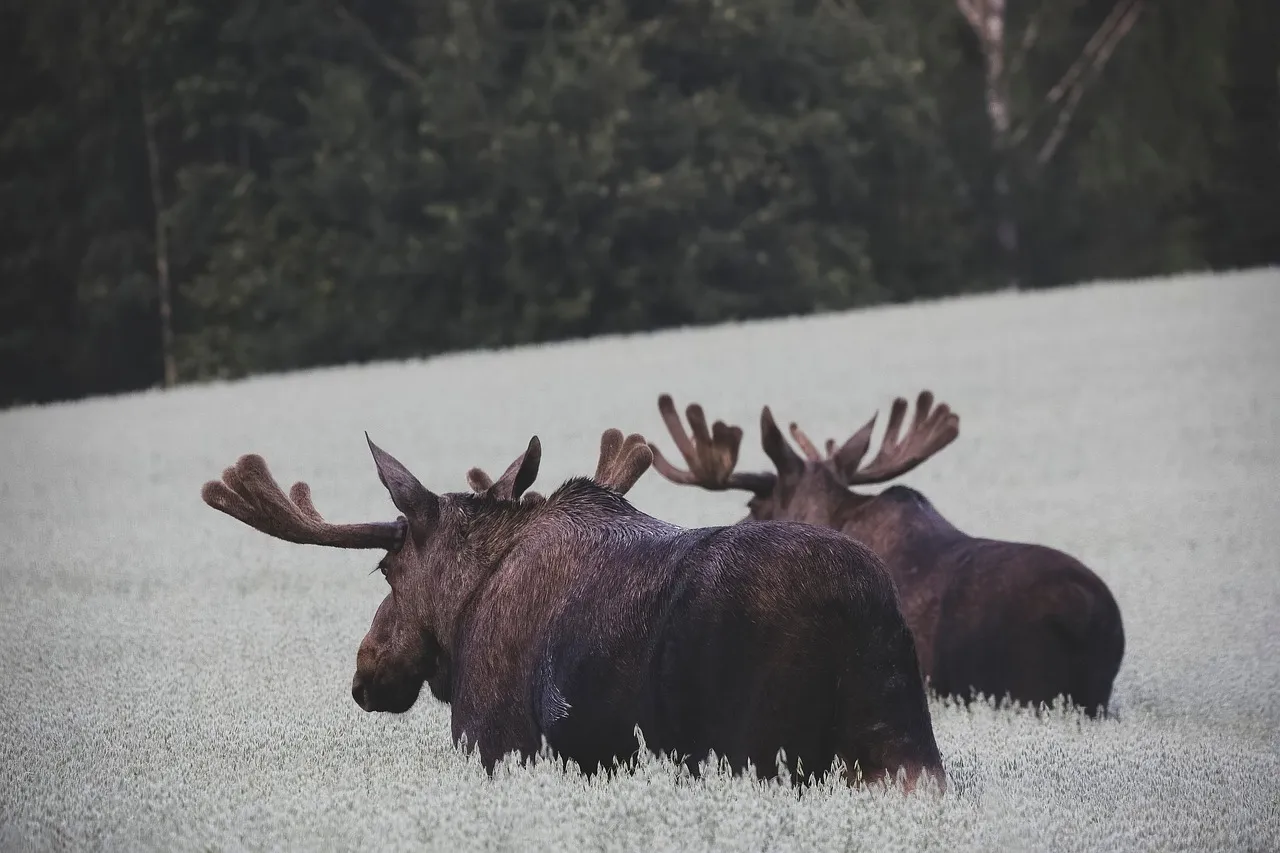
Modern hiking culture sometimes turns wild animals into background props for the perfect selfie, and moose pay the price for that. Getting just a little bit closer to capture the size of the antlers or to make sure your followers see how “epic” the encounter was is one of the riskiest decisions you can make on the trail. Moose can cover short distances incredibly fast, much faster than most people expect from such a large, heavy animal.
Even if the moose looks calm, chewing or standing there like a statue, that doesn’t mean it is relaxed with you being close. It might be frozen in place because it’s weighing its options, and every extra step you take toward it tips the scales toward “charge.” A photo from a respectful distance, with a zoom lens or cropped later, is not only safer for you but also more ethical for the animal. No viral post is worth getting trampled, and no “once-in-a-lifetime shot” is worth making the moose feel cornered.
6. Never Assume a Moose With a Calf or in Rut Is Just Like Any Other Moose
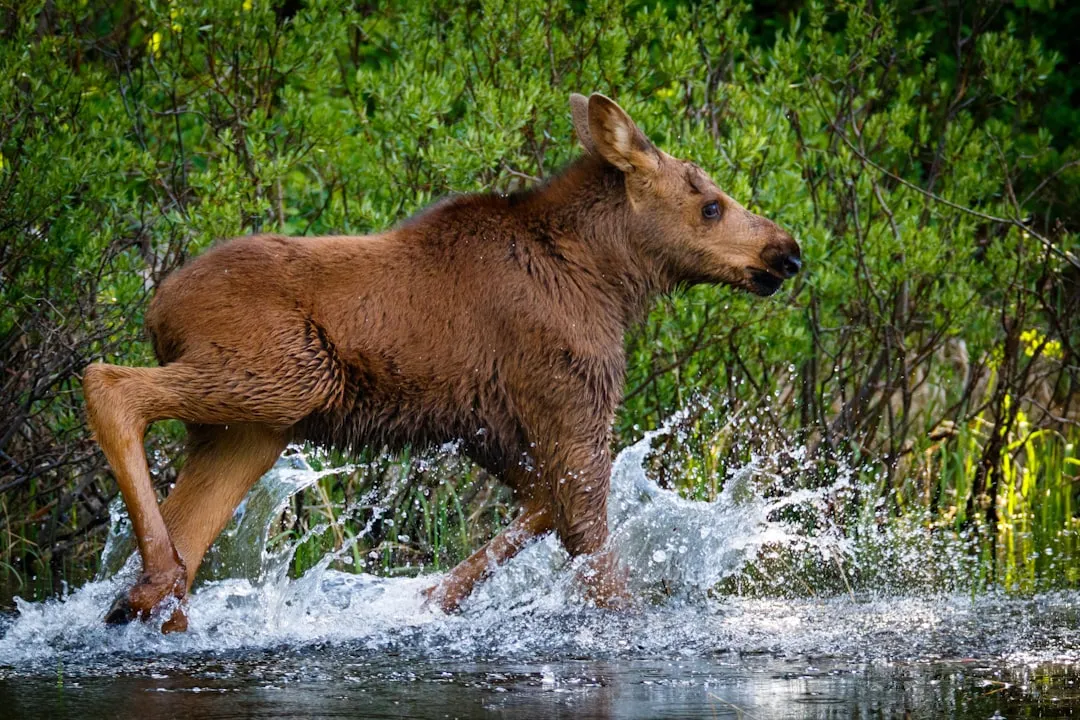
Not all moose encounters are equal, and some situations are like playing on hard mode without realizing it. A cow moose with a calf is on high alert and can react explosively to anything she thinks might hurt her young. She may charge farther and faster than a lone adult, and she might keep coming even after you start retreating. Treat any sign of a calf – tiny shapes in the brush, small tracks, or the cow repeatedly looking back – as a massive red flag.
Similarly, a bull moose during the rut in the fall is flooded with hormones and can be edgy, unpredictable, and more likely to see movement as a challenge. The huge antlers that look so impressive in photos become serious weapons at that time of year. In both cases, the rule is to give even more space than you normally would, back away sooner, and be less willing to wait it out up close. When the stakes are higher, your margin for error shrinks, and assuming “it’s just another moose” is a mistake you can’t afford.
7. Never Stand Still in the Open if It Charges – Do Not Freeze
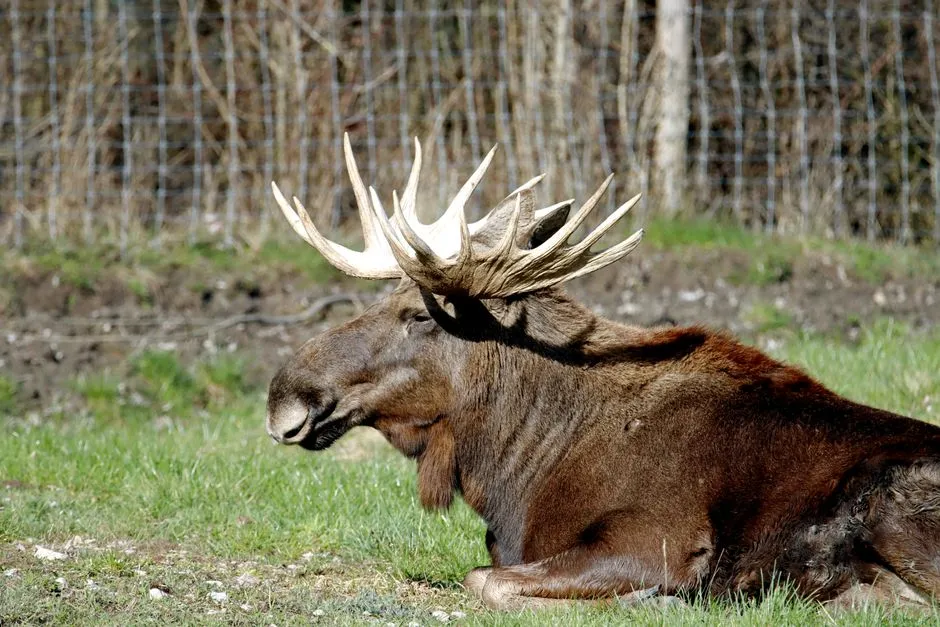
Many people imagine they’ll calmly execute some perfect safety plan if an animal charges, but the reality is that panic makes a lot of us freeze. With a moose, standing there in the open like a statue is about the worst thing you can do once it actually commits to a charge. Moose are built to bowl over obstacles; you are not going to win a head-on collision. Your job at that point is not to be the most intimidating thing on the trail but to not be in the direct path at all.
If a moose lowers its head and runs at you, your priority is to get something solid between you and it: a big tree, a boulder, even the other side of a dense clump of brush. Think “pivot and shield” rather than “stand and fight.” Move sideways instead of turning your back and sprinting in a straight line, because they can outrun you. I like to think of it as playing impromptu hide-and-seek with a freight train – duck behind cover and let all that momentum go past you instead of trying to outrun it on open track.
Conclusion: Respect the Moose or Learn the Hard Way
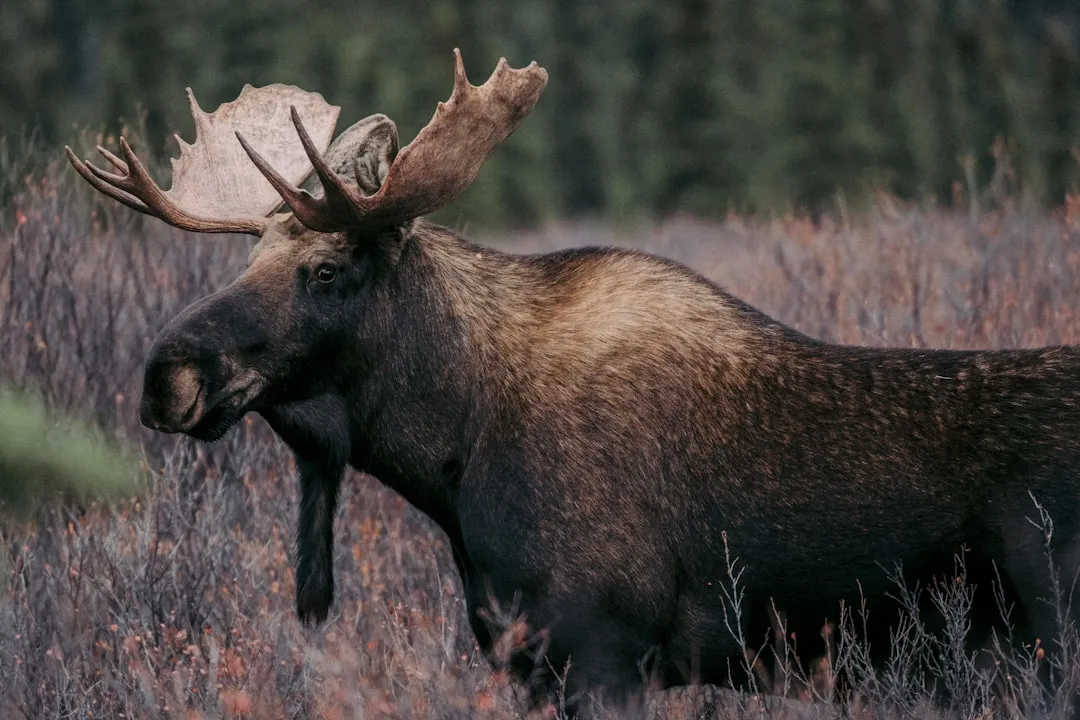
When a moose blocks your trail in Alaska, it’s not a quirky little wilderness inconvenience; it’s a serious moment that demands humility. The common thread in every mistake above is the same: treating the moose like it should adapt to you, instead of you adapting to it. In my view, anyone who chooses to hike in moose country has a responsibility to know better than to push close for a photo, yell to hurry it up, or assume it will behave the way they want. If you want wild places, you have to accept wild rules.
The good news is that most encounters end uneventfully when people back off early, stay calm, and give these huge animals a generous bubble of space. You can still have an unforgettable moment watching a moose own the trail while you stand safely at a distance, heart pounding, taking it all in. In the end, the smartest move is to let the moose have the right of way every time and save your bravery for something that doesn’t involve several hundred pounds of muscle and hooves. When you imagine yourself in that mossy Alaskan corridor with a moose ahead, which version of you will show up – the impatient one, or the one who knows when to yield?
