
Nature has always been full of surprises, but few things stop you in your tracks quite like watching an animal transform its entire appearance right before your eyes. It’s the kind of thing that feels like a magic trick, except no one is hiding anything up their sleeve. These creatures have evolved over millions of years to shift, flash, and flicker their colors in ways that still baffle scientists today.
Some do it in milliseconds. Others take days or even entire seasons. Some change color to hide, others to communicate, and a surprising few do it for reasons we still haven’t fully figured out. If you think you know everything there is to know about color-changing animals, get ready to be genuinely amazed. Let’s dive in.
1. The Chameleon: Nature’s Most Famous Shape-Shifter
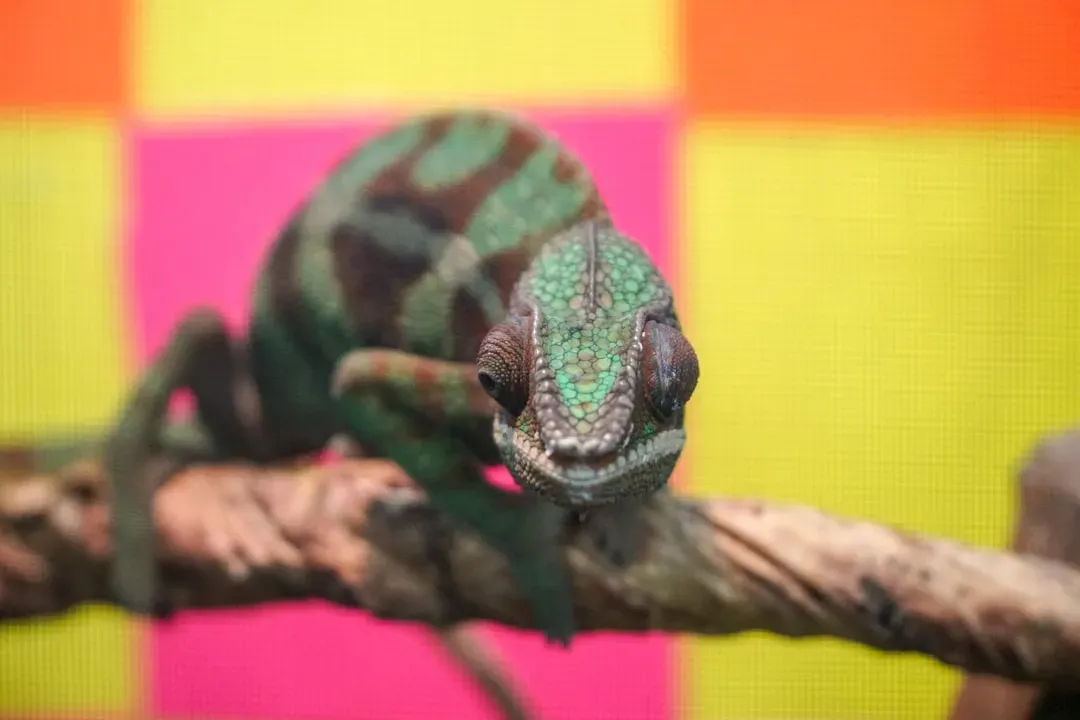
Let’s be real, no list like this could start anywhere else. Chameleons are a classic color-changing animal that everyone knows about, and there are over 150 chameleon species, all of which can alter the appearance of their colorful scales. Here’s the thing though – most of what popular culture has taught us about why they change color is actually wrong.
Contrary to popular belief, chameleons do not change color to blend into their background. Instead, color changes result from other factors, such as light, temperature, and even the reptiles’ emotions. Honestly, I think that’s way more interesting than simple camouflage.
Researchers found that chameleons change colors by rearranging a lattice of nanocrystals in one of the top layers of skin cells, called iridophores, which contain tiny crystals made from guanine. The nanocrystals have a highly ordered arrangement, which normally causes them to strongly reflect one color of light, such as green. When another male enters their surroundings, the animals stretch their skin cells, broadening the nanocrystalline lattice, thereby causing it to reflect a longer wavelength of light, such as yellow.
2. The Mimic Octopus: The Ultimate Underwater Actor
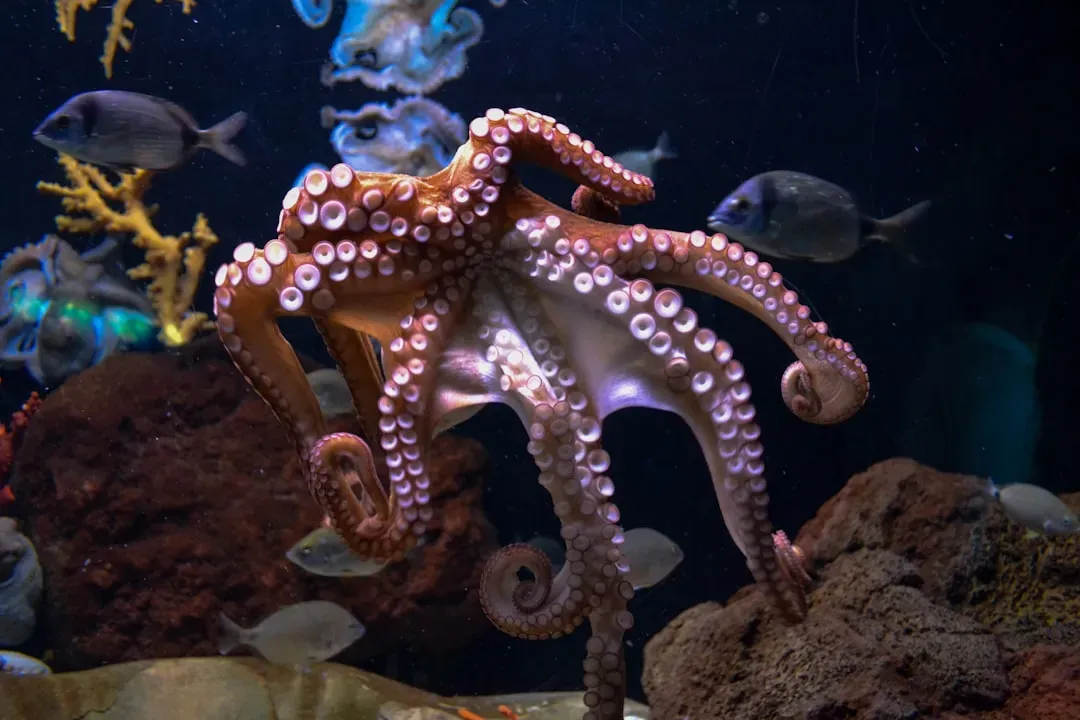
If chameleons are nature’s most famous color-changers, then the mimic octopus is easily the most theatrical. Discovered relatively recently in 1998 in the waters of Indonesia, this cephalopod can transform its color, texture, shape, and behavior to mimic at least 15 different marine species, including sea snakes, lionfish, and flatfish. That’s not camouflage, that’s a full-blown performance.
What makes this octopus truly extraordinary is its apparent ability to select which creature to impersonate based on the threat it faces – for instance, when threatened by damselfish, it may imitate a sea snake, a known predator of damselfish. A spider choosing which mask to wear depending on who’s knocking on the door. Wild, right?
3. The Cuttlefish: Colorblind Master of Color
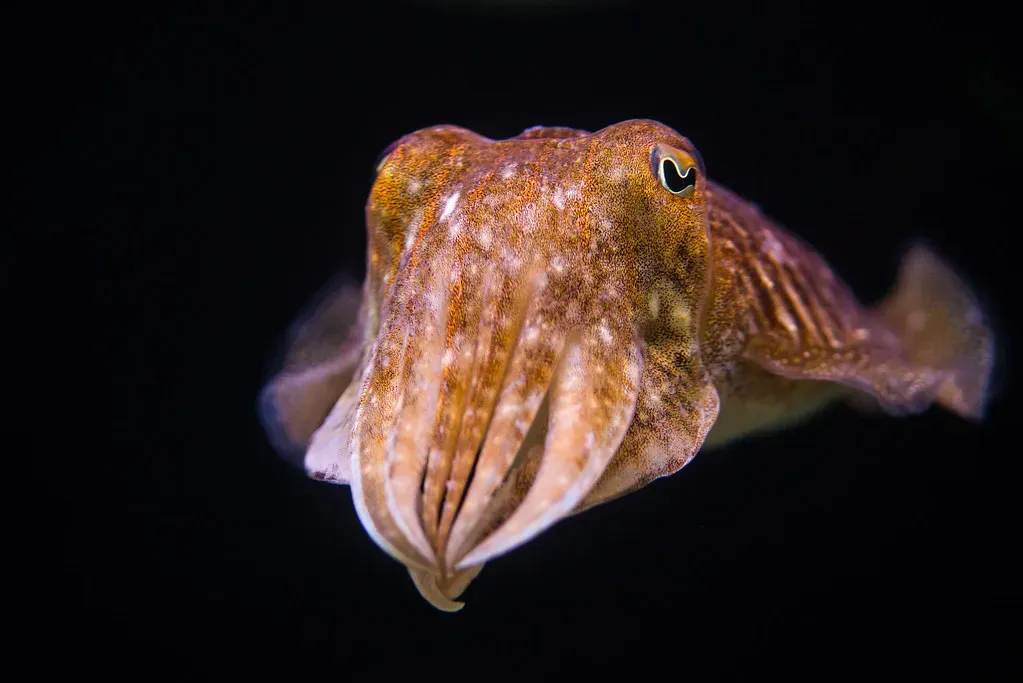
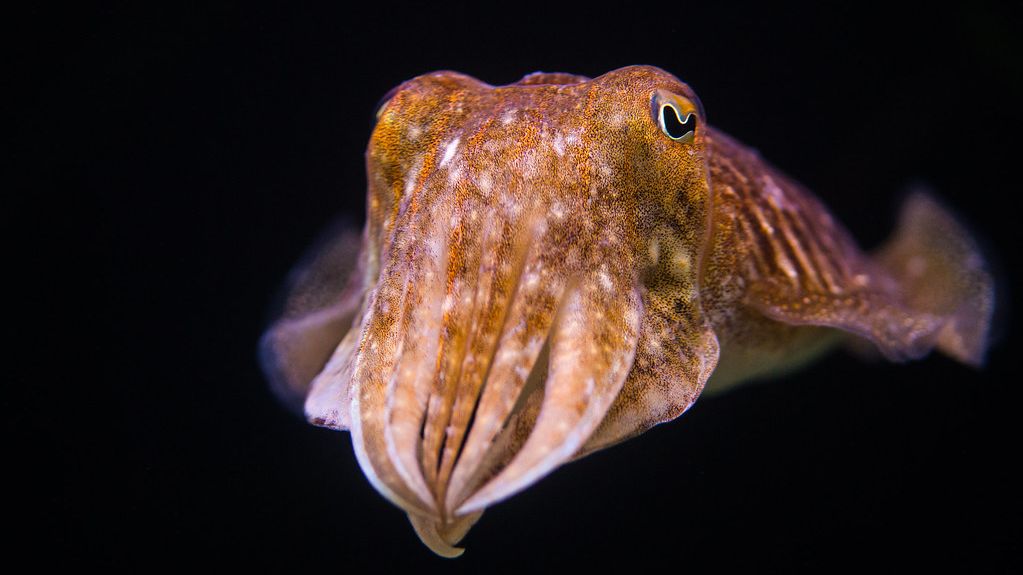
Here’s a fact that will genuinely mess with your head. Cuttlefish are colorblind, yet can match the colors of their environment perfectly, and scientists believe they may be able to detect different wavelengths of light through their skin. Seeing with their skin. Let that sink in for a moment.
Cuttlefish, close relatives of squid and octopuses, possess perhaps the most sophisticated color-changing abilities in the animal kingdom. Their skin contains up to 200 specialized cells per square millimeter, including chromatophores, iridophores, and leucophores, and this complex system allows cuttlefish to change color and pattern in less than a second. That kind of cellular density is almost incomprehensible.
Guided by the brain with eerie accuracy, these changes enable cuttlefish to camouflage themselves in intricate backgrounds, signal danger or mating cues, and even hypnotize prey with flashing light patterns. Their neuromuscular control is so precise that they can reproduce the texture of sand or coral in a matter of seconds.
4. The Arctic Fox: The Slow Seasonal Switcher
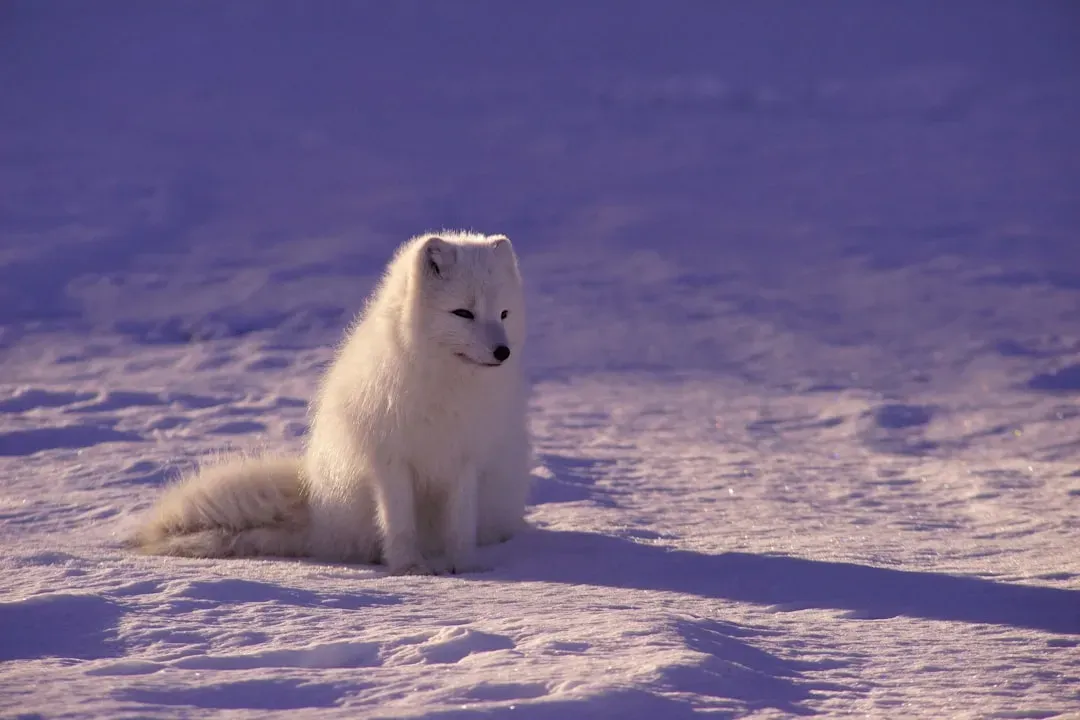
Not all color-changers work fast. The Arctic fox does things at its own pace, and honestly, that slow transformation is just as impressive when you consider what it achieves. The Arctic fox changes color seasonally, with a white coat during winter that blends with snowy terrain, turning shades of brown or gray in summer to adapt to tundra environments. This is due to photoperiodism, which involves fluctuations in daylight that induce hormonal reactions regulating fur pigmentation.
They change their coat to a brilliant white when winter approaches, and this color change allows them to hide in the snowy landscape, helping them both hide from possible attack and gain advantage when hunting their own prey. Think of it like swapping a camouflage jacket twice a year, perfectly tailored to the season every single time.
5. The Seahorse: The Ocean’s Quiet Transformer
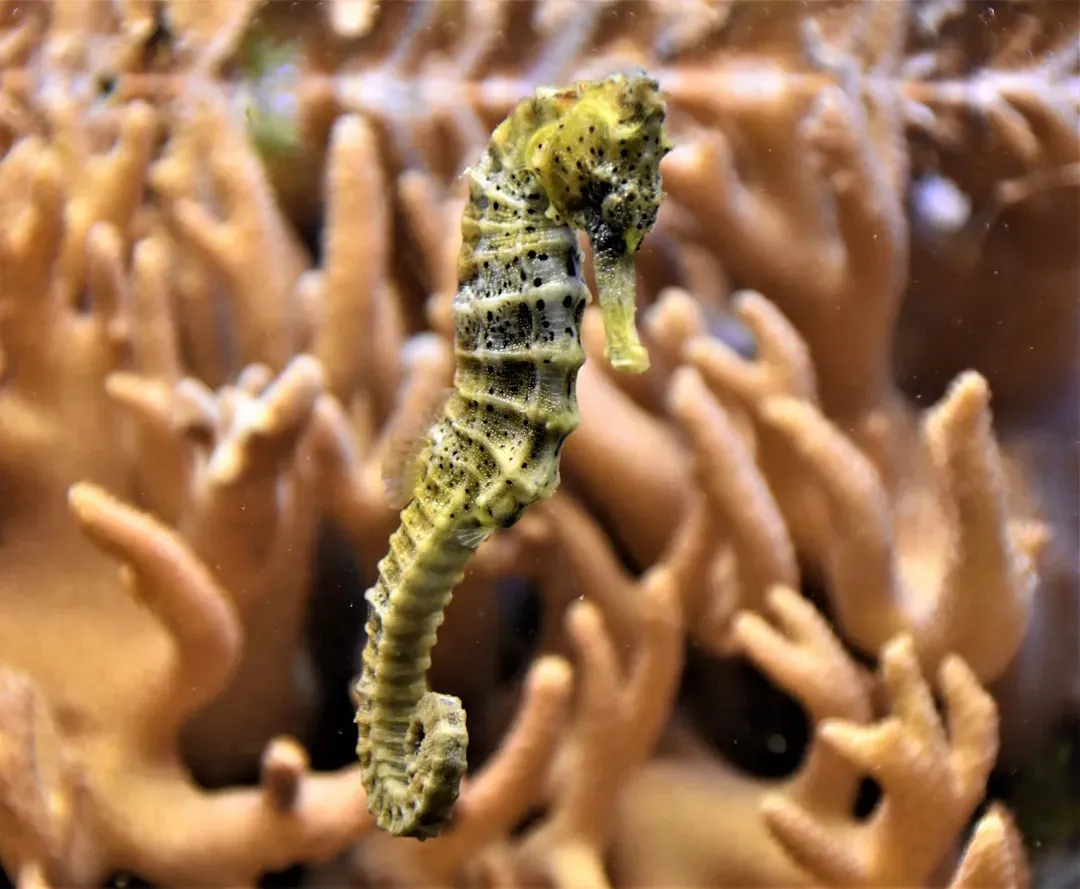
Seahorses might look fragile and gentle, but their color-changing abilities make them surprisingly formidable survivors. They have tiny organs in their skin known as chromatophores, which contain pigments that can expand or contract to reveal different colors. Most seahorses can appear brown, black, yellow, gray, gold, or beige, and they can change their skin color or grow skin filaments to blend in with their surroundings.
Thanks to their diminutive size, seahorses need all the help they can get to avoid predators, which is a primary reason for their color shifts, but not the only one. They also adapt colors to hunt, communicate with fellow seahorses, and to attract a mate. In a dangerous situation, a seahorse can change color in a matter of seconds. Speed dating and survival, all rolled into one remarkable little creature.
6. The Crab Spider: The Patient Ambush Artist
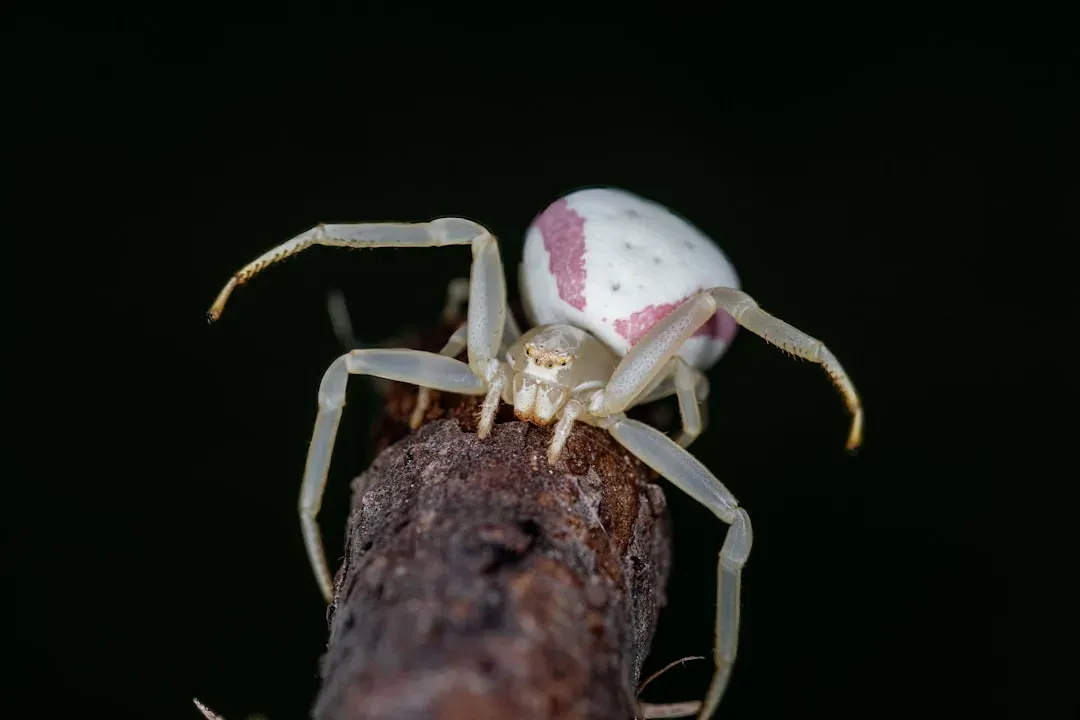
Most people walk right past crab spiders without ever noticing them. That’s entirely the point. Unlike most spiders that spin webs, these incredible creatures excel at ambush hunting and possess a remarkable trait – they to match their flower homes, altering their appearance gradually over days and seamlessly blending with wildflowers by switching between white, yellow, and purple hues.
The transformation from white to yellow typically takes 10 to 25 days, while changing from yellow to white occurs more rapidly, in about 6 days. It’s a slow play, but devastatingly effective. Their color-changing skill serves two purposes: it keeps them hidden from predators and makes them virtually invisible to prey that lands on their flower perches. One tiny spider, perfectly disguised inside a flower, waiting for dinner to arrive.
7. The Flounder: The Ocean Floor Illusionist
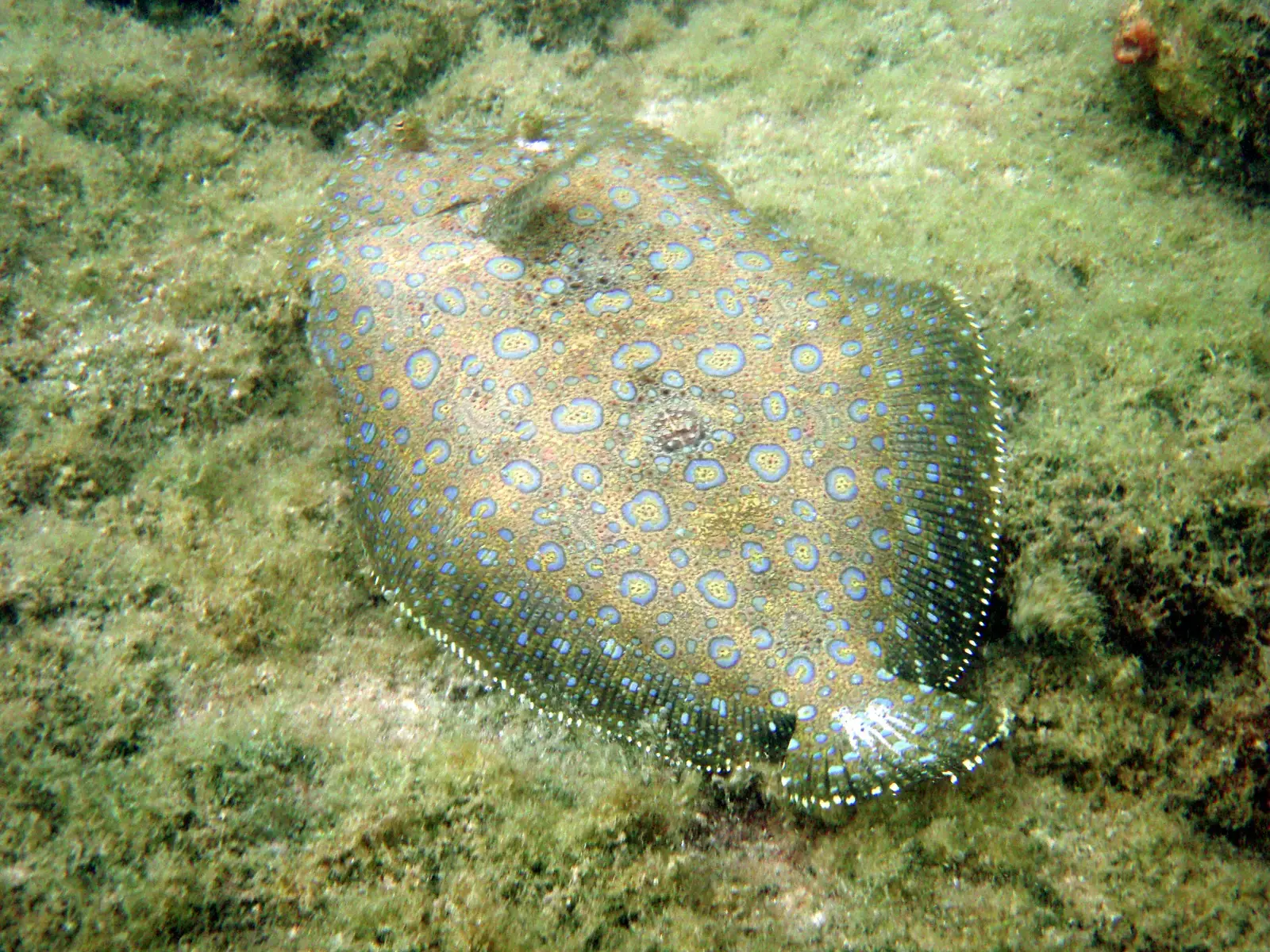
Imagine lying flat on the ground and becoming almost completely invisible within seconds. That’s what the flounder does every single day. Flatfish are masters of camouflage, thanks to their ability to mimic the various colors of the ocean floor. The fish expand and retract their chromatophores, which are pigment-containing cells, to quickly change color if threatened or stalking prey.
Named for its iridescent blue-ringed spots and colorful patterning, the peacock flounder is capable of blending into its environment within seconds. Whether it’s sandy seafloors, rocky coral patches, or patterned substrates, the peacock flounder can alter its color, brightness, and even pattern to match the surrounding environment. Unlike some fish that rely solely on static coloration, this flounder adjusts its appearance in real-time, making it one of the fastest color-changers in the ocean.
8. The Squid: The Living Light Show
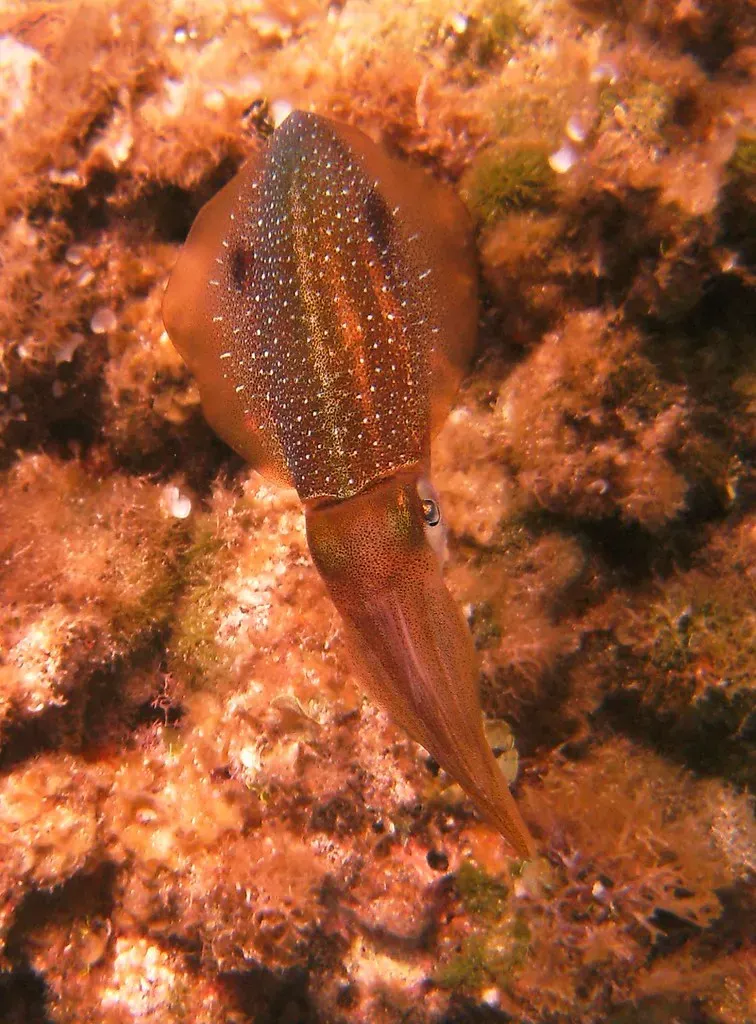
If you’ve ever seen footage of a squid communicating underwater, it’s honestly a little hard to believe it’s real. Under a squid’s skin, there are thousands of color-changing chromatophores, and as these chromatophores shrink and swell, a squid can shift between many different hues. Squids can also alter the size of bumps on their skin’s surface, changing its texture. It’s like having a full high-definition screen wrapped around your entire body.
Male Caribbean reef squid turn red to attract females and white to repel other males, and can even split the coloration of their bodies down the middle to attract a female on one side and repel a male on the other. That level of biological precision is extraordinary. It’s hard to say for sure whether we’ll ever fully understand the depth of what squids are actually communicating through color, but researchers are trying.
9. The Golden Tortoise Beetle: The Tiny Golden Transformer
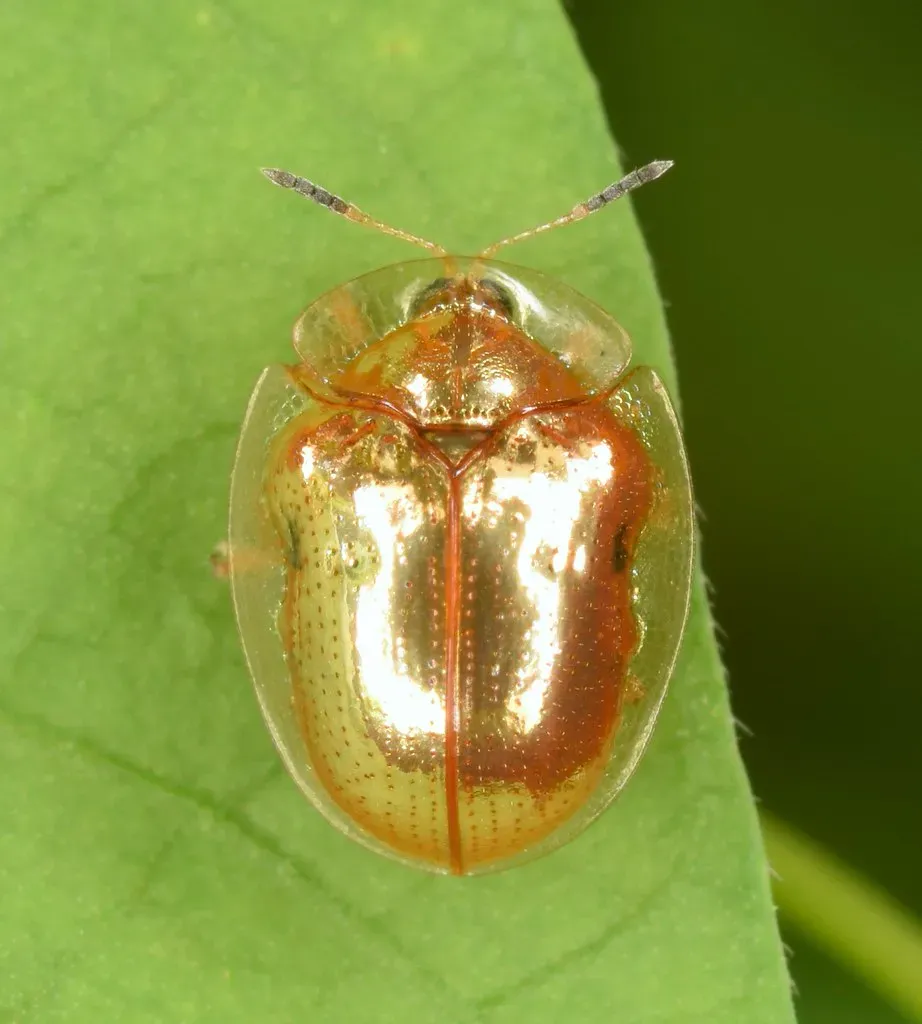
This one might be the most visually jaw-dropping of them all, and it fits on your fingernail. The Golden Tortoise Beetle is a small insect that performs one of the most dramatic color transformations in the insect world. In its relaxed state, this beetle shimmers with a brilliant metallic gold, but when disturbed or stressed, it can rapidly shift to a reddish-orange or even a dull brown color.
This remarkable transformation occurs thanks to microscopic cavities in its exoskeleton that contain reflective liquid. When the beetle is calm, these cavities are filled and reflect light to create that golden appearance. When threatened, the beetle can drain these cavities, changing how light reflects off its shell and altering its appearance. It’s nature doing optical engineering at a microscopic level, and it works brilliantly.
10. The Pacific Tree Frog: The Slow-Burn Color Master
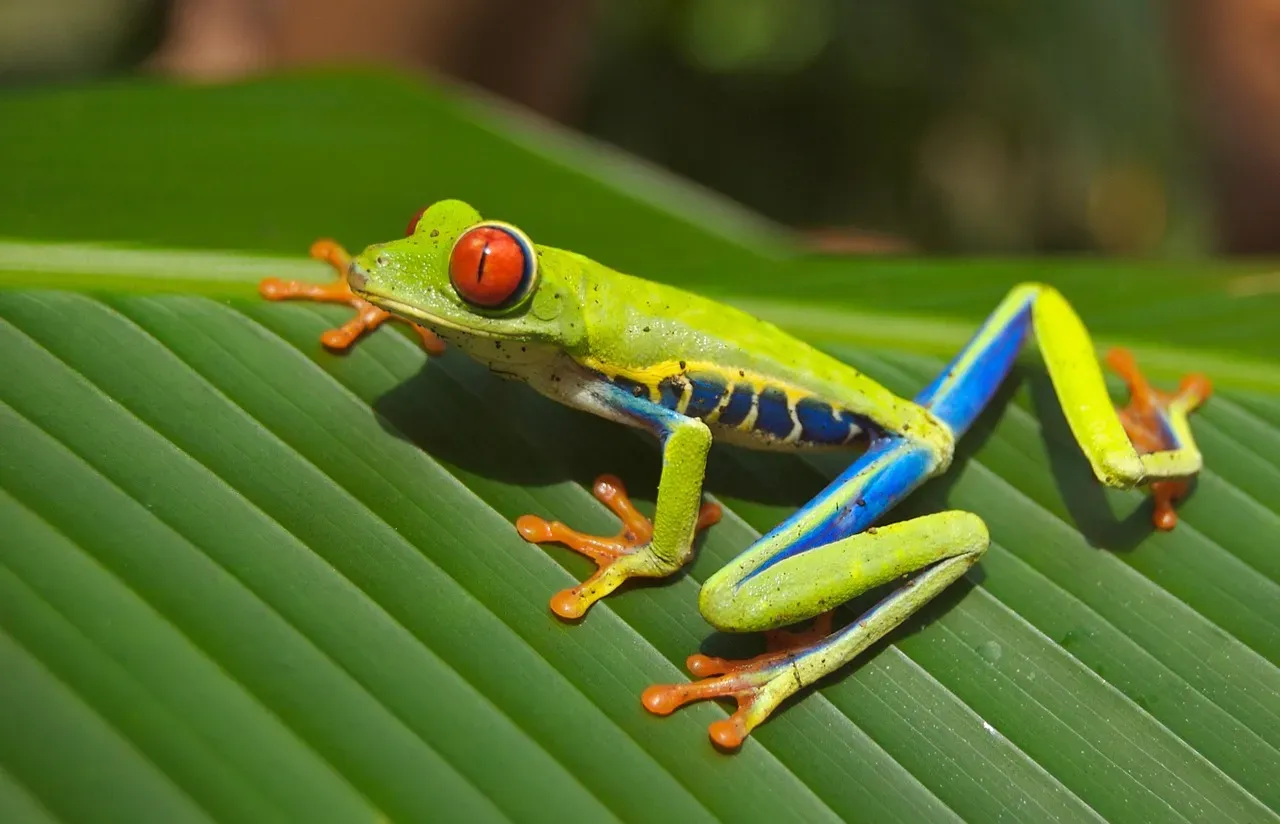
Last but certainly not least, the Pacific tree frog proves you don’t need to live in the ocean to be a color-changing marvel. Found on the west coast of North America, Pacific tree frogs can change their skin color from shades of green to brown. This capability, regulated by changes in light and temperature, allows them to blend into different environments throughout the seasons, aiding in predator evasion and temperature regulation.
The process of color change in Pacific tree frogs takes just one to two minutes. That’s remarkably fast for an amphibian. These amphibians change color based on environmental factors such as temperature and humidity, so during warmer weather, they’re often green to match the bright grass and plants around them, and as the environment gets colder and plants die, they typically turn brown as a result. A frog that dresses for the season, every season.
Conclusion: Nature’s Most Spectacular Survival Tool
Color change in the animal kingdom is far more than a parlor trick. Animals change color for a rich tapestry of reasons including camouflage, communication, thermoregulation, and defense. From a tiny beetle draining fluid from its shell to an octopus impersonating a sea snake, evolution has produced some genuinely mind-blowing solutions to the challenge of survival.
What makes this topic so endlessly captivating is that scientists are still uncovering new layers of complexity behind these abilities. All the reasons an animal may change color are not yet known to us, since animal communication is such a difficult thing to interpret. The more we learn, the more we realize how little we actually understand about the secret lives of these incredible creatures.
The animal world is filled with wonders that challenge everything we think we know. Next time you walk past a flower, you might want to look twice, because a crab spider dressed in white or yellow could be staring right back at you. What’s the most surprising color-changer on this list for you? Share your thoughts in the comments.

- 10 Fascinating Facts About the Amazing Osprey - July 23, 2026
- The Impact of Heatwaves on Animal Behavior and Survival - July 23, 2026
- The Enduring Loyalty of Elephants Shows Us the True Meaning of Family Bonds - July 23, 2026