
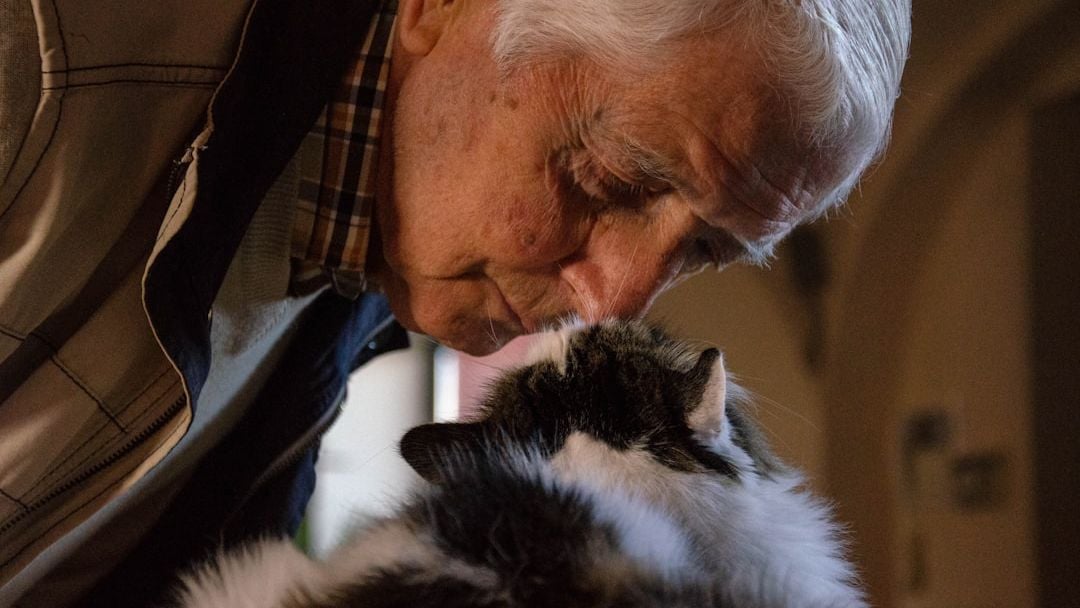
Most people picture cat ownership as a simple lifestyle choice – a fluffy companion curled up on the sofa, occasionally knocking things off a table. Cute, sure. Therapeutic? That might sound like a stretch. Yet science keeps telling a far more remarkable story, one that older adults especially need to hear.
The truth is, there is something quietly powerful happening in homes where seniors share their space with a cat. From measurable health improvements to emotional transformations, the connection between older adults and their feline companions runs much deeper than most people realize. Let’s dive in.
A Furry Antidote to the Loneliness Epidemic
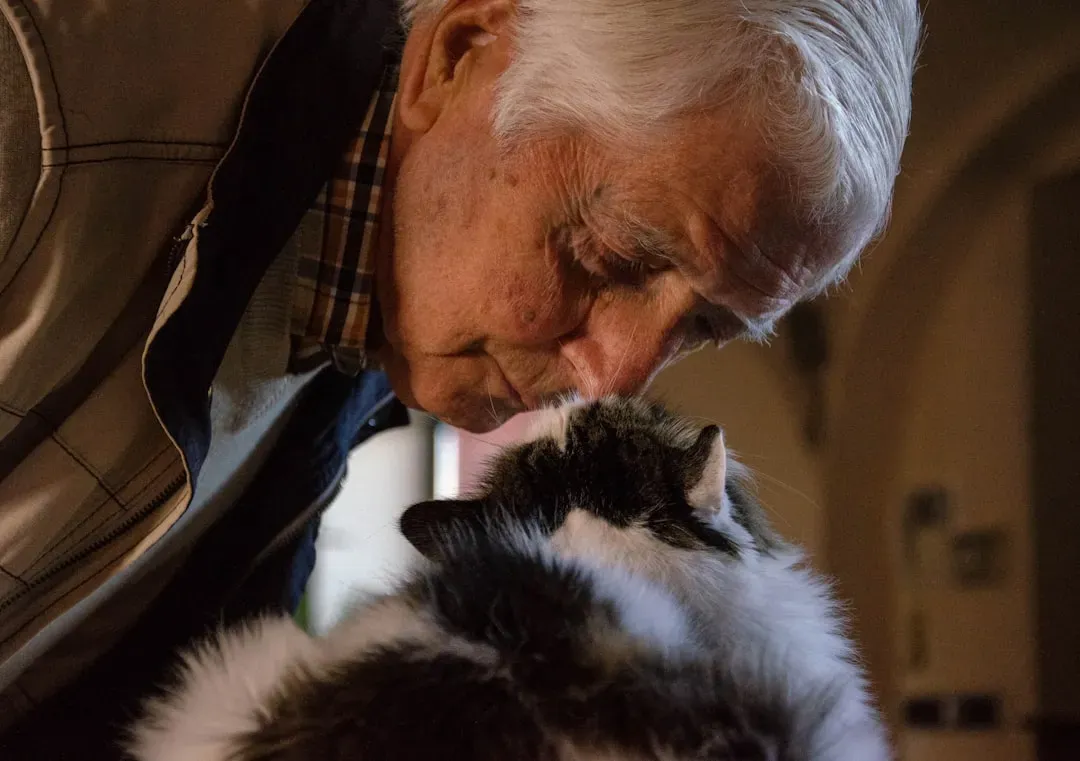
Here is a startling reality: loneliness among older adults is not just an emotional inconvenience. It is a genuine public health crisis. It is associated with depressive symptoms, earlier entry into nursing homes, higher blood pressure, and a higher risk for infections. That is a heavy toll for something as invisible as feeling alone.
A study funded by the Human Animal Bond Research Institute found that cats offer more than just companionship to older adults: feline ownership can ease loneliness, improve health, and even reduce doctor visits. Think about that for a moment. A cat may literally keep a senior out of the doctor’s office.
Fostering a shelter cat with the option for adoption may be an effective solution for alleviating loneliness and improving mental health in older adults. And remarkably, almost all study participants decided to adopt their foster cat at the completion of the study. The bond forms fast. Very fast.
The Heart-Healthy Power of a Purring Cat
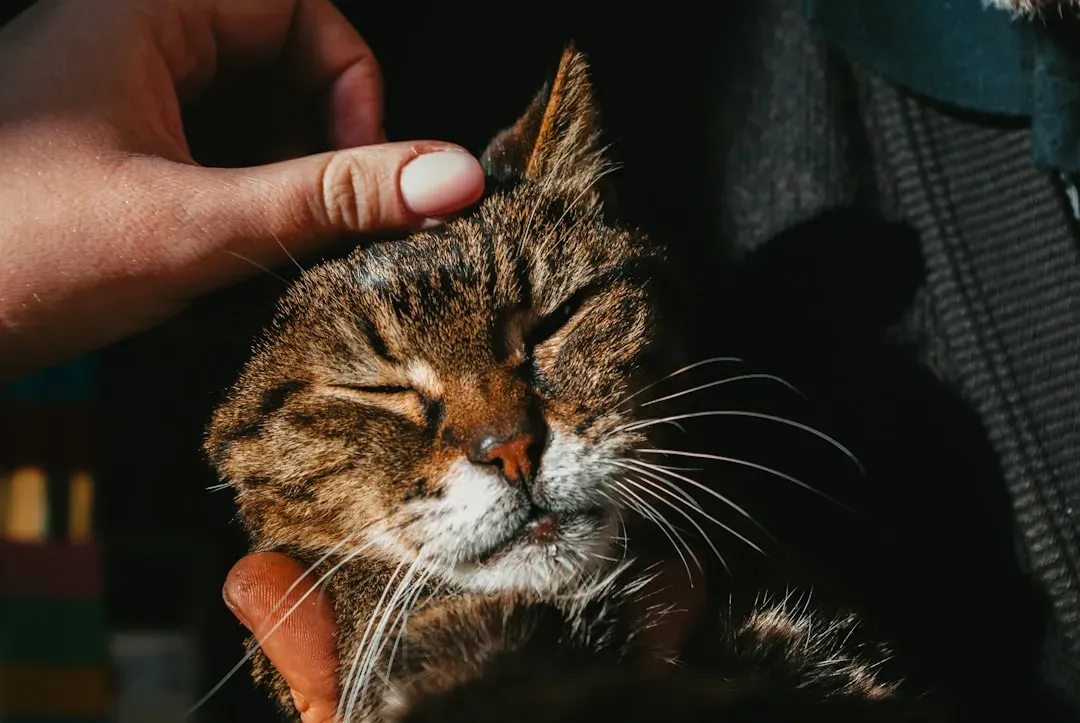
It sounds almost too good to be true, but the cardiovascular benefits of cat ownership are real and well-documented. A 2022 study found that cat owners experienced a greater reduction in cardiovascular disease risk factors than other pet owners. That is not a small finding for seniors, for whom heart health is often the most critical concern of all.
The purring sound of a cat can have a calming effect on individuals, lowering blood pressure and reducing the risk of heart disease. There is something almost meditative about the steady rhythm of a purr. It works on the nervous system the way a long, slow exhale does.
Their relaxing presence can lower heart rate, cholesterol, and blood pressure, which throughout the aging process, is very important. Honestly, a cat on your lap might be doing more for your cardiovascular system than you ever imagined. Not bad for a creature that mostly naps.
Mental Health Benefits That Go Beyond Feeling Good
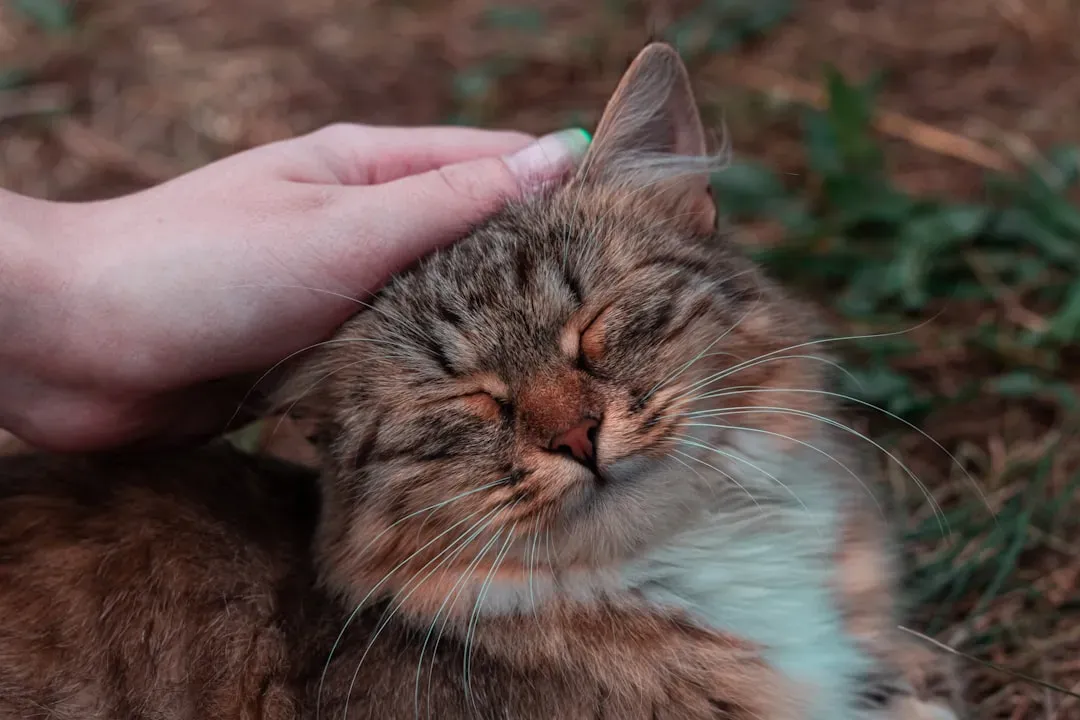
Pets have been shown to alleviate symptoms of depression and anxiety, offering a natural form of therapy that enhances seniors’ psychological well-being. For many older adults who are no longer working, facing the loss of loved ones, or navigating physical decline, these psychological boosts are not trivial. They are genuinely life-changing.
The act of petting a cat can release endorphins, the body’s natural feel-good hormones, promoting a sense of well-being and relaxation. It is essentially a built-in mood-lifter that requires nothing more than a willing feline and an open lap.
Research on homebound older adults who own cats found evidence of lower levels of depressive symptoms compared with dog owners. That is a fascinating result, and one that deserves far more attention than it typically gets in mainstream health conversations.
A Gentle Push Toward Daily Routine and Purpose
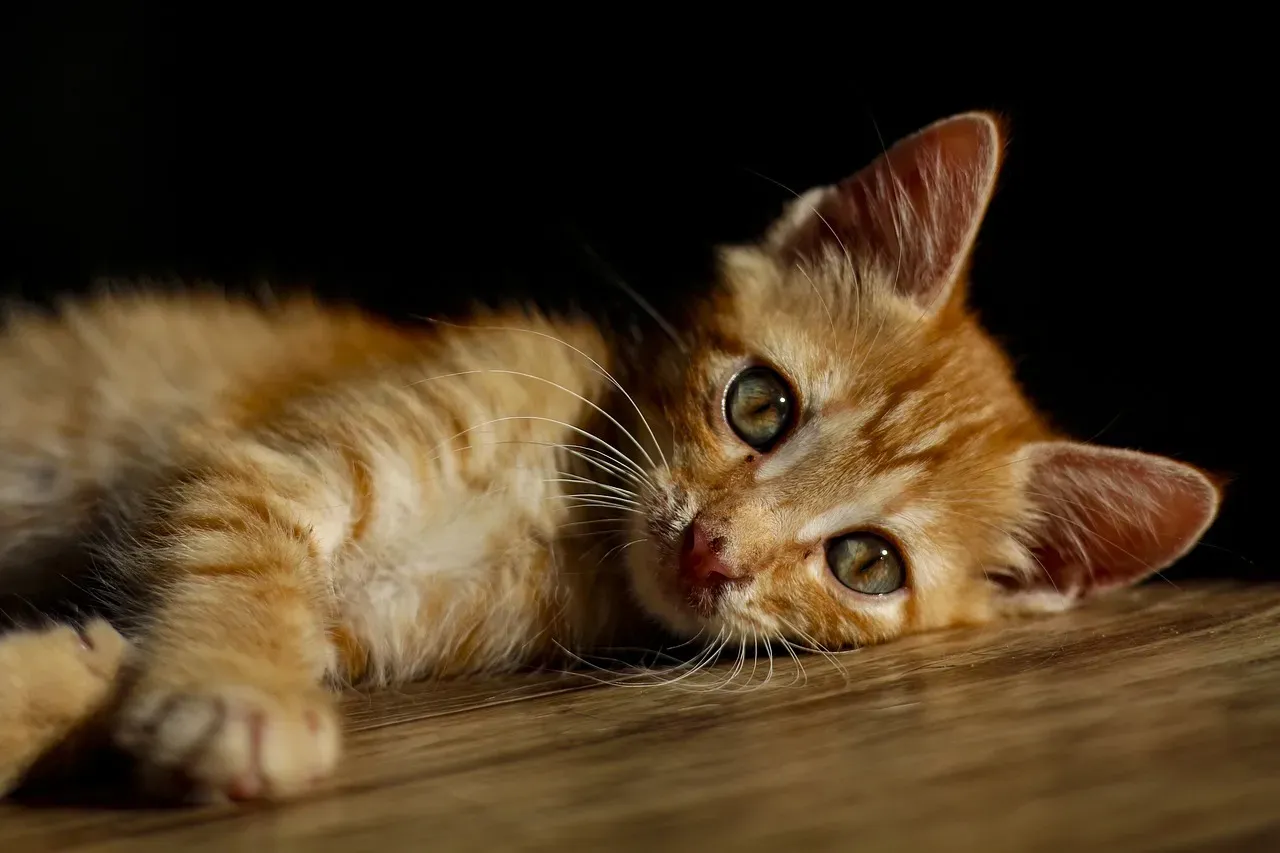
Retirement can quietly rob people of structure. Without a daily schedule, days can blur together, motivation dips, and a sense of purpose slowly fades. This is where a cat becomes surprisingly practical. Because cats need us to care for them by scooping their boxes, feeding them, and giving them fresh water, cats get us up and moving whether we want to or not. Let’s be real, that gentle daily obligation is actually a gift.
Caring for a pet may be a strong motivator to get out of bed, have a daily routine, or go for a walk. There is a quiet dignity in being needed by another living creature, however small. Seniors who might otherwise struggle to find a reason to start the day find that their cat has already decided for them.
For many seniors, pets become like family members, offering a sense of purpose and routine to their daily lives. That structure, modest as it sounds, has a compounding effect on mood, sleep quality, appetite, and general engagement with life.
Cognitive Sharpness and Brain Stimulation
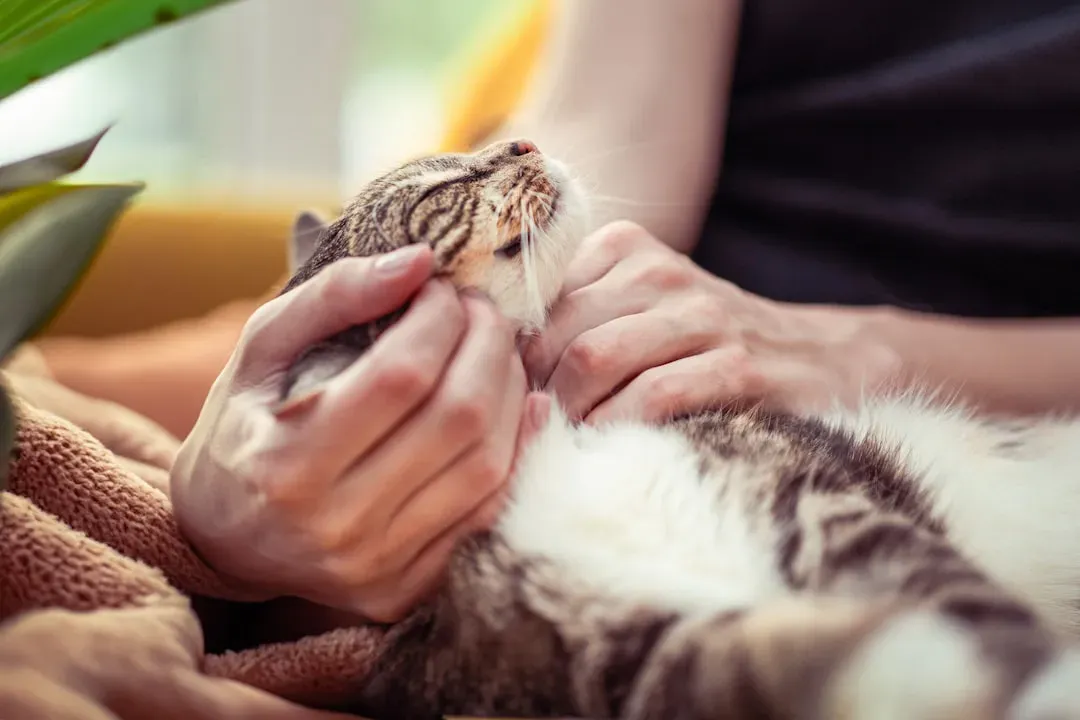
It is hard to say for sure just how much a cat contributes to mental acuity, but the evidence is genuinely intriguing. Cats provide opportunities for mental stimulation and cognitive engagement. Feeding schedules, grooming routines, and interactive play sessions with toys can help seniors exercise their cognitive abilities and keep their minds agile.
Cats provide loving companionship to their owners, which can help relieve stress, lower blood pressure, and help keep your brain sharp. Think of it like a daily mental workout with better cuddle potential than a crossword puzzle.
Maintaining physical activity is vital for seniors with dementia, as it promotes overall well-being and can help delay the progression of cognitive decline. Even for seniors who are not dealing with dementia, the principle holds: staying mentally and physically engaged is one of the best defenses against cognitive aging.
Low-Maintenance Companionship Perfectly Suited for Seniors
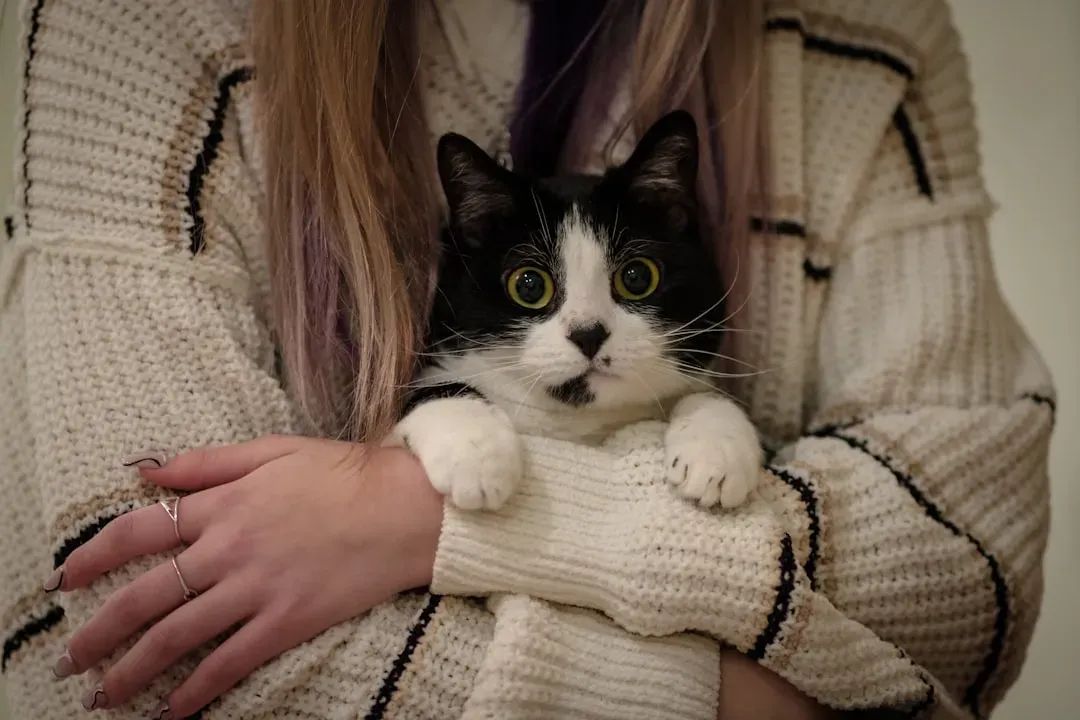
One reason cats win the senior-pet debate handily comes down to practicality. There are few pets better suited to senior companionship than cats. Cats, as opposed to dogs, are exceptionally low maintenance and don’t require long walks outdoors or rough playtime. Additionally, cats don’t need to be regularly taken outside to relieve themselves, which can be a deal breaker for seniors living with limited mobility.
Cats are relatively easy to care for – they don’t require walks and do most of their own grooming. They can even be played with from a seated position with a wand toy. For a senior with arthritis, limited energy, or mobility challenges, that distinction is enormous.
Even though cats require fairly minimal care, the care they do require provides much-needed exercise for older owners. Even seniors who have arthritis or other physical limitations can easily care for cats. It is a rare sweet spot: meaningful responsibility without overwhelming demand.
Social Connection and Emotional Bonding That Surprises Everyone
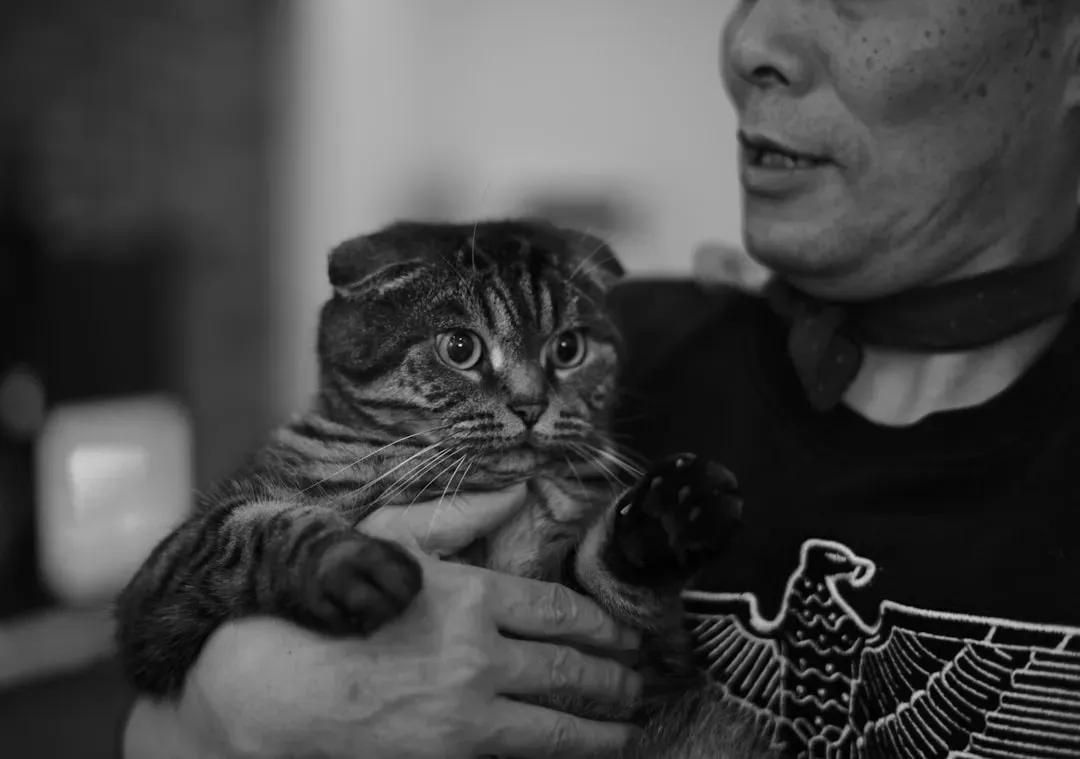
Many people assume cats are aloof. Cold, even. But anyone who has ever owned one knows that is a wildly incomplete picture. Cats act as catalysts for social engagement, providing topics for conversation and fostering connections between seniors and their caregivers, family members, or fellow residents in care facilities. A cat becomes a conversation starter. A shared story. A connection point.
The unconditional love and loyalty of a pet can greatly improve the emotional well-being of seniors, offering a sense of purpose and meaning in their lives. That might sound like something you’d read on a greeting card, but there is genuine science backing it up. The human-animal bond is measurable, documented, and potent.
Results suggest that companion animals played a critical role in reducing feelings of depression, anxiety, isolation, and loneliness. Companion animals also helped increase guardians’ experiences of self-compassion, the ability to maintain a regular schedule, feel a sense of purpose and meaning, and cope with uncertainty. In short, a cat does not just fill a room. It fills a life.
Conclusion: Small Creature, Enormous Impact
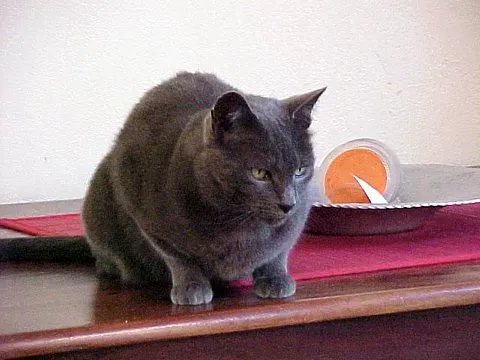
It is remarkable how something so compact, so quietly independent, and so easy to underestimate can reshape a senior’s world so profoundly. A cat does not ask for much. A warm spot, a regular meal, a gentle scratch behind the ears. In return, it offers cardiovascular protection, mental stimulation, emotional grounding, and a reason to get up every single morning.
The research has grown too compelling to ignore. Pet ownership has a profound impact on senior health, providing emotional support, improving mental health, and enhancing overall well-being, ultimately leading to a better quality of life for the elderly. That is not sentiment. That is science.
If you know a senior who lives alone, or if you are one yourself, the conversation about cat ownership is worth having. The benefits are real, the commitment is manageable, and the rewards are, by almost every measure, unexpected. What would you have guessed a small cat could do for a life? Tell us your thoughts in the comments below.

- 10 Fascinating Facts About the Amazing Osprey - July 23, 2026
- The Impact of Heatwaves on Animal Behavior and Survival - July 23, 2026
- The Enduring Loyalty of Elephants Shows Us the True Meaning of Family Bonds - July 23, 2026