
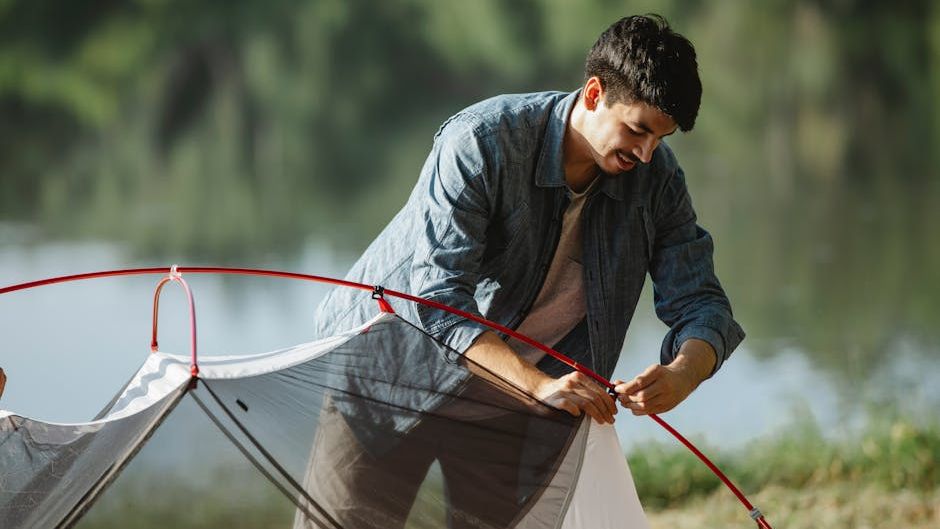
There’s a particular kind of person who looks at a weekend with no plans, no obligations, and no company, and thinks: perfect. They pack their gear, drive out past the last cell tower, and set up camp entirely alone. No group debates about where to pitch. No noise other than what the forest decides to make.
Solo camping is not a niche trend anymore. In recent years, solo camping has gained significant popularity as more individuals seek opportunities to disconnect from their hectic lives and reconnect with nature. What’s interesting is that the people drawn to it tend to share a remarkably consistent set of inner qualities. Some of those qualities you’d expect. Others might surprise you.
#1. They Have a Genuine Comfort With Solitude
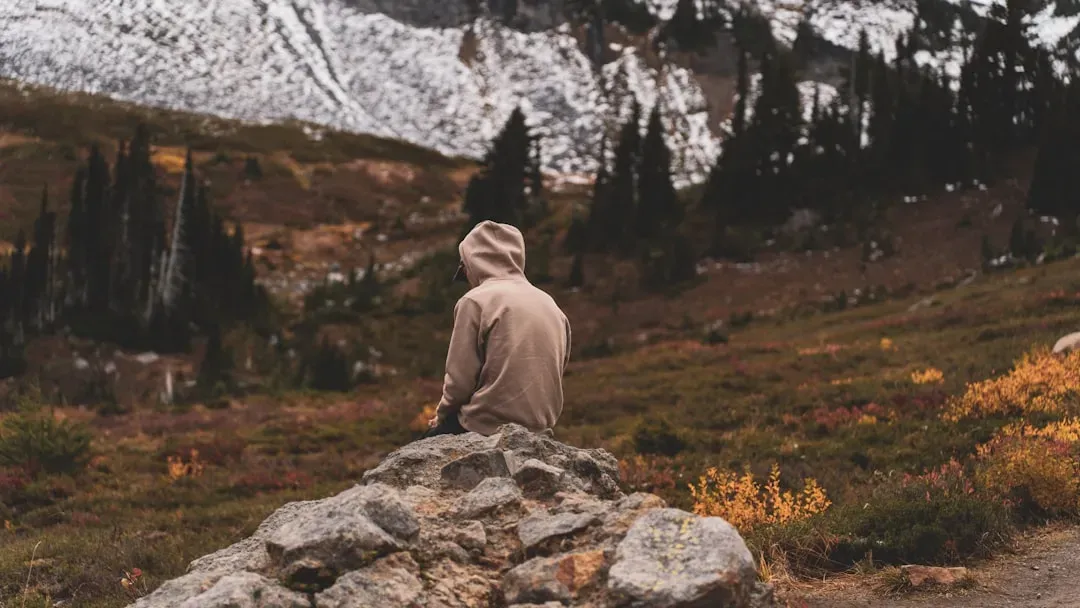
Most people treat being alone as something to get through, not something to seek out. Solo campers are wired differently. Spending time alone doesn’t scare solo campers – it energizes them. They enjoy quiet moments, whether it’s sipping coffee at a local café or watching a sunset in silence, and this comfort with solitude reflects a high level of emotional maturity.
This comfort isn’t passive, either. Most people use solitude as a waiting room – they tolerate it until the next social event, the next notification, the next person. The solo camper is different. For them, time alone is not absence. It is presence. A specific, irreplaceable kind of presence that crowds cannot produce.
Psychologists say people who are comfortable with solitude tend to have better self-awareness and emotional balance. Rather than feeling lonely, these travelers see solo moments as opportunities for reflection and inner peace. For them, solitude isn’t empty – it’s full of meaning.
#2. They Are Deeply Self-Reliant
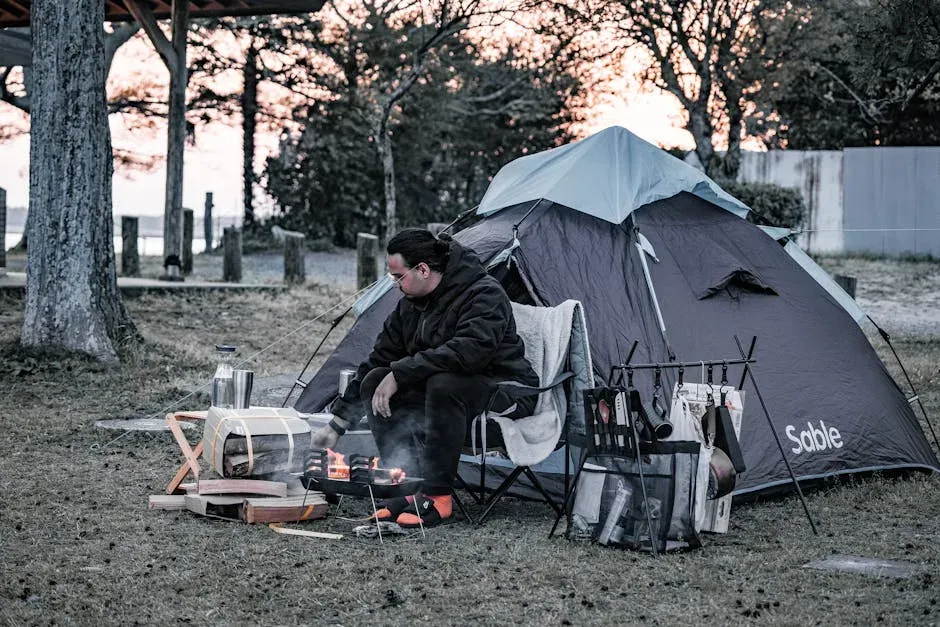
When something goes wrong at a solo campsite, there’s no one else to call on. The tent stakes snap. The fire won’t start. The trail map doesn’t match the terrain. Solo campers don’t freeze in those moments – they problem-solve. Skills developed during solo camping include independence and self-reliance, and navigating through unexpected situations can enhance one’s confidence and abilities.
Solo camping fosters a sense of independence and self-reliance. When individuals embark on a camping trip alone, they encounter challenges that encourage personal growth. Navigating through unexpected situations, such as setting up a tent in inclement weather or encountering wildlife, enhances problem-solving skills and boosts confidence.
Psychologists note that people with high self-reliance tend to have better resilience and adaptability. It’s not that challenges don’t happen to them. It’s that they know they can handle them when they do. That quiet inner certainty is the backbone of every solo trip.
#3. They Crave Autonomy More Than Most People
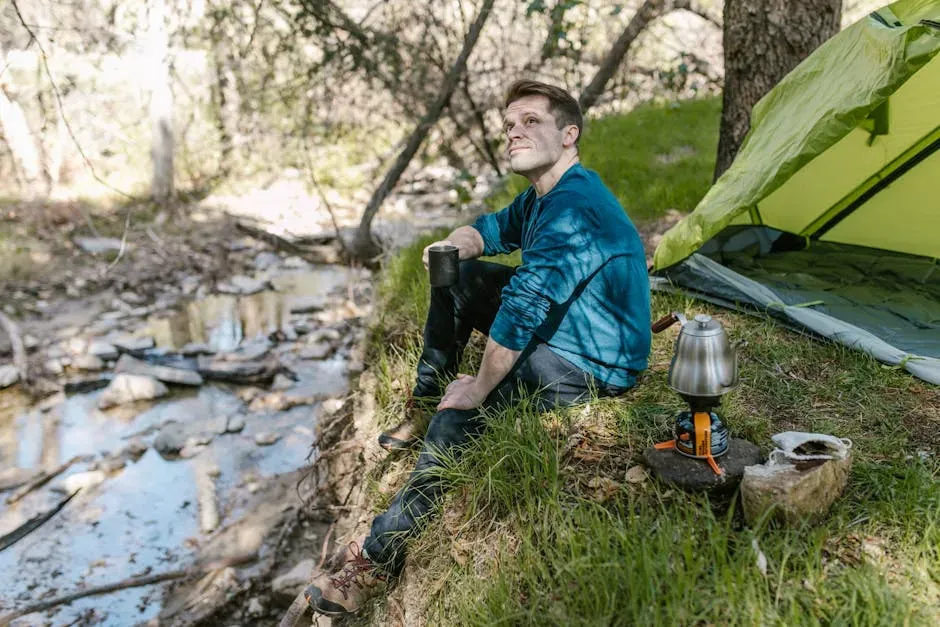
Solo campers don’t just enjoy making their own decisions – they genuinely need to. For people who genuinely prefer solo experiences, the ability to control the texture of their experience isn’t a preference – it is a psychological requirement woven into the architecture of who they are. That’s a significant distinction worth sitting with.
There is a unique sense of freedom when camping alone, as it allows one to make all decisions independently, from choosing the campsite to planning the daily activities. Wake up at 4am to catch the sunrise? Done. Stay at the campfire until midnight? Also done. Nobody negotiates the itinerary because there is no itinerary to negotiate.
For these individuals, the ultimate luxury isn’t a five-star hotel. It’s having complete control over their schedule. They don’t have to compromise on destinations, dining choices, or wake-up times. This freedom allows them to fully immerse themselves in experiences they personally find meaningful. Whether it’s spending hours in a museum or spontaneously hiking a mountain, they travel on their own terms.
#4. They Score High in Openness to Experience
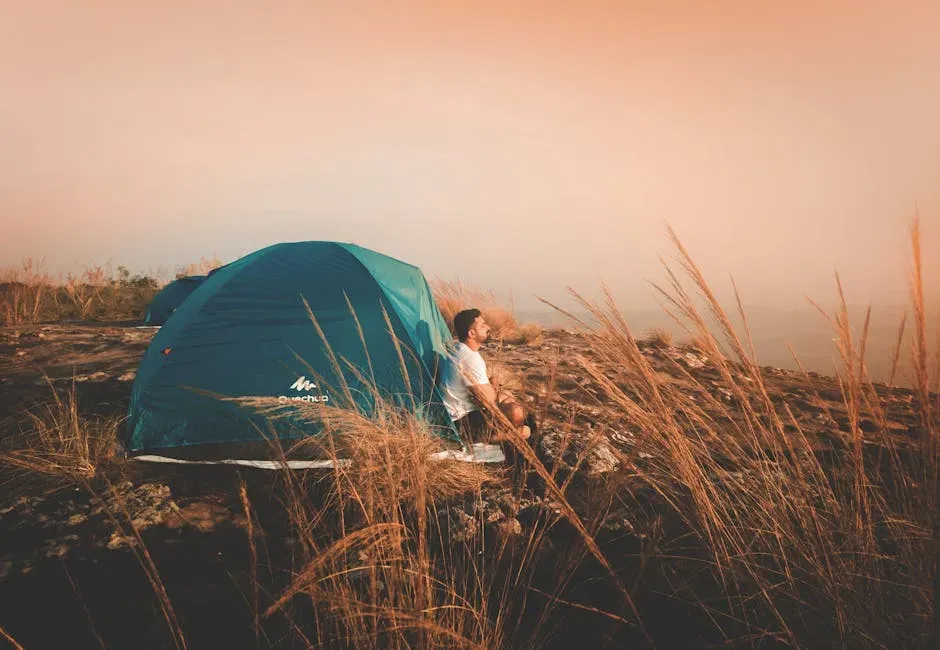
Psychologists identify openness to experience as one of the “Big Five” core personality traits, and it consistently shows up in people who are drawn to solo adventures in the wild. Solo travelers tend to possess a high level of openness. This trait, one of the Big Five personality traits in psychology, includes being open to new experiences, ideas, and cultures. Solo travel isn’t for everyone.
If you are someone who measures high on openness to experience, you are typically more curious, more independent, adaptable, willing to try new ideas, new values, new emotions, new experiences, and you are more adventurous. Solo camping is essentially a direct expression of all of those qualities at once.
Openness allows these travelers to fully immerse themselves in the places they visit. They’re not just passing through – they’re engaging with the environment, exploring off-the-beaten-path locations, and making lasting connections along their journey. For solo campers, that connection runs between them and the landscape itself.
#5. They Are Unusually Good at Adapting
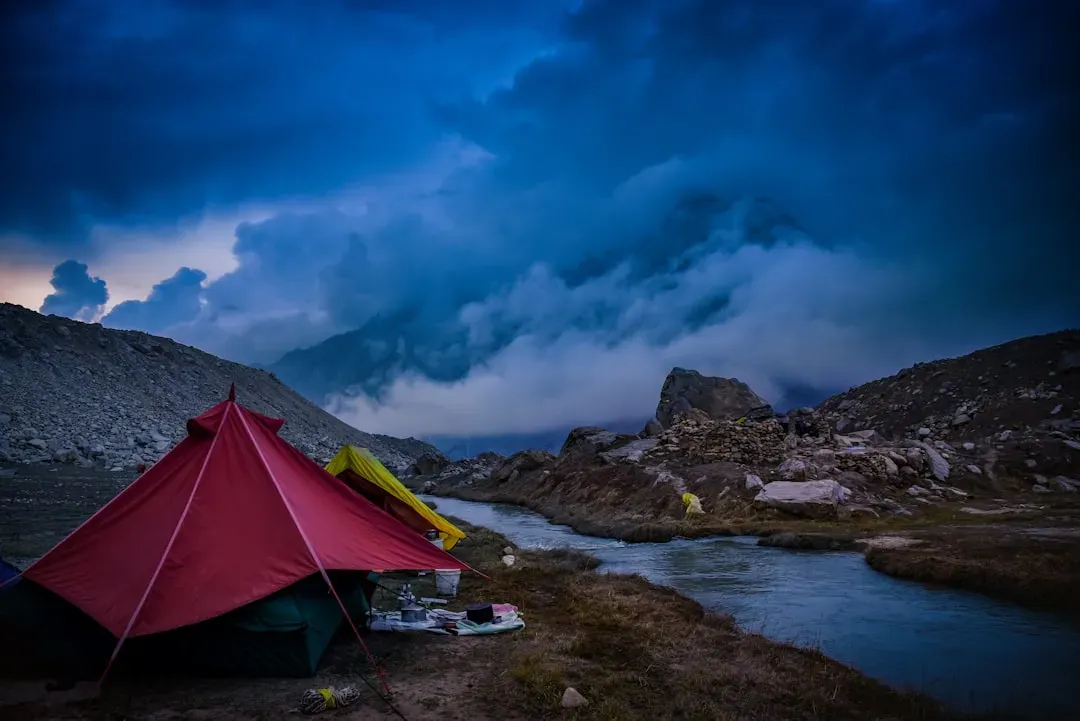
Nature doesn’t care about your plans. A storm rolls in two hours after you set up. The trail you mapped out is closed. The campsite you booked is flooded. When you travel alone, flexibility isn’t optional – it’s essential. Plans change, trains get delayed, and weather doesn’t always cooperate. Solo travelers excel at adjusting quickly without losing their sense of adventure.
This adaptability isn’t just practical – it reflects a deeper cognitive style. Traveling alone forces you to dance with the unexpected. You learn to reframe: “This is a disaster” becomes “This is a pivot.” Adaptability isn’t pretending you’re thrilled when you’re not; it’s acknowledging the gap between plan and reality and moving anyway.
People who camp solo regularly develop this as almost a reflex. Over time, the disruptions stop feeling like setbacks and start feeling like the actual texture of the experience. That shift in perspective is something that carries well beyond the campsite.
#6. They Have a Strong Sense of Self-Awareness
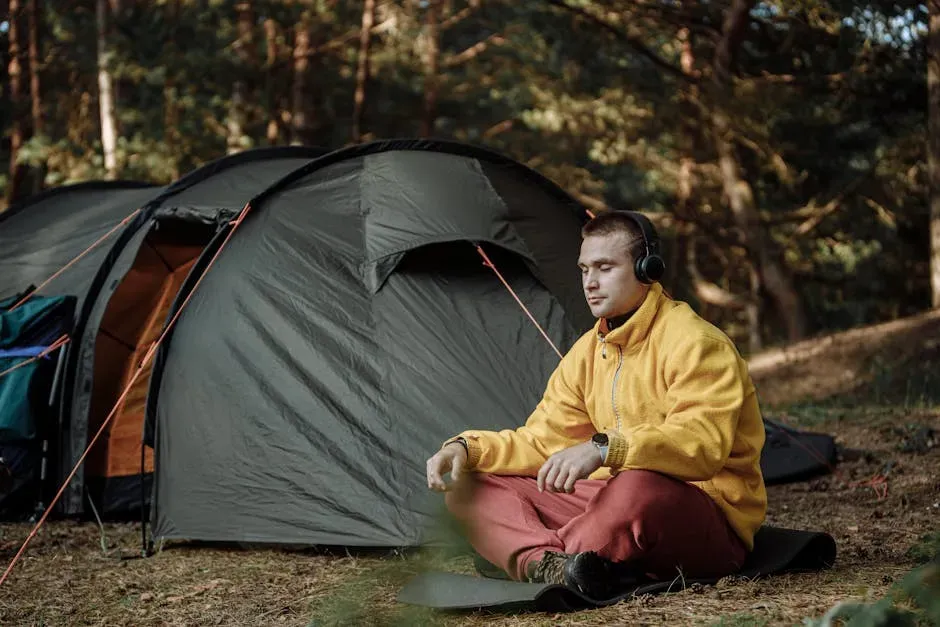
Sitting alone with nothing but forest sounds and firelight has a way of turning the volume up on your inner life. Traveling alone provides a unique opportunity for introspection and self-discovery. This is why many solo travelers have a strong sense of self-awareness. When you’re on your own, you have the time and space to reflect on your thoughts, feelings, and reactions. You become more aware of your strengths and weaknesses, your likes and dislikes, and your comfort zones. This heightened self-awareness often leads to personal growth.
Many solo travelers have a strong sense of self-awareness. When you’re on your own, you have the time and space to reflect on your thoughts, feelings, and reactions. You become more aware of your strengths and weaknesses, your likes and dislikes, and your comfort zones. This heightened self-awareness often leads to personal growth.
The isolation allows for moments of reflection, which can lead to self-discovery and a better understanding of one’s goals and aspirations. As campers engage with their surroundings, they often find clarity regarding their life’s path. That kind of clarity is hard to manufacture in ordinary daily life, but the wilderness seems to offer it freely.
#7. They Actively Seek Stress Relief Through Nature
Solo campers aren’t simply people running away from stress. They’re people who have learned, often through experience, that nature is one of the most effective tools available for resetting their mental state. Solo camping allows individuals to step away from the pressures and demands of social interactions, leading to significant stress reduction. The tranquility of nature and the absence of daily stresses can help calm the mind.
The physiological side of this is well documented. Research shows that exposure to fresh air and nature can reduce cortisol levels, lower blood pressure, and can activate our parasympathetic nervous system. These environments also increase production of serotonin, a mood-boosting hormone, and dopamine, which helps us feel pleasure and reward.
One of the most underrated benefits of solo camping is the mental reset it provides. Time alone in nature can slow racing thoughts, reduce stress hormones, and create a sense of calm that lingers long after you’ve packed up your tent. Solo campers know this from personal experience, which is precisely why they keep going back.
#8. They Validate Themselves Internally Rather Than Externally
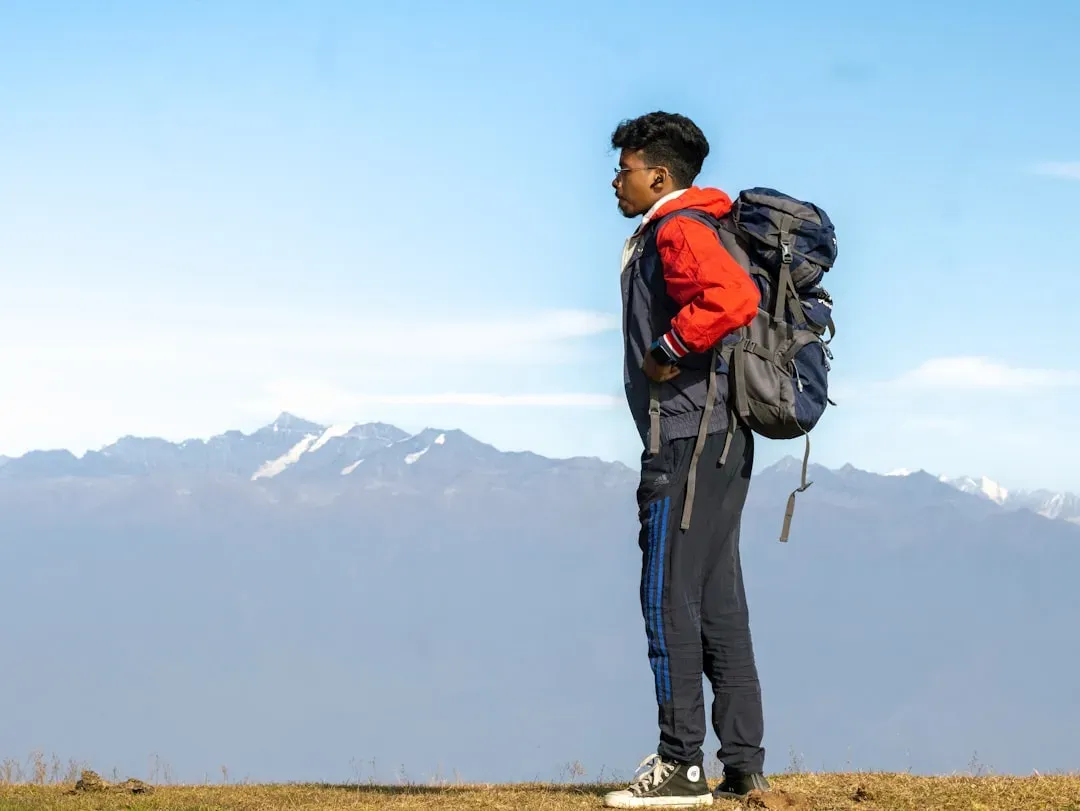
There’s a certain kind of person who needs the group selfie to confirm the trip was good. Solo campers are generally not that person. They tend to find meaning and satisfaction from within, not from the reactions of others. Psychological research on self-validation shows that people who can affirm their own experiences without external input have stronger internal self-worth.
This internal validation doesn’t make them indifferent to others – it just means they don’t require an audience for their experiences to feel complete. Research found that traveling alone means you actually experience the sensations and the moments of your trip more deeply because you are less distracted by a second person. That depth of experience is something solo campers value enormously.
They’re the ones who sit with a sunrise and don’t immediately reach for their phone. The moment matters because it mattered to them, not because someone else confirmed it did. That quiet self-assurance is one of the defining traits of the solo camping personality.
#9. They Embrace Risk With a Measured Mindset
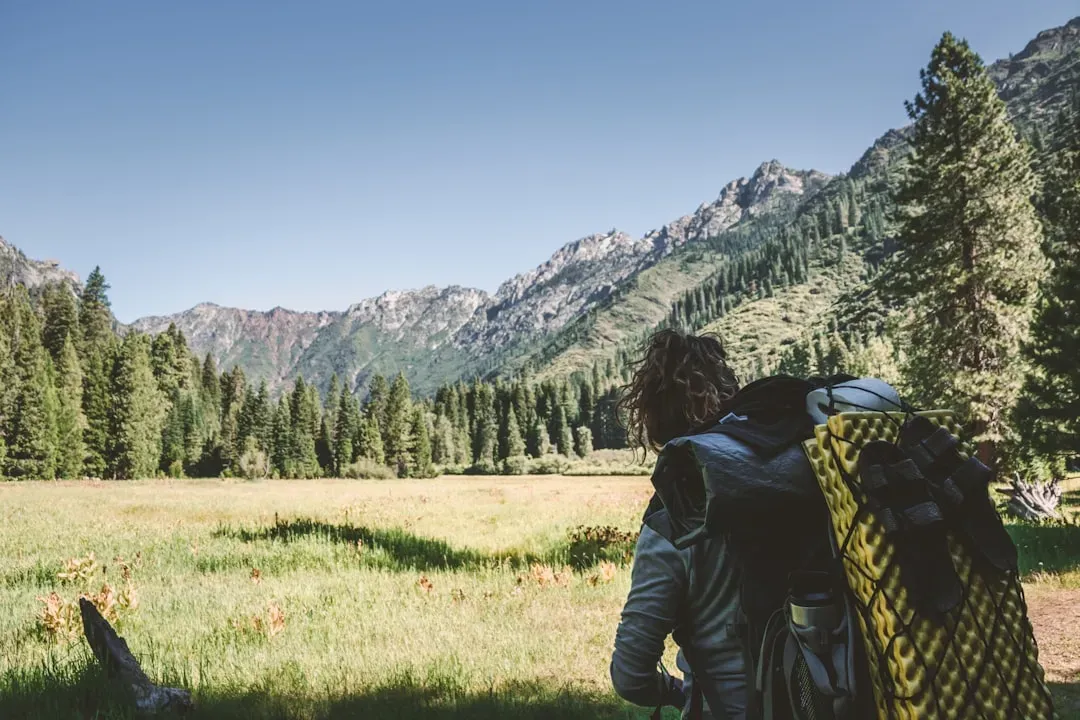
Choosing to spend nights alone in the wilderness takes a genuine acceptance of uncertainty and physical risk. Solo campers aren’t reckless, but they’re not risk-averse either. They’ve done their preparation, they know their gear, and they’ve accepted that unpredictability is part of what makes the experience meaningful. Preparation is key – mental and physical preparation, including essential gear and safety planning, is crucial for a successful and enriching solo camping experience.
The strongest common thread among solo adventurers would be a sense of self-confidence, whether inherent or acquired. They uphold the independence of where to go and what to do. Also, they tend to be more sociable and are thrilled by spontaneity. These are stimulus seekers, which again differ subjectively. They are explorers of the external environment as well as themselves.
This measured relationship with risk is different from thrill-seeking for its own sake. Solo campers tend to calculate their exposure carefully, learn from each trip, and gradually expand their comfort zone. Each outing adds a layer of earned confidence that reshapes how they approach challenges in all areas of life.
#10. They Are Driven by Personal Growth
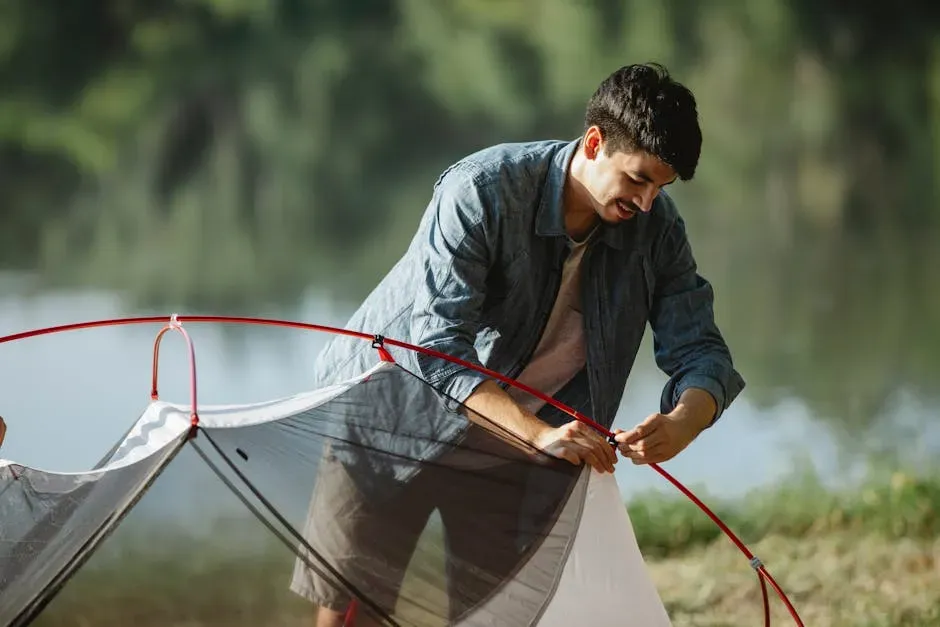
At the core of solo camping, beneath the gear lists and route planning, sits a genuine desire to grow. These are people who use the outdoors not just as a backdrop but as a kind of personal laboratory. Engaging in solo camping fosters personal growth, self-reliance, and enhanced problem-solving skills, allowing individuals to confront and overcome challenges.
Long-term benefits of solo camping significantly enhance mental health and outdoor skills. Consistent time spent alone in nature builds resilience, fostering a deep sense of confidence. There are increased stress relief and elevated moods long after returning home. Camping has nurtured an appreciation for solitude, enabling deeper self-reflection and clarity in life decisions.
Solo camping can be such a transformative experience – it allows you to listen to your intuition better, explore the places you’ve always dreamed about without waiting for others, and builds a unique kind of confidence. That growth doesn’t end when the tent comes down. It walks back into ordinary life with you, slightly changed, slightly steadier.
What Solo Campers Really Have in Common
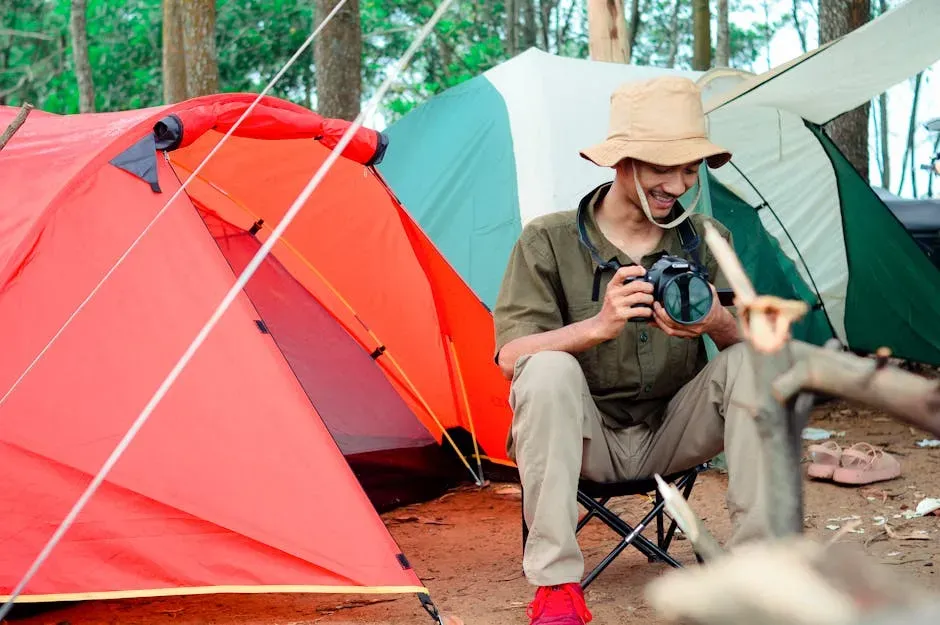
It’s tempting to reduce solo camping to a quirky hobby or a sign of introversion, but that misses the point entirely. Solo camping isn’t just a choice; it often reflects a deeper personality type. The people who feel most alive when they are moving through the world without a companion aren’t broken, antisocial, or emotionally avoidant.
The ten traits above form a coherent picture of someone who has a high degree of self-knowledge, a genuine appetite for challenge, and an unusual ability to find richness in simplicity. People who prefer solo trips aren’t necessarily introverts or rebels. They’re individuals who embrace independence, curiosity, and self-discovery. Their traits allow them to experience the world – and themselves – in ways that group travelers might never fully understand.
Recognizing these traits in yourself doesn’t mean you need to immediately book a solo wilderness expedition. It just means you might already have more in common with those quiet figures setting up camp alone at dusk than you realized. Some people are simply built for the kind of silence that teaches you something. The ones who go looking for it rarely regret the search.
