

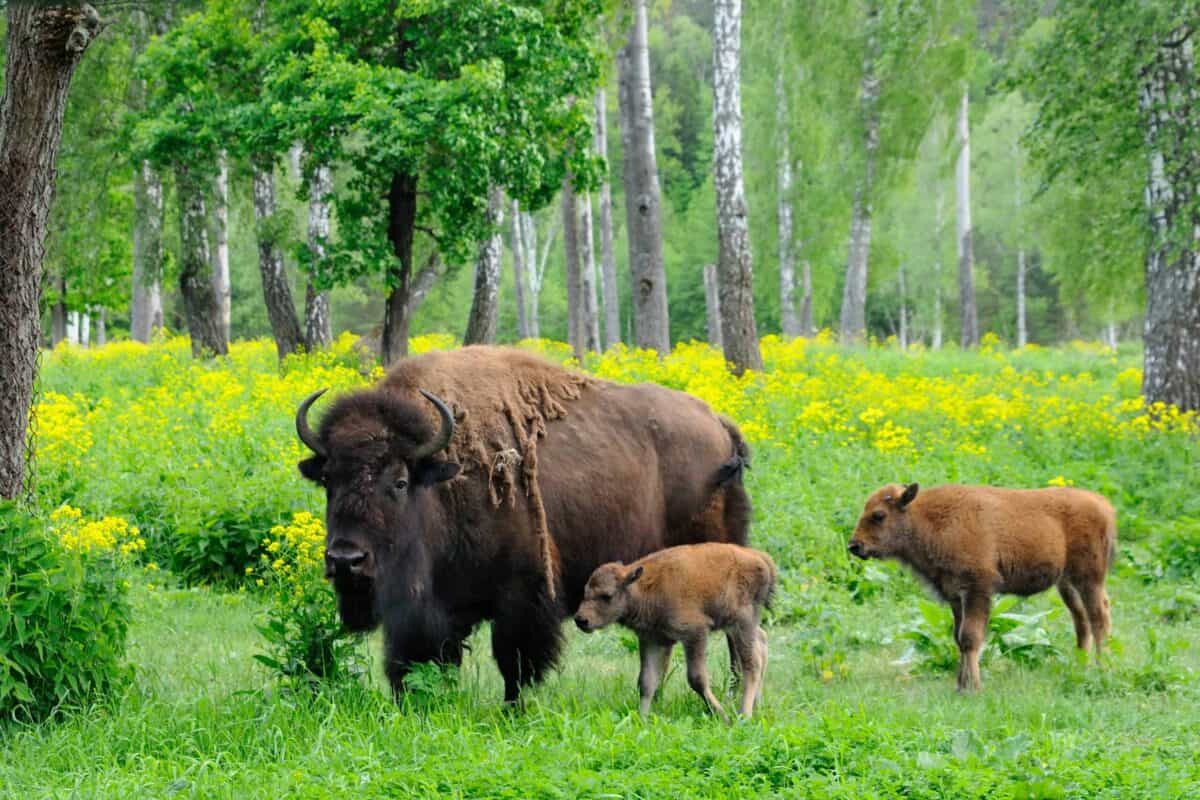
Did you know that the bison, often mistakenly called a buffalo, is America’s national mammal? This majestic creature roams the vast landscapes of North America, embodying the spirit of freedom and resilience. Its story is as inspiring as it is surprising, revealing a fascinating blend of history, culture, and nature. If you’re an animal enthusiast or just curious about this incredible species, you’re in for a treat. Dive into these 10 amazing facts about the bison and discover why it holds such a special place in the heart of America.
The Mighty Bison A Symbol of Strength

The American bison is a powerful symbol of strength and endurance. Weighing up to 2,000 pounds, these massive creatures can run up to 35 miles per hour, showcasing their incredible agility despite their size. Their muscular build and imposing horns make them an awe-inspiring sight on the open plains. For centuries, Native American tribes revered the bison as a sacred animal, believing it provided everything necessary for survival. Its image is often used to represent resilience and perseverance, qualities that resonate deeply with the American spirit.
From Near Extinction to National Treasure

The story of the bison is one of survival against all odds. Once numbering in the millions, their population was decimated in the 19th century due to overhunting and habitat loss. By the late 1800s, fewer than 1,000 bison remained. Thanks to dedicated conservation efforts, their numbers have rebounded to around 500,000 today. This remarkable recovery is a testament to the power of conservation and the enduring spirit of this magnificent animal. The bison’s journey from near extinction to becoming America’s national mammal is a testament to resilience and hope.
More Than Just a “Buffalo”

Many people mistakenly refer to bison as buffaloes, but they are distinct species. True buffaloes are native to Africa and Asia, while bison are indigenous to North America. The confusion likely stems from early European settlers who used the term “buffalo” due to the animals’ resemblance to the buffaloes they knew from the Old World. Despite the mix-up, the name has stuck, and bison are often colloquially called American buffalo. This misnomer is a quirky reminder of the rich tapestry of cultural exchanges that shaped America.
Keystone Species of the Plains

Bison play a crucial role in maintaining the health of the ecosystems they inhabit. As a keystone species, their grazing patterns help shape the landscape, promoting biodiversity. They aerate the soil with their hooves, allowing for better water absorption and plant growth. Their wallowing behavior creates depressions that collect rainwater, providing habitats for various species. Without bison, the prairie ecosystem would lose its balance, affecting countless other plants and animals. Their presence is vital for the health and sustainability of the plains.
A Cultural Icon Across Tribes

For many Native American tribes, the bison is more than just a source of food and materials; it is a cultural icon. Tribes like the Lakota, Cheyenne, and Comanche have deep spiritual connections with the bison, often featuring it in their myths, rituals, and art. The bison symbolizes abundance, strength, and unity, embodying the values and traditions of these communities. This cultural significance underscores the profound impact the bison has had on the history and identity of Native American peoples.
The Bison’s Unique Social Structure

Bison are social animals that live in herds, which can range from a few individuals to hundreds of members. These herds are usually led by a dominant female, known as the matriarch, who guides the group in search of food and water. During the mating season, known as the rut, male bison, or bulls, compete for the attention of females. This social structure ensures the survival and continuity of the herd, highlighting the importance of cooperation and leadership in the animal kingdom.
Adapting to Harsh Environments

Bison are remarkably adaptable creatures, capable of surviving in harsh environments. Their thick, shaggy coats provide insulation against the cold, while their large humps store fat and muscle for energy. They can endure extreme temperatures, from the scorching heat of summer to the biting cold of winter. This adaptability has allowed bison to thrive in diverse habitats across North America, from grasslands to forests. Their ability to withstand such conditions is a testament to their resilience and tenacity.
Conservation Efforts and Success Stories

The revival of the bison population is a success story that highlights the importance of conservation efforts. Organizations like the National Bison Association and the American Prairie Reserve have worked tirelessly to protect and restore bison habitats. Through breeding programs, land management, and public awareness campaigns, these groups have helped ensure the survival of this iconic species. The collaboration between government agencies, conservationists, and indigenous communities has been instrumental in safeguarding the future of the bison.
The Bison’s Role in Modern Agriculture

In recent years, bison have become an integral part of sustainable agriculture. Bison meat is leaner and lower in cholesterol than beef, making it a healthier alternative for consumers. Many farmers have embraced bison ranching as a sustainable practice, as these animals require less intensive care and are more environmentally friendly than cattle. This shift towards bison farming reflects a growing awareness of the need for sustainable food sources and a renewed appreciation for this majestic animal.
Celebrating the Bison’s Legacy

The designation of the bison as America’s national mammal in 2016 was a momentous occasion, recognizing its significance in American history and culture. This honor celebrates the bison’s legacy as a symbol of strength, resilience, and national pride. It serves as a reminder of the importance of preserving our natural heritage and the creatures that inhabit it. The bison’s story is a powerful testament to the enduring bond between nature and humanity, inspiring future generations to cherish and protect the world around them.
Understanding Bison Communication
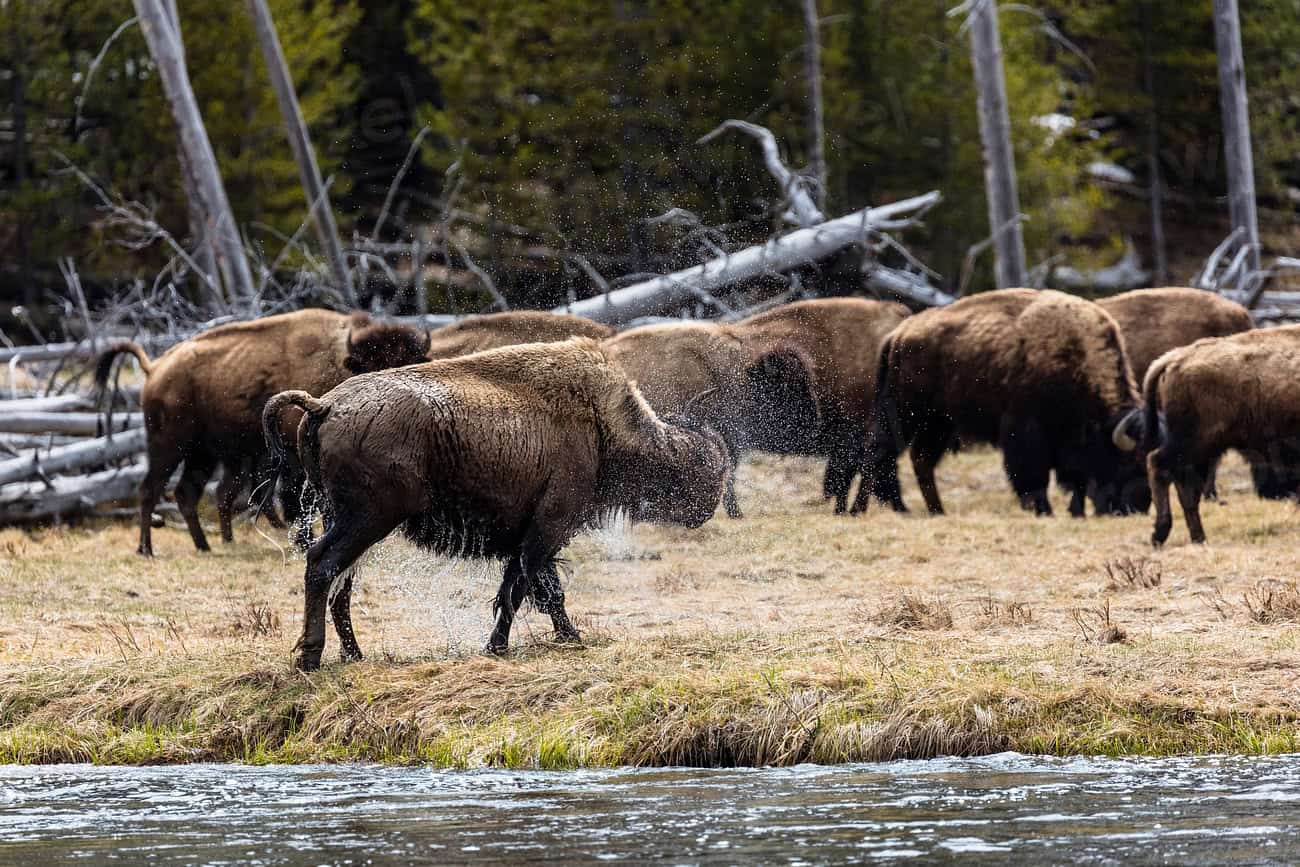
Bison are not as silent as you might think. They communicate through a variety of vocalizations and body language. From grunts and snorts to bellows during the rut, these sounds help convey emotions and intentions to other herd members. Their body language, such as head movements and tail positioning, also plays a crucial role in communication. Understanding these signals provides insight into the complex social dynamics of bison herds and enhances our appreciation of their intelligence and adaptability.
The Bison’s Impact on the Ecosystem

Beyond their role as a keystone species, bison have a profound impact on the ecosystems they inhabit. Their grazing patterns help maintain the balance of plant species, preventing any one type from dominating the landscape. This promotes biodiversity, allowing a variety of plants and animals to thrive. Additionally, bison’s natural behaviors, such as wallowing, create microhabitats for other species. Their influence on the ecosystem is a testament to the interconnectedness of nature and the importance of preserving these majestic creatures.
Bison in Popular Culture

Bison have captured the imagination of people around the world, appearing in various forms of popular culture. From literature and film to sports teams and logos, the bison’s image has become synonymous with strength and endurance. Iconic films like “Dances with Wolves” and “The Revenant” feature bison prominently, showcasing their significance in American history. Their presence in popular culture reflects their enduring appeal and the deep connection people feel to these magnificent animals.
The Bison’s Role in Ecosystem Restoration
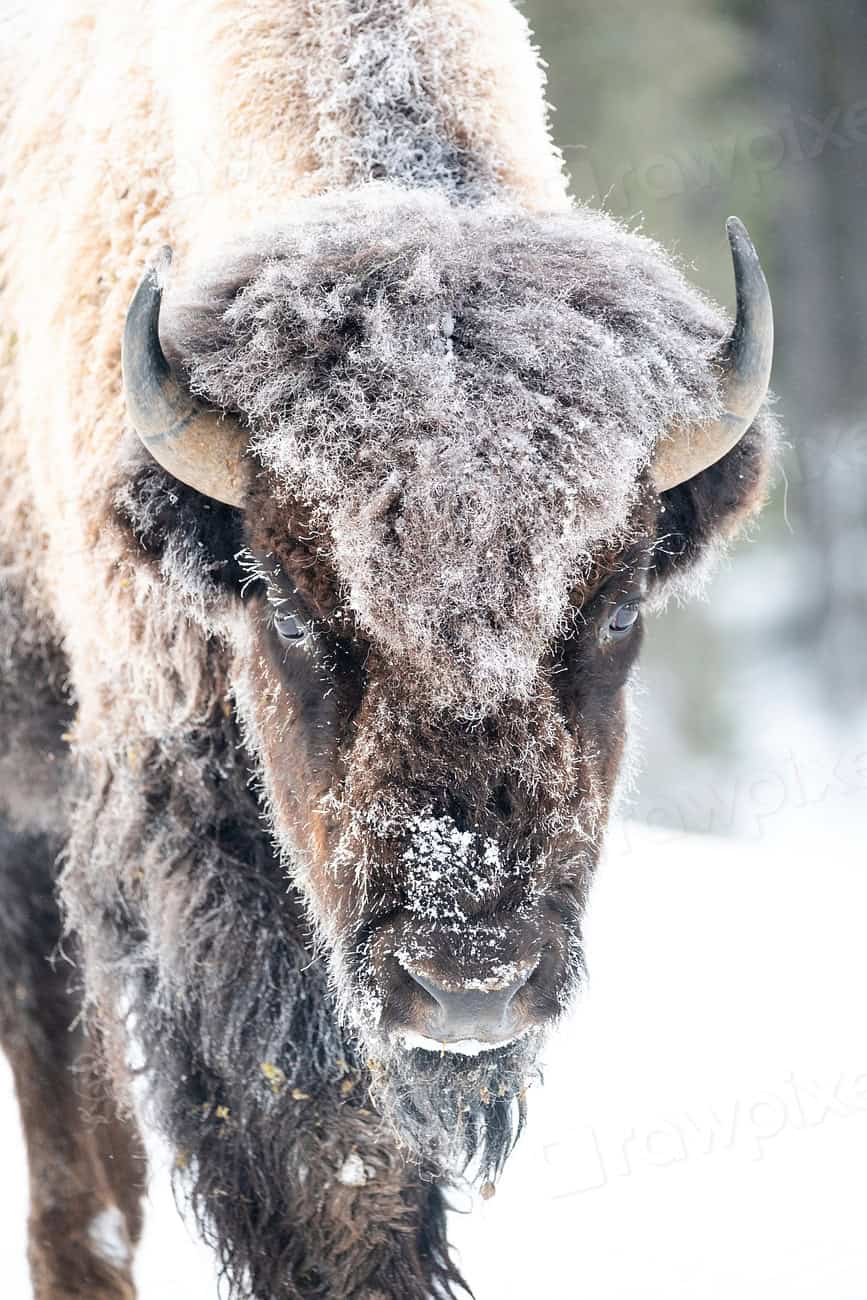
In recent years, bison have played a crucial role in ecosystem restoration projects. By reintroducing bison to their native habitats, conservationists have been able to restore the natural balance of these ecosystems. Bison grazing helps control invasive plant species, allowing native plants to flourish. Their presence also supports the return of other wildlife, creating a more diverse and resilient ecosystem. These restoration efforts highlight the importance of bison in maintaining the health and vitality of the natural world.
A Symbol of Unity and Reconciliation

The bison’s journey from near extinction to national symbol is a powerful story of unity and reconciliation. It represents the collaboration between diverse groups, including indigenous communities, conservationists, and government agencies, to achieve a common goal. This collective effort serves as a reminder of the importance of working together to protect our natural heritage. The bison’s story is not just about survival; it’s about coming together to create a better future for all living beings.
The Future of America’s National Mammal

As we look to the future, the bison’s legacy continues to inspire conservation efforts and environmental stewardship. Protecting and expanding bison habitats remains a priority, ensuring these magnificent creatures can continue to thrive. Education and awareness campaigns play a crucial role in fostering appreciation for the bison and its importance in American history and culture. By celebrating and safeguarding the bison, we honor not only this iconic species but also the values it represents: strength, resilience, and unity.

As a little kid, I fell in love with nature, wildlife, and animals. Living in the USA, South Africa, Italy, China and Germany gave me the opportunity to discover the world's Wildlife. My favorite animals are Mountain Gorillas, Siberian Tigers, and Great White Sharks.
I'm a certified PADI Open Water Diver, went to Everest Base Camp and Trekked Gorillas in Uganda. I hold a Master of Science in Economics and Finance.
Please send any feedback to feedback@animalsaroundtheglobe.com
- Why the Great Barrier Reef Is the Best Place to Spot Sea Turtles - June 3, 2026
- 2 Animals With Super Sized Body Parts and What They are For - June 3, 2026
- Explore The Azores - June 3, 2026