


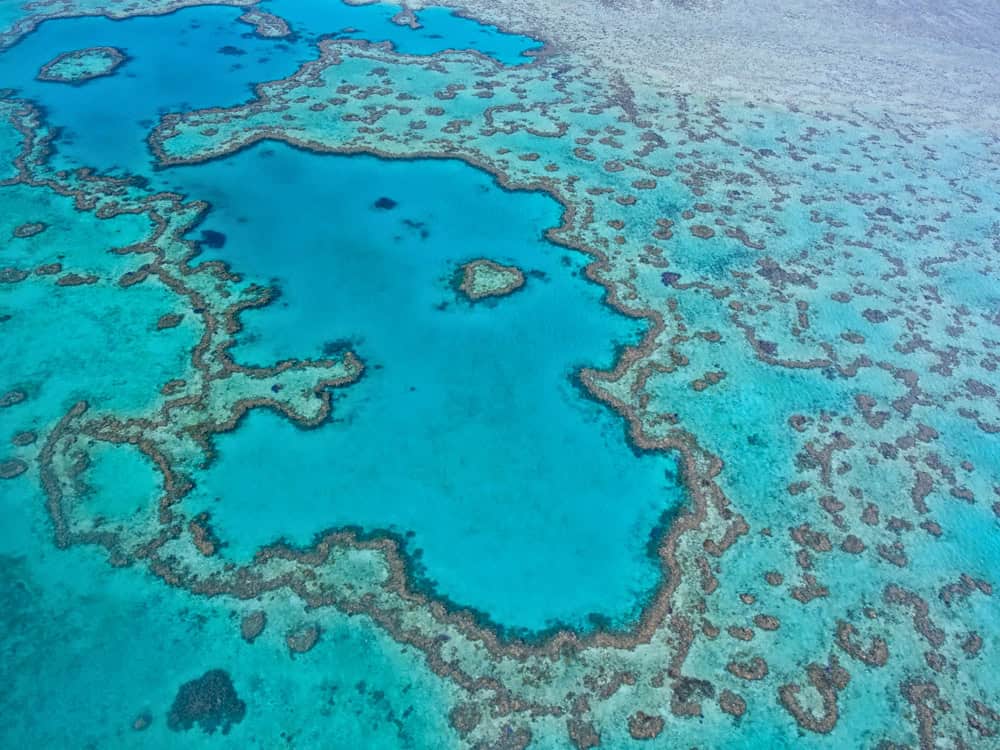
The Great Barrier Reef, located off the northeastern coast of Australia, is one of the most extraordinary natural wonders of the world. Spanning over 2,300 kilometres (1,430 miles), this vibrant ecosystem is not only the largest coral reef system on our planet but also a sanctuary for an incredible variety of marine life. Among the many species that call the Great Barrier Reef home are sea turtles, making it one of the best places on earth to observe these majestic creatures in their natural habitat.
A Unique Habitat for Sea Turtles

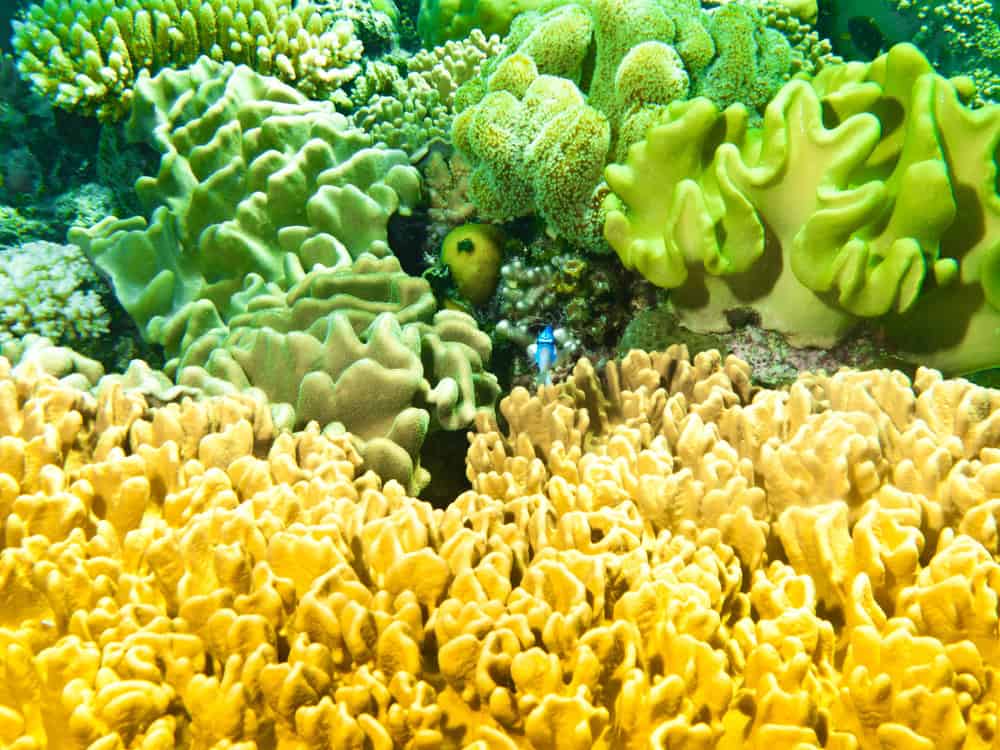
The Great Barrier Reef provides a unique and ideal habitat for sea turtles due to its warm waters, abundant food sources, and expansive breeding grounds. It hosts six of the world’s seven sea turtle species: the Green Turtle, Loggerhead Turtle, Hawksbill Turtle, Flatback Turtle, Olive Ridley Turtle, and the endangered Leatherback Turtle. Each of these species is dependent on the reef’s diverse ecosystems, which include seagrass beds, coral reefs, and sandy beaches.
Feeding and Foraging Opportunities

The rich marine ecosystem of the Great Barrier Reef offers plentiful feeding and foraging opportunities for sea turtles. The Green Turtle, for example, primarily feeds on the seagrass that grows abundantly in the warm, shallow waters of the reef. The Hawksbill Turtle, on the other hand, is primarily a carnivore that feeds on sponges found on the reef’s coral structures. This abundance of food sources helps sustain the diverse sea turtle populations throughout the year.
Nesting Grounds Ensuring Future Generations
The Great Barrier Reef is also a significant nesting site for sea turtles, particularly along its beach areas. Female turtles return to the same nesting grounds where they were born to lay their eggs, often travelling thousands of kilometres to do so. The sandy beaches of many islands along the reef provide the perfect environment for nesting, particularly for the endangered Loggerhead and Green Turtles. The nesting season typically occurs during the warmer months, from November to January, when conditions are ideal for hatching.
Conservation Efforts Protecting a Heritage
Recognizing the ecological and cultural importance of sea turtles, conservation efforts have been intensified to protect these creatures and their habitats. The Great Barrier Reef Marine Park Authority, along with various non-governmental organizations, plays a crucial role in monitoring turtle populations, safeguarding nesting sites, and conducting awareness programs. These efforts are aimed at mitigating the threats posed by climate change, pollution, and human activities.
A Fascinating Experience for Visitors
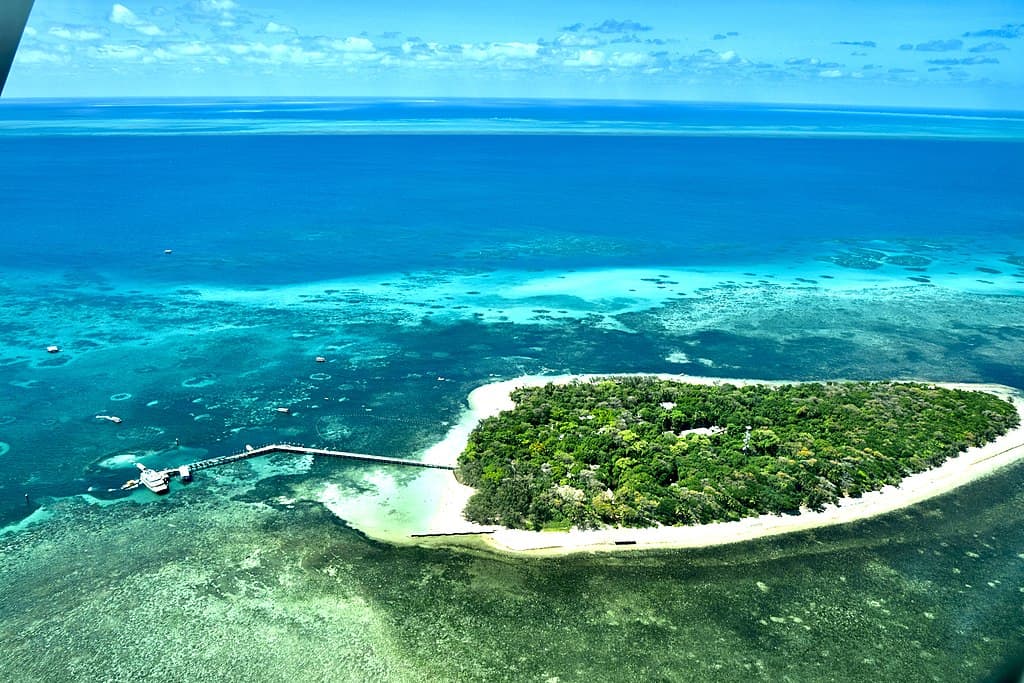
For visitors, the Great Barrier Reef offers an unparalleled opportunity to witness sea turtles in their natural environment. Whether snorkelling or diving, observers can watch these gentle reptiles gracefully navigate the azure waters, peer into vibrant coral gardens, and forage in lush seagrass meadows. Guided turtle tours, often led by marine biologists or conservationists, provide educational insights into the life cycles and behaviours of these incredible species.
Conclusion: A Testament to Biodiversity

The Great Barrier Reef stands as a testament to Earth’s unparalleled biodiversity, and the presence of sea turtles only enriches this underwater spectacle. These ancient mariners not only hold ecological significance but are also symbols of the interconnectedness of marine life. Whether you are a seasoned marine biologist or a curious traveller, the Great Barrier Reef offers a mesmerizing glimpse into the life of sea turtles, making it an essential destination for anyone devoted to the beauty and preservation of our natural world.

As a little kid, I fell in love with nature, wildlife, and animals. Living in the USA, South Africa, Italy, China and Germany gave me the opportunity to discover the world's Wildlife. My favorite animals are Mountain Gorillas, Siberian Tigers, and Great White Sharks.
I'm a certified PADI Open Water Diver, went to Everest Base Camp and Trekked Gorillas in Uganda. I hold a Master of Science in Economics and Finance.
Please send any feedback to feedback@animalsaroundtheglobe.com
- 10 Loudest Animals on Land - July 21, 2026
- 13 Animals With Extra Limbs or Heads - July 21, 2026
- 15 Most Adorable Animals of North America - July 21, 2026