
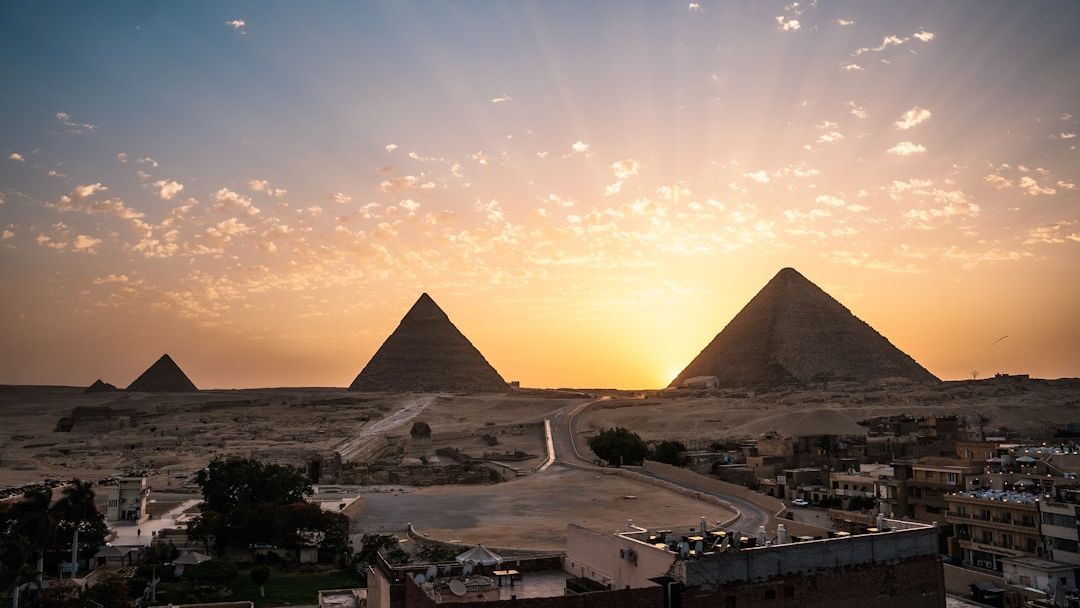
Standing tall against the desert sky for nearly forty-five centuries, continue to captivate our imagination like nothing else from the ancient world. These colossal monuments represent humanity’s first attempt at touching eternity, built when most of the world was still learning to work bronze.
Yet beneath their weathered limestone surfaces lie secrets that modern science is only beginning to uncover. From hidden chambers discovered just this year to construction techniques that still baffle engineers today, these ancient wonders refuse to give up all their mysteries. So let’s dive in and explore what makes these monuments truly extraordinary.
Recent Discoveries Are Rewriting History
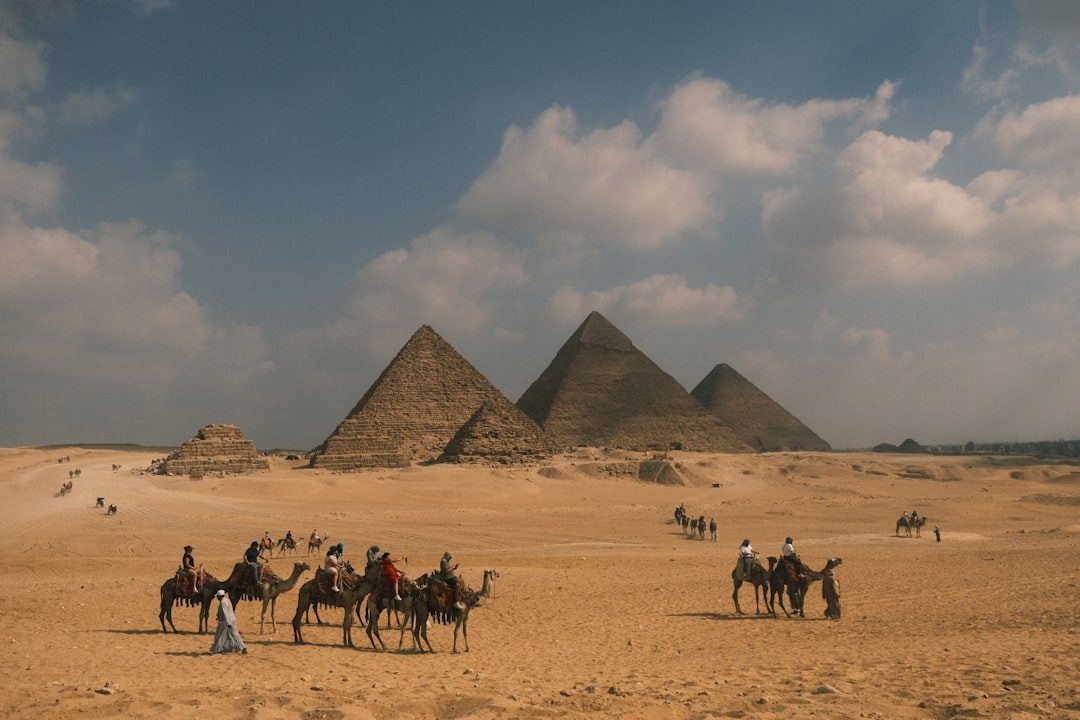
Two hidden voids have been discovered within one of , specifically within the Menkaure Pyramid, the smallest of the three main pyramids. Researchers from Nagoya University in Japan have identified these previously unknown air-filled cavities using advanced non-destructive scanning techniques.
The first anomaly measures about 1.5 meters wide by 1 meter high and sits 1.35 meters beneath the surface, while the second measures approximately 0.9 by 0.7 meters and begins at 1.13 meters depth. Both are interpreted as air-filled voids inside the limestone structure of the pyramid. These findings represent the most significant structural discoveries at Giza in recent years.
After the significant discovery of a hidden corridor in the Pyramid of Khufu in 2023, researchers have once again succeeded in making an important discovery in Giza. Modern technology is revolutionizing our understanding of these ancient structures without causing any damage to them.
The Sheer Scale Defies Imagination
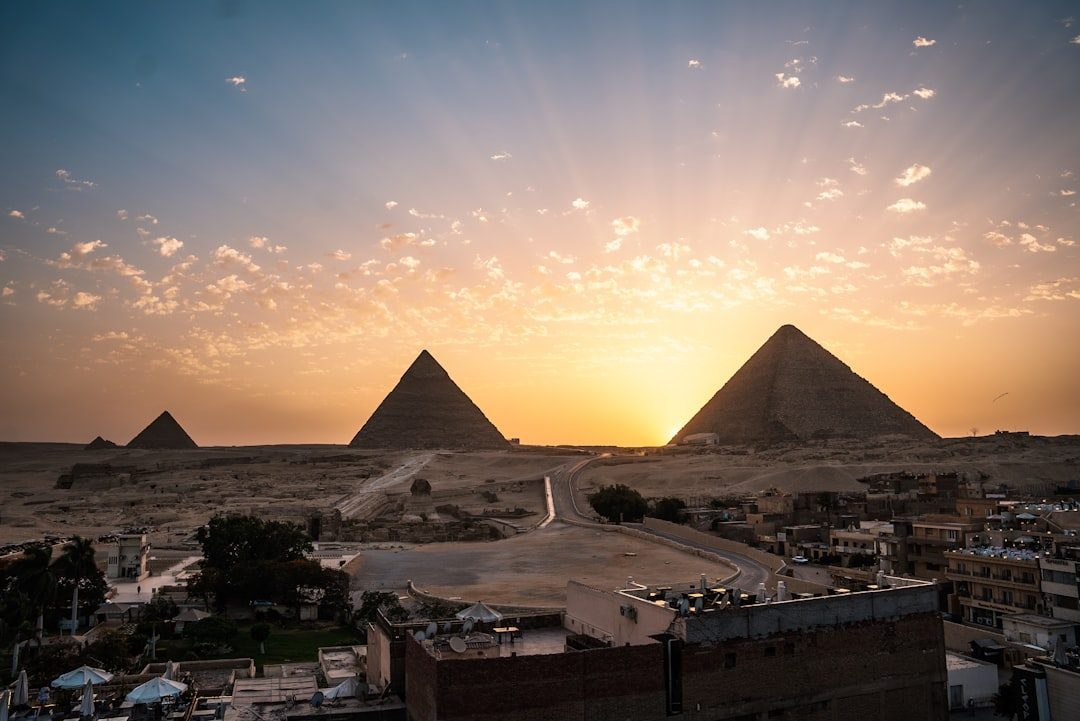
The Great Pyramid was built by quarrying an estimated 2.3 million large blocks, weighing approximately 5.9 million tons in total. Think about this for a moment: roughly two and a half million individual stones, each one carefully cut, transported, and positioned with incredible precision.
The building consists of approximately 2.3 million blocks of limestone, with each block weighing around 2.5 tons, giving a total weight of approximately 5.9 million tons. To put this in perspective, it weighs more than twelve billion pounds.
It is the third heaviest man-made object in the world, behind only the Great Wall of China and the Three Gorges Dam in China. The fact that ancient builders achieved this using only primitive tools makes it even more remarkable.
Perfect Alignment That Shouldn’t Be Possible
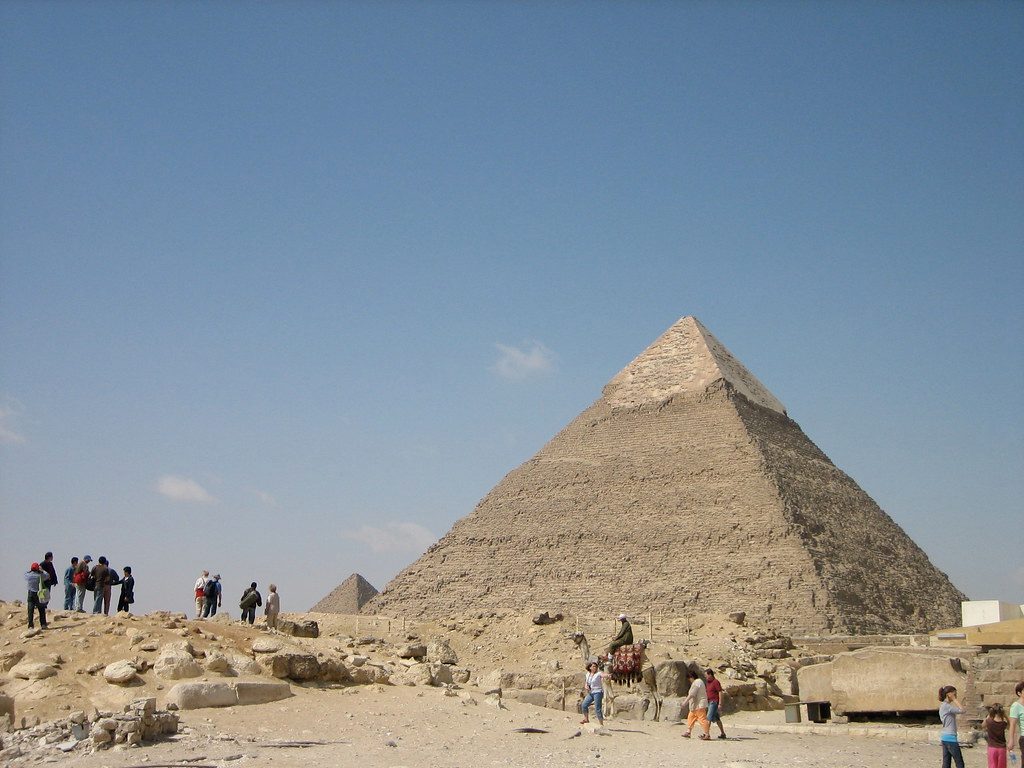
The builders of the Great Pyramid of Khufu aligned the great monument to the cardinal points with an accuracy of better than four minutes of arc, or one-fifteenth of one degree. This level of precision would be impressive even by today’s standards.
The square base of the Great Pyramid of Cheops is just 3.4 arcminutes off of true north. That’s a precision of about 1 millimeter per meter. How did ancient builders achieve such mathematical perfection without modern surveying equipment?
Harvard archaeologist Glen Dash suggests that approximately 4,500 years ago, the ancient Egyptians might have used the autumnal equinox to achieve perfect alignment. The precision comes specifically from the solar movement, drawn from the shadow cast by the Sun during the autumn equinoxes.
Construction Speed That Seems Impossible
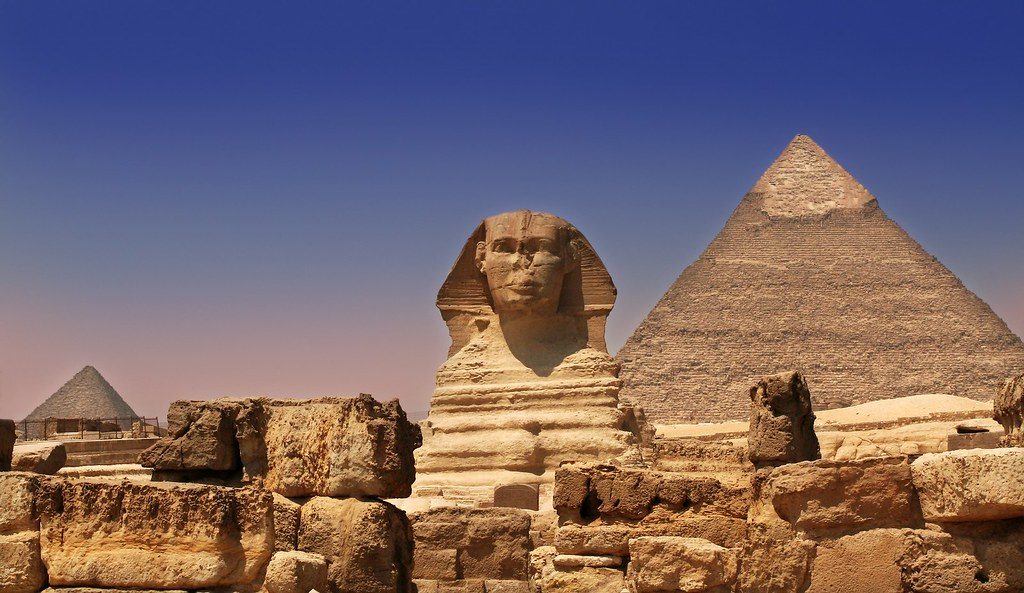
According to the ancient Greek historian Herodotus, the Great Pyramid took 20 years to construct and required the labor of 100,000 men working primarily when the Nile River was in flood and there was little agricultural work.
Experts believe the Great Pyramid took around 20 years to complete from start to finish, with an estimated 20,000 to 30,000 skilled workers completing the construction during such an impressive timeframe that each block would have been moved into place every five minutes of the day and night throughout that entire period. Imagine the logistics of maintaining that pace for two decades.
A construction management study conducted in 1999 estimated that the total project required an average workforce of about 13,200 people and a peak workforce of roughly 40,000. The coordination required would challenge even modern project managers.
Precision Engineering That Rivals Modern Standards
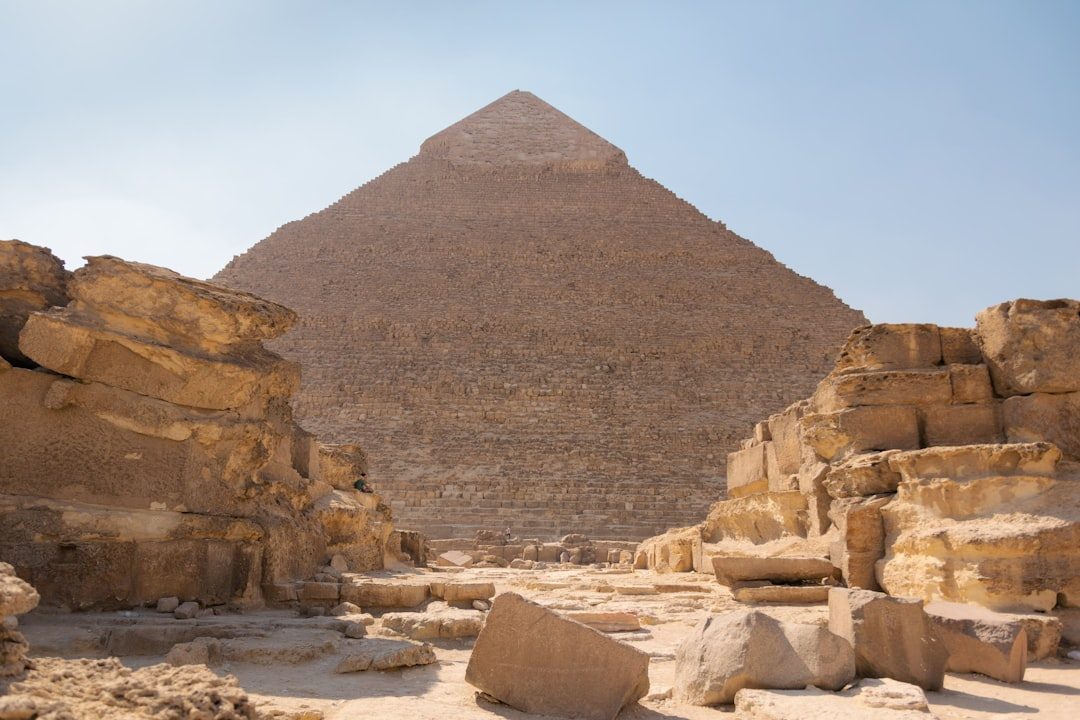
Many of the casing-stones and inner chamber blocks of the Great Pyramid fit together with high precision, with joints averaging only 0.5 millimeters wide. In contrast, core blocks were only roughly shaped, with rubble inserted between larger gaps.
The stones were cut with such precision that the gaps between them are less than a millimeter wide, showcasing their extraordinary engineering capabilities. You couldn’t slide a credit card between many of these joints even today.
Some of these stones are of such immense size and weight, such as the granite slabs in the King’s Chamber, that the logistics of raising and positioning them so precisely seems an impossibility by modern standards. The heaviest stones in the complex weigh up to eighty tons each.
The Mysterious Star Shaft Connections
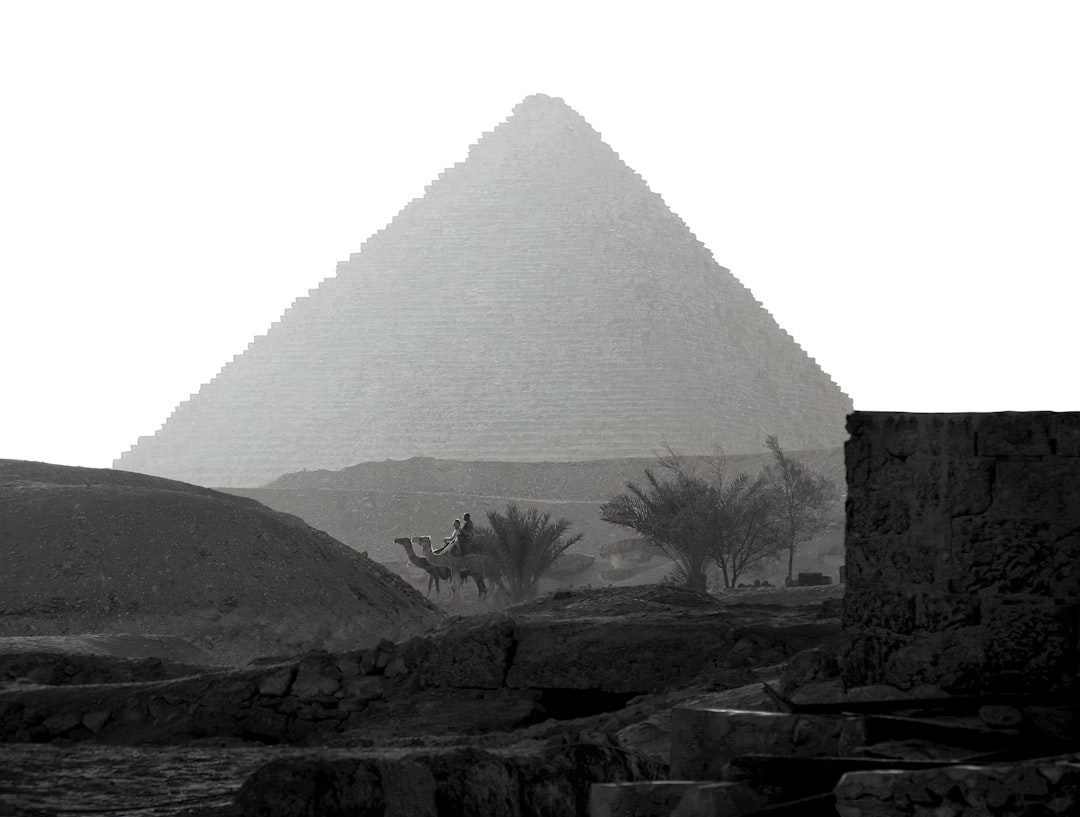
The Orion Correlation Theory grew from researchers’ interpretations of two mysterious, narrow shafts discovered in the Great Pyramid. These shafts extend from the King’s Chamber into the pyramid’s walls, and in the 1960s, Egyptologists suggested these were actually star shafts, built to point toward important stars and constellations.
Two researchers found that one of the shafts seems to aim in the general direction of where the north star would have been when the pyramids were constructed, while the other shaft generally points toward Orion’s Belt. These two sections of the sky were also known to be important in ancient Egyptian mythology.
The alignment of points directly to this constellation so that, upon death, the pharaoh’s soul would arrive directly with Osiris, who conducted the Final Judgment in the other world. This wasn’t just architecture; it was spiritual engineering.
They Weren’t Built by Slaves
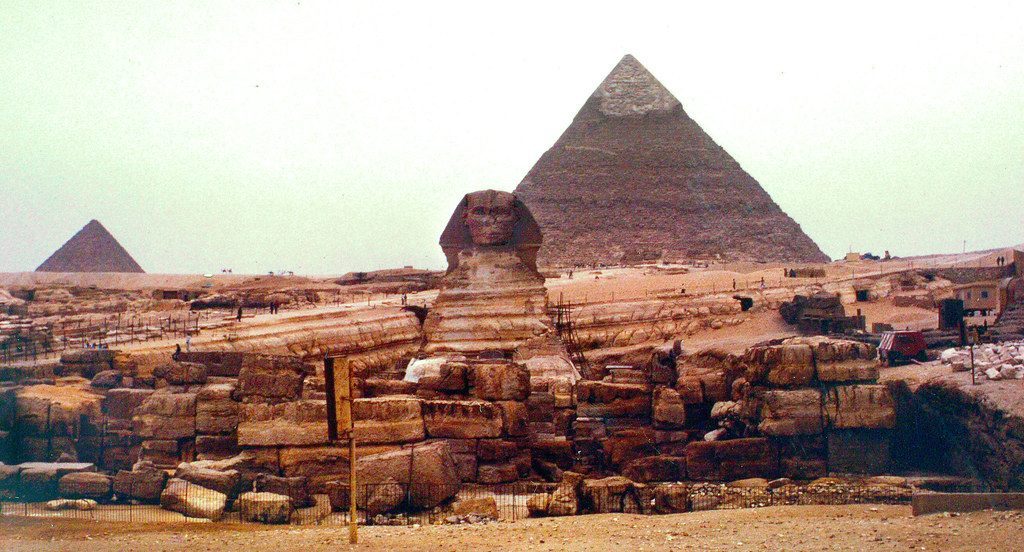
For years, people were sure slaves built the pyramids. However, this has turned out to be untrue. In fact, men were hired and paid wages, with writings and other evidence found to back this up. Hollywood got this one completely wrong.
The workers were buried in sacred graves right next to the monumental structure. This was a great honor, and showed how much they were valued and respected. Slaves wouldn’t have received such prestigious burials.
Money wasn’t used in those days. Instead, goods were bartered in exchange for work. The construction crew would have been paid in rations like meat, bread, and beer. These workers were skilled craftsmen, not forced laborers.
Lost Construction Techniques Still Puzzle Engineers
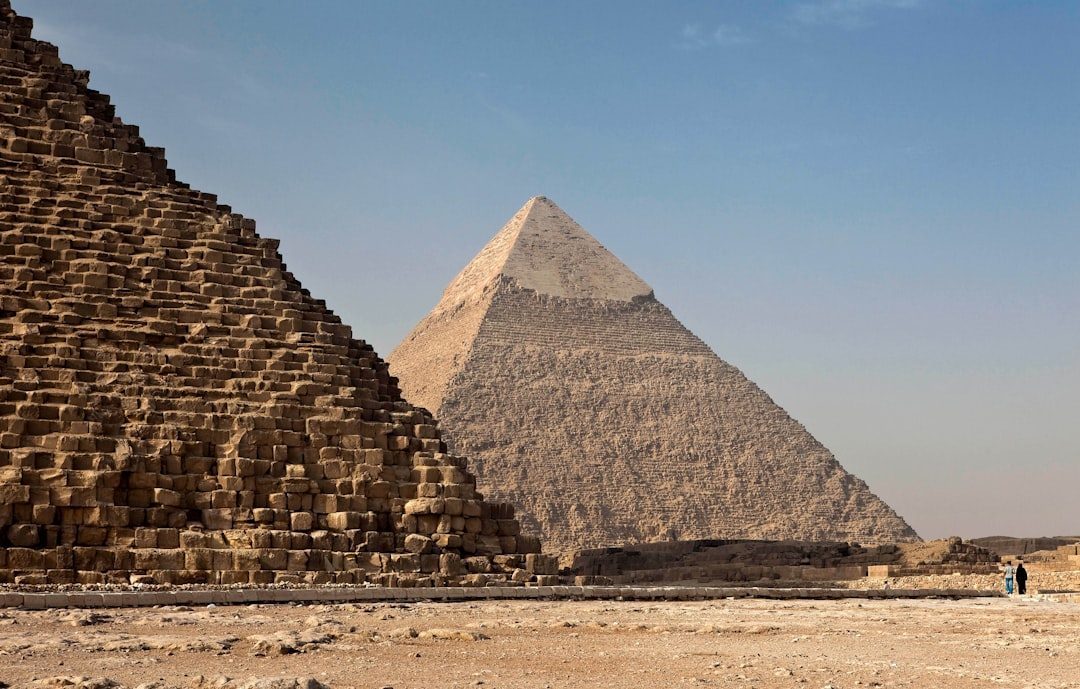
The Egyptians unfortunately left us few clues. No engineering documents or architectural plans have been found that give technical explanations demonstrating how the ancient Egyptians aligned any of their temples or pyramids.
The most plausible theory is that the Egyptians employed a sloping and encircling embankment of brick, earth, and sand, which was increased in height and length as the pyramid rose; stone blocks were hauled up the ramp by means of sledges, rollers, and levers. However, this theory still has significant problems explaining how the heaviest stones reached the upper levels.
The granite stones were transported from Aswan, more than 900 kilometers south. The largest, weighing 25 to 80 tonnes, form the ceilings of the King’s chamber and the relieving chambers above it. Moving these massive blocks such distances remains an engineering mystery.
Hidden Underground Networks May Exist
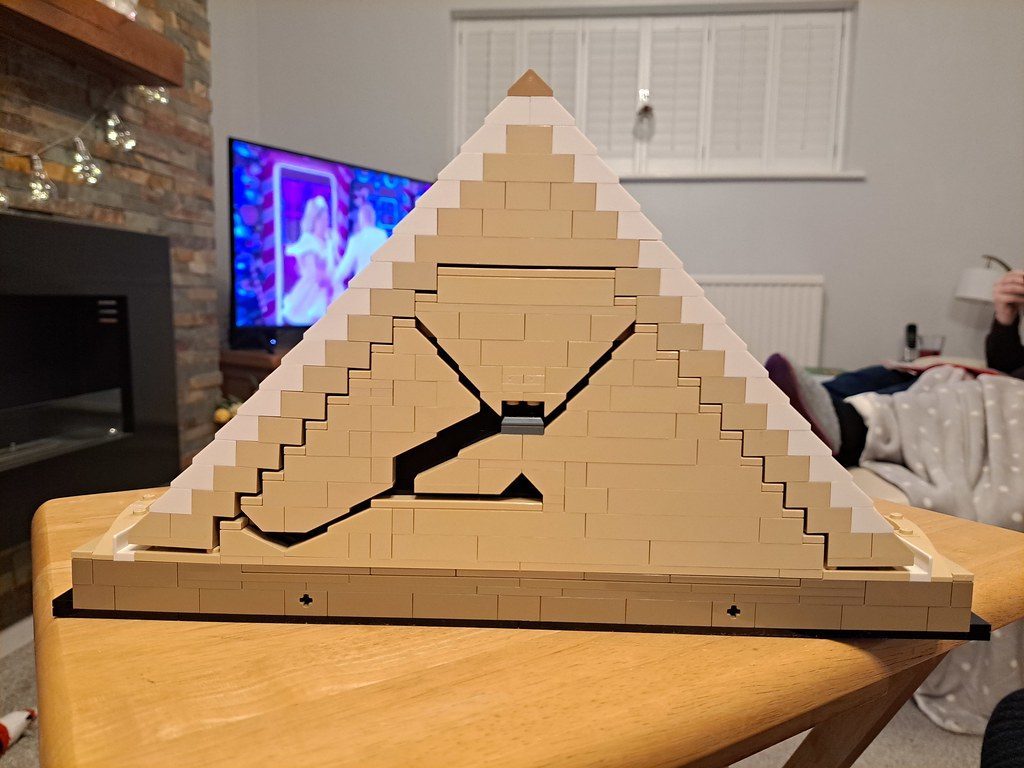
Hidden beneath the sands of Egypt’s Giza Plateau, three precisely engineered shafts have been rediscovered that may unlock access to a vast underground network. Located in the triangle formed by the Great Sphinx, Khufu’s Pyramid, and Khafre’s Pyramid, these mysterious vertical passages descend over 130 feet into the bedrock with walls so smooth they challenge conventional explanations.
These are not simple water wells or casual excavations; their construction demonstrates sophisticated engineering with squared walls lined with limestone and sandstone blocks. The discovery suggests that ancient Egyptian architects may have created a mirror world beneath the plateau, reflecting the cosmic order they observed in the heavens.
Scientists have discovered an L-shaped structure about 33 feet long, buried 6.5 feet deep, with scans showing another structure below it described as a highly resistive anomaly that could be empty or filled with materials such as sand and gravel.
They’ve Survived Everything History Could Throw at Them
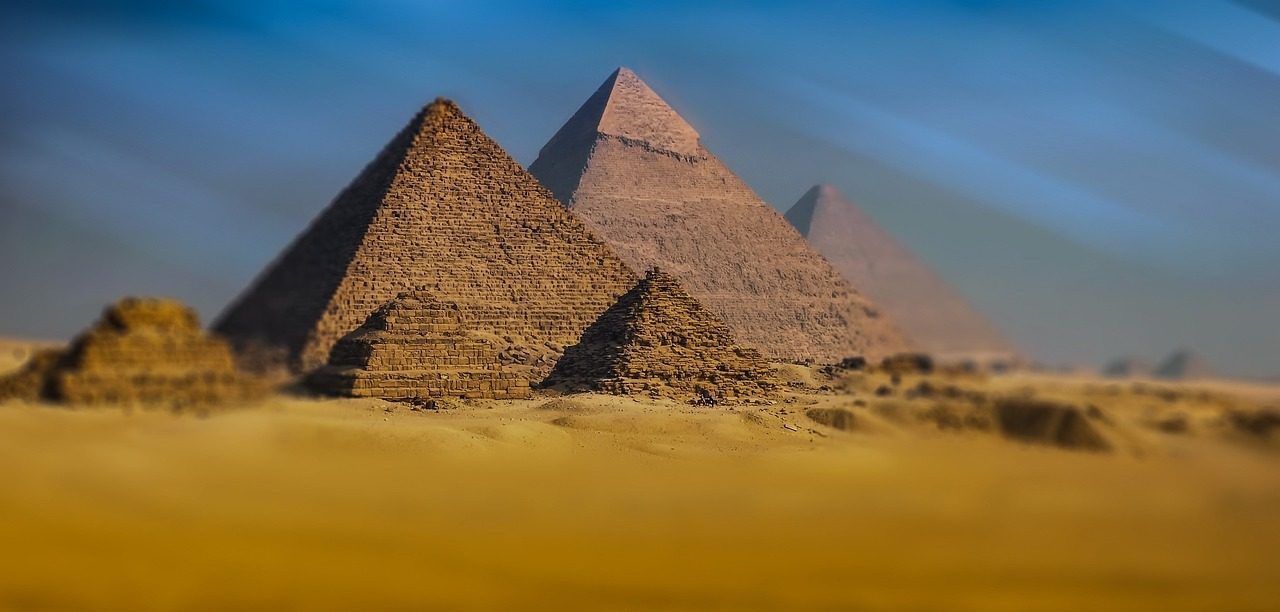
The Great Pyramid originally stood about 482 feet tall, but erosion and the removal of most of the polished limestone casing stones have lowered the pyramid’s height to 449 feet. Even diminished, it remains awe-inspiring.
It was the tallest man-made structure on earth for more than 3,800 years until the construction of the Lincoln Cathedral, England, in 1311 AD, and again by the Eiffel Tower completed in Paris, France, in 1889 AD. For nearly four millennia, nothing else came close.
The Tura limestone casing that once covered the entire pyramid was stripped away over centuries, mainly during the medieval period, to be repurposed for construction projects in Cairo. Despite these changes, the pyramid remains a remarkable testament to ancient Egyptian architecture, attracting millions of visitors every year. They’ve weathered time, earthquakes, wars, and human scavenging yet still stand proud.
Conclusion
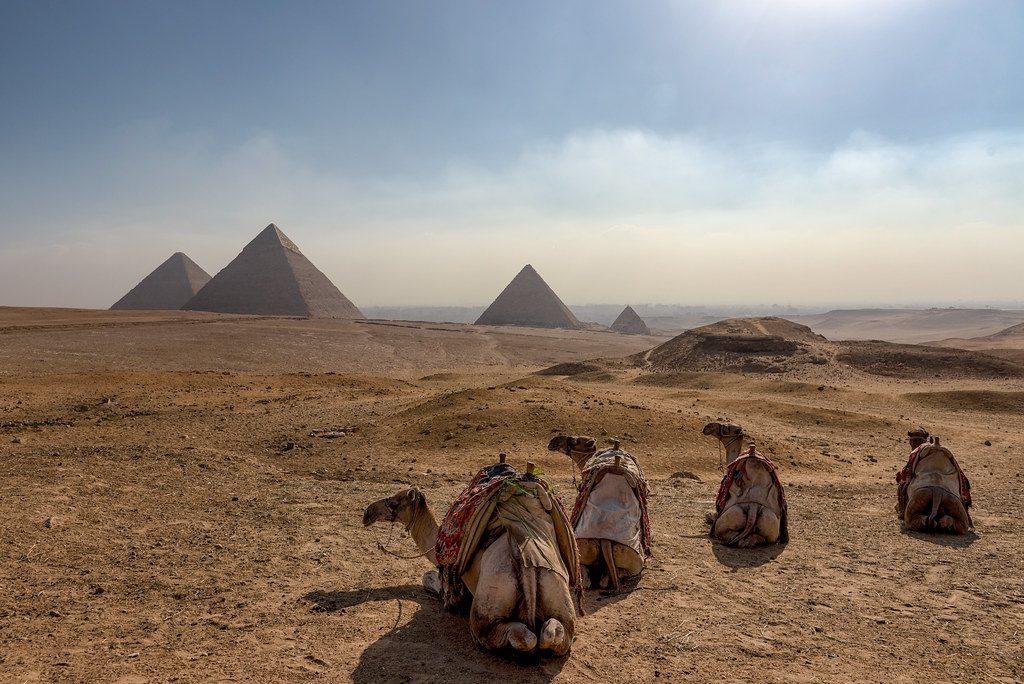
continue to challenge everything we think we know about ancient capabilities and human ambition. From the recent discovery of hidden chambers to the mind-boggling precision of their construction, these monuments keep revealing new secrets that force us to reconsider the sophistication of our ancestors.
Perhaps most remarkable of all is that these structures were built not just as tombs, but as gateways to eternity, designed to last forever. In that goal, at least, they’ve succeeded magnificently. Standing beneath their towering presence today, we’re still left with the same sense of wonder that has captivated humanity for over four thousand years.
What do you think about these incredible achievements? Tell us in the comments.

- Astrophysics Says the Silence Between Radio Signals Received From Deep Space May Not Be Absence – It May Be a Language Transmitted on a Timescale That Makes Human Communication Look Like a Single Blink - June 21, 2026
- Marine Biology Says Jellyfish Have Survived Five Mass Extinction Events Including the One That Killed the Dinosaurs – Without a Brain, Without a Heart, and Without Changing Significantly in 500 Million Years - June 21, 2026
- The Mathematical Framework That Suggests the Universe Is Part of Two and Why Some Physicists Believe It, and What They Are Searching For - June 21, 2026