
Have you ever watched a cardinal flash red against the morning light and wondered how to invite more of these magnificent creatures into your daily life? Creating a bird-friendly backyard isn’t just about scattering seeds and hoping for the best. It’s about understanding what our feathered friends truly need to thrive and feel secure in our spaces.
From the gentle splash of water in a well-placed birdbath to the rustle of native grasses swaying in the breeze, birds respond to environments that mirror their natural homes. The good news is that transforming your backyard into a bird sanctuary doesn’t require expensive equipment or complicated installations. With a few thoughtful changes, you can create a space that not only attracts diverse bird species but also supports their entire lifecycle from nesting to raising young.
So let’s dive into these proven methods that will turn your outdoor space into a vibrant hub of bird activity, bringing endless hours of joy and connection to the natural world right outside your window.
Plant Native Trees and Shrubs for Natural Food Sources
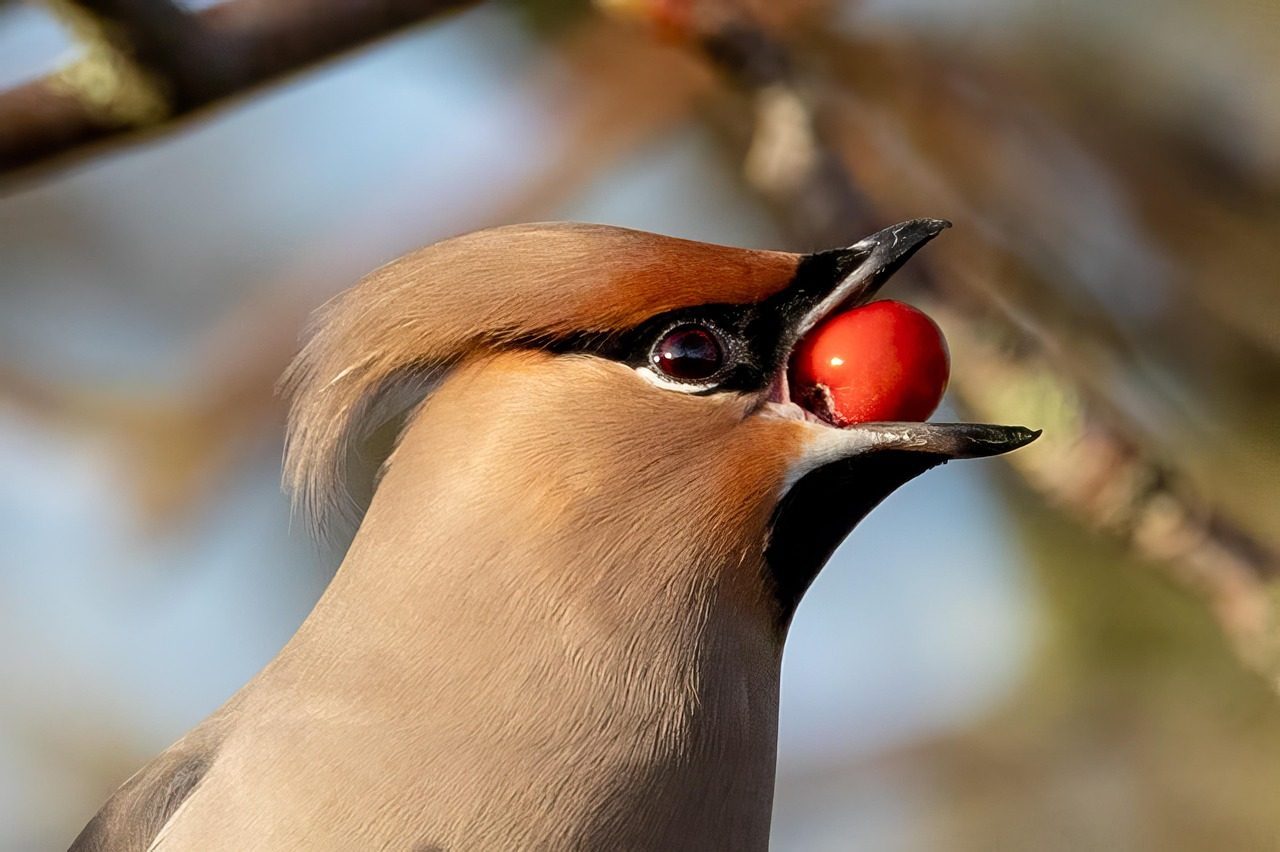
Native fruit-bearing shrubs are essential for attracting birds, providing both fruit and supporting the insect fauna they need. Native plants beat even the best bird feeder thanks to millions of years of evolution, creating relationships where large, colorful fruits feed birds while birds spread seeds far and wide.
Native trees and shrubs that produce berries like dogwoods, serviceberries, cherries, and blueberry provide nutritious fruit high in fats and lipids. These highly nutritious fruits are prized by cardinals, grosbeaks, and tanagers, with rose-breasted grosbeaks depending heavily on native berries during fall migration when a significant portion of their diet consists of fruit.
Native plants support a much higher diversity and number of invertebrates than non-native plants, especially caterpillars which are the preferred food for young songbirds. Growing native plants in your yard can be the best way to attract many species of birds and increase nesting success for chickadees and other species.
Native insects evolved to feed on native plants, and backyard birds raise their young on insects. A pair of chickadees must find 6,000 to 9,000 caterpillars to successfully fledge a single brood, so thriving insects mean thriving birds.
Create Water Features That Birds Cannot Resist
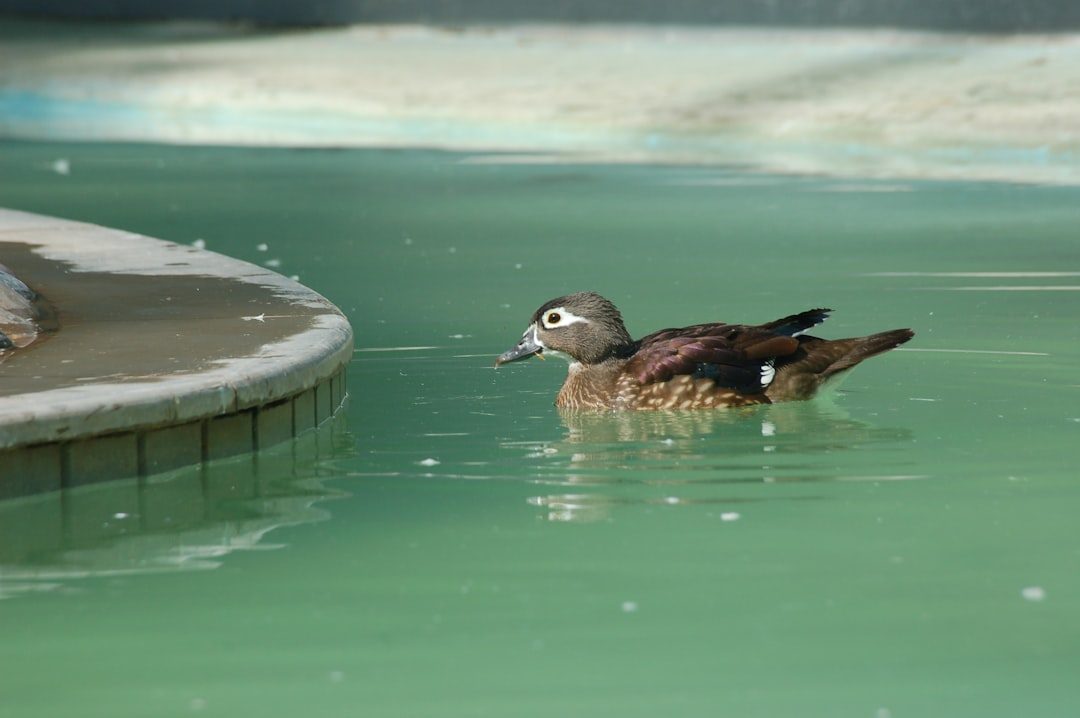
You can actually increase the number and variety of birds visiting your birdbath by using devices that move water. The combination of the sound and sight of moving water acts as a bird magnet for reasons that aren’t fully understood.
Water should be no deeper than 1 inch at the edges, sloping to a maximum of 2 inches deep in the middle of the bath. To make your birdbath even more attractive, provide some dripping water since many birds find the sight and sound of moving water irresistible.
Birds find water sources in nature the same way they will find your birdbath through the sight and sound of moving water. It doesn’t have to be a gushing torrent to get them to notice.
You can create this effect by simply punching a small hole in the bottom of a bucket or 2-liter bottle, filling it with water and hanging it above a birdbath. The size of the hole regulates how fast the water leaks out, creating ripples and a methodical dripping sound as it drips into the birdbath.
Provide Safe Shelter and Nesting Opportunities
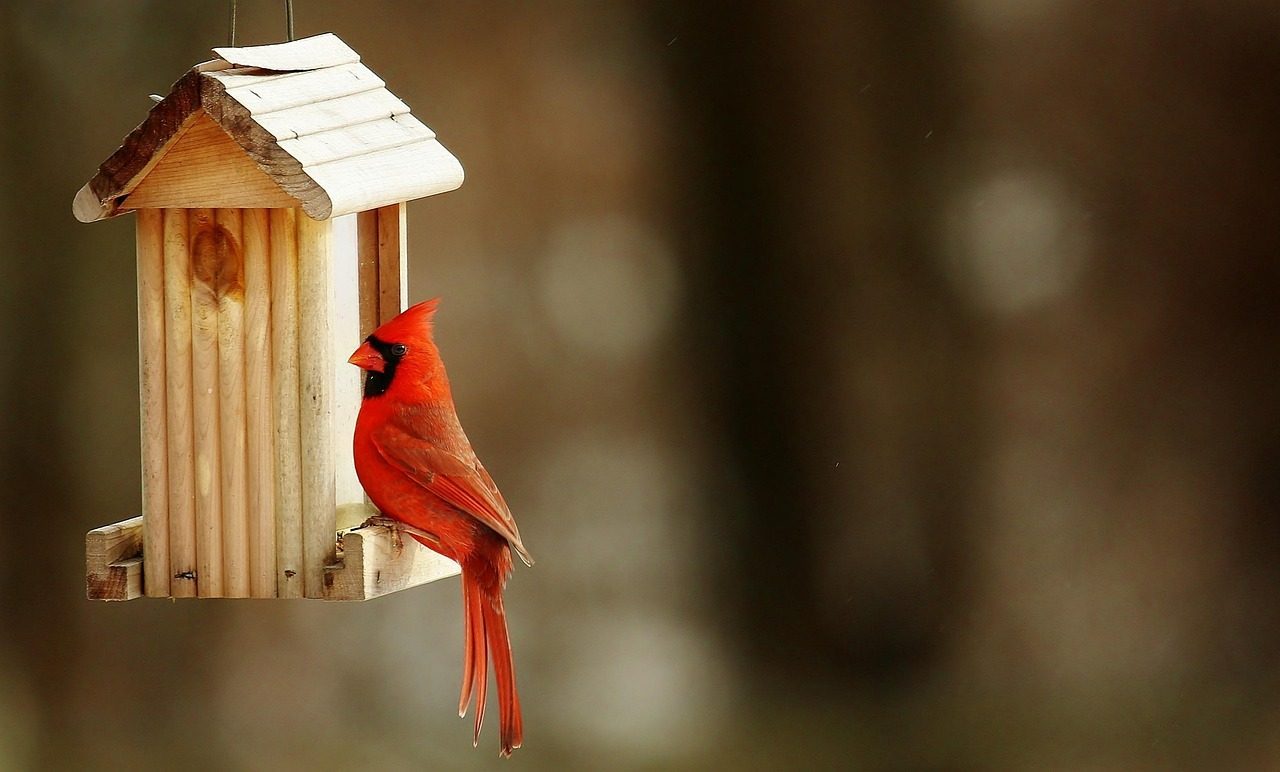
An increase in development and removal of damaged and dead trees has left many cavity-nesting birds with fewer natural places to raise their young. Invasive birds like European starling and house sparrow compete with native species for remaining cavities, so adding a nesting box benefits native bird species.
If you have no snags in your yard, you can help replace the loss of natural cavities by adding nest boxes. Nest boxes are a great way to attract wild birds to your yard, providing birds shelter and a place to raise their young.
Birds avoid bright, unnatural colors since they are too obvious to predators. Use natural, unpainted wood instead and stain the outside with a natural wood preservative like linseed oil, staying away from any birdhouse with a perch since birds don’t need them and they only make it easier for predators or unwanted birds to get in.
Birds need shelter from the elements, protection from predators, and safe places to build nests. Plant tall native trees like oak, hickory, or beech, or for faster results plant smaller trees like redbud, native dogwood, and birch, along with lots of native shrubs grouped together in a woodland setting since dense shrubbery offers nesting sites and protection from predators.
Design Your Space to Feel Safe and Welcoming
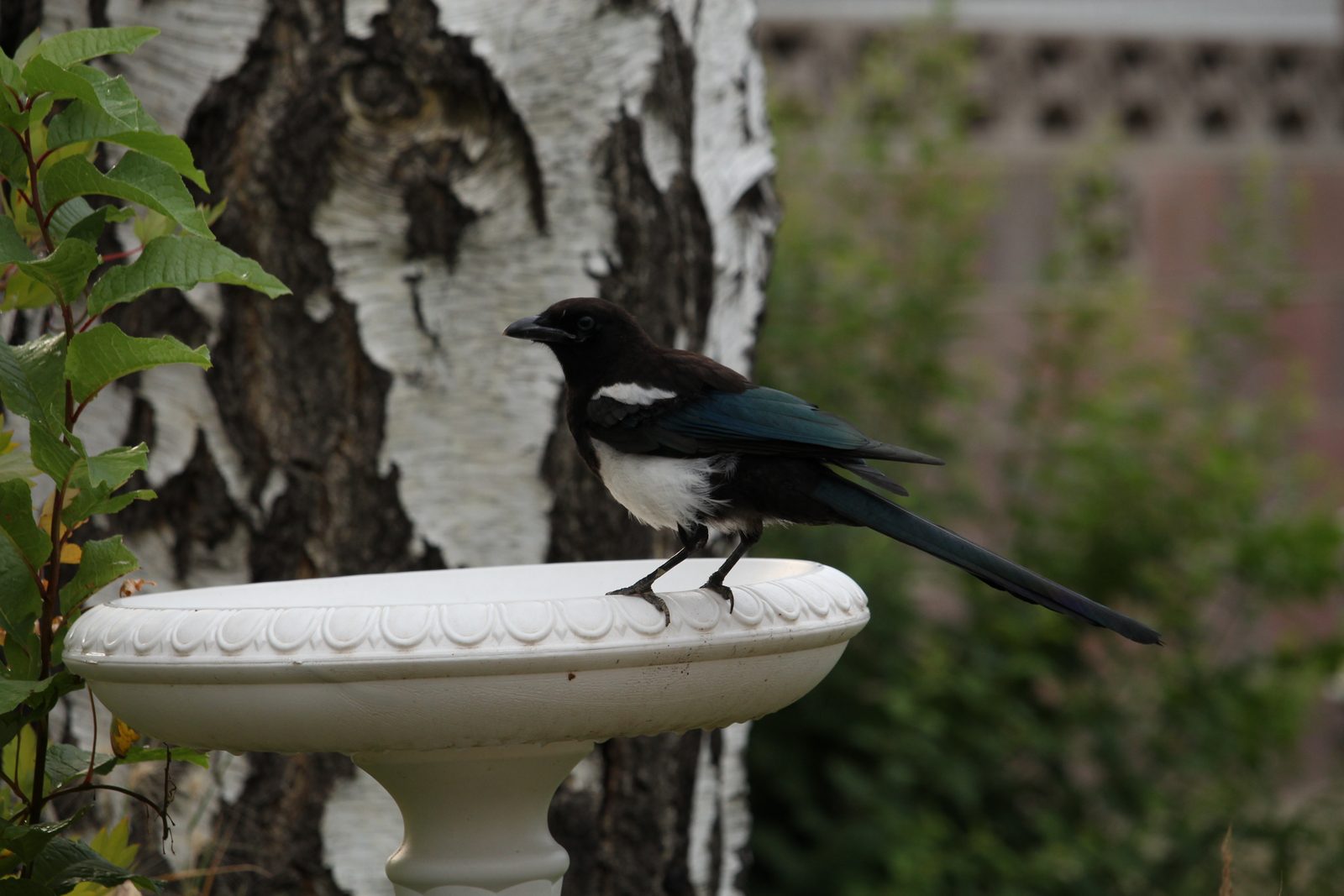
Much like humans look for convenient watering holes, birds are looking for easy and safe places to wet their beaks and bathe. If your birdbath is out in the open with no cover or brush nearby, it’s too risky for birds to use, so move your birdbath beside a bush or tree so birds have somewhere close by to fly to in case of emergency.
Just as you need the bath to be where you can see it, birds need protective cover nearby but not too close. This makes the bath more approachable for secretive woodland birds like thrushes, warblers, and tanagers, which use nearby perches as places to scan for danger and preen their feathers after bathing.
Birds like cover because it makes them feel protected and secure. If you place your bird bath near shrubs, trees, or other cover, there’s a greater chance they will use it, and keeping it out of direct sunlight prevents water from getting too hot while dramatically reducing evaporation rates.
Leave clusters of natural nesting material including dried leaves, grass clippings, small dead twigs, or pine needles throughout your yard for nesting birds.
Choose the Right Plants for Hummingbirds and Nectar Feeders
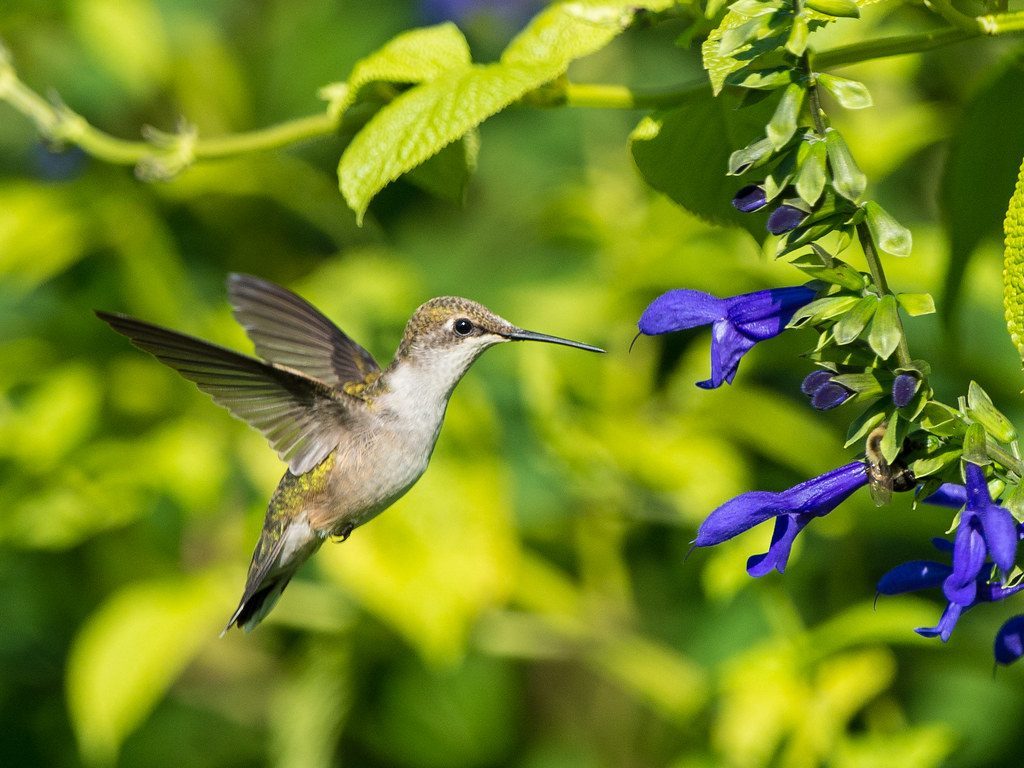
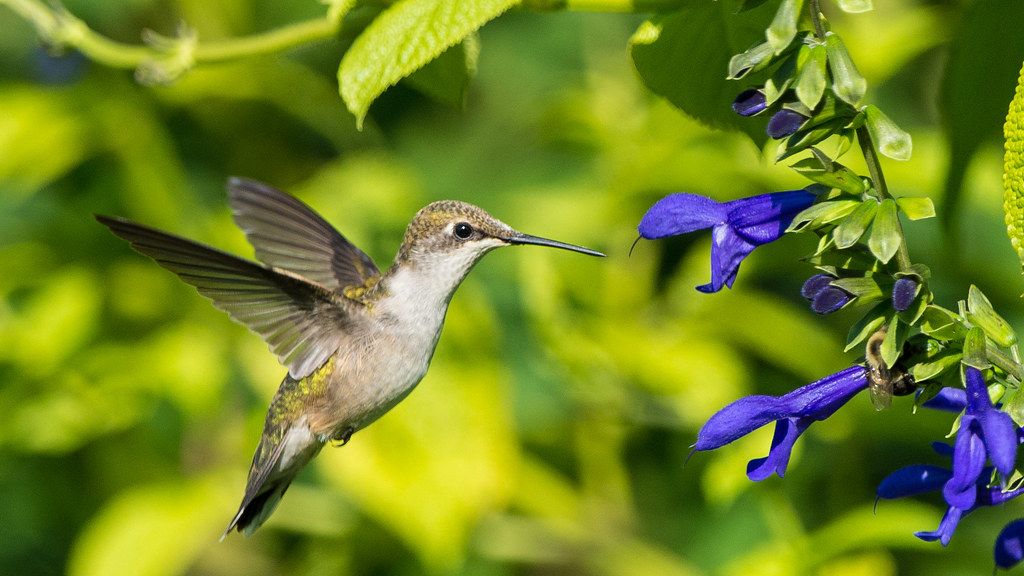
Native species of wild bergamot and red columbine have colorful, tubular flowers that will entice hummingbirds and butterflies. You might also include trumpet honeysuckle, cardinal flower, spotted impatiens, Canada lily, and native azaleas and rhododendrons.
To attract migrating hummingbirds, provide plants that offer nectar-rich blossoms in late April and early May, such as azalea, penstemon, native columbine, Virginia bluebell, eastern redbud and bleeding heart. To enjoy watching hummingbirds all summer, offer long-blooming, nectar-rich plants like native honeysuckle, trumpet vine, bee-balm, phlox, cardinal flower, impatiens, and fuchsia.
One of the top most well-behaved vines to plant in your garden, trumpet honeysuckle’s multitudes of red tubular flowers are magnets for hummingbirds. This vine’s nectar attracts hummingbirds while many birds like Purple Finches and Hermit Thrushes eat their fruit, and during migration Baltimore Orioles get to the nectar by eating the flowers.
Ruby-throated hummingbirds are particularly fond of misters since this tiny summer resident doesn’t often bathe or drink from birdbaths. However, once a mister is up and running, these miniature aerialists make a habit of flying through the fine spray.
Maintain Clean and Fresh Food Sources
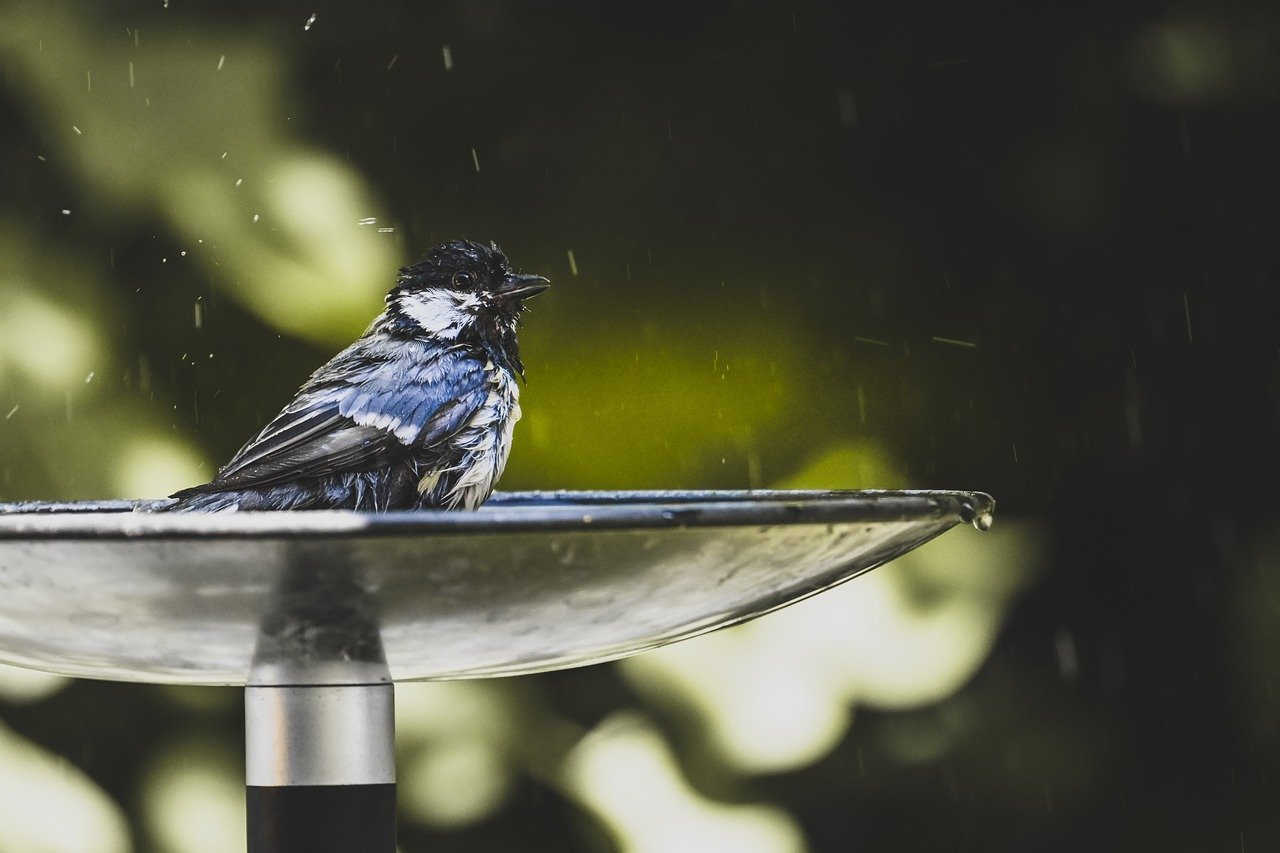
When the temperature is above freezing, it’s a good idea to keep your birdbath filled at all times to attract the widest numbers and variety of birds. To provide a safe drinking and bathing environment, it’s important to change the water every day or two.
Poop, leaves, feathers, sticks, insects, and other debris will accumulate in birdbath water. Truly filthy baths may require treatment with bleach-water, using a capful of bleach in a bucket of water, then rinsing well and refilling with clean water since birds always go nuts when the birdbath is freshly clean.
Minimize pesticide use because they kill baby bird food and aren’t great for birds either. Choose native plants since native trees and shrubs provide the diversity of native insects that baby birds need to survive.
Most times of the year, bird feeders aren’t necessary if birds have access to diverse woody perennial species. Native plants are particularly important for local birds since they provide seeds, nectar and fruits as direct food sources while attracting insects and arachnids that are vital components of avian diets, whereas non-native plants don’t usually attract the same numbers of insects upon which native birds depend.
Creating a bird-friendly backyard is one of the most rewarding ways to connect with nature while supporting local wildlife populations. Through these simple yet effective strategies, you’re not just attracting birds but creating a sustainable ecosystem that benefits countless species. The beauty lies in the fact that every small effort compounds over time, building relationships with birds that will return season after season.
Remember that patience is key in this journey. Some birds may discover your sanctuary immediately, while others might take months to feel comfortable in their new habitat. Each species has its own timeline and preferences, making every bird sighting a special reward for your conservation efforts.
What’s your experience been with attracting birds to your space? Have you tried any of these natural methods before? Tell us in the comments.

- Why Some Birds Abandon Their Nests Before Hurricanes - June 21, 2026
- 10 Animals That Can Survive the Coldest US Winters - June 21, 2026
- Geoscience Says Earth’s Magnetic North Pole Covered a Historic 1,400-Mile Sprint Across the Arctic – and Navigation Systems Must Be Continuously Recalibrated Just to Remain Accurate - June 21, 2026