


Evolution is often thought of as a slow process unfolding over millions of years, imperceptible to those of us with shorter lifespans. However, recent studies and observations have shown that some animal species are undergoing remarkable changes much more rapidly, right in front of our eyes. These evolutionary adaptations are responses to environmental pressures, human activities, and other factors. Join us as we explore ten fascinating examples of species that are evolving today.
Introduction to Evolutionary Change
Evolution is the process through which species change over time due to genetic variations and the pressures of natural selection. While it traditionally brings to mind the long, gradual shift of traits across millennia, modern research highlights case studies of much quicker evolutionary transformations. These instances occur in response to dramatic environmental changes, such as climate shifts, human urbanization, and biodiversity loss.
The Peppered Moth An Icon of Human-Induced Change

During the Industrial Revolution, the peppered moth in England famously changed from a predominately light-colored species to a darker variant. The rise in pollution blackened tree trunks, and the darker moths, once rare, had a survival advantage over lighter ones in these soot-stained environments. Recent reductions in pollution have sparked a reversal, with light-colored moths making a comeback.
Urban Evolution in House Sparrows

The house sparrow, common in cities worldwide, showcases rapid evolution in response to urban living. Compared to their rural counterparts, some urban populations have developed a range of traits like smaller body sizes, changes in beak shape, and even adaptations in their diet, reflecting the demands and resources of densely populated areas.
Adaptations of the Italian Wall Lizard

Perhaps among the most striking examples of rapid evolution is the Italian wall lizard. In the 1970s, a small group of these lizards was introduced to a different island, and within decades, they developed noticeably different jaw structures and digestive systems better suited for a diet richer in plants, an adaptation previously unseen in their species.
Climate Change Impacts on Polar Bears

The ongoing climate crisis has spotlighted polar bears as they adapt to shrinking sea ice habitats. Altered hunting strategies and leaner bodies are becoming more common. These bears increasingly spend time on land as ice declines, impacting their diet and behaviors, signaling a potential shift in evolution.
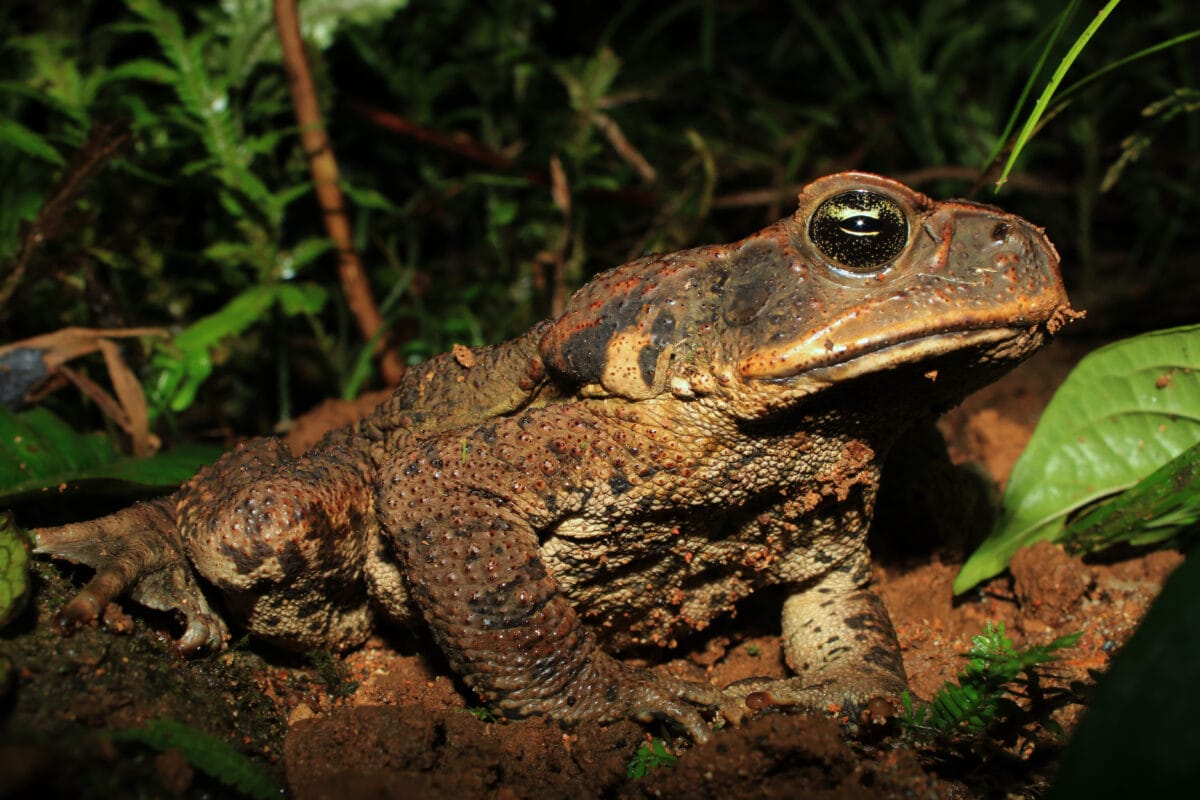
The Speedy Evolution of the Cane Toad
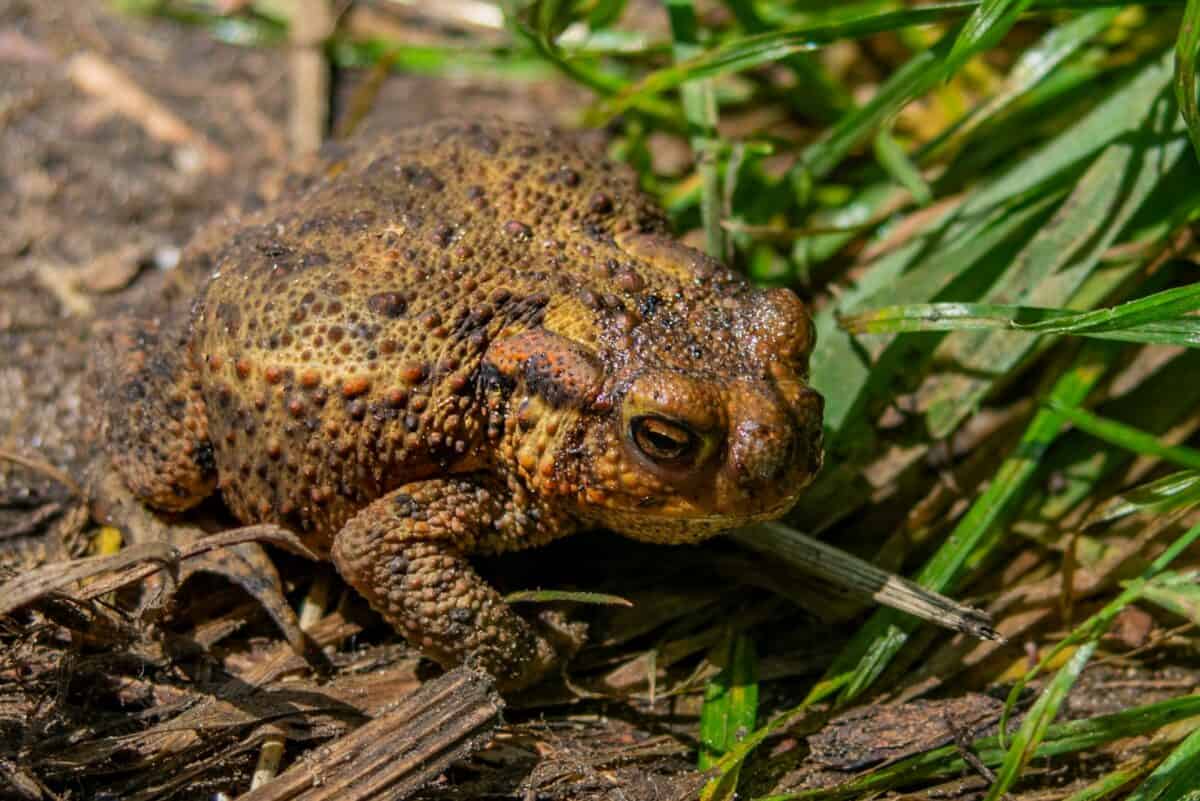
Introduced to Australia for agricultural pest control, cane toads have spread extensively across the continent. In response to the vastness of their new home, they’ve developed longer legs and increased movement speeds, allowing them to journey and colonize new areas faster.
Elephant Tusk Loss as an Anti-Poaching Strategy

Under significant pressure from poaching, particularly in Africa, some elephant populations are exhibiting tusklessness at higher rates. In regions where hunting is prevalent, elephants without tusks have a survival advantage, leading to a visible trend towards tusklessness in these areas.
The Resilient Timema Stick Insect

Timema stick insects, native to North America, demonstrate rapid evolution as they adjust their camouflage to better match local flora. With the ability to evolve color adaptations to avoid predators, these insects provide an excellent case of evolution responding promptly to environmental challenges.
The Emergence of Drug-Resistant Bedbugs
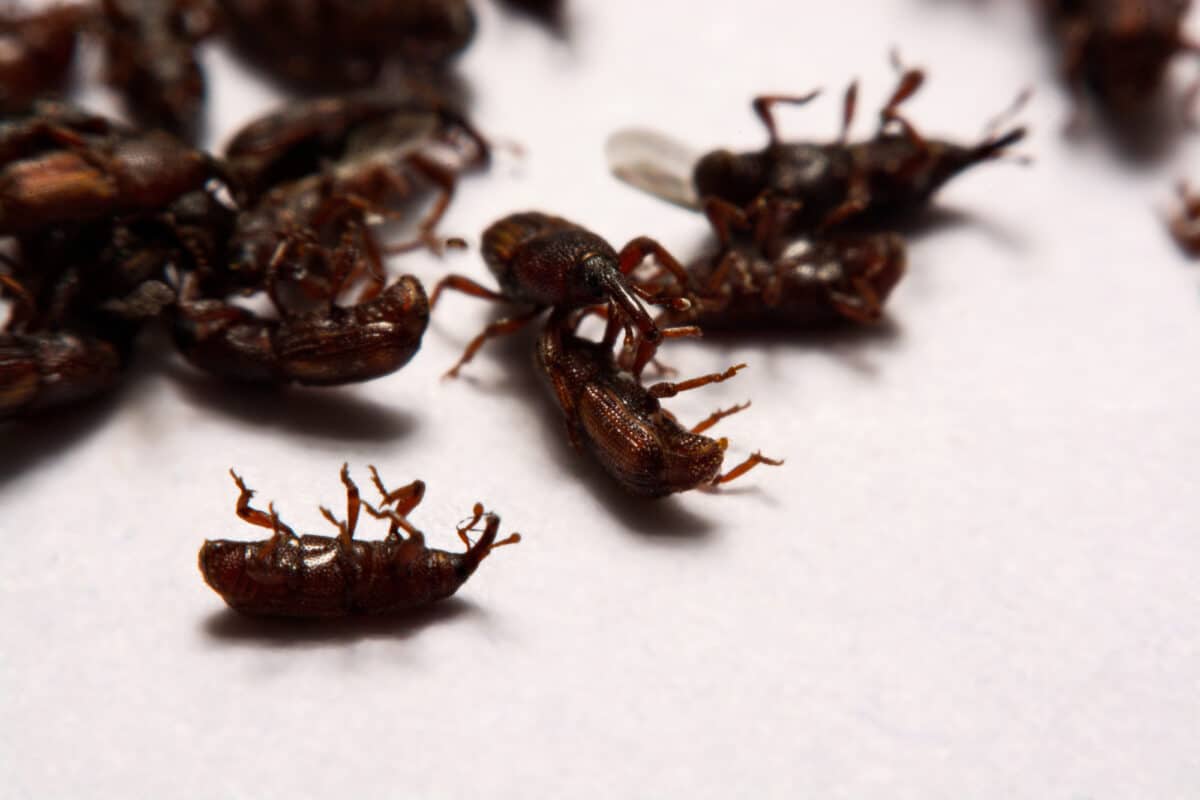
Bedbugs have become notorious worldwide for their resistance to commonly used insecticides. Over the past decades, these pests have quickly evolved high resistance levels, which continually challenge eradication efforts and highlight rapid evolutionary changes under human pressure.
Mountain Pygmy Possums and Habitat Adaptation

Found only in the Australian Alps, the mountain pygmy possum faces threats from climate change and habitat loss. Despite this, they have shown adaptive behaviors, such as longer hibernation periods and shifting habitat ranges, indicating a resilience that may lead to evolutionary advancements.
Three-Spined Sticklebacks A Model of Evolutionary Study

The three-spined stickleback fish have long been a model species for evolutionary biology. Research into their rapid adaptive changes, such as armor plate reduction and spine morphology, offers insight into how species can quickly evolve in response to environmental shifts and new ecosystems.
Conclusion: The Continual Dance of Evolution

The examples above highlight the dynamic, ever-present nature of evolution. As environmental pressures shift, often exacerbated by human influence, species continue to adapt and survive in innovative ways. These instances remind us that evolution is not just an ancient history of life but an ongoing process that demonstrates life’s incredible adaptability and resilience. By appreciating and observing these rapid evolutionary changes, we gain valuable insights into how life on Earth continually transforms, reiterating the need for understanding and preserving biodiversity in our ever-changing world.

As a little kid, I fell in love with nature, wildlife, and animals. Living in the USA, South Africa, Italy, China and Germany gave me the opportunity to discover the world's Wildlife. My favorite animals are Mountain Gorillas, Siberian Tigers, and Great White Sharks.
I'm a certified PADI Open Water Diver, went to Everest Base Camp and Trekked Gorillas in Uganda. I hold a Master of Science in Economics and Finance.
Please send any feedback to feedback@animalsaroundtheglobe.com
- Why the Great Barrier Reef Is the Best Place to Spot Sea Turtles - June 3, 2026
- 2 Animals With Super Sized Body Parts and What They are For - June 3, 2026
- Explore The Azores - June 3, 2026