

As winter’s grip loosens across the United States, nature begins its magnificent transformation. The arrival of spring isn’t just marked by blooming flowers and warmer temperatures—it’s also heralded by the return and increased activity of various animal species. These biological indicators often provide the most reliable signs that the seasonal shift is truly underway. From the skies to the soil, America’s wildlife responds to lengthening days and rising temperatures with migration, reproduction, and renewed vigor. Let’s explore ten remarkable animals whose appearance or behavior signals that spring has officially arrived in America.
10. American Robin (Turdus migratorius)
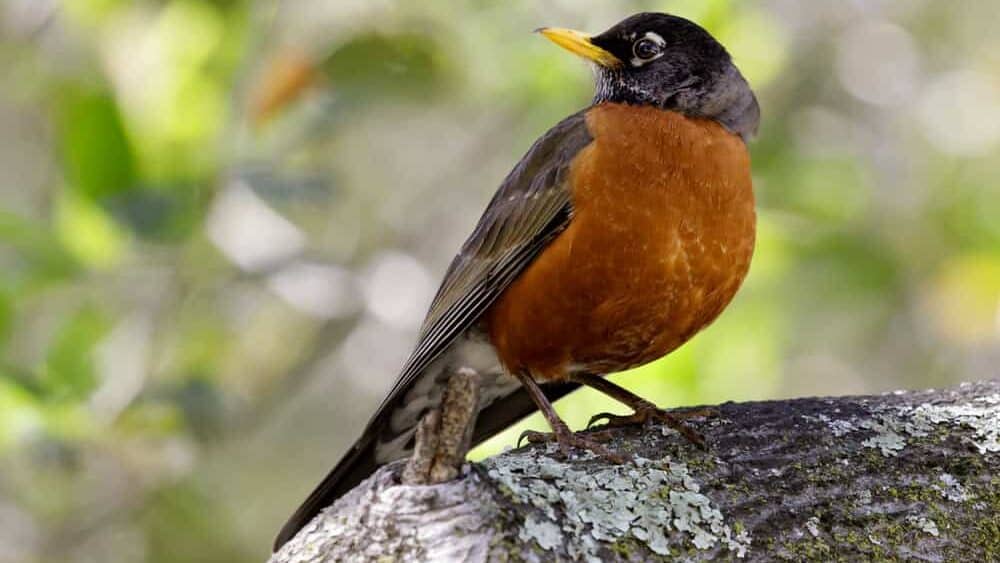
Perhaps no creature is more emblematic of spring’s arrival in North America than the American robin. While some robins actually remain year-round in many regions, their visibility dramatically increases in spring as they move from sheltered woodland areas to more open lawns and gardens. Their cheerful morning song becomes more prominent, and their nest-building activities become conspicuous as males establish territories. The robin’s familiar behavior of hopping across lawns, head cocked to one side, listening for earthworms that have moved closer to the soil surface with warming temperatures, is a quintessential spring sight across the continent. Many Americans consider the first robin sighting of the season to be the definitive indication that winter has relinquished its hold.
9. Red-Winged Blackbird (Agelaius phoeniceus)
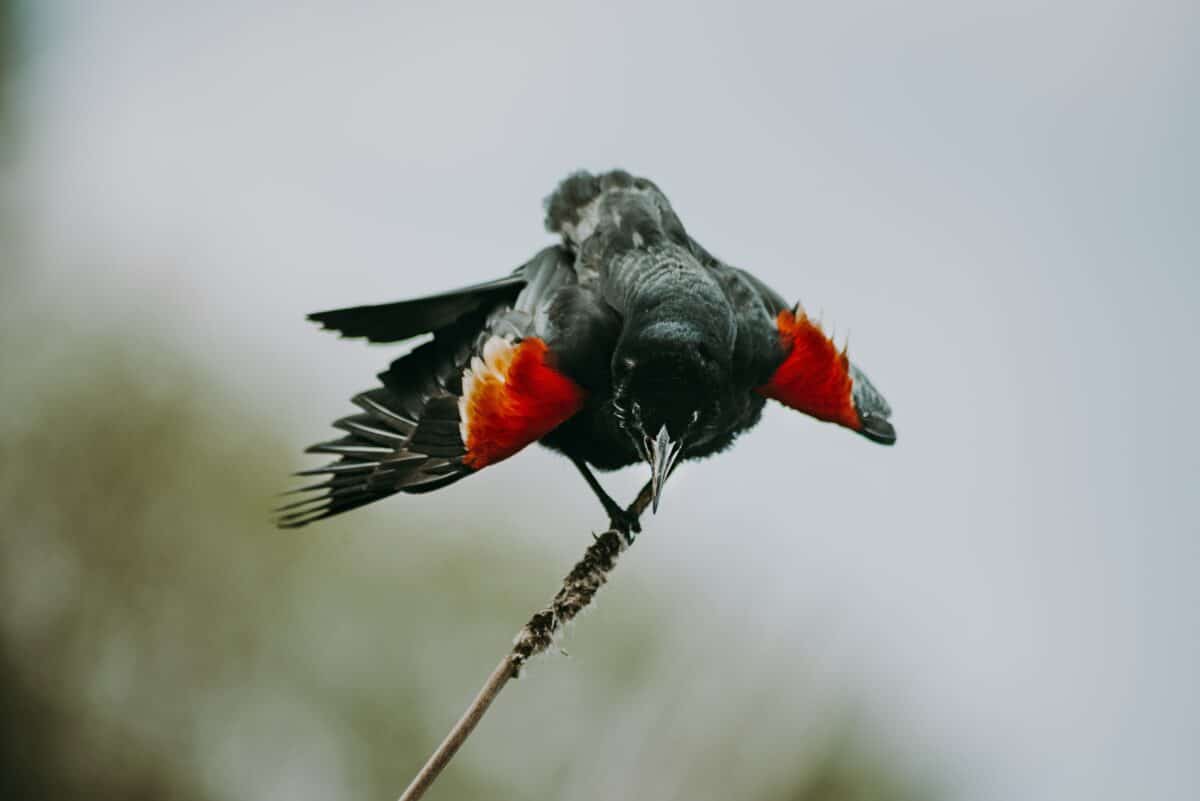
The distinctive “conk-la-ree” call of the male red-winged blackbird resonating across wetlands and marshes is one of spring’s most recognizable sounds. While some populations remain year-round in southern regions, northern areas witness their return in great numbers during early spring. Males arrive first, establishing territories with their conspicuous displays—perching on cattails or reeds, fluffing their feathers, and flashing their vibrant red and yellow shoulder patches while vocalizing loudly. This territorial display intensifies as females arrive a few weeks later. Birdwatchers and nature enthusiasts across America know that when red-winged blackbirds begin their territorial calls in earnest, spring’s progression is well underway, particularly in the Midwest and Northeast regions.
8. Eastern Chipmunk (Tamias striatus)
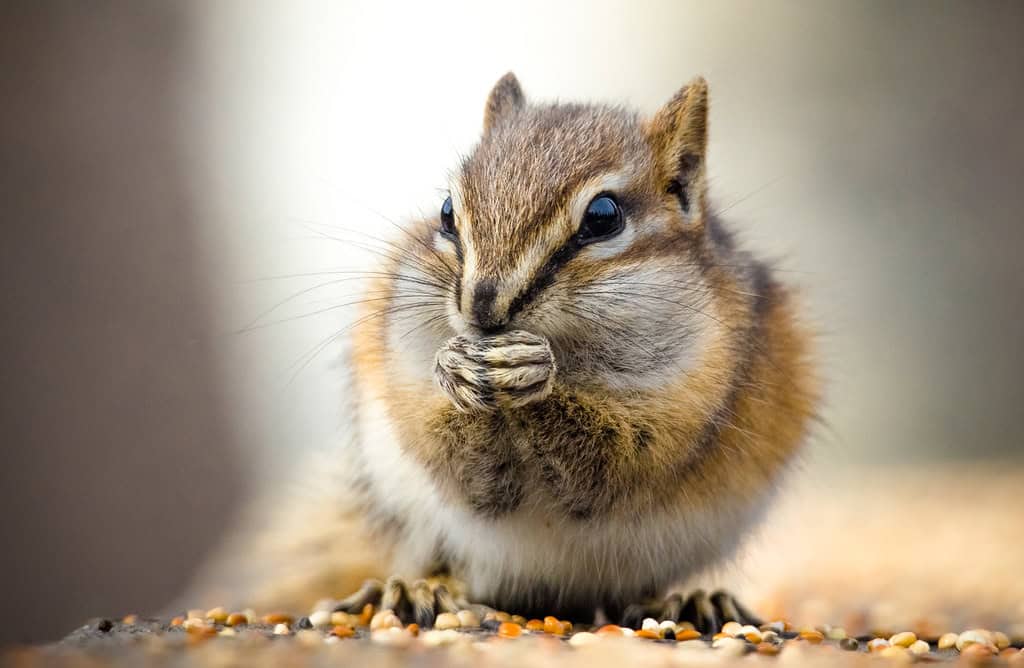
After spending much of the winter in a state of torpor underground, eastern chipmunks emerge in early spring, signaling the changing season with their energetic presence. Unlike true hibernators, chipmunks wake periodically during winter to feed on stored food caches, but their full-scale emergence and increased activity coincide with spring’s arrival. Their distinctive chip-chip-chip calls and scurrying movements become common sights and sounds in eastern woodlands and suburban yards. Spring is also mating season for these small striped rodents, increasing their visibility as they chase potential mates. Their reappearance is particularly notable in the northeastern United States, where their energetic foraging and territory defense marks a definitive end to winter’s quiet.
7. Spring Peeper (Pseudacris crucifer)
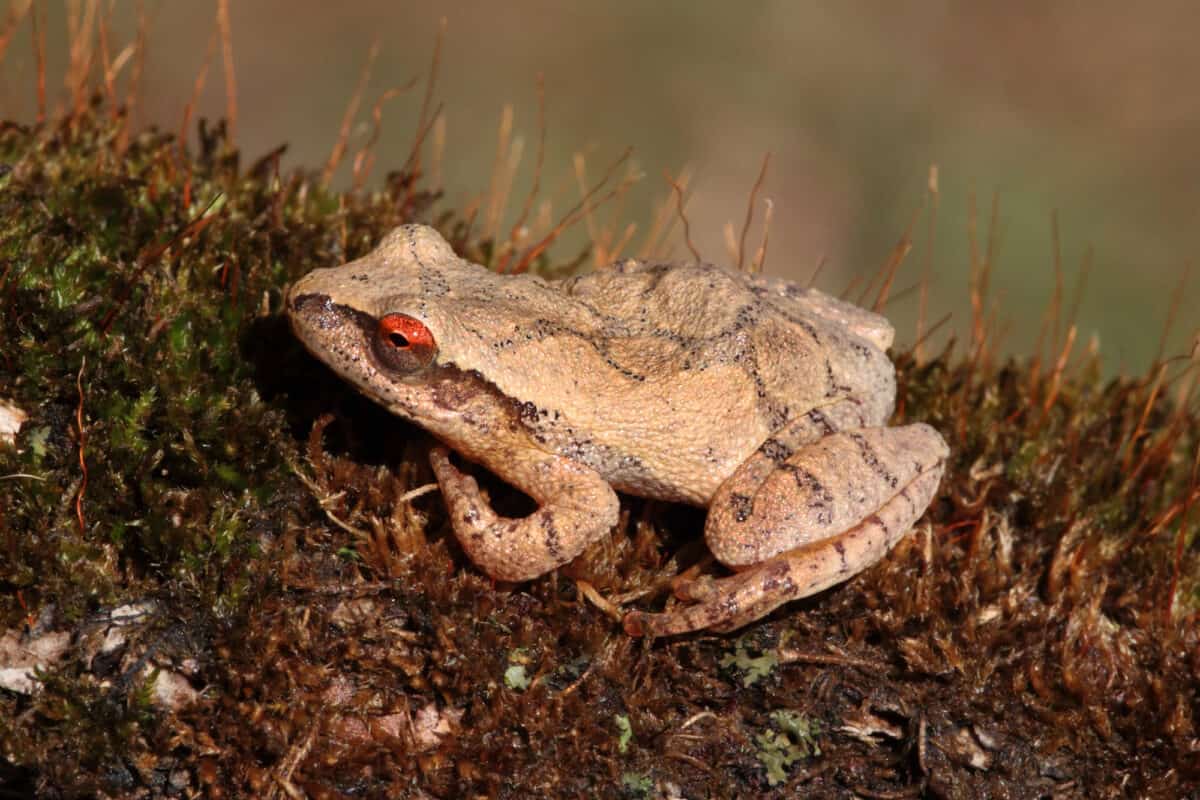
Few sounds announce spring’s arrival more emphatically than the high-pitched chorus of spring peepers. These tiny frogs, measuring only about an inch long, produce calls that can be heard up to half a mile away. Emerging from hibernation when temperatures consistently remain above freezing, male peepers gather in wetlands, vernal pools, and woodland ponds to form breeding choruses. Their namesake “peep” calls create a high-pitched symphony that dominates the evening soundscape across eastern North America from March through May. The intensity of their choruses increases with rising temperatures and longer daylight hours. For many Americans, particularly in the eastern states, the first evening chorus of spring peepers is the definitive auditory signal that spring has truly begun, regardless of what the calendar might indicate.
6. Monarch Butterfly (Danaus plexippus)

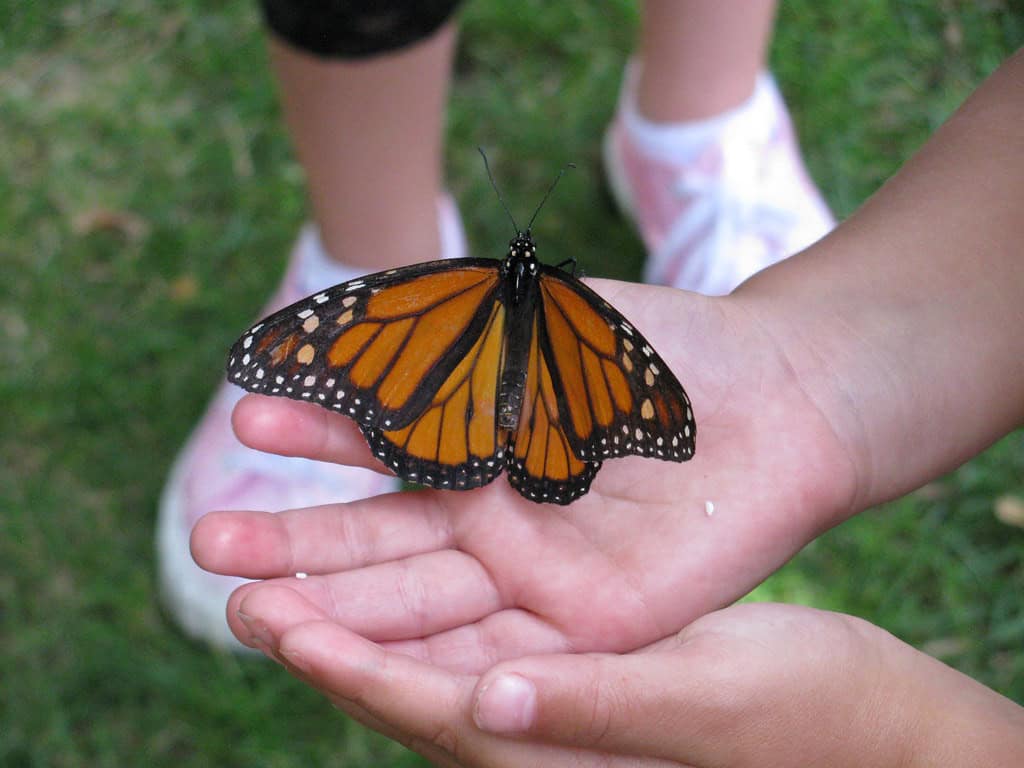
The return of monarch butterflies from their Mexican wintering grounds is one of spring’s most remarkable migration phenomena. After overwintering in the oyamel fir forests of central Mexico, these iconic orange and black butterflies begin their northward journey in March. The first generation lays eggs on emerging milkweed plants in the southern United States before dying. Subsequent generations continue the northward expansion, eventually reaching the northern United States and southern Canada by late spring. While most Americans won’t witness the earliest returning monarchs (which reach Texas and other Gulf states in March), the gradual northward appearance of these butterflies through April and May provides a visual timeline of spring’s progression across the country. Their presence signals not just spring’s arrival but the critical reemergence of native milkweed plants necessary for their reproduction.
5. Eastern Bluebird (Sialia sialis)
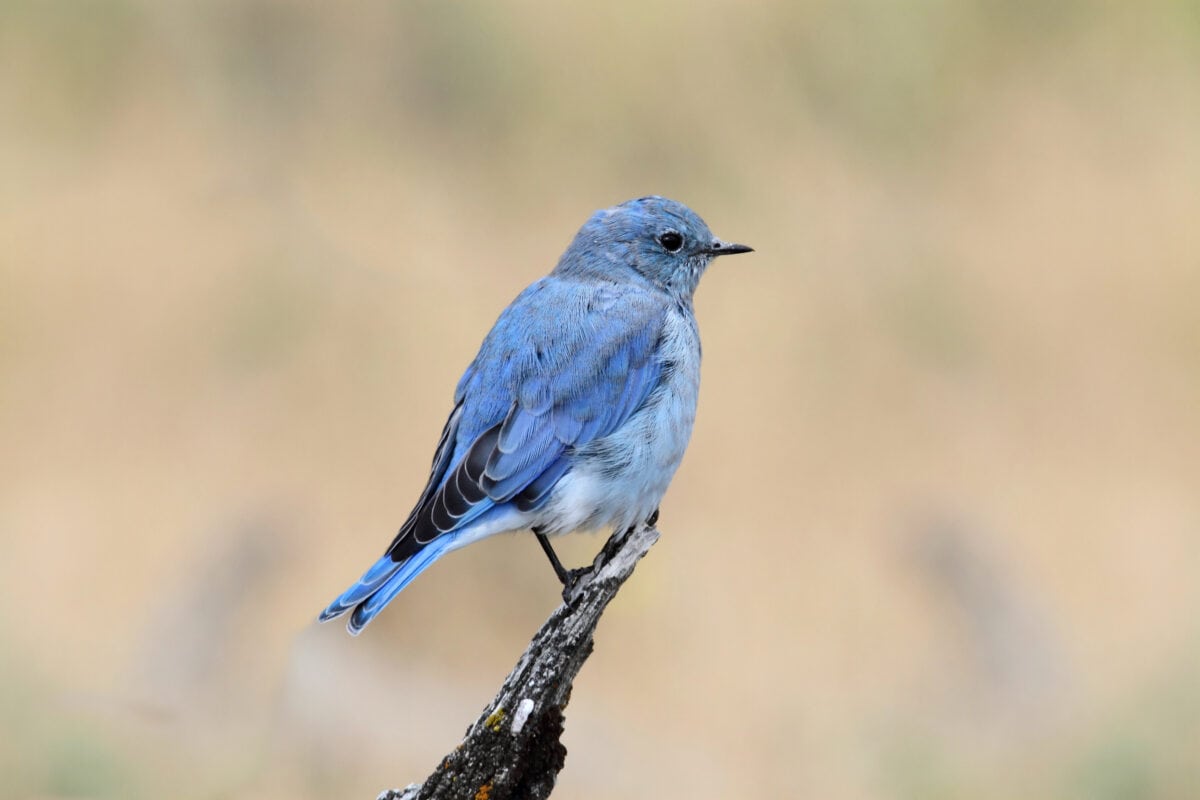
With its brilliant blue plumage and rusty breast, the eastern bluebird brings a splash of color to spring landscapes across eastern North America. While some bluebirds remain year-round in parts of their range, many migrate short distances, returning to northern breeding territories as soon as temperatures moderate. By early spring, male bluebirds begin establishing territories, singing their warbling songs from prominent perches and investigating potential nesting cavities. Their nest-building activities often begin remarkably early, sometimes when snow still patches the ground. Dedicated “bluebird trails” maintained by conservation-minded citizens come alive with activity as these beloved birds return. Their early nesting behavior has made them vulnerable to late spring freezes, but their persistence and beauty have earned them special status among bird enthusiasts as harbingers of spring’s renewed promise.
4. Woodchuck/Groundhog (Marmota monax)
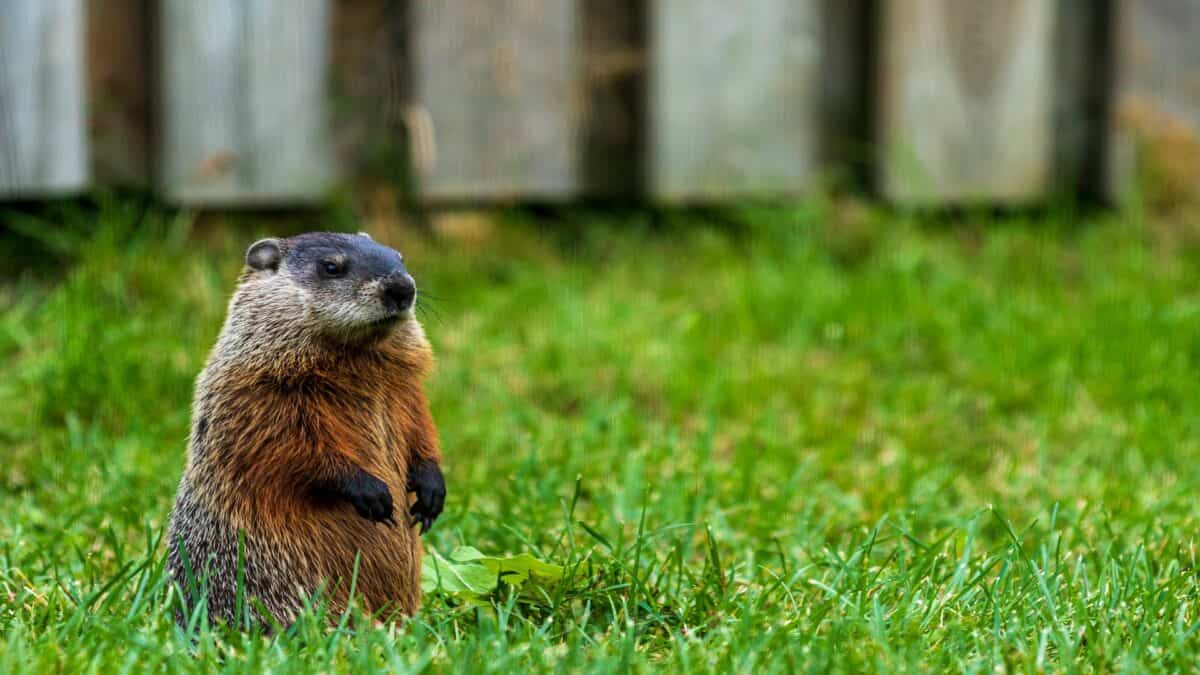
While Groundhog Day on February 2nd may be the most famous cultural connection between these rotund rodents and seasonal change, the actual emergence of woodchucks from hibernation typically occurs in March across much of their range. After spending winter in a deep hibernation state—with body temperatures dropping to near freezing and heart rates slowing to just a few beats per minute—woodchucks begin emerging as soil temperatures warm. Their appearance above ground coincides with the earliest growth of the grasses and clovers they feed upon. Often thin from their winter fast, they spend spring aggressively feeding and establishing territories. Their emergence represents a true biological response to seasonal change rather than the folklore prediction associated with Groundhog Day. Throughout the eastern and midwestern United States, seeing woodchucks actively feeding in fields and along roadsides is a reliable indicator that spring’s warming trend has firmly established itself.
3. Ruby-throated Hummingbird (Archilochus colubris)

The return of ruby-throated hummingbirds from their Central American wintering grounds represents one of spring’s most anticipated events for many bird enthusiasts. These tiny avian marvels—weighing less than a penny—make an astonishing journey each spring, including a non-stop flight across the Gulf of Mexico for many individuals. The earliest arrivals typically reach the Gulf Coast in late February or early March, with their range expansion moving northward at roughly 20 miles per day, following the bloom of nectar-producing flowers. Dedicated “hummingbird tracking” websites allow Americans to report first sightings, creating a virtual map of spring’s progression. The arrival of the first male ruby-throats, with their iridescent emerald backs and ruby throats, prompts many to hang feeders and plant hummingbird-friendly flowers. Their return to the northern states in May often coincides with the final frost-free date, making them remarkably accurate biological indicators of spring’s secure establishment.
2. Spring Azure Butterfly (Celastrina ladon)
One of the earliest butterflies to appear each year, the spring azure’s delicate sky-blue wings fluttering among spring’s first wildflowers signal the changing season across much of North America. These small butterflies emerge from chrysalides where they overwintered, typically appearing when early spring flowers like spring beauty and bloodroot begin blooming. Unlike monarch butterflies, spring azures don’t migrate but complete their entire life cycle locally. Their emergence is closely synchronized with the blooming of their host plants, including flowering dogwood, viburnum, and various woodland shrubs. Their appearance in woodlands and forest edges, sometimes when patches of snow still remain, marks one of the earliest insect activities of the season. Throughout the eastern United States, their gentle flight among spring ephemeral wildflowers creates one of the season’s most enchanting natural scenes and confirms that winter’s grip has truly loosened.
1. Spotted Salamander (Ambystoma maculatum)
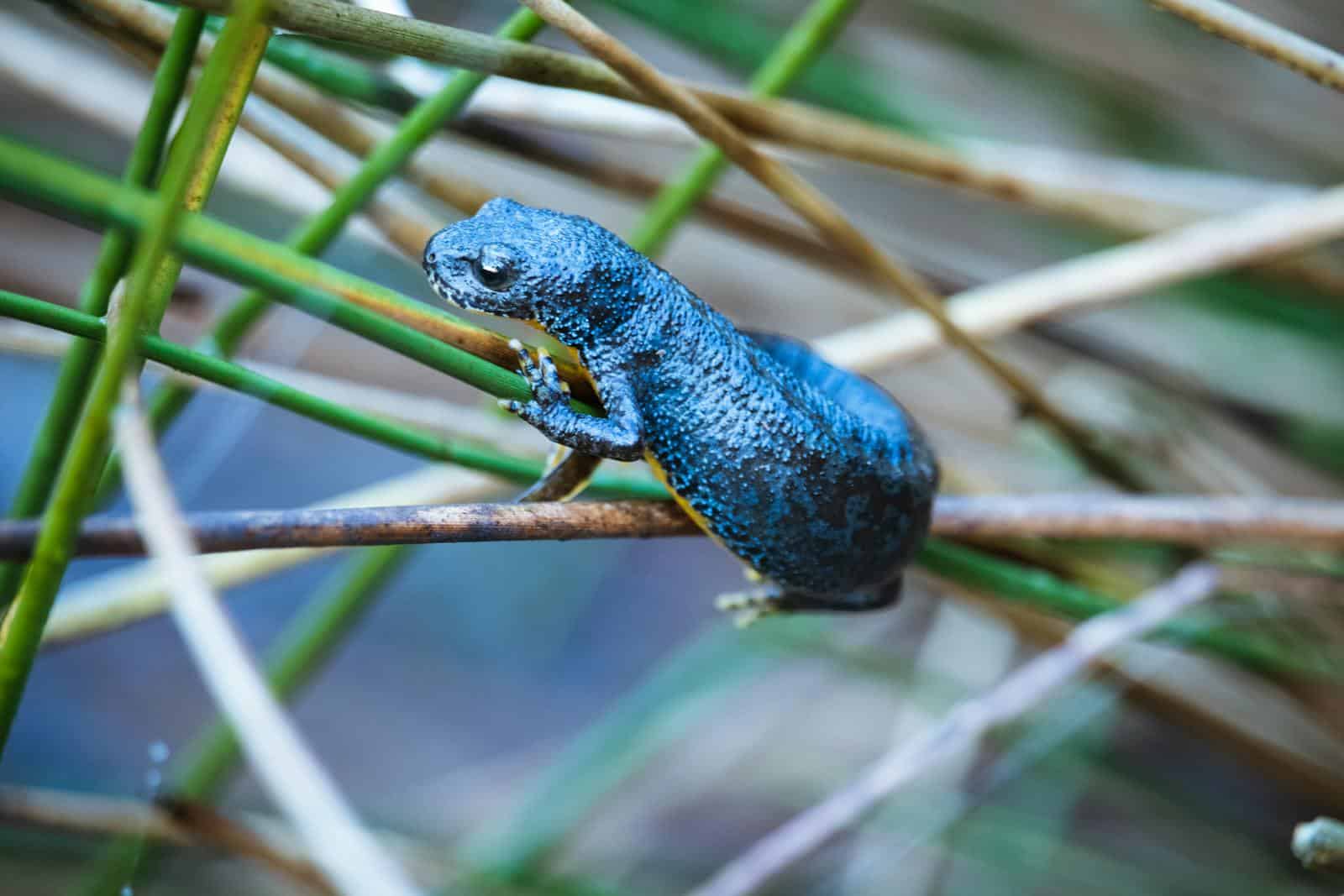
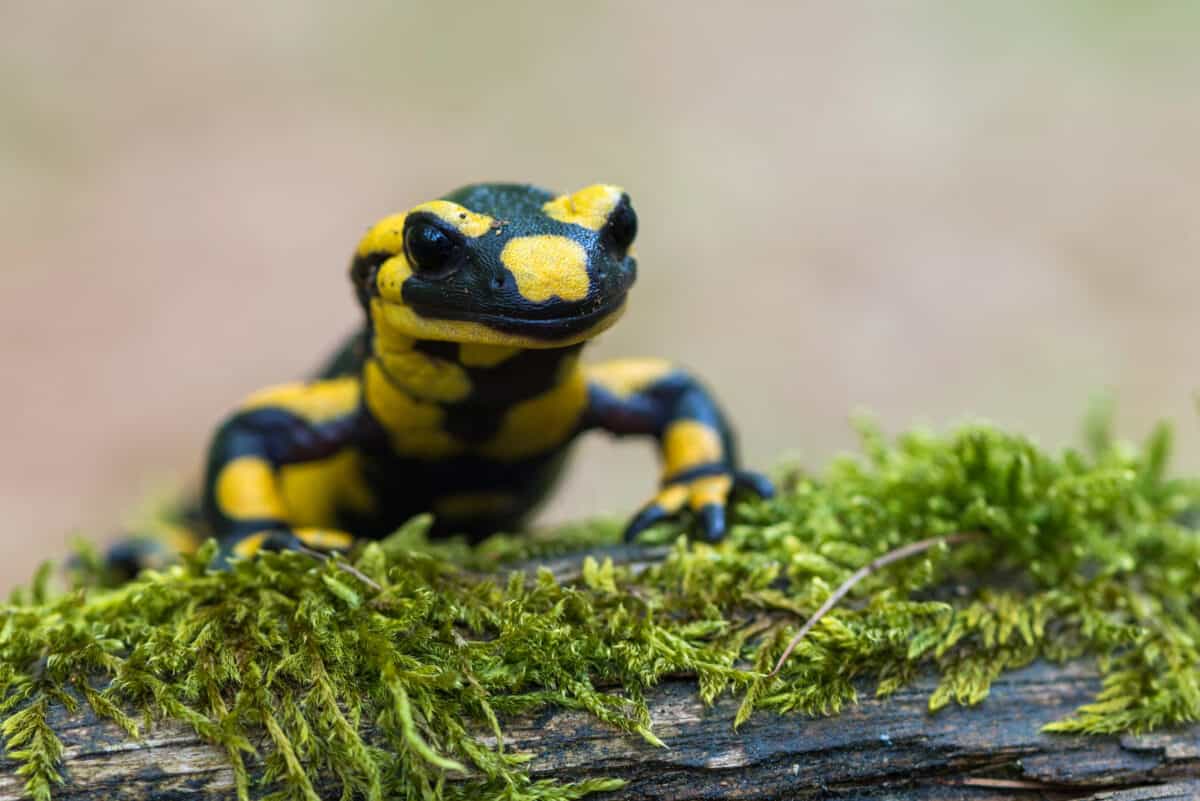
Perhaps the most mysterious spring arrival occurs under cover of darkness during the first warm spring rains. Spotted salamanders, secretive forest-dwelling amphibians with distinctive yellow spots, emerge from underground burrows for their annual breeding migration to vernal pools. This phenomenon, often called “Big Night” by naturalists, typically occurs on the first rainy night when temperatures exceed 45-50°F (7-10°C). These nocturnal migrations can involve thousands of salamanders moving simultaneously to ancestral breeding ponds, often crossing roads and putting them at risk from vehicles. Conservation groups across the northeastern and midwestern United States often organize volunteer efforts to help salamanders safely cross roads during these critical spring migrations. While many Americans may never witness this remarkable event, it represents one of the most ancient and reliable biological responses to spring’s arrival, having occurred in essentially the same manner since long before human settlement of North America.
Conclusion: Spring’s Living Barometers Nature’s Calendar in Motion

These ten animal species represent just a fraction of the complex biological responses that mark spring’s progression across America. From the northward wave of bird migrations to the emergence of insects and the breeding activities of amphibians, these natural phenomena often provide more accurate indicators of seasonal change than calendar dates. Climate change has begun altering some of these traditional patterns, with many species now appearing earlier than in previous decades—a shift that scientists carefully monitor for insights into broader ecological impacts. For attentive observers, these animal appearances create a natural calendar that connects us to seasonal rhythms that have evolved over thousands of years. By noticing and appreciating these remarkable spring arrivals, Americans can develop a deeper connection to the natural world that surrounds them and the ancient biological patterns that continue despite our increasingly urbanized existence.

As a little kid, I fell in love with nature, wildlife, and animals. Living in the USA, South Africa, Italy, China and Germany gave me the opportunity to discover the world's Wildlife. My favorite animals are Mountain Gorillas, Siberian Tigers, and Great White Sharks.
I'm a certified PADI Open Water Diver, went to Everest Base Camp and Trekked Gorillas in Uganda. I hold a Master of Science in Economics and Finance.
Please send any feedback to feedback@animalsaroundtheglobe.com
- Why the Great Barrier Reef Is the Best Place to Spot Sea Turtles - June 3, 2026
- 2 Animals With Super Sized Body Parts and What They are For - June 3, 2026
- Explore The Azores - June 3, 2026