

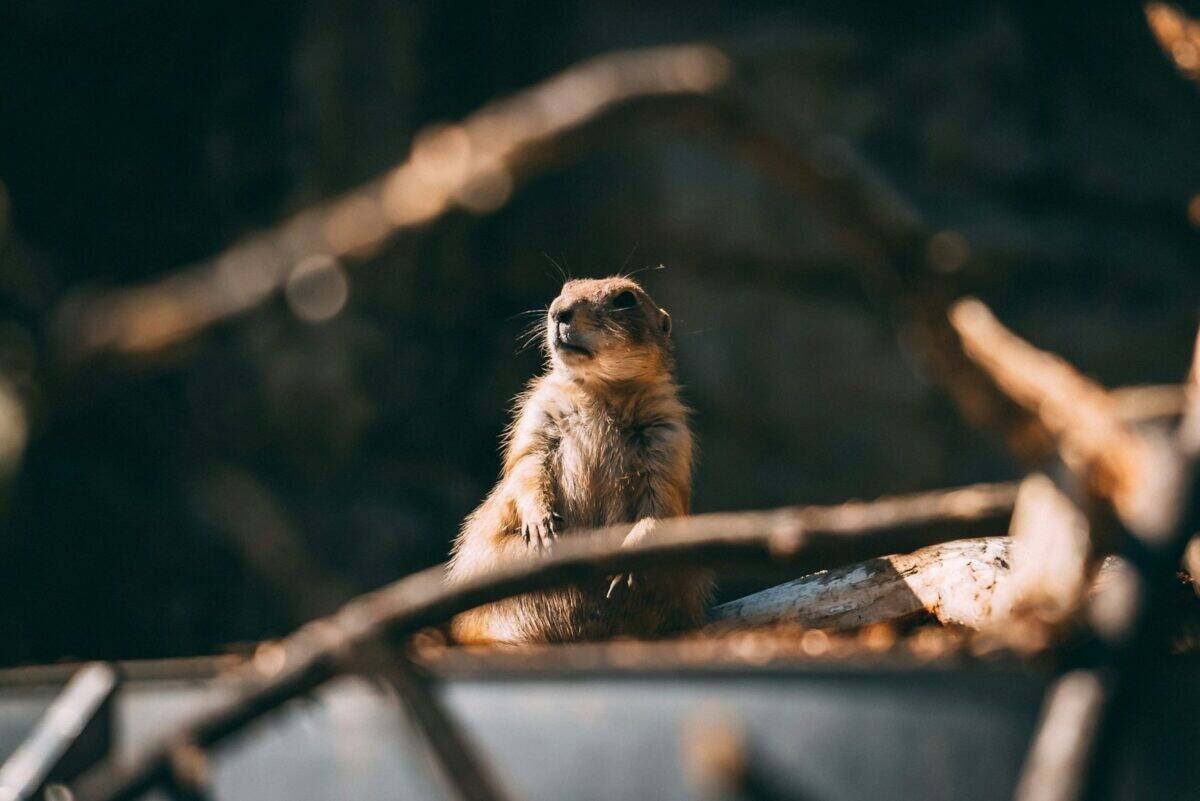
The Rocky Mountains, stretching over 3,000 miles from Canada to New Mexico, are home to some of the most rugged and breathtaking landscapes in North America. This awe-inspiring range hosts a wide variety of wildlife, each perfectly adapted to survive in the extreme conditions found at high altitudes. The creatures that make the Rockies their home have evolved to withstand harsh temperatures, thin air, and rocky terrains. Let’s dive into the fascinating world of 10 animals that conquer the highest peaks of the Rockies with remarkable resilience and adaptability.
10. Mountain Goats: Masters of Steep Cliffs

Mountain goats are perhaps the most iconic inhabitants of the Rockies, known for their incredible climbing abilities. With specialized hooves that feature a hard outer shell and a soft, rubbery pad for grip, they can scale steep, rocky cliffs with ease. These sure-footed mammals primarily graze on grasses, herbs, and shrubs found high above the treeline, illustrating their adaptation to alpine meadows.
9. Big Horn Sheep: Resilient and Rugged
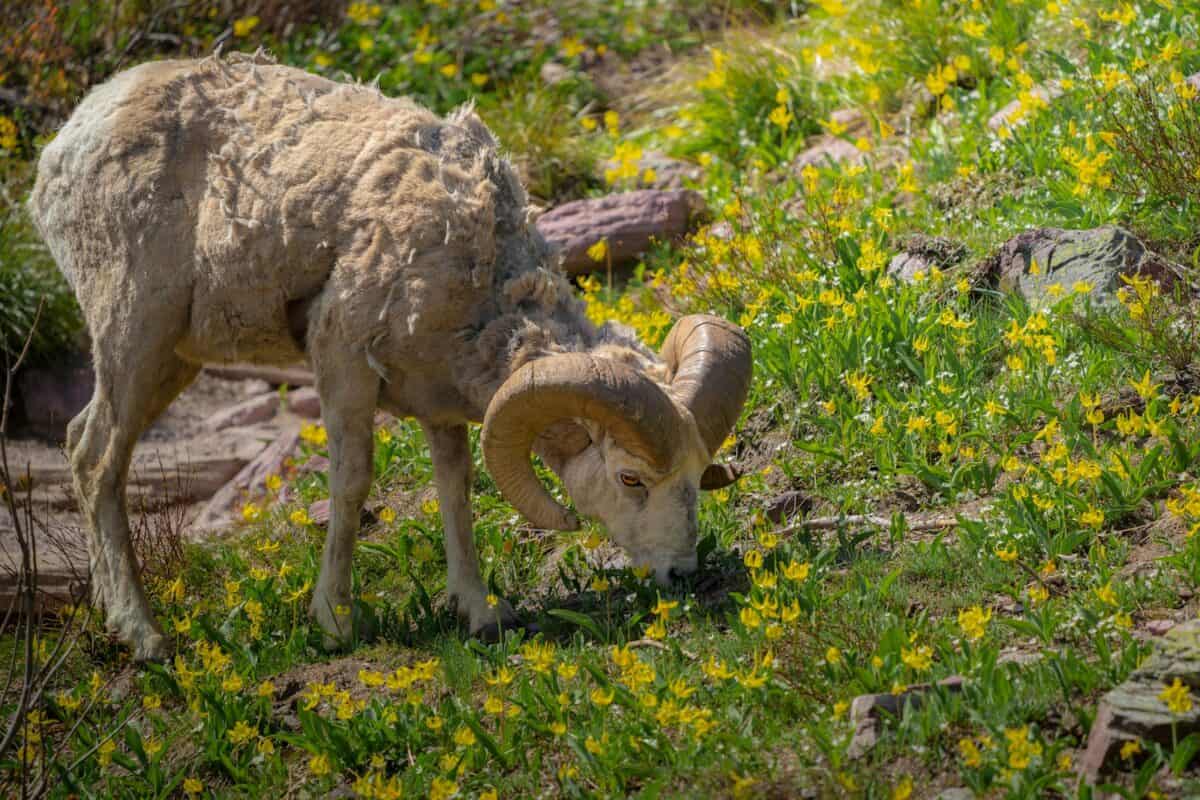
Big horn sheep, recognizable by their large, curved horns, are another symbol of the Rockies. Males engage in dramatic head-butting contests during the mating season, showcasing their strength. Their thick, insulated coats help them survive the subzero temperatures, while their agile bodies make navigating rugged terrain a daily feat.
8. Yellow-Bellied Marmots: The Alpine Sentries
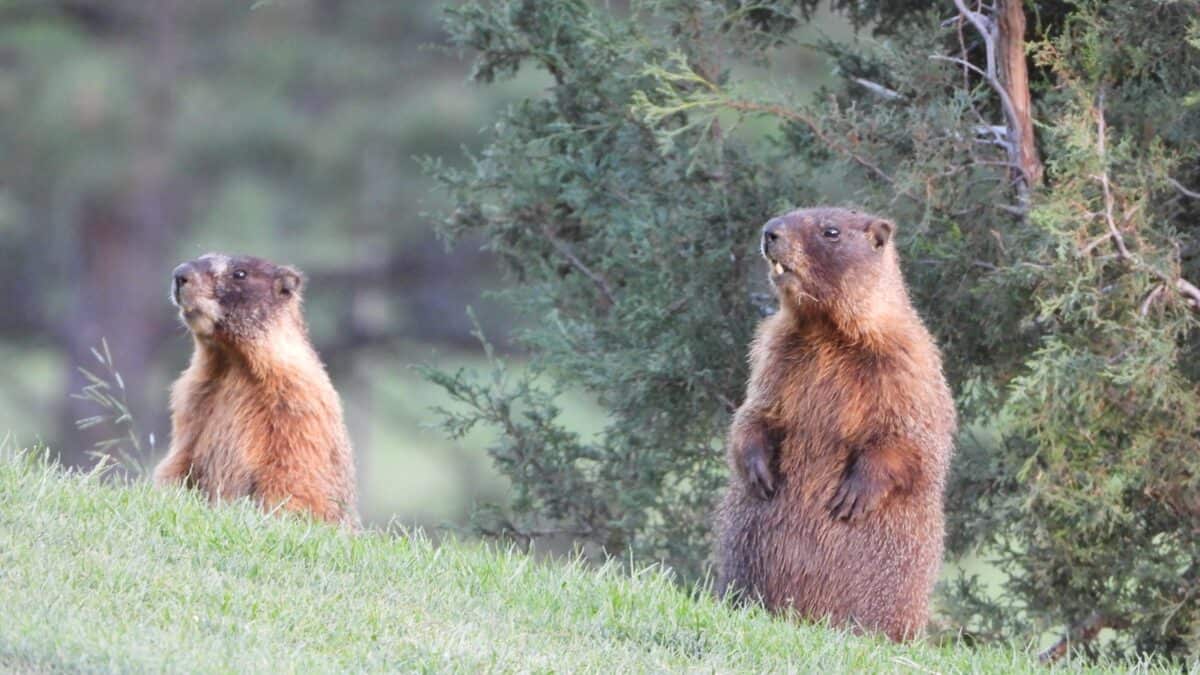
Yellow-bellied marmots thrive in the alpine zones of the Rockies, where they live in colonies. Known for their loud, piercing whistles, these rodents use their vocalizations to warn each other of predators. Marmots hibernate for up to eight months to conserve energy in the face of harsh winters, showcasing an incredible adaptation to high-altitude living.
7. Pikas: Tiny Relatives of the Rabbit
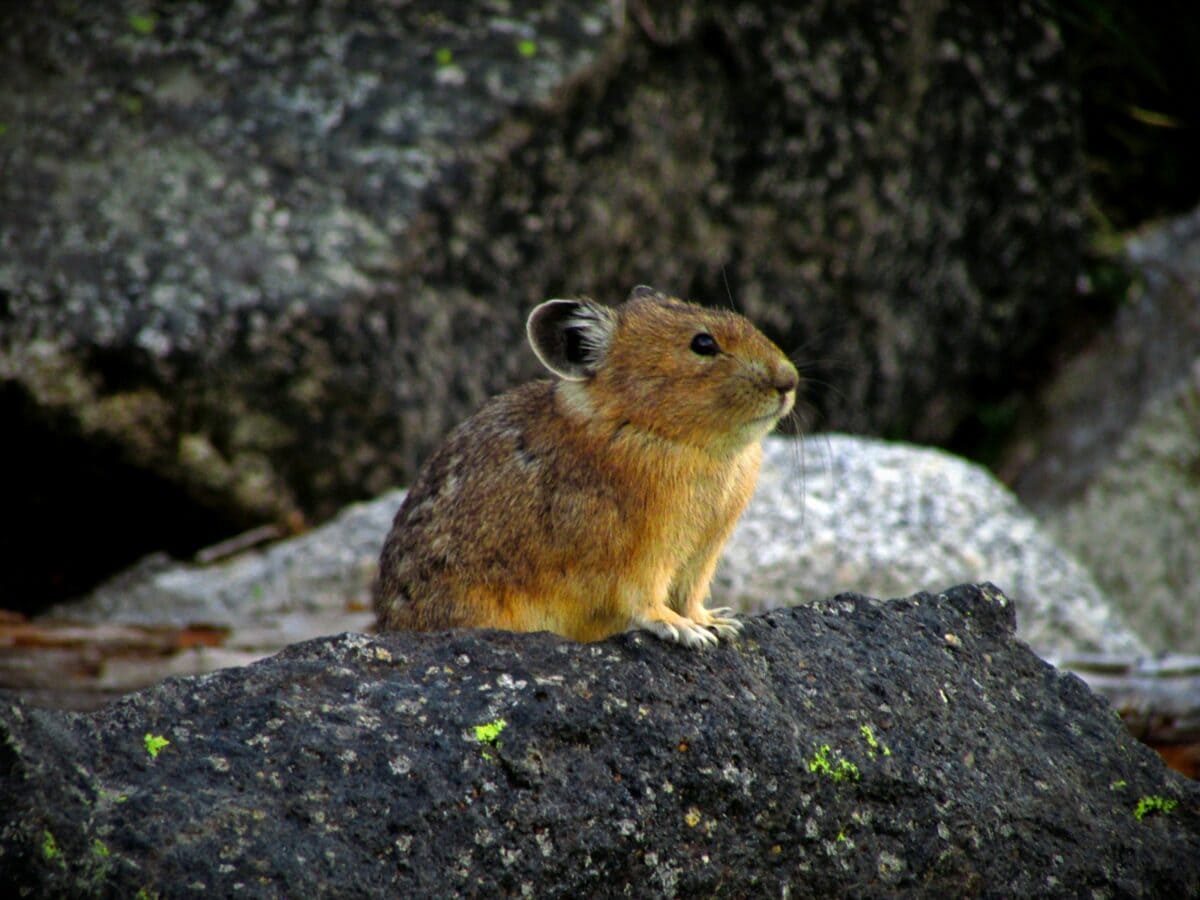
Pikas may be small, but these relatives of the rabbit are exceptionally well-adapted to life above 8,000 feet. They are known for their habit of collecting haypiles during the summer to store food for the winter. Their thick fur and round bodies are perfect for retaining heat and surviving the cold, harsh environment of the high peaks.
6. Golden Eagles: Raptors of the Skies
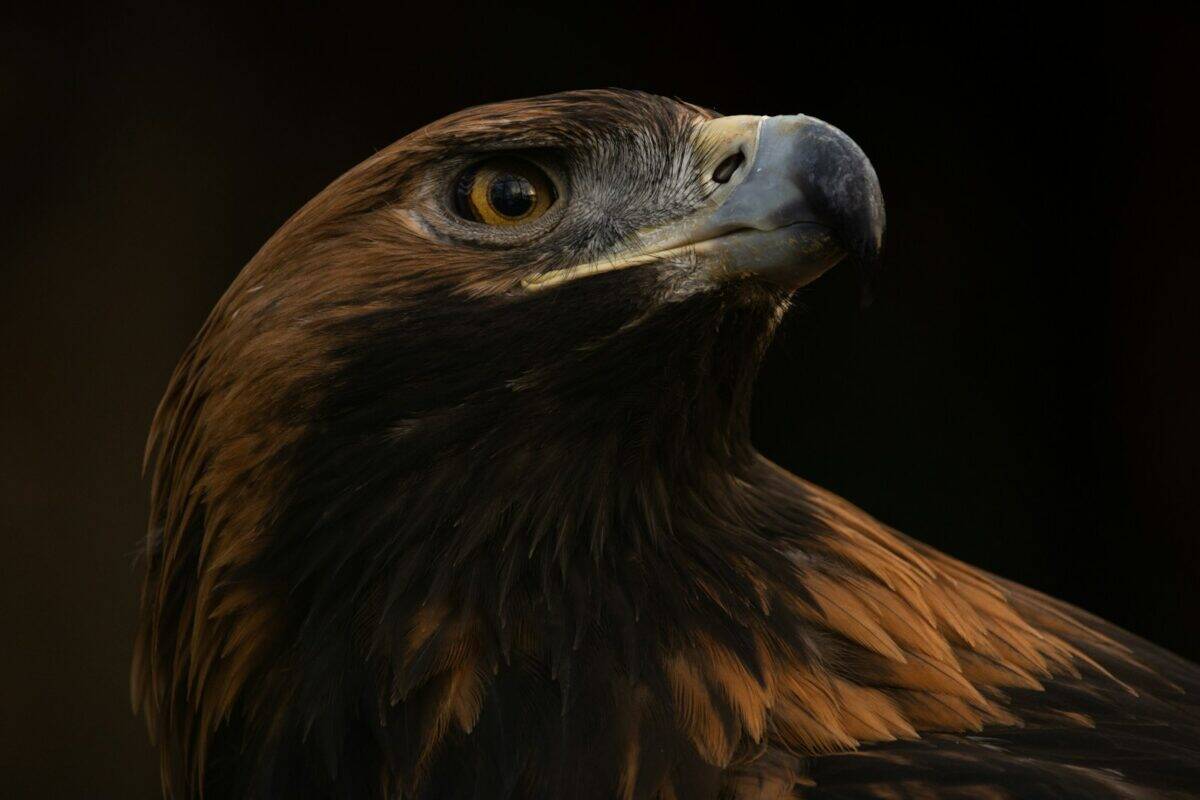
Golden eagles soar majestically over the Rockies, using their keen eyesight to spot prey from great heights. These versatile hunters primarily prey on mammals, utilizing the mountainous terrain to their advantage when swooping down for a catch. Their nests, often found on cliffs, offer safety from terrestrial predators.
5. Red Foxes: Adaptable and Resourceful
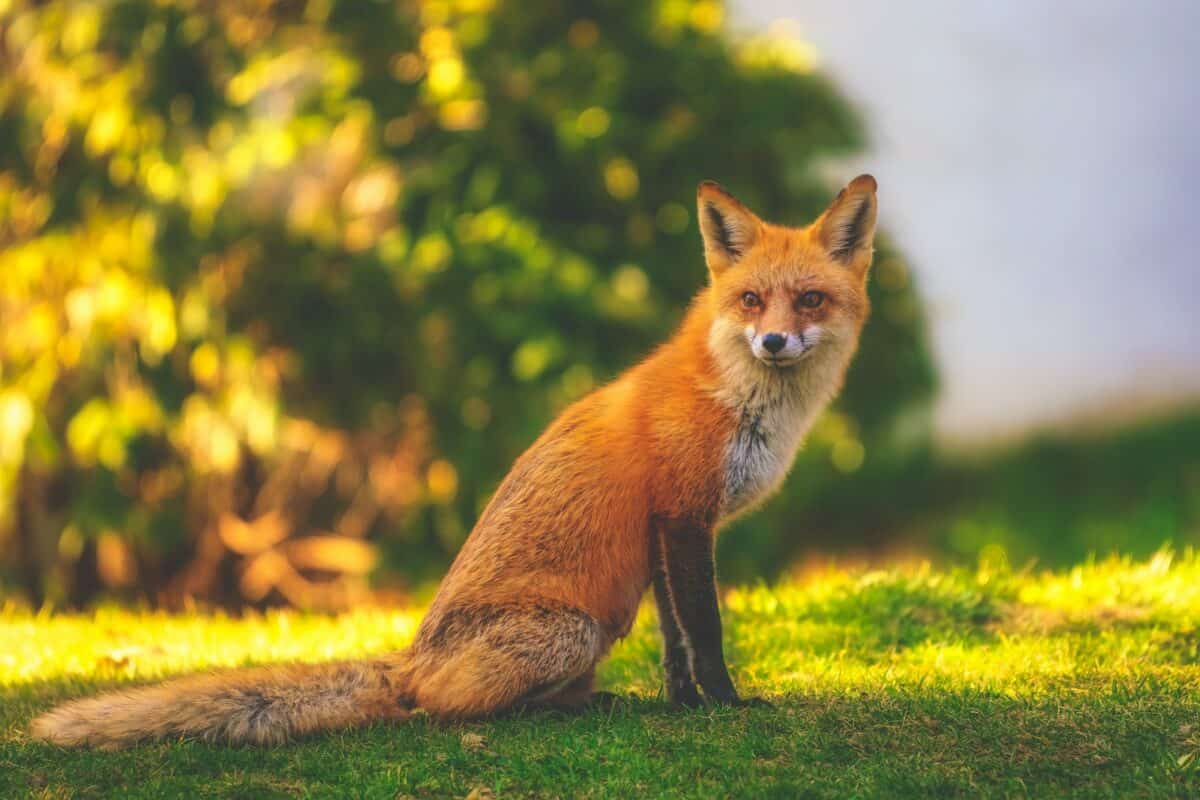
Despite their reputation for being creatures of the forest, red foxes inhabit the alpine regions of the Rockies as well. Their adaptability allows them to find food across a varied landscape, feasting on small mammals, birds, and even fruits. The thick fur coat of the red fox provides excellent insulation against cold mountain winds.
4. White-Tailed Ptarmigans: Masters of Camouflage
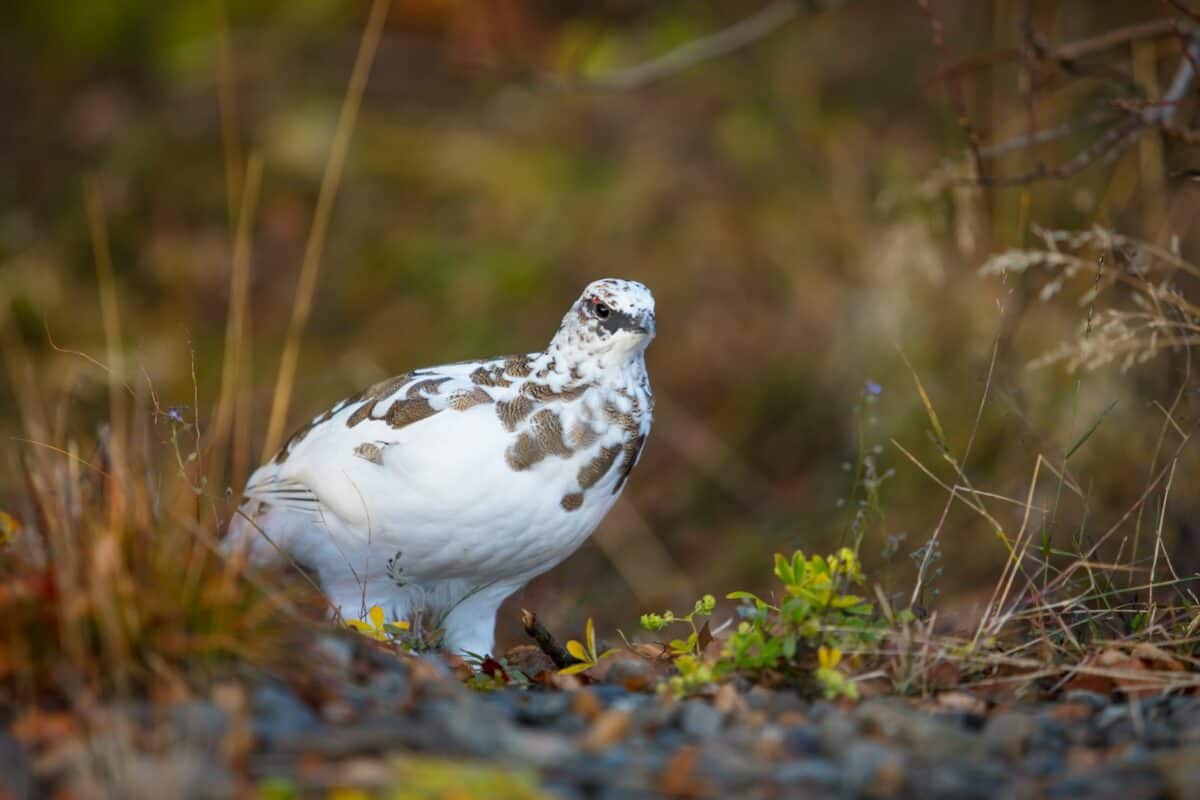
The white-tailed ptarmigan, the smallest bird in the grouse family, is a master of camouflage. It changes its plumage seasonally, donning a white coat in winter to blend with the snow and a mottled brown in summer to match the rocks. This remarkable adaptation protects them from predators like eagles and foxes.
3. Wolverines: The Solitary Wanderers
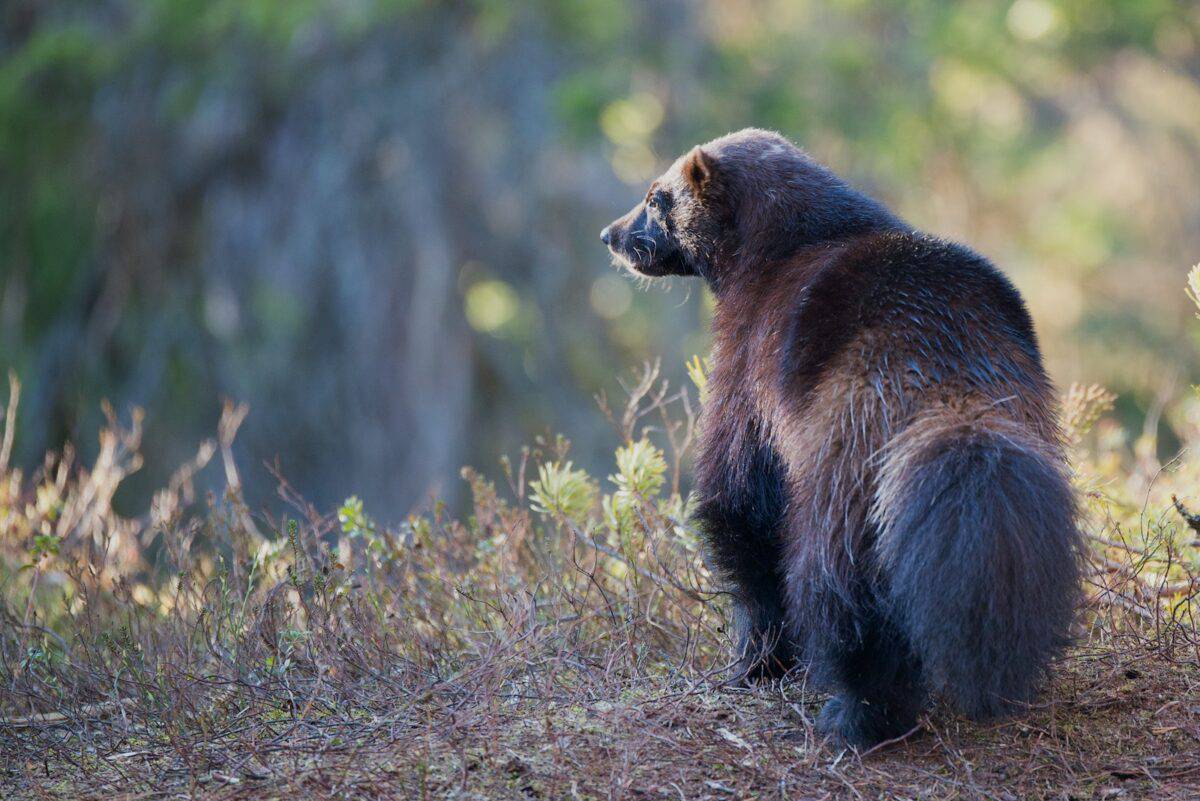
Wolverines roam the high peaks in search of food, known for their fierce disposition and incredible endurance. These solitary animals can travel long distances across the snow-covered terrain. Their ability to take down prey much larger than themselves classifies them as one of the most formidable hunters of the Rockies.
2. Rocky Mountain Elk: Majestic Giants

The Rocky Mountain elk, with their imposing antlers, graze in the meadows nestled among the high peaks. During the rutting season, bulls are known for their eerie bugle calls, which echo across the mountains. In winter, they migrate to lower elevations to find food, evidencing their adaptability to diverse habitats.
1. Clark’s Nutcracker: The Seed Distributors
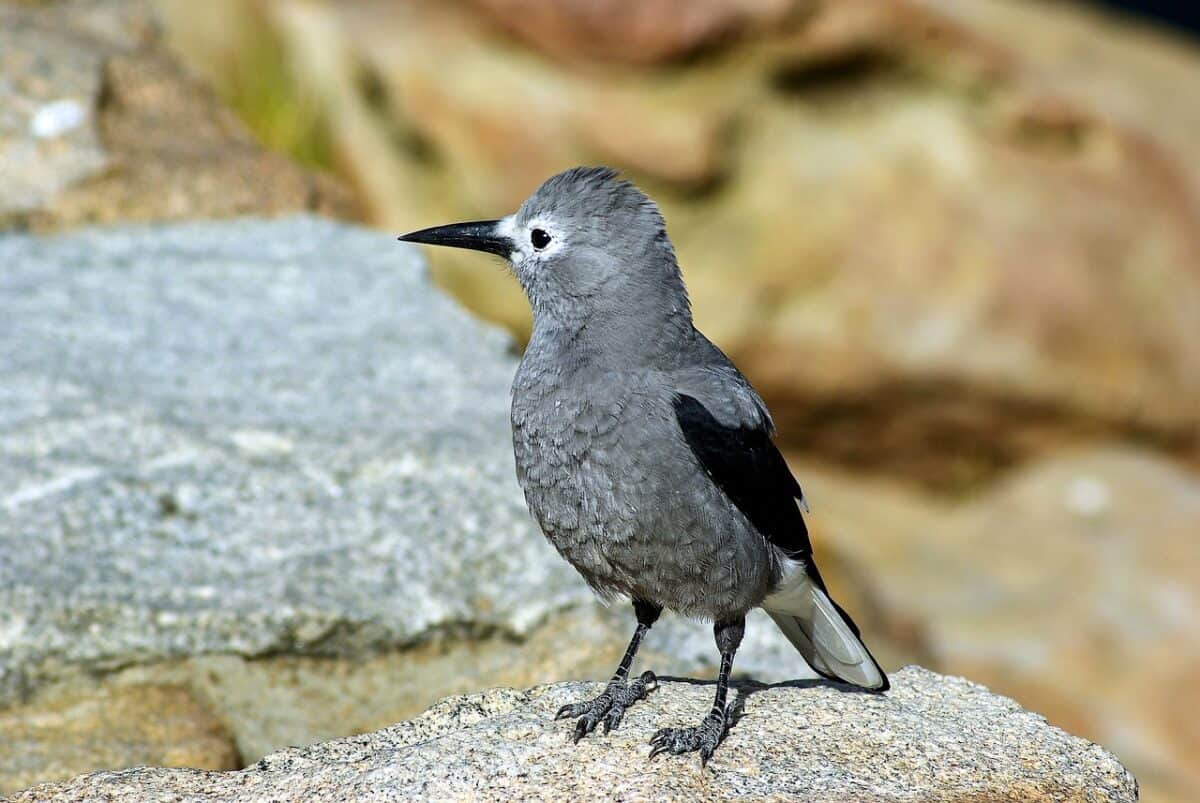
Clark’s nutcracker plays a critical ecological role in the Rockies by dispersing the seeds of whitebark pine trees. These intelligent birds have an impressive memory, allowing them to locate thousands of seed caches even months later. Their distribution efforts help maintain the delicate balance of the alpine ecosystem.
The high peaks of the Rockies present a challenging environment, but these ten species illustrate the incredible adaptations necessary to thrive in such an unforgiving landscape. From the sure-footed mountain goat to the resourceful Clark’s nutcracker, each of these animals plays a vital role in the mountain ecosystem. By understanding and appreciating their unique adaptations, we gain insight into the complexity and beauty of life at such high altitudes. As stewards of this planet, it is our responsibility to protect these majestic creatures and their habitats for future generations to admire and learn from.

- Why Japanese Macaques Love Hot Springs - July 17, 2026
- Could Dogs Be Used to Detect Illness in Humans? - July 17, 2026
- Why Sloths Give Gentle Smiles - July 17, 2026