

The animal kingdom is full of surprising feats of nature, from the fastest swimmers to the tallest land mammals. Yet, among these wonders, some creatures have mastered one of the most thrilling techniques of locomotion—gliding through the air. This defense mechanism not only helps them escape predators but also aids in traveling vast areas without expending much energy. In this article, we explore ten remarkable animals that have developed the unique ability to glide, offering a window into their fascinating adaptations and lifestyles.
Flying Squirrels The Most Famous Gliders
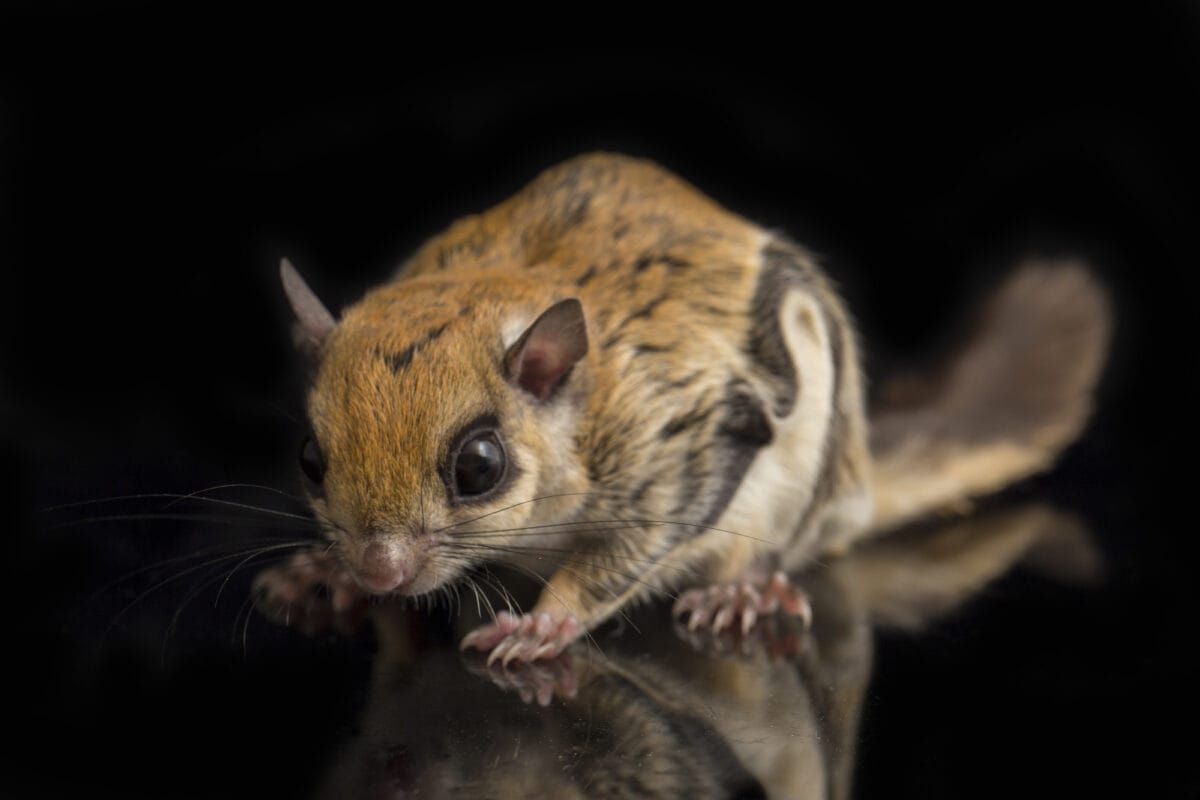
Flying squirrels might already be familiar to some, but they deserve a mention as the quintessential gliders of the forest. These mammals, found in parts of North America, Asia, and Europe, have a special membrane called a patagium stretching from wrist to ankle, forming a wing-like surface. With this unique adaptation, they can gracefully glide over 300 feet, navigating treetops with ease. Their gliding is not just for fun; it serves as an efficient mode of travel and an escape tool from predators.
Colugos The Southeast Asian Wonders

Often called “flying lemurs” (though they are not lemurs), colugos are tree-dwelling gliders found in the forests of Southeast Asia. These nocturnal creatures have an impressive patagium that extends from their neck to their fingers, toes, and tail. Colugos are capable of covering distances up to 200 feet in a single glide, making them one of the most skilled gliders among mammals. Their gliding prowess is essential for moving through dense foliage while searching for food.
Draco Lizards The Little Dragons of the Trees

Draco lizards, or flying dragons, are small reptiles that inhabit the forests of Southeast Asia. These lizards have elongated ribs that extend outwards, supporting a flap of skin that allows them to glide. Known for their vibrant colors, Draco lizards can glide distances up to 30 feet, moving effortlessly between tree trunks. This gliding ability not only aids in escaping predators but also plays a role in territorial defense.
Gliding Ants The Aerodynamic Insects

Found in the rainforests of Central and South America, Cephalotes atratus, commonly known as the gliding ant, is one of nature’s few examples of airborne capabilities among ants. These ants have evolved to perform controlled glides that help them navigate their towering arboreal habitat. If they fall from a branch, these ants can steer in mid-air to return to the tree trunk, reducing the risk of predation on the forest floor.
Wallace’s Flying Frog A Leap of Faith
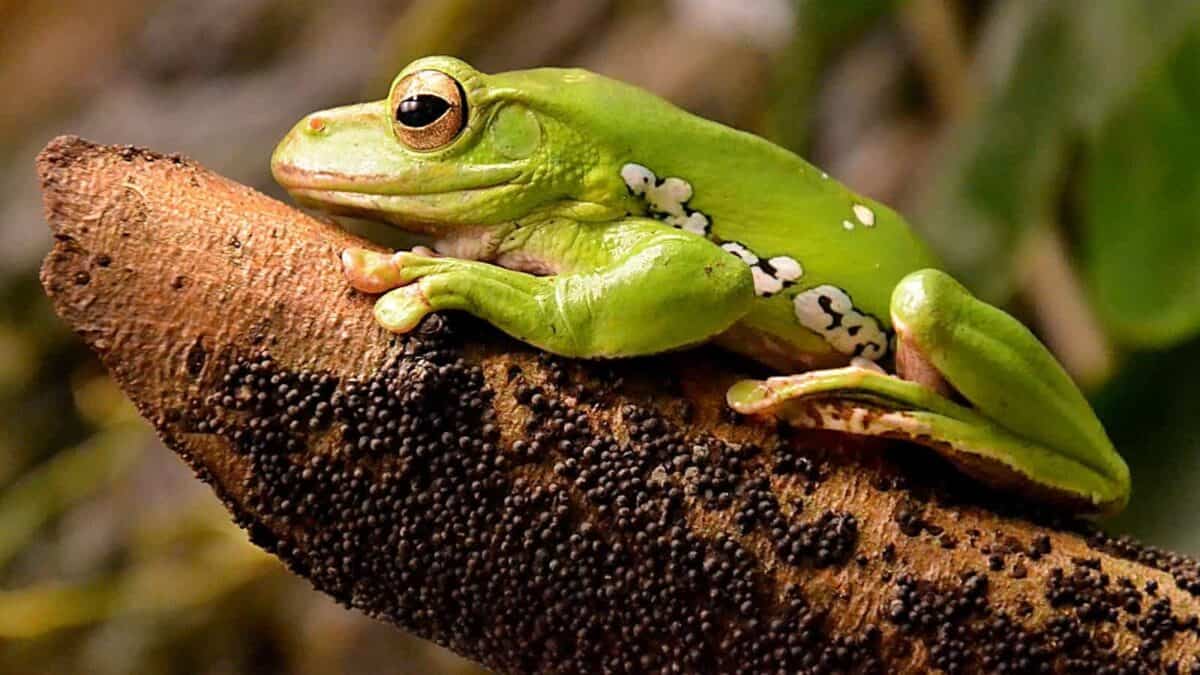
Wallace’s flying frog, named after the renowned naturalist Alfred Russel Wallace, is native to the rainforests of Malaysia and Borneo. Armed with extensive webbing between its toes, this frog can undertake short gliding flights, leaping from trees to avoid predators or to search for food. Their vibrant green skin offers excellent camouflage amidst the foliage while their ability to glide ensures effective movement within their environment.
Flying Fish Gliders of the Ocean

Flying fish are perhaps the most dramatic transition from water to air among marine creatures. Found in warm oceanic waters, these fish propel themselves out of the water using rapid tail movements and then extend their large, wing-like pectoral fins to glide airborne distances of over 650 feet. This gliding ability is an essential escape technique from underwater predators, giving flying fish a brief refuge above the surface.
Gliding Possums Australia’s Sugar Surfers

Australia’s sugar gliders are small marsupials equipped with a patagium stretching from their wrists to their ankles, making them excellent gliders. Able to cover up to 150 feet in a single bound, these animals use gliding for foraging and escaping predators. Their keen sense of sight and smell, coupled with agile gliding abilities, make them perfectly adapted to their nocturnal lifestyle in the diverse Australian ecosystems.
Paradise Tree Snakes Serpents of the Sky

Found in Southeast Asia, the paradise tree snake defies traditional snake behavior by taking to the air. This snake flattens its body and performs a side-to-side motion to glide distances up to 300 feet. This remarkable adaptation could be for avoiding ground-based predators and reaching different parts of the dense forest canopy normally inaccessible by slithering.
Gliding Leaf Frogs Masters of Midair Navigation

Hailing mainly from the rainforests of Central and South America, gliding leaf frogs are arboreal creatures capable of impressive aerial maneuvers. They utilize their extensive toe webbing during leaps from tree to tree, gliding with precision. This behavior is crucial for avoiding predators and traveling in search of mates or food sources.
Malaysian Gliding Geckos The Leaping Lizards

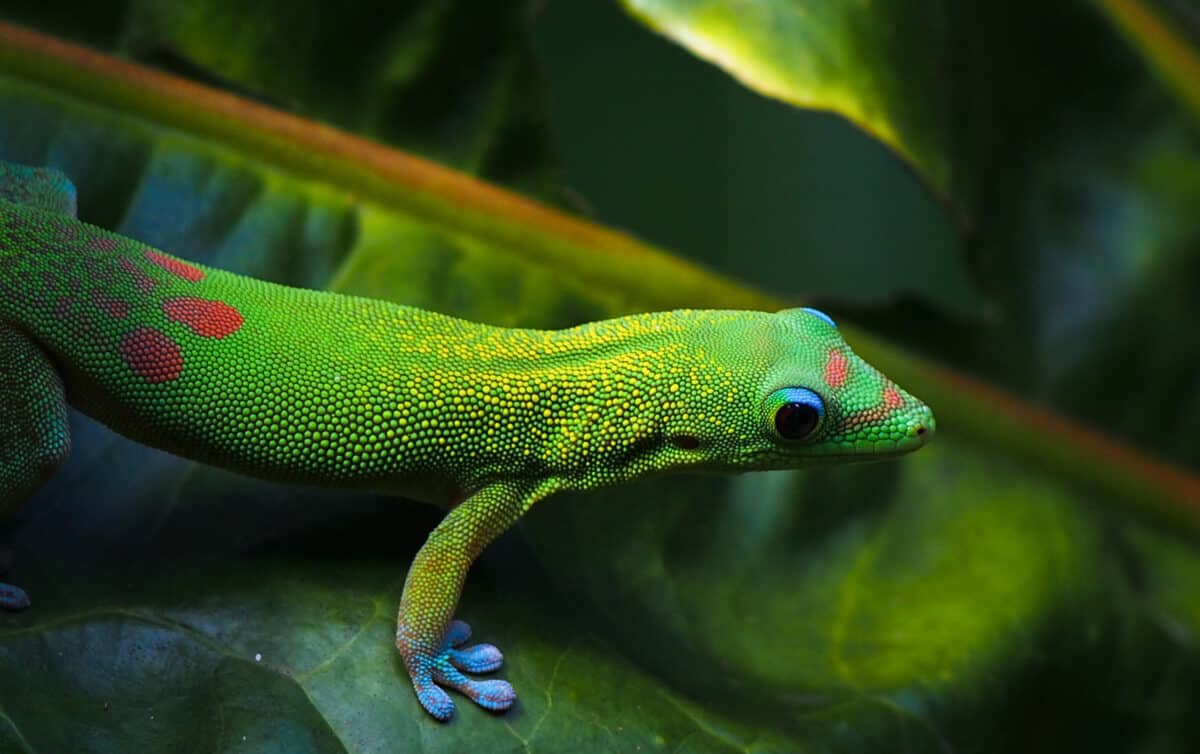
The rich biodiversity of Malaysian rainforests is home to gliding geckos, which are masters of escaping predators. Equipped with webbed feet and loosely attached skin flaps along their flanks, they can perform remarkable controlled glides. Their excellent camouflage keeps them safe from predators, and their gliding skills ensure they can move efficiently through the forest.
Adaptations That Enable Gliding

The ability to glide is a testament to nature’s ingenuity, allowing animals to exploit aerial spaces. Common adaptations among these animals include elongated body parts, such as wings or skin flaps, providing the necessary lift. The patagium or similar structures reduce air resistance and allow controlled flight, highlighting a convergent evolution reflecting different taxa solving ecological challenges in similar ways.
Conclusion: Nature’s Ingenious Flyers
The diversity in the natural world continually surprises and enthralls us, with gliding animals serving as prime examples of evolution’s creative flexibility. Whether soaring through forest canopies or skimming over ocean waves, these creatures highlight the endless possibilities of adaptation in earth’s ecosystems. Observing these animals enriches our understanding of locomotion in various habitats, deepening our appreciation for the life that inhabits our planet.

As a little kid, I fell in love with nature, wildlife, and animals. Living in the USA, South Africa, Italy, China and Germany gave me the opportunity to discover the world's Wildlife. My favorite animals are Mountain Gorillas, Siberian Tigers, and Great White Sharks.
I'm a certified PADI Open Water Diver, went to Everest Base Camp and Trekked Gorillas in Uganda. I hold a Master of Science in Economics and Finance.
Please send any feedback to feedback@animalsaroundtheglobe.com
- Why the Great Barrier Reef Is the Best Place to Spot Sea Turtles - June 3, 2026
- 2 Animals With Super Sized Body Parts and What They are For - June 3, 2026
- Explore The Azores - June 3, 2026