
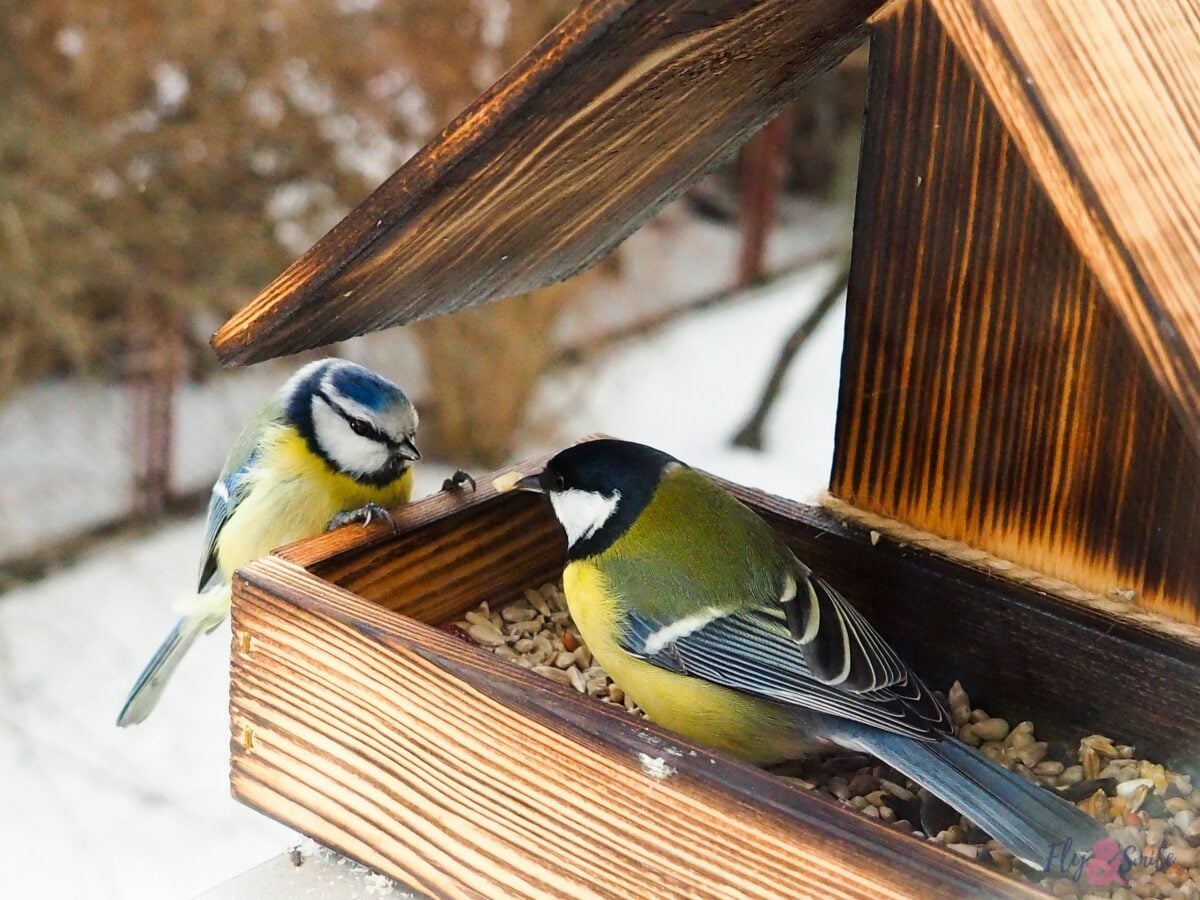
Most people assume the first hard freeze empties a backyard. It doesn’t. The yard reshuffles instead, and it does it fast. Feeders get busier, some frogs freeze solid, and the attic starts making noise at night.
A hard freeze, usually defined as a night at roughly 28°F (-2°C) or colder, changes behavior in dozens of species at once. Some of what follows sounds invented, but it isn’t. The strangest changes are happening in places you’d never think to look: inside a chickadee’s skull, under a leaf pile, down in pond mud. Start at #19 and keep going, because one of the biggest surprises is the thing you may have been about to do this weekend.
#19 – Songbirds Arrive Already Wearing Their Winter Coats
🔥 Would you like to save this?
We'll email this post to you, so you can come back to it later!
The feathers keeping your feeder birds alive were finished weeks before the first frost.
Most people assume a bird’s feathers stay the same all year. In colder climates, many birds finish their main molt in late summer or fall, so the new plumage is already in place by the first hard frost. The coat that meets the freeze was built long before it.
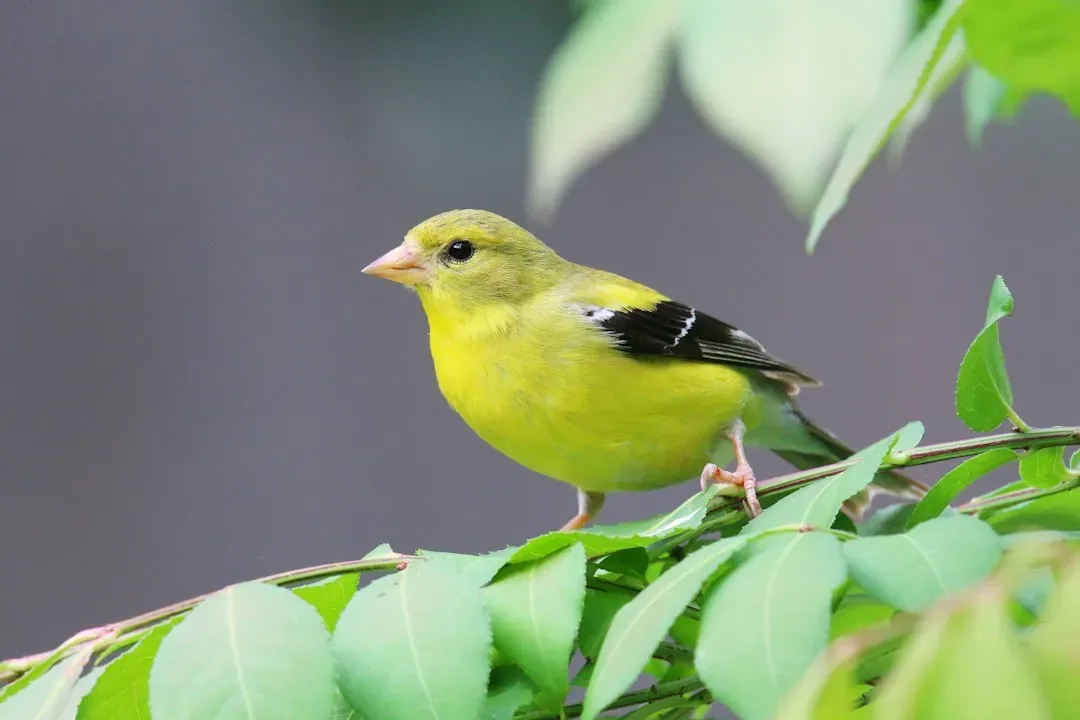
American goldfinches are the classic case. They swap sunshine yellow for drab olive-brown, and the change comes from a full new set of feathers. That dull coat isn’t just a color change. It’s a brand-new insulation layer.
Feathers work by trapping air, and birds help the process along:
- Birds fluff their feathers to trap pockets of warm air close to their bodies.
- Many species carry a denser plumage in winter than in summer.
- Plumage alone isn’t enough, so the real battle shifts to the feeder.
But what happens there is far more desperate than it looks, and that’s #18.
#18 – Your Feeder Stops Being a Snack Bar and Becomes a Lifeline
🔥 Would you like to save this?
We'll email this post to you, so you can come back to it later!
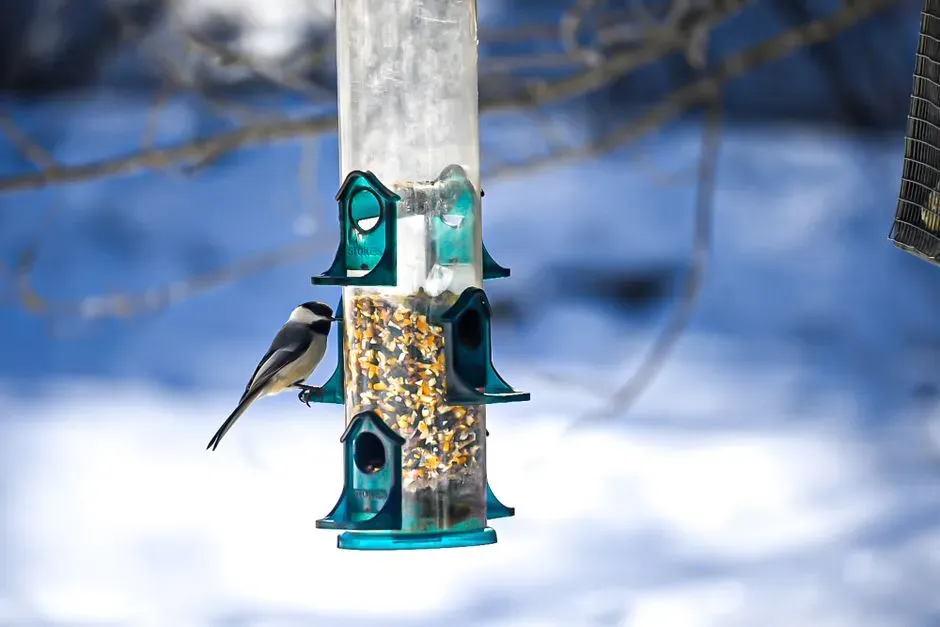
After a hard freeze, a feeder is a fuel station for animals running close to empty.
Birds make most of their body heat by burning food. Even on rich food, they have to eat more to keep that heat coming. Small birds end up spending nearly every waking hour hunting calories.
Chickadees show how extreme this gets. Their winter days are dominated by feeding, far more than in warmer seasons. Malnutrition is a major cause of winter mortality in chickadees, because it weakens both their cold tolerance and their resistance to disease.
Turns out the bird that looks “greedy” at your feeder is actually doing survival math.
The overnight bill is even steeper, as #17 shows.
#17 – One Freezing Night Can Cost a Bird a Tenth of Its Weight
🔥 Would you like to save this?
We'll email this post to you, so you can come back to it later!
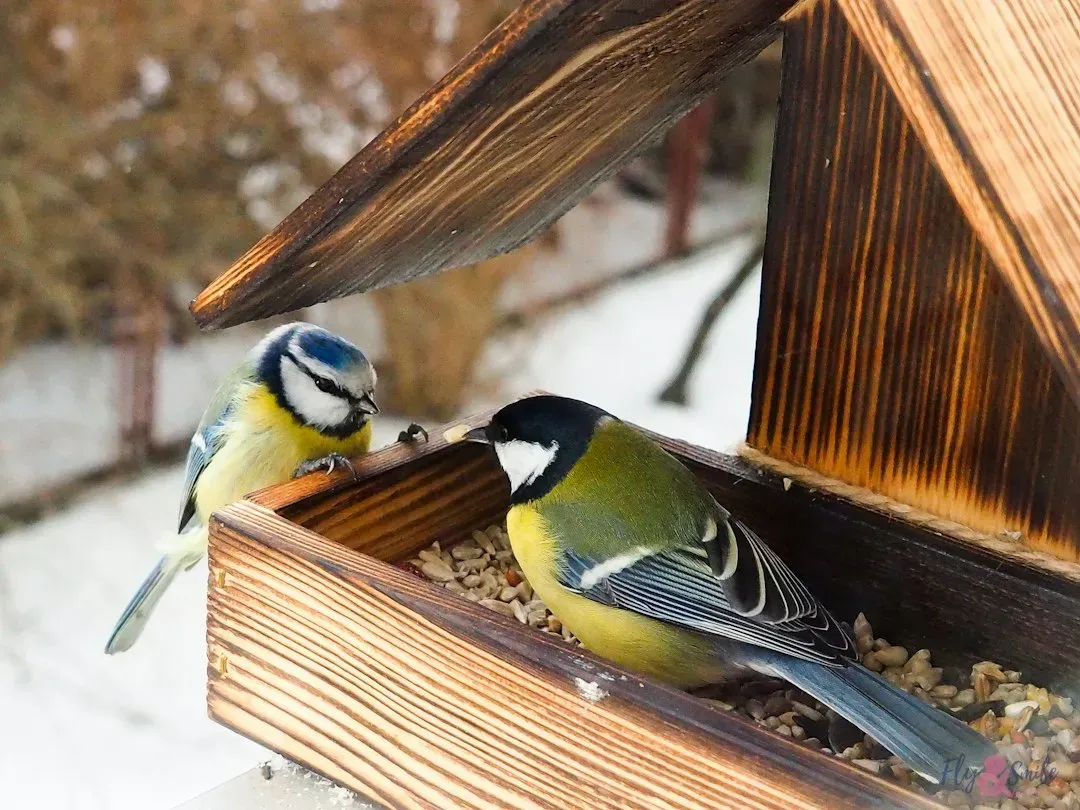
A bird the size of a ping-pong ball can wake up noticeably lighter after a single frost.
Small birds such as tits can lose roughly a tenth of their body weight on a cold night. For a 160-pound adult, that would be about 16 pounds gone by morning. Imagine starting every day that far in the red.
That’s why the dawn rush at your feeder is so frantic. Birds spend short winter days foraging almost constantly, building fat reserves that act as overnight fuel.
Miss one meal in a hard freeze and the margin is thin. Food is scarce, daylight is short, and the night ahead is long.
Fast Facts
- Shivering is a main way small birds make heat overnight, and it burns stored fat.
- A loss of about 10% of body weight on a cold night is typical for small birds like tits.
- Fat stored during the day is the overnight fuel supply, so high-fat foods refill it fastest.
- Feeder traffic usually peaks at first light and again in the last hour before dusk.
The faces at the feeder are changing too, and that’s #16.
#16 – The Summer Crowd Disappears and the Winter Specialists Move In
🔥 Would you like to save this?
We'll email this post to you, so you can come back to it later!
If your feeder suddenly looks different, you’re not imagining it.
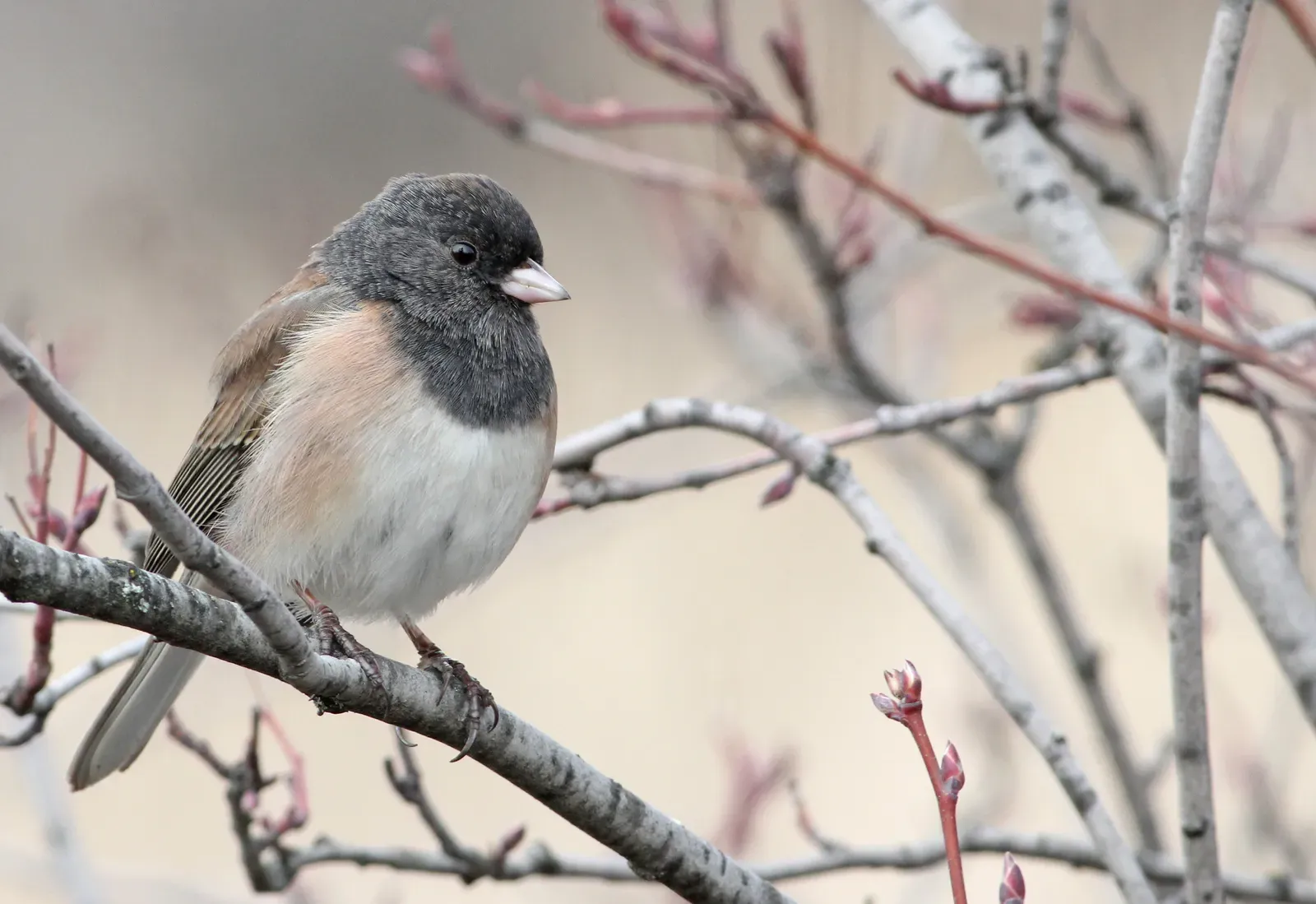
Migrants slip away, and hardy winter specialists like juncos and tree sparrows move in just ahead of the freeze. The cast of characters can change almost overnight.
Watch for the first regular dark-eyed junco or white-throated sparrow. Watch too for a dominant downy or red-bellied woodpecker that claims the suet before anyone else gets a turn.
Most people don’t realize that the “Where did all my birds go?” panic is usually a changing of the guard. The summer birds left, and the winter birds arrived.
One of those regulars changes menus completely, and that’s #15.
#15 – Robins Ditch the Worms and Raid Your Shrubs
🔥 Would you like to save this?
We'll email this post to you, so you can come back to it later!
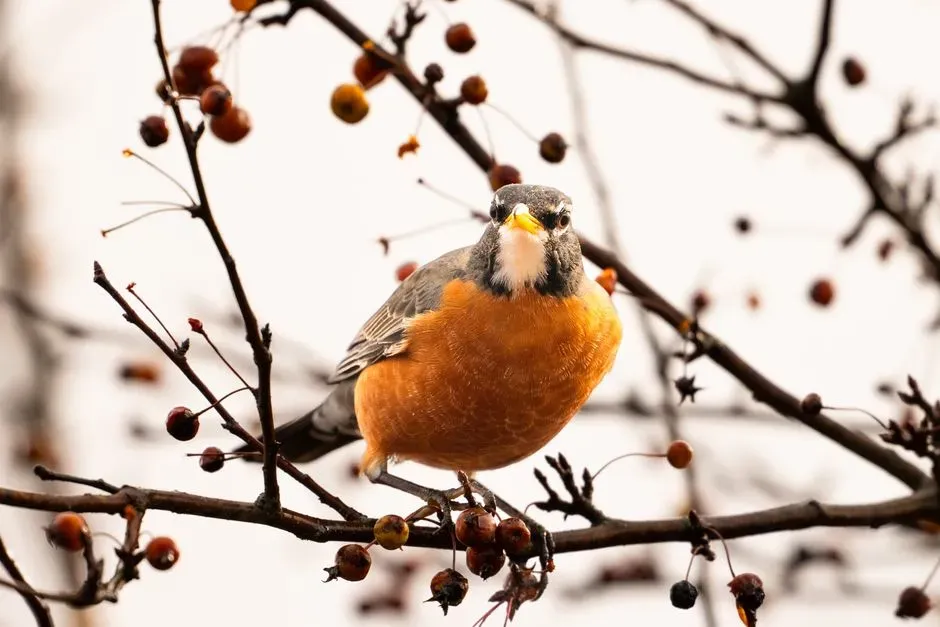
The classic lawn robin turns into a berry thief once the ground hardens.
Robins, thrushes, and other ground-feeding birds shift hard toward berries and seeds as their worm buffet sinks out of reach. They raid shrubs and ornamental plantings instead of tugging at lawns.
Plenty of robins don’t leave at all. They change menus and change addresses, moving toward wooded spots and fruiting trees. The insect-eaters in your garden turn into fruit-and-fat addicts.
If you want to help, plant for it:
- Berry-bearing shrubs such as holly or viburnum
- Crabapples that hold fruit into winter
- Dense cover nearby so birds can eat and hide
Meanwhile, the smallest bird on your list is doing something stranger, and that’s #14.
#14 – Chickadees Deliberately Chill Their Own Bodies
🔥 Would you like to save this?
We'll email this post to you, so you can come back to it later!
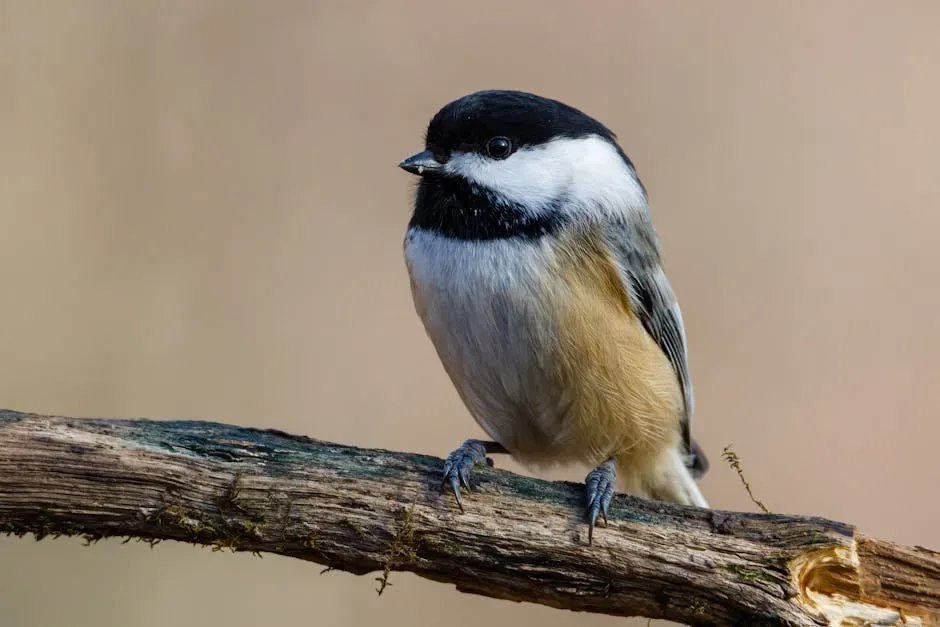
Every freezing night, a chickadee lets its body temperature crash on purpose.
A chickadee can let its temperature fall from the normal 42°C (107°F) to as low as 30°C (86°F), a state called regulated hypothermia. Researchers see it as a key tool for getting through cold snaps, because the bird burns far less fuel while it rests.
A black-capped chickadee weighs about as much as two nickels, yet chickadees survive Alaskan nights of 40 below zero F. They have to stuff themselves with seeds and frozen insects first to get through those marathon nights.
There’s a catch. Birds in hypothermia are slower to respond to outside stimuli. That makes a safe roost essential.
That safe roost is the next big change, and it’s #13.
#13 – Tree Cavities and Nest Boxes Turn Into Bedrooms
🔥 Would you like to save this?
We'll email this post to you, so you can come back to it later!
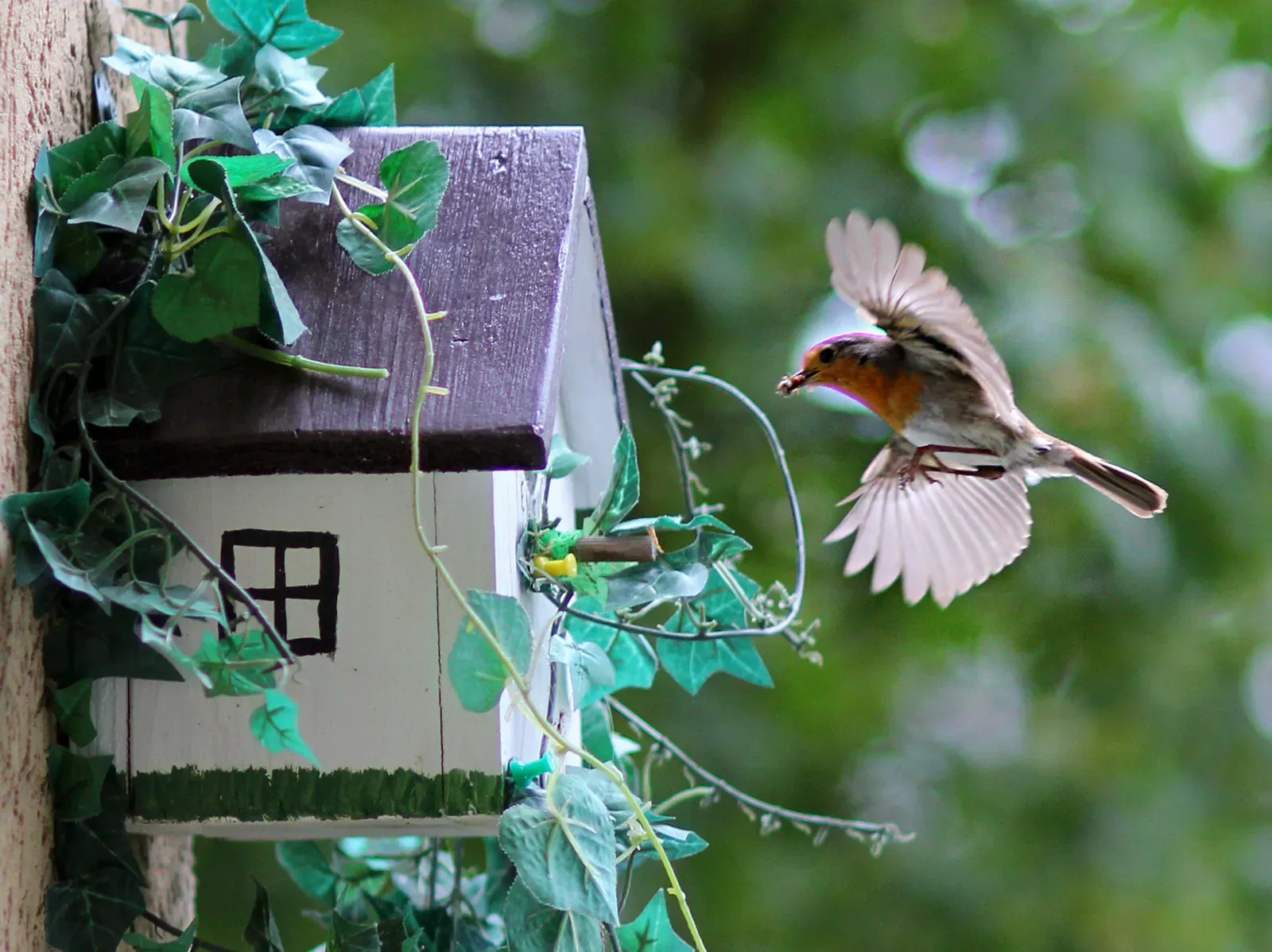
That birdhouse you ignored all summer is now prime winter real estate.
At night, small birds typically roost in a confined space like a cavity, which shelters them from cold, damp, and wind and adds insulation. Chickadees, titmice, and woodpeckers use tree holes.
A chickadee can excavate a roost in soft rotted wood, or take refuge in thick conifers, old woodpecker holes, and even bird boxes. Evergreens matter too. A row on the north or west side of the yard doubles as a windbreak.
Our take: taking nest boxes down in fall is a mistake. Clean them out early, then leave them up. Some of your neighbors are sleeping in them.
Worth Knowing
- Chickadee boxes are typically built with a 1⅛-inch entrance hole, while bluebird boxes use about 1½ inches.
- Skip perches below the hole. Birds don’t need them, and they help predators more than residents.
- Facing the entrance away from prevailing winter wind keeps the interior calmer.
- A box with a snug, solid roof and no leaks matters more than any decoration.
Some birds don’t sleep alone, as #12 shows.
#12 – Bluebirds Pack Into One Box Like Commuters on a Train
🔥 Would you like to save this?
We'll email this post to you, so you can come back to it later!
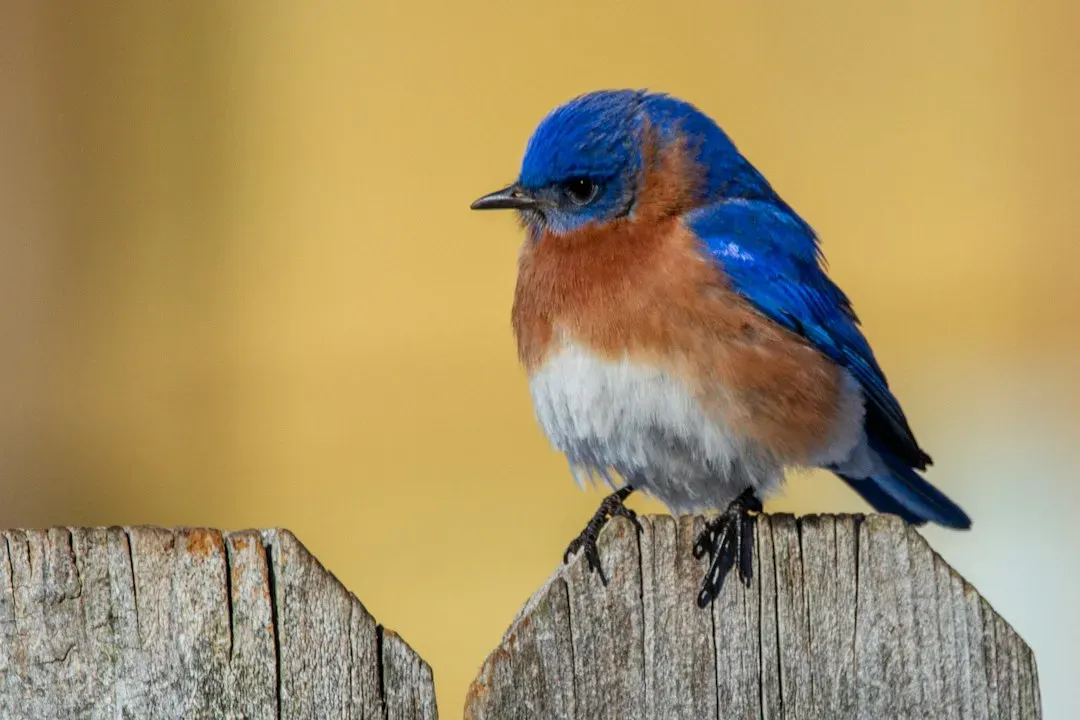
Some birds answer a hard freeze by sleeping in a pile.
Eastern Bluebirds regularly pack into nest boxes on cold winter nights, with groups of 10 or more recorded in a single box. That’s ten or more birds sharing a space built for one family.
Communal roosting reduces heat loss through shared body warmth and shelter from wind. Crows do it on a bigger scale. They gather in communal roosts before sunset, which helps them conserve warmth and stay safer.
Not every species cooperates. Wrens and bluebirds huddle, but chickadees rely on sheltered cavities and hypothermia instead.
Every one of these birds needs one more thing, and it isn’t food. That’s #11.
#11 – Water Becomes the Scarcest Thing in the Yard
🔥 Would you like to save this?
We'll email this post to you, so you can come back to it later!
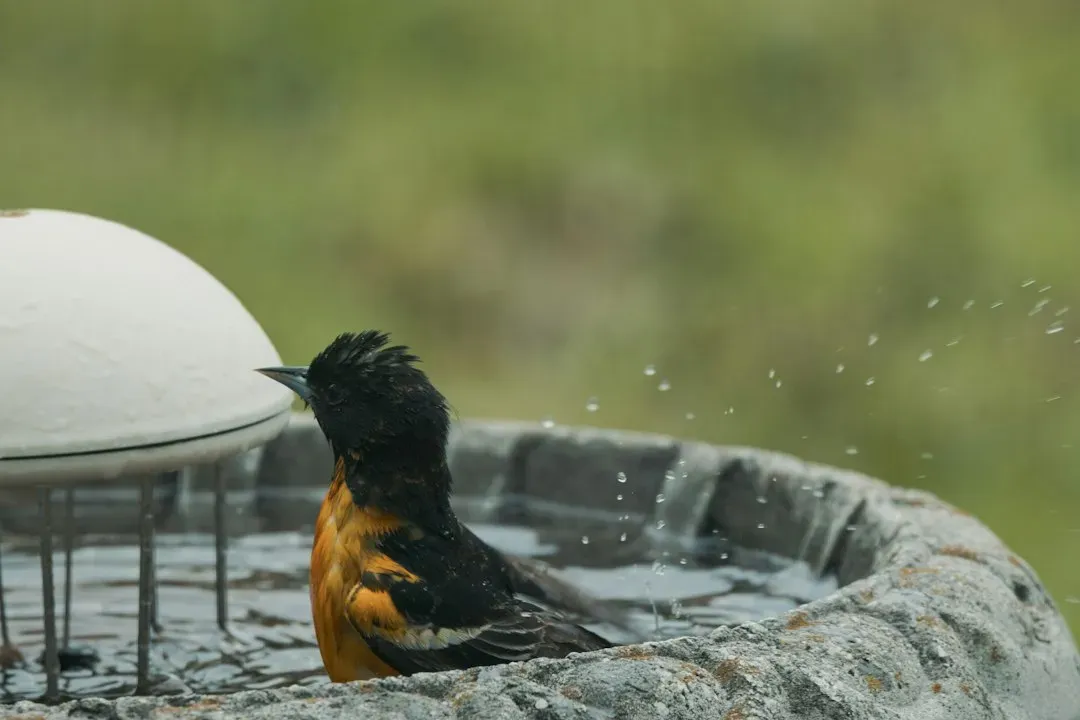
Seed is easy to find in winter, but unfrozen water isn’t.
When puddles and ponds freeze, finding a water source that isn’t iced over becomes a challenge for squirrels, rabbits, and possums. Birds face the same problem.
Here’s the controversial part: a reliable water source arguably beats a fifth feeder in a hard freeze. Plenty of feeder fans keep adding feeders when one water dish would do more good.
Two simple fixes:
- A heated birdbath
- A shallow bowl of fresh water left in a sunny spot
All that gathering at one spot attracts attention, and that’s #10.

Portable Dog Water Bottle Foldable Dog Travel Water Bottle
Check Price on AmazonAs an Amazon Associate, we earn from qualifying purchases.
10/7/2026 1:29 pm GMTi

Halloween Cat Costume Cloak Witch Hat Pet Accessories
Check Price on AmazonAs an Amazon Associate, we earn from qualifying purchases.
10/9/2026 2:44 pm GMTi

2 Pcs Halloween Pet Hat Bandana Set, Witch Pumpkin Costumes for Dogs
Check Price on AmazonAs an Amazon Associate, we earn from qualifying purchases.
10/9/2026 2:45 pm GMTi

Glass Hummingbird Feeder for Outdoors Hanging
Check Price on AmazonAs an Amazon Associate, we earn from qualifying purchases.
10/7/2026 1:21 pm GMTi

Earth Rated XL Dog & Puppy Pee Pads, Discreet Top, Max Absorbency
Check Price on AmazonAs an Amazon Associate, we earn from qualifying purchases.
10/7/2026 1:28 pm GMTi
#10 – Hawks Start Working Your Feeder
🔥 Would you like to save this?
We'll email this post to you, so you can come back to it later!
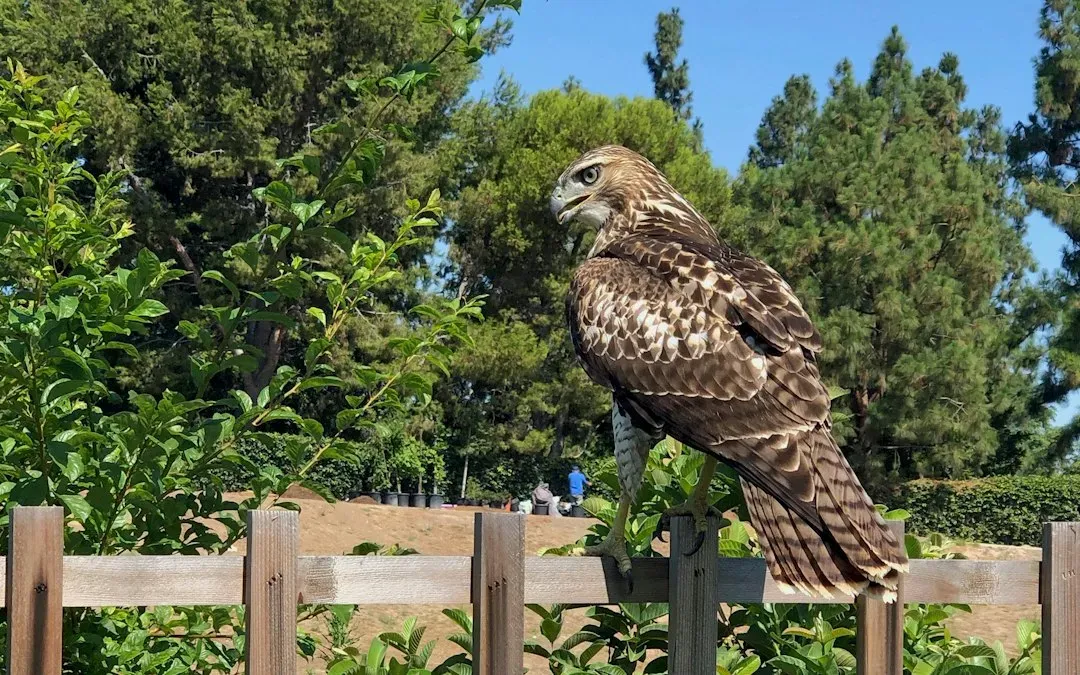
A hawk on the swing set means the hunting math has changed.
A fox cutting across a backyard at noon, or a hawk perched on a swing set, is a sign the hunting math has changed. Cooper’s hawks and sharp-shinned hawks are the two raptors most commonly seen hunting at backyard feeders.
Predators go where food is concentrated, and a feeder concentrates prey. When a hawk glides in, the whole yard freezes in an instant.
Quick Compare
- Cooper’s hawk: roughly crow-sized, with a rounded tail tip and a head that juts out ahead of the wings in flight.
- Sharp-shinned hawk: closer to a jay or dove in size, with a squared-off tail and a smaller head.
- Shared trick: both burst out of cover, so a dense shrub near a feeder can work for the hunter as well as the hunted.
Some birders pause feeding for a few days to scatter a persistent hunter. Others argue the hawk simply takes what the yard offers either way. Both camps have a point, so it’s a judgment call.
Meanwhile, the birds that stay have a few ways to improve their odds, and one is #9.
#9 – The Bossiest Bird Is Often the One That Survives
🔥 Would you like to save this?
We'll email this post to you, so you can come back to it later!
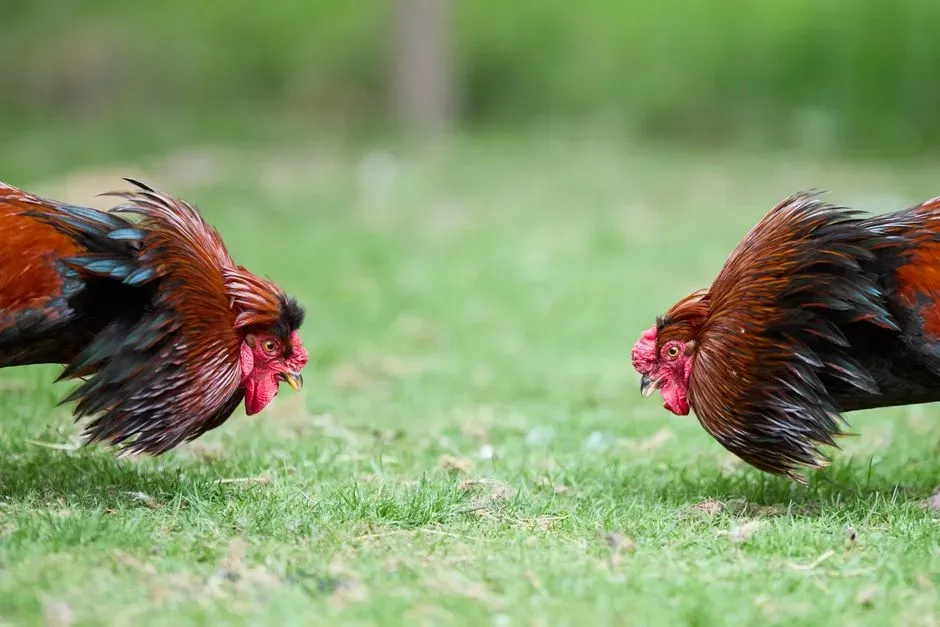
The bully at your feeder may have the best odds of seeing spring.
Birds that hold territories seem more likely to survive winter, presumably because they control the food sources inside them. The most aggressive bird in your yard may be the best-fed.
Small chases and scolding matches break out around your favorite feeder pole. That’s not random. It’s resource defense.
Spreading food across several spots gives subordinate birds a way in. It won’t end the fighting, but it lowers the stakes.
But the smartest survival trick isn’t about fighting. It’s about memory, and that’s #8.
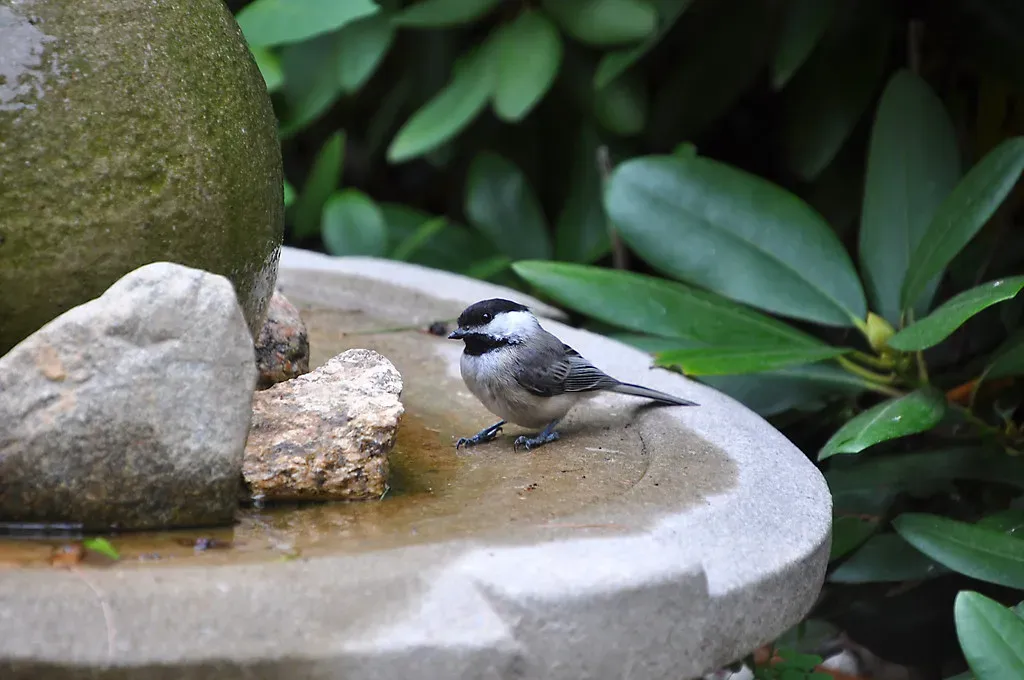
#8 – Chickadee Brains Actually Grow Bigger Each Fall
🔥 Would you like to save this?
We'll email this post to you, so you can come back to it later!
Chickadees upgrade their memory before winter even starts.
Researchers studying chickadees have reported that the hippocampus, the brain region that handles spatial memory, changes with the seasons. It is described as growing in fall and shrinking again in spring, with some of the old neurons replaced by new ones.
The point of that upgrade is simple: it helps a chickadee find its hidden food instead of starving next to it.
Black-capped chickadees, red-breasted nuthatches, and various woodpeckers all practice food caching with impressive spatial memory. That’s why a chickadee often grabs one seed and leaves. It’s probably not eating it. It’s filing it away.
Now for the animals that don’t need a bigger brain, just better chemistry, starting with #7.
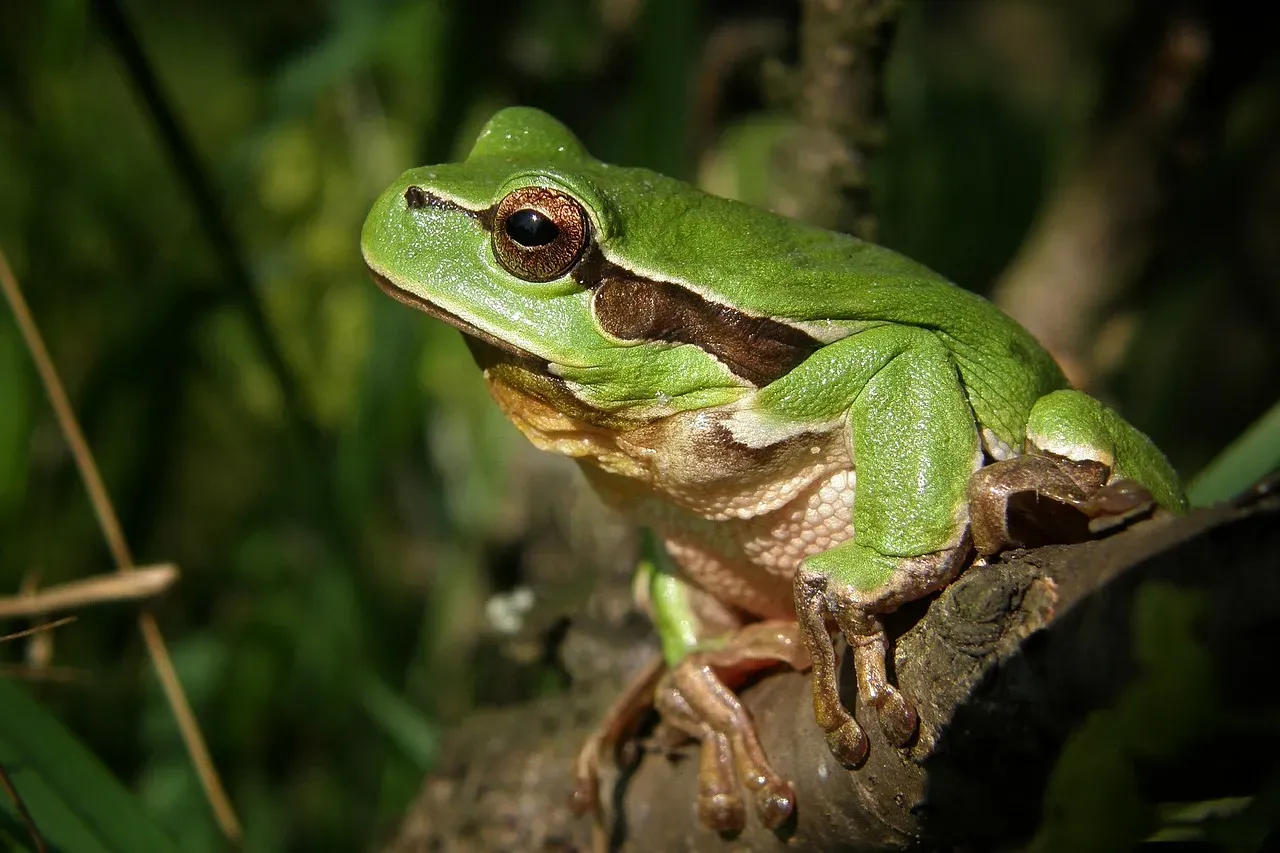
#7 – Wood Frogs Freeze Solid and Walk Away in Spring
🔥 Would you like to save this?
We'll email this post to you, so you can come back to it later!
In some yards, a frog lies frozen with no heartbeat, and it’s fine.
Wood frogs can overwinter frozen solid, with no heartbeat, no breathing, and no muscle movement. Spring peepers, boreal chorus frogs, and gray treefrogs also crawl under leaf litter and freeze.
The secret is chemistry. The frogs build up glycerol and other sugars in fall, which protects their cells from rupturing as they partially freeze. In lab research, wood frogs have sat at about 19°F for weeks and bounced back.
Frogs survive many freeze/thaw events as long as no more than about 65 to 70 percent of their body water freezes.
Not every frog can pull this off, and the ones that can’t head underwater, as #6 explains.
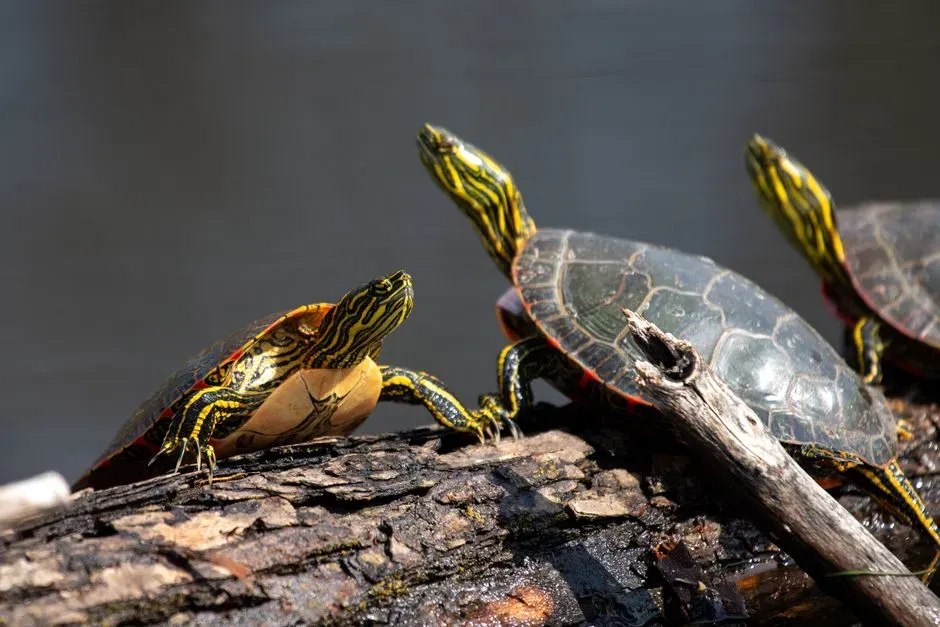
#6 – Painted Turtles Breathe Through Their Rear End
🔥 Would you like to save this?
We'll email this post to you, so you can come back to it later!
Some pond turtles spend the whole winter buried in mud, breathing through a very unexpected body part.
When ponds freeze, painted turtles settle into the mud at the bottom. They can survive for months in low or no oxygen.
They absorb oxygen partly through thin-skinned tissues, including the cloaca, a process called cloacal respiration. It’s one reason they can stay submerged until spring.
Deep water is a refuge. Even when the surface freezes, the water under the ice stays above 32 degrees. Northern leopard frogs also can’t tolerate freezing, so they winter on the bottom.
Land turtles take a different approach, and it’s #5.

Hand Blown Glass Hummingbird Feeders for Outdoors Hanging, 24oz Wild Bird Nectar Feeder
Check Price on AmazonAs an Amazon Associate, we earn from qualifying purchases.
10/7/2026 1:23 pm GMTi

Smart Bird Feeder with Camera Solar Powered, 2K HD Live Video, 10,000+ Bird Species AI Identification
Check Price on AmazonAs an Amazon Associate, we earn from qualifying purchases.
10/7/2026 1:22 pm GMTi

Halloween Dog Collar with Bow, Orange Cute Ghost Collar,
Check Price on AmazonAs an Amazon Associate, we earn from qualifying purchases.
10/9/2026 2:43 pm GMTi

Professional 7 in 1 Dog Paw Cleaner for Dogs & Cats - Includes 1 Portable Paw Washer, 1 Bath Brush
Check Price on AmazonAs an Amazon Associate, we earn from qualifying purchases.
10/7/2026 1:26 pm GMTi

Dog Stairs for Bed 18" H, 4-Step Dog Steps for High Bed
Check Price on AmazonAs an Amazon Associate, we earn from qualifying purchases.
10/9/2026 2:42 pm GMTi
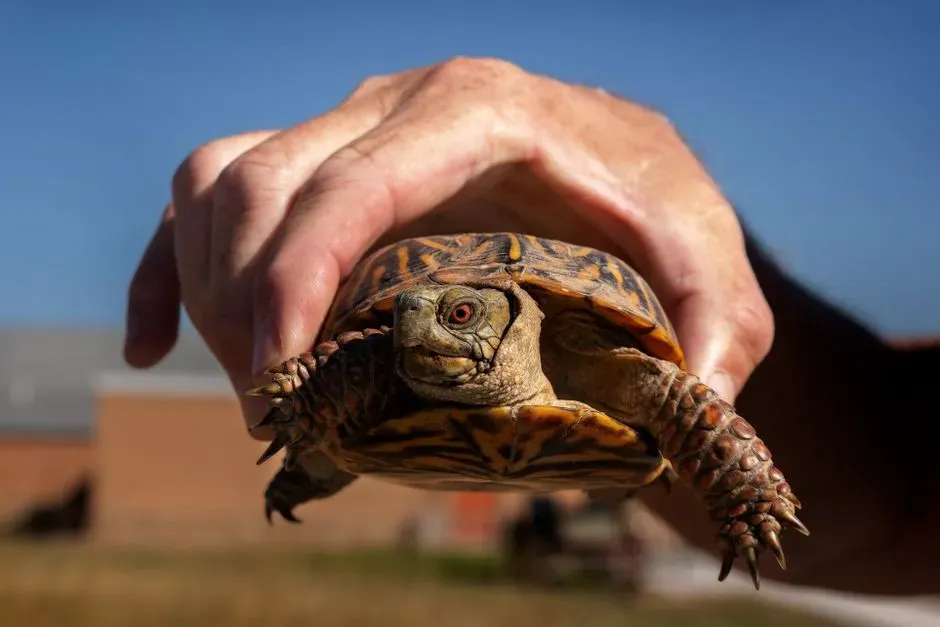
#5 – Box Turtles Dig In, Just Not as Deep as You’d Think
🔥 Would you like to save this?
We'll email this post to you, so you can come back to it later!
The box turtle in your neighborhood is probably tucked under the leaf pile you were about to bag.
Box turtles often start winter at ground level under leaves or brush piles, but they can dig nearly 20 inches underground.
In one Tennessee study, box turtles stayed within four inches of the surface all winter. Four inches is all that separates a turtle from the weather. They begin inching upward as winter thaws and become active aboveground in April.
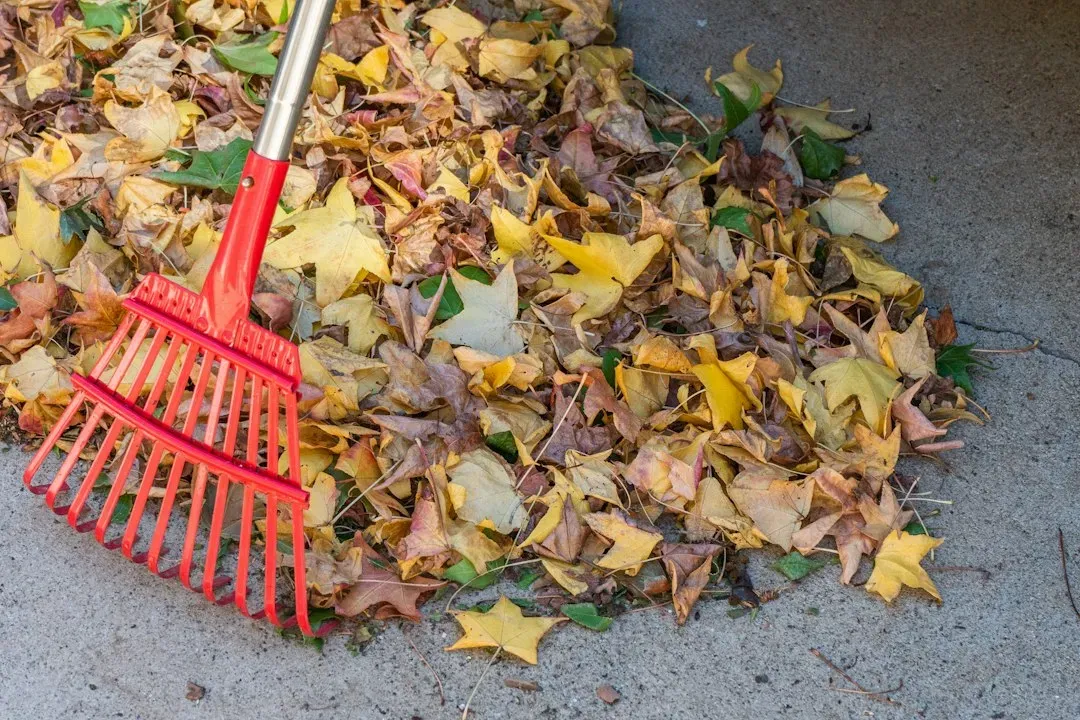
Here’s the contrarian part. Raking every leaf may be the biggest backyard mistake of the season, because it removes wildlife along with the leaves.
The leaves hide even more residents, as #4 shows.
#4 – Your Leaf Pile Is Secretly an Insect Hotel
🔥 Would you like to save this?
We'll email this post to you, so you can come back to it later!
The tiniest animals are also the most exposed to a hard freeze.
Many beneficial insects hibernate in leaf litter, finding their way in before the first frost and staying until spring. A bagged-leaf tower at the curb can be a lot of lost wildlife.
Bees are in the stems too. Native bees may hibernate underground or in hollow stems. Mason bees overwinter as adults in their cocoons, while leafcutter bees spend the season as larvae. Some butterflies overwinter as a chrysalis attached to plant stems near the ground.
- Leave seed heads and stalks standing
- Cut stems tall, not flush to the soil
- Keep leaves in garden beds instead of the curb
Even the insects you don’t want have their own winter moves, and they’re #3.
#3 – Ants Seal Up and Spiders Vanish
🔥 Would you like to save this?
We'll email this post to you, so you can come back to it later!
Ever notice the creepy-crawlies disappear right when the frost arrives? They didn’t die. They relocated.
Ant mound entrances get smaller or disappear entirely. Sealing entrances is a defensive move to conserve warmth and protect the colony.
Spiders seek shelter in bark, mulch, or structural crevices once nighttime lows approach freezing. Slugs and snails fade from view too, as the cold sends them into hiding.
Insects have a few main strategies for the cold, and each one looks different:
Quick Compare
- Freeze-avoidant: antifreeze proteins and cryoprotectants keep body fluids from turning to ice.
- Freeze-tolerant: the insect survives actually being frozen. Woolly bear caterpillars are a well-known example.
- Burrowers: many others simply tunnel below the frostline and wait it out.
A few animals pick the warmest place available, and that’s your house. That’s #2.

Orthopedic Extra Large Dog Bed, Waterproof Washable XL Pet Bed 44"
Check Price on AmazonAs an Amazon Associate, we earn from qualifying purchases.
10/7/2026 1:32 pm GMTi

PetSafe Oasys Pet Fountain, 1/2 Gallon (64 oz), Small Dogs & Cats
Check Price on AmazonAs an Amazon Associate, we earn from qualifying purchases.
10/8/2026 8:14 am GMTi

Glass Hummingbird Feeder for Outdoors Hanging, 16 oz Leak-Proof Nectar Feeder with Bee Guards & Ant Moat
Check Price on AmazonAs an Amazon Associate, we earn from qualifying purchases.
10/7/2026 1:22 pm GMTi

Air Purifiers for Home Pets Large Room Up to 3000 Ft²,HEPA Air Cleaner with Washable Double-Side Filter, PM2.5 Air Quality Monitor,15dB Sleep Mode for Bedroom Odor Dust Pollen,White
Check Price on AmazonAs an Amazon Associate, we earn from qualifying purchases.
10/8/2026 8:23 am GMTi
#2 – The Attic Suddenly Gets a Nightlife
🔥 Would you like to save this?
We'll email this post to you, so you can come back to it later!
The thumping overhead probably started the same week the cold did.
When nights drop near freezing, many animals stop sleeping in leaf piles and brush and start hunting warmer shelter. Heat rises from below, insulation is soft, the space stays dry, and owls and foxes can’t reach in.
Turns out the animals were probably nearby all along. They were likely living in your trees, woodpile, or garden shed. A sharp temperature drop simply gives them a reason to move closer.
The attic may go quiet for days during a hard freeze, then the thumping returns when temperatures warm.
The strongest fix for all of this isn’t a gadget, and it’s the biggest surprise in #1.
#1 – The “Messy” Corner You Were About to Clean Up Is the Whole Strategy
🔥 Would you like to save this?
We'll email this post to you, so you can come back to it later!
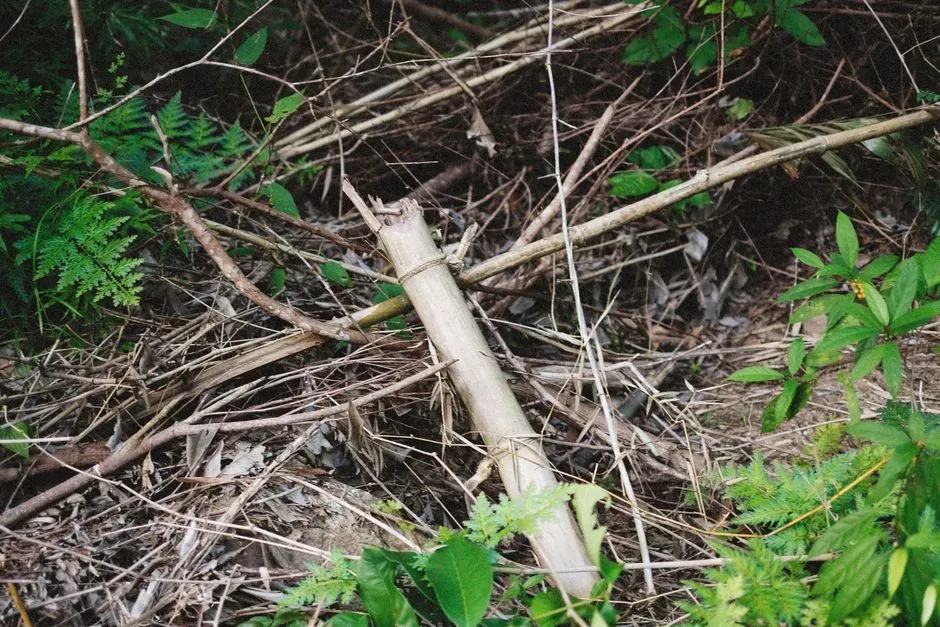
A brush pile does more for winter wildlife than any product you can buy.
The best time to set up shelter is before the first hard freeze, so animals have time to find it and treat it as familiar. A late pile still beats no pile.
No single shelter works for everyone. Dense evergreens and roost boxes suit birds, while brush piles, wood piles, and fallen logs shelter small mammals, insects, and amphibians. Those dried-out stems that look unsightly are a lifesaver to wildlife.
- A brush pile from trimmed branches and sticks
- A wood pile in a quiet corner
- Plant stalks left standing through winter
Put all 19 together and one pattern becomes obvious. A hard freeze doesn’t end backyard life. It changes the rules. Birds cool their own bodies and grow bigger memories, frogs freeze, turtles breathe through their skin, and insects pack into the leaves you were about to bag.
Our firm opinion: the tidy, raked, trimmed yard is the biggest winter mistake most people make. It looks cared for, but it strips out the shelter animals depend on. Leave the leaves, the stalks, and one scruffy brush pile, and give birds a dish of unfrozen water.
Which of these have you actually spotted in your own yard after the first freeze?

- 19 Things That Change for Backyard Wildlife After the First Hard Freeze - November 9, 2026
- 19 Signs a Dog Has Picked Its Person Without Anybody Noticing - November 9, 2026
- 10 Animals With Super Senses Humans Don’t Have - November 9, 2026