
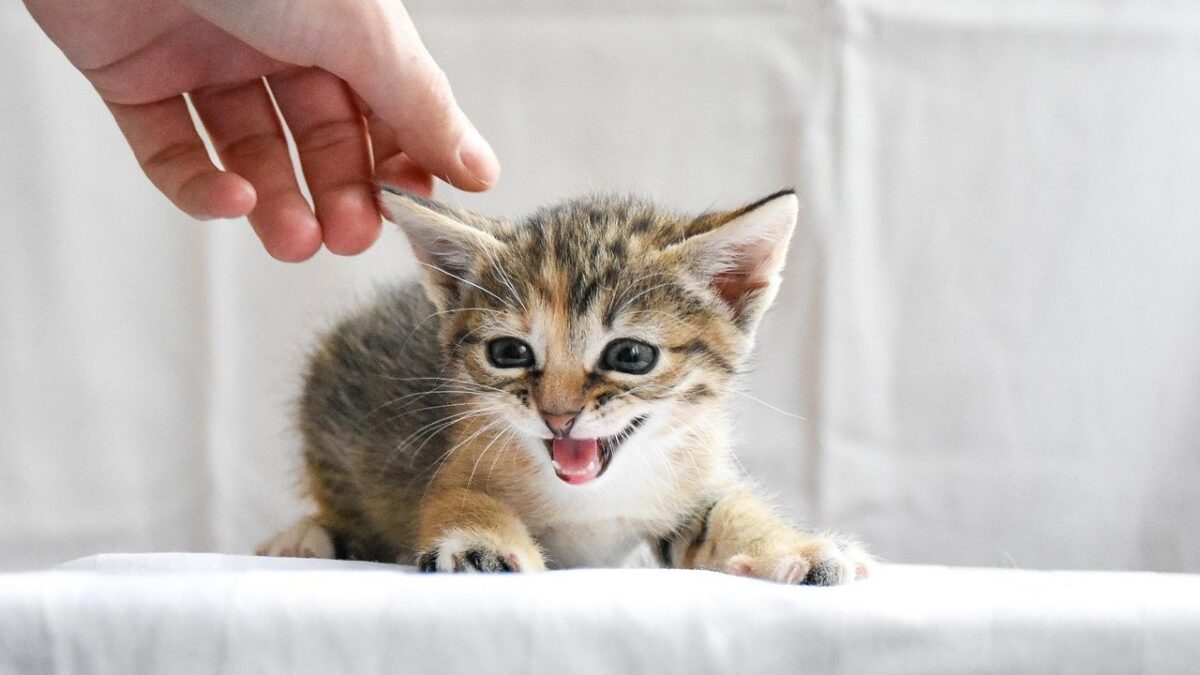
Bringing home your first cat feels like adopting a new family member. There’s excitement, a little nervousness, and that undeniable rush when your fluffy friend finally settles into your space. The thing is, cats aren’t small dogs or decorative houseplants. They’ve got unique needs and behaviors that first-time owners often misunderstand or completely overlook.
Here’s the honest truth. Nearly everyone who’s ever welcomed a cat into their home has made at least one rookie mistake. Maybe you thought that litter box could wait another day before cleaning, or perhaps you assumed cats were fine being left alone for long stretches without stimulation. These innocent errors happen more frequently than you’d think. Some lead to minor inconveniences, while others can seriously affect your cat’s health and happiness for years to come.
Let’s explore the most common missteps and how you can avoid them before they become real problems. Ready to become the cat parent your feline deserves?
Skipping Regular Veterinary Checkups
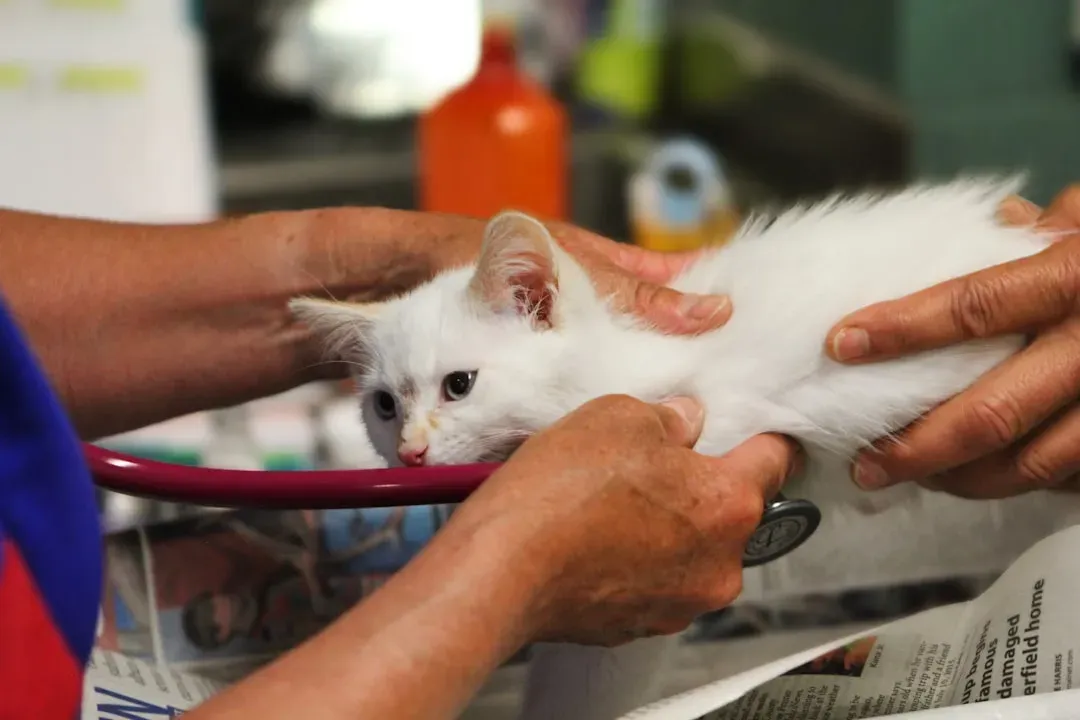
One of the biggest mistakes new cat owners make is skipping annual vet checkups, as cats are masters at hiding discomfort or illness. You might look at your cat lounging peacefully on the couch and assume everything’s perfectly fine. In reality, many health issues brew silently beneath the surface.
Cats have innate survival instincts that allow them to hide pain and illness well. It’s a leftover behavior from their wild ancestors who couldn’t afford to show weakness. This makes regular veterinary visits absolutely critical, even when your cat seems healthy.
Annual or twice-yearly vet exams help catch hidden illnesses early, especially in senior cats. Think about it this way: catching a health condition during its early stages can save you thousands in emergency treatments later. Preventive care isn’t just smart for your wallet; it’s essential for your cat’s quality of life.
Cats age about five times faster than humans, and the average life span for cats is about 14 years. That means every year for them is like five years for us. Missing annual checkups becomes much more significant when you consider how rapidly things can change.
Your vet isn’t just there to administer shots or treat emergencies. They’re your partner in ensuring your cat’s long-term wellness. From dental health to weight management, these visits address issues before they escalate into serious problems.
Parasite prevention, including flea, tick, and heartworm control, is recommended year-round for all cats – even indoor-only cats. Many first-time owners assume that indoor cats don’t need these treatments, which is a dangerous misconception.
Feeding Them the Wrong Foods or Overfeeding

Let’s be real. Those big, pleading eyes make it almost impossible to resist sharing your snacks. Feeding your cat too much, offering low-quality food, or giving them human snacks can lead to obesity, diabetes, and digestive problems. It sounds harsh, yet it’s one of the easiest mistakes to make.
A well-balanced diet for cats contains minimal carbohydrates, a lot of protein and a moderate amount of good fats, while many people make the mistake of feeding cats a high-carb diet which can be harmful. Cats are obligate carnivores. Their bodies are designed to thrive on meat-based nutrition, not fillers and grains that pad out cheaper food brands.
Many first-time owners also free-feed, leaving food out all day for their cat to graze. Free-feeding often leads to obesity and related health issues, so it’s better to establish regular feeding times and measure portions according to your cat’s age, size, and activity level. Setting a feeding schedule might seem rigid at first, though it helps you monitor exactly how much your cat consumes.
Here’s something surprising: All cats are lactose intolerant, and you should never give them milk and milk products even though they seem to love it, as milk will cause gastric distress within 12 to 18 hours after consumption. That classic image of a cat lapping up a saucer of milk? Total myth.
Cats are obligate carnivores and require high-protein, meat-based diets, while cheap foods often contain fillers, carbohydrates, and inadequate moisture. Reading ingredient labels becomes essential. Look for real protein sources listed first, not by-products or vague “meat meal” descriptions.
Don’t forget hydration. In their natural habitat, most cats avoid stagnant water bodies, so getting a water fountain is a good idea to keep your cat well-hydrated. Cats prefer moving water, and many simply won’t drink enough from a still bowl.
Neglecting the Litter Box

Dirty litter boxes are one of the most common reasons cats stop using them, and some owners also use heavily scented litter, which can turn cats off. This mistake leads to unwanted behaviors like house soiling, which becomes frustrating for everyone involved.
Think about it from your cat’s perspective. Would you want to use a filthy bathroom? Cats won’t use a messy, smelly litter box, so scoop solid wastes out of the box at least once a day, and dump everything, wash with a mild detergent and refill at least once a week. Daily scooping should become part of your routine, just like brushing your teeth.
Proper litter box setup follows the “n+1” rule: provide one more litter box than the number of cats in your household, so one cat should have two litter boxes. This gives your cat options and reduces territorial stress in multi-cat households.
Location matters more than you’d expect. All indoor cats need a litter box, which should be placed in a quiet, accessible location. Tucking it away in a loud laundry room or high-traffic hallway might seem convenient for you, yet your cat will likely avoid it.
Fill with 2-3 inches of unscented, clumping litter. Too much litter gets kicked out, too little doesn’t absorb properly. Finding the right balance takes some experimentation.
Sometimes litter box problems signal medical issues, not behavioral ones. If your cat will not use a litterbox, consult with your veterinarian, as sometimes refusal to use a litter box is based on a medical condition that required treatment. Urinary tract infections and other health problems often manifest as litter box avoidance.
Underestimating Their Need for Play and Mental Stimulation

Many people think cats are low-maintenance pets that just nap all day, but when a cat gets bored, it can lead to behavioral problems like scratching furniture or aggression. Honestly, the myth of the independent, self-entertaining cat has caused more problems than almost any other misconception.
Even the most docile cat needs plenty of environmental enrichment, and a lack of stimulation is a fatal mistake many cat owners can make without even realizing it, as bored cats can become aggressive and destructive. Your cat might start overgrooming, acting out, or developing anxiety-related behaviors.
Schedule two 10-15 minute play sessions daily, ideally before mealtimes to mimic natural hunt-eat-sleep cycles. This isn’t just about burning energy. It taps into their predatory instincts and provides the mental workout they crave.
Use wand toys to simulate prey movements with erratic, fast-slow variations to maintain engagement, and allow your cat to “capture” prey periodically to prevent frustration. Let them win sometimes. Constantly teasing without letting them catch anything creates stress rather than satisfaction.
Interactive toys and puzzle feeders are game changers. Using interactive toys, puzzle feeders, and window perches to keep your cat entertained, and incorporating cat enrichment ideas like rotating toys or DIY cardboard mazes, can make a huge difference. Variety keeps things interesting and prevents boredom from setting in.
Maine Coons need mental stimulation to prevent boredom and destructive behaviors, so providing toys, puzzles, and interactive playtime is crucial for their well-being. While this refers specifically to Maine Coons, the principle applies to all cats. Mental stimulation isn’t optional; it’s essential.
Using Hands and Feet as Toys
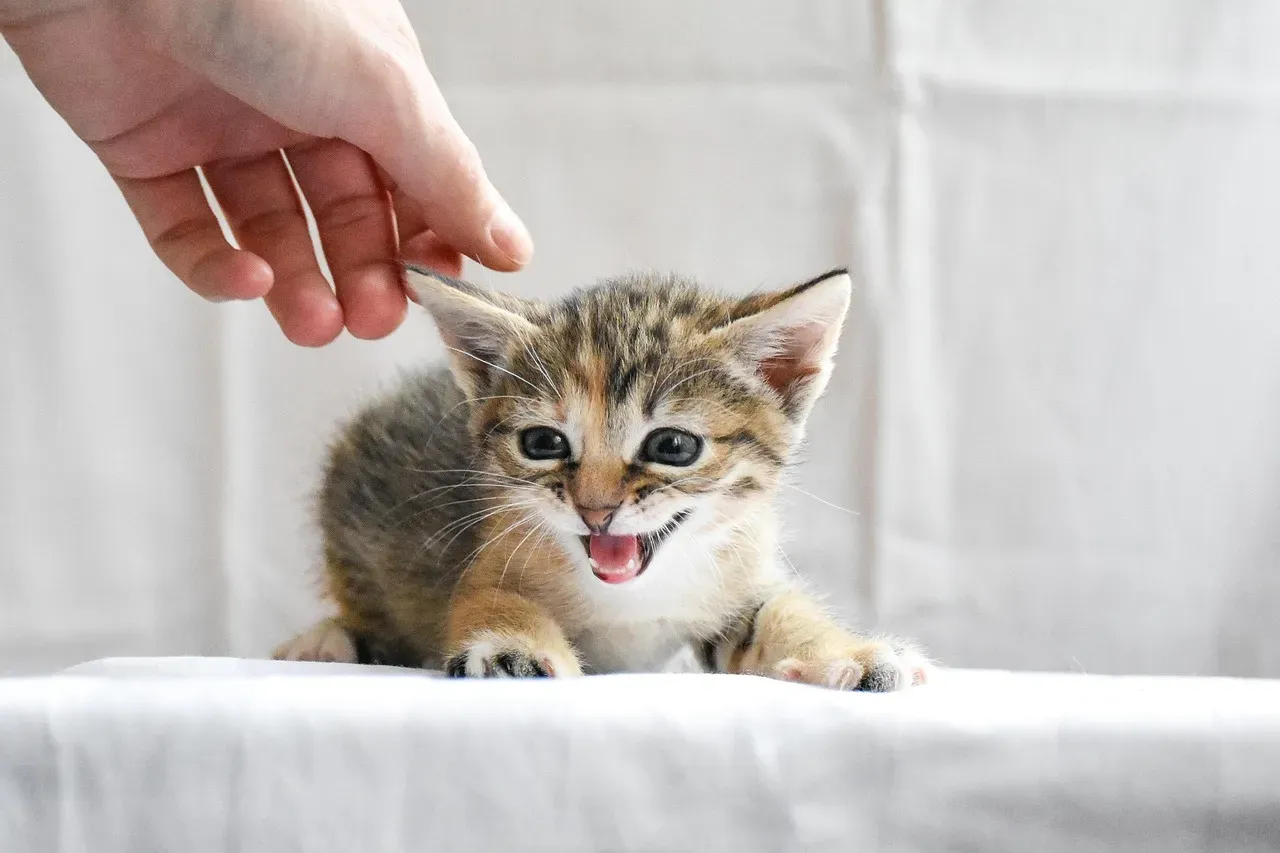
One of the most common mistakes first-time cat owners make is using their hands and feet as playthings to entice their cats to pounce, which is adorable with a tiny kitten but not the case when the cat’s a fully-grown hunting machine with sharp claws and teeth. You’re basically training your cat that human body parts are acceptable prey.
Picture this: your eight-week-old kitten pouncing on your wiggling toes seems hilarious. Fast forward six months, and now you’ve got a teenage cat ambushing your ankles every time you walk down the hallway. The behavior hasn’t changed; only the size and strength of the cat have increased.
Cats don’t understand context. They can’t differentiate between playtime attacks and real aggression once you’ve taught them that hands are toys. This leads to painful scratches and bites that could have been completely avoided.
Instead, always use appropriate toys for play. Wand toys, balls, stuffed mice, and laser pointers (though be sure to let them catch something physical at the end) redirect that hunting energy where it belongs. Your hands should only ever be associated with gentle petting and affection, never rough play.
Breaking this habit becomes exponentially harder once it’s established. Prevention is infinitely easier than correction. Keep your hands still when your cat gets riled up during play, and immediately redirect to a proper toy.
Some cats become so conditioned to this behavior that they develop genuine aggression issues. What started as innocent play can morph into a cat that genuinely believes attacking humans is acceptable. Save yourself and your cat the stress by never starting this pattern in the first place.
Failing to Spay or Neuter

An unneutered male WILL urine-mark, as a male cat who is ruled by his hormones will definitely follow his instinct to mark his territory, and your furniture will become the victims of male urine. This isn’t a possibility; it’s a guarantee. Intact male cats spray to advertise their presence, and it smells absolutely horrible.
For a female cat, if left unspayed, she will make every attempt to escape outdoors, vocalize, and in general, be a cat on a mission, while with both male and female cats, failure to spay or neuter may also increase their chances of certain cancers. The health benefits alone should convince any responsible owner.
Not neutering or spaying a Maine Coon cat at the appropriate age can lead to several issues, as unwanted pregnancies are common, contributing to overpopulation and potential health risks for the mother, while unneutered males may display aggressive behavior and urine marking. These problems apply to all cat breeds, not just Maine Coons.
Pet overpopulation remains a serious crisis. Millions of cats end up in shelters every year, and many never find homes. Spaying and neutering directly addresses this problem. Even if you think you can keep your cat indoors, accidents happen. One escape during mating season can result in multiple litters.
Female cats should be spayed and male cats neutered by five months of age. Some vets even recommend earlier procedures for certain situations. Talk to your veterinarian about the best timing for your specific cat.
The behavioral changes after spaying or neutering are significant. Cats become calmer, less prone to roaming, and generally easier to live with. The surgery is routine, safe, and one of the most responsible decisions you can make as a cat owner.
Overwhelming Them with Too Much Space Too Soon

When you bring your new fur-baby home and give her the run of the house, this is a mistake because so much space can be overwhelming to a cat already disoriented by recently leaving familiar surroundings, which can lead to her going to ground and hiding for days. Your excitement to show off your entire home can backfire spectacularly.
It is much better to set up a cat sanctuary in one quiet room, complete with everything she needs, and as she finds her paws and ventures out with the door open, she knows where safety and the toilet are and can bolt back there if she’s worried, which means she can be bolder and settle in more quickly. This approach respects your cat’s natural caution and gives them control over their adjustment pace.
Think of it like moving to a foreign country where you don’t speak the language. Would you want to be immediately thrown into navigating an entire city, or would you prefer starting with one familiar neighborhood? Cats need that same gradual introduction.
Start by confining your cat to a single, quiet room with all necessities, and allow them to explore this space for several days before gradually introducing other areas of your home. Some cats need only a few days; others might require weeks. Let your cat set the pace.
This strategy becomes even more critical if you have other pets. A small sanctuary room prevents overwhelming introductions and gives everyone time to adjust to new scents and sounds before face-to-face meetings occur.
Watch your cat’s body language. When they seem confident and curious rather than stressed and hiding, you can start opening the door and allowing supervised exploration of adjacent areas. Slow and steady wins this race.
Ignoring Dental Care

Another mistake cat owners make is not caring for their cat’s oral hygiene, as tooth brushing is not just for humans and a dirty mouth and teeth can put cats and kittens at risk of various dental diseases, though given a cat’s sharp claws, brushing their teeth is something many cat parents try and avoid. Dental disease is shockingly common in cats, yet it’s one of the most preventable health issues.
Regular dental care is important to maintain good oral hygiene and prevent oral diseases in cats, as without proper dental care, cats have an increased risk of gingivitis, a disease that causes inflammation and bleeding of the gums, while plaque also builds up on the teeth. These conditions progress silently until your cat is in serious pain.
Cats with dental disease are often in significant pain and will often refuse to eat or drink, and gingivitis can progress to periodontal disease. By the time symptoms become obvious, the damage is often extensive and expensive to treat.
Starting dental care early makes a massive difference. With some practice you can even learn to brush their teeth at home, and you can start with gently brushing their teeth up to three times a week, the minimum recommended amount, and work up to daily brushing. Begin when your cat is young, and it becomes just another part of your routine.
Use cat-specific toothpaste, never human toothpaste. The fluoride in human toothpaste is toxic to cats. Pet stores carry flavored options that make the experience more pleasant for your feline friend.
Beyond brushing, dental treats and toys can help. They’re not replacements for proper dental care, though they provide additional support between brushings. Regular professional cleanings with your vet might also be necessary as your cat ages.
Forgetting About Parasite Prevention for Indoor Cats

Many owners thought their cats didn’t need parasite treatment if they were indoors only, yet the two most common parasites (fleas and worms) can be brought into your home on your clothes, shoes, bag, etc., and any human or pet who goes outside can potentially bring in unwanted guests. This misconception puts countless indoor cats at risk.
Other pests like tapeworms, mites, hookworms, roundworms, ticks, and even heartworms can affect your cat, while heartworm treatment options are limited for cats and are not as treatable as they are for dogs, and some of these parasites can be transmitted to humans. The stakes are higher than most people realize.
Fleas are incredibly resilient. A single flea brought in on your pant leg can quickly become an infestation. A female flea can lay eggs in your home, and a full-blown infestation can occur. Once established, fleas are nightmarish to eliminate completely.
Worm larvae are transmitted through the fleas to the cat when swallowed, meaning your cat gets fleas and worms because they’re not protected. It becomes a cascading problem where one parasite leads to another, compounding your cat’s discomfort and health risks.
Year-round prevention is the smart approach. Parasite prevention is recommended for all cats – even indoor cats – to protect against fleas, ticks, and heartworm disease. Monthly preventatives are easy to administer and far less expensive than treating an active infestation or infection.
Talk to your veterinarian about which preventatives make sense for your situation. Different regions have different parasite pressures, and your vet can recommend the most appropriate protection for your specific location and lifestyle.
Not Providing Enough Resources
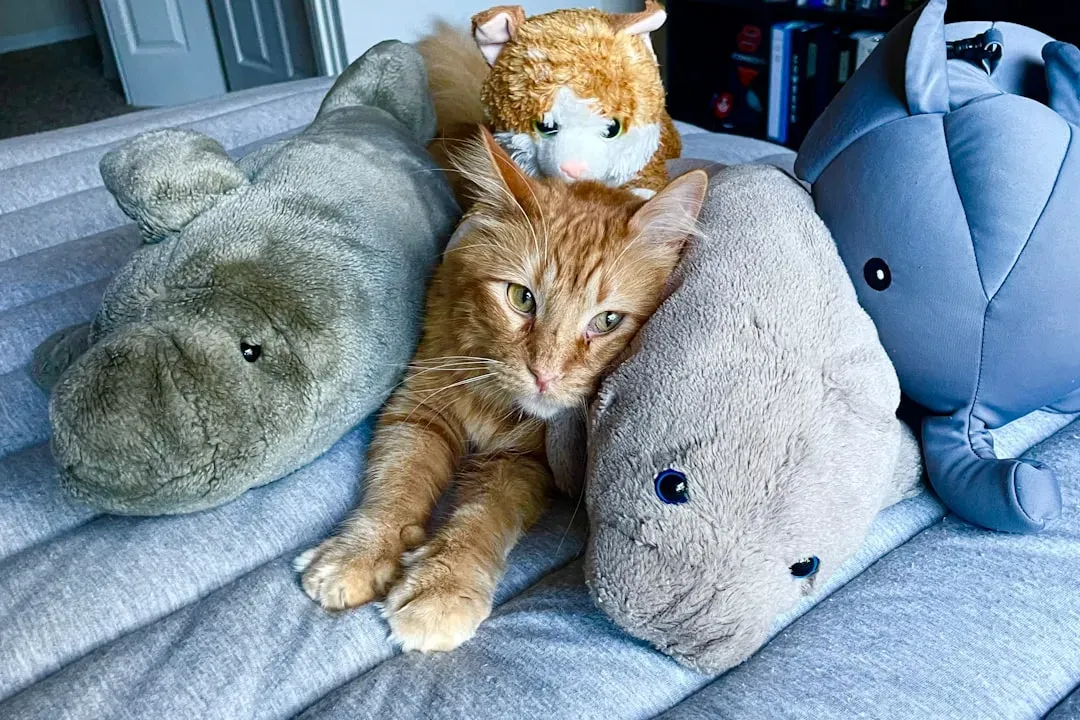
Cat owners may not understand how many resources cats need in the home to feel comfortable, as cats need one resource per cat, plus one. This formula surprises most first-time owners who assume one of everything is sufficient.
A resource is something your cat will use or need, such as a litter box, food bowl, water bowl, scratcher, etc., and the rule is that one cat requires two of these things (spread out around the home) to keep them happy. It seems excessive until you understand feline psychology.
Cats are both territorial and cautious. Having options reduces stress and prevents resource guarding. If their primary litter box feels unsafe for any reason, they need an alternative. If one water bowl is too close to their food, they’ll use the other one across the house.
Cats need multiple options and should be able to pick which they want to use, which means lots of work for owners, though many behavioral problems and even medical issues can be avoided with the proper distribution of resources. Prevention is always easier than solving established behavioral problems.
This becomes especially important in multi-cat households. Competition for resources creates tension and stress that manifests in various unwanted behaviors. Providing abundance eliminates most of these conflicts before they start.
Spread resources throughout your home rather than clustering everything in one location. Cats naturally patrol their territory and appreciate finding water, scratching options, and resting spots in multiple areas. It makes your entire home feel like their safe space rather than having one designated “cat corner.”
Conclusion: Learning as You Go
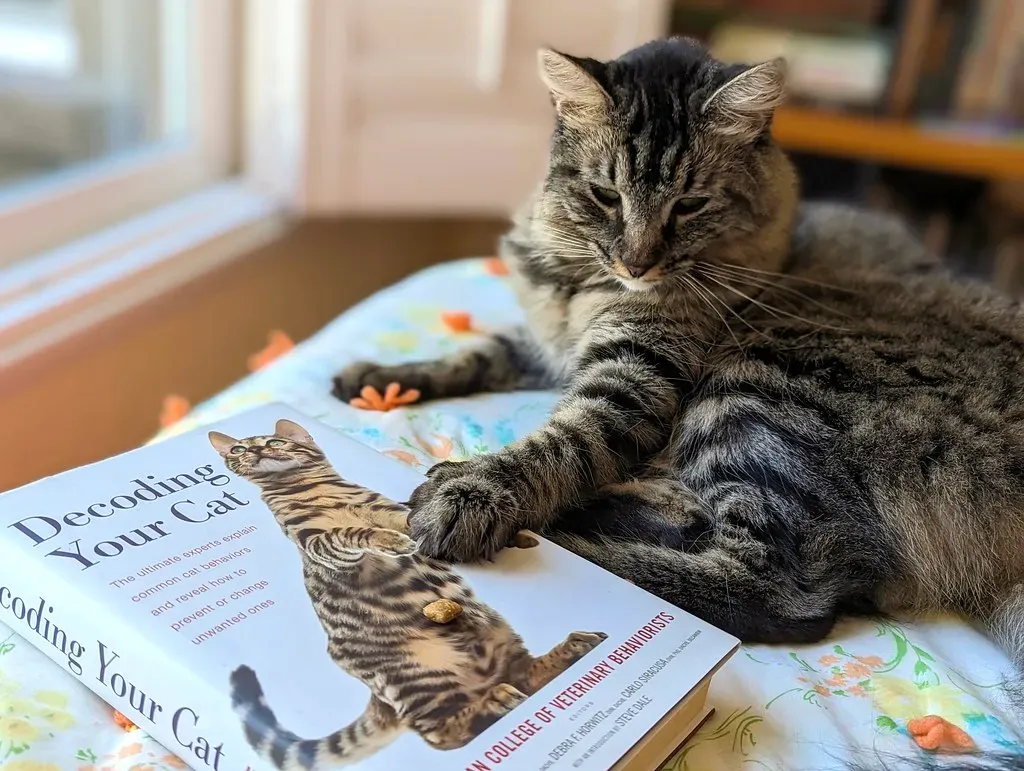
Nobody becomes a perfect cat parent overnight. The learning curve is real, and mistakes happen even with the best intentions. What matters most is your willingness to adapt and improve as you understand your cat’s unique needs better.
Navigating cat ownership successfully requires knowledge, patience, and commitment to continuous learning, and by understanding common mistakes before they happen, you’re positioning yourself and your feline companion for a rewarding, healthy relationship. Every cat has their own personality and preferences, so staying observant makes all the difference.
The mistakes covered here represent the most common pitfalls, though they’re far from the only ones. Reading, researching, and maintaining open communication with your veterinarian will serve you well throughout your cat’s life. Don’t hesitate to ask questions or seek professional help when behaviors or health concerns arise.
Remember that every cat is unique and what works for one may require adjustment for another, so stay observant of your cat’s individual needs, maintain consistent routines, and don’t hesitate to consult veterinary or behavioral professionals when challenges arise. Your cat is counting on you to be their advocate and caregiver.
The relationship you build with your cat will evolve over months and years. Early mistakes don’t doom the entire experience. With patience, consistency, and genuine care, you’ll develop a bond that enriches both your lives. What surprised you most about these common mistakes? Share your experiences with other new cat owners and help them avoid the same pitfalls.

- People Who Prefer Cats Over Dogs Often Carry This One Childhood Experience, According to Psychology - June 12, 2026
- 13 Dog Breeds That Flood Rescue Centers After the Holidays Every Single Year Without Exception - June 12, 2026
- The Great Migration: Why Millions of Monarchs Choose These US States - June 11, 2026