
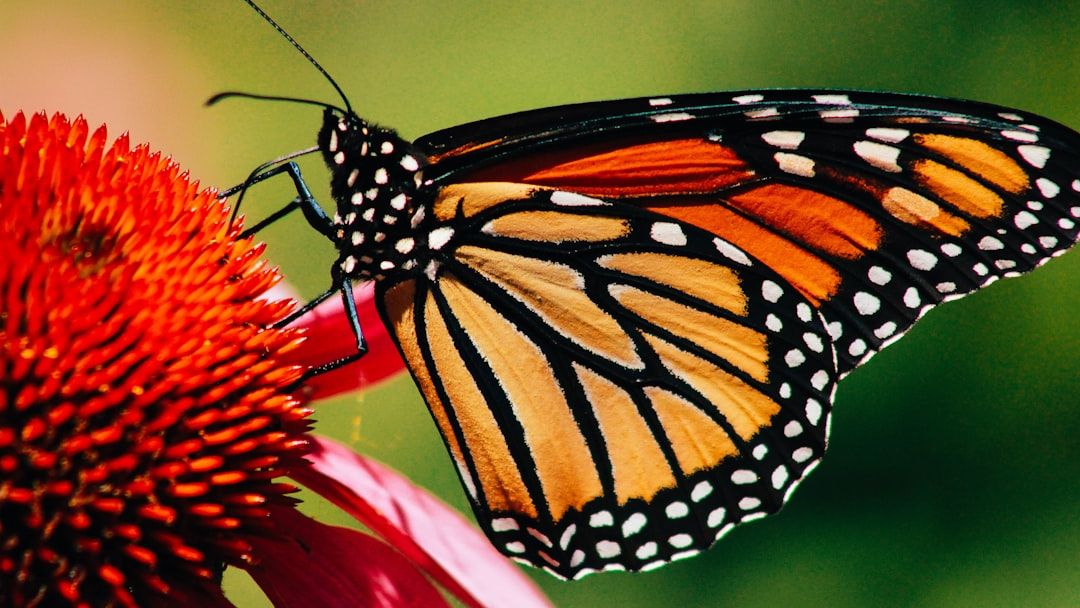
Every autumn, something almost unbelievable unfolds across the American landscape. Tens of millions of orange and black wings take to the sky simultaneously, moving with a kind of impossible purpose. These are monarch butterflies, and what they do each year is, without exaggeration, one of the most breathtaking natural spectacles on Earth.
This massive movement of butterflies has been recognized as “one of the most spectacular natural phenomena in the world.” Yet most people drive past these tiny travelers without a second thought. What makes this journey so astonishing, and which US states sit right in the middle of it all? Let’s dive in.
A Journey That Defies Everything We Know About Insects
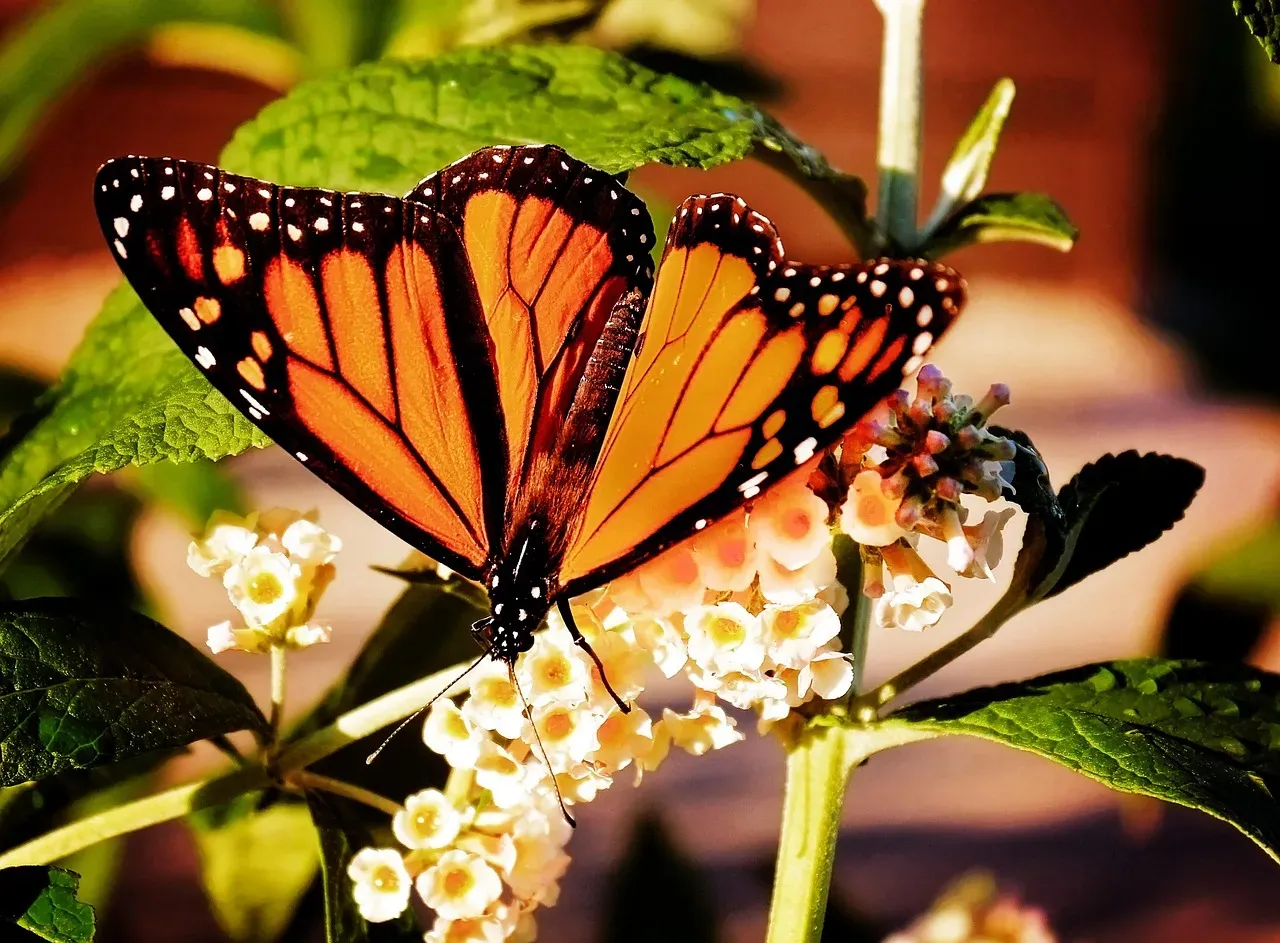
Let’s be real for a second. When most of us think of butterflies, we picture something delicate, fragile, almost fleeting. So the idea that one species of butterfly navigates thousands of miles with pinpoint precision feels almost absurd.
The monarch is the only butterfly known to make a two-way migration as birds do. That alone sets it apart from every other butterfly species in existence. Unlike summer generations that live for two to six weeks as adults, adults in the migratory generation can live for up to nine months.
Each migration is completed by a new generation, so they cannot learn from others. Instead, they rely on their genes. Their antennae have a genetic clock that tells them when to migrate, and to navigate, they measure the sun’s position on the horizon with their eyes. Think about that. No GPS. No parent to follow. Just raw biological programming encoded into something smaller than your palm.
Monarchs can travel between 50 and 100 miles a day, and it can take up to two months to complete their journey. The farthest ranging monarch butterfly on record traveled 265 miles in a single day. That’s honestly staggering for a creature that weighs less than a paperclip.
The Two Great Highways: East and West of the Rockies
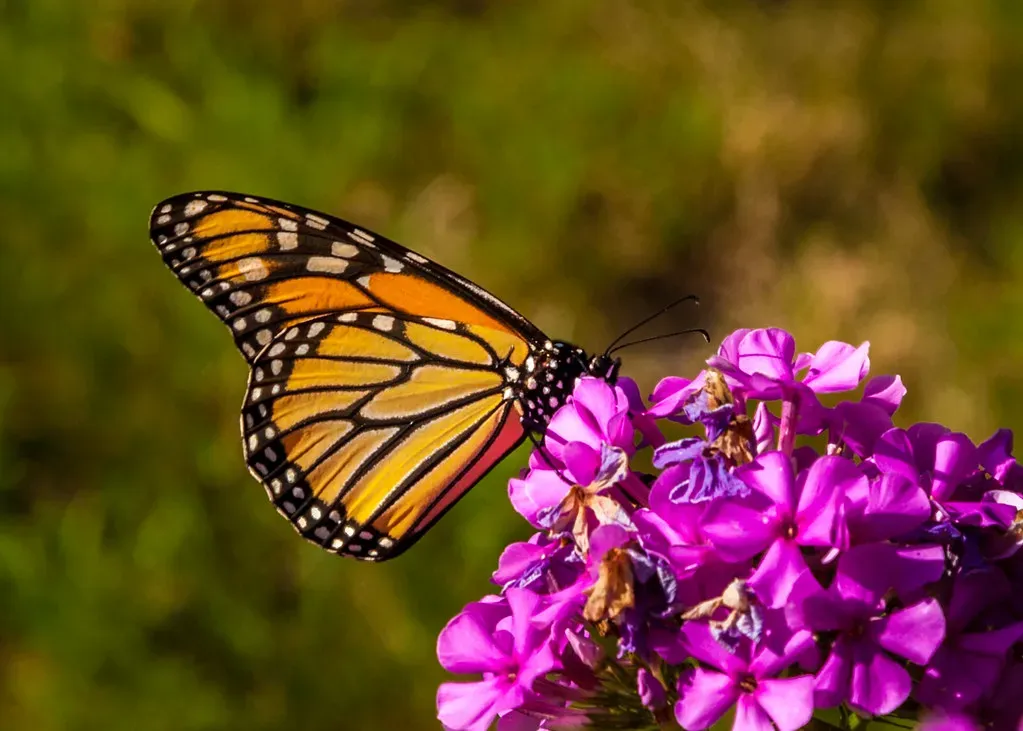
Here’s the thing that surprises a lot of people. There are actually two distinct monarch populations in North America, and they travel completely different routes. The Rocky Mountains essentially split the continent into two separate migration stories.
There are two monarch populations in the United States: the eastern population and the western population. The eastern population includes all monarchs east of the Rocky Mountains, while the smaller western population is found west of the Rockies and overwinters in California.
Each fall, North American monarchs travel from their summer breeding grounds to overwintering locations. East of the Rocky Mountains, monarchs travel up to an astonishing 3,000 miles to central Mexico, whereas the shorter migration west of the Rockies ends at the California coast.
Eastern North American monarchs fly south using several flyways, then merge into a single flyway in Central Texas. Imagine hundreds of separate streams slowly narrowing into one roaring river. That’s Texas in October. Meanwhile, monarchs living west of the Rocky Mountain range overwinter in California along the Pacific coast near Santa Cruz and San Diego, where microclimatic conditions are very similar to those in central Mexico, and they roost in eucalyptus, Monterey pines, and Monterey cypresses.
The Key US States That Make or Break the Migration
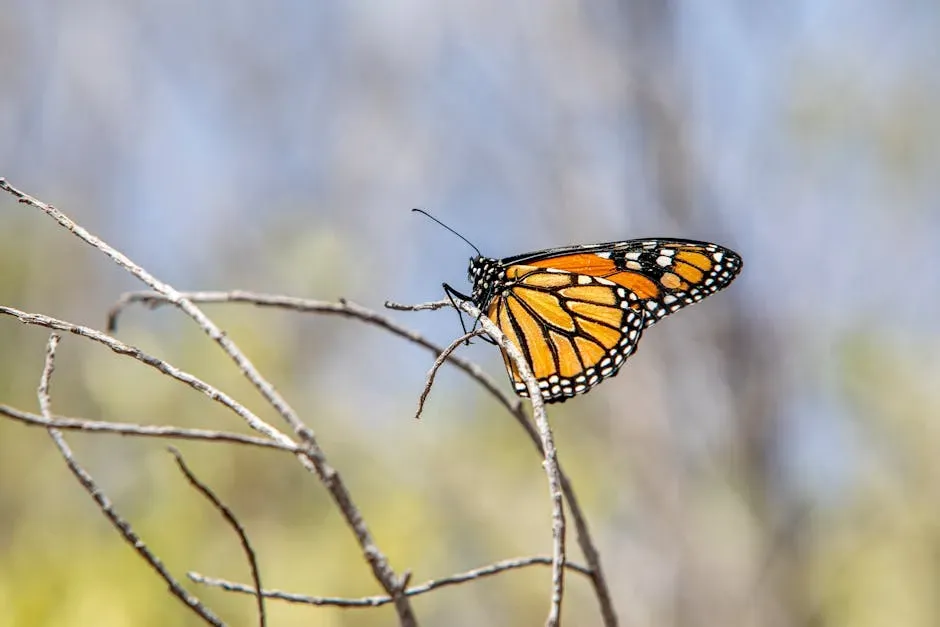
Not all states are created equal when it comes to monarchs. Some are mere pitstops. Others are absolutely critical. Without a handful of specific states along the route, the entire migration could unravel.
Texas holds a uniquely powerful position. In late September and early October, when conditions are favorable, thousands of monarchs a day may flutter through the prairies and oak savannas of Balcones Canyonlands National Wildlife Refuge in the Hill Country of central Texas. Texas isn’t just a waypoint. It’s the funnel through which almost the entire eastern population passes.
Florida plays a different but equally vital role. People start calling St. Marks National Wildlife Refuge as early as August to ask when the monarch butterflies are coming, because the refuge is the last refueling stop for thousands of migrating monarchs before they fly over the open water of the Gulf of Mexico. It’s essentially the last gas station before a very long, open-ocean crossing.
Each year during monarch season, from early September to late October, the Coastal Virginia Wildlife Observatory counts and tags monarchs at Eastern Shore. Kansas is another essential state. The butterflies tend to come in waves, based on weather patterns, and migrating monarchs feed on asters and goldenrod and other wildflowers that bloom throughout the refuges in the central Kansas wetlands.
Areas in west Texas, southern New Mexico, southern Arizona, Nevada, California, eastern Oregon, and eastern Washington also serve as breeding habitat in both spring and summer. The migration, in other words, touches an enormous swath of the American map.
The Alarming Truth About Monarch Numbers Right Now
I think this is where the story gets genuinely sobering. The migration we’re describing is still happening, yes. However, it is a shadow of what it once was, and the numbers coming out of recent counts are honestly alarming.
On December 12, 2024, the US Fish and Wildlife Service published a proposed rule that would list the monarch butterfly as a threatened species. The USFWS estimated that the probability of extinction in the foreseeable future (60 years) is between 56 and 74 percent for the eastern monarch migratory population, and an almost certain 99 percent for the western migratory population.
The 29th annual Western Monarch Count revealed a historically low population for the second year in a row. Approximately 12,260 monarchs were recorded overwintering across 249 sites, the third-lowest tally since the count began in 1997. To put that in perspective, historical estimates once placed the western population in the millions.
In the case of monarchs, the loss of milkweed means the loss of breeding habitat. Loss of milkweed from prime migration routes is primarily due to the dramatic increase in the use of herbicide-resistant crops, where corn and soy crops are genetically modified to be resistant to glyphosate, a broad-spectrum herbicide that kills everything other than the resistant crop, including milkweed.
A second factor harming monarch butterflies is neonicotinoids, a class of neurotoxic insecticide. Although marketed as a safer option for selectively killing pests, neonics have instead made US agriculture nearly fifty times more toxic to most insects, including pollinators. These pesticides are affecting entire food chains as they are persistent in the environment and have cumulative effects on invertebrate populations.
Signs of Hope and What States Are Doing to Fight Back
It’s not all doom and gloom, though. Honestly, some of the conservation responses happening right now are genuinely encouraging, and several US states are stepping up in meaningful ways.
At least 14 states, including California, Illinois, Minnesota, Missouri, New York, North Carolina, Ohio, and others, have enacted legislation to protect, develop, and restore habitat suitable for pollinators. That kind of bipartisan, multi-state commitment is rare, and it matters.
For the eastern monarch population, which primarily overwinters in the oyamel fir forests of central Mexico, recent reports indicate cautious optimism. The 2024 to 2025 overwintering season saw a significant increase, with monarchs occupying approximately 1.79 hectares, nearly double from the previous year’s 0.9 hectares.
In April 2025, the Chicago Park District launched a citywide initiative called “Project Monarch” to conserve and celebrate monarch butterflies and their habitats. Meanwhile, in 2025, a research project deployed over 400 solar-powered ultralight transmitters on the thoraxes of southward-migrating monarchs, tracking butterflies from locations throughout North America and the Caribbean to their overwintering sites in Mexico. That kind of real-time tracking is a genuine game-changer for researchers.
The good news is that many of us can take action to help milkweed and the monarch. By planting milkweed or simply letting it grow, you directly support monarch breeding and migration. It really is that simple. A single patch of native milkweed in your backyard can be a lifeline for a creature making one of the most extraordinary journeys in the natural world.
Conclusion: A Migration Worth Fighting For
The monarch migration is more than just a beautiful spectacle. It is a living, breathing indicator of the health of our entire landscape. When monarchs thrive, so do the ecosystems they pass through. When they struggle, it is a warning that something bigger is out of balance.
Eastern North American monarchs fly south using several flyways that merge into a single corridor in Central Texas, and it is truly remarkable that these monarchs know the way to the overwintering sites even though this migrating generation has never before been to Mexico. There is something deeply humbling about that.
The US states along this route, from Florida and Virginia to Texas, Kansas, and California, aren’t just passive observers. They are the backbone of the entire migration. What happens in these states, the plants people grow, the pesticides farmers use, the laws state governments pass, directly determines whether future generations will ever witness this orange tide rolling across the sky.
The question is not whether we can save the monarch migration. The science says we can. The real question is whether we will choose to. What would you be willing to plant, change, or advocate for to keep this migration alive?
