


Have you ever watched your cat and wondered what on earth they were thinking? You’re not alone. Even seasoned veterinarians scratch their heads at some feline behaviors. Cats are enigmatic creatures, full of quirks and peculiarities that leave even the most experienced pet experts puzzled. These mysterious behaviors often include actions that seem to defy logic or reason, making us question the inner workings of our feline friends. Let’s dive into the world of cats and explore ten baffling habits that continue to confound even the most knowledgeable veterinarians.
The Midnight Zoomies

If you’ve ever been woken up by the sound of your cat sprinting through the house like a tornado, you’ve witnessed the phenomenon known as the “midnight zoomies.” This nocturnal burst of energy is a common behavior in cats, yet it remains a mystery to many. Cats are crepuscular animals, meaning they are most active during dawn and dusk. However, this doesn’t fully explain why they choose the dead of night to unleash their inner athlete. Some experts believe it’s an instinctual behavior, harking back to their wild ancestors who would hunt under the cover of darkness. Others think it’s simply a way for cats to burn off excess energy. Whatever the reason, the midnight zoomies are a familiar, if bewildering, part of cat ownership.
The Headbutt of Affection

A soft nudge from your cat’s head might seem like a simple gesture, but it carries more weight than you might think. Known as “bunting,” this behavior is a way for cats to mark you with their scent, claiming you as part of their territory. It’s a sign of affection and trust, but the exact reasons why cats choose to express themselves this way are still unclear. Some theories suggest that headbutting is a form of social bonding, a way for cats to strengthen their relationship with their human companions. Whatever the case, a headbutt from your feline friend is a unique and cherished sign of their love.
The Mysterious Chirping

Have you ever heard your cat make a sound that’s somewhere between a meow and a chirp? This peculiar vocalization is often directed at birds or other small animals outside the window. Theories about why cats chirp vary, but many believe it’s an expression of frustration or excitement. Some suggest that it’s a mimicry of bird calls, a leftover instinct from their hunting days. Others think it’s a way to communicate with their prey, though this seems less likely. Regardless of the reason, the chirping sound is a delightful and puzzling aspect of feline behavior.
The Unexplainable Kneading

Kneading, or “making biscuits,” as some affectionately call it, is a behavior that cats often exhibit when they are feeling content. This rhythmic pushing of their paws against soft surfaces is thought to be a comforting action, reminiscent of their kittenhood when they would knead their mother’s belly to stimulate milk flow. However, the exact reason why adult cats continue this behavior is still debated. Some believe it’s a way for cats to mark their territory with the scent glands in their paws, while others see it as a simple expression of comfort and happiness. Whatever the reason, kneading is a heartwarming habit that many cat owners cherish.
The Obsession with Boxes

Place an empty box on the floor, and chances are your cat will immediately claim it as their new favorite spot. This obsession with boxes is one of the most common and perplexing cat behaviors. While it might seem like a simple preference for small spaces, the reasoning behind it is more complex. Boxes provide cats with a sense of security, offering a safe haven where they can hide and observe their surroundings without being seen. The confined space also helps them retain body heat, making it a cozy retreat. Despite these insights, the universal appeal of boxes to cats remains one of the many delightful mysteries of feline behavior.
The Peculiar Water Fascination

While many cats are notorious for their aversion to water, some exhibit a fascination with it that leaves owners scratching their heads. Whether it’s drinking from a running faucet or pawing at a water bowl, this behavior can be both amusing and confusing. Some experts believe that cats are attracted to the sound and movement of water, which may mimic the flowing streams their ancestors would have encountered in the wild. Others think it’s simply a form of play or curiosity. Whatever the reason, a cat’s relationship with water is a complex and intriguing aspect of their behavior.
The Tail Twitching Enigma

A cat’s tail is a powerful communication tool, but interpreting its movements can be challenging. One of the most puzzling tail behaviors is the rapid twitching or vibrating motion that some cats display. This can be a sign of excitement, irritation, or even indecision. However, the exact meaning behind this twitching remains elusive. Some suggest it’s a way for cats to release pent-up energy, while others see it as a form of communication with other animals. Deciphering the language of the tail is a skill that even experienced veterinarians continue to refine.
The Love for High Places

Cats are natural climbers, and their love for high places is well-documented. Whether it’s perching on top of a bookshelf or scaling a tree, this behavior is rooted in their instincts as hunters and explorers. High vantage points allow cats to survey their territory and spot potential prey or threats. However, their preference for heights can sometimes lead to risky situations, leaving owners and veterinarians concerned. Despite the potential dangers, the allure of high places is a testament to a cat’s adventurous spirit and independent nature.
The Odd Eating Habits

Cats are known for their finicky eating habits, but some behaviors are more perplexing than others. From eating plastic or wool to refusing food they’ve loved for years, these quirks can be frustrating and concerning for owners. While some of these behaviors may be linked to medical issues, others are simply a reflection of a cat’s unique personality and preferences. Understanding the reasons behind these eating habits requires patience and observation, as well as a willingness to adapt to your cat’s ever-changing tastes.
The Unpredictable Play Preferences
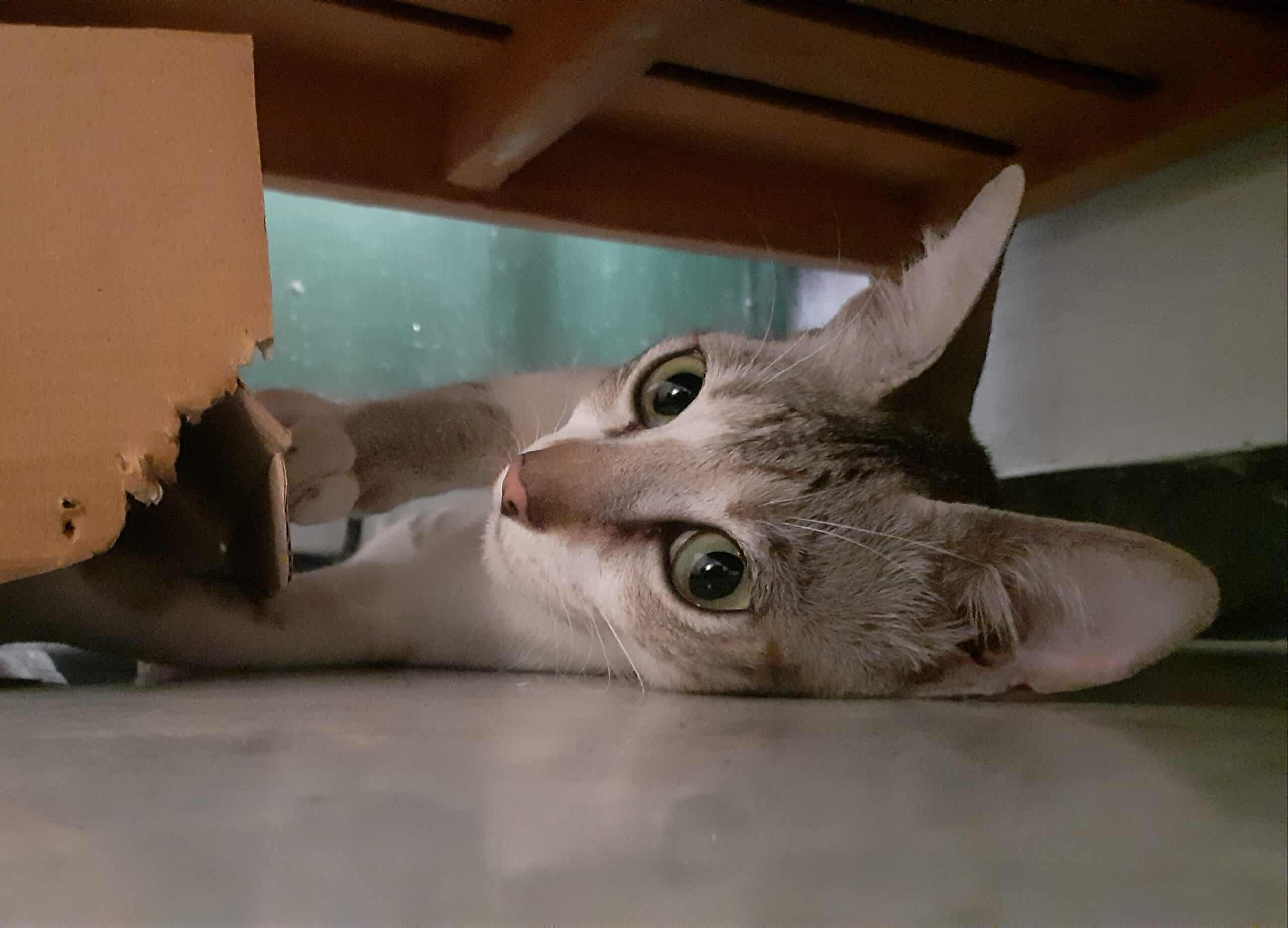
Cats are playful creatures, but their preferences for toys and games can be unpredictable. One day they might be obsessed with a feather wand, and the next, they’re ignoring it completely. This fickleness can be baffling, but it’s a reminder of a cat’s independent nature. Their play preferences may be influenced by their mood, environment, or even the time of day. Understanding and adapting to these preferences is key to keeping your cat engaged and happy, even if their choices leave you scratching your head.
The Unseen Staring Contests

Have you ever caught your cat staring intently at something you can’t see? This behavior, while sometimes unnerving, is a common feline trait. Cats have excellent vision and are highly attuned to movement, allowing them to detect things that might be invisible to us. Their intense focus can be a sign of curiosity, hunting instincts, or even a response to something as subtle as a flickering shadow. While it might seem strange, a cat’s staring contests are a testament to their acute senses and alert nature.
The Mysterious Purring

Purring is one of the most recognizable and comforting sounds a cat can make, yet its exact purpose remains a mystery. While it’s often associated with contentment, cats also purr when they’re injured or stressed, suggesting a more complex function. Some experts believe that purring has a healing effect, with the vibrations promoting bone growth and recovery. Others see it as a way for cats to communicate with their owners and other animals. Whatever the reason, purring is a fascinating and multifaceted aspect of feline behavior.
The Unsettling Stalking Behavior

Cats are natural hunters, and their stalking behavior is a reflection of this instinct. Whether they’re sneaking up on a toy or a fellow pet, this behavior can be both entertaining and unsettling. The slow, deliberate movements are a testament to a cat’s patience and focus, honed over generations of evolution. While this behavior is usually harmless, it can sometimes escalate into aggressive play, leaving owners unsure of how to respond. Understanding the roots of stalking behavior can help you manage your cat’s hunting instincts in a safe and constructive way.
The Strange Sleeping Positions

Cats are masters of relaxation, but their sleeping positions can be as strange as they are adorable. From curling up in a tight ball to sprawling out in a sunbeam, these positions are as varied as the cats themselves. Some positions are a reflection of a cat’s comfort and trust in their environment, while others may be a way to regulate body temperature. Whatever the reason, a cat’s sleeping habits are a charming and mysterious part of their behavior, offering a glimpse into their unique personalities.
The Inexplicable Attachment to Humans

Cats are often seen as aloof and independent, but their attachment to humans can be surprisingly strong. Whether it’s following you from room to room or curling up in your lap, this behavior is a sign of trust and affection. While some cats are more social than others, the reasons behind their attachment are still being studied. Some experts believe it’s a result of domestication, while others see it as a form of companionship. Whatever the case, a cat’s bond with their human is a special and cherished aspect of pet ownership.
The Puzzling Reaction to Catnip

Catnip is a well-known feline stimulant, but not all cats react to it in the same way. While some become hyperactive and playful, others seem unaffected. This varied response is due to genetic factors, with sensitivity to catnip being an inherited trait. The active ingredient in catnip, nepetalactone, triggers a response in the brain that mimics feline pheromones, leading to a temporary state of euphoria. Despite its popularity, the exact mechanisms behind catnip’s effects remain a subject of study, adding yet another layer of mystery to our understanding of cats.
Conclusion
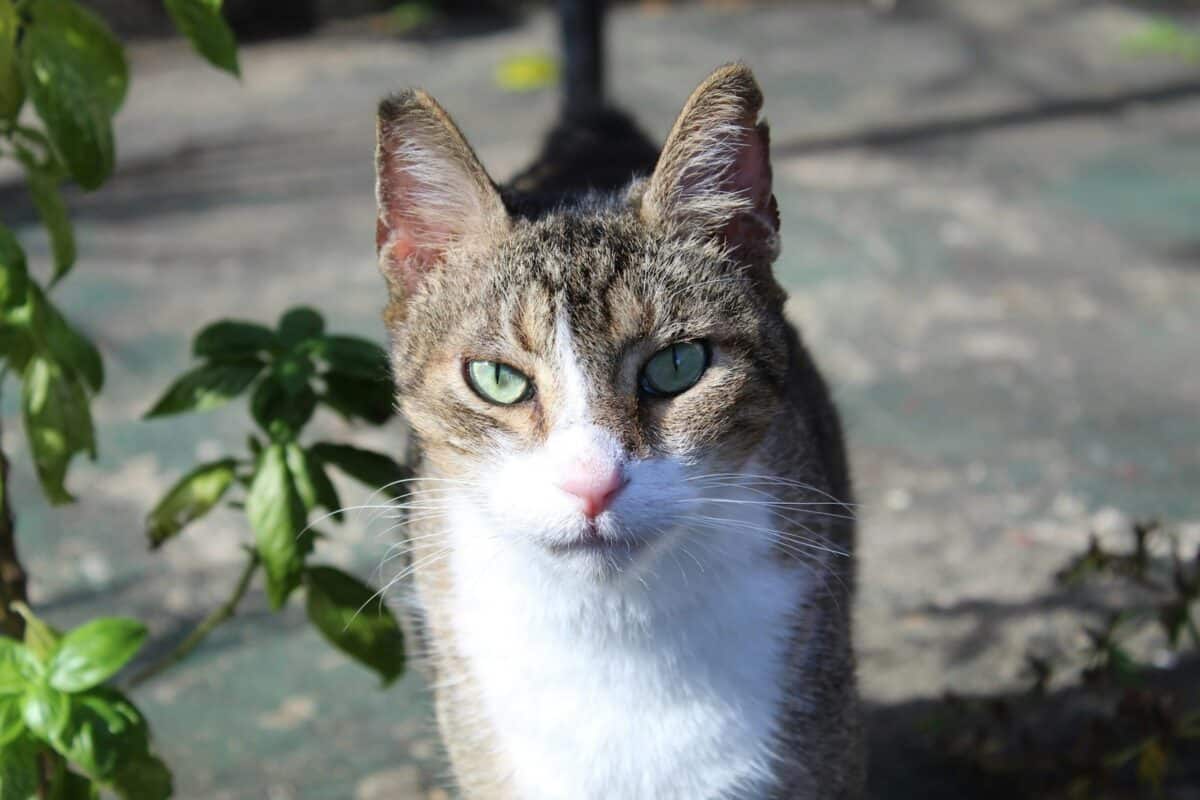
The world of cats is full of surprises, and their behaviors continue to captivate and confound us. From their inexplicable love for boxes to their mysterious purring, these habits are a testament to the unique and complex nature of our feline friends. As we continue to learn more about these enigmatic creatures, one thing is certain: cats will always keep us guessing. What peculiar habit does your cat have?

As a little kid, I fell in love with nature, wildlife, and animals. Living in the USA, South Africa, Italy, China and Germany gave me the opportunity to discover the world's Wildlife. My favorite animals are Mountain Gorillas, Siberian Tigers, and Great White Sharks.
I'm a certified PADI Open Water Diver, went to Everest Base Camp and Trekked Gorillas in Uganda. I hold a Master of Science in Economics and Finance.
Please send any feedback to feedback@animalsaroundtheglobe.com
- 15 Dogs That Stay Puppies Forever in Personality - July 26, 2026
- The Most Popular Mini Mammals in the Exotic Pet Trade - July 25, 2026
- 12 Countries With the Most Spider Species - July 25, 2026