

There’s something quietly extraordinary about earning a dog’s trust. It doesn’t come with an announcement. It doesn’t arrive with a certificate. It shows up in the smallest, most ordinary moments – a slow blink in your direction, a sigh as they settle beside your feet, a tail that wags not from excitement but from pure, settled contentment.
Unlike humans, dogs don’t verbalize trust. Instead, they reveal it through behaviors deeply rooted in instinct, emotional security, and body language. And here’s what most people miss: those behaviors are happening all around you, every single day. The question is whether you know how to read them.
#1: They Expose Their Belly Without Hesitation
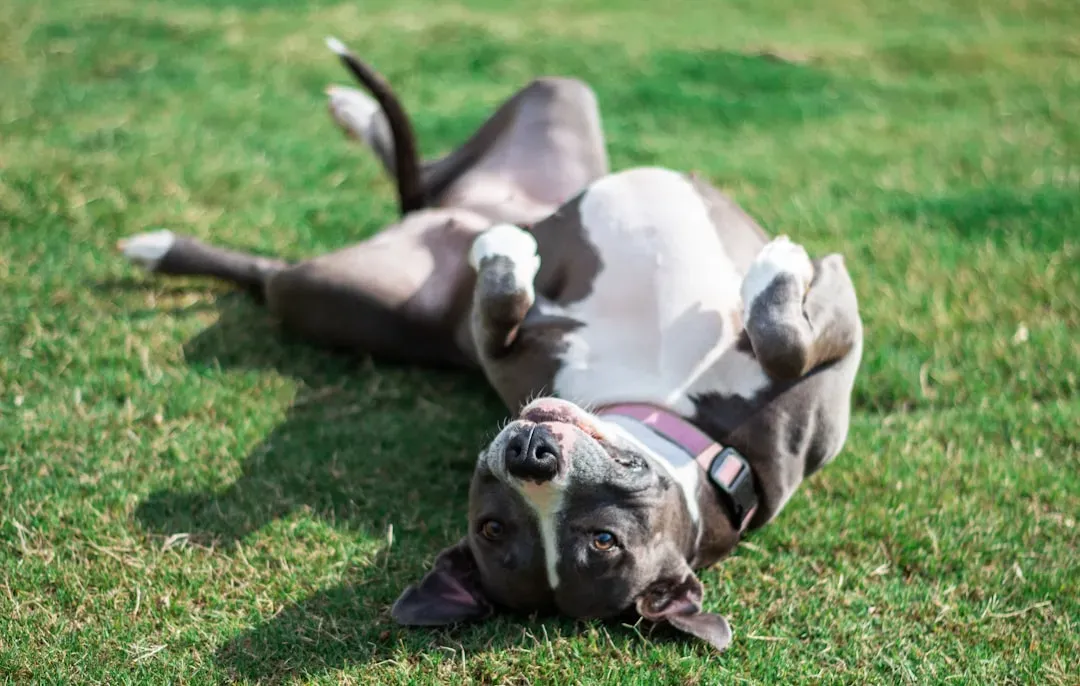
Exposing the abdomen is one of the most physically vulnerable positions a dog can adopt. Every vital organ is exposed. There is no defensive posture available. A dog that rolls onto their back in your presence is communicating something that requires absolute trust to express.
The key distinction is the overall body language accompanying it. A trusting belly-up is loose, wiggly, and relaxed – often accompanied by a helicopter tail and soft face. An appeasement belly-up is tense, with stiff and flattened ears and a tucked tail. So when your dog flops over in front of you with that wriggly, carefree energy, it’s not just a bid for belly scratches. It’s a declaration of complete safety.
#2: They Maintain Soft, Relaxed Eye Contact
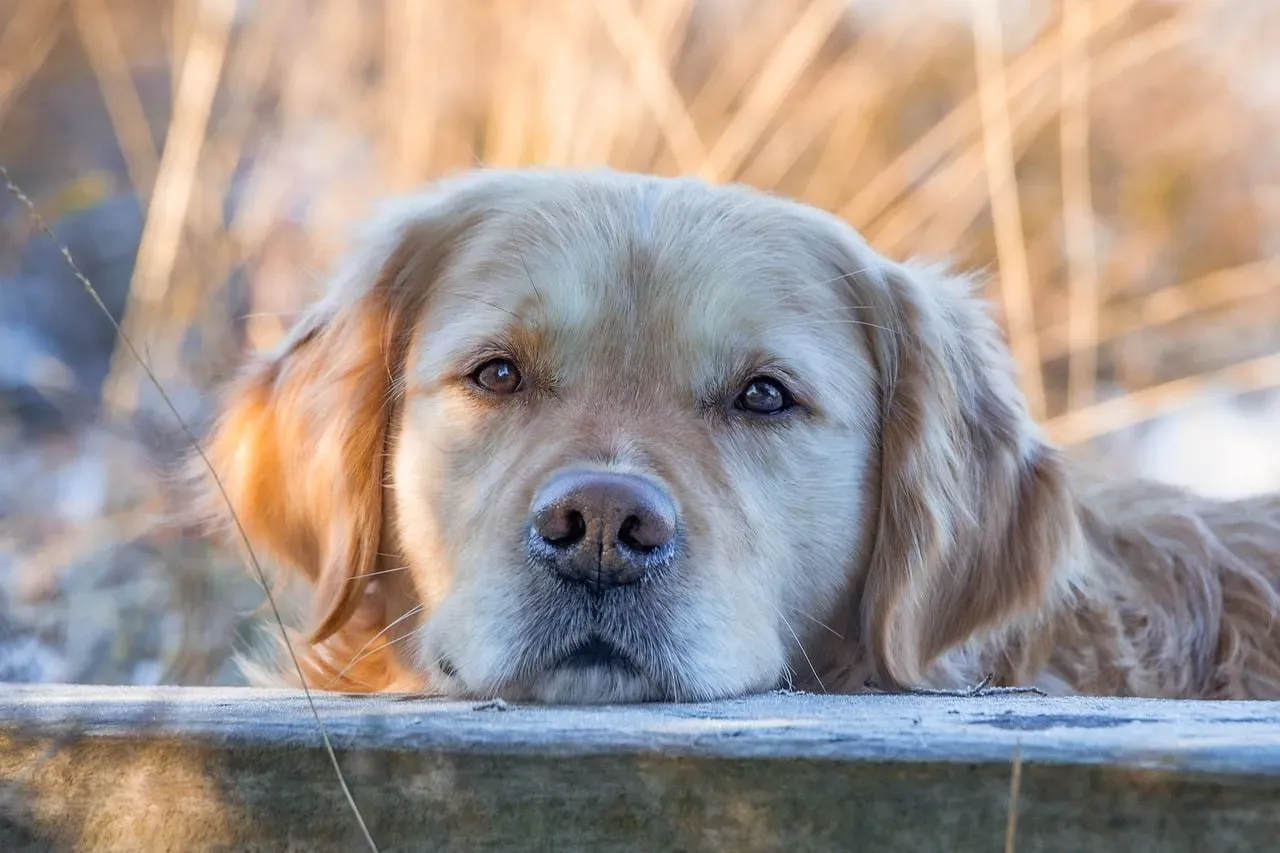
In the animal kingdom, direct eye contact is almost universally a threat signal. Dogs understand this – they avoid locking eyes with unfamiliar dogs to prevent conflict. So when your dog holds your gaze with soft, relaxed eyes, they’re doing something genuinely remarkable.
A landmark 2015 study published in the journal Science by researchers at Azabu University in Japan found that mutual gazing between dogs and their owners increased oxytocin concentrations in both species – the same bonding hormone released between mothers and their infants. Dogs that gazed at their owners longer showed increased oxytocin levels, and their owners’ oxytocin levels rose in response, creating a self-reinforcing loop of trust and attachment. That long, unhurried look your dog gives you from across the room? It’s more meaningful than it seems.
#3: They Sleep Deeply and Vulnerably Near You
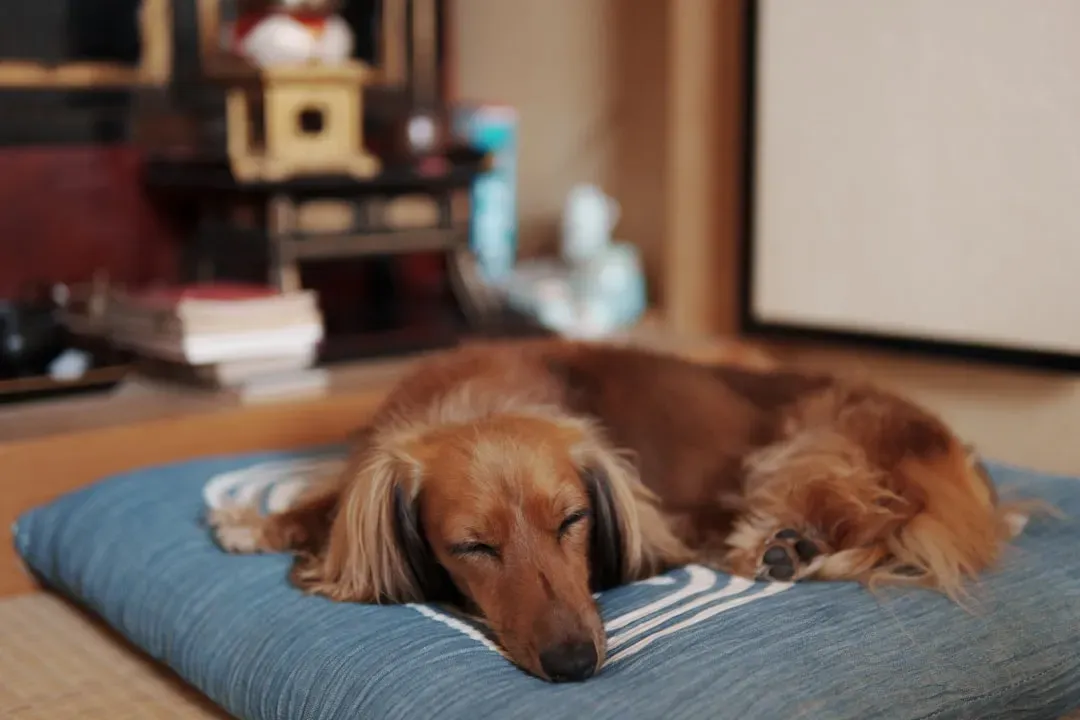
The quality of your dog’s sleep is one of the clearest windows into their emotional state. A dog that sleeps restlessly, lightly, and frequently repositioning is a dog whose nervous system hasn’t fully settled. A dog that crashes into deep, twitching, dreaming sleep the moment they lie down is a dog who feels completely safe.
Sleeping near you or even touching you while sleeping shows deep trust. Dogs are vulnerable when they sleep, so choosing to rest beside you means they believe you’ll keep them safe. If your dog falls asleep with their back to you, that’s even stronger trust because they’re confident you’ll watch out for threats. It’s essentially the highest compliment a dog can pay.
#4: They Come to You When Frightened
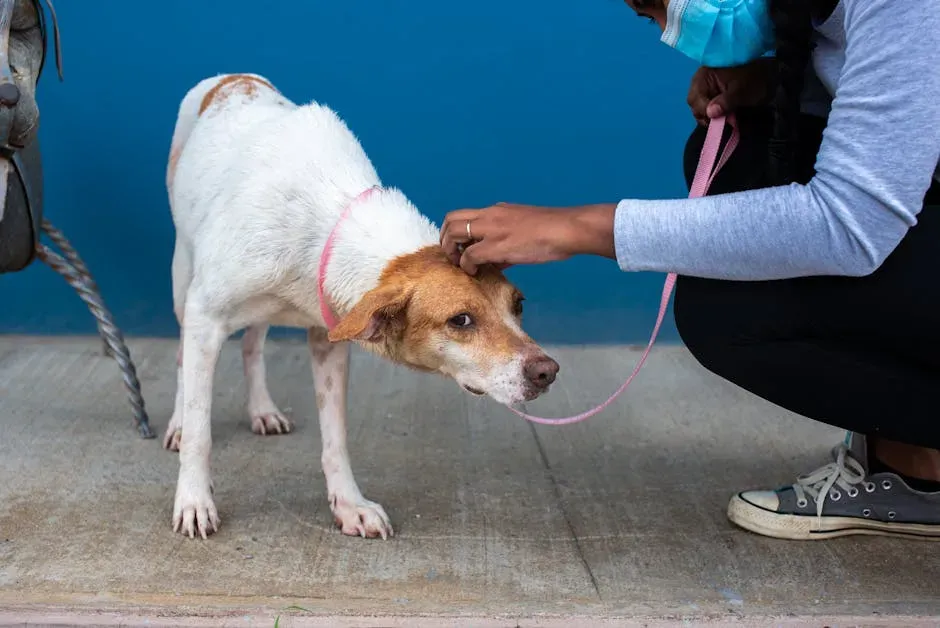
A dog that runs to hide behind you during fireworks isn’t being weak or overly anxious – they’re demonstrating that you are their primary source of safety in the world. That’s complete trust expressed in the most instinctive way possible.
The best way to know if your dog feels safe and comfortable around you is if they rely on you to provide safety and comfort. When startled or upset, do they look to you and move toward you, or do they retreat and seek distance? If they’re running toward you and not away from you, that’s a pretty solid answer. Dogs don’t run toward people they’re unsure of. That movement says everything.
#5: They Show Fully Relaxed Body Language Around You
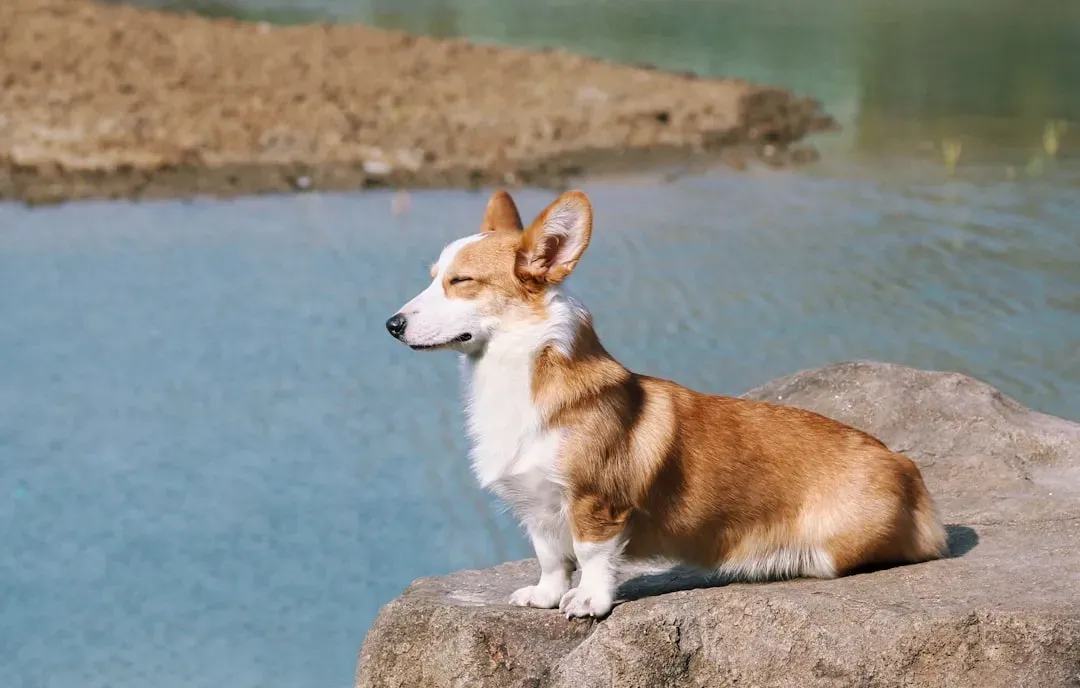
Relaxed ears are a good sign – especially if they continue to move easily in response to sounds. Other signs your dog is at ease include a relaxed face, loose lips with the tongue perhaps hanging out, a natural-looking tail position with loose and flowing movement, a level head, and a smooth gait with elastic, bouncy steps.
A relaxed body posture is one of the clearest signs your dog trusts you. When your dog stands or sits near you with loose muscles, a slightly open mouth, and soft eyes, they’re showing they feel safe and comfortable. A dog who’s unsure about the person at the other end of the leash might have a stiff posture and gait, and duck away if the person reaches for them. The contrast between those two states tells you exactly where you stand.
#6: They Allow You to Handle Sensitive Areas
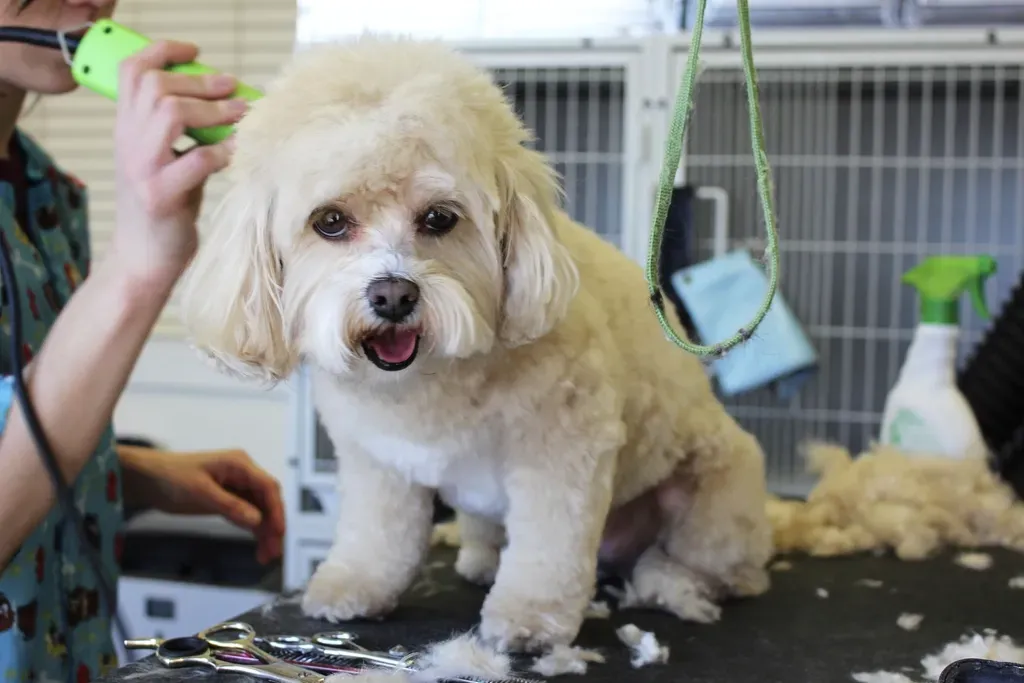
Dogs are naturally protective of certain parts of their body – paws, ears, tail, and belly. If your dog stays calm when you handle these areas, that means they’re fully comfortable with you. Of course, this comes with time and gentle handling.
From teeth brushing to nail trimming, dogs require quite a few grooming and care tasks, and allowing you to perform them without a fuss is a clear indicator of trust. Most of the handling required for care is awkward if not a little uncomfortable for dogs, so a dog who goes with the flow during unpleasant procedures shows how much they trust you. A dog who stays still during a nail trim is offering you something genuinely earned.
#7: They Lean Against You
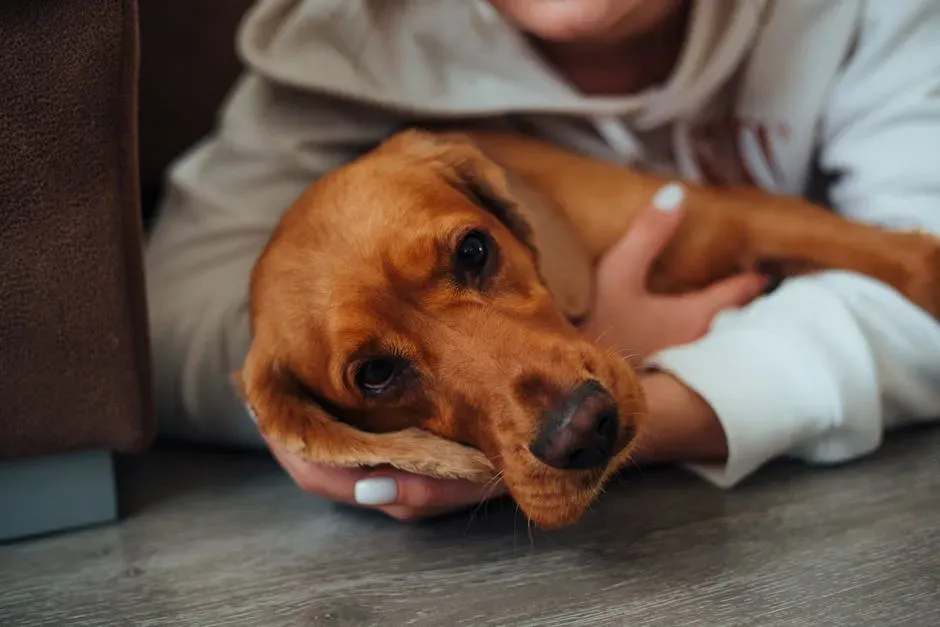
Leaning onto someone portrays comfort, reliance, and emotional trust. Dogs often lean toward reliable individuals for grounding and reassurance. This type of behavior projects a strong connection rather than simply seeking physical balance.
Touch is one of the ways dogs demonstrate that they trust their owner. This can include leaning into the owner’s body and cuddling close. Leaning against you when seated or lying down shows a dog’s emotional closeness and the comfort they find in your presence. It’s a small gesture, quiet and weightless, but it carries a lot of meaning.
#8: They Check In With You During Adventures
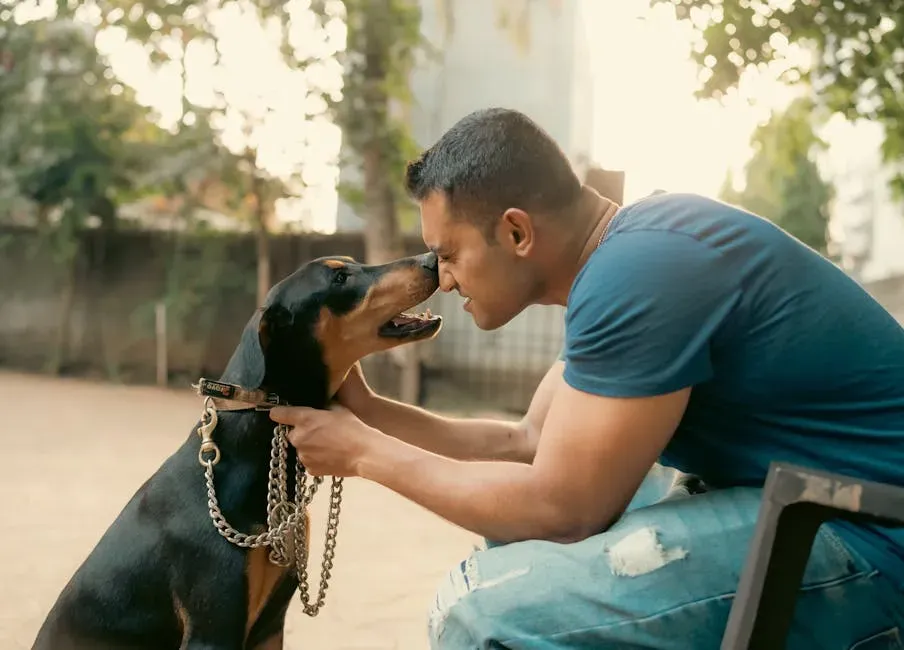
When you’re visiting the dog park or out on the trail, does your dog frequently pause to check in with you? If so, you have a strong bond. When you and your dog are having adventures together, it’s easy for your pup to get distracted. It’s a big world out there, but a dog who trusts their person knows exactly who’s at the center of it: you.
In new or potentially stressful situations, a trusting dog will look to their owner for cues about how to react. This “social referencing” behavior shows they value your judgment and rely on you for safety signals. That glance back at you on a busy trail isn’t a moment of hesitation. It’s a vote of confidence.
#9: They Bring You Their Toys
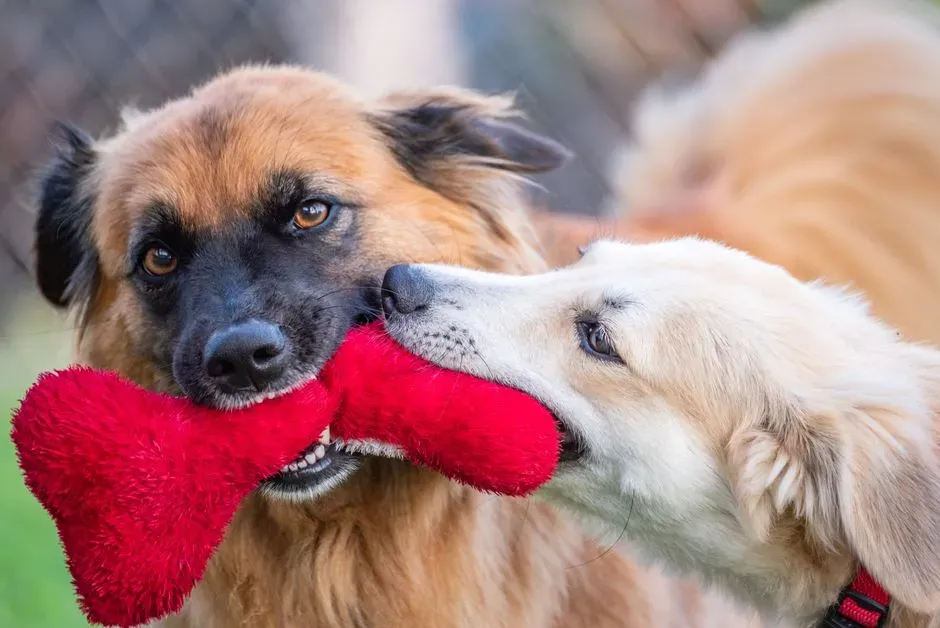
Offering you their favorite toy is a powerful act of trust. It shows they want to engage and share something personal and valuable with you. This behavior goes beyond play – it’s emotional openness.
Sure, this might look like they just want to play, but offering a prized possession is a huge gesture of trust in the dog world. It’s like they’re saying, “This is mine, but I want to share it with you.” And if your dog gently places a toy in your lap without demanding play? That’s trust – and love. Few things feel as quietly wonderful as that small, generous offering.
#10: They Mimic Your Emotional State
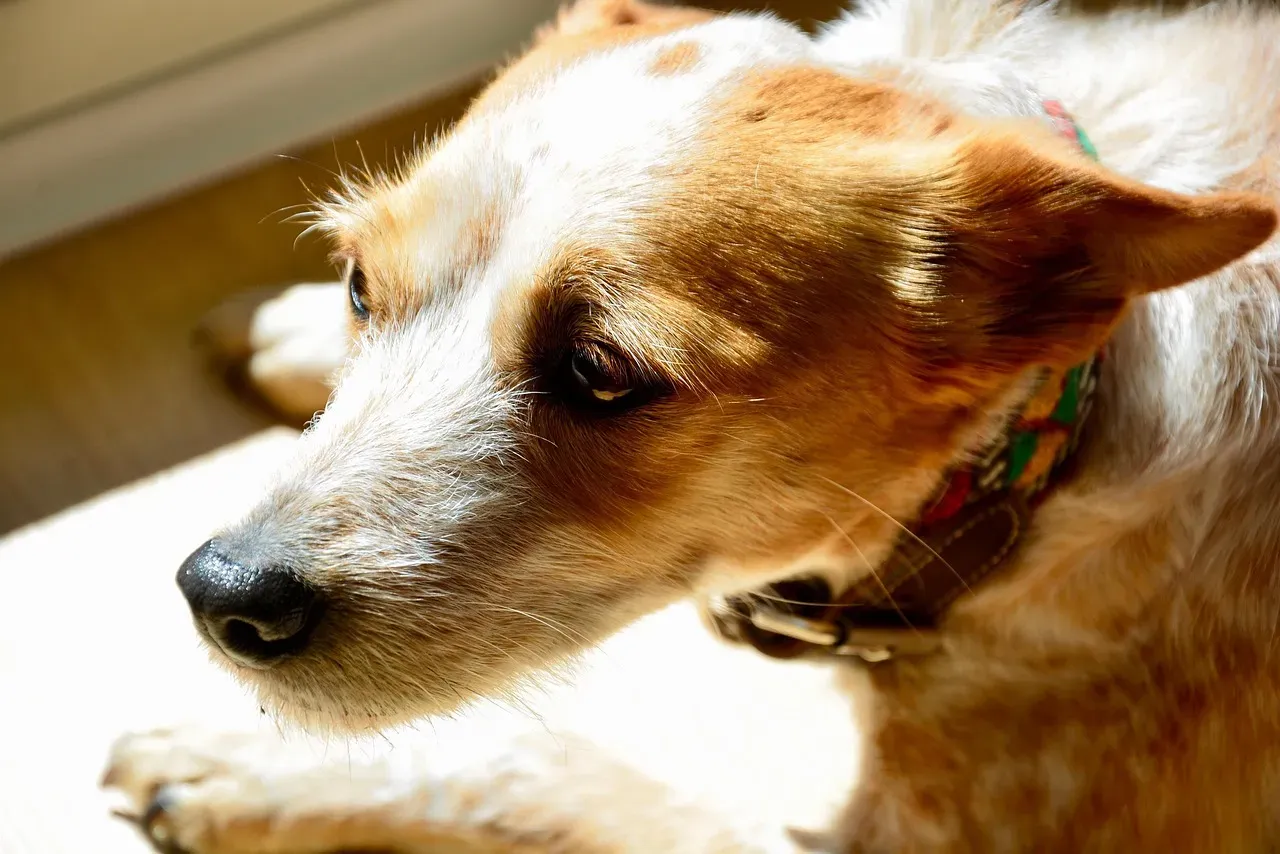
Dogs are more likely to explore new places with their owners, as opposed to going alone or with a stranger. They even copy their owners’ emotions to a degree, showing anxiety when the owners are anxious and being calm when the owners are calm.
Research from Brigham Young University suggests that dogs can read your emotions and are less likely to trust you when you’re in a bad mood. Researchers tracked how dogs reacted when they saw humans point to a hidden reward silently and then when using positive or negative facial and vocal expressions. When dogs saw the negative behaviors, including frowning, a furrowed brow, and a harsh voice, they were less willing to search for the treat. A dog that relaxes as soon as you do is one who watches you constantly – and trusts what they see.
#11: They Follow You From Room to Room
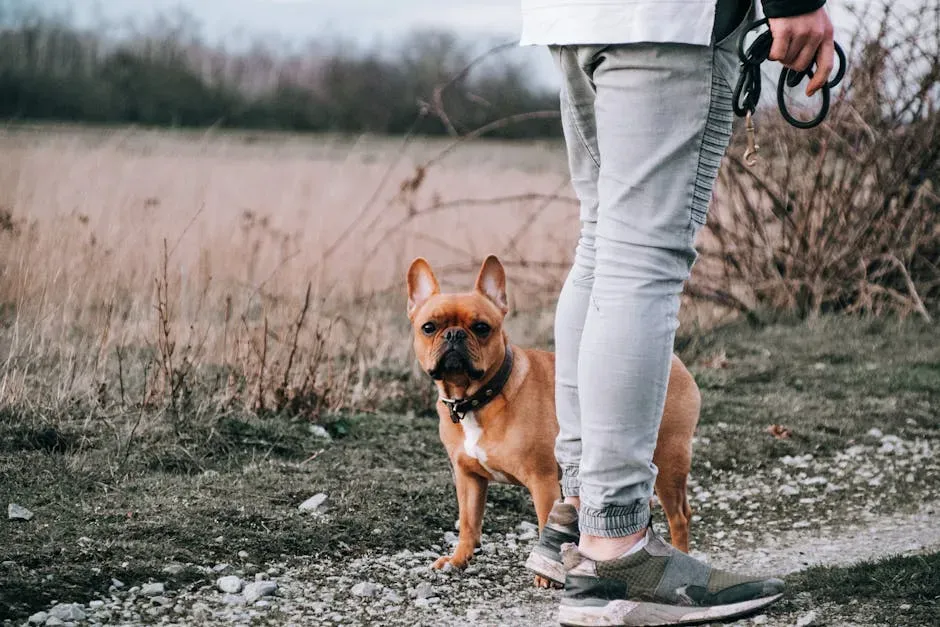
According to The Kennel Club of the UK, if your dog follows you everywhere it’s a sign that they trust and love you and that you make them feel safe. This behavior is sometimes misread as separation anxiety, but there’s an important distinction. The dog enjoys your company and trails you from room to room – even to the bathroom. While this can imply boredom or curiosity, it’s also a signal that they love and trust you.
If your dog sticks to you with a cheerful attitude, it can be considered “a strong affiliative behavior.” To find out which kind of following it is, always look at the full picture – meaning their body language. A loose, happy dog padding after you is very different from an anxious one. Context makes the difference, and trust is always written in how they carry themselves.
#12: They Know Your Routine and Respond to It
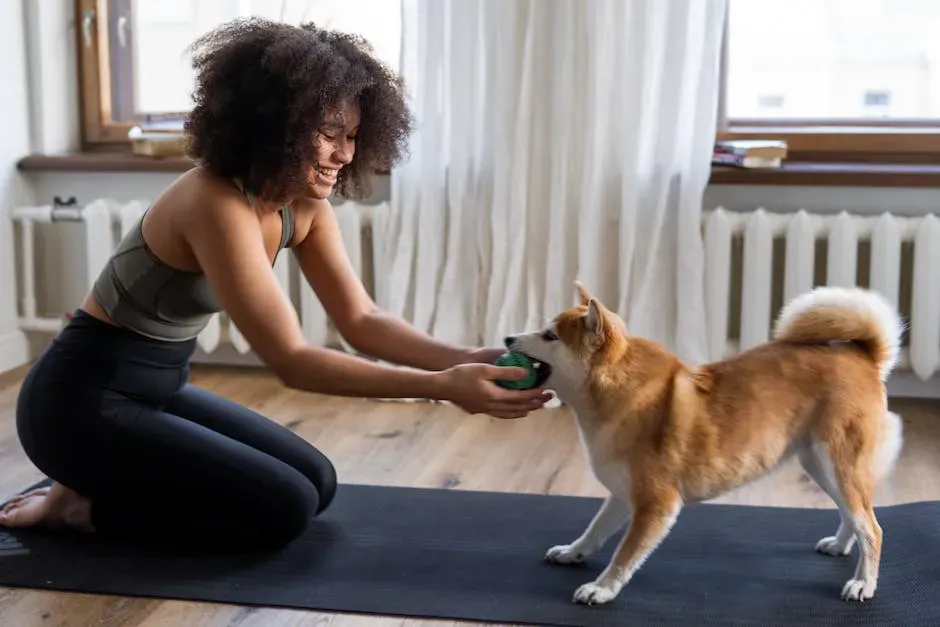
One sign a dog trusts its owner is when it shows it knows the daily routine. This includes the time of day an owner takes the dog out for a walk, when meals are delivered, and when it’s time to wake up or go to sleep.
Trust in dogs is built through routine, consistency, and emotional security. Studies shared by the American Veterinary Society of Animal Behavior show that dogs who grow up with kind and predictable human interactions tend to have lower stress hormones and better emotional regulation. When your dog starts hovering by the door before you’ve even reached for the leash, they’re not just anticipating a walk. They’ve built a mental model of you – reliable, consistent, safe – and that is the very foundation of trust.
What This All Means for You and Your Dog
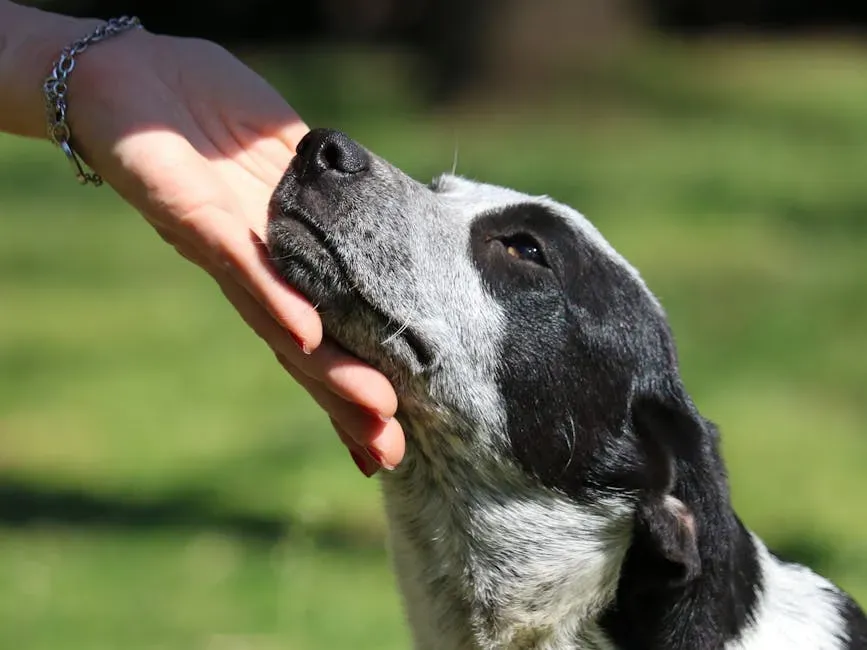
Here’s the honest truth: trust between a dog and a human is one of the most genuinely remarkable things that exists in everyday life. A wide range of experiments have found that dogs are capable of some amazing and complicated social feats, including intelligence and emotional sensitivity. Professor Stanley Coren estimates that a dog’s intelligence is as sophisticated as a 2.5-year-old human baby, and we all know how vital a role trust plays in the relationship between babies and their caregivers.
Trust transforms a dog from a pet you own into a true companion. Without trust, training becomes a battle, daily care turns stressful, and your dog may develop anxiety or behavioral problems. When your dog trusts you, training becomes easier because they want to please you and believe following your commands leads to good outcomes.
Trust develops through shared experiences, not as a quick fix. Emotional safety grows quietly, through patience, understanding, and kindness. Every dog expresses trust in their own unique way, and that behavior is shaped by the care and the environment. If you recognize even half of these signs in your dog, you’ve already built something real. The other half? Just keep showing up consistently, and your dog will meet you there.
