


Cats, those enigmatic creatures that have captured our hearts for thousands of years, experience a world quite different from our own. Their feline sensibilities find delight in things we might overlook, while they may bristle at what we consider pleasant. Understanding what brings joy to our feline companions—and what triggers their displeasure—helps us create environments where they can thrive and express their natural behaviors. From the simple pleasure of a cardboard box to the irritation caused by unexpected visitors, a cat’s emotional landscape is complex and fascinating. This article explores the common sources of feline happiness and the triggers that might prompt a swat of disapproval, helping cat owners better understand their mysterious companions.
The Joy of Cardboard Boxes
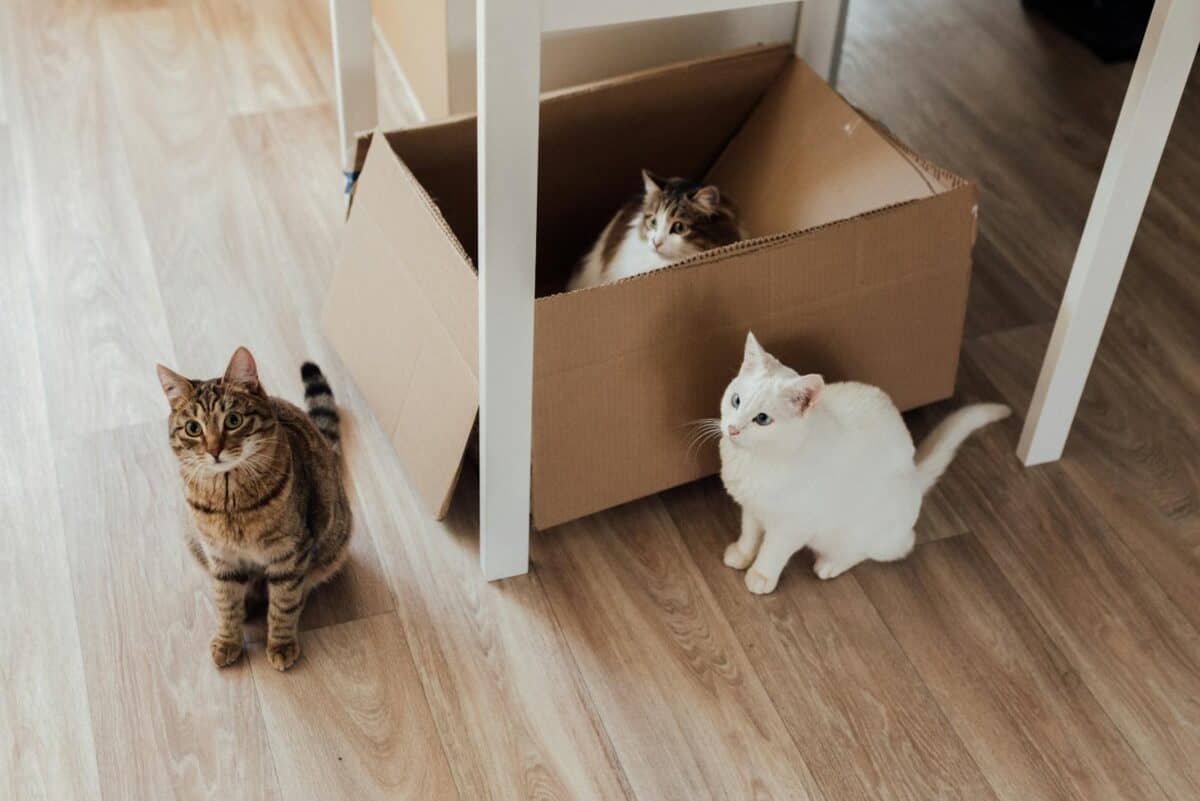
Few things delight cats more consistently than an empty cardboard box. This seemingly simple object transforms into a fortress of solitude, a hunting blind, or a cozy den depending on your cat’s mood. Scientists believe this attraction stems from a cat’s instinctual need for enclosed spaces that provide security and warmth while allowing them to observe their surroundings undetected. A study published in Applied Animal Behaviour Science found that shelter cats provided with boxes showed significantly lower stress levels than those without boxes.
The box’s appeal also lies in its texture—cats enjoy scratching cardboard—and the insulating properties that make it a perfect temperature-regulated hideaway. Next time you receive a package, consider saving the box for your feline friend before recycling it. Even the most expensive cat toys often pale in comparison to the humble cardboard box, demonstrating that sometimes the simplest pleasures are the most satisfying for our feline companions.
Sunbeam Bliss

Cats are solar-powered creatures, gravitating toward patches of sunlight with an almost magnetic attraction. This behavior has biological roots—cats have a higher body temperature than humans (101.5°F compared to our 98.6°F) and are descended from desert-dwelling ancestors who evolved to conserve energy. Basking in sunlight helps cats maintain their preferred body temperature without expending energy, creating a deeply satisfying experience for them.
The joy of sunbathing is also tied to the cat’s circadian rhythm and vitamin D production. While they absorb some vitamin D through their fur, which they later ingest during grooming, the main benefit is the comforting warmth and security that sunlight provides. A cat’s daily routine often revolves around tracking sun patches across the floor, providing observant owners with a functional, feline-approved sundial in their homes. This simple pleasure costs nothing but delivers immense satisfaction to cats of all ages and breeds.
The Thrill of the Hunt

Despite thousands of years of domestication, cats remain hunters at heart. Even well-fed house cats experience profound joy when engaging in hunting behaviors. This instinct explains why cats pounce on toys, stalk invisible prey, or chase laser pointers with focused intensity. The hunting sequence—stalking, pouncing, killing, and consuming—triggers the release of dopamine in a cat’s brain, creating a natural high that reinforces this behavior as both necessary and pleasurable.
Interactive play that mimics hunting provides vital mental and physical stimulation for indoor cats. Toys that flutter like birds, scurry like mice, or allow cats to “capture” prey satisfy these deep-seated urges. Veterinary behaviorists recommend daily play sessions that incorporate these hunting elements to prevent boredom and associated behavioral problems. When cats successfully “catch” their toy prey, they experience a satisfaction that connects them to their wild heritage, regardless of how comfortable their domestic lifestyle may be.
Elevated Perspectives

Cats experience genuine joy when climbing to high vantage points in their environment. This behavior stems from their evolutionary history—in the wild, height equals safety and strategic advantage. From elevated positions, cats can survey their territory, spot potential threats or prey, and rest securely away from ground-level dangers. The vertical dimension is as important to cats as horizontal space, if not more so.
Cat trees, wall shelves, and accessible furniture tops satisfy this instinctual need and provide environmental enrichment. Homes with vertical options for cats typically report fewer behavioral problems as their cats can express this natural behavior. The confidence a cat displays when perched high above a room demonstrates the security and satisfaction they derive from this position. For multi-cat households, vertical space is especially important as it allows cats to establish territories and hierarchies without direct confrontation, reducing tension and stress among feline housemates.
Gentle Grooming Sessions

Many cats derive immense pleasure from being groomed by their human companions, though preferences vary widely between individuals. When a cat enjoys brushing, it mimics the social bonding experienced through allogrooming—the mutual grooming behavior cats engage in with trusted companions. This activity releases endorphins, creating a pleasurable experience while strengthening the bond between cat and caregiver. Grooming also helps remove loose fur, reducing hairballs and shedding while distributing natural oils throughout the coat.
The key to making grooming enjoyable lies in following the cat’s lead. Most cats prefer short, gentle sessions focused on their favorite spots, commonly around the cheeks, chin, and base of the tail. Introducing grooming during kittenhood creates positive associations, but even adult cats can learn to appreciate this experience when it’s paired with treats and patience. The deeply relaxed expression of a cat enjoying a brushing session—eyes half-closed and body loose—reveals the profound contentment this activity can provide.
Catnip Euphoria

For the approximately 70-80% of cats genetically predisposed to respond to it, catnip (Nepeta cataria) provides an unparalleled recreational experience. This herb contains nepetalactone, a compound that binds to receptors in a cat’s nasal tissue, stimulating sensory neurons that trigger a euphoric response. The reaction typically lasts 5-15 minutes and may include rolling, rubbing, playful aggression, and a general state of blissful abandon that many cat owners find entertaining to observe.
Interestingly, the catnip response is inherited as an autosomal dominant trait, meaning cats either react to it or don’t based on their genetic makeup. For those who do respond, catnip can serve as an excellent enrichment tool, encouraging physical activity and play. Alternatives like silver vine, valerian root, and Tatarian honeysuckle can produce similar effects and may work for cats unaffected by traditional catnip. Regardless of the specific herb, witnessing a cat’s uninhibited joy during a catnip session provides a rare glimpse into their capacity for pure pleasure.
Mealtime Enthusiasm

Few things generate as much excitement in domestic cats as the sound of a can opening or kibble hitting a bowl. Cats are obligate carnivores with specific dietary needs, and their enthusiasm for food connects directly to their survival instincts. In the wild, cats may eat multiple small meals throughout the day, and this natural feeding pattern explains why many domestic cats become animated at the prospect of frequent snacks. The anticipation of food triggers a dopamine release, creating a pleasurable experience even before the first bite.
This food-focused joy explains why many cats perform “dinner dances”—weaving between their owner’s legs, meowing, or even leading them toward the food storage area. These behaviors demonstrate not only hunger but also the social aspect of feeding. Many cats prefer to eat in the company of their humans, showing that mealtime represents both nutritional satisfaction and bonding opportunity. For enhanced enjoyment, food puzzles and foraging toys can tap into cats’ natural hunting instincts, turning a simple meal into a mentally stimulating activity.
The Comfort of Routine

Cats are creatures of habit who find genuine comfort and security in predictable routines. Unlike humans who often seek novelty, cats thrive when they can anticipate the flow of their day—from regular feeding times to expected play sessions and quiet periods. This preference for routine stems from their evolutionary need to conserve energy and reduce stress. In the wild, unpredictability often signals danger, so consistency in domestic life allows cats to relax and engage in natural behaviors without constant vigilance.
The joy cats find in routine manifests in their punctuality—many cats can tell time with remarkable accuracy, appearing for meals or greeting returning owners at precisely the expected moment. While small changes are manageable, major disruptions to routine can cause stress and anxiety in cats. Maintaining consistent schedules for feeding, interactive play, and quiet time helps cats feel secure in their environment. The contented purr of a cat whose expectations have been met reflects the deep satisfaction they derive from living in a predictable world.
Social Bonding and Affection
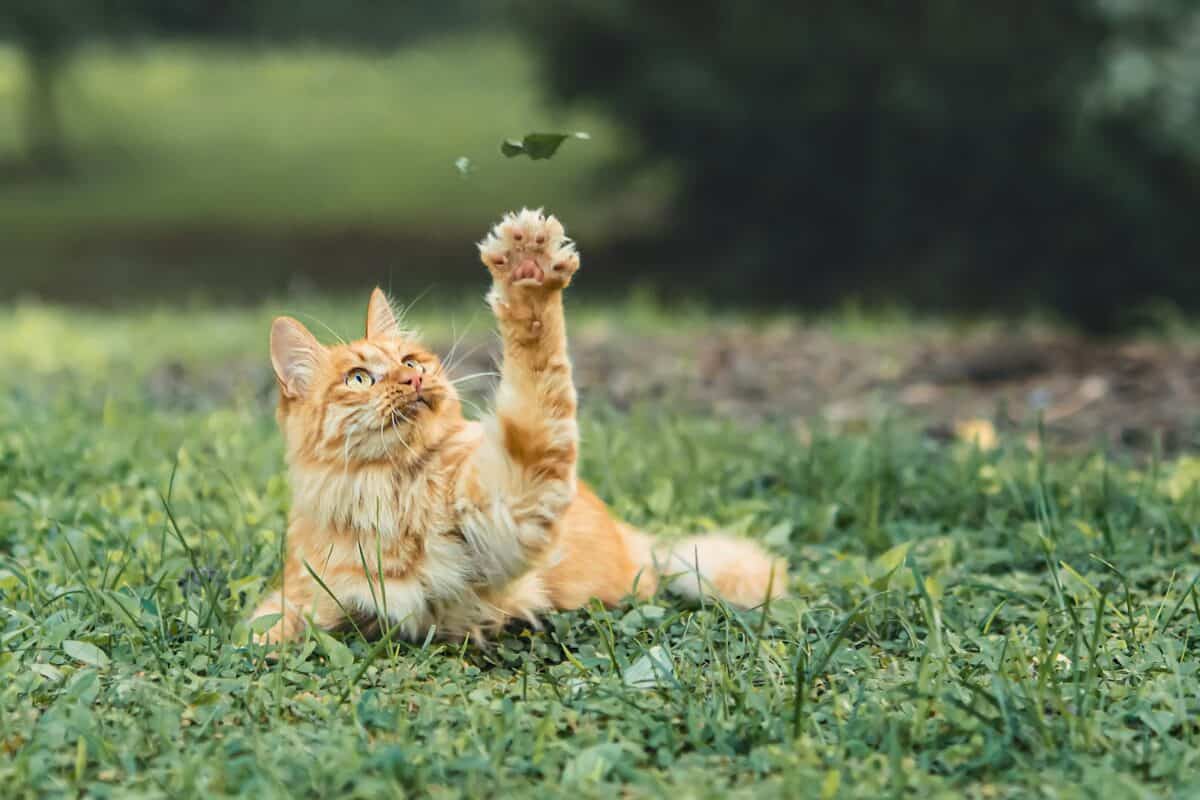
Contrary to their reputation for aloofness, many cats experience profound joy through social bonding with their chosen humans. While their expressions of affection may differ from dogs, cats develop deep attachments and show their love through subtle behaviors. Slow blinking—the “cat kiss”—signifies trust and contentment, while headbutting (bunting) marks you with their scent glands as part of their trusted circle. These gestures represent significant displays of feline affection.
The rumbling purr of a contented cat curled in a lap represents one of the purest expressions of feline happiness. Research suggests that purring not only indicates contentment but also serves a self-soothing function and may promote healing through its specific frequency. Cats who knead while being petted are displaying behaviors from kittenhood that stimulated milk flow from their mothers—a sign they associate your presence with comfort and security. These moments of connection bring joy to both cat and human, strengthening a bond that crosses species barriers.
Fresh Water Fascination

Many cats display a peculiar joy when interacting with fresh, moving water. This fascination explains why your cat might prefer drinking from a dripping faucet rather than their water bowl. The preference has evolutionary roots—in nature, moving water is typically safer and fresher than stagnant pools. Cats’ sensitive whiskers can also detect microscopic movements in water, making running water more detectable and appealing to their senses.
This water fascination manifests in various behaviors, from pawing at water bowls to create movement to the intense focus some cats show when watching toilet water swirl. Cat water fountains capitalize on this natural preference, providing both entertainment and encouraging proper hydration. Some cats take their water joy further, playing with or even jumping into bathtubs, sinks, or showers. While not all cats show aquatic tendencies, those who do exhibit an almost childlike delight in water interaction that contradicts the common belief that all cats hate getting wet.
Irritant #1: Unexpected Handling
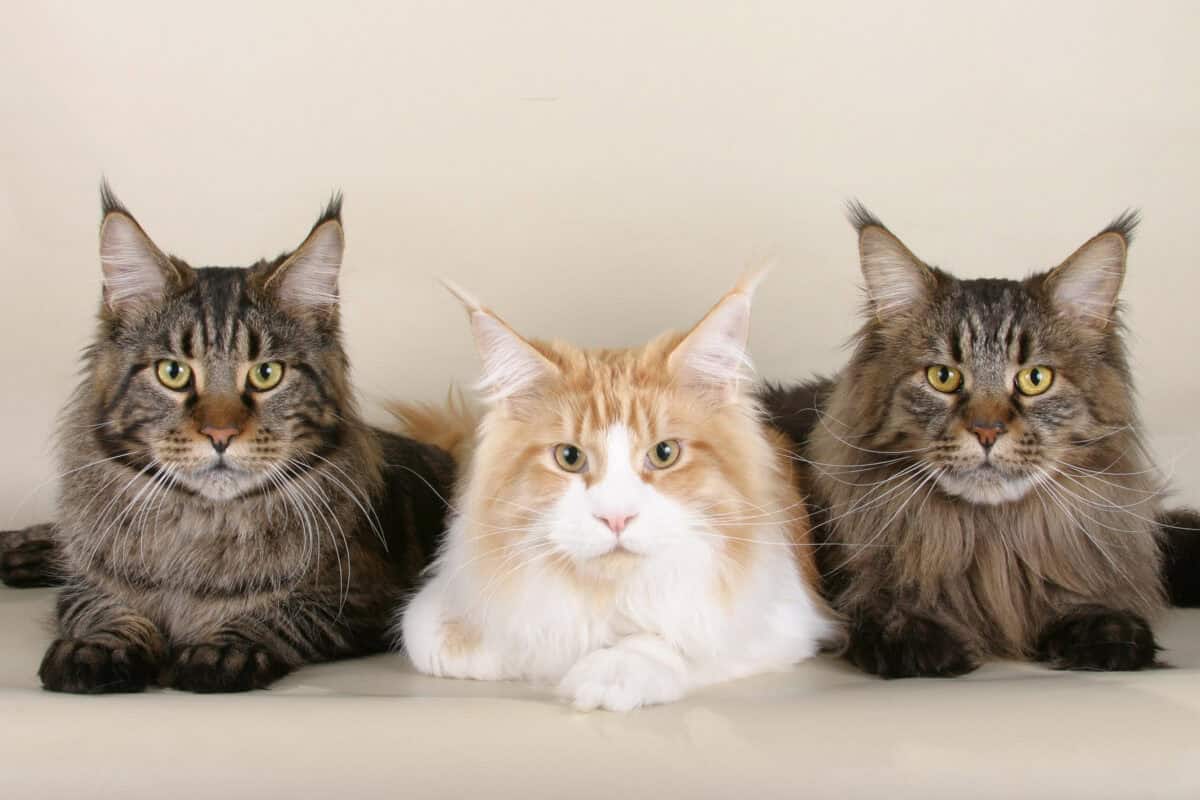
Few things trigger a cat’s defensive instincts faster than being handled against their will or in ways they don’t anticipate. Cats value bodily autonomy and prefer to initiate physical contact on their terms. Unexpected lifting, restraint, or touching sensitive areas like the belly or paws can transform a content cat into a squirming bundle of claws and teeth in seconds. This reaction isn’t personal but a manifestation of their natural self-protection instincts.
Respecting a cat’s boundaries creates trust and prevents negative associations. Most cats prefer predictable, gentle interactions where they can easily disengage if uncomfortable. The “consent test” is valuable for gauging a cat’s willingness to be touched—pet briefly, then pause to see if the cat solicits more attention. Cats who feel their boundaries are respected are more likely to seek physical affection voluntarily. Teaching children and visitors to follow these guidelines prevents scratches while fostering positive relationships between cats and humans.
Irritant #2: Loud or Sudden Noises
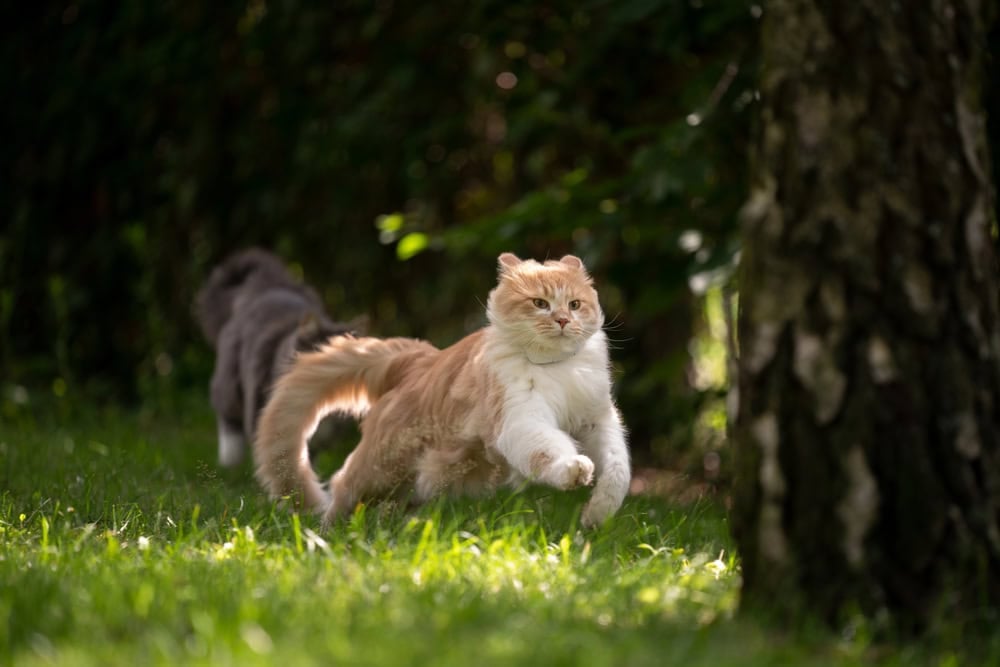
Cats possess extraordinary hearing capabilities, detecting sounds up to 64,000 Hz (compared to humans’ maximum of about 20,000 Hz) and pinpointing sounds with remarkable accuracy. This auditory sensitivity, while advantageous for hunting, makes cats particularly vulnerable to stress from loud or unexpected noises. Vacuum cleaners, blenders, construction sounds, or even loud music can trigger fight-or-flight responses, causing cats to dash for cover or display aggression if they feel cornered.
Thunderstorms and fireworks represent particularly challenging sound experiences for many cats, potentially causing anxiety that manifests as hiding, inappropriate elimination, excessive grooming, or aggression. Creating sound sanctuaries—quiet spaces where cats can retreat during noisy episodes—helps them cope with unavoidable sounds. For cats with severe noise sensitivity, veterinarians may recommend behavioral modification techniques or anti-anxiety medications. Gradually introducing kittens to common household sounds can build tolerance, though respect for a cat’s acoustic sensitivity should remain a consideration throughout their lives.
Irritant #3: Territorial Intrusions
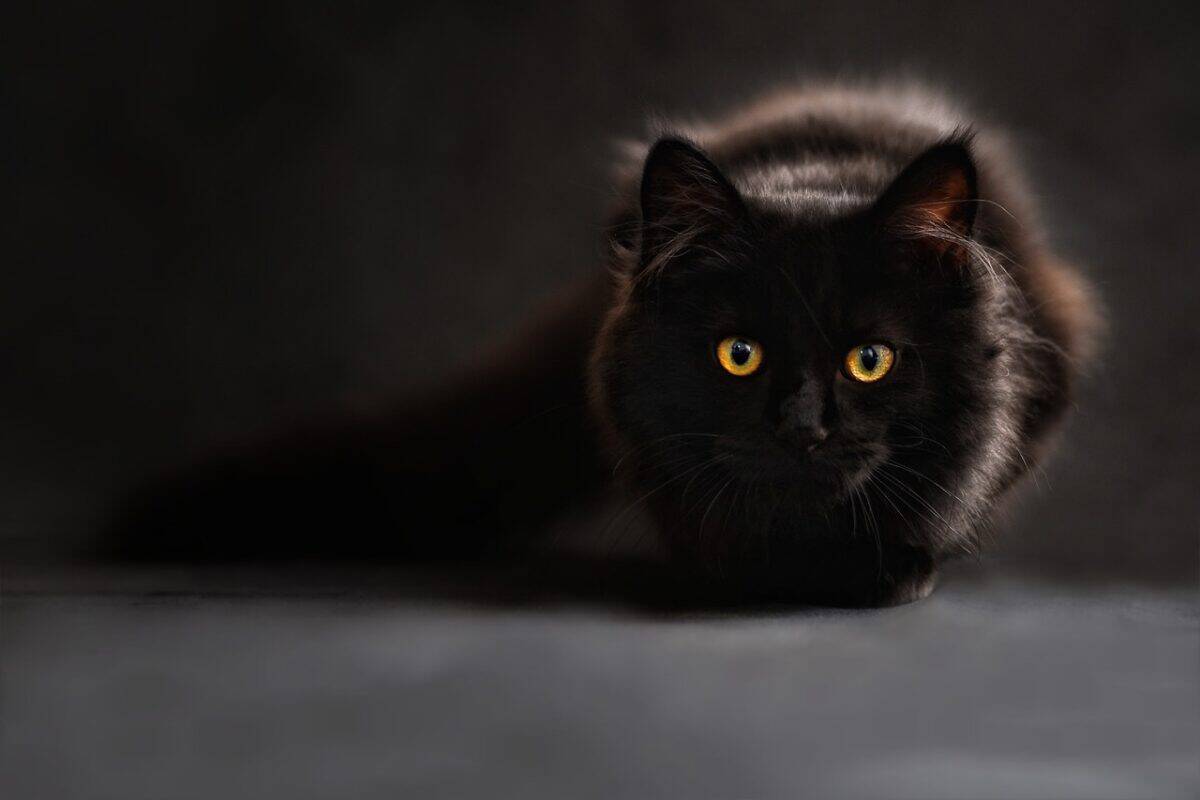
Few things trigger a cat’s defensive instincts more reliably than perceived threats to their territory. Cats are naturally territorial animals who invest considerable energy marking and defending their space through scent marking, scratching, and visual patrolling. The introduction of new pets, visiting animals, or even unfamiliar humans can represent a significant stressor that may provoke aggressive or defensive behaviors. Even the scent of other animals on their owner’s clothing can trigger territorial responses in sensitive cats.
Multi-cat households require careful management of resources and space to prevent territorial conflicts. Each cat needs access to their own food, water, litter boxes, resting areas, and escape routes to minimize competition. Window-watching can become stressful when outdoor cats approach, sometimes triggering redirected aggression toward housemates or owners. Using pheromone diffusers, providing elevated escape routes, and implementing gradual introductions to new household members can help reduce territorial stress. Understanding that territorial behavior stems from a cat’s biological imperative rather than spite or vindictiveness helps owners address these issues with appropriate environmental modifications.
Irritant #4: Veterinary Visits

For many cats, nothing triggers stress more reliably than a visit to the veterinarian. This intense aversion stems from a perfect storm of feline stressors: unfamiliar environment, strange smells (including other animals), handling by strangers, and often uncomfortable procedures. The carrier itself frequently becomes associated with these negative experiences, making even the preparation for vet visits challenging. A cat’s exceptional sense of smell detects residual scents of fear from previous visitors to the clinic, further heightening their anxiety.
Reducing this stress requires a multi-faceted approach beginning at home. Keeping carriers accessible year-round as comfortable resting spots breaks negative associations, while pheromone sprays and familiar bedding can make transport less traumatic. Carriers that open from the top or disassemble allow for less stressful examinations. Many veterinary practices now offer “cat-friendly” or “fear-free” approaches, including separate waiting areas, feline-specific exam rooms, and handling techniques designed to minimize stress. For cats with severe veterinary anxiety, pre-visit medications can help make necessary healthcare less traumatic while preserving the human-animal bond.
Irritant #5: Changes to Environment

Cats thrive on consistency and can become genuinely distressed when their environment changes unexpectedly. Home renovations, furniture rearrangements, moving to a new home, or even changing the location of their litter box can trigger anxiety behaviors including inappropriate elimination, excessive grooming, aggression, or withdrawal. Cats create detailed mental maps of their territories, and alterations to these familiar landscapes can leave them feeling insecure and threatened despite the absence of actual danger.
This sensitivity to environmental change explains why cats may hide for days after moving to a new home or react negatively to the introduction of new furniture. When changes are necessary, implementing them gradually while maintaining consistent routines helps cats adjust. Creating safe spaces with familiar scents and objects provides security during transitions. For major changes like moving homes, a dedicated sanctuary room where the cat can gradually acclimate before exploring wider territory reduces stress. Understanding that a cat’s emotional response to environmental changes reflects their biological need for security rather than stubbornness helps owners support their pets through necessary transitions.
Understanding Your Cat’s Unique Personality
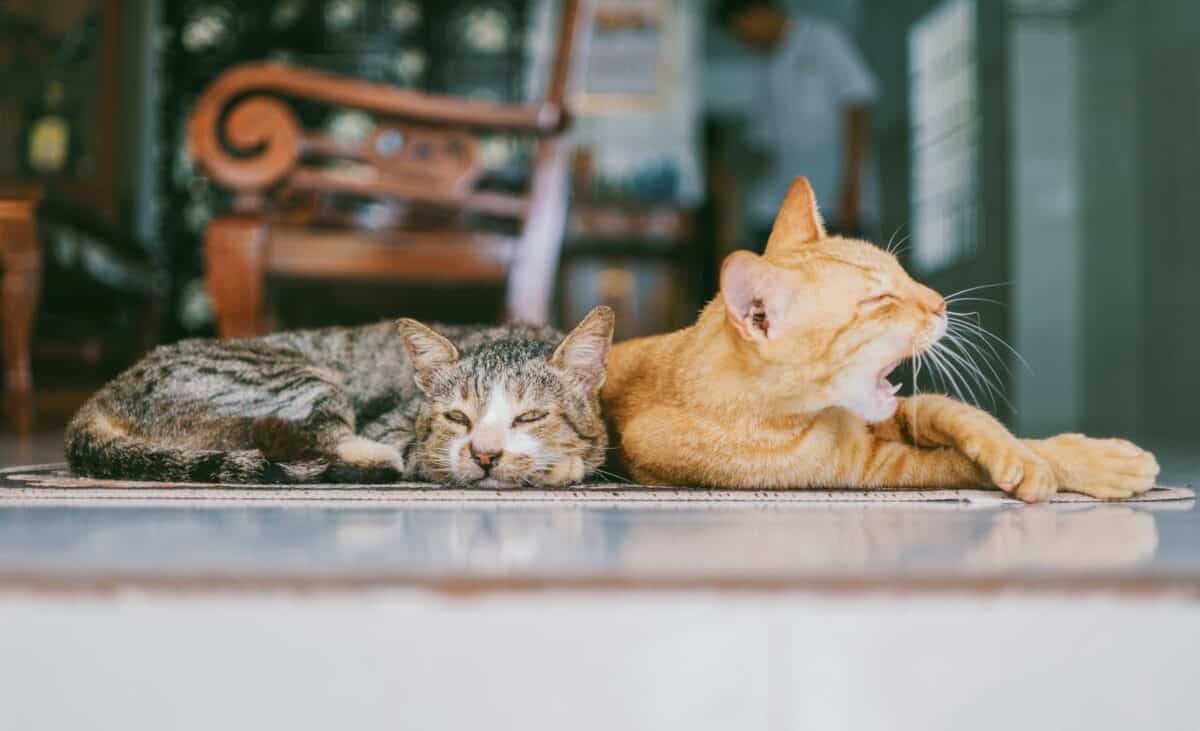
While this article outlines common sources of feline joy and displeasure, every cat possesses a unique personality shaped by genetics, early experiences, and individual temperament. What delights one cat may terrify another, making careful observation of your specific cat’s behavior essential for understanding their needs and preferences. Some cats may revel in interactive play and new environments, while others prefer predictable routines and quiet companionship. By paying attention to subtle cues like body language, vocalizations, and changes in appetite or activity, you can gain valuable insight into what your cat finds comforting or stressful.
Recognizing and respecting your cat’s individuality not only strengthens your bond but also contributes to their overall well-being. Just as humans thrive when their personalities are acknowledged, so too do cats benefit from environments and routines tailored to their unique disposition. In embracing your cat’s quirks and preferences, you create a home where they feel safe, loved, and truly understood.

From exploring the marine wonders in the Azores and witnessing the vast savannas of Kenya, to delving deep into the rich biodiversity of South Africa and traversing iconic landscapes in Australia and the US like Yellowstone, Chris's experiences are vast.
With a penchant for diving alongside sharks, the ocean holds a special place in his heart.
Through his academic insights, he champions wildlife conservation, striving with 'Animals Around The Globe' to cultivate a profound connection between humans and animals, enhancing our mutual appreciation.
Connect with him at Feedback@animalsaroundtheglobe.com.
- The Largest Clam Ever Dredged Up From U.S. Waters - July 22, 2026
- How Animated Films Shape What Kids Believe About Animals - July 22, 2026
- The Most Iconic Animals Saved from Extinction in the U.S. - July 22, 2026