
Getting a dog can bring immense joy and companionship to our golden years, but not all furry friends are created equal when it comes to senior living. While some breeds practically beg to curl up on your lap for hours, others pack enough energy to power a small city. The truth is, certain dogs require levels of physical activity, training intensity, and daily maintenance that can quickly overwhelm even the most enthusiastic older adult. Think about it this way: if you’re looking forward to peaceful morning coffee rituals and leisurely afternoon naps, a dog that demands three-hour hiking adventures might not be your ideal match. The key lies in understanding which breeds bring more challenges than comfort to senior households. Let’s explore the canine companions that, despite their undeniable charm, might just be too much of a good thing for older people.
Border Collies – The Einstein of Dogs Who Never Stop Thinking
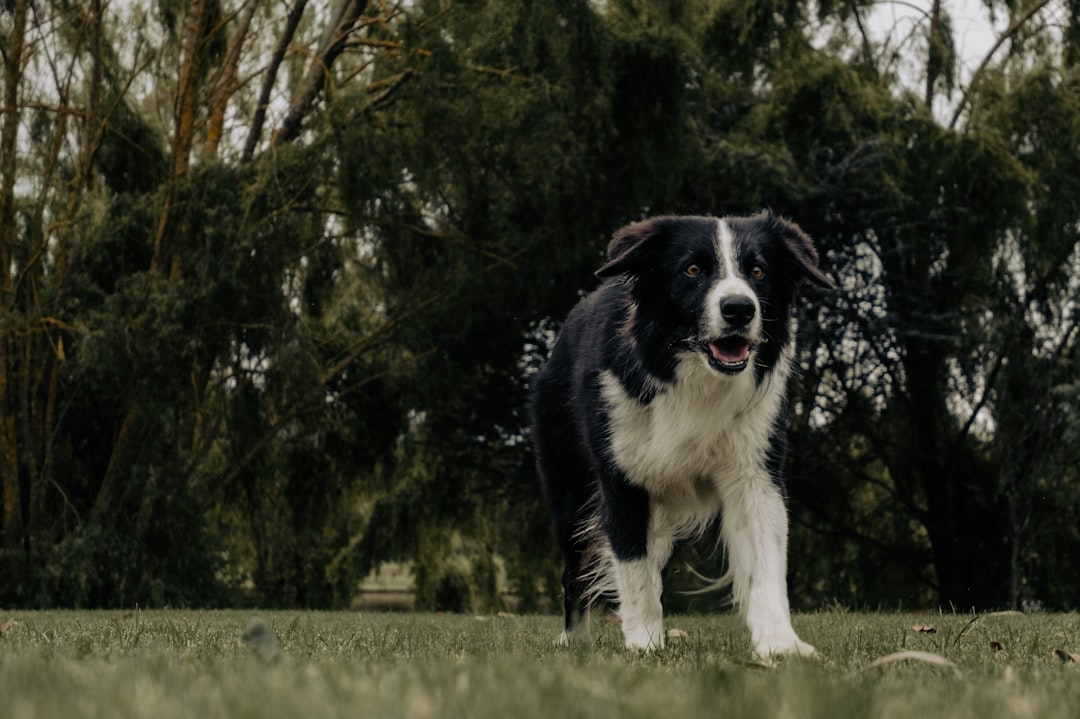
Border Collies were first bred in Northumberland to herd livestock and sheep. Famous for their sharp minds and friendly and affectionate nature, these medium-sized dogs are often called the most intelligent of all dog breeds. But here’s the catch – their incredible intelligence becomes a double-edged sword for seniors. This high-energy breed is a true workaholic. These dogs don’t just need physical exercise; they crave mental challenges that would exhaust most humans. Their herding instinct can lead to nipping or chasing, which may be risky for seniors with balance issues. Imagine trying to maintain your footing when a determined Border Collie suddenly decides to “herd” you toward the kitchen!
Australian Shepherds – Ranch Dogs in a Retirement Home
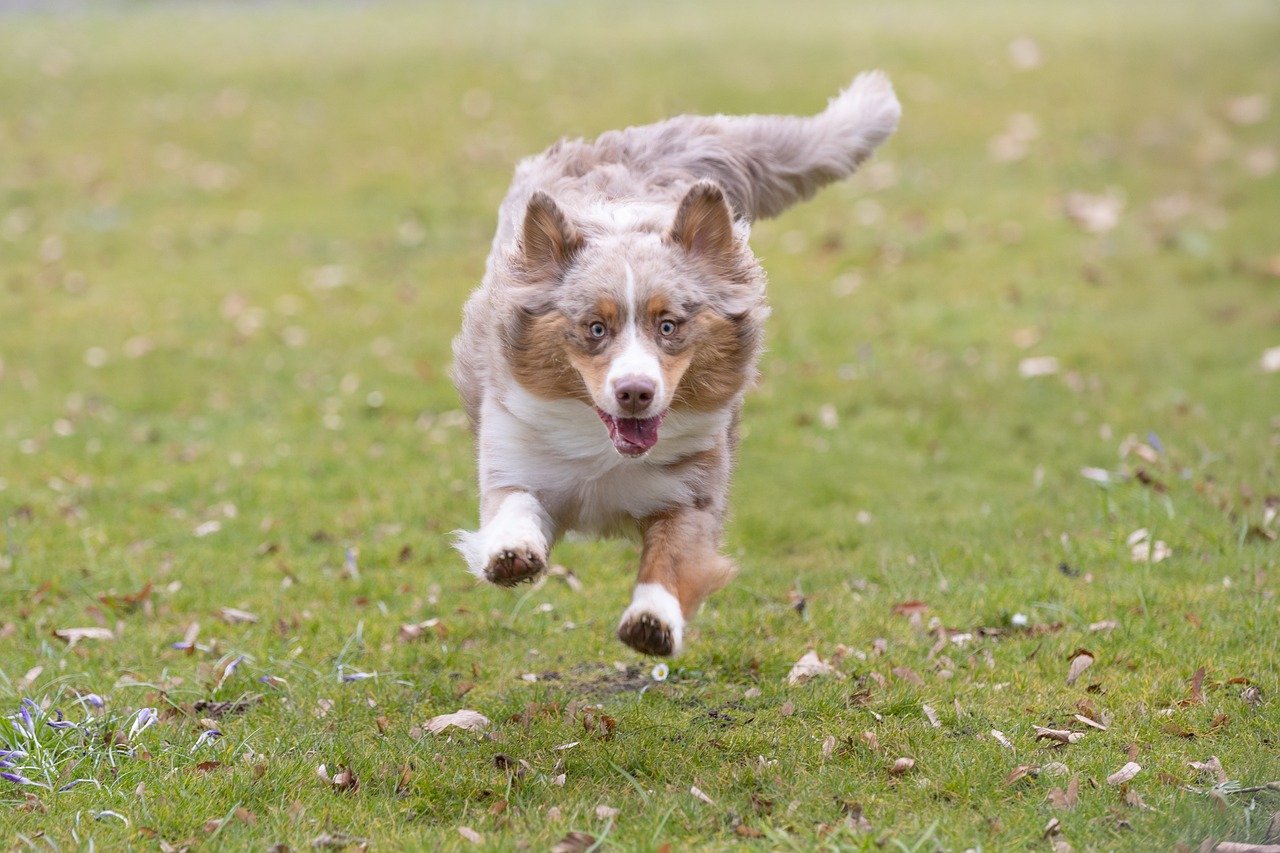
Australian Shepherds were first bred in the 1800s on U.S. ranches to herd livestock. They became popular after World War II through horse shows, rodeos, and even Disney movies. Closely related to the Border Collie, this breed is known for intelligence and a strong work drive. The problem? Their idea of relaxation involves running five miles before breakfast. They need at least an hour of daily exercise – walks, runs, bike rides, hikes, backyard games, or canine sports. Without these activities, they get bored and can become anxious or even destructive. Seniors may find it hard to match this level of activity. Plus, Australian Shepherds have a beautiful, thick coat that sheds heavily twice a year. Weekly brushing is a must to prevent matting and control loose hair. For seniors, regular grooming and heavy shedding may be challenging and can even affect respiratory health.
Belgian Malinois – The Ferrari of the Dog World
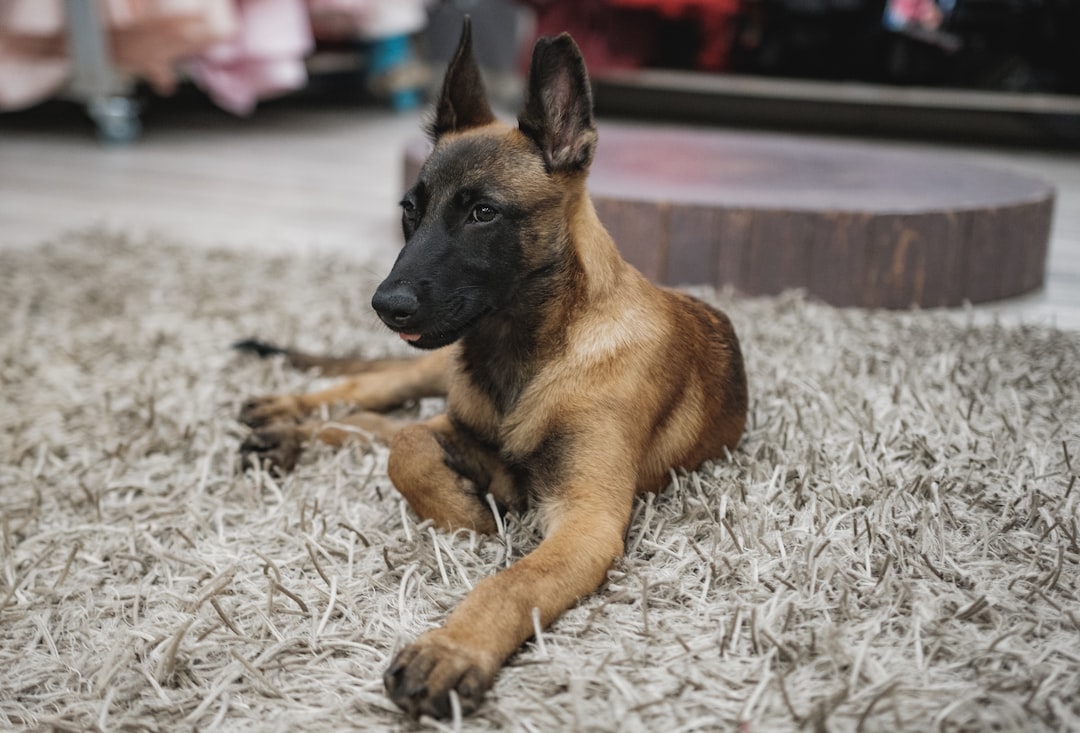
If you want a super intelligent, high-energy, Ferrari of the dog world – a Malinois is the ideal candidate. If you’re looking for a quiet, genteel companion – this is most certainly NOT the dog for you! These dogs are literally bred for military and police work, which should give you a hint about their energy requirements. Mals aren’t bred as pet companions, and often have a high prey drive and work ethic – characteristics that make them aptly suited to put their nose to the ground in search and rescue positions, bomb and narcotic detection, and as tracking K-9 officers. They’re happiest when physically and mentally engaged to assist in protection activities, which may be beyond the ability of the average dog owner to satisfy. These dogs don’t take kindly to having nothing to do and they most definitely need a huge amount of physical and mental stimulation. The Belgian Malinois will never be happy just being a sedentary companion pet. They aspire to much more and need a structured career!
German Shepherds – Gentle Giants with Big Demands
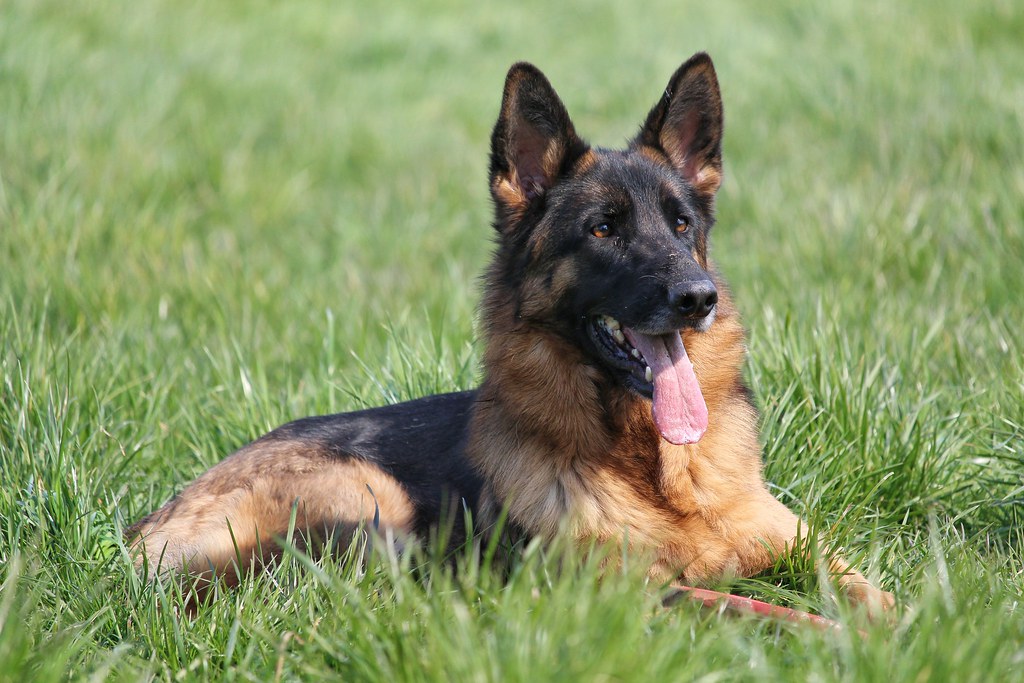
While German Shepherds are beloved family dogs, they are large and can be intense. They require a lot of exercise, mental stimulation, and training. Their size alone can present challenges for seniors – weighing up to 90 pounds for males and 70 pounds for females, according to breed standards. The strength required to control a German Shepherd during walks, especially if they spot a squirrel or another dog, can be overwhelming. These dogs were bred to be working animals, and that drive doesn’t disappear just because they’re living in a peaceful retirement community. They need purpose and activity to stay mentally balanced.
Siberian Huskies – Sled Dogs Without the Sled
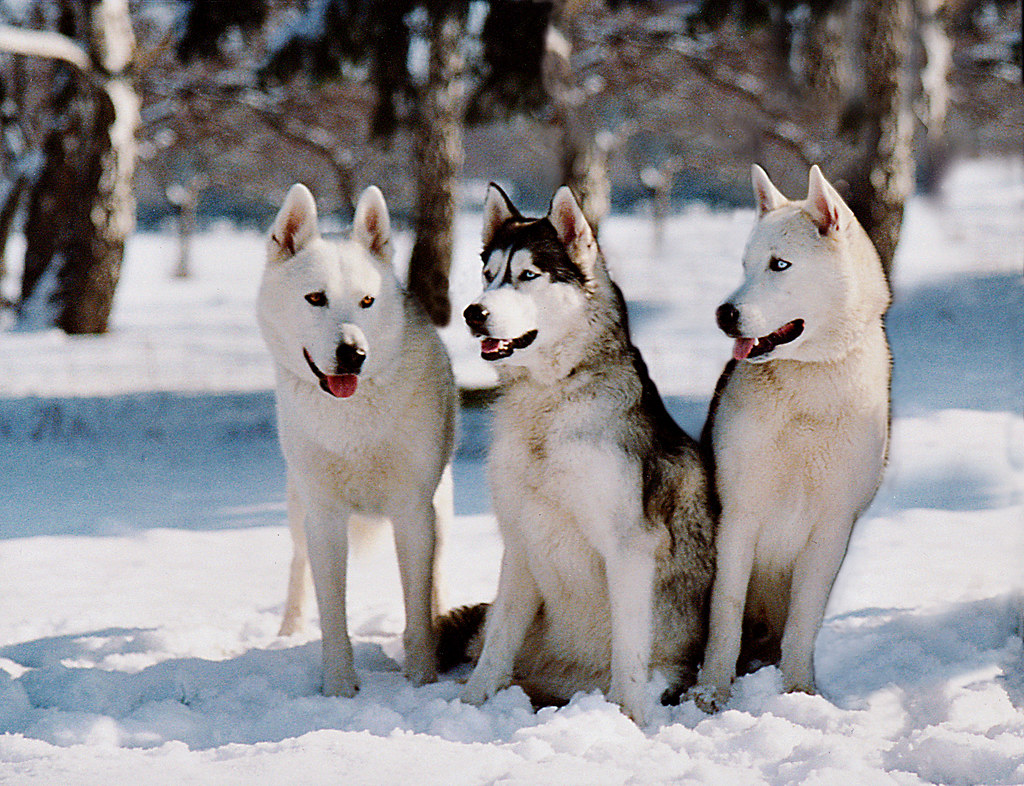
The Siberian Husky, a thickly coated, compact sled dog of medium size and great endurance, was developed to work in packs, pulling light loads at moderate speeds over vast frozen expanses. This northern breed is friendly, fastidious, and dignified. The keyword here is “endurance” – these dogs were literally designed to run for miles across frozen tundra. The breed’s playful nature also means they are prone to lunging or chasing small animals, which can yank an owner off balance. A sudden pull from a 60-pound Husky can easily cause a fall, especially for seniors with joint or balance issues. Consistent training may reduce this tendency, but it requires effort and strength that many elderly owners may not be able to provide. Adding to the difficulty, their dense coat needs regular grooming, which can strain seniors with arthritis or mobility concerns. Despite being clean and fastidious by nature, grooming sessions demand strength and patience.
Akitas – The Stubborn Royalty
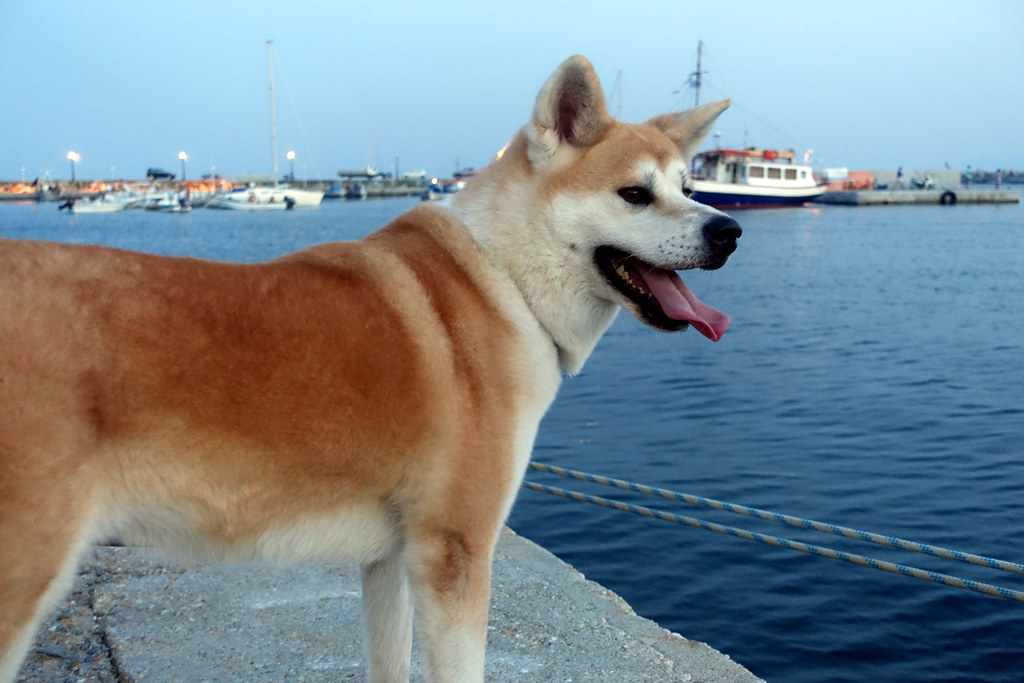
Also called the “Great Japanese Dog,” the Akita is a powerful spitz-type breed recognized for its imposing stature, curled tail, and dignified presence. Bred in Japan as a hunter of large game, it carries both physical strength and a naturally protective temperament. The AKC describes the Akita as a strong, double-coated breed, renowned for its loyalty, bravery, and dignified nature. For senior citizens, this breed can be overwhelming due to its strong prey drive and deeply independent mindset. Akitas often challenge authority, meaning only an experienced handler can safely establish boundaries. Their size makes managing them physically demanding. Research on obedience ranks them as a stubborn breed, requiring many repetitions to learn new commands. This high-maintenance nature makes them a poor match for seniors seeking a low-stress companion.
Labrador Retrievers – The Deceptively Energetic Sweethearts

Wait, Labs? Yes, even America’s favorite family dog can be too much for some seniors. According to the American Kennel Club, Labrador Retrievers are one of the most popular dog breeds in the U.S. These affectionate dogs were originally bred in Newfoundland to help fishermen retrieve fish and bring in nets. Labs are friendly, outgoing, and known for their playful and loyal nature. Despite their gentle disposition, Labs are athletic and full of energy. They need daily exercise and mental stimulation to stay happy and healthy. Seniors with limited mobility may find it hard to keep up with long walks or active playtime. Labradors have high exercise needs, which may not be suitable for some older people. Their enthusiasm and size (up to 80 pounds) can be overwhelming during their younger years.
Jack Russell Terriers – Small Package, Huge Energy
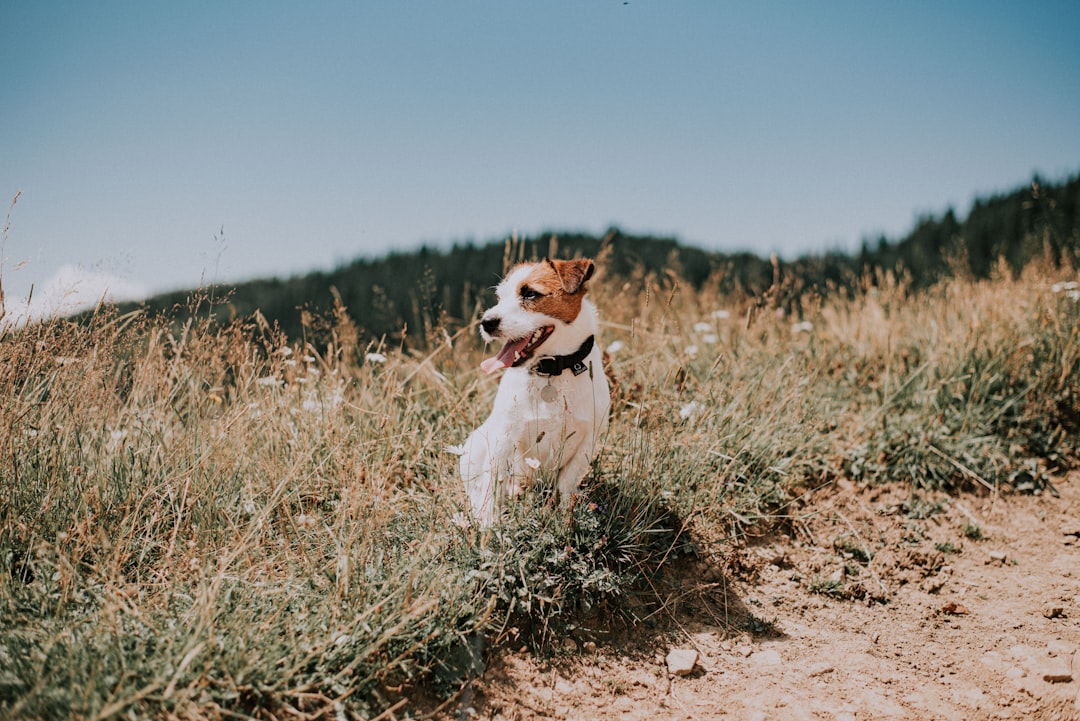
Don’t let their size fool you – Jack Russell Terriers pack the energy of a much larger dog into a compact frame. Terriers, including Jack Russells and Fox Terriers, are known for their boundless energy levels. These dogs can be difficult to train and may not match the lower activity level that many seniors prefer in a pet. These little dynamos were bred to hunt foxes, which required incredible stamina and determination. That same drive translates into a need for constant activity and mental stimulation. A bored Jack Russell can quickly become a destructive Jack Russell, and their high-pitched barking can be particularly challenging for seniors who value peace and quiet.
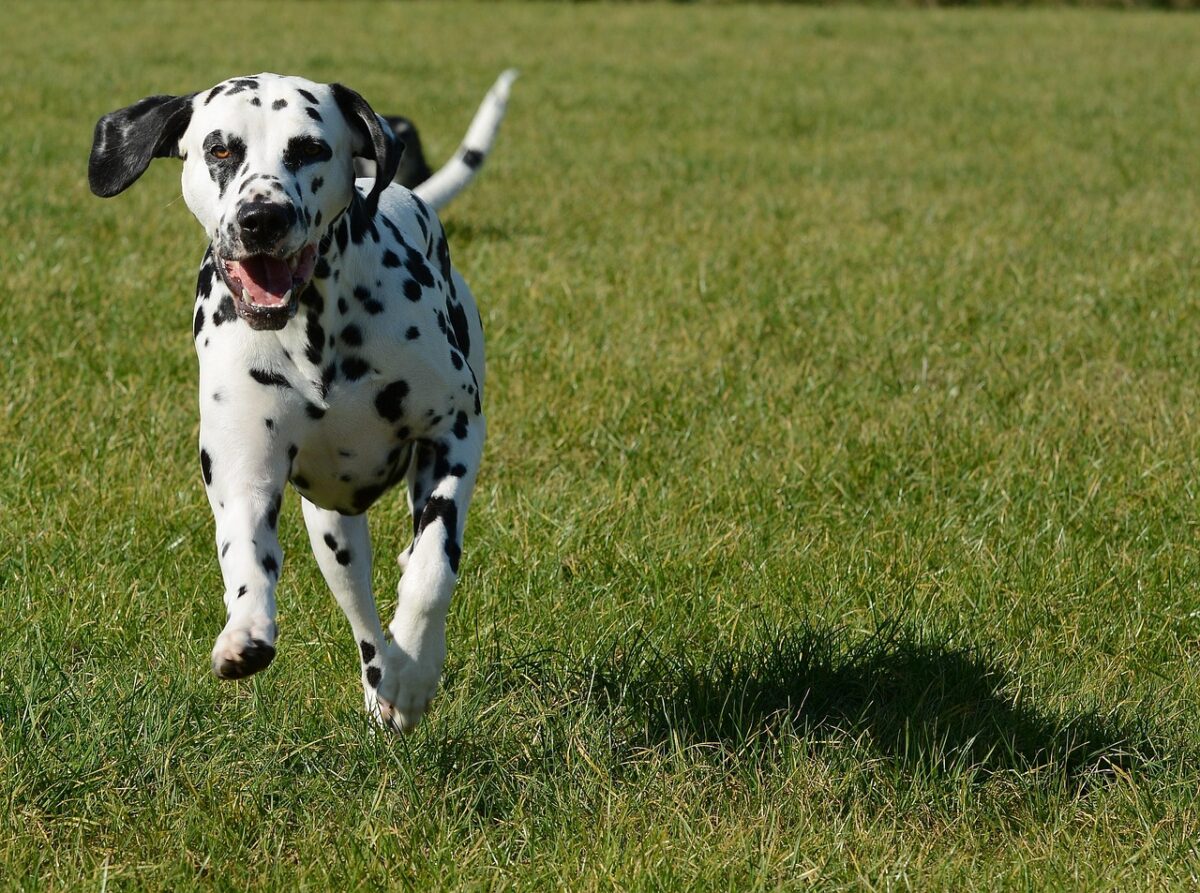
Dalmatians – The Spotted Marathon Runners
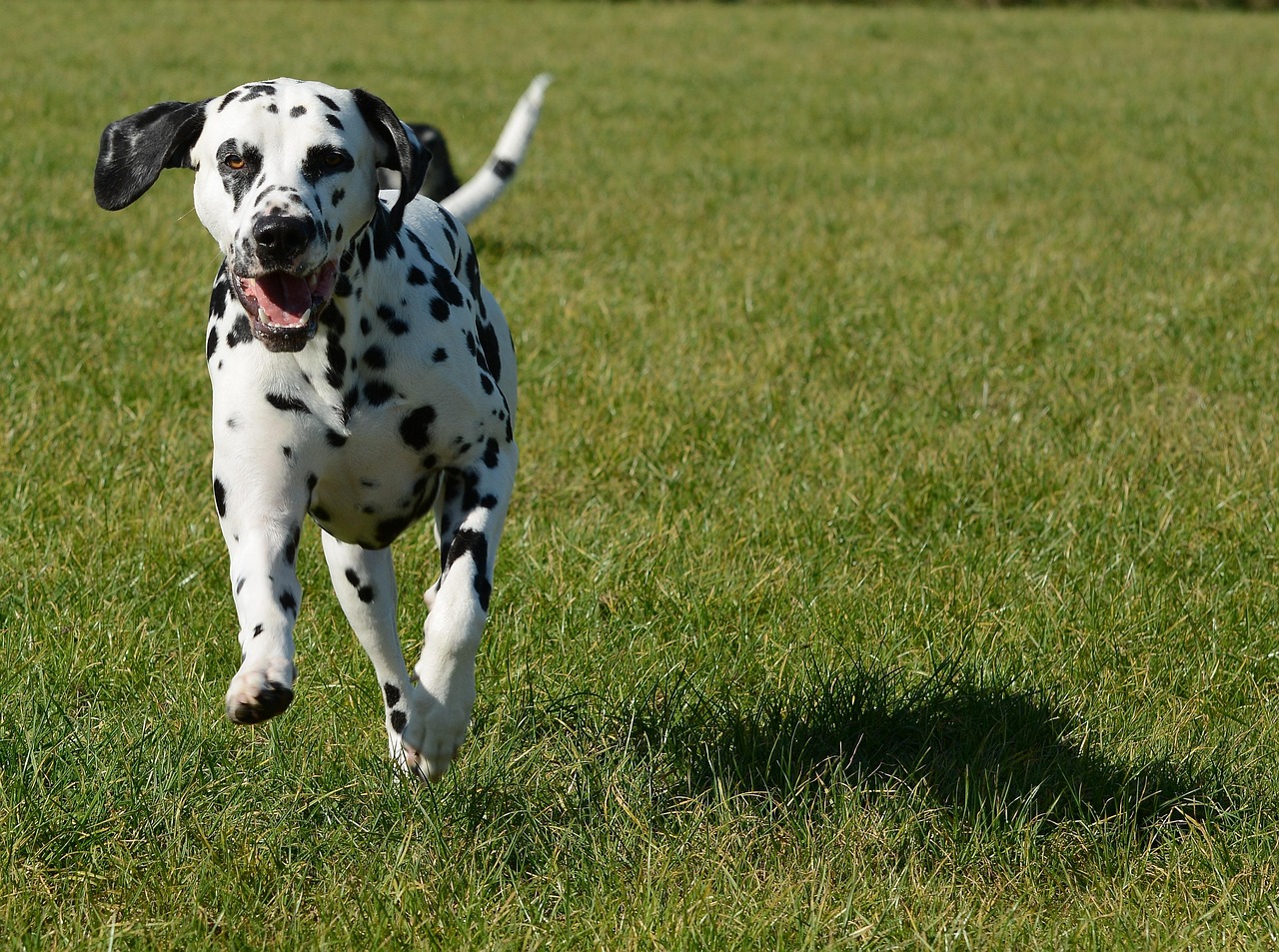
The Dalmatian, sometimes called the “spotted coach dog” or “firehouse dog,” is a striking breed known for its sleek white coat patterned with black or liver spots. Originating in Croatia’s Dalmatia region, they were historically used as carriage guards and stable sentinels. Hills Pet says Dalmatians are loyal to their families and good with children, though some experts warn they may be too energetic for very small kids. Modern Dalmatians are muscular, athletic, and highly energetic, which contributes to their charm but also presents challenges for some owners. Dalmatians require around 1.5 to 2 hours of vigorous activity daily, from long walks to games of fetch. Without consistent outlets for their energy, they can become restless, destructive, and even develop behavioral problems – something that might be difficult for seniors to manage. That’s more exercise than most seniors get in a week, let alone what they can provide daily for a dog!
Conclusion
Choosing the right dog breed for your golden years isn’t about settling for less – it’s about finding the perfect match for your lifestyle. These high-energy, demanding breeds aren’t necessarily “bad” dogs; they’re simply mismatched for the pace that most seniors prefer. Instead of wrestling with a Border Collie’s need for sheep to herd or a Husky’s desire to run to Alaska, consider breeds that actually enjoy quiet companionship and gentle walks. Remember, the best dog for you is one that enhances your life rather than exhausting it. Your ideal canine companion should bring joy, not stress, to your retirement years. What do you think about these energetic breeds? Have you had experience with any of them? Tell us in the comments.

- What It Means When Your Cat Stares at the Same Empty Corner at the Same Time Every Night – and the Three Explanations Competing for It - July 19, 2026
- What It Means When a Snake Crosses Your Path From Left to Right According to Every Southern Appalachian Tradition That Recorded It - July 19, 2026
- What It Means When Deer Stop Coming to an Area They Have Visited for Years – and What Wildlife Biologists Say They Are Detecting - July 19, 2026