
Getting a dog later in life can be one of the sweetest decisions you ever make. A dog gets you moving, gives you a reason to get up in the morning, and fills the house with that warm, living energy you just don’t get from a TV. But here’s the twist: not every adorable bundle of fur is a good match for an aging body, slower reflexes, or tighter medical budgets.
I still remember watching an older neighbor get literally dragged down the sidewalk by her powerful young dog. She adored him, but it was obvious the match was all wrong. That memory sticks with me because it showed something people don’t always want to admit: love is not enough if the dog’s energy level, size, and temperament are totally mismatched with your stage of life. Let’s walk through 10 popular breeds that, as wonderful as they are, can be surprisingly tough for many seniors to manage.
1. German Shepherd: Brilliant, Loyal… and a Full-Time Job
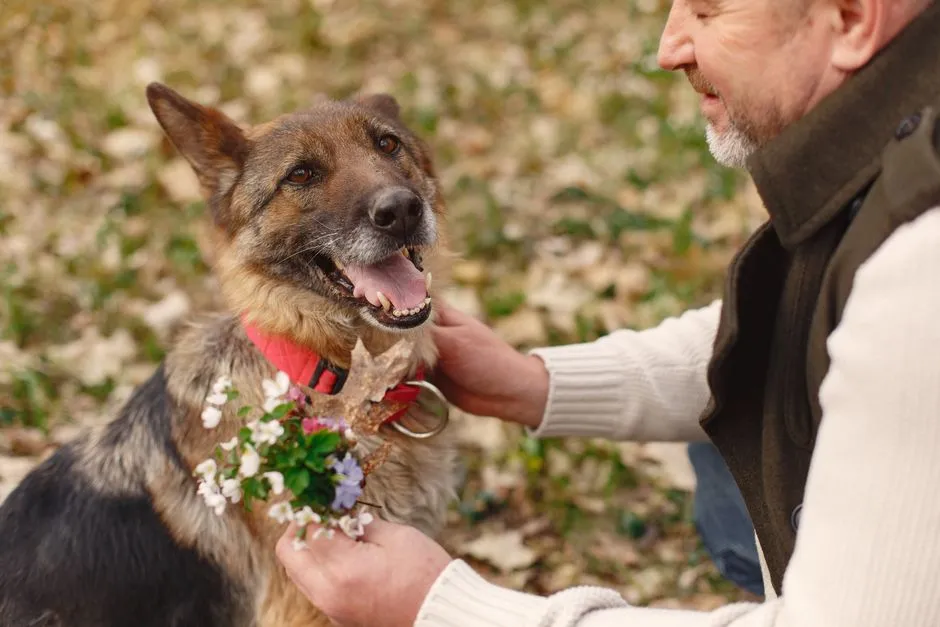
German Shepherds are incredibly intelligent, protective, and loving, which is exactly why so many people fall for them. The downside is that intelligence comes with a cost: they need a lot of training, mental stimulation, and physical exercise, or they can quickly become anxious, destructive, or pushy. For a senior who tires easily, has joint pain, or cannot commit to consistent training sessions, this can turn into a very stressful situation instead of a rewarding bond.
They’re also large and powerful, which means one sudden lunge at a squirrel or another dog can easily pull someone off balance. Add in the fact that some lines are prone to joint issues like hip dysplasia, and you may end up with both dog and human dealing with mobility problems at the same time. A German Shepherd can be a dream dog, but for many older adults, it’s like signing up to manage a small, driven athlete who never really takes a day off.
2. Siberian Husky: Escape Artist with Endless Energy
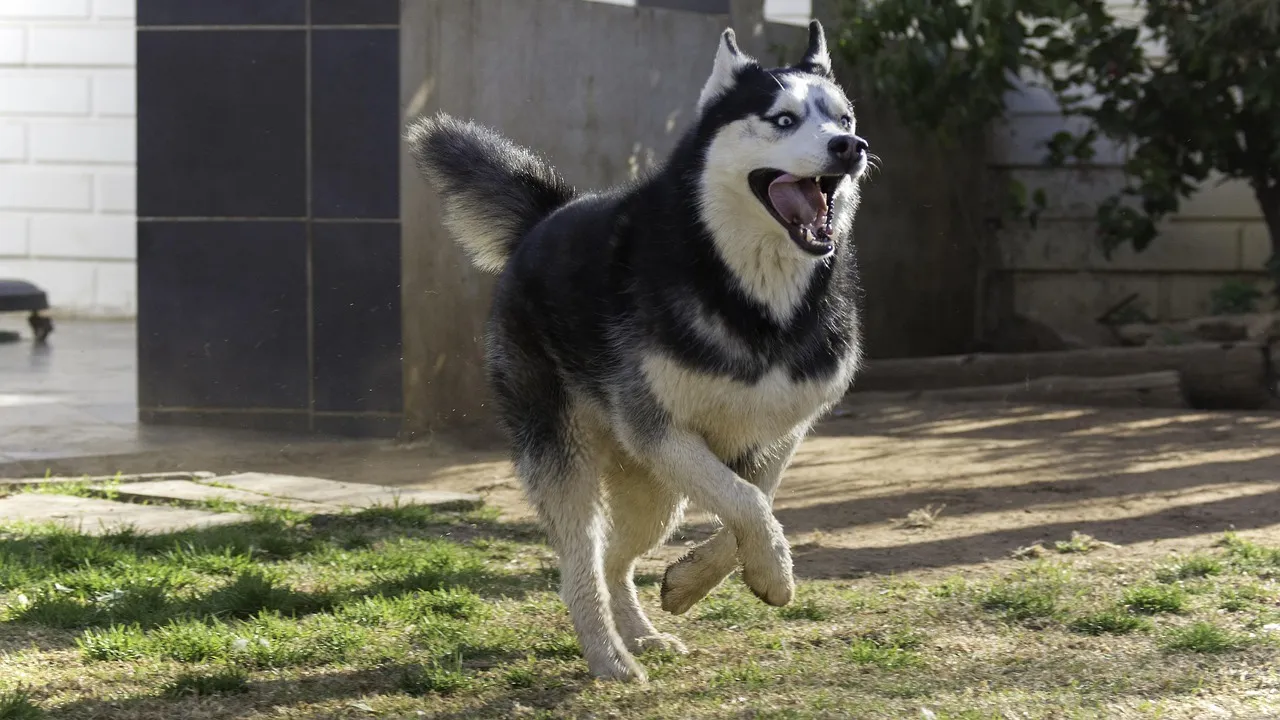
Siberian Huskies look like something straight out of a winter fairy tale, and that makes them incredibly tempting. But behind those icy blue eyes is a long-distance runner built to pull sleds for hours, not a laid-back cuddle buddy who is happy with a gentle stroll around the block. They need serious daily exercise and mental challenges, otherwise boredom will push them toward digging, howling, or trying to escape.
Huskies are also notorious for being stubborn and independent, which can make training them more demanding than many people expect. For seniors who may have slower reaction times or less physical strength, managing a determined Husky on a leash can feel like fighting the wind. Add in their escape-artist reputation – jumping fences, slipping out doors – and you’ve got a breed that often requires more energy and vigilance than is realistic in retirement.
3. Border Collie: The Workaholic That Never Clocks Out
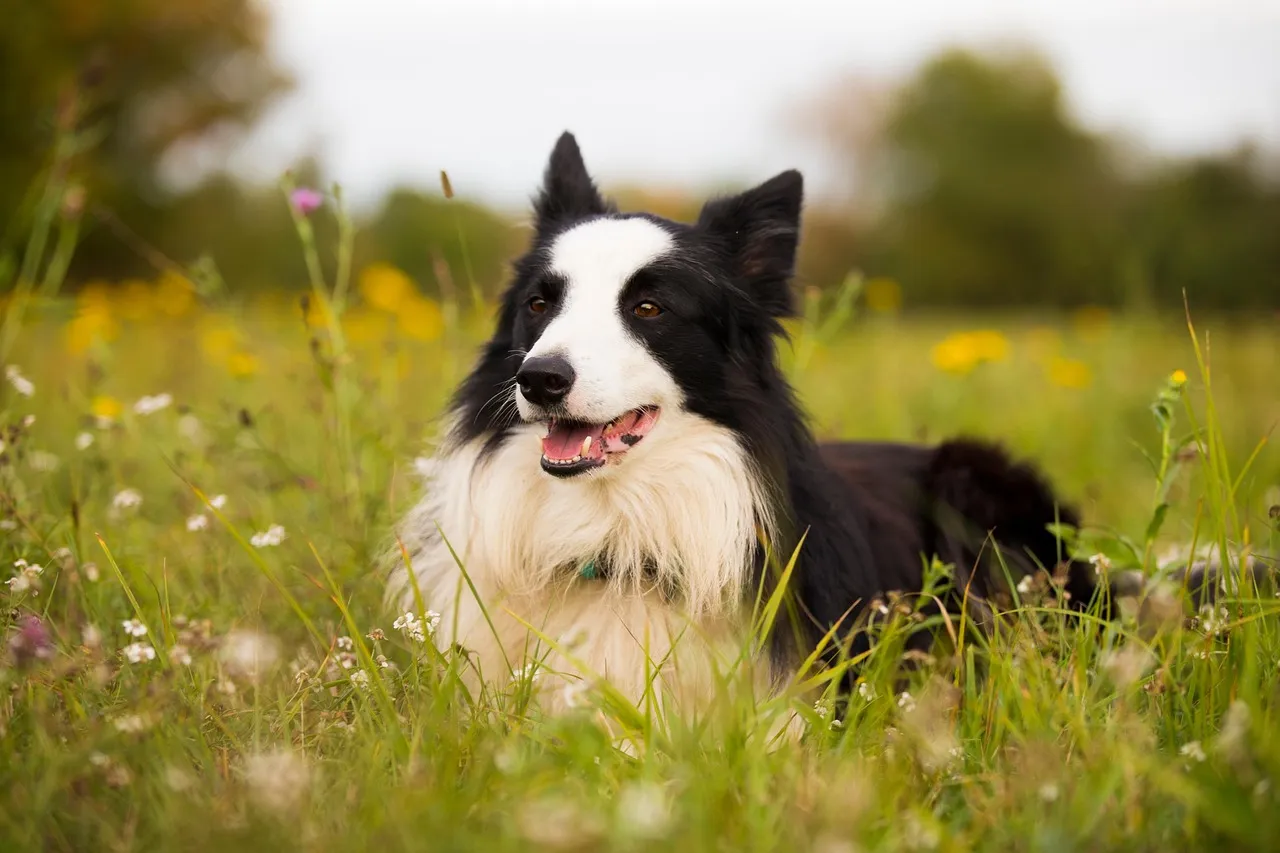
Border Collies are often praised as one of the smartest breeds in the world, and that’s both their magic and their challenge. They were bred to herd sheep all day, constantly moving, scanning, and responding. Give a Border Collie a quiet, slow household with just a couple of light walks, and you might end up with a frustrated dog inventing its own “job” – like herding people, chasing cars, or obsessively circling the yard.
This level of energy and mental drive means seniors would have to commit to a lifestyle centered around training, games, and intense activity. For some very active older adults, that might be great, but for most people dealing with arthritis, fatigue, or health issues, it can quickly become overwhelming. It’s a bit like adopting a hyper-focused young athlete when all you really wanted was a calm walking partner and a warm body on the couch.
4. Rottweiler: Gentle Giant or Too Much Muscle?

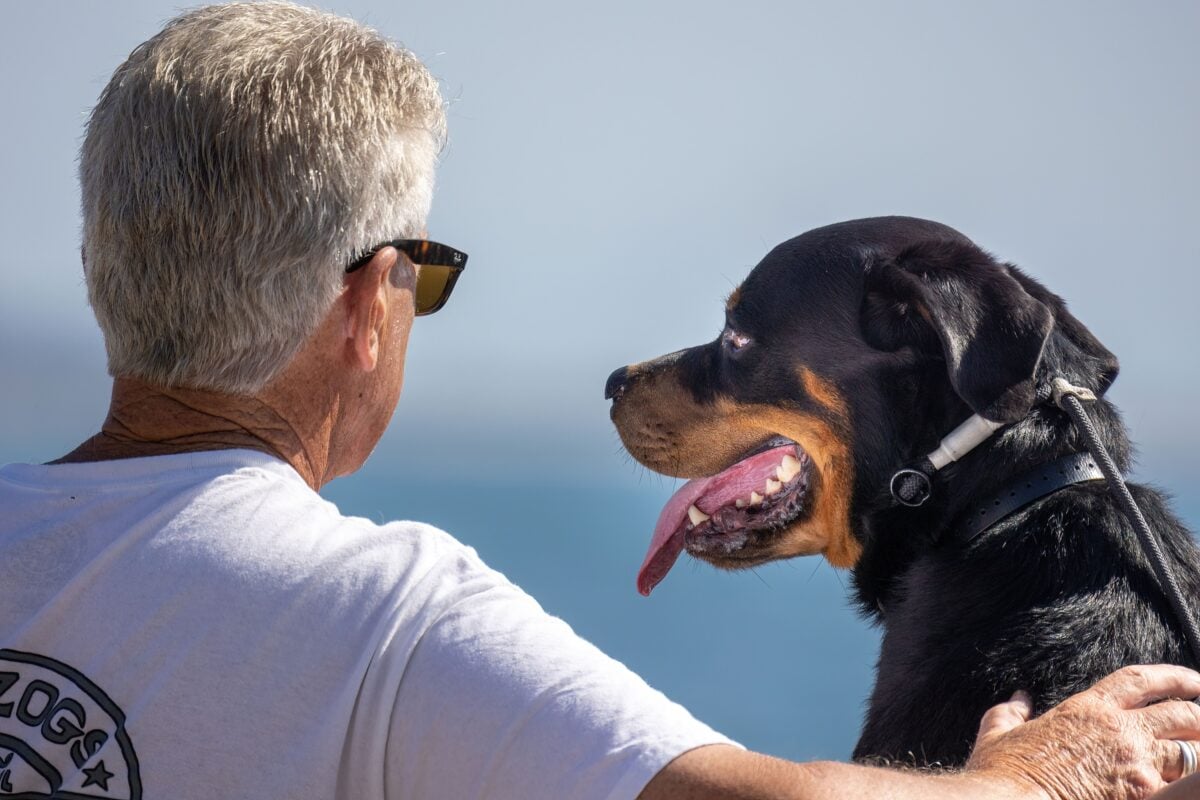
Many Rottweilers are big softies with their families, and that’s an important truth that often gets lost in their tough reputation. Still, they are heavy, powerful dogs with strong guarding instincts, which means they need careful early socialization and confident, consistent handling. If a senior feels nervous or physically unsure, the dog can pick up on that, and that’s not ideal for a breed that needs clear leadership.
Walking a Rottweiler can be physically demanding, especially if the dog is excited or reactive toward other dogs or strangers. A single sudden pull from a dog that outweighs your grandchild can be enough to cause a fall, and falls can change a senior’s life in an instant. Even if the temperament is beautiful, the sheer mass and strength involved can make this breed a risky match for many older adults, especially those living alone.
5. Dalmatian: High-Octane Spots and Sensitive Hearts
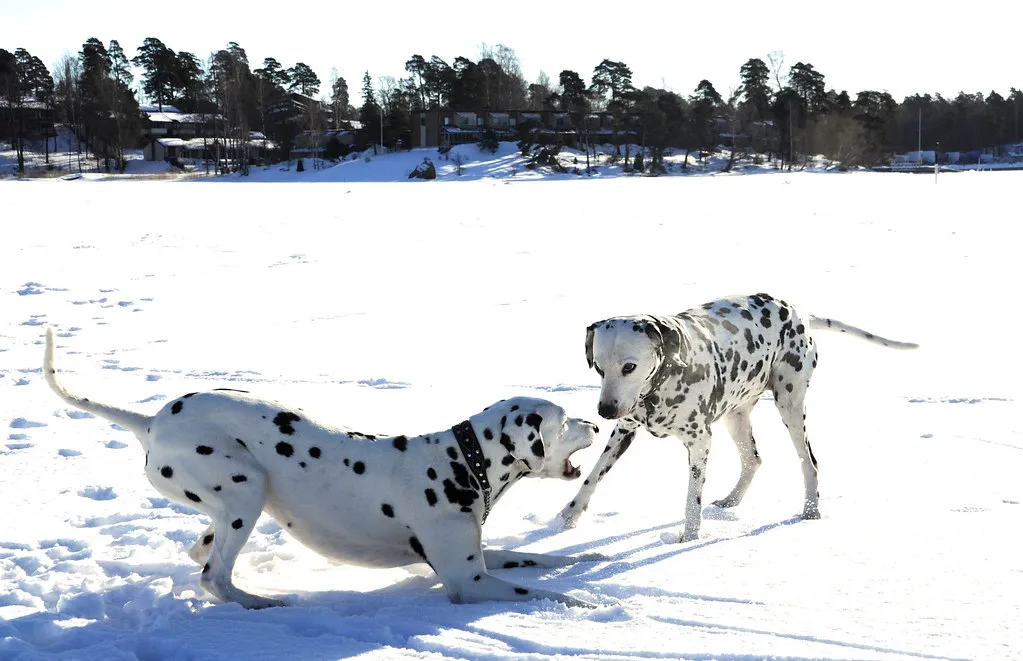
Dalmatians are eye-catching and full of personality, but they are also famously energetic and often quite sensitive. Historically used as carriage dogs, they’re built for endurance, which means they rarely tire as quickly as their humans do. Without enough movement and play, they can become restless, vocal, and sometimes destructive, turning what was supposed to be a cheerful companion into a daily challenge.
They also tend to be emotionally sensitive and can react to stress or inconsistent handling by becoming anxious or hyper. For seniors who might have fluctuating energy levels, chronic pain, or medical appointments that disrupt routines, this sensitivity can be hard to manage. Add in potential health issues like urinary problems that require careful diet and monitoring, and this breed often demands more time, energy, and structure than many older owners can comfortably give.
6. Belgian Malinois: Amazing Working Dog, Tough Pet for Most
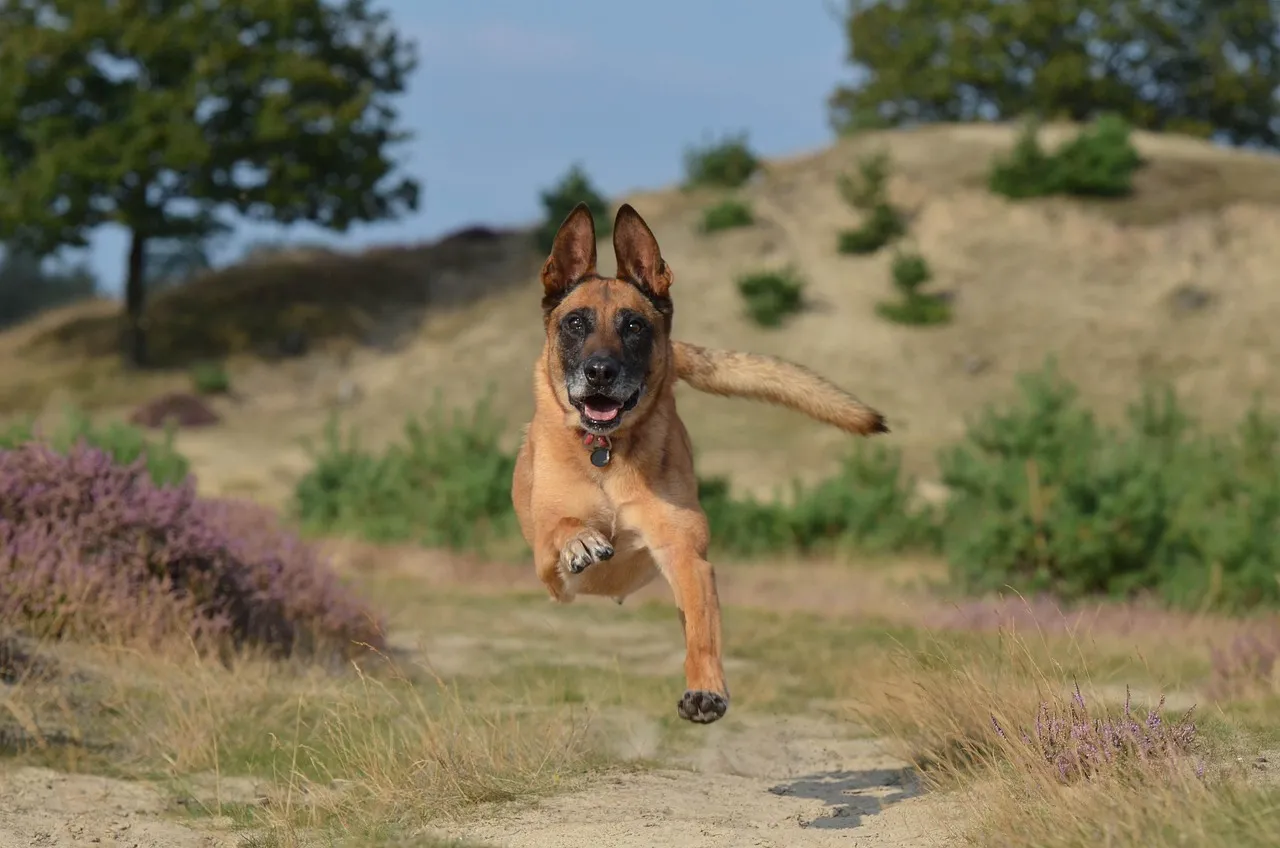
The Belgian Malinois has become more visible in recent years, often seen working with police or military units. There’s a reason for that: they are incredibly driven, athletic, and intense. Those same traits that make them excellent working dogs can make them a handful, or even downright unmanageable, in an average home, let alone a quieter senior household. They crave a job, challenges, and near-constant engagement.
Without serious training and daily structured activity, a Malinois can develop behavioral issues like anxiety, reactivity, or destructive habits. They’re also extremely quick and strong, so if they suddenly react to a trigger on a walk, it can be very difficult for an older person to hold on safely. Owning a Malinois is less like adopting a pet and more like taking on a demanding project, and that’s a huge ask for someone who might already be managing their own health challenges.
7. Jack Russell Terrier: Small Body, Big Explosion of Energy
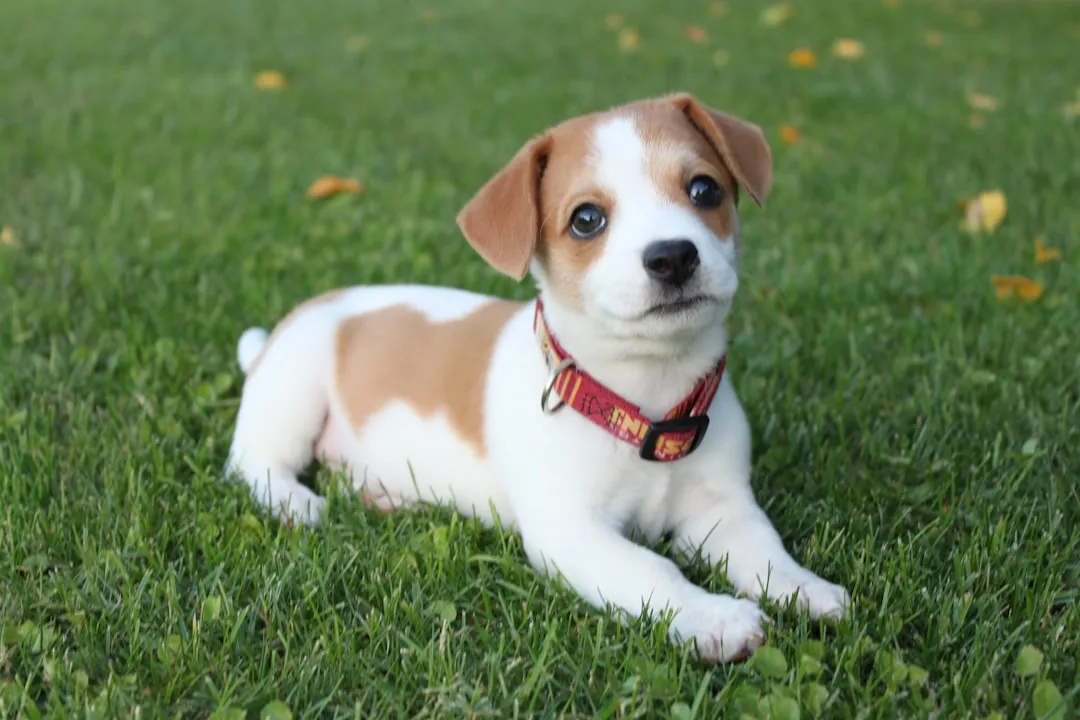
Jack Russell Terriers often trick people with their size; they look like a cute, manageable little dog that would be easy to handle. In reality, they’re like a tightly wound spring of energy and determination. Originally bred for hunting and digging out small game, they still carry that intense prey drive and need for action, which means they’re usually not content with a slow shuffle around the block and an afternoon nap.
They’re clever, stubborn, and incredibly fast, which can be tough for someone who moves slowly or has limited strength. A Jack Russell that spots a bird or squirrel can take off in a flash, putting real strain on shoulders, hips, and knees. Yes, they’re small enough to pick up, but they’re also wiggly rockets that can easily knock over a cane, a walker, or even a fragile person just by zig-zagging underfoot. For many seniors, that level of chaos is simply too much.
8. Weimaraner: Velcro Dog with Marathon Needs

Weimaraners are stunning, with their sleek gray coats and soulful eyes, and they’re often described as “velcro dogs” because they love staying close to their people. The catch is that they are also sporting dogs with big exercise requirements and a strong need for mental stimulation. A bored Weimaraner might chew, dig, or howl, turning a peaceful home into something that feels more like a construction zone.
They tend to do best in active households where long hikes, runs, or vigorous play sessions are a normal part of life. For seniors who tire easily, have heart or joint issues, or live in smaller spaces without a secure yard, it can be incredibly hard to give a Weimaraner what it truly needs. That mismatch can lead to stress on both sides: the dog becomes frustrated, and the owner feels guilty and overwhelmed, which is the opposite of the calm companionship most older adults are looking for.
9. Akita: Strong-Willed Guardian Needing Firm Handling
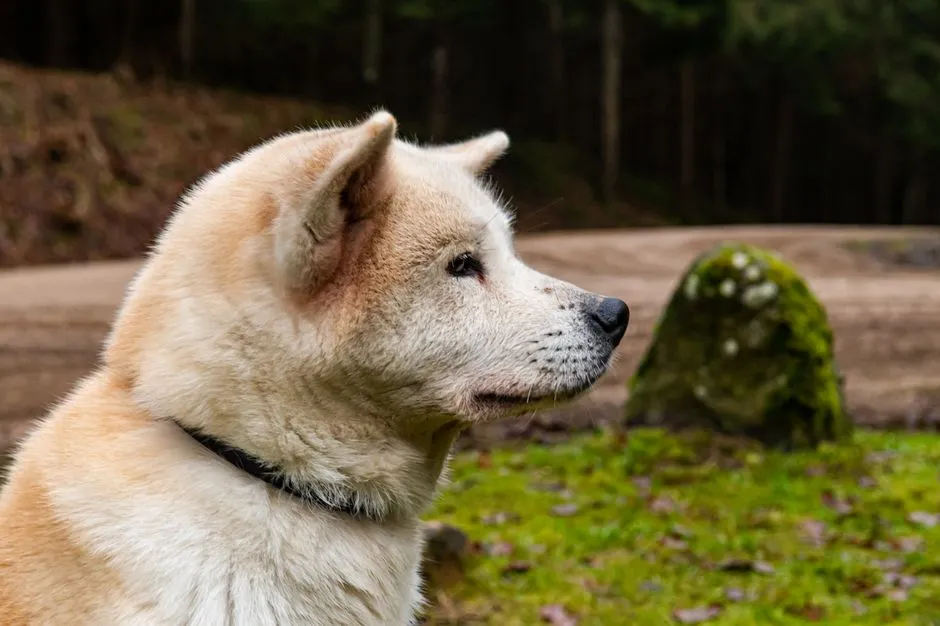
Akitas are dignified, loyal, and often quite reserved, which some people find very appealing. However, they’re also large, strong, and naturally protective, which requires an owner who is confident, physically capable, and committed to early and ongoing socialization. If an Akita decides to guard its family or territory, it can be very difficult for a physically fragile or hesitant owner to safely control the situation.
Their independent, sometimes stubborn nature means they may not respond quickly to commands unless there is a solid foundation of training and respect. For seniors who might not have the energy for structured obedience work or group training classes, that can be a real problem. Walking an Akita that is unsure about other dogs or strangers can feel like handling a quiet but powerful bodyguard on a leash, and that is not a responsibility everyone in their later years wants to shoulder.
10. Great Dane: Gentle Soul, Giant Body
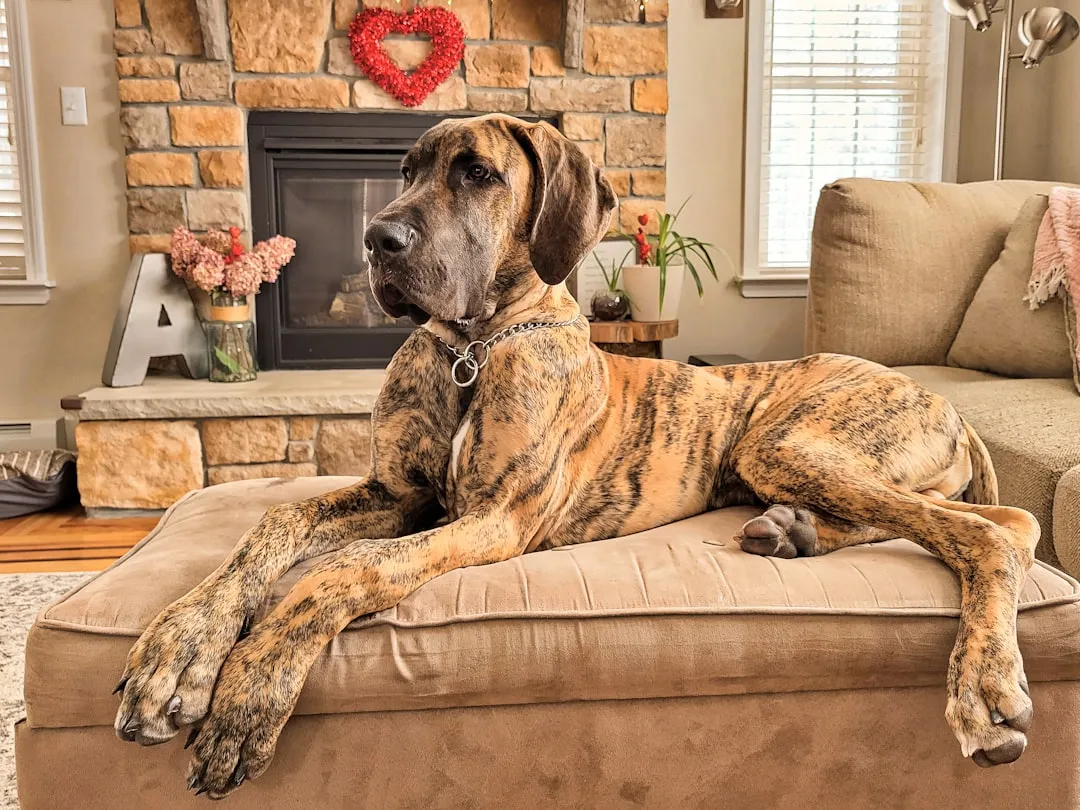
Great Danes are often called gentle giants for a reason – they’re typically affectionate, calm, and surprisingly sensitive. But sheer size matters, especially when you consider narrow hallways, stairs, or a frail human body. A happy tail whack from a Great Dane can feel like being hit by a broomstick, and an accidental bump can easily knock someone off balance, especially if they already struggle with stability.
They also have practical needs that can be tough for seniors: large amounts of food, big vet bills, and a relatively short lifespan compared to many smaller breeds. Getting an aging dog when you yourself are older can be emotionally heavy, and with a giant breed, those years often pass quicker than you’d like. As much as their sweet nature fits the idea of a comforting companion, their massive bodies and shorter life expectancy can make them a complicated choice for older adults.
Conclusion: Choosing the Right Dog Is an Act of Self-Respect
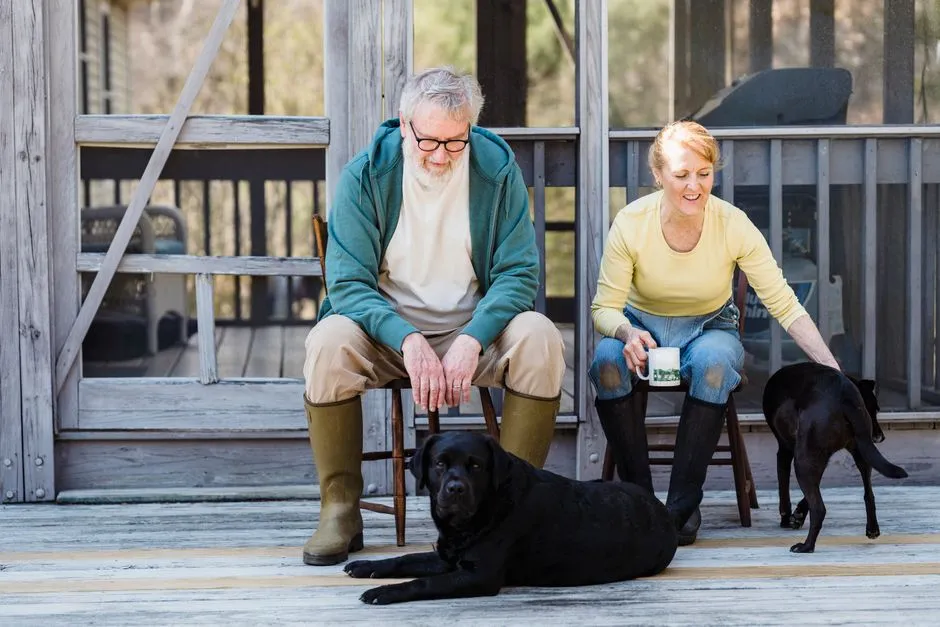
There’s something quietly brave about admitting that a certain breed might be too much for you at this stage of life. It isn’t weakness; it’s self-awareness, and it’s also kindness toward the dog. A high-energy, powerful, or demanding breed placed in a low-energy home can end up frustrated, poorly behaved, and misunderstood, while the human feels exhausted and guilty. That’s not the happy, easy companionship most seniors are dreaming about when they imagine a dog sleeping at their feet.
In my view, the best dog for a senior is not the flashiest or the trendiest, but the one whose energy, size, and temperament quietly match your real, everyday life. That might mean ignoring the breeds you’ve always admired from afar and instead choosing a calmer, smaller, or older dog that truly fits your pace. In the end, the right match is less about proving what you can handle and more about building a peaceful partnership that lets both of you grow old with grace. If you picture your ideal day, not your ideal fantasy, what kind of dog do you honestly see walking beside you?
