
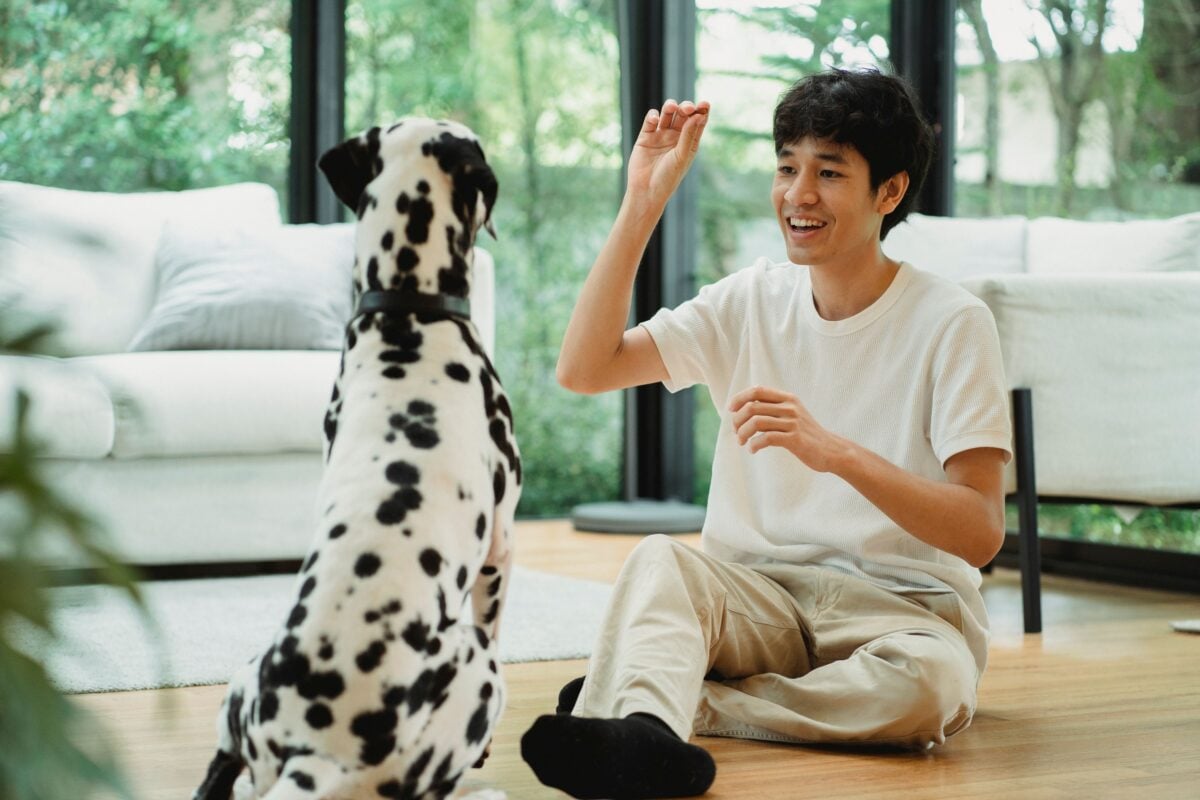
If you’ve ever come home to shredded cushions, gouged doors, and a howling neighbor complaint waiting at your door, there’s a good chance you live with a dog that simply cannot stand being alone. Some breeds are wired to be velcro dogs: they bond hard, follow you everywhere, and take your absence as a personal crisis rather than a mild inconvenience.
This list is for anyone who has wondered whether their dog is “needy” or if their breed is just built that way. We’ll walk through dog breeds that tend to struggle the most with alone time, why that happens from a behavioral and even evolutionary perspective, and what that might mean for your sofa, your sanity, and your schedule.
Labrador Retriever: The Friendly Shadow With FOMO

It surprises some people that the famously easygoing Labrador Retriever can be terrible at being left alone, but it makes sense if you look at their history. Labs were bred to work closely with people all day long, retrieving game, following cues, and living as part of a human team rather than sitting in a yard by themselves. That deep-bonding, people-focused nature means that many Labs act like social glue, wanting to physically stick to their humans wherever they go.
When a Labrador with that intense social drive is suddenly left solo for long stretches, all that energy and attachment has to go somewhere. For a lot of Labs, it comes out as destruction: chewing door frames, ripping apart bedding, counter-surfing, and sometimes even frantic vocalizing. They are smart, athletic dogs with a strong need for contact and mental stimulation, so boredom plus loneliness can become a perfect storm for chaos in your living room.
Border Collie: Genius Herding Dog Turned Interior Decor Destroyer
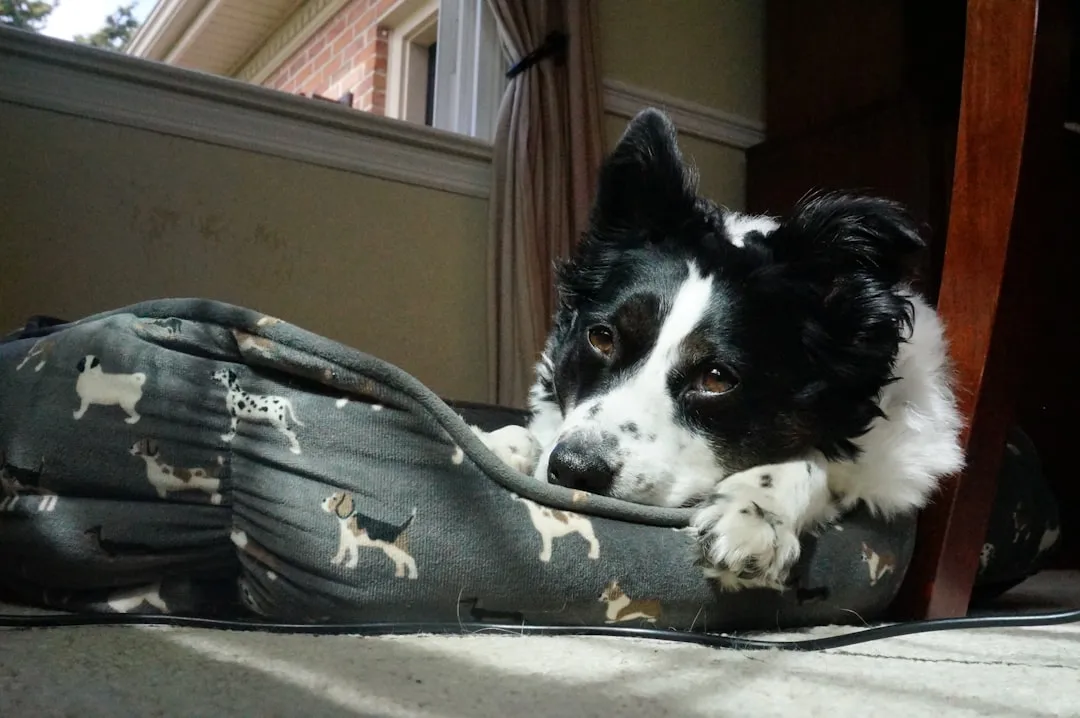
Border Collies are often called one of the most intelligent dog breeds on the planet, but that brilliance comes with a cost when they’re under-stimulated and alone. These dogs were bred for intense, sustained work with humans and livestock, often making independent decisions in the field but always in partnership with a person. Take away the shepherd, the sheep, and any job at all, and you’ve got a brain that starts inventing its own “projects.”
Left alone for too long, many Border Collies turn to behaviors that give them an outlet: tearing fabric, herding kids or other pets too roughly, obsessively pacing or spinning, and barking at every tiny sound. It’s not spite; it’s unspent energy and obsessive focus looking for somewhere to land. Living with a Border Collie in a modern home is like living with a highly driven workaholic who’s suddenly unemployed – if you don’t give them a task, they will make one, and your furniture might be the unlucky target.
Jack Russell Terrier: Tiny Body, Explosive Energy, Zero Chill
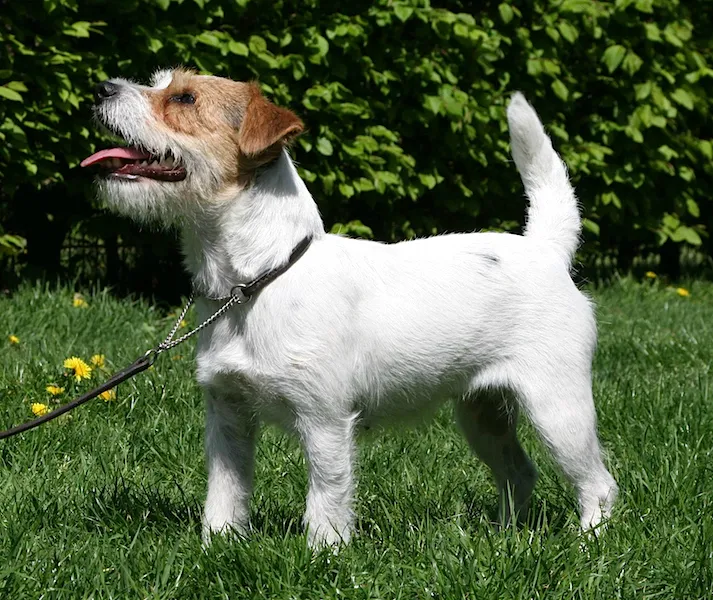
Jack Russell Terriers look small and cute, but they’re basically high-octane working terriers wrapped in a compact package. Originally bred for fox hunting, they’re designed to dig, chase, bark, and push through obstacles with almost ridiculous determination. That intensity does not just switch off because you live in an apartment and work a nine-to-five job.
When a Jack Russell is left alone and under-exercised, it’s common for that energy to explode into destructive behavior. They may strip wallpaper, dig through carpets, chew table legs, and bark so relentlessly that neighbors complain. These dogs often form strong bonds with their people too, so the combination of separation frustration and a nuclear energy core can be a disaster for any home that isn’t Jack Russell-proofed and backed up with serious daily exercise and enrichment.
Cavalier King Charles Spaniel: The Sweet Couch Buddy Who Can’t Cope Solo

Cavalier King Charles Spaniels look like the ultimate low-maintenance lap dogs, but they are deeply people-oriented and often struggle intensely with alone time. Historically, they were bred as companion dogs for nobility, literally designed to sit by their person all day, warm laps, and provide affection. That job description did not include “stay home alone eight hours a day while everyone goes to work.”
Many Cavaliers become anxious when left by themselves, showing signs like constant whining, pacing, scratching at doors, or chewing soft items that smell like their owner, such as shoes or couch cushions. They rarely mean to be destructive; it’s more like a panicked attempt to self-soothe. If you think of them as emotional sponges that soak up connection, then being left alone is like being suddenly wrung out, and some will unravel in ways your house will not appreciate.
German Shepherd: Devoted Guardian Who Hates Being Benched
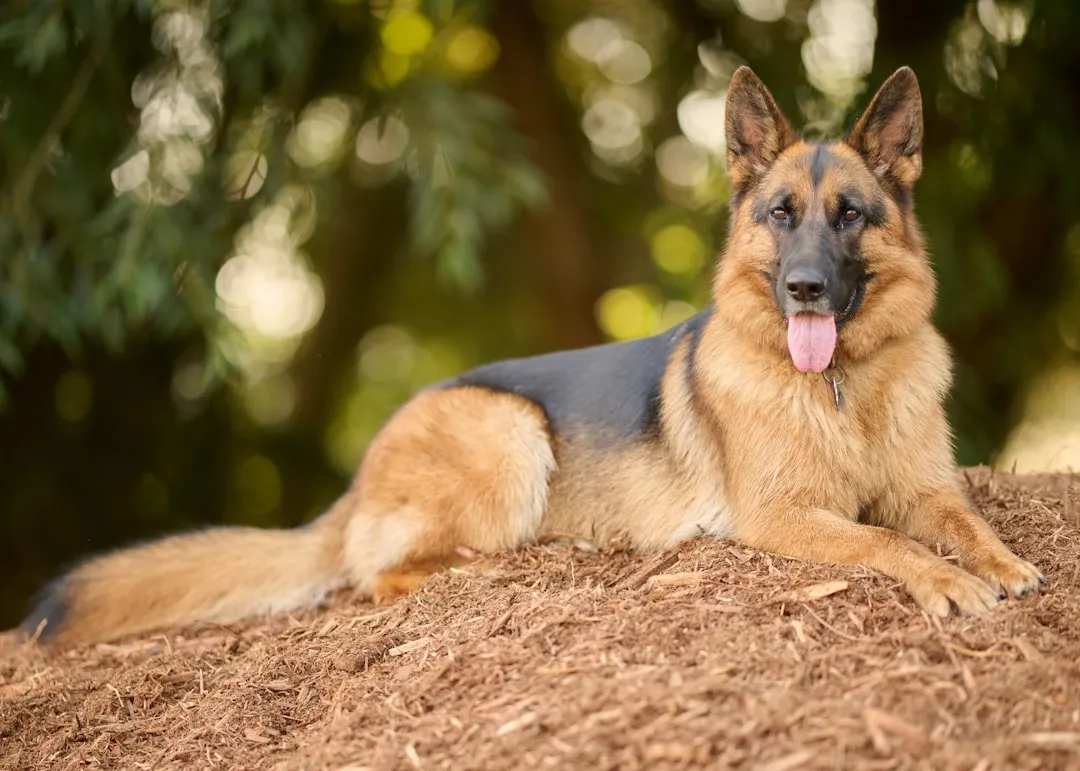
German Shepherds are intensely loyal, protective, and wired to watch over their family. They were developed as herding and working dogs, constantly engaged with flock and handler, and in modern times they’re commonly used in police, military, and service work. That means they’re at their emotional best when they have a job and are close to their person or people.
When a Shepherd is left alone too often or for too long, especially without enough mental and physical work, some develop separation-related behaviors: barking at every noise, chewing doors or crates trying to get out, and pacing relentlessly. A Shepherd that feels its “job” is to protect the house and family can also become stressed when no one is home to supervise, like a security guard locked out of the building they are supposed to protect. That tension can spill over into destructive coping habits that look like bad behavior but are really a sign of a frustrated, worried dog.
Vizsla: The “Velcro Dog” Who Takes Separation Personally

Vizslas are often nicknamed velcro dogs for a reason: they are famously clingy, affectionate, and happiest when they’re physically touching their humans. Historically bred as hunting companions, they ran alongside hunters and then relaxed by the fire with them, rarely far from human contact. That history built a dog who lives for closeness and is emotionally sensitive to shifts in routine or social connection.
When left alone, especially without a good training foundation, many Vizslas rapidly slide into stress behaviors like pacing, whining, chewing, or tunneling out of crates or rooms. Their athleticism and agility mean that once they’re in a panic, they can do surprising damage in a short time, from scratching through doors to leaping onto high surfaces and knocking things down. Sharing your life with a Vizsla means accepting that you are their chosen universe – and if that universe disappears for long, they can emotionally spin out and take parts of your home with them.
Australian Shepherd: Brilliant Workaholic Not Built for Boredom
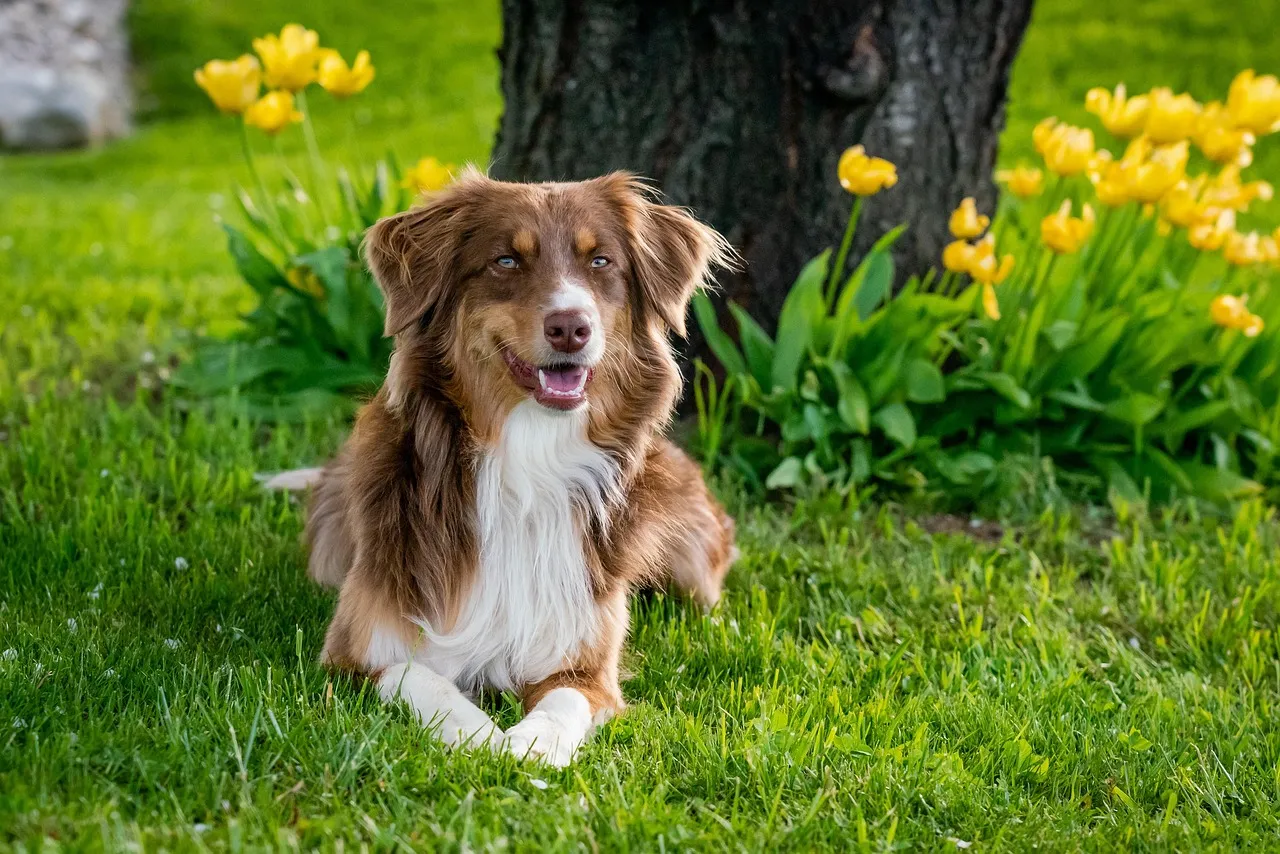
Australian Shepherds are high-drive herding dogs with serious brains and stamina, and they were never meant to live quiet, low-key lives. Historically, they spent their days moving livestock, reading their handler’s body language, and constantly scanning for new tasks. You can probably guess how that translates to modern apartments and suburban homes when they’re left alone with nothing to do.
Without enough exercise and mental challenges, many Aussies get restless, anxious, and then destructive. They might chew through crates, rip carpets, reorganize your shoes into a shredded mess, or bark at every sound until it becomes a neighborhood issue. Their problem is rarely disobedience; it’s a mismatch between their intense working dog brain and a lifestyle that expects them to calmly nap all day while alone, which goes against everything their genetics are pushing them to do.
Chihuahua: Tiny Dog, Oversized Attachment

Chihuahuas might be one of the smallest dog breeds, but their emotional attachment to their favorite person can be enormous. They often form intense one-person bonds and want near-constant contact – on your lap, under your blanket, or following your every step. That high need for closeness can make solo time feel especially distressing for some individuals.
When left alone and feeling insecure, many Chihuahuas respond with constant yapping, scratching at doors, or chewing small objects like socks, wires, or remote controls. Their size doesn’t make the impact any less stressful; neighbors can be driven up the wall by a tiny dog that barks for hours, and small destructive acts can add up. Treating them like a portable accessory and then expecting them to be independent at home is a recipe for anxiety-fueled chaos.
Beagle: Nose-Driven Escape Artist With a Loud Opinion

Beagles are scent hounds, bred to follow their nose in a pack, often with people not far behind. They’re social, curious, and endlessly interested in smells and sounds around them. Being left alone in a quiet house doesn’t line up with that genetic wiring, and many Beagles find solitary life frustrating or downright boring.
Instead of calmly snoozing, a lonely Beagle might start baying, howling, and barking, which carries far and tends to alarm neighbors quickly. Others turn their nose to mischief indoors, raiding trash cans, tearing apart anything that smells remotely interesting, or trying to escape yards and crates to go find something more exciting. For a Beagle, silence and stillness can feel like sensory deprivation, and their solution tends to involve noise and destruction that your home environment was not designed for.
French Bulldog: Clownish Companion Who Wants Constant Company

French Bulldogs are one of the most popular companion breeds today, prized for their goofy personalities and affectionate nature. They thrive on human attention and often follow their people from room to room, flopping at their feet like little living doorstops. That strong desire for closeness means that when you leave, many Frenchies don’t just shrug and nap; they feel the separation sharply.
While they may not be as athletic as a herding dog, a stressed Frenchie can still do plenty of damage: scratching doors, chewing furniture or baseboards, and emitting nonstop distressed vocalizations that sound dramatic in small spaces. They’re also prone to anxiety, and once a habit of panicking when alone sets in, it can be tough to break without intentional training and routine changes. Living with a Frenchie often means accepting that you’ve acquired a compact, snoring shadow who expects to be part of your everyday life, not parked alone like a decoration.
Why These Breeds Struggle So Much With Alone Time

Across all these breeds, there’s a shared theme: they were developed to work closely with humans, either as companions or intense working partners. Their brains and nervous systems are tuned to social connection, constant interaction, or problem-solving tasks. When modern life asks them to be chill and independent for hours at a time, there’s a major clash between centuries of selective breeding and the reality of our schedules.
Not every individual from these breeds will destroy your home, and some mixed-breed dogs can struggle with separation just as much or more. But if you choose one of these dogs, it’s wise to assume they may have a lower tolerance for long periods alone and to plan your lifestyle, training, and environment around that. Think of it less as “bad behavior” and more like a mismatch between what the dog was built for and the life we’ve asked them to live.
What You Can Do If Your Dog Hates Being Left Alone
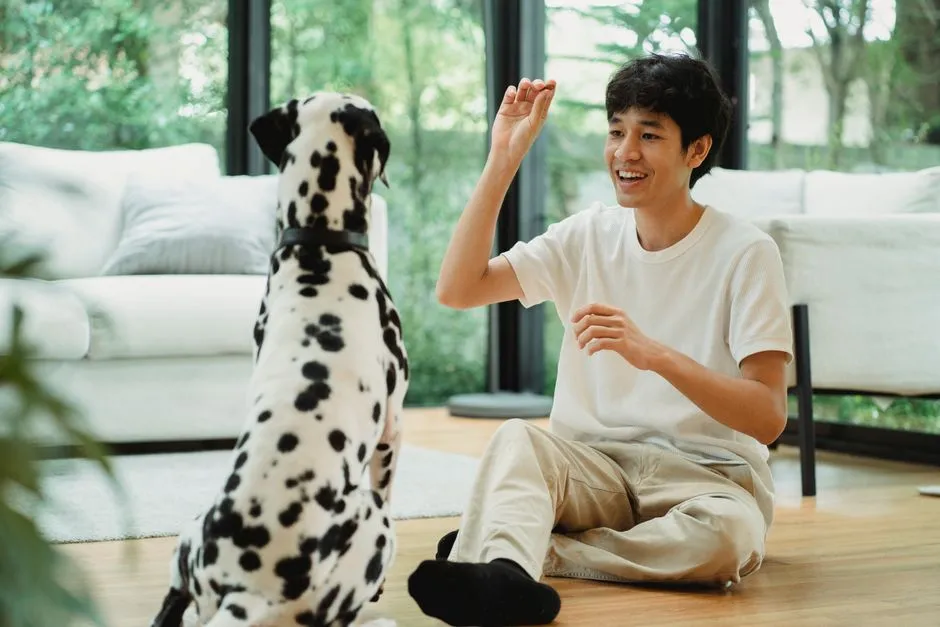
If you already live with one of these breeds and your house looks like a crime scene after every workday, there is hope. Gradual alone-time training, plenty of daily exercise, mental enrichment like puzzle toys and scent games, and using safe confinement areas can make a huge difference. Sometimes small changes, like leaving a worn T-shirt with your scent or providing a frozen stuffed chew, can help your dog cope better when you leave.
For more serious cases, working with a qualified trainer or veterinary behavior professional can be life-changing – for you and your dog. In some situations, especially when there’s true separation anxiety, a mix of behavior modification and medical support is the most humane route. The key is recognizing that your dog is not being “spiteful”; they’re overwhelmed. Addressing the root cause does more than save your couch – it makes their inner world calmer and safer.
Opinionated Conclusion: Choose the Dog for the Life You Actually Live

Here’s the uncomfortable truth: a lot of dogs that “wreck the house” are not bad dogs – they’re just badly matched to the life they’ve landed in. Breeds like Labs, Border Collies, Aussies, Vizslas, and the rest on this list were shaped for work and connection, not eight hours of solitude and a quick walk around the block. When we ignore that, we set them up to fail, then blame them for doing exactly what their genetics and anxiety push them to do.
In my view, if you choose one of these breeds, you’re also choosing a lifestyle: more time, more training, more mental work, and more creativity to keep their minds and hearts satisfied. If that sounds like too much, it’s not a moral failing – it just means a more independent, low-maintenance breed or even a mellow adult rescue might fit you better. The most loving choice is not the cutest puppy on social media, but the dog whose needs truly match your reality. When you think about it that way, which matters more – the fantasy of the dog you want, or the quality of life of the dog you’ll actually bring home?
