

Some horses seem to read your mind and float through new exercises. Others look at you like you just suggested they do taxes. Ask a handful of experienced trainers which breeds can be the most challenging, and you’ll hear the same names pop up again and again – not because they’re bad horses, but because they’re smart, sensitive, stubborn, or all three rolled into half a ton of muscle.
This list is not about bashing breeds. Every horse is an individual, and there are easy-going outliers in even the “tough” breeds. But certain types come with patterns that trainers see over and over: explosive energy, razor-sharp brains, suspicion of humans, or an iron will that refuses to be bullied. Let’s dive into six breeds trainers often describe as the most troublesome to train – and why those exact “problems” can turn into genius in the right hands.
1. Thoroughbreds: Brilliant, Sensitive, and Wired Like Race Cars
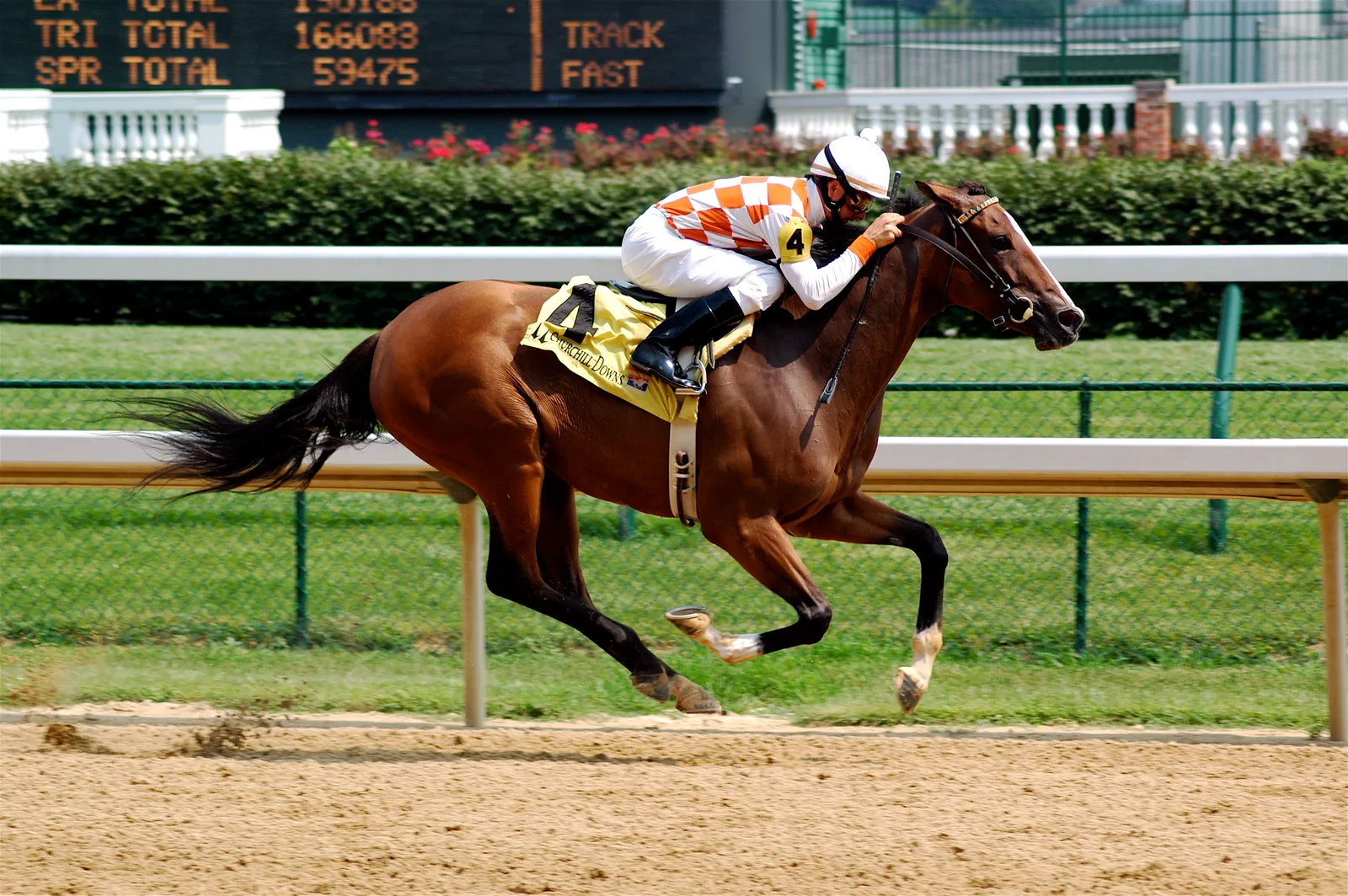
Many trainers will quietly admit that a fresh off-the-track Thoroughbred can be both thrilling and terrifying to work with. These horses are bred to accelerate, to react in a split second, and to pour everything they have into speed and effort. That same high-octane engine can make basic retraining – like teaching them that arena work is not a race – feel like trying to park a Formula 1 car in a grocery lot. Their sensitivity to leg, seat, and environment is incredible, but it also means they can overreact to tiny mistakes from the rider.
On top of that, a lot of ex-racehorses arrive with a very narrow life experience: gallop, stall, walker, repeat. They may not understand things like turnout in a mixed herd, relaxed hacking, or standing quietly at a mounting block. Some are anxious, some are body-sore, and many have learned to anticipate pressure rather than think calmly through it. Trainers who succeed with Thoroughbreds almost always emphasize slow, consistent work, plenty of turnout, and clear, fair communication. With time, that once “hot” and difficult horse often becomes a sensitive, generous partner who gives you their heart every ride.
2. Arabian Horses: Hyper-Aware Minds That Never Switch Off

Arabians are often described by trainers as having a “brain on a stick” – there’s so much thinking going on that their bodies can barely keep up. Bred for endurance, toughness, and intelligence, they notice everything: a bird in a distant tree, a shift in your breathing, a plastic bag that is absolutely, definitely a predator. That hyper-awareness can make them feel spooky, dramatic, or fidgety in training, especially for riders who expect a more laid-back, push-button ride. If you try to fight an Arabian’s brain with force, you usually lose.
What some people call stubborn in Arabians is often closer to “I need to understand why before I agree.” They can question cues, test consistency, and quickly become resistant if they feel confused or pressured. Trainers who enjoy Arabians lean into that big brain instead of fighting it: they keep sessions short, change exercises frequently, and reward mental engagement as much as physical effort. Once an Arabian trusts that you’re worth listening to, the same traits that made them feel troublesome – sharpness, alertness, quick thinking – can turn them into brave, versatile partners who outthink problems instead of just muscling through them.
3. Warmbloods: Powerful Athletes With a Slow-Burn Attitude
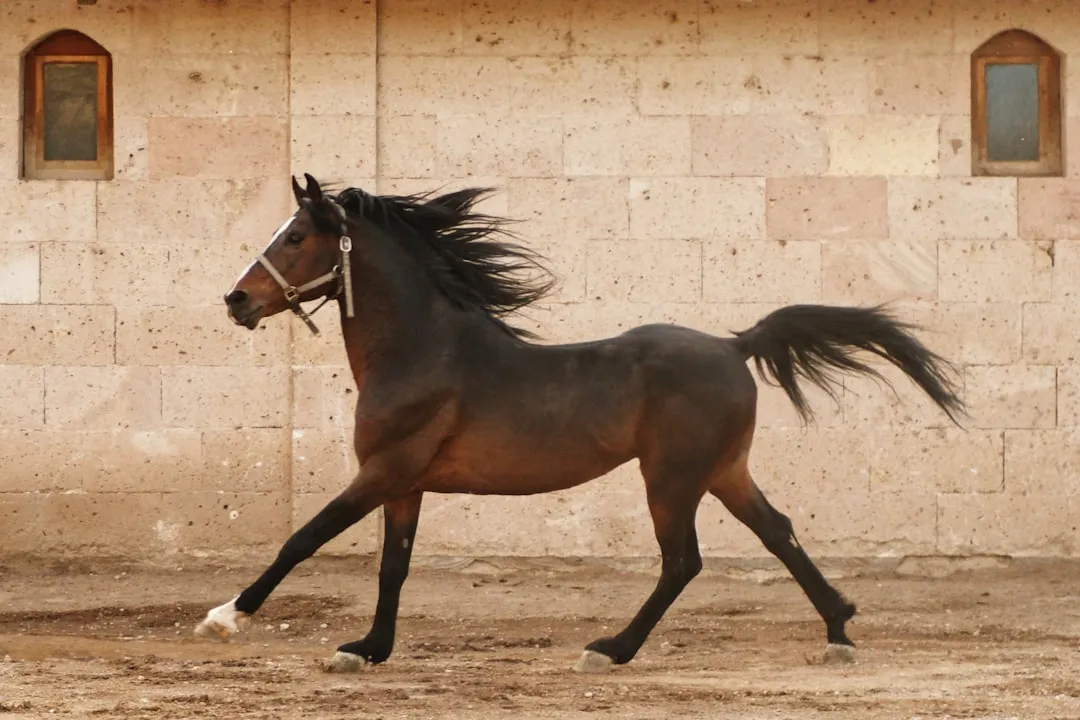
On paper, Warmbloods are the dream: purpose-bred for dressage, jumping, and sport, with big movement and eye-catching presence. In practice, many trainers will tell you they can be deceptively hard to bring along. Unlike the hotter breeds, their difficulty is not always fireworks; it’s often a quiet resistance, a kind of internal “nope” when the work gets harder. Some Warmbloods come across as lazy or dull, but under that laid-back exterior can be a very strong opinion about how much effort they owe you today.
Their physical power complicates this. A half-hearted, resistant Warmblood can feel like trying to steer a sofa that has its own ideas. If early training is inconsistent, they may learn to lean, ignore leg aids, or use their size to get out of work. Good trainers take their time installing the basics: clear forward response, respect for the aids, and a work ethic that makes sense to the horse. When that foundation is missing, the same big-framed, big-moving athlete that wins medals in the right program can become a frustrating, even intimidating ride for the average owner.
4. Ponies (Especially Native and Traditional Types): Tiny Bodies, Giant Opinions
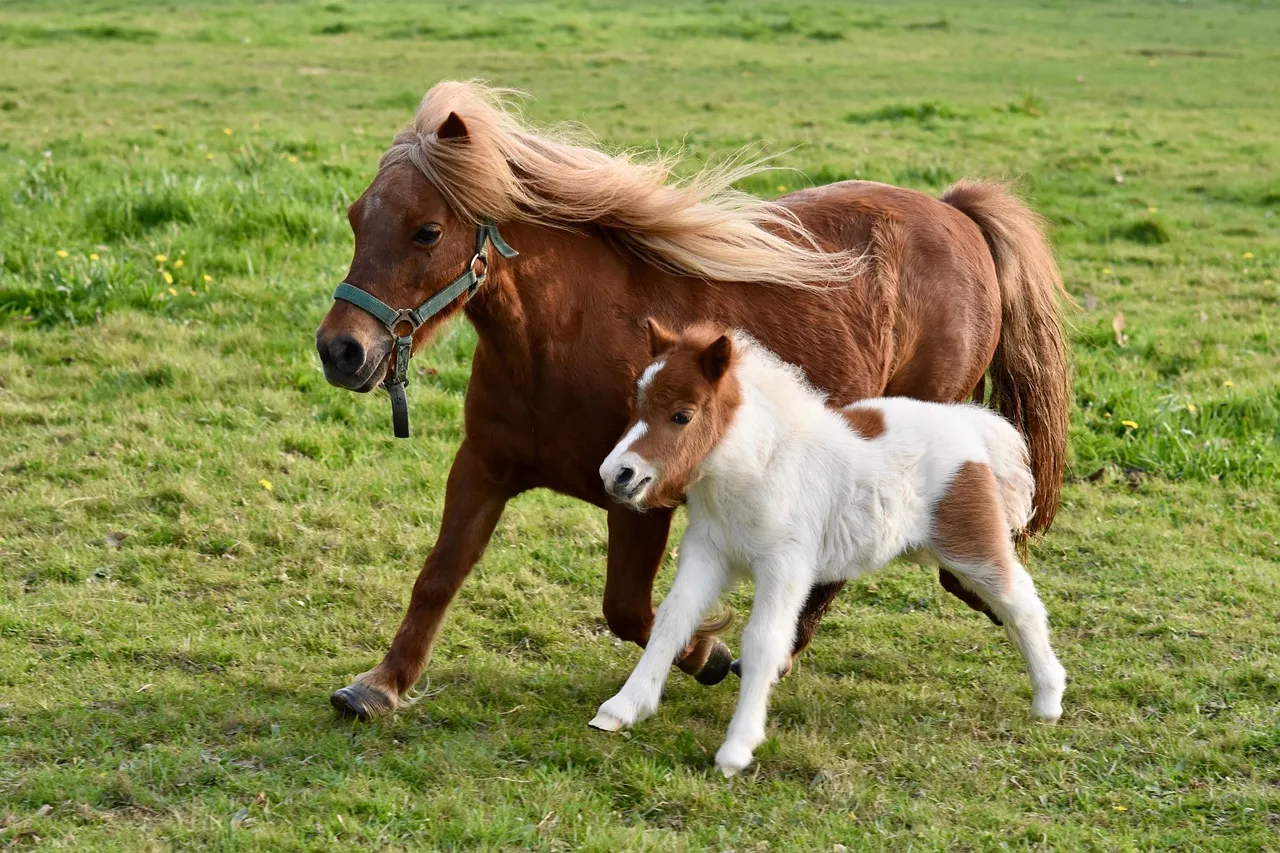
Ask almost any seasoned trainer which animals give them the most attitude, and you’ll hear one word a lot: ponies. Welsh, Shetland, Dartmoor, and other native or traditional pony types are famously clever and infamously cheeky. Their intelligence and survival instincts, shaped by tough environments and sparse pasture, make them masters of negotiation. If they sense inconsistency, fear, or unclear leadership, many will quickly decide they’re in charge. That might show up as planting their feet, ducking out at jumps, or suddenly discovering that the gate is very interesting today.
The twist is that ponies are often paired with children or very inexperienced riders, which can magnify every training issue. A pony ridden by ten different kids in a month learns exactly how to get away with the bare minimum. Trainers who manage to unlock the best in ponies usually set firm, fair boundaries and treat them like full-sized horses, not toys. When their brains and boundaries are respected, those same “naughty” ponies become gold: dependable, quick-thinking, and often the best teachers of balance, timing, and tact that a young rider will ever have.
5. American Quarter Horses: Laid-Back, Until They’re Not
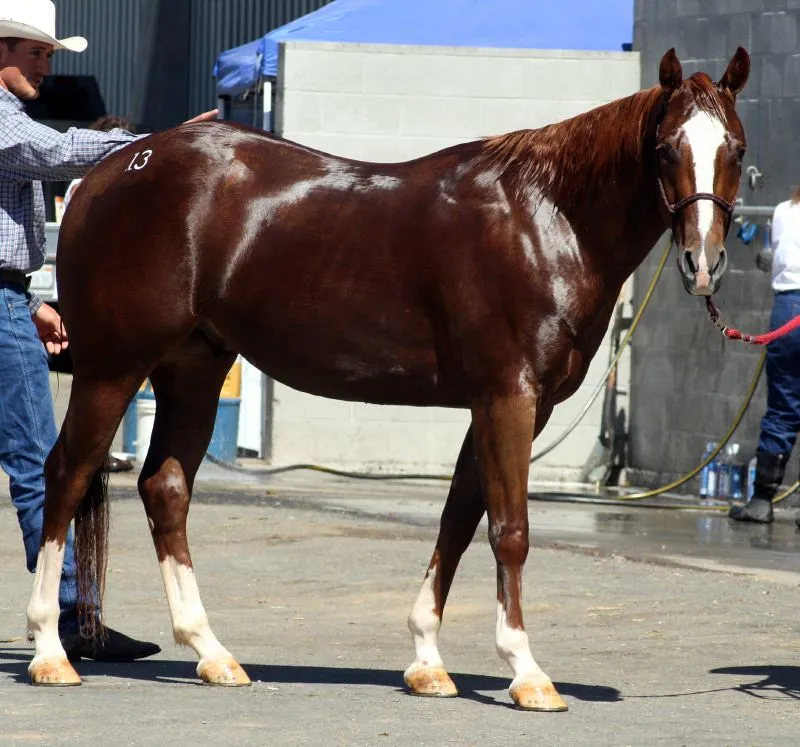
It might surprise some people to see Quarter Horses on a list of troublesome breeds, because they’re widely known as sensible, forgiving, and beginner-friendly. The nuance many trainers point out is that the breed is incredibly diverse. Some lines are truly bombproof; others, especially high-end performance lines for cutting, reining, or barrel racing, can be tightly wound, ultra-responsive, and explosively athletic. Those horses are bred to react in fractions of a second, to stop and turn hard, and to anticipate cattle or patterns almost before the rider asks. In the wrong hands, that talent becomes a training challenge.
Another issue is that Quarter Horses’ quiet, stoic nature can hide discomfort or confusion. A horse that “just goes along” can accumulate tension, body pain, or learned helplessness until it suddenly boils over as bucking, refusals, or shutting down. Trainers who work a lot with Quarter Horses often emphasize thorough physical checks, very clear cue systems, and a training pace that respects the horse’s mental limits. When those boxes are ticked, even the sharper, high-performance Quarter Horses can transform from tricky, overreactive rides into astonishingly athletic partners who seem to read their rider’s mind.
6. Friesians and Baroque Breeds: Dramatic, Sensitive, and Easily Overwhelmed

Friesians and other baroque breeds like some Iberian types often sweep people off their feet with their looks: thick manes, lofty gaits, fairytale presence. Trainers, however, frequently point out that they can be surprisingly tricky to bring along, especially for riders drawn in by the aesthetic instead of the reality. Many of these horses are extremely people-oriented and sensitive, almost emotionally fragile at times. If training feels rushed, unfair, or physically too demanding, they can shut down, get tense, or express their discomfort in dramatic ways like rearing, balking, or sudden explosive reactions.
They also tend to mature physically and mentally at a slower pace, with big bodies that need careful conditioning. Pushing them into intense collection or heavy work too early can create resistance, pain, and long-term sourness. Skilled trainers take a slower, more patient approach, mixing groundwork, hacking, and light schooling to keep their minds fresh and their bodies developing correctly. When their sensitivity is met with empathy and structure, those once “difficult” baroque horses become deeply loyal, expressive partners that seem to dance rather than just move – but skipping the foundation is almost a guarantee of trouble.
Conclusion: “Difficult” Horses or Misunderstood Geniuses?
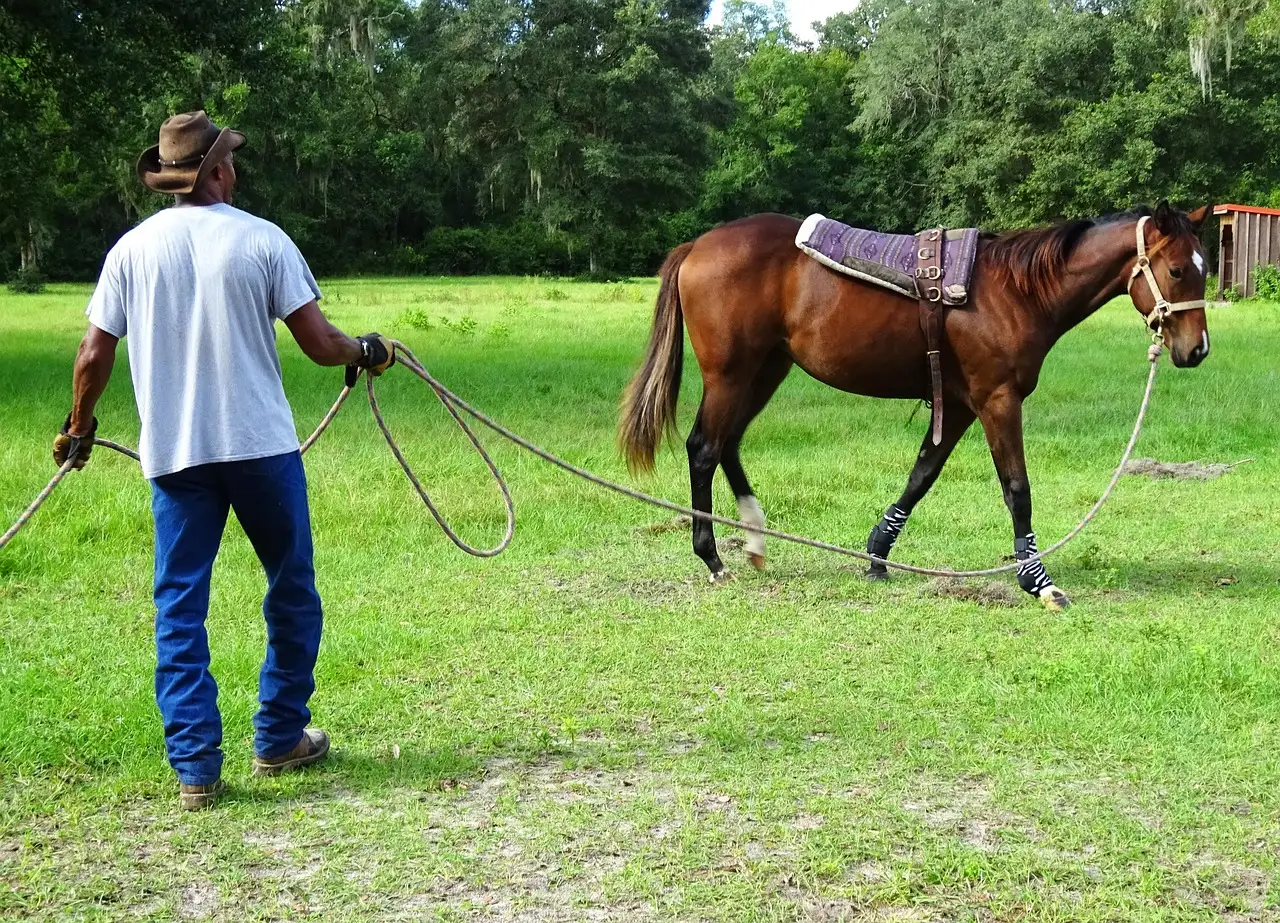
Spend enough time listening to trainers, and a pattern emerges: the horses we label as troublesome are often the ones that amplify our own weaknesses. Hot Thoroughbreds expose rushed, inconsistent riding. Sharp Arabians call out fuzzy communication. Strong-willed Warmbloods reveal missing basics, while cheeky ponies spotlight wobbly boundaries. Quarter Horses and baroque breeds can quietly show where we’ve ignored pain, pushed too fast, or fallen in love with looks more than long-term partnership. The breed tendencies are real, but the story is never only about the horse.
In my experience, the horses people complain about the most are usually the ones that end up teaching them the most, if they stick it out. A so-called difficult breed forces us to slow down, question our assumptions, and earn every step instead of coasting. They’re not for everyone, and not every match is fair, but in the right hands, the traits that look like trouble often turn into brilliance. When you hear that a breed is hard to train, maybe the better question is: hard for whom, and under what kind of horsemanship? If you had to pick one of these “troublesome” breeds to learn from, which one would you choose?
