
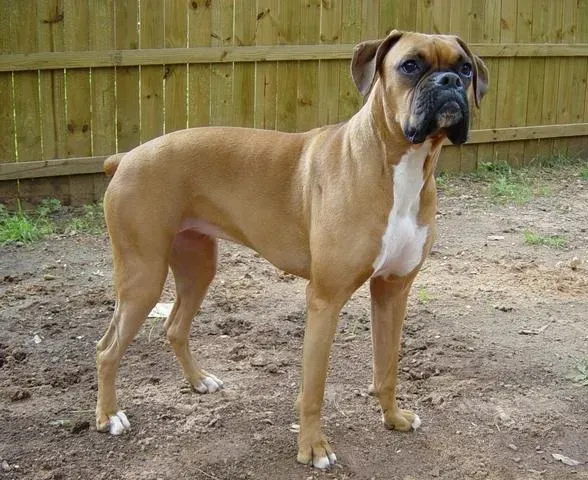
10. Boxer
🔥 Would you like to save this?
We'll email this post to you, so you can come back to it later!
Boxers bring playful energy and a sturdy build that makes them popular family dogs. Their short muzzles and loose upper lips create natural pockets where saliva collects, especially during excited play or after meals. Owners often notice strings of drool swinging from their jowls when the dogs shake their heads.
These dogs stay active and affectionate, yet the drool remains a steady companion throughout the day. A quick wipe with a cloth becomes routine after walks or training sessions. Their expressive faces add to the appeal, even when moisture lingers around the mouth.
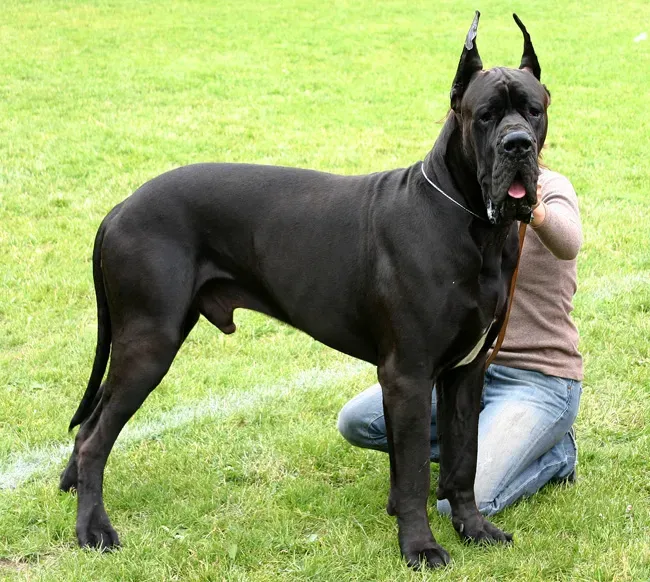
9. Great Dane
🔥 Would you like to save this?
We'll email this post to you, so you can come back to it later!
Great Danes tower over most other breeds with their elegant height and gentle presence. Loose skin around the mouth allows saliva to gather and drip, particularly when the dogs pant to cool down. Their large heads amplify the effect, sending droplets farther when they move suddenly.
Despite the size, these dogs often carry calm temperaments that suit quieter homes. Daily care includes watching for wet spots on furniture after they rest their heads. The drool fits their overall majestic yet messy profile.
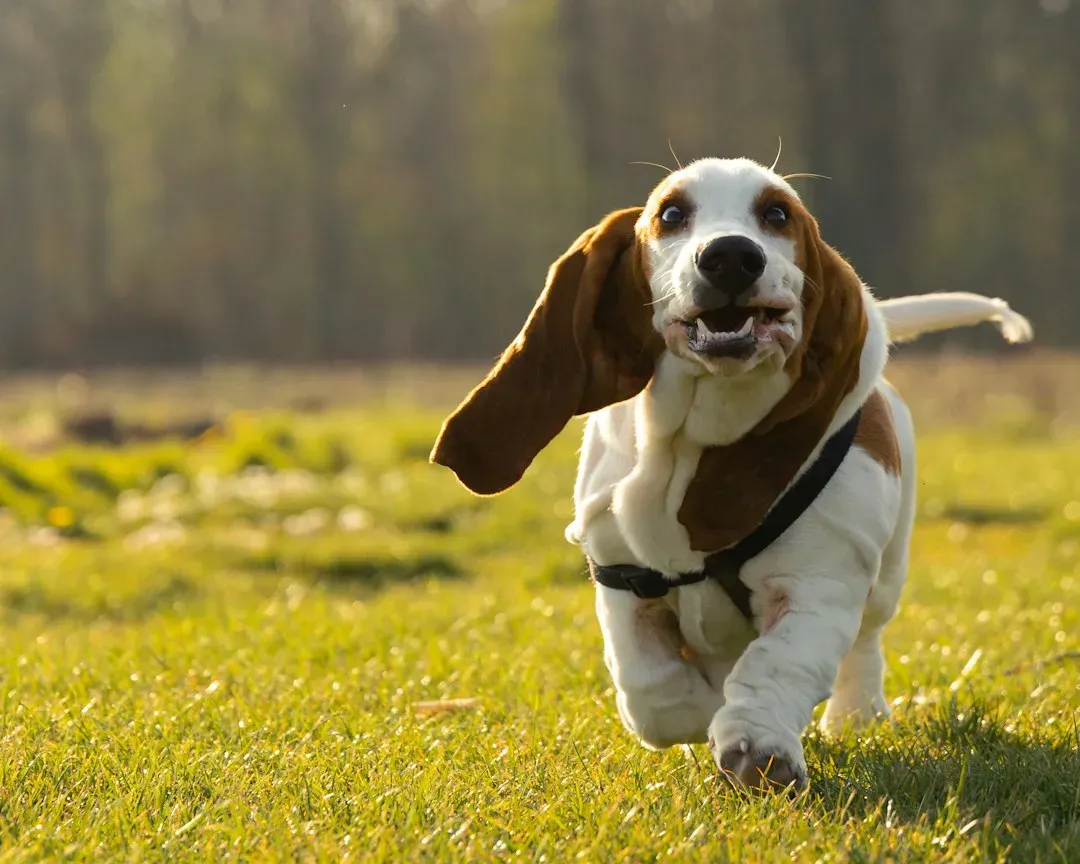
8. Basset Hound
🔥 Would you like to save this?
We'll email this post to you, so you can come back to it later!
Basset Hounds carry long ears and droopy faces that give them a distinctive look. Their loose jowls trap saliva effectively, releasing it during sniffing adventures or when they lift their heads. The breed’s low stature keeps much of the moisture closer to the ground and nearby surfaces.
These hounds remain loyal companions with strong tracking instincts. Owners appreciate their laid-back nature while managing the occasional shake that spreads droplets. Regular cleaning around the mouth folds helps prevent irritation from constant moisture.
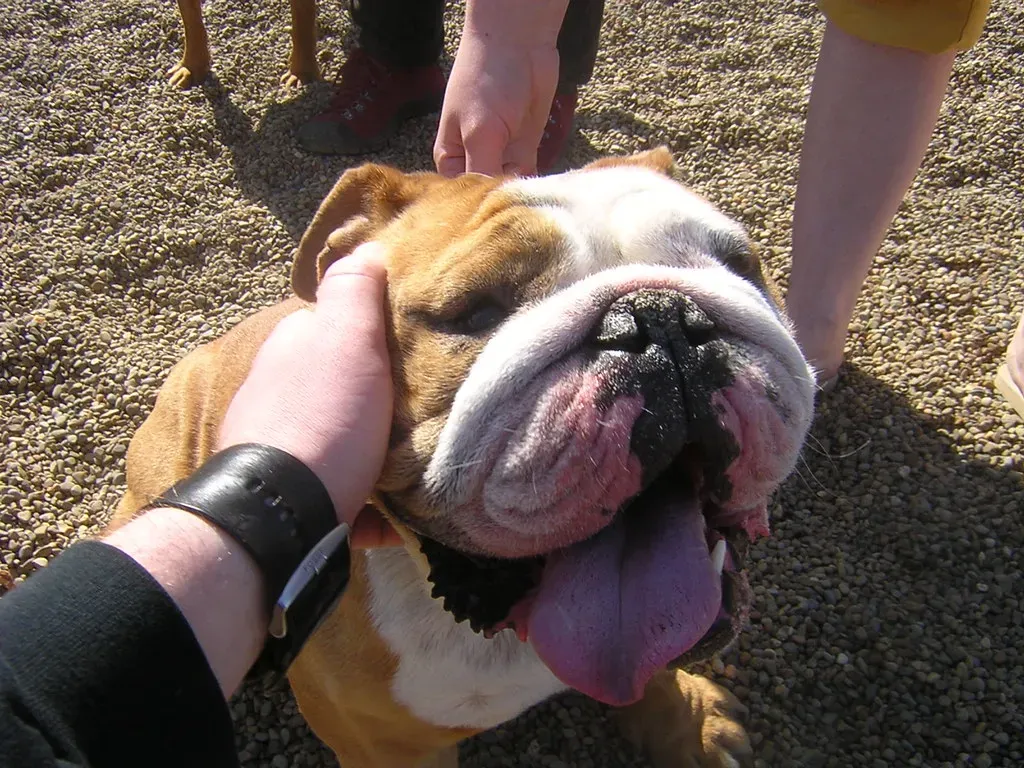
7. English Bulldog
🔥 Would you like to save this?
We'll email this post to you, so you can come back to it later!
English Bulldogs feature wrinkled faces and short snouts that limit how well their mouths close. Saliva escapes more readily through the gaps, especially after eating or during warm weather. Their compact bodies concentrate the effect around the head and chest area.
The breed’s friendly and stubborn personality wins over many households. Drool management often involves bandanas or frequent towel use to catch the flow. Their unique appearance makes the extra cleanup feel worthwhile for devoted fans.
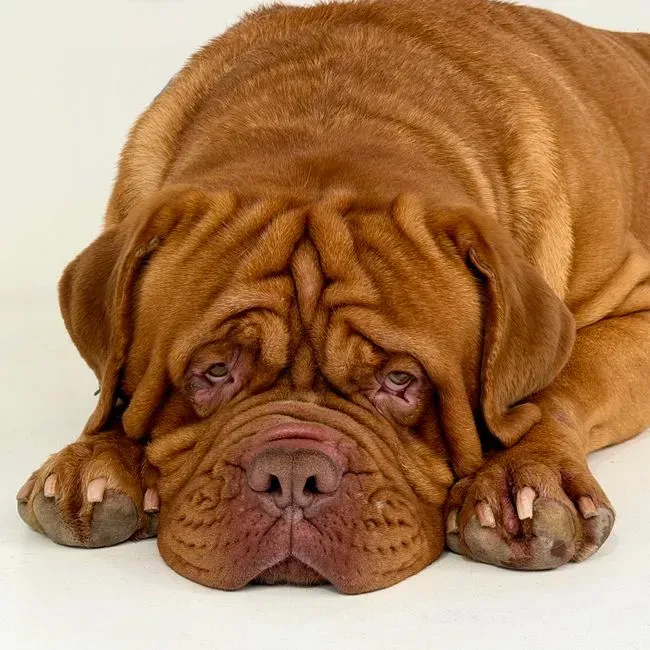
6. Dogue de Bordeaux
🔥 Would you like to save this?
We'll email this post to you, so you can come back to it later!
Dogue de Bordeaux dogs display powerful builds and thick, hanging jowls that collect saliva throughout the day. Their massive heads and loose lips make drooling a constant feature, particularly after exercise or meals. The breed originated as a working dog, yet the slobber persists in modern homes.
Owners value their loyal and protective traits alongside the need for practical routines. Wiping the face several times daily becomes standard to keep surfaces dry. The heavy facial structure explains why this breed ranks high among droolers.

Professional 7 in 1 Dog Paw Cleaner for Dogs & Cats - Includes 1 Portable Paw Washer, 1 Bath Brush
Check Price on AmazonAs an Amazon Associate, we earn from qualifying purchases.
10/7/2026 1:26 pm GMTi

Earth Rated XL Dog & Puppy Pee Pads, Discreet Top, Max Absorbency
Check Price on AmazonAs an Amazon Associate, we earn from qualifying purchases.
10/7/2026 1:28 pm GMTi

Hand Blown Glass Hummingbird Feeders for Outdoors Hanging, 24oz Wild Bird Nectar Feeder
Check Price on AmazonAs an Amazon Associate, we earn from qualifying purchases.
10/7/2026 1:23 pm GMTi

Smart Bird Feeder with Camera Solar Powered, 2K HD Live Video, 10,000+ Bird Species AI Identification
Check Price on AmazonAs an Amazon Associate, we earn from qualifying purchases.
10/7/2026 1:22 pm GMTi

Halloween Dog Collar with Bow, Orange Cute Ghost Collar,
Check Price on AmazonAs an Amazon Associate, we earn from qualifying purchases.
10/9/2026 2:43 pm GMTi
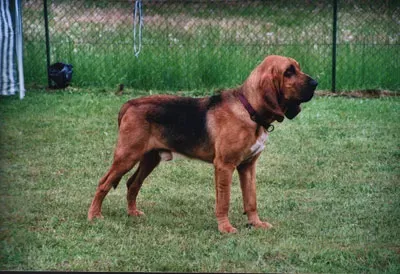
5. Bloodhound
🔥 Would you like to save this?
We'll email this post to you, so you can come back to it later!
Bloodhounds possess wrinkled skin and long, floppy ears that frame their droopy mouths. Saliva builds up in the deep folds and flies outward during head shakes or scent tracking. Their strong sense of smell keeps them active, which often increases the drool output.
These dogs form deep bonds with their families and excel in search work. The constant moisture requires attention to prevent skin issues in the facial wrinkles. Their determined expressions remain endearing despite the practical challenges.
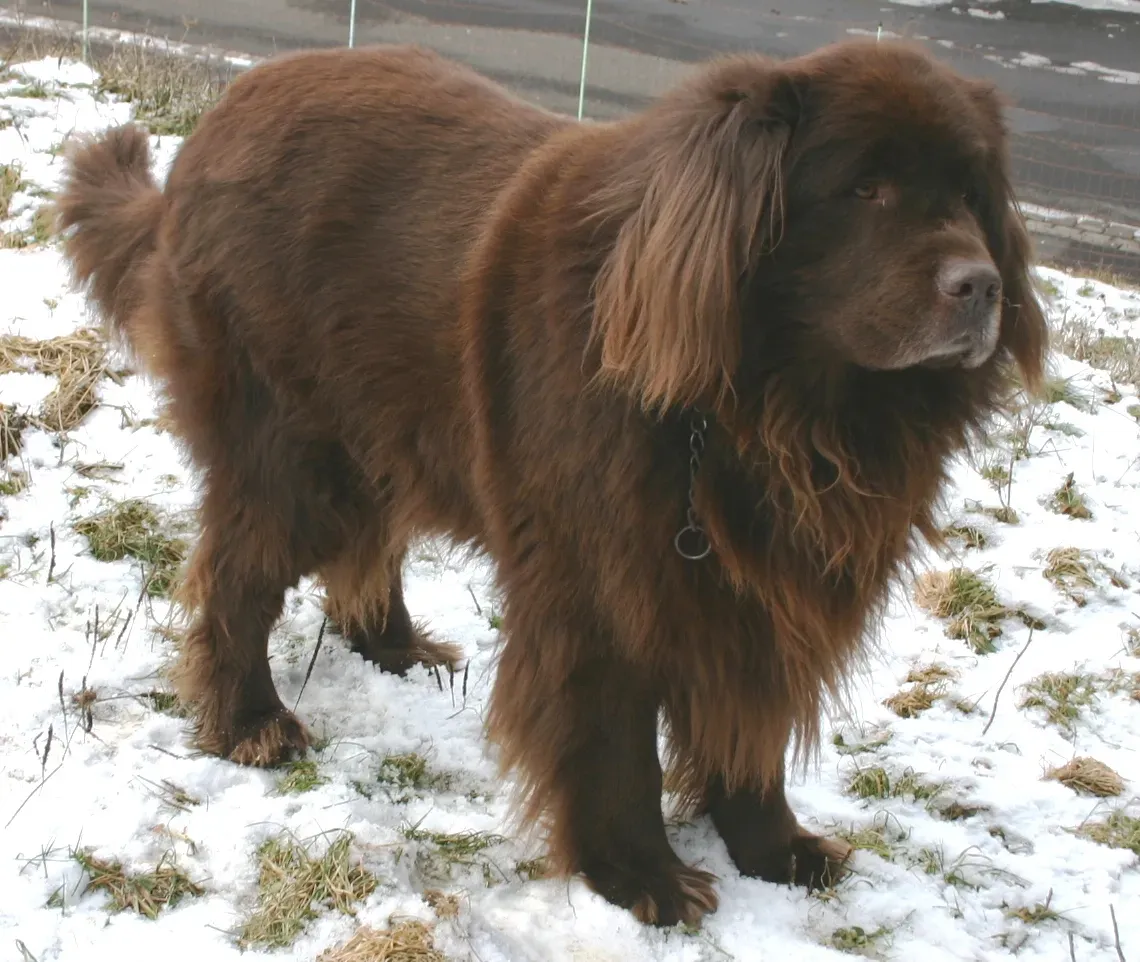
4. Newfoundland
🔥 Would you like to save this?
We'll email this post to you, so you can come back to it later!
Newfoundlands earned their gentle giant reputation through water rescue work and calm dispositions. Their broad muzzles and loose lips allow saliva to flow freely, especially after swimming or when they feel warm. The breed’s thick coat adds to the overall damp impression around the head.
Families enjoy their patient nature with children and other pets. Towels stay handy near water bowls and favorite resting spots. The drool aligns with their love for moisture in general, creating a consistent presence in daily life.
3. Bullmastiff
🔥 Would you like to save this?
We'll email this post to you, so you can come back to it later!
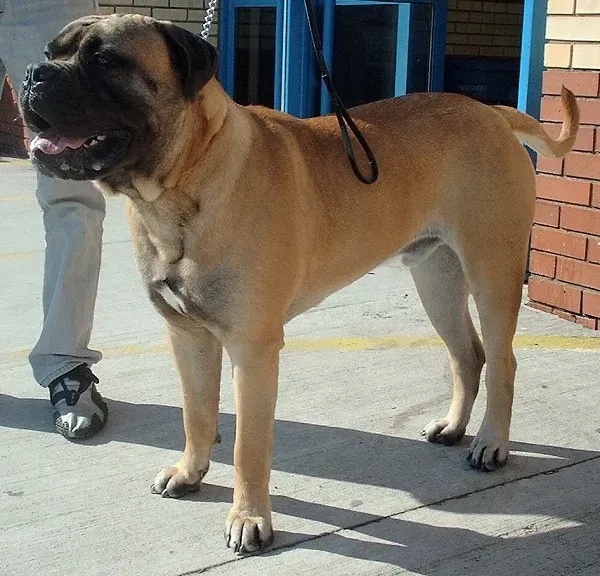
Bullmastiffs combine strength and loyalty in a large package originally bred for guarding. Their short muzzles and heavy jowls prevent complete mouth closure, leading to steady saliva drips. Size amplifies the volume, with droplets landing on floors and clothing during normal movement.
These dogs settle into family roles with steady temperaments. Owners develop habits like keeping cloths nearby after feeding times. The muscular frame and facial structure together produce noticeable slobber throughout the year.

2 Pcs Halloween Pet Hat Bandana Set, Witch Pumpkin Costumes for Dogs
Check Price on AmazonAs an Amazon Associate, we earn from qualifying purchases.
10/9/2026 2:45 pm GMTi

Portable Dog Water Bottle Foldable Dog Travel Water Bottle
Check Price on AmazonAs an Amazon Associate, we earn from qualifying purchases.
10/7/2026 1:29 pm GMTi

Orthopedic Extra Large Dog Bed, Waterproof Washable XL Pet Bed 44"
Check Price on AmazonAs an Amazon Associate, we earn from qualifying purchases.
10/7/2026 1:32 pm GMTi

PetSafe Oasys Pet Fountain, 1/2 Gallon (64 oz), Small Dogs & Cats
Check Price on AmazonAs an Amazon Associate, we earn from qualifying purchases.
10/8/2026 8:14 am GMTi

Glass Hummingbird Feeder for Outdoors Hanging, 16 oz Leak-Proof Nectar Feeder with Bee Guards & Ant Moat
Check Price on AmazonAs an Amazon Associate, we earn from qualifying purchases.
10/7/2026 1:22 pm GMTi
2. English Mastiff
🔥 Would you like to save this?
We'll email this post to you, so you can come back to it later!
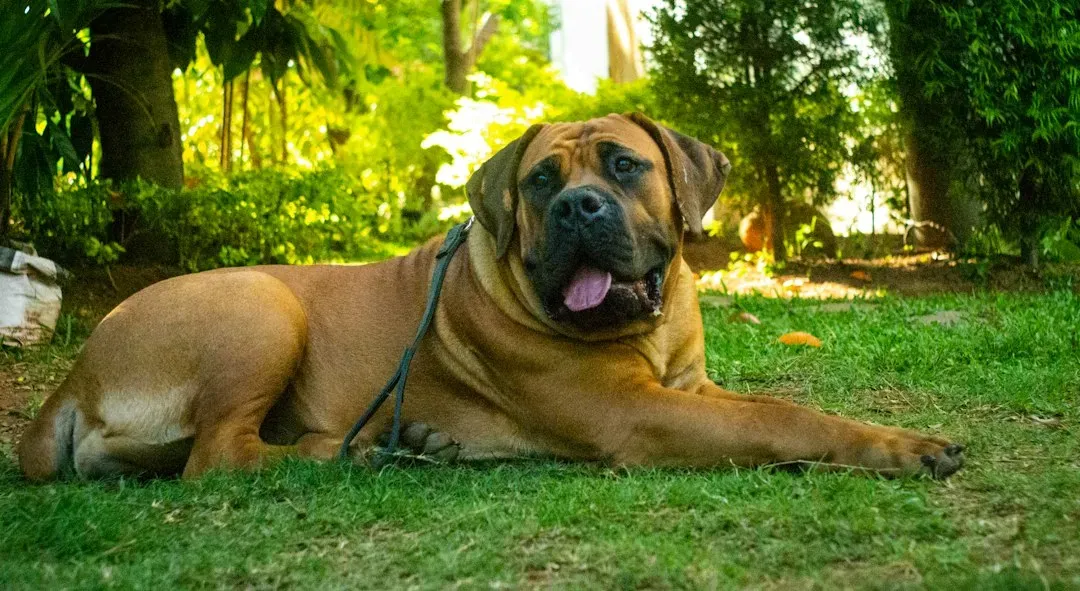
English Mastiffs represent one of the largest breeds, with loose skin folds that trap and release saliva continuously. Their broad heads and hanging lips create ideal conditions for drool to accumulate and escape, especially during panting or excitement. Historical roles as guardians have not changed this physical trait.
Modern owners appreciate their gentle side once the drool management routine is established. Frequent wiping around the mouth and chest areas keeps homes cleaner. The sheer scale of these dogs makes their slobber particularly visible and memorable.
1. Saint Bernard
🔥 Would you like to save this?
We'll email this post to you, so you can come back to it later!
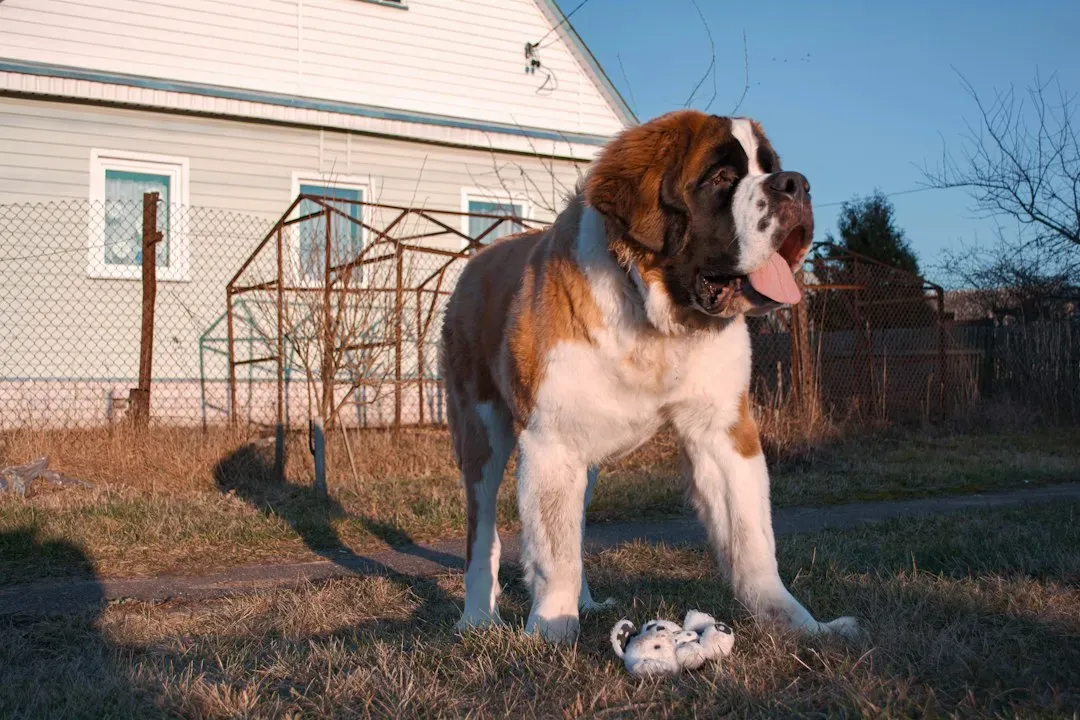
Saint Bernards top many lists for their combination of massive size and exceptionally loose jowls. Saliva collects in large quantities and often flies in strings when the dogs shake their heads, covering nearby surfaces quickly. Their alpine rescue heritage left them with facial features built for heavy drooling.
These gentle giants form strong attachments to families and display patient personalities. Owners routinely carry towels during walks and keep extras at home for quick cleanups. The breed’s reputation for slobber remains unmatched among common large dogs.

Dog Stairs for Bed 18" H, 4-Step Dog Steps for High Bed
Check Price on AmazonAs an Amazon Associate, we earn from qualifying purchases.
10/9/2026 2:42 pm GMTi

Air Purifiers for Home Pets Large Room Up to 3000 Ft²,HEPA Air Cleaner with Washable Double-Side Filter, PM2.5 Air Quality Monitor,15dB Sleep Mode for Bedroom Odor Dust Pollen,White
Check Price on AmazonAs an Amazon Associate, we earn from qualifying purchases.
10/8/2026 8:23 am GMTi

Glass Hummingbird Feeder for Outdoors Hanging
Check Price on AmazonAs an Amazon Associate, we earn from qualifying purchases.
10/7/2026 1:21 pm GMTi

Halloween Cat Costume Cloak Witch Hat Pet Accessories
Check Price on AmazonAs an Amazon Associate, we earn from qualifying purchases.
10/9/2026 2:44 pm GMTi
The Slobbery Reality
🔥 Would you like to save this?
We'll email this post to you, so you can come back to it later!
Choosing one of these breeds means accepting drool as part of the package rather than fighting it constantly. The same features that create the mess also contribute to the dogs’ distinctive looks and often their calm or loyal temperaments. Many owners find the trade-off rewarding once they adjust their expectations and routines.
Preparation makes all the difference, from stocking absorbent cloths to scheduling regular face cleanings. These dogs offer companionship that outweighs the extra effort for the right households. In the end, the slobber becomes just another endearing quirk that comes with loving a true drool champion.

- 10 Dog Breeds That Drool the Most - November 7, 2026
- 14 Gentle Ways to Make an Old Dog’s Winter as Comfortable as Possible - November 7, 2026
- Zoology Says Dogs Raise Their Inner Eyebrows Far More When a Human Is Watching – and Most Wolves Lack a Well-Developed Version of the Muscle Behind ‘Puppy Eyes’ - November 7, 2026