
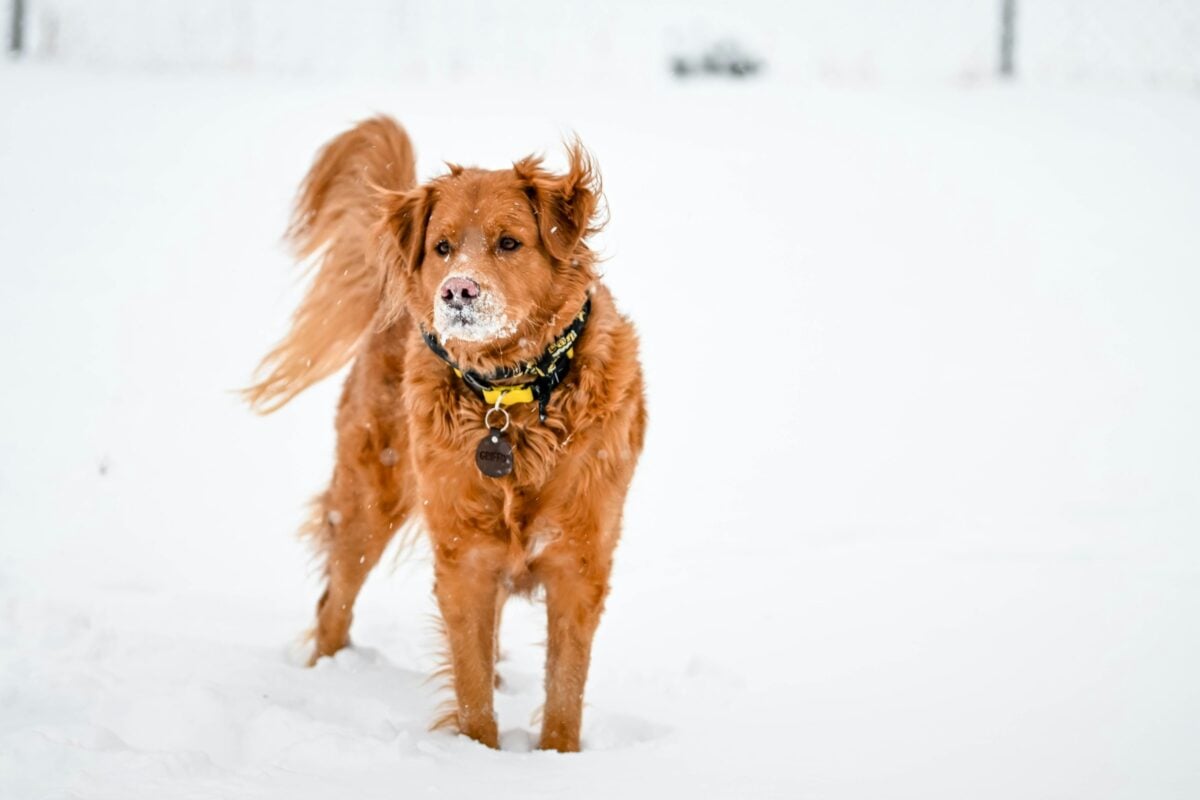
14. Layer Their Bedding With Extra Warmth
🔥 Would you like to save this?
We'll email this post to you, so you can come back to it later!
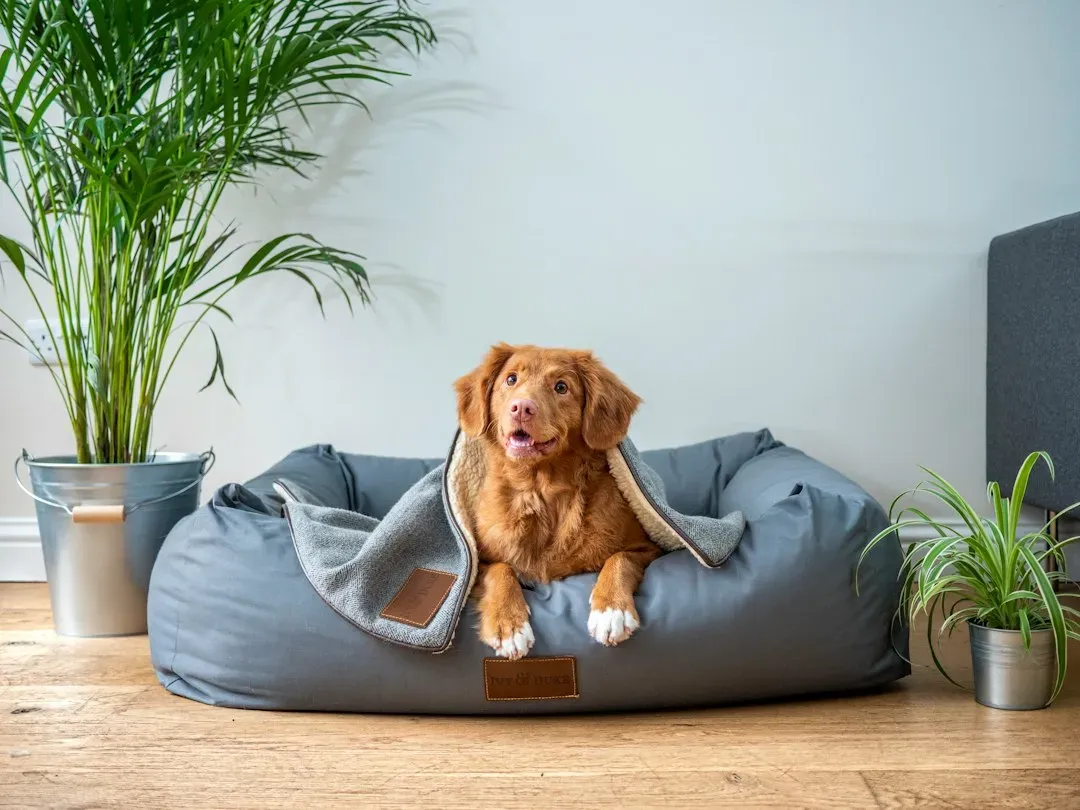
Older dogs lose body heat faster than younger ones, so raising the temperature of their resting spot makes a noticeable difference in how relaxed they stay overnight. Start with an orthopedic foam base that cushions pressure points, then add a thick fleece blanket or a heated pad designed for pets on the lowest setting. Place the bed away from drafts yet still in a room the family uses often so the dog does not feel isolated.
Many owners rotate two sets of washable covers to keep everything fresh and dry. A raised bed frame also helps by keeping cold air from creeping up from the floor. These layers work together to reduce stiffness that builds during long periods of rest, letting the dog wake up more mobile and ready for gentle movement.
13. Install Ramps and Stair Aids
🔥 Would you like to save this?
We'll email this post to you, so you can come back to it later!
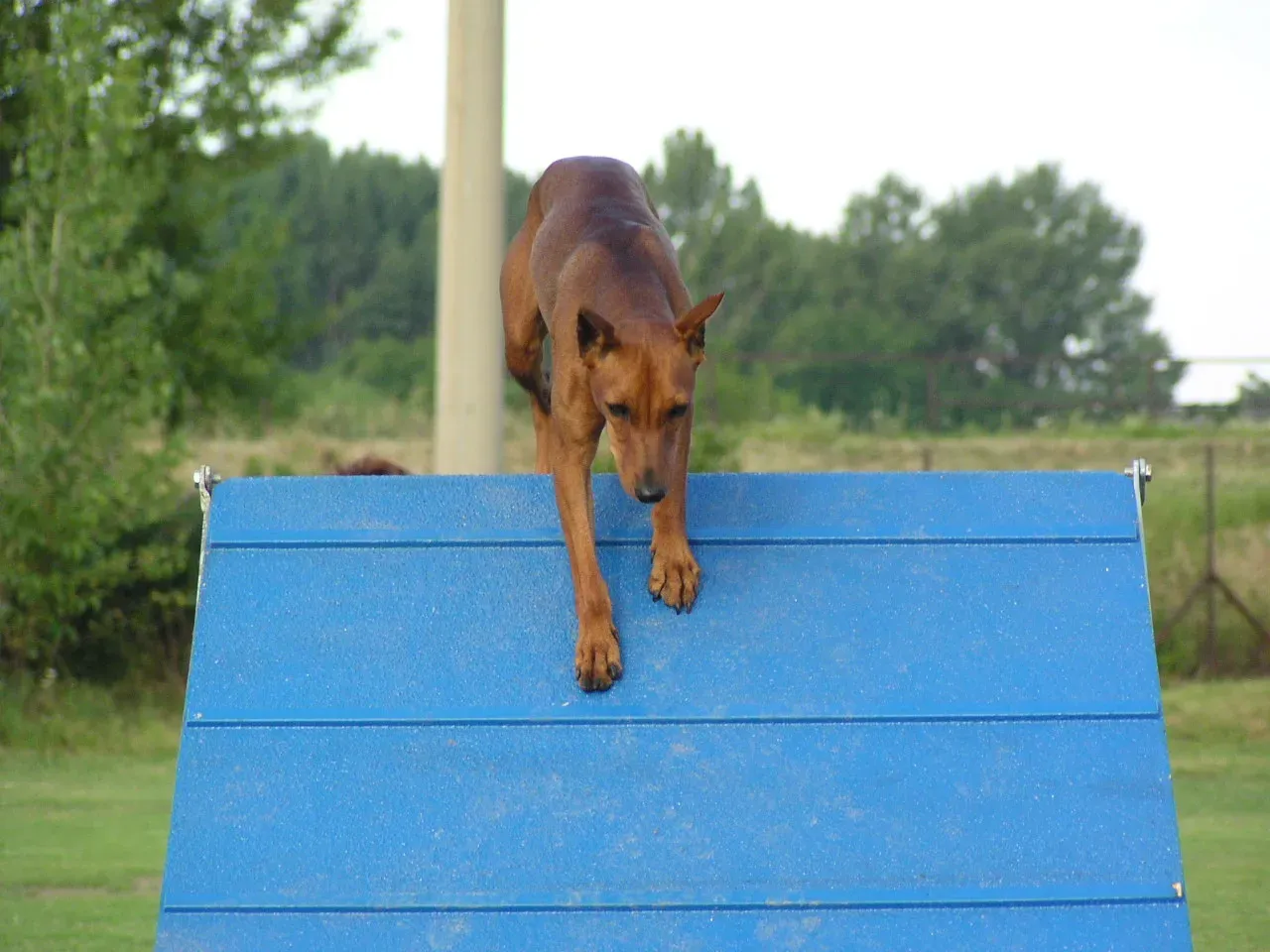
Stairs and car entries become real obstacles once arthritis sets in, and a single slip can set recovery back weeks. A sturdy, wide ramp with a nonslip surface lets the dog climb at its own pace without straining shoulders or hips. Position the ramp at a gentle angle and practice short sessions on dry days so the habit forms before ice appears.
Indoor versions work well for furniture the dog still enjoys, such as a favorite couch corner. Choose models with side rails if the dog tends to wander off the edge. Over time these aids preserve muscle tone by keeping the dog active instead of forcing it to avoid favorite spots altogether.
12. Schedule Regular Veterinary Visits
🔥 Would you like to save this?
We'll email this post to you, so you can come back to it later!
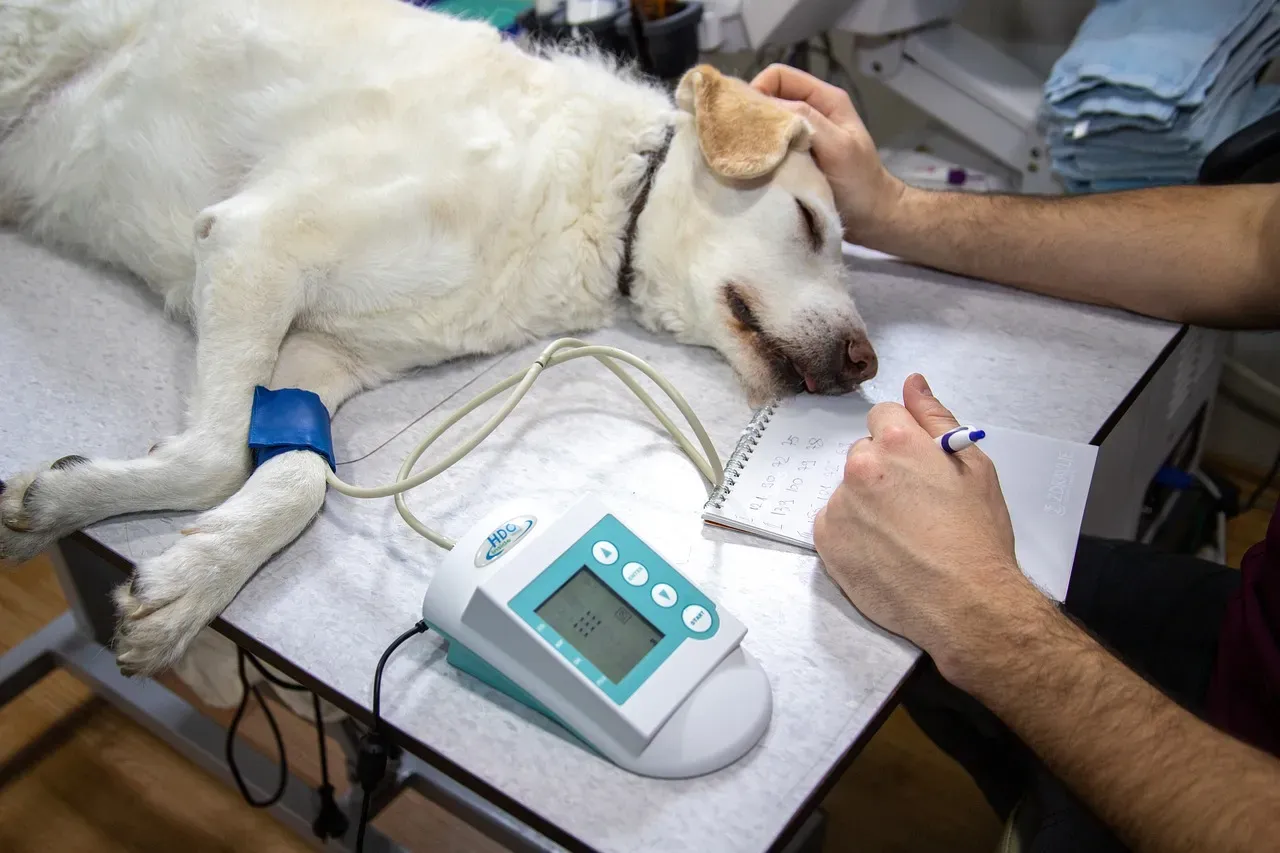
A quick winter checkup catches small issues before they grow, especially since cold weather can mask early signs of discomfort. The veterinarian can review joint health, adjust pain management if needed, and confirm that any ongoing medications remain appropriate. Bloodwork at this stage also reveals whether thyroid or kidney function needs extra attention during the slower months.
Owners who keep a simple symptom journal between visits help the vet spot patterns more quickly. These appointments become less stressful when the dog associates the clinic with calm handling rather than emergencies. Consistent monitoring supports a steadier winter overall.
11. Consider Joint Health Supplements
🔥 Would you like to save this?
We'll email this post to you, so you can come back to it later!
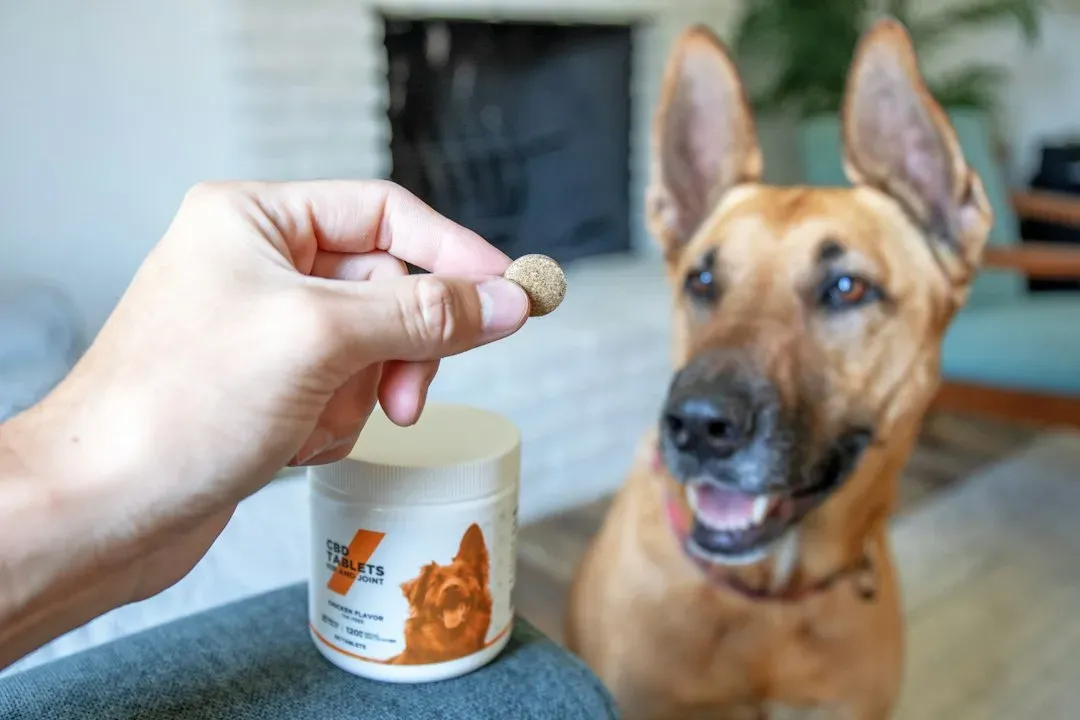
Glucosamine, chondroitin, and omega fatty acids appear in many senior formulas because they support cartilage and ease everyday inflammation. Results build gradually, so starting before the coldest weeks arrive gives the body time to respond. Always clear any new supplement with the veterinarian to avoid interactions with existing prescriptions.
Some dogs accept the chews more readily when tucked into a small portion of their regular meal. Tracking mobility notes for a few weeks after beginning helps confirm whether the addition is worthwhile. The goal remains steady comfort rather than dramatic change.
10. Keep Them Active Indoors
🔥 Would you like to save this?
We'll email this post to you, so you can come back to it later!
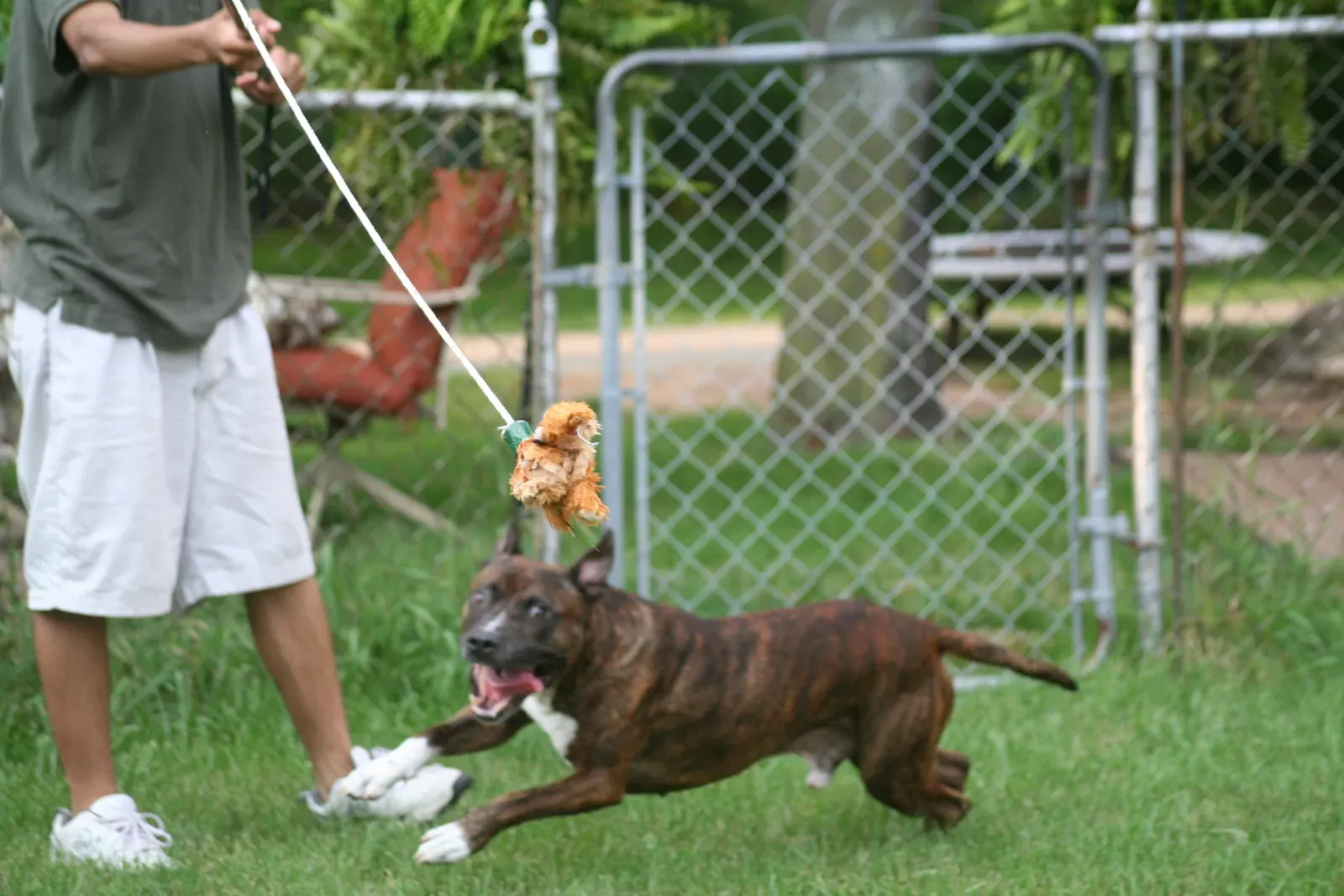
Short, low impact play sessions prevent stiffness from settling in during long indoor stretches. Tossing a soft toy down a hallway or using a slow feeder puzzle encourages gentle movement without the chill of an outdoor walk. Even five minutes several times a day maintains circulation better than one longer burst.
Training refresher games that reward calm focus also keep the mind engaged while the body stays warm. Avoid high jumps or sudden turns that could strain older joints. The key is consistency at a pace the individual dog sets.
9. Protect Paws From Ice and Salt
🔥 Would you like to save this?
We'll email this post to you, so you can come back to it later!
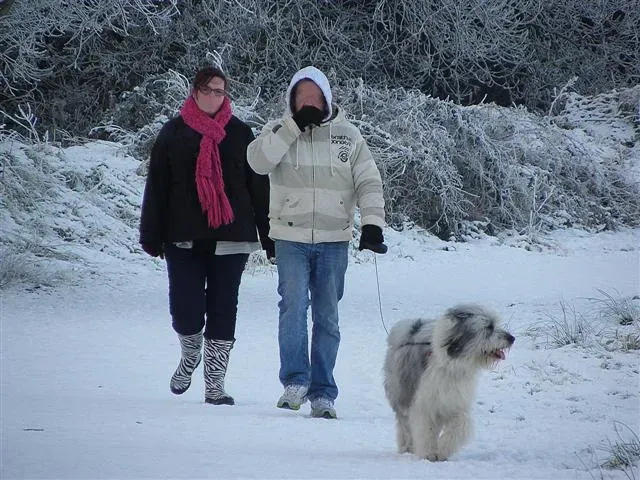
Rock salt and chemical deicers irritate paw pads and can be licked off later, causing stomach upset. A thin layer of pet safe balm applied before outings creates a barrier, while boots with good traction keep feet dry on slushy days. Wipe paws thoroughly upon return to remove any residue that remains.
Some dogs tolerate booties better after a few practice sessions indoors on smooth floors. If boots prove too fussy, shorter outdoor routes and frequent towel drying still reduce exposure. These small habits spare the dog unnecessary discomfort during necessary bathroom breaks.

2 Pcs Halloween Pet Hat Bandana Set, Witch Pumpkin Costumes for Dogs
Check Price on AmazonAs an Amazon Associate, we earn from qualifying purchases.
10/9/2026 2:45 pm GMTi

Glass Hummingbird Feeder for Outdoors Hanging, 16 oz Leak-Proof Nectar Feeder with Bee Guards & Ant Moat
Check Price on AmazonAs an Amazon Associate, we earn from qualifying purchases.
10/7/2026 1:22 pm GMTi

Smart Bird Feeder with Camera Solar Powered, 2K HD Live Video, 10,000+ Bird Species AI Identification
Check Price on AmazonAs an Amazon Associate, we earn from qualifying purchases.
10/7/2026 1:22 pm GMTi

Hand Blown Glass Hummingbird Feeders for Outdoors Hanging, 24oz Wild Bird Nectar Feeder
Check Price on AmazonAs an Amazon Associate, we earn from qualifying purchases.
10/7/2026 1:23 pm GMTi

Professional 7 in 1 Dog Paw Cleaner for Dogs & Cats - Includes 1 Portable Paw Washer, 1 Bath Brush
Check Price on AmazonAs an Amazon Associate, we earn from qualifying purchases.
10/7/2026 1:26 pm GMTi
8. Adjust Their Diet for Winter Needs
🔥 Would you like to save this?
We'll email this post to you, so you can come back to it later!
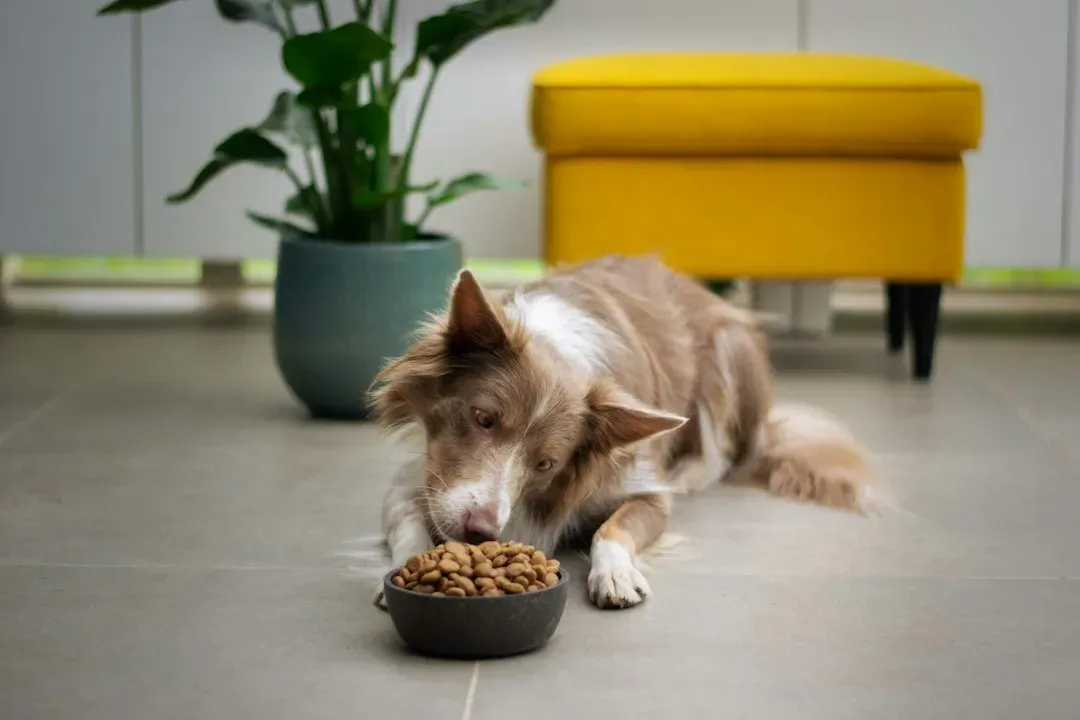
Reduced activity sometimes leads to gradual weight gain, which adds pressure on already sensitive joints. A veterinarian can suggest a senior formula with controlled calories yet adequate protein to maintain muscle. Warming the food slightly or adding a splash of low sodium broth makes meals more appealing on cold mornings.
Portion control remains important, so measuring remains steadier than free feeding. Treats can shift toward lower calorie options such as carrot slices or commercial dental chews. The aim is balanced energy without excess pounds that complicate mobility.
7. Ensure Constant Access to Fresh Water
🔥 Would you like to save this?
We'll email this post to you, so you can come back to it later!
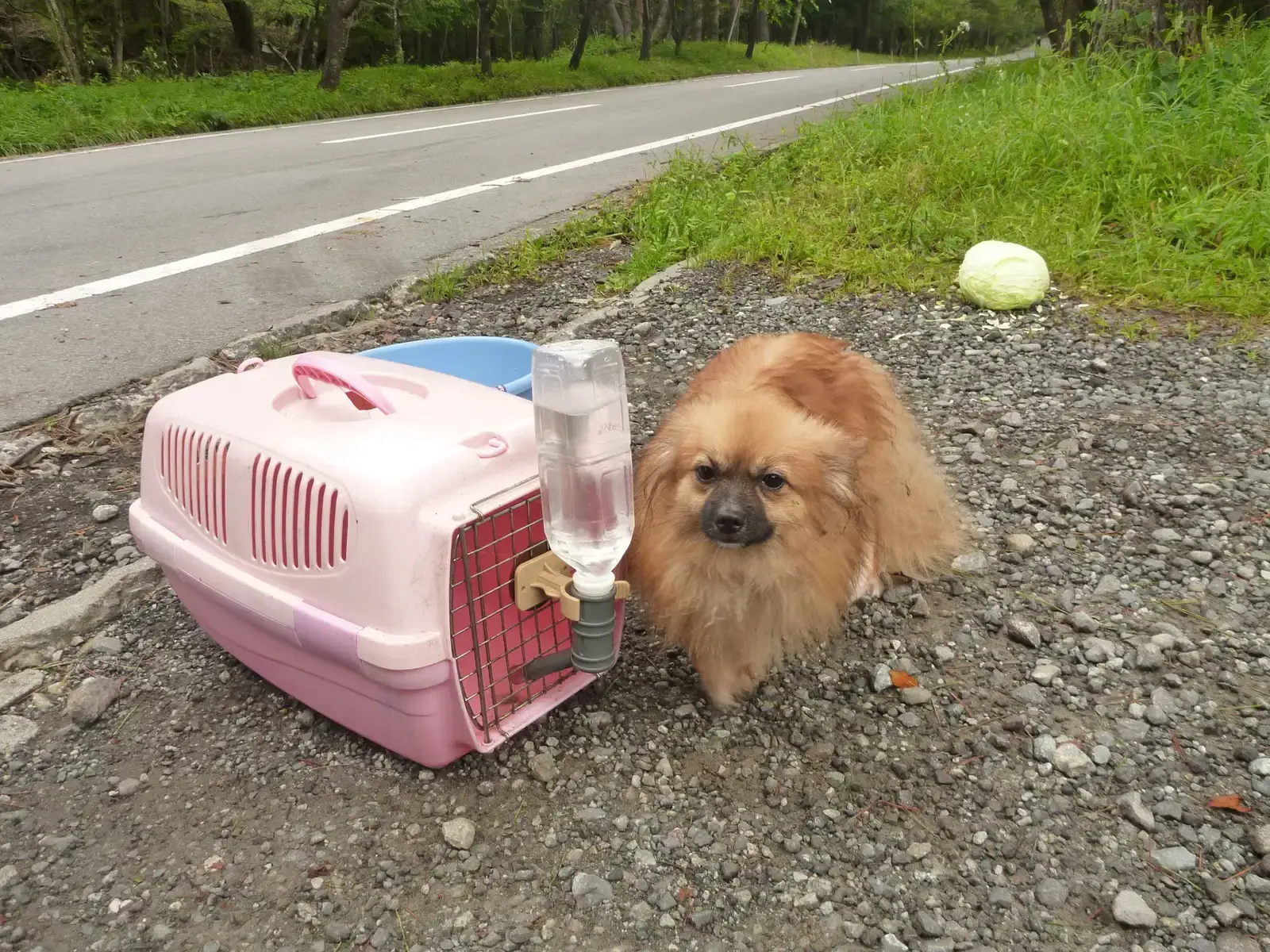
Indoor heating dries the air and increases the chance of mild dehydration, which stiffens joints further. Multiple bowls placed in favorite resting areas encourage sipping throughout the day. Some owners add a pet fountain to spark interest with moving water.
Check bowls twice daily because evaporation happens faster near vents. If the dog shows less interest in drinking, a small amount of unsalted broth mixed in can help without upsetting digestion. Steady hydration supports overall comfort and organ function.
6. Maintain a Grooming Routine
🔥 Would you like to save this?
We'll email this post to you, so you can come back to it later!
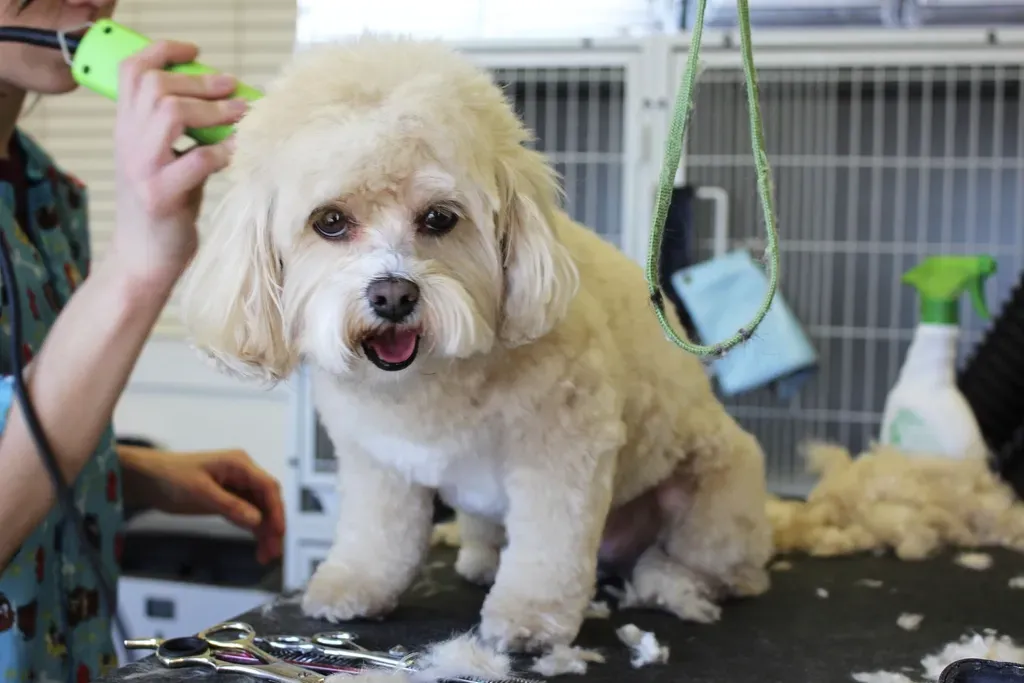
A light brushing removes loose undercoat that otherwise traps moisture and chill against the skin. Focus on gentle strokes that double as a quick massage, paying attention to areas the dog favors. Trim fur between paw pads so ice balls do not form during walks.
Skip heavy clipping that removes natural insulation unless the coat mats badly. Bathing stays infrequent and uses lukewarm water followed by thorough drying. These steps keep the coat functional without stripping protective oils.
5. Provide Mental Enrichment
🔥 Would you like to save this?
We'll email this post to you, so you can come back to it later!
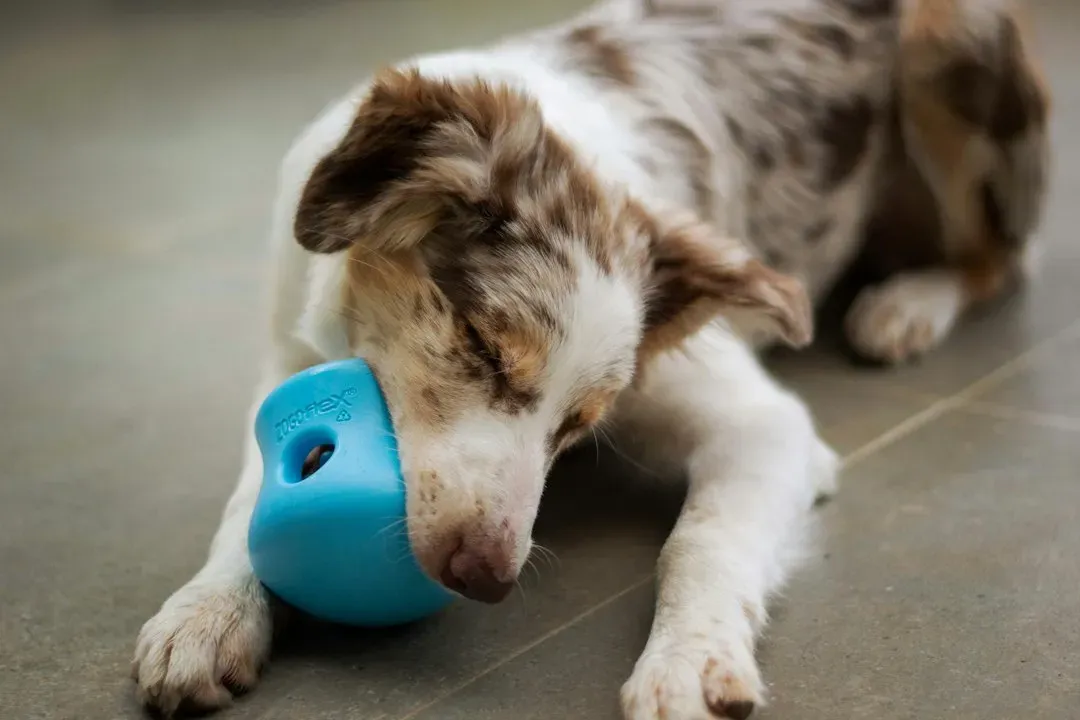
Long evenings indoors can lead to restlessness when physical outlets shrink. Food dispensing toys and scent games channel energy into quiet problem solving that tires the mind without taxing the body. Rotating a few different puzzles prevents boredom from setting in.
Short training sessions that reward focus with praise or tiny treats also strengthen the bond. Background music or a window view of birds can occupy attention during quiet hours. Mental engagement often translates into calmer evenings and better sleep.
4. Monitor Home Temperature Closely
🔥 Would you like to save this?
We'll email this post to you, so you can come back to it later!
Consistent warmth matters more than high heat, so programmable thermostats help avoid cold spikes overnight. Close off unused rooms to concentrate warmth where the dog spends most time. A simple room thermometer placed at floor level gives an accurate reading of the dog’s actual environment.
Drafts from windows or doors can be blocked with inexpensive draft stoppers. If the house runs cool, a safe pet heating pad on a timer offers localized comfort without overheating the whole space. Small adjustments prevent the subtle tension that builds when a dog stays chilled.

Dog Stairs for Bed 18" H, 4-Step Dog Steps for High Bed
Check Price on AmazonAs an Amazon Associate, we earn from qualifying purchases.
10/9/2026 2:42 pm GMTi

Orthopedic Extra Large Dog Bed, Waterproof Washable XL Pet Bed 44"
Check Price on AmazonAs an Amazon Associate, we earn from qualifying purchases.
10/7/2026 1:32 pm GMTi

Air Purifiers for Home Pets Large Room Up to 3000 Ft²,HEPA Air Cleaner with Washable Double-Side Filter, PM2.5 Air Quality Monitor,15dB Sleep Mode for Bedroom Odor Dust Pollen,White
Check Price on AmazonAs an Amazon Associate, we earn from qualifying purchases.
10/8/2026 8:23 am GMTi

Portable Dog Water Bottle Foldable Dog Travel Water Bottle
Check Price on AmazonAs an Amazon Associate, we earn from qualifying purchases.
10/7/2026 1:29 pm GMTi

Halloween Cat Costume Cloak Witch Hat Pet Accessories
Check Price on AmazonAs an Amazon Associate, we earn from qualifying purchases.
10/9/2026 2:44 pm GMTi
3. Offer Gentle Massages
🔥 Would you like to save this?
We'll email this post to you, so you can come back to it later!
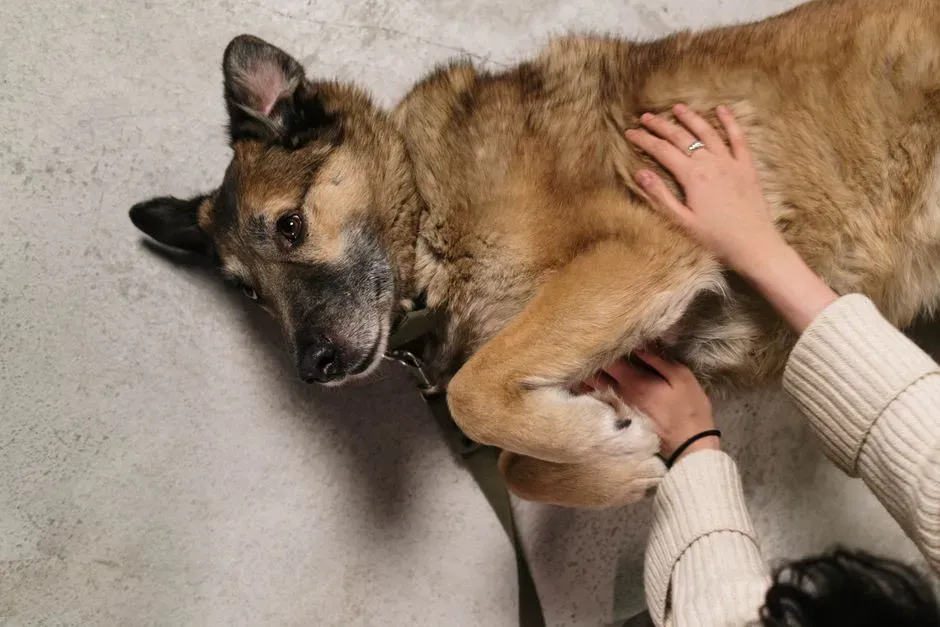
Light circular motions along the back and hind legs improve circulation and give the owner a chance to notice any new lumps or sensitivity. Sessions of five to ten minutes after walks help muscles relax before rest. Warm hands or a soft towel add extra comfort on particularly cold days.
Watch for signs the dog enjoys the touch, such as leaning in or sighing, and stop if tension appears. Many dogs come to anticipate these quiet moments as part of the evening routine. The practice also deepens the daily connection between dog and caregiver.
2. Limit Time Outdoors During Harsh Weather
🔥 Would you like to save this?
We'll email this post to you, so you can come back to it later!
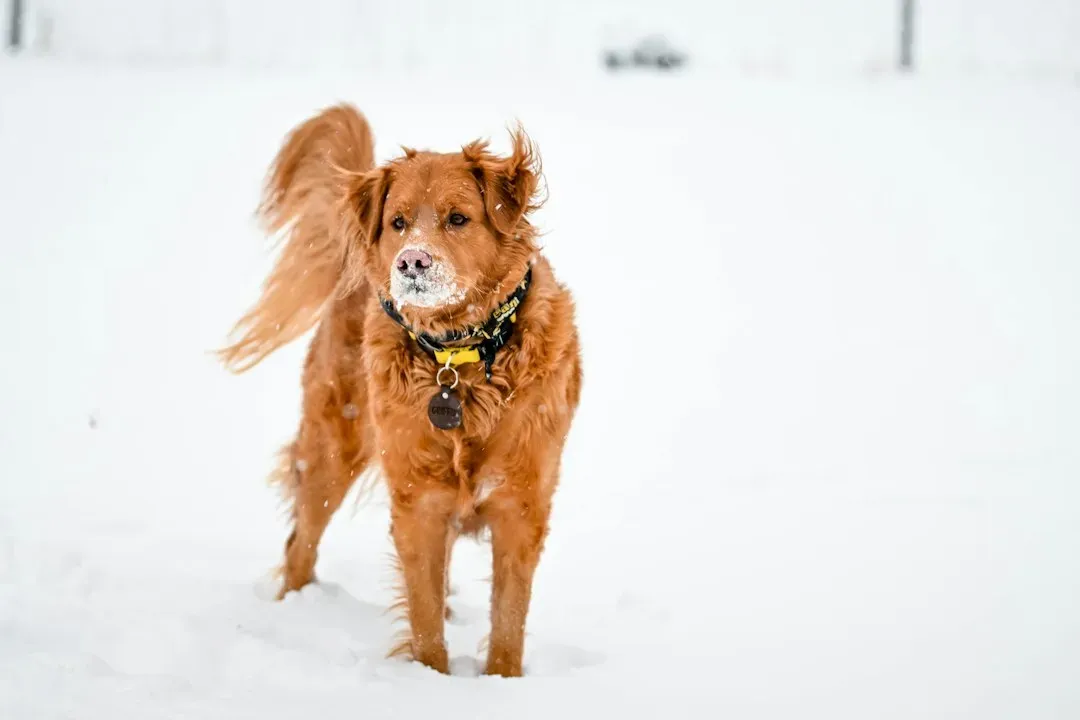
Short, purposeful outings for bathroom needs protect against wind chill and icy footing. A covered porch or garage area can serve as a quick relief spot when storms hit. Carry a towel to dry feet and belly immediately after returning inside.
Watch the forecast for extreme cold snaps and adjust the schedule accordingly. When walks must happen, choose midday when temperatures peak and stick to cleared paths. These limits reduce cumulative stress on joints and overall energy reserves.

Glass Hummingbird Feeder for Outdoors Hanging
Check Price on AmazonAs an Amazon Associate, we earn from qualifying purchases.
10/7/2026 1:21 pm GMTi

Halloween Dog Collar with Bow, Orange Cute Ghost Collar,
Check Price on AmazonAs an Amazon Associate, we earn from qualifying purchases.
10/9/2026 2:43 pm GMTi

PetSafe Oasys Pet Fountain, 1/2 Gallon (64 oz), Small Dogs & Cats
Check Price on AmazonAs an Amazon Associate, we earn from qualifying purchases.
10/8/2026 8:14 am GMTi

Earth Rated XL Dog & Puppy Pee Pads, Discreet Top, Max Absorbency
Check Price on AmazonAs an Amazon Associate, we earn from qualifying purchases.
10/7/2026 1:28 pm GMTi
1. Watch for Subtle Signs of Discomfort
🔥 Would you like to save this?
We'll email this post to you, so you can come back to it later!
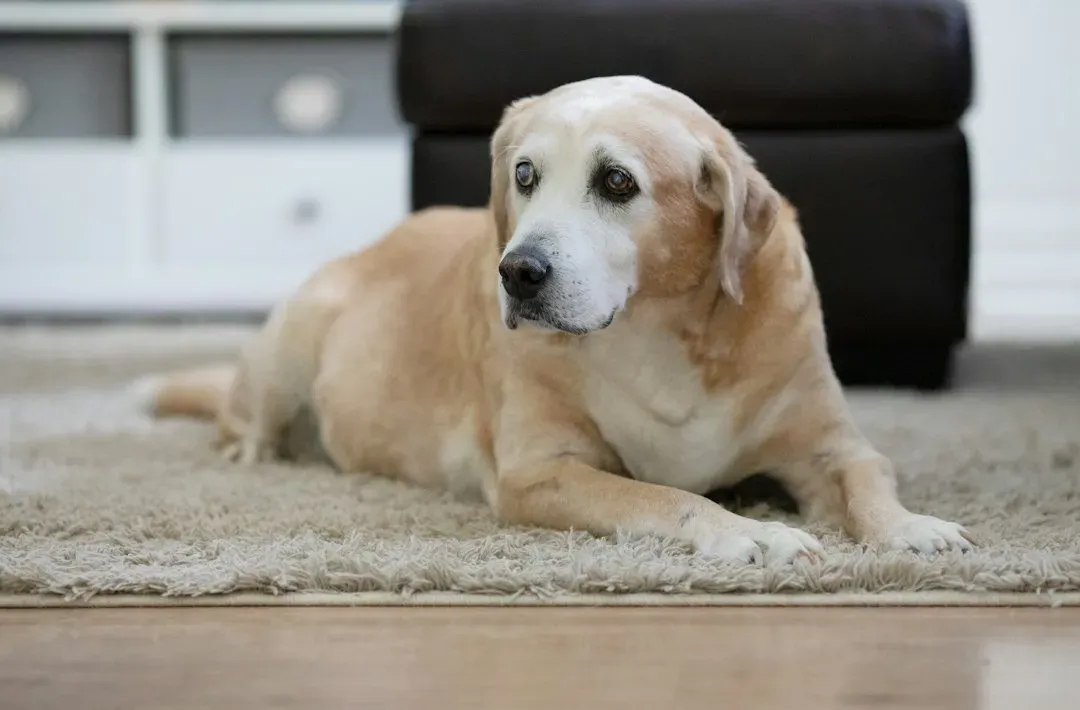
Older dogs rarely vocalize pain, so changes in posture, reluctance to rise, or altered appetite often speak first. Noting these shifts early allows quick adjustments such as an extra blanket or a call to the vet. A simple daily checklist of mobility and mood keeps observations consistent.
Video clips taken on a phone can help the veterinarian see movement patterns that are hard to describe. Trusting small instincts about the dog’s usual habits often leads to timely support. This attentive habit turns winter care into an ongoing conversation rather than a fixed list.
Thoughtful Adjustments Add Up
🔥 Would you like to save this?
We'll email this post to you, so you can come back to it later!
Each of these steps builds on the others, creating a steady environment where an older dog can rest without fighting the season. The cumulative effect often shows in brighter eyes and smoother movement by spring. Owners who treat winter as a series of small, repeatable choices rather than a single overhaul tend to feel less overwhelmed themselves.
Ultimately the reward lies in the quiet trust that develops when a senior dog knows its needs are noticed and met. That trust makes the extra layers, the shorter walks, and the careful monitoring feel worthwhile long after the snow melts.

- 14 Gentle Ways to Make an Old Dog’s Winter as Comfortable as Possible - November 7, 2026
- Zoology Says Dogs Raise Their Inner Eyebrows Far More When a Human Is Watching – and Most Wolves Lack a Well-Developed Version of the Muscle Behind ‘Puppy Eyes’ - November 7, 2026
- Animal Behaviorists Say When Your Dog Looks Back at You During a Puzzle It Can’t Solve It Is Asking for Help in a Way Wolves Rarely Do - November 7, 2026