
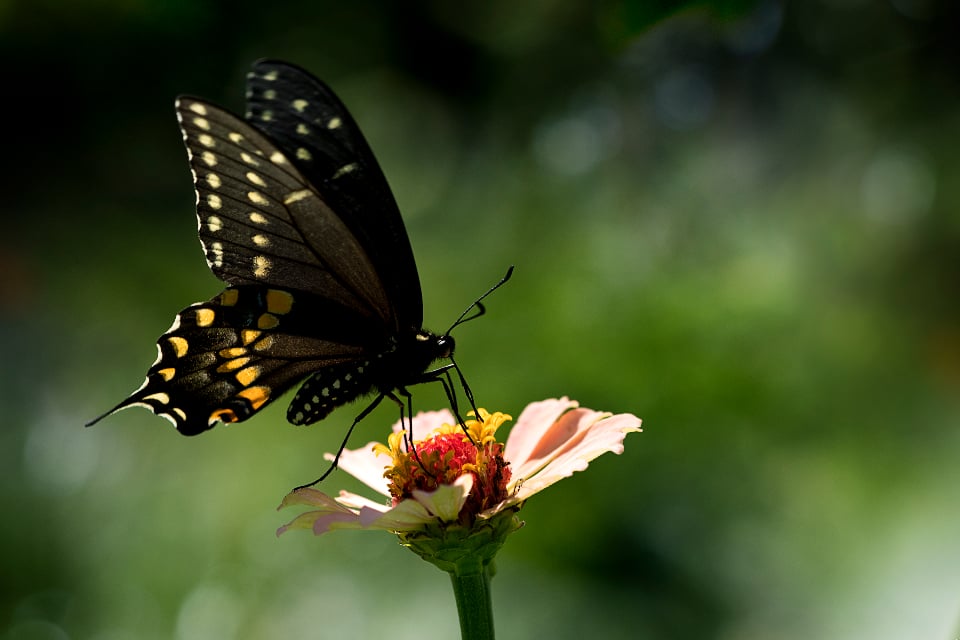
Most people think a butterfly garden is just a few flowerpots and a hopeful attitude. Then they walk past a real one – the kind where a dozen monarchs and swallowtails drift through the yard like a living kaleidoscope – and realize how wrong they were.
The neighbors who stop mid-walk and stare aren’t reacting to luck. They’re reacting to a handful of deliberate choices most home gardeners never think to make. Here are the fourteen ideas that turn an ordinary backyard into the block’s most talked-about spectacle – and the last one is the detail almost nobody gets right.
14. Native Plants Are the Non-Negotiable Foundation
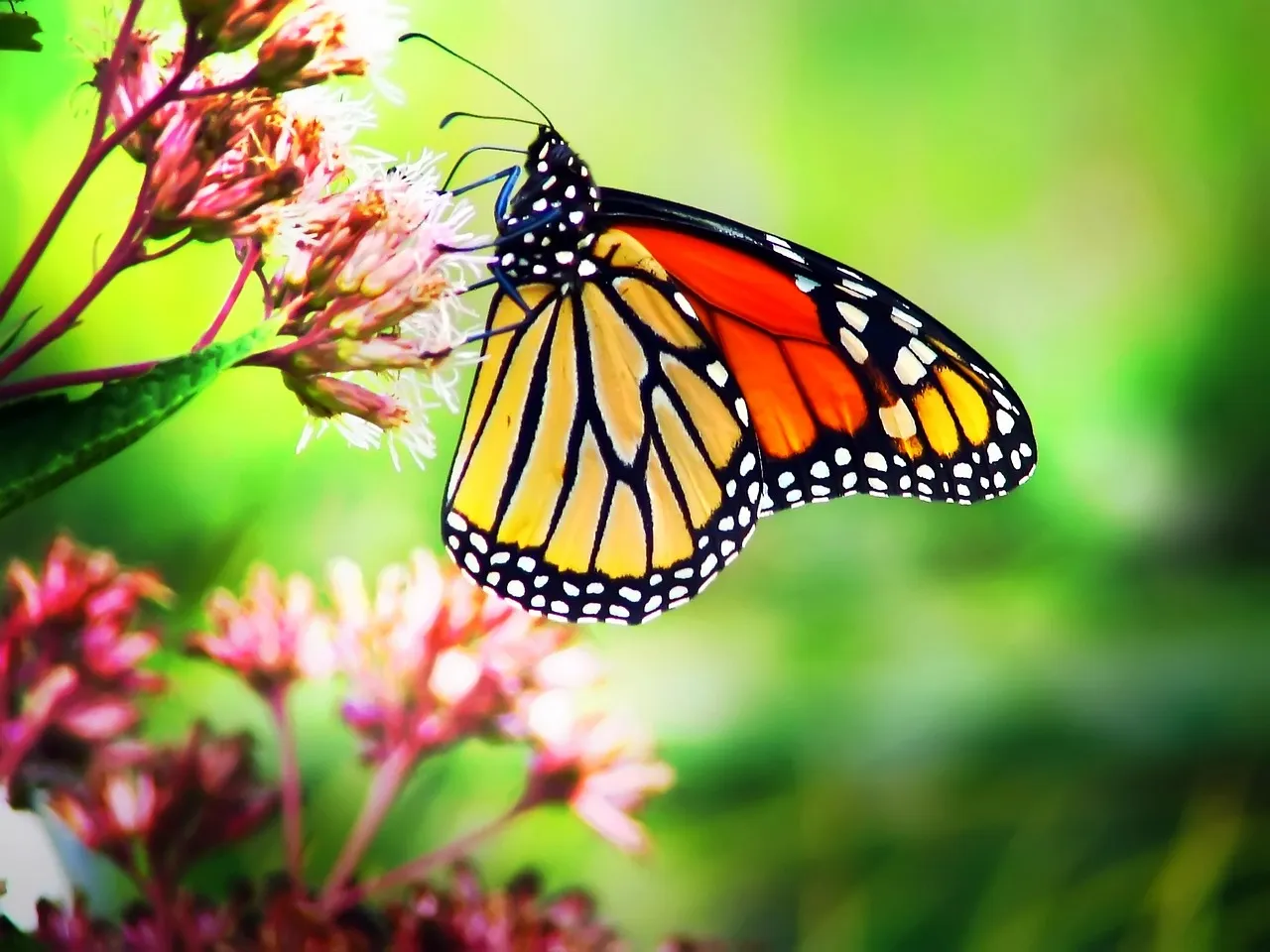
Native plants aren’t just a nice-to-have – they’re the actual reason a butterfly garden works at all. These species co-evolved with local butterflies over thousands of years, which means they provide exactly the nutrients and structure a caterpillar or adult butterfly needs to survive. Milkweed is the textbook case: it’s the only plant monarch caterpillars can eat, period.
Skip the native plants and you’re basically decorating for a party no one can attend. The upside is that these species also tend to be tougher and lower-maintenance than showy hybrids, so you’re not fighting your own yard to keep it alive. It’s the difference between a garden that survives August and one that quietly gives up by July.
13. Host Plants Turn Visitors Into Residents
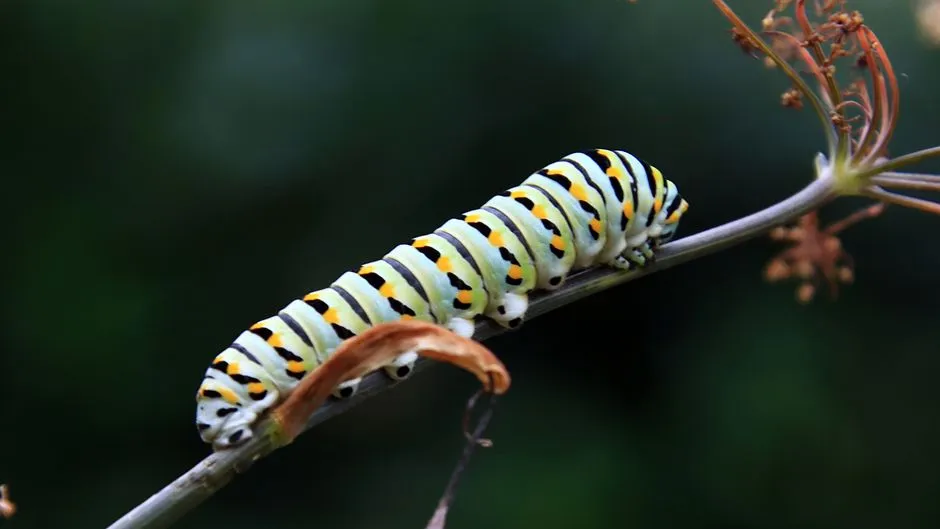
Nectar plants feed adult butterflies, but host plants are where the real magic happens – they’re the nurseries. Black swallowtails, for example, will only lay eggs on parsley, dill, and fennel, and their caterpillars will strip those plants down to stems while they grow.
Here’s the part that trips people up: seeing chewed leaves usually feels like a problem, but in a butterfly garden it’s the whole point. Without host plants, you get a rest stop. With them, you get a nursery – and a garden that produces its own butterflies year after year instead of just borrowing them from someone else’s yard.
Quick Compare
- Nectar plants: feed adult butterflies, don’t support egg-laying or larvae
- Host plants: feed caterpillars, get chewed and stripped as part of the life cycle – and that’s normal
- Black swallowtails need parsley, dill, or fennel to lay eggs at all
- Monarchs need milkweed specifically – no substitutes
12. Continuous Bloom Keeps the Show Running All Season
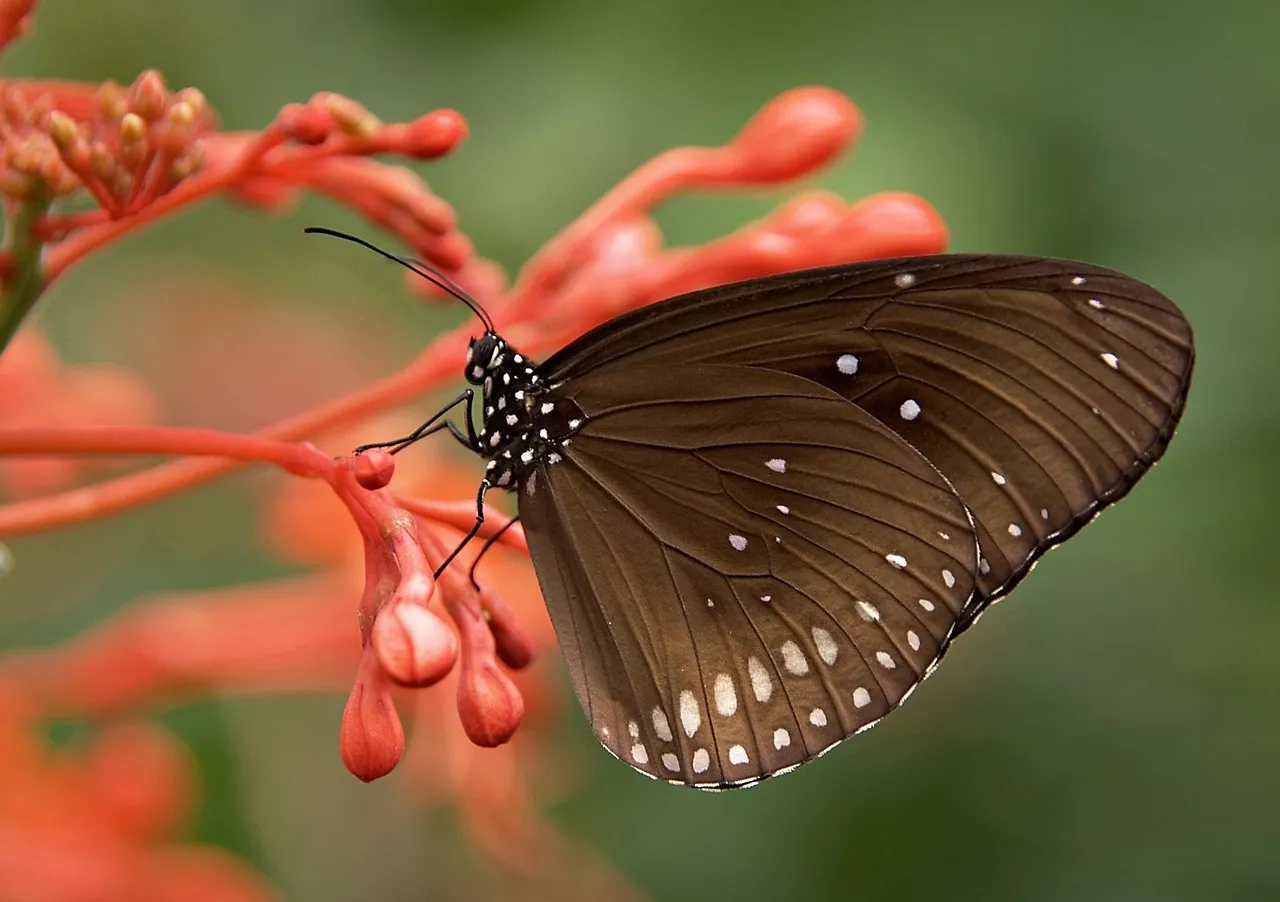
A garden that blooms once and goes quiet is a garden butterflies visit once and forget. The trick is staggering your bloom times – primroses and early perennials in spring, coneflowers and lantana carrying summer, asters closing out the fall.
Done right, this turns your yard into a food source that never runs dry, which means butterflies keep coming back instead of passing through. That’s really what separates a garden neighbors compliment once from one they walk past every week just to look at.
11. Sunlit Basking Stones Butterflies Can’t Resist
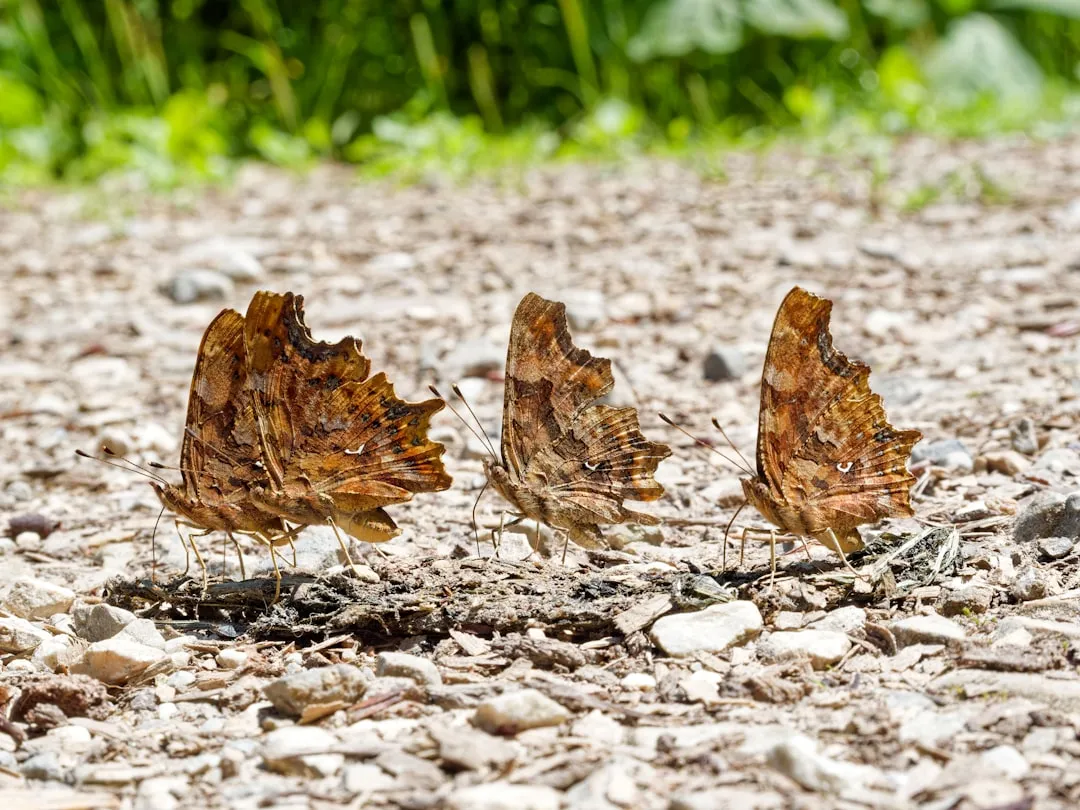
Butterflies are cold-blooded, which means they can’t fly, feed, or do much of anything until they’ve warmed up. A flat stone or a bare patch of sun-warmed soil gives them a landing pad to sit and heat their wings before takeoff.
It sounds like a small detail, but it’s often the missing piece in gardens that have plenty of flowers but strangely few butterflies actually lingering. Add a couple of sun-facing stones in a sheltered spot, and you’ll notice wings opening and closing right on cue – a quiet little performance most gardens never think to stage.
10. The Muddy Puddle Trick Serious Gardeners Swear By
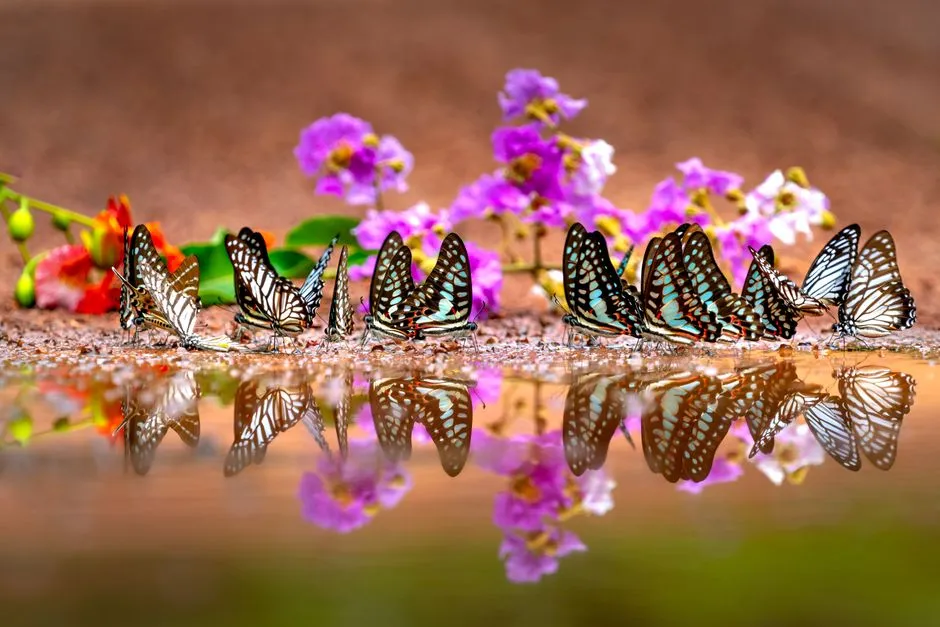
Here’s the part nobody expects: butterflies don’t want your birdbath. They want mud. Specifically, shallow, damp, slightly gross puddles loaded with minerals and salts.
This behavior even has a name – puddling – and it’s most common in males, who pull sodium and nutrients from the mud to pass along during mating. A shallow dish of damp sand tucked into a sunny corner does the trick. It looks like nothing, but it’s often the single detail that makes butterflies linger instead of just passing through.
9. Layered Planting Turns a Flat Yard Into a Butterfly High-Rise
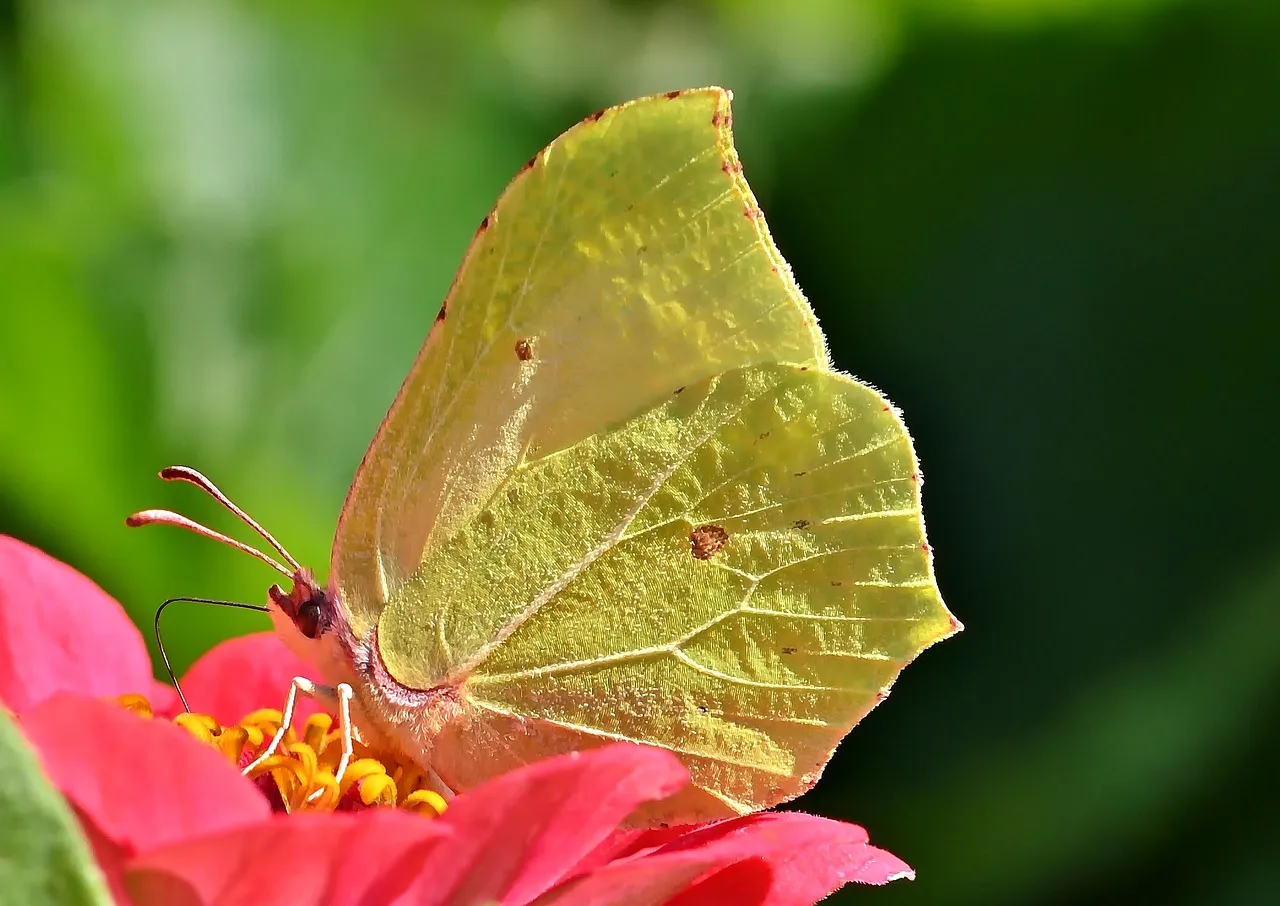
Different butterfly species feed at different heights, which most single-layer gardens completely ignore. Tall shrubs in back, mid-height perennials in the middle, and low ground cover up front cover the entire range in one shot.
The payoff is twofold: you attract a wider variety of species, and the garden itself looks dramatically more dimensional from the street. It’s the difference between a flat wall of color and a garden that actually has depth – the kind neighbors slow their car down to look at.
8. Color Blocking Pulls Butterflies Out of the Sky
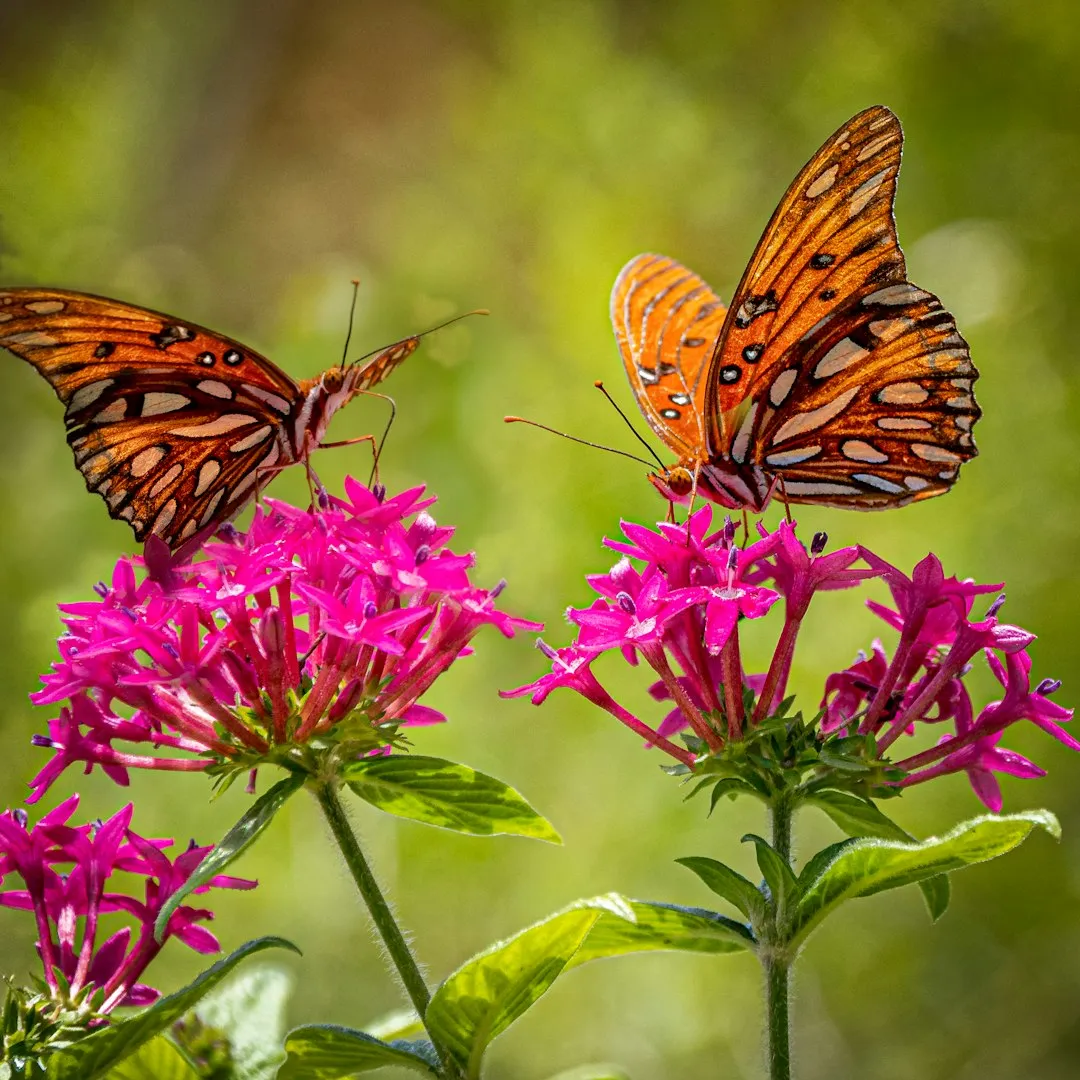
Butterflies are drawn to bold, saturated color – reds, oranges, yellows, pinks, and purples read to them almost like a beacon. Coneflowers and lantana in these tones don’t just look good; they function like a landing signal visible from a distance.
Group the same colors together instead of scattering them randomly, and the effect compounds. It’s easier for butterflies to spot the garden in the first place, and it’s exactly the kind of vivid, eye-catching visual field that makes someone walking their dog actually stop and stare.
Why It Stands Out
- Red, orange, and yellow blooms mimic the nectar-rich flowers butterflies are already wired to notice
- Purple and pink varieties, like coneflower and verbena, are consistently favorite stops in butterfly gardens
- Grouping the same color together creates a visual target that’s easier to spot from a distance
- The same bold color blocking that pulls in butterflies is what makes the garden pop from the sidewalk
7. Shelter Spots Most Gardens Are Missing
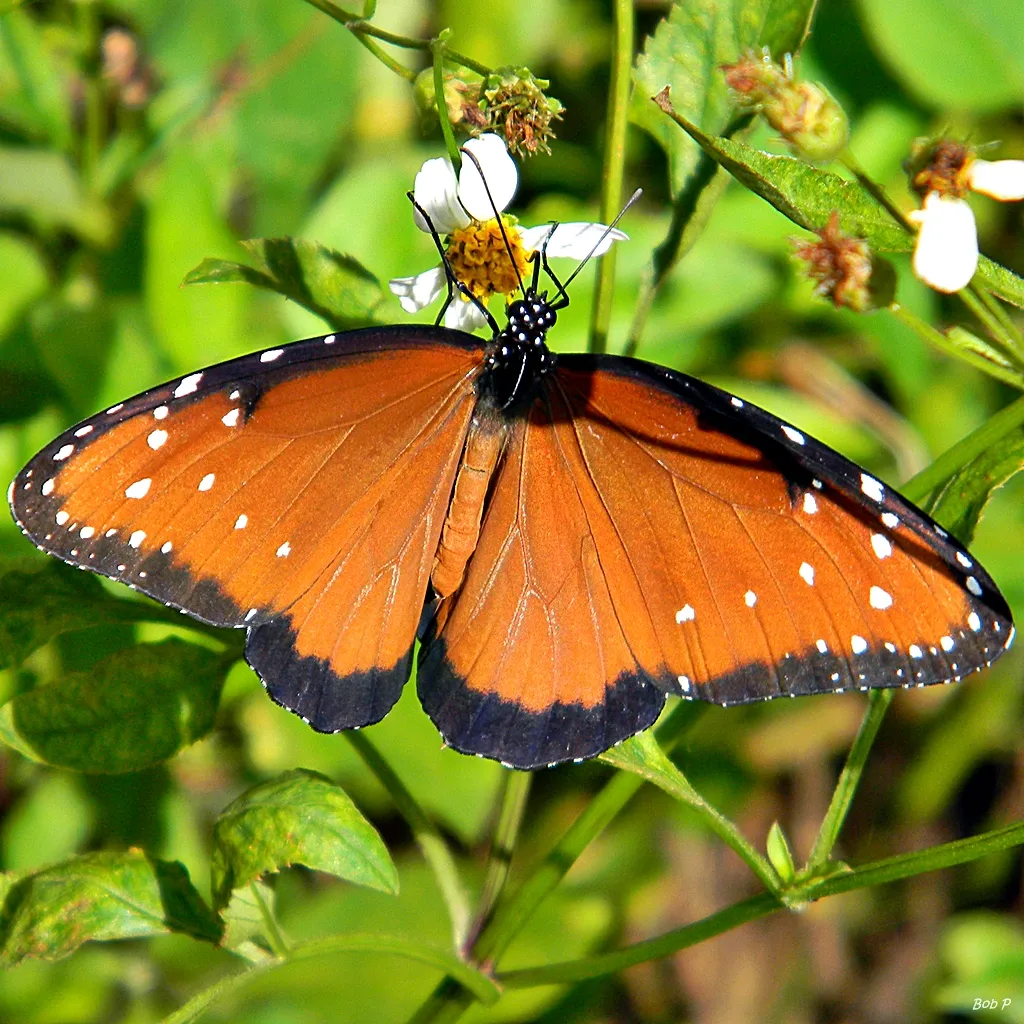
Wind, rain, and predators are constant threats to something as fragile as a butterfly, and a garden with nowhere to hide is a garden butterflies won’t stay in long. Dense shrubs, small trees, or even a simple butterfly house give them somewhere safe to ride out bad weather.
This is the piece that gets skipped most often, because it doesn’t produce flowers or color – it just quietly keeps butterflies alive long enough to become regulars. A garden with real shelter holds onto its butterflies. One without it just rents them out for an afternoon.
6. The Pesticide Mistake That Quietly Empties a Garden
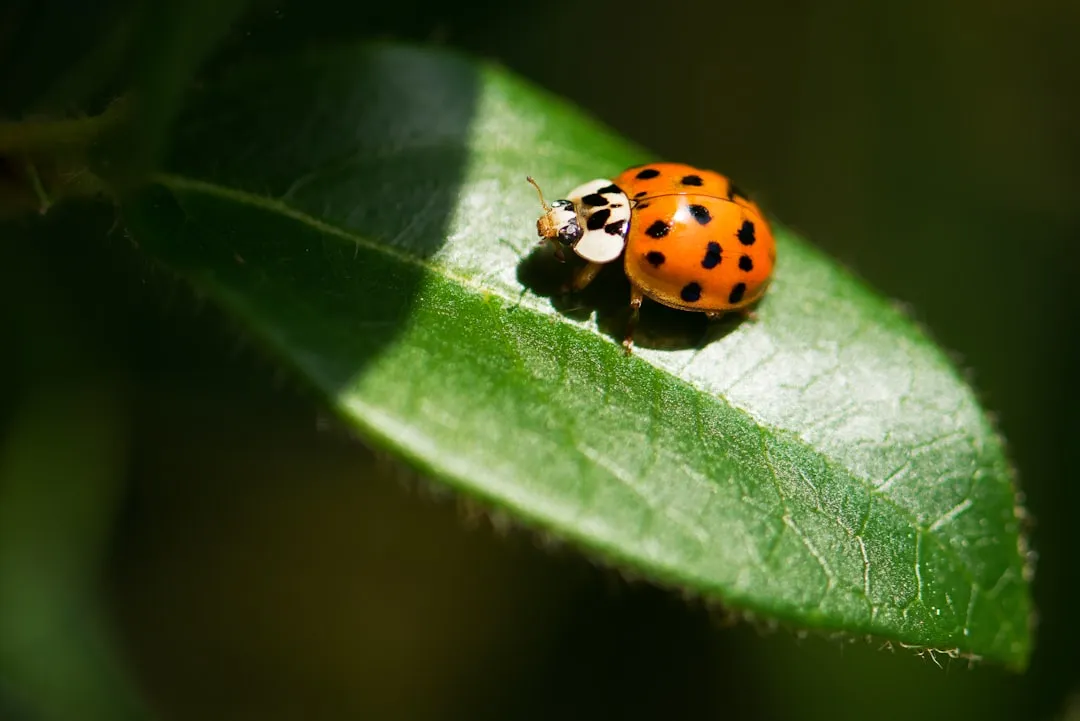
This is the one that trips up well-meaning gardeners the most. Chemical pesticides don’t discriminate – they’re just as lethal to butterfly eggs, caterpillars, and adults as they are to the pests they’re aimed at.
Spray once, and you can undo months of careful planting in an afternoon. The fix is organic pest control and natural predators like ladybugs, which handle problem insects without wiping out the very creatures you’re trying to attract. It’s a frustrating lesson to learn the hard way, and an easy one to avoid entirely.
Fast Facts
- Even some “organic” sprays can harm caterpillars if applied directly to host plants
- Ladybugs, lacewings, and praying mantises control aphids and other pests without touching butterflies
- Hand-picking pests off host plants is slower, but it carries zero risk to caterpillars
- Treated nursery plants can carry pesticide residue that lingers for weeks after planting
5. Windbreaks Solve a Problem Most Gardeners Never Notice
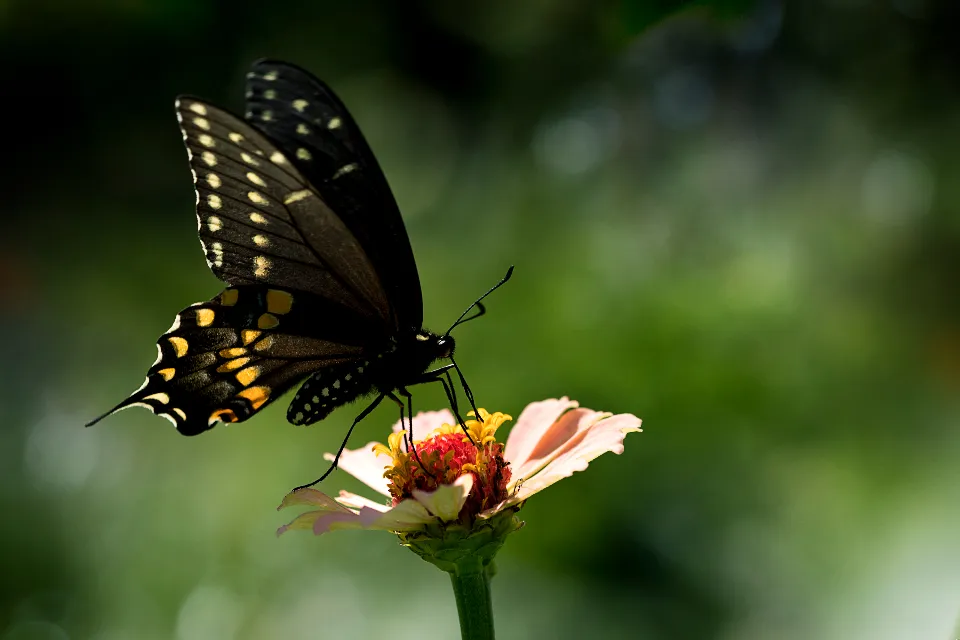
A garden can have every flower a butterfly could want and still get skipped over – because it’s too exposed. Strong, constant wind makes it nearly impossible for butterflies to feed or rest, so they simply move on to a calmer yard.
Hedges, fences, or trellises with climbing vines break up that wind and create a pocket of calm air. It’s an invisible fix, but it’s often the reason one yard on the block is full of butterflies while the identically planted one next door is oddly quiet.
4. Fragrant Plants Butterflies Find Irresistible
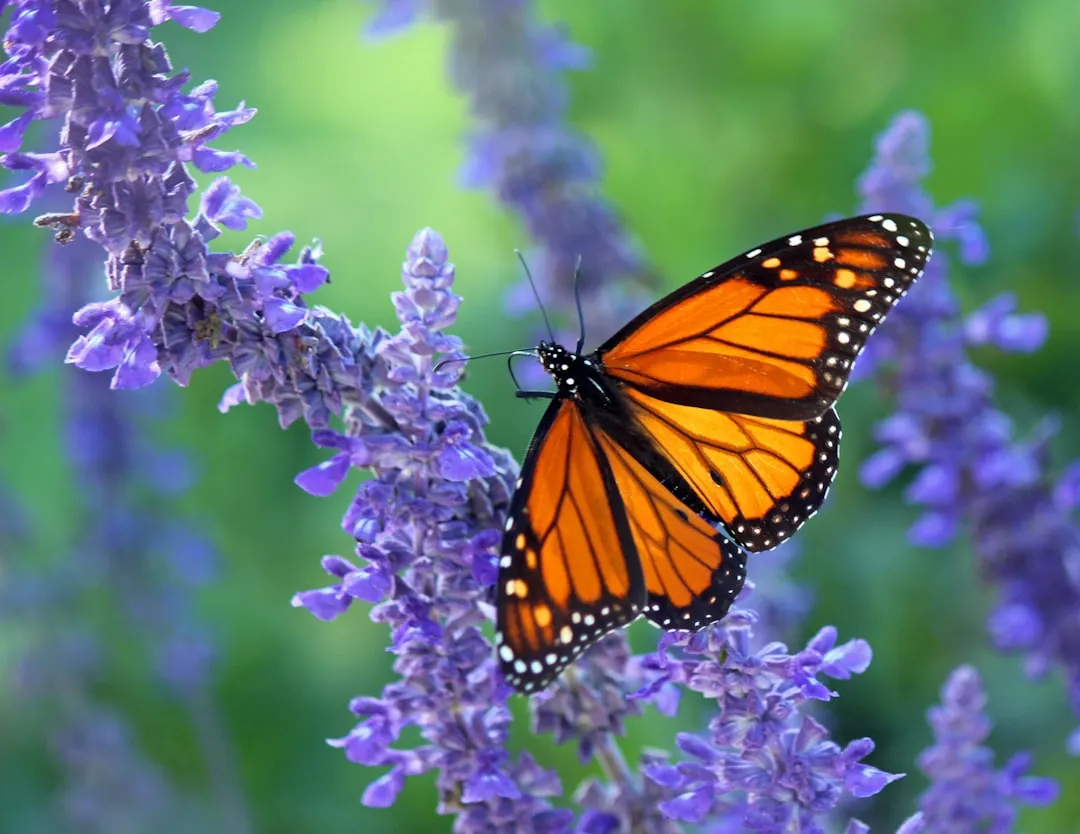
Scent matters as much as color when it comes to pulling butterflies in from a distance. Lavender, dianthus, and wild marjoram all put off the kind of fragrance that acts like an open invitation.
The bonus here is that these plants aren’t just working for the butterflies – they make the garden a genuinely nicer place for you to stand in, too. It’s a rare case where the thing that attracts butterflies is also the thing that makes people linger by the fence just to smell it.
3. Planting in Drifts Instead of Scattered Singles
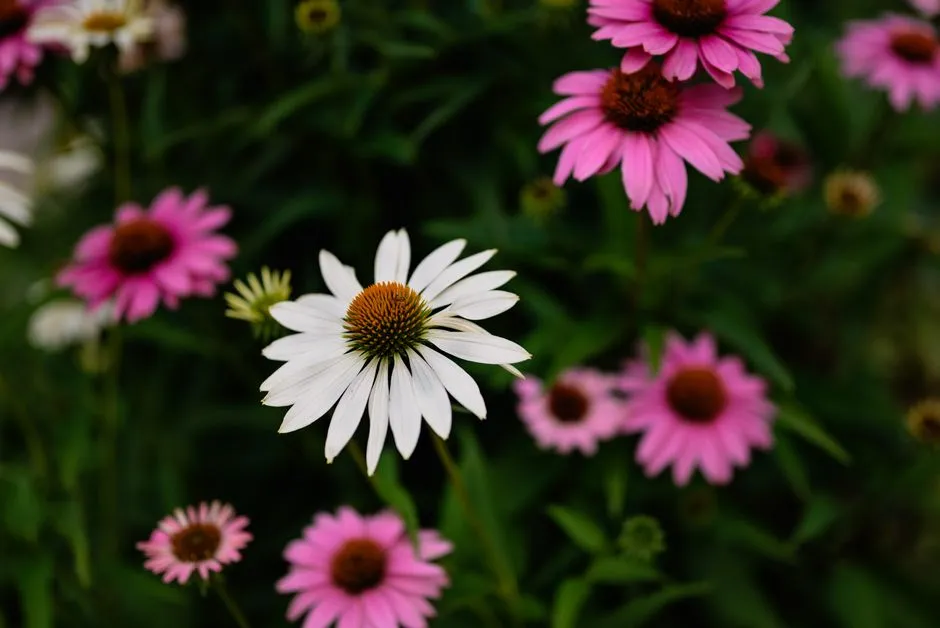
A single flower here and there is easy to miss, even for a butterfly. Planting in drifts – big clusters of the same species grouped together – creates a visual target that’s impossible to overlook from the air or the sidewalk.
It also just looks better. A drift of coneflowers reads as a deliberate, designed feature rather than a random assortment, and that’s exactly the kind of curb-stopping visual moment that gets a garden talked about.
The butterfly counts not months but moments, and has time enough.
Rabindranath Tagore
2. Vertical Elements Add a Dimension Most Gardens Skip
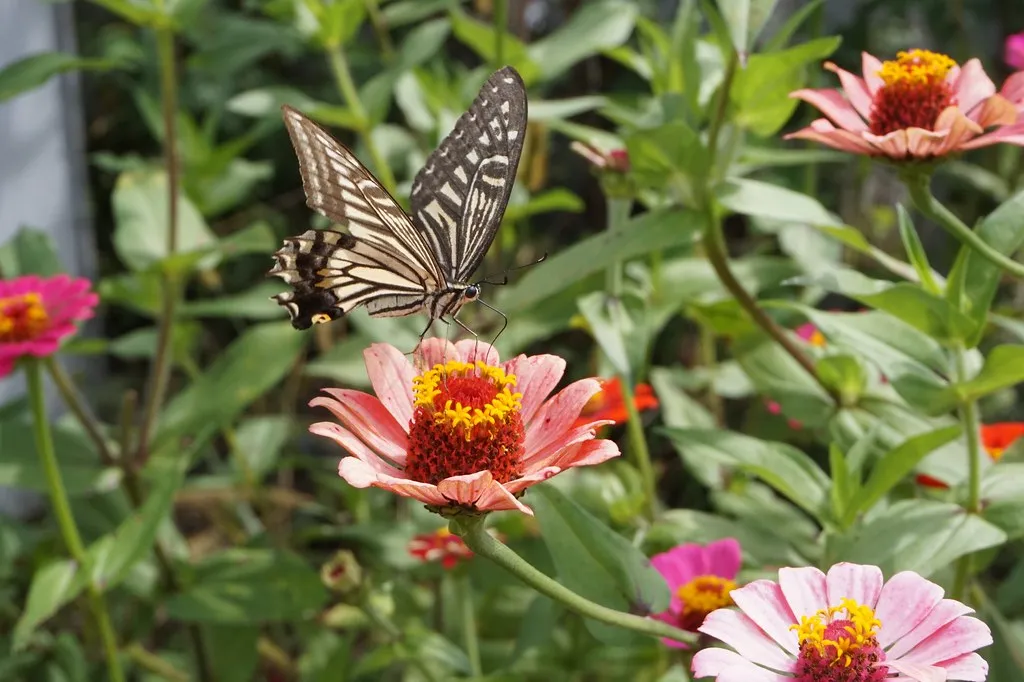
Trellises, climbing vines, and tall flowering species do something flat garden beds can’t: they give butterflies feeding and resting spots up off the ground. Some species actively prefer higher perches, and a garden without any vertical structure simply never offers them one.
The side benefit is space efficiency – climbing plants let you pack in more butterfly-friendly blooms without needing more square footage. It’s a small design shift that makes a garden feel layered and intentional instead of just wide and flat.
1. Embrace a Natural, Slightly Wild Aesthetic
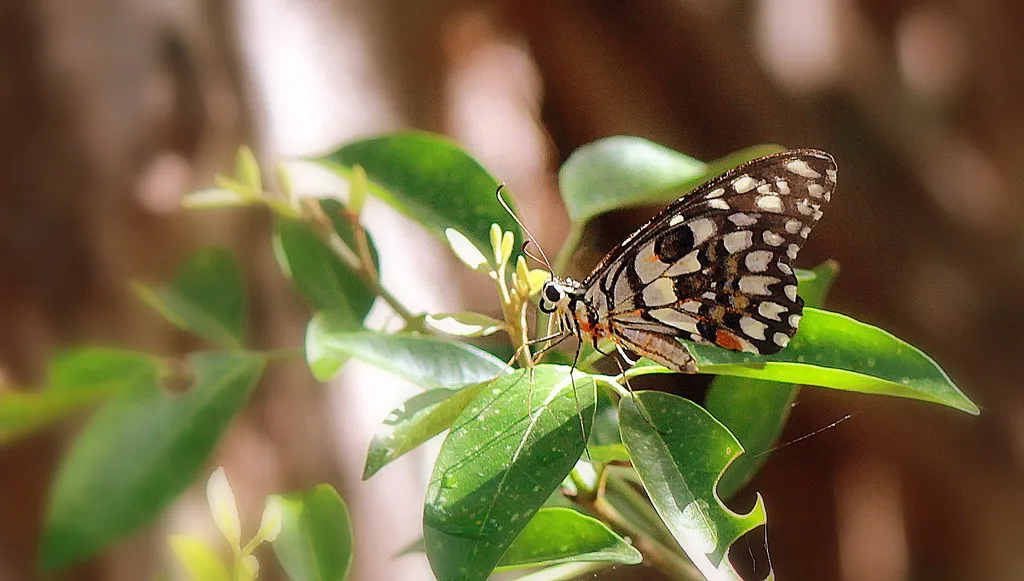
Here’s the idea most gardeners resist the hardest: the perfectly manicured lawn is working against you. Butterflies overwinter in leaf litter, brush piles, and unmowed edges – the exact things a tidy yard clears away every fall. A little bit of intentional mess isn’t neglect. It’s habitat.
Letting a corner of the yard stay a little wild – leaves left where they fall, a brush pile tucked behind the shed, edges left unmowed through winter – is often the single biggest difference between a garden that’s pretty and one that’s actually alive with butterflies. It’s the detail that looks the least like effort and does the most work.
At a Glance
- Leaf litter left in place shelters overwintering chrysalises and adult butterflies through winter
- Brush piles tucked in a back corner double as windbreaks and cold-weather shelter
- Unmowed edges left standing through winter protect eggs and pupae attached to dead stems
- A deliberately messy corner can support far more butterfly life than a fully manicured yard
If there’s one opinion worth ending on, it’s this: most people chase butterflies with flowers alone, and that’s why so many butterfly gardens quietly fail. The gardens that actually stop foot traffic are the ones that treat the whole yard as a habitat – mud puddles, brush piles, and all – not just a flower bed with better marketing. Skip the manicured instinct, let a little wildness in, and the stares will follow on their own.
