
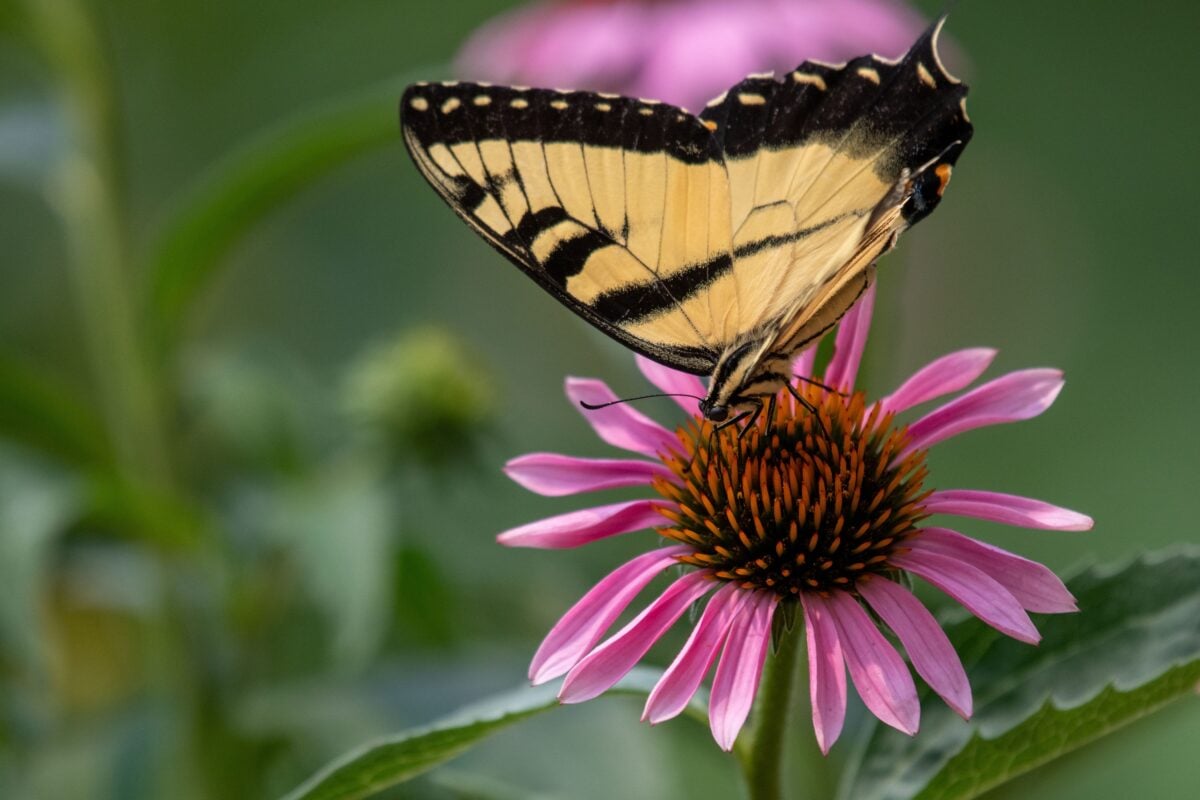
You water it. You mow it in neat little rows. You might even feel a small flush of pride every time a neighbor compliments your flower beds. But somewhere in that tidy, well-loved yard, bees are quietly packing up and leaving – and it has almost nothing to do with pesticides you’ve heard about a hundred times.
The real culprits are smaller, sneakier, and often disguised as “good gardening.” Fourteen ordinary backyard habits are silently starving out local pollinators, one mowed dandelion and one bag of mulch at a time – and most homeowners won’t notice the silence until the bees are already gone.
14. Overuse of Pesticides and Herbicides
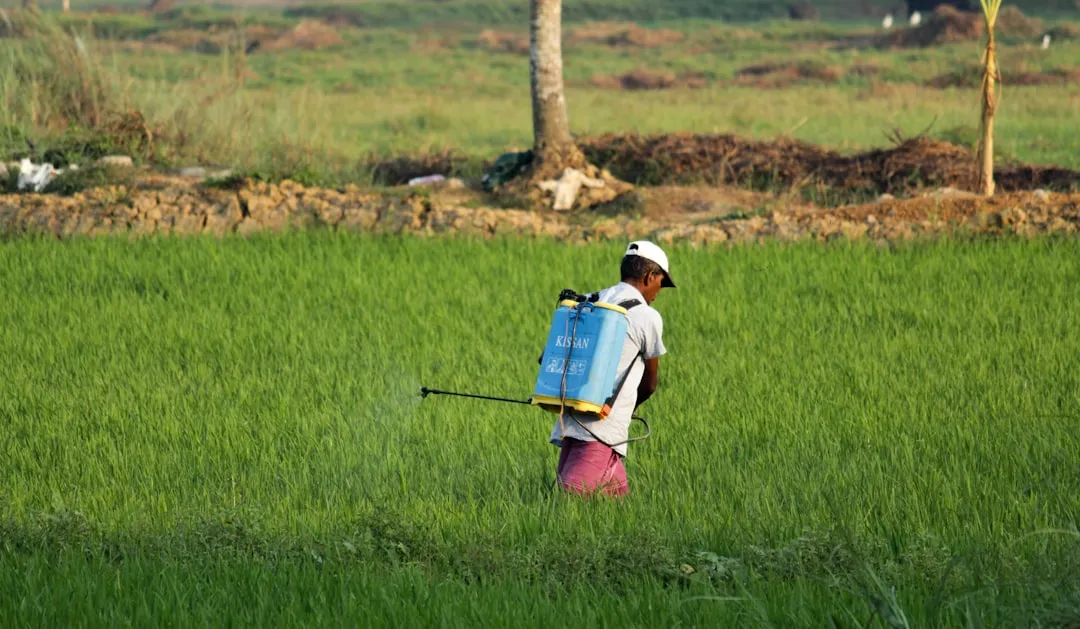
Reaching for a spray bottle at the first aphid sighting feels responsible, even proactive. But neonicotinoid pesticides don’t just kill the pest you’re aiming at – they get absorbed into the plant itself, showing up later in the nectar and pollen bees carry home to their entire colony.
Herbicides do their own quiet damage by wiping out the flowering “weeds” bees actually depend on. Kill the weeds, and you haven’t cleaned up your yard – you’ve created a food desert with a green lawn on top of it.
Fast Facts
- Neonicotinoid pesticides can linger in soil for months, sometimes years, after just one application.
- Residues have turned up in woody plants long after the original treatment was applied.
- These chemicals travel through the plant’s entire system, ending up inside pollen and nectar.
- Even small, sublethal doses can throw off a bee’s navigation, memory, and immune response.
13. Planting Non-Native or Hybrid Flowers
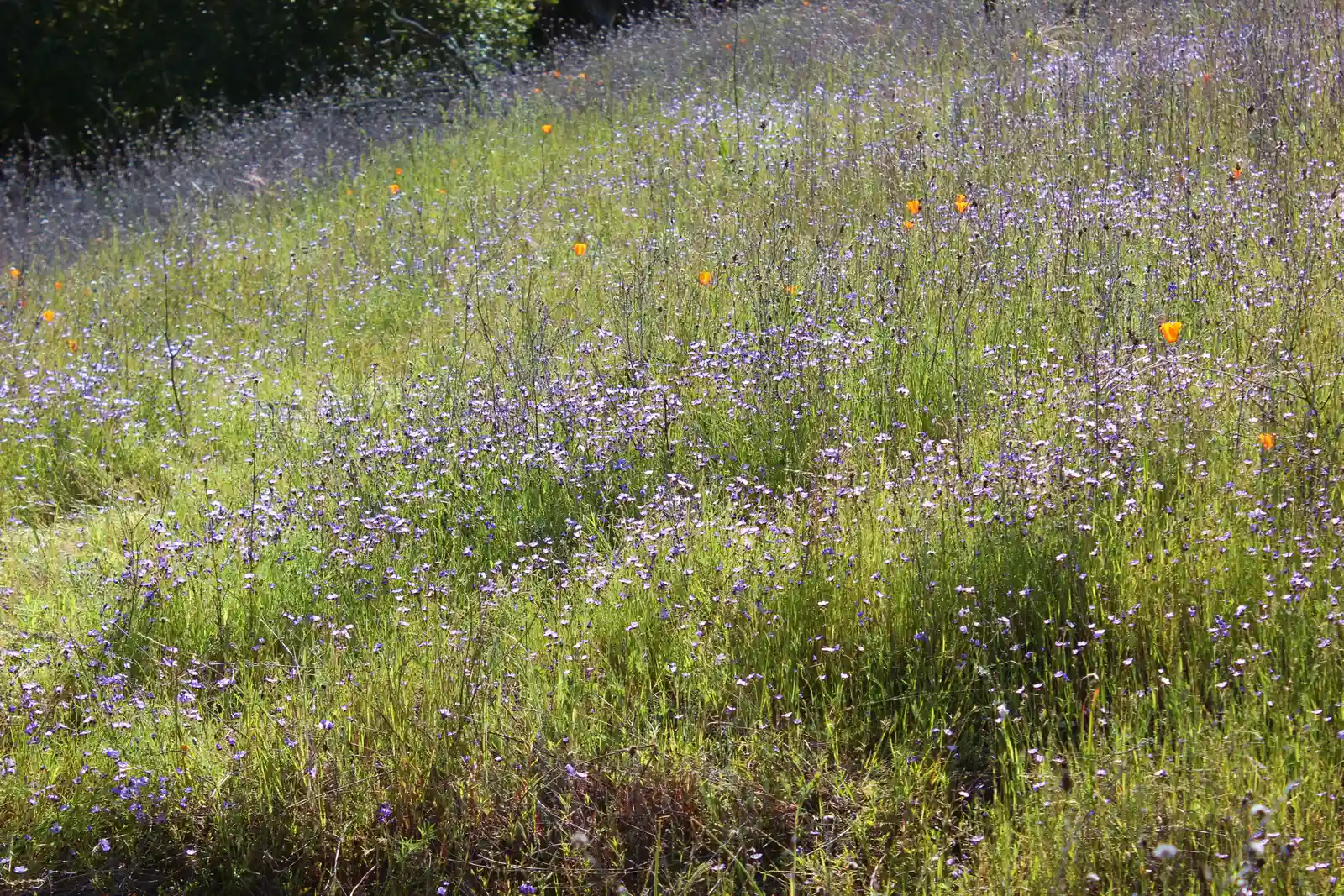
That gorgeous imported flower from the garden center might be gorgeous for a reason humans invented, not one bees recognize. Native bees evolved alongside native plants, and many exotic species simply don’t offer the nectar or pollen nutrition local pollinators need to survive.
Hybrid flowers make it worse. Bred for bigger petals and showier color, many have been accidentally reshaped in ways that physically block bees from reaching the nectar inside – gorgeous to look at, useless to eat from.
12. Removing the “Weeds” Bees Actually Need
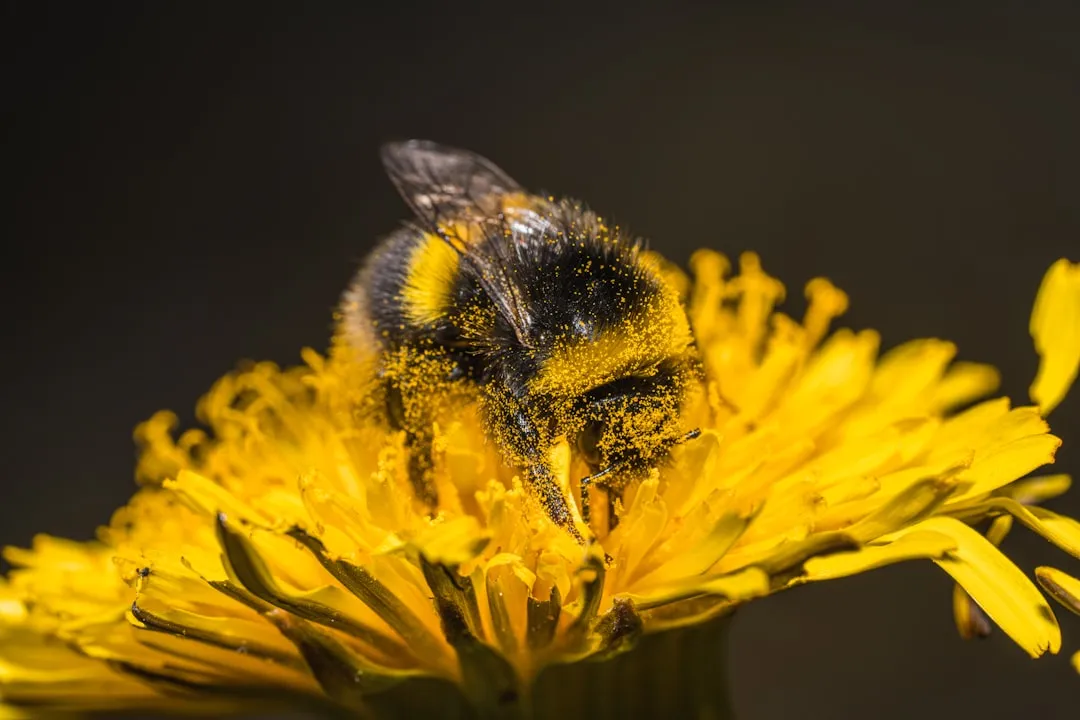
Dandelions and clover get pulled the moment they appear, but to a bee waking up from winter with almost nothing else in bloom, those “weeds” are the difference between survival and starvation. Early spring is a brutal, food-scarce window, and these plants are often the only thing on the menu.
Letting them bloom for even a few extra weeks before mowing gives emerging bee populations a fighting chance at the exact moment they need it most.
The bee is more honored than other animals, not because she labors, but because she labors for others.
Saint John Chrysostom
11. Over-Tidying Your Garden
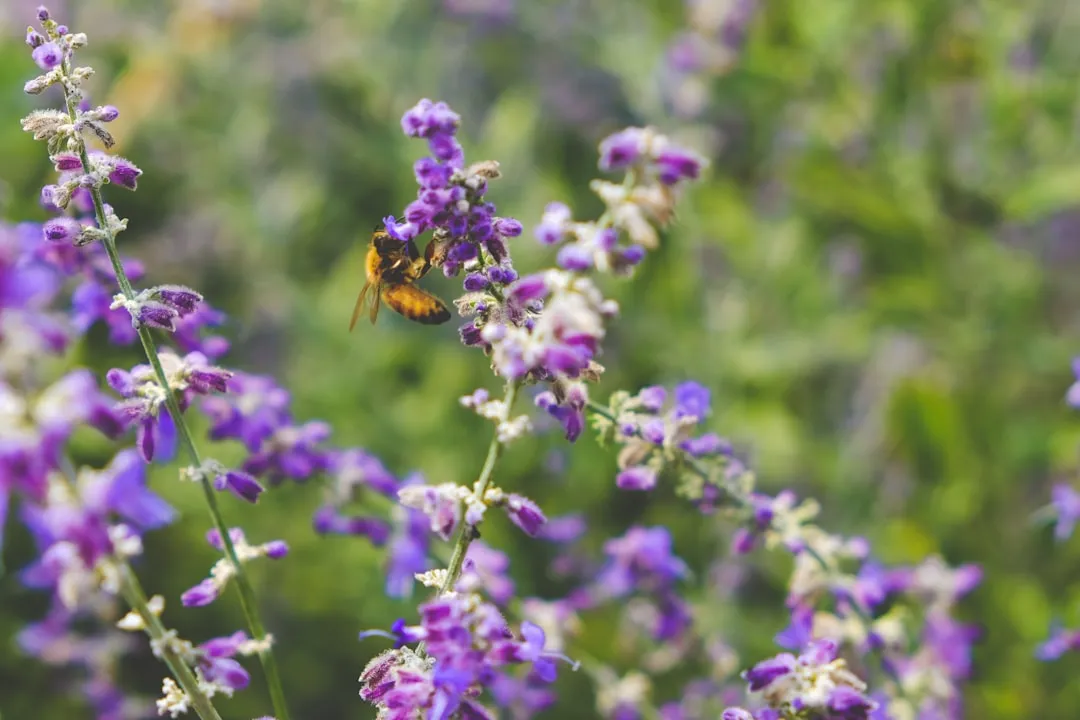
A magazine-perfect garden – raked, swept, every leaf removed – can look like paradise to a homeowner and a wasteland to a bee. Leaf litter, hollow stems, and undisturbed soil aren’t mess. They’re nesting sites and winter shelter for solitary bee species that have nowhere else to go.
Leaving even one corner of your yard slightly wild isn’t laziness – it’s one of the most bee-friendly decisions you can make without spending a dime.
10. Piling On Too Much Mulch
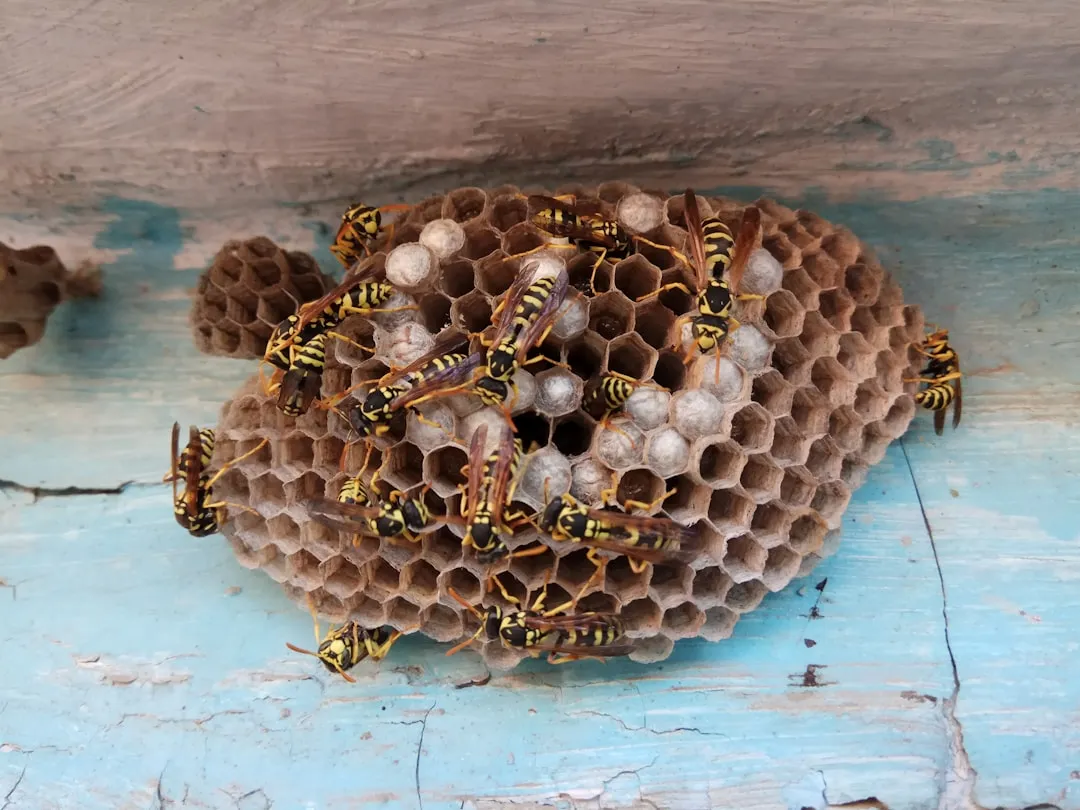
Mulch feels like a gardening cheat code: less watering, fewer weeds, tidier beds. But roughly 70% of native bee species nest underground, and a thick blanket of mulch acts like a locked door over their only entrance.
Leaving patches of bare, undisturbed soil – even small ones – gives ground-nesting bees somewhere to actually dig in and set up a home.
At a Glance
- About 7 in 10 native bee species nest in the ground rather than in hives or hollow wood.
- Many of these bees need direct access to open soil to dig a single, narrow tunnel entrance.
- A thick, uninterrupted layer of mulch can permanently seal off an otherwise usable nesting spot.
- Leaving a few sunny, undisturbed patches of bare soil can make a real difference for local populations.
9. Installing Artificial Turf

Fake grass promises the dream: a lawn that never needs mowing, watering, or weeding. What it actually delivers is a biological dead zone – no flowers, no nectar, and a surface that can heat up enough to make the whole yard inhospitable to insects passing through.
A natural lawn, even an imperfect one with a few clover patches, does more for local bee populations than the most convenient artificial turf ever could.
8. Leaning on Chemical Fertilizers
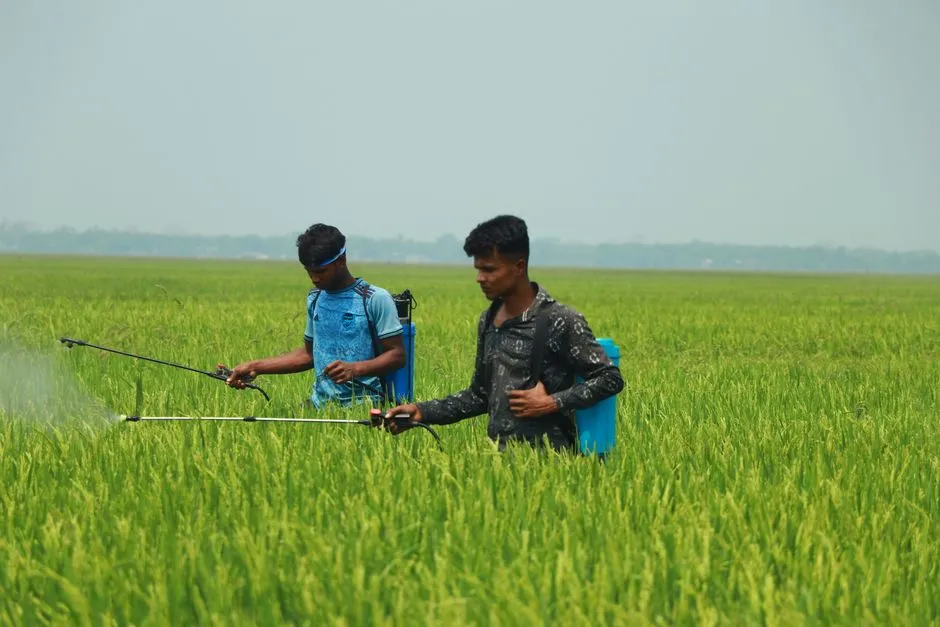
Synthetic fertilizers can green up a lawn fast, but they also mess with soil chemistry in ways that ripple upward into the plants bees rely on. Nutrient imbalances can quietly degrade the quality of nectar and pollen, even when the flowers themselves still look perfectly healthy.
Organic fertilizer and compost take longer to show results, but they build the kind of soil that actually feeds pollinators instead of just faking a good lawn.
7. Ignoring Bloom Timing
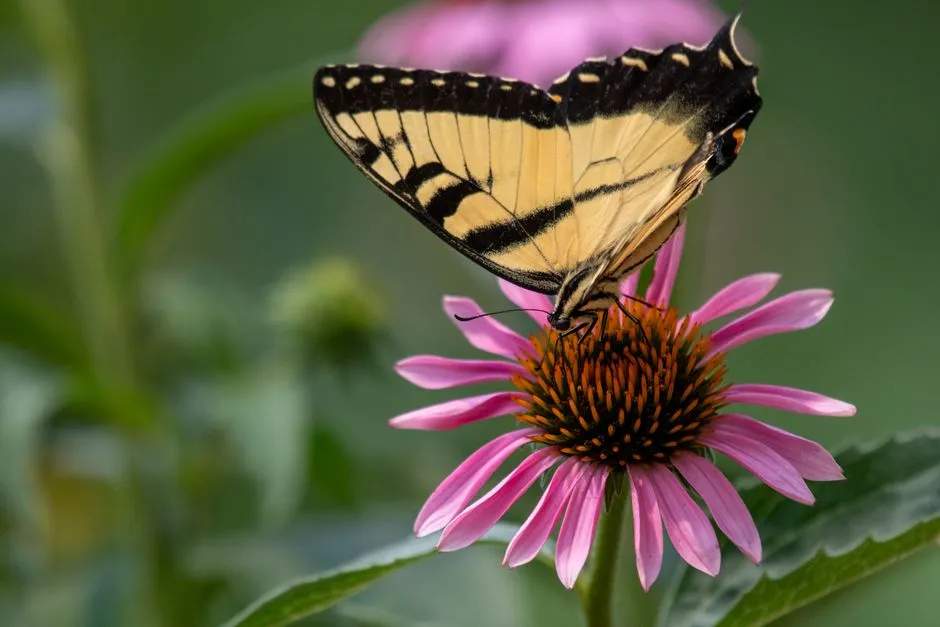
A yard that explodes with color in May and goes completely bare by July isn’t a pollinator garden – it’s a seasonal buffet with long, dangerous gaps. Bees need a steady food supply from early spring through late fall, not just one spectacular month.
Staggering bloom times across different plant varieties keeps something edible in the yard nearly year-round, instead of feast-or-famine.
Quick Compare
- Early spring: Crocus, willow, and dandelion – the first real meal after winter dormancy.
- Summer: Coneflower, bee balm, and lavender – fuel for colonies at their busiest and biggest.
- Late fall: Asters and goldenrod – often the last stop before bees settle in for winter.
6. Clearing Away Dead Trees and Branches
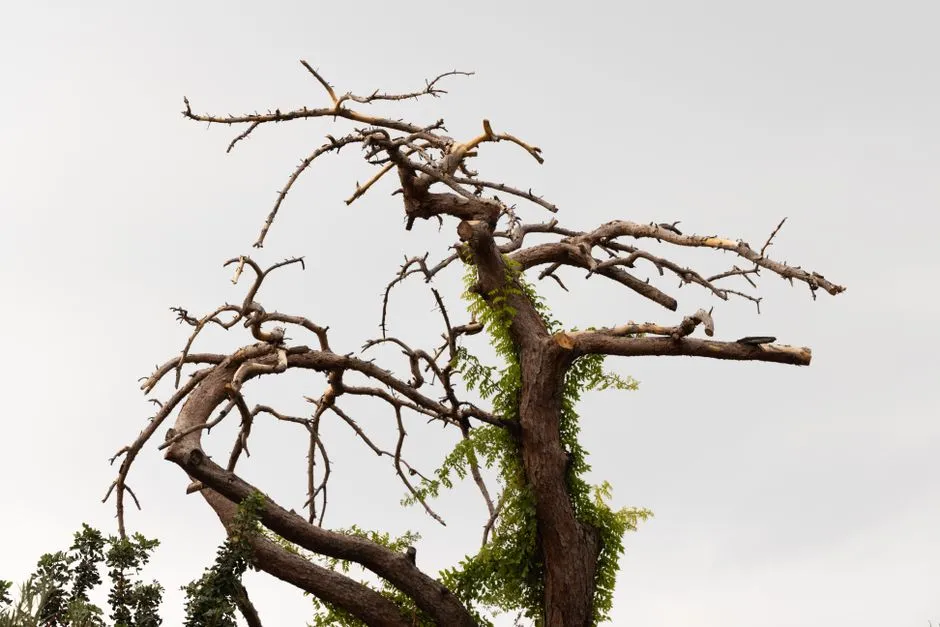
Dead wood looks like yard work waiting to happen, but to a carpenter bee, it’s prime real estate. Removing every dead branch and stump eliminates nesting sites that took years, sometimes decades, to become usable.
Leaving a dead log tucked in a back corner isn’t neglect – it’s quietly housing the next generation of pollinators.
5. Overwatering or Poor Drainage

Bees don’t nest in soggy ground. Ground-nesting species need dry, well-drained soil to dig tunnels that won’t collapse or flood, and an overwatered lawn can eliminate huge stretches of otherwise usable nesting habitat.
Fixing drainage issues and easing up on the sprinkler doesn’t just save on your water bill – it opens up ground that bees have been avoiding all along.
4. Planting Double-Flowered Varieties
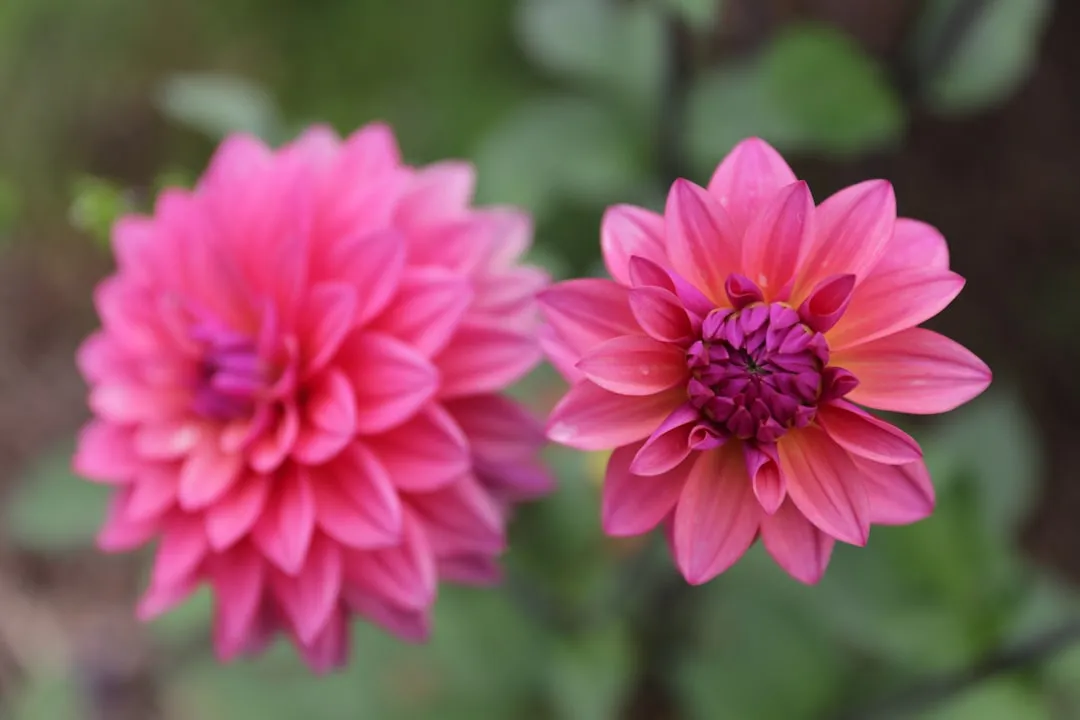
Those lush, ruffled double blooms sold as the “premium” version of a flower often come with a hidden cost: extra petals that physically block bees from reaching the nectar and pollen inside.
A single-flowered variety may look plainer in the catalog, but it’s the one bees can actually forage from efficiently, which matters far more than how it photographs.
3. Laying Down Landscape Fabric
Landscape fabric is marketed as a weed-suppressing miracle, but underneath that convenience is another sealed-off barrier between ground-nesting bees and the soil they need. It doesn’t just stop weeds – it stops entire generations of bees from ever getting started.
Skipping the fabric in favor of natural mulch or bare patches keeps that access open without sacrificing much in the weed department.
2. Leaving Outdoor Lights On All Night
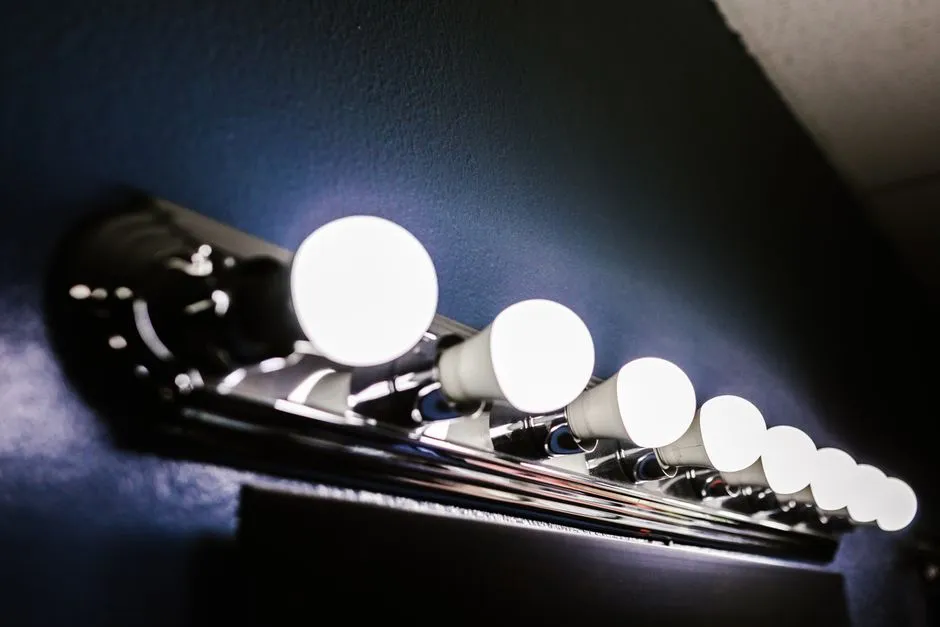
Porch lights and landscape lighting feel harmless, even charming, but constant artificial light at night throws off the natural rhythms of nocturnal and early-morning pollinators. Some bee species become disoriented or avoid brightly lit areas entirely, cutting off access to otherwise perfectly good habitat.
Switching to motion-activated lighting or simply turning things off after a certain hour can hand that space back to the pollinators who need the dark to function normally.
1. Running Bug Zappers and Mosquito Misters
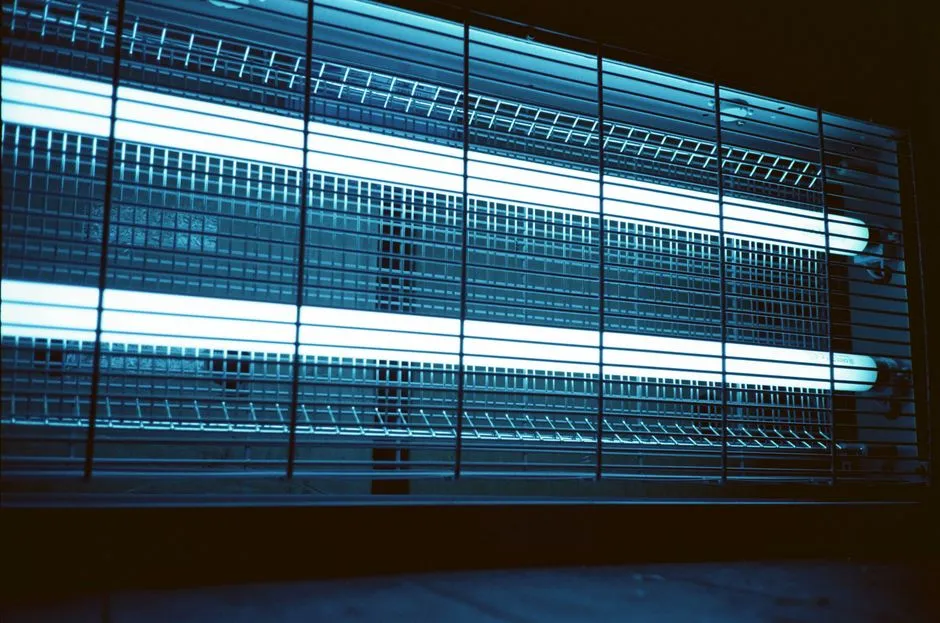
Of everything on this list, this one does the most damage the fastest. Bug zappers and automated mosquito misting systems don’t discriminate – they kill mosquitoes and bees with equal efficiency, often wiping out beneficial pollinators in far greater numbers than the pests they were bought to control.
A single misting system running on a timer every evening can quietly erase a season’s worth of bee visits without a homeowner ever realizing what’s happening in their own backyard.
Worth Knowing
- In a widely cited University of Delaware study, only 31 of nearly 14,000 insects killed by bug zappers were actual biting pests like mosquitoes.
- That means well over 99% of everything zapped was harmless or outright beneficial, including pollinators.
- Mosquitoes are drawn in by body heat and carbon dioxide, not UV light, so zappers barely touch the pest they’re sold to control.
- A single zapper running through a summer evening can rack up thousands of unintended kills.
Here’s the uncomfortable part: nobody on this list set out to hurt a single bee. A spotless lawn, a symmetrical flower bed, and a porch light left on out of habit add up to a slow, invisible extinction happening in millions of ordinary yards at once.
The fix isn’t complicated, but it is inconvenient – it means tolerating a little mess, a few dandelions, and a shadowy corner you don’t rake. Bees were never asking for a beautiful yard. They were asking for an honest one, and that’s the one thing most homeowners never think to give them.
