


Worried about unexpected vet bills?
Pet insurance can cover thousands in unexpected vet costs. Get a free quote from Lemonade in under 2 minutes.
Get My Free Quote →Sponsored · Opens Lemonade.com
Winter transforms our world into a glistening wonderland of snow and ice, bringing joy to many—but not all—of our canine companions. While some dogs bound through snowdrifts with unbridled enthusiasm, others would rather stay curled up by the fireplace until spring arrives. A dog’s tolerance for cold weather often depends on their breed history, coat type, size, and individual personality. Understanding which breeds typically enjoy winter weather and which ones prefer to stay indoors can help you choose the right canine companion for your climate and lifestyle. Let’s explore ten breeds that typically embrace the snow with enthusiasm, and three that would rather skip winter altogether.
Why Some Dogs Love Snow While Others Don’t

A dog’s relationship with snow largely comes down to their evolutionary history and physical characteristics. Breeds developed in colder climates typically have dense double coats, larger body masses that retain heat, and sometimes even specialized paw pads designed to navigate icy terrain. These dogs often have a natural affinity for cold weather, expressing joy and excitement when snow falls.
Conversely, breeds with single coats, smaller bodies, or those originating from warmer regions often lack these cold-weather adaptations. For these dogs, snow can be uncomfortable or even dangerous, potentially leading to hypothermia if exposed for too long. Age and health also play roles—very young, elderly, or dogs with certain health conditions may be more sensitive to cold regardless of their breed. Understanding your dog’s specific needs is crucial for keeping them safe and comfortable during winter months.
Siberian Husky Born for the Snow

Few breeds embody winter enthusiasm quite like the Siberian Husky. Developed by the Chukchi people of northeastern Asia, these dogs were bred specifically for pulling sleds across vast frozen landscapes in harsh Arctic conditions. Their dense double coat provides exceptional insulation, while their compact ear shape minimizes heat loss. Huskies even have specialized paw pads that resist freezing and provide traction on ice.
What truly sets Huskies apart, though, is their visible joy in cold weather. Many Husky owners report their dogs becoming more energetic and playful once temperatures drop below freezing. These dogs often display “snow zoomies”—bursts of excited running and playing—and some will even burrow into snowbanks to cool off during exercise. With their incredible cold tolerance, Huskies can comfortably remain active in temperatures as low as -60°F when properly acclimated, making them the quintessential snow-loving breed.
Alaskan Malamute The Power Snow Dog
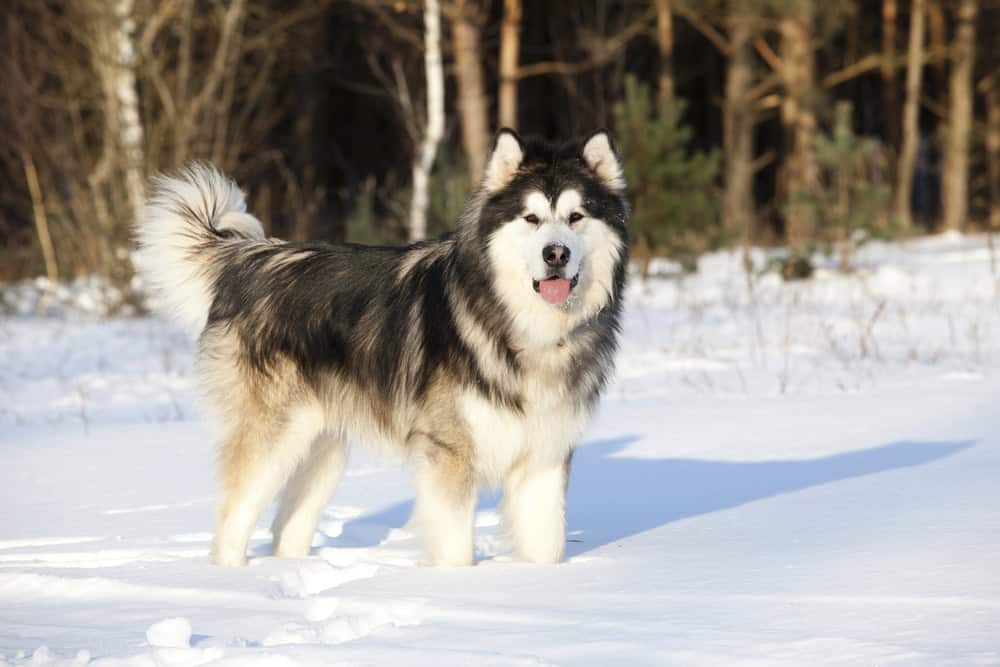
The Alaskan Malamute, one of the oldest Arctic sled dogs, was developed by the Mahlemut Inuit people to hunt seals, pull heavy freight sleds, and even help track polar bears. Larger and more powerful than their Husky cousins, Malamutes possess an extremely thick double coat that keeps them comfortable in the harshest winter conditions. Their broad, snowshoe-like paws distribute weight evenly across snow and ice, preventing them from sinking into deeper snow.
These dogs don’t just tolerate snow—they thrive in it. Malamutes often display a distinctive snow-bathing behavior, rolling enthusiastically in fresh powder. They’ve been known to prefer sleeping outdoors in snow rather than in heated environments, and many will actually dig snow dens when left to their own devices. This deep genetic programming makes them exceptional companions for winter hiking, skijoring, or simply playing in the backyard during snowy months. However, their love for cold weather means they can struggle significantly in hotter climates.
Bernese Mountain Dog The Swiss Snow Enthusiast

Developed in the Swiss Alps, Bernese Mountain Dogs were bred as all-purpose farm dogs capable of working in cold, mountainous conditions. Their striking tri-colored coats aren’t just beautiful—they’re highly functional, with a thick, long outer layer and dense undercoat that provides excellent insulation against snow and freezing temperatures. Their substantial size and muscular build also help retain body heat during cold weather activities.
Berners often display an almost childlike enthusiasm for snow play. Many owners report their Bernese Mountain Dogs performing “snow plows”—running with their faces partially submerged in fresh powder—or creating their own games involving snow balls. Their heritage as draft dogs makes them excellent companions for winter activities like sledding or cart-pulling through snow. While they love outdoor winter activities, Berners are also known for their gentle, affectionate personalities that make them equally content to warm up by the fire afterward, making them versatile companions for snowy climates.
Samoyed The Smiling Snow Dog

The Samoyed’s heritage with the Samoyede people of Siberia shaped them into the ultimate cold-weather companion. Originally bred for herding reindeer, pulling sleds, and keeping their owners warm at night, these dogs feature one of the most cold-resistant coats in the canine world. Their thick white double coat has unique properties—the outer guard hairs reflect heat back to the body, while the woolly undercoat provides exceptional insulation. This specialized coat allows them to work comfortably in temperatures as low as -60°F.
What makes Samoyeds particularly charming snow companions is their famously upturned “smiling” mouth corners, which evolved to prevent drooling and subsequent ice formation around their faces in freezing temperatures. These dogs often display boundless energy in snow, frequently leaping through drifts and playing for hours without showing signs of cold discomfort. Many Samoyed owners note their dogs seem disappointed when snow melts, often seeking out remaining patches of snow even as spring approaches. Their joyful attitude toward winter makes them perfect companions for families living in colder climates.
Saint Bernard The Alpine Rescue Expert

Saint Bernards earned their legendary status working as rescue dogs in the treacherous snow-covered passes of the Swiss Alps. These massive dogs—often weighing between 140-180 pounds—were bred specifically to locate travelers buried in snowdrifts and either dig them out or alert the monks who maintained the Saint Bernard Hospice. Their impressive size provides excellent heat retention, while their thick double coat offers protection against extreme cold.
Unlike some more energetic snow-loving breeds, Saint Bernards typically display a methodical, purposeful enjoyment of snowy conditions. They often wade deliberately through deep snow, seemingly unfazed by cold or accumulation on their fur. Their massive paws act like natural snowshoes, distributing their substantial weight across snow surfaces. While they may not exhibit the frenetic play of smaller breeds, their calm confidence in navigating winter landscapes demonstrates their natural affinity for snow. Many Saint Bernard owners report their dogs voluntarily staying outside longer during snowfalls, seemingly monitoring their territory with the same vigilance their ancestors showed on mountain rescue missions.
Newfoundland The Water-Loving Snow Dog

Newfoundlands present a fascinating combination of cold-weather adaptations. Developed in the harsh maritime climate of Newfoundland, Canada, these dogs were bred to rescue drowning victims and haul fishing nets through icy waters. Their thick, oily double coat provides not just insulation against cold air but also remarkable water resistance. This unique combination makes them one of the few breeds equally comfortable in snow and frigid water—a Newfoundland will happily bound through snowdrifts and then plunge into a half-frozen lake without hesitation.
What makes “Newfies” particularly skilled snow navigators is their massive webbed paws, which act as both paddles in water and snowshoes on land. Their substantial body mass (males often exceed 150 pounds) helps them maintain core temperature in cold conditions. While not as overtly playful in snow as some other breeds, Newfoundlands display a calm enjoyment of winter weather, often choosing to lie down in snow even when warmer options are available. Their natural inclination to rescue extends to winter play—many owners report their Newfoundlands showing concern for children sledding or family members who fall in snow, demonstrating their protective instincts even during recreational activities.
Great Pyrenees The Snow Guardian

Developed to guard livestock in the snowy Pyrenees Mountains between France and Spain, the Great Pyrenees possesses remarkable cold-weather adaptations. Their distinctive white double coat features a weather-resistant outer layer and dense undercoat that together create exceptional insulation. This specialized coat actually reflects heat back to their body in cold conditions while remaining remarkably dirt-resistant—a practical adaptation for a dog expected to live outdoors with livestock regardless of weather conditions.
What sets Great Pyrenees apart from other snow-loving breeds is their unique winter behavior pattern. Rather than displaying obvious playfulness, these dogs often exhibit heightened alertness and territorial awareness during snowfall. Many owners observe their Pyrenees actively patrolling property boundaries after fresh snow, seemingly checking for potential threats with greater vigilance. This behavior reflects their guardian heritage—historically, winter represented increased predator threat to livestock. Their comfort in snow is evident in their preference for sleeping outdoors in cold weather, often choosing exposed, elevated positions that allow them to survey their territory even during snowstorms. This combination of cold tolerance and protective instinct makes them exceptional companions for rural properties in snowy regions.
Norwegian Elkhound The Viking Snow Companion
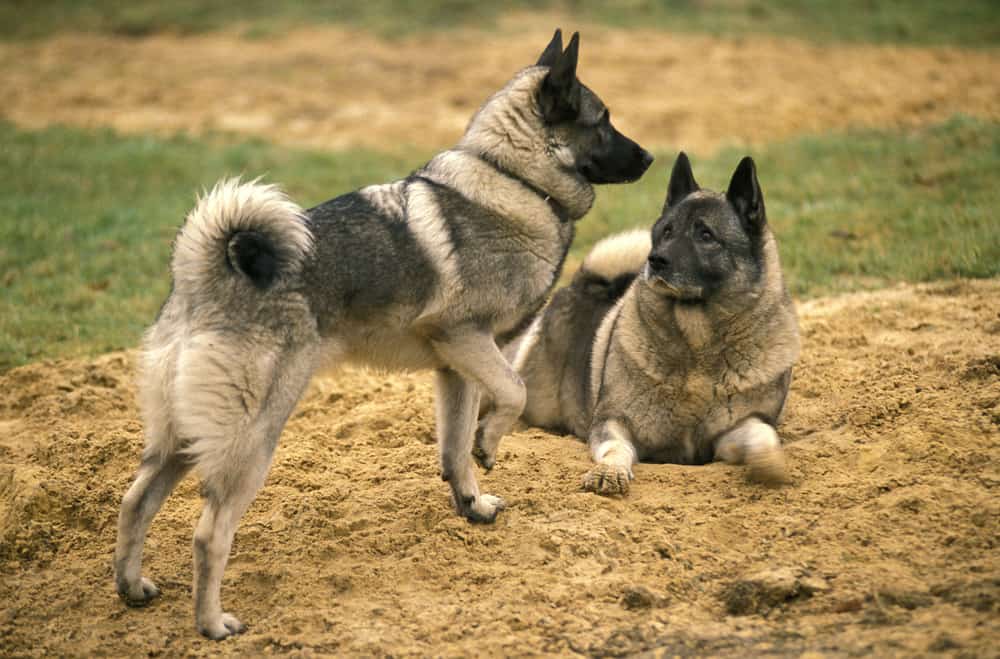
The Norwegian Elkhound boasts one of the oldest northern breed lineages, having worked alongside Vikings for over 6,000 years. Bred specifically for hunting and guarding in Norway’s harsh climate, these medium-sized dogs possess a remarkably dense gray double coat that provides superior insulation against extreme cold. Their compact, sturdy build minimizes surface area relative to body mass, helping them retain heat efficiently during extended periods in snow and ice.
Elkhounds display a distinctive style of snow enjoyment characterized by remarkable stamina and work ethic. Unlike breeds that primarily play in snow, Elkhounds maintain focus and purpose even during recreational activities. Many owners report their Elkhounds creating systematic paths through snowy yards or forests, displaying the same methodical tracking behavior their ancestors used to hunt moose and other large game in winter conditions. Their almond-shaped eyes resist snow accumulation, and their tightly curled tail protects vulnerable body parts when resting in snow. This combination of physical adaptations and working mentality makes them excellent companions for winter hiking, tracking, and other outdoor activities even in extreme cold.
Akita The Dignified Snow Lover
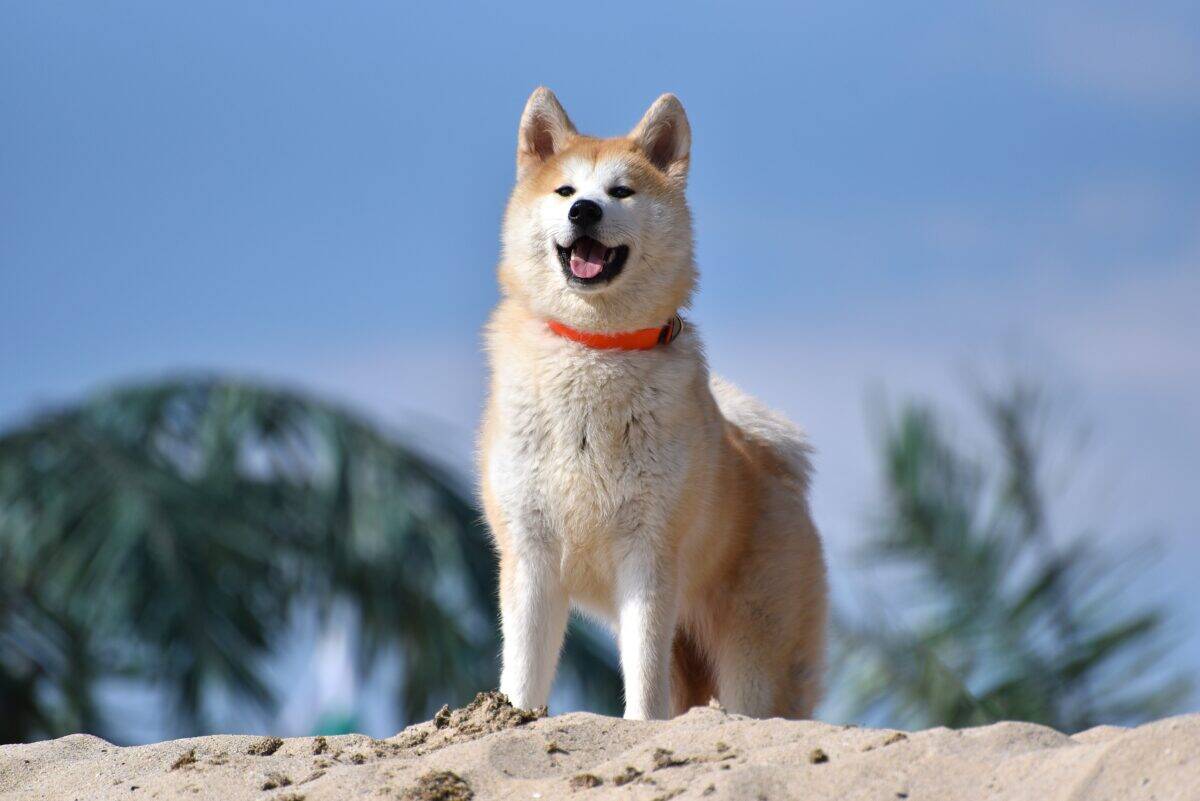
Originating from Japan’s mountainous northern regions, Akitas were developed to hunt large game including bears in snowy conditions. Their physical adaptations for winter are impressive: a dense double coat with remarkably insulating properties, substantial bone structure that retains heat, and relatively small ears that minimize heat loss. Akitas also possess specialized fat distribution that provides additional insulation during winter months, and thick paw pads that resist cracking in cold, dry conditions.
Unlike more exuberant snow breeds, Akitas typically display a dignified, deliberate enjoyment of winter weather. Many owners describe their Akitas as becoming more alert and engaged during snowfall, often standing motionless watching snow fall or methodically investigating fresh tracks. They frequently exhibit increased energy and hunting behaviors in winter months—a reflection of their heritage tracking game through snow. An interesting adaptation unique to Akitas is their tendency to clean themselves meticulously after snow exposure, similar to cats. This behavior helps maintain their coat’s insulating properties by removing ice and snow that could melt against their skin. Their combination of independence and cold-weather affinity makes them excellent companions for those who appreciate a more reserved snow enthusiast.
Keeshond The Overlooked Snow Enthusiast

Often overlooked among snow-loving breeds, the Keeshond (pronounced “KAYZ-hawnd”) has a rich history as a watchdog on Dutch canal barges, where they endured harsh winter conditions while alerting their owners to approaching visitors. Their spectacular “lion’s mane” around the neck and shoulders isn’t just for show—it provides crucial insulation for vital organs. Their fox-like face features remarkably expressive eyebrows accentuated by distinctive “spectacles” markings that may help reduce snow glare, similar to natural sunglasses.
What makes Keeshonds particularly endearing snow companions is their playful, almost mischievous interaction with winter elements. Many owners report their Keeshonds deliberately plowing their faces through fresh powder, creating snow “beards” that they wear proudly. Unlike working breeds that approach snow with purpose, Keeshonds often display pure joy—spinning, bouncing, and creating their own games. Their moderately sized bodies (typically 35-45 pounds) make them more manageable than larger snow breeds while still retaining sufficient mass for cold tolerance. This combination of manageability, cold resistance, and playful personality makes them excellent winter companions for active families, particularly those without the space or lifestyle to accommodate larger northern breeds.
Chihuahua The Snow Avoider

Perhaps no breed demonstrates snow aversion more dramatically than the Chihuahua. Native to Mexico’s hot desert regions, these tiny dogs lack nearly every physical adaptation necessary for cold tolerance. Their single-layer coat provides minimal insulation, while their large, exposed ears radiate body heat rapidly. Most critically, their tiny bodies have an extremely high surface-area-to-mass ratio, causing them to lose heat at a dangerous rate in cold environments. A Chihuahua’s core temperature can drop to dangerous levels after just minutes of exposure to freezing conditions.
Behaviorally, Chihuahuas often display strong aversion to cold and snow through distinctive signals: visible shivering, reluctance to leave covered areas, attempting to keep paws elevated off snow, and sometimes outright refusal to walk outdoors during winter. Many Chihuahua owners report their dogs “holding it” for extraordinary periods rather than venturing onto snow-covered ground to eliminate. This isn’t mere preference—it’s an appropriate self-preservation response. For Chihuahuas, snow exposure without proper protection can quickly lead to hypothermia and potentially fatal complications. Owners in colder climates should provide indoor elimination options during winter and use appropriate doggy clothing for any necessary outdoor excursions.
Italian Greyhound The Shivering Snow Refuser
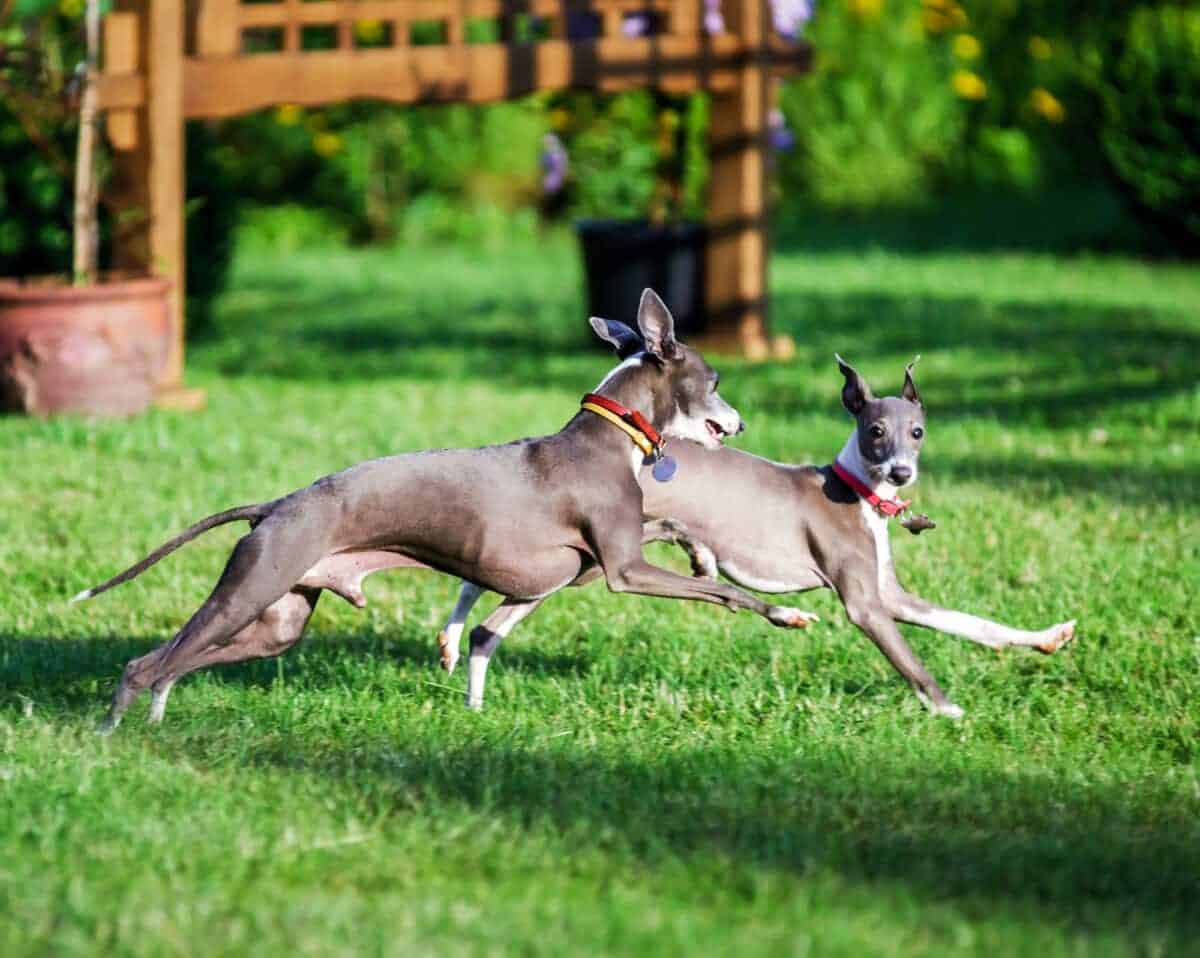
Italian Greyhounds represent another breed fundamentally incompatible with snowy conditions. These elegant sighthounds have extremely fine, single-layer coats with virtually no insulating properties. Their skin is notably thin—so translucent that veins are often visible—offering minimal protection against cold. Most problematic is their body composition: with exceptionally low body fat (often under 10%) and minimal muscle mass relative to their size, they lack the internal insulation that helps other breeds retain heat. Their long, slender limbs and exposed belly further increase heat loss in cold environments.
When confronted with snow, Italian Greyhounds typically display immediate distress signals: pronounced shivering, hunched posture, lifted paws, and rapid attempts to return indoors. Many owners report their Italian Greyhounds developing creative indoor elimination strategies during winter rather than venturing onto snow-covered ground. This isn’t stubbornness but a legitimate physiological response—their bodies simply cannot maintain safe temperatures in winter conditions without significant artificial protection. Even with specialized winter garments, most Italian Greyhounds can only tolerate brief, supervised snow exposure. Their extreme cold sensitivity makes them ideal companions for warm-climate dwellers but challenging pets in regions with significant snowfall.
Basenji The African Snow Protester

The Basenji’s snow aversion stems directly from its evolutionary history as one of Africa’s oldest breeds. Developed in the tropical regions of central Africa, Basenjis have a short, fine coat designed to release heat efficiently—precisely the opposite of what’s needed in snowy conditions. Their lean, lightweight build (typically 22-24 pounds) provides minimal insulation against cold. Most distinctively, Basenjis have very thin paw pads evolved for hot terrain, making cold snow contact particularly uncomfortable and potentially painful as ice crystals can cause micro-cuts on these sensitive surfaces.
When faced with snow, Basenjis typically exhibit what owners affectionately call “snow protests”—a combination of freezing in place, dramatic paw-lifting, and their famous “yodel” vocalization that clearly communicates displeasure. Many Basenjis display remarkable stubbornness about snow exposure, with some owners reporting their dogs refusing.
Conclusion:
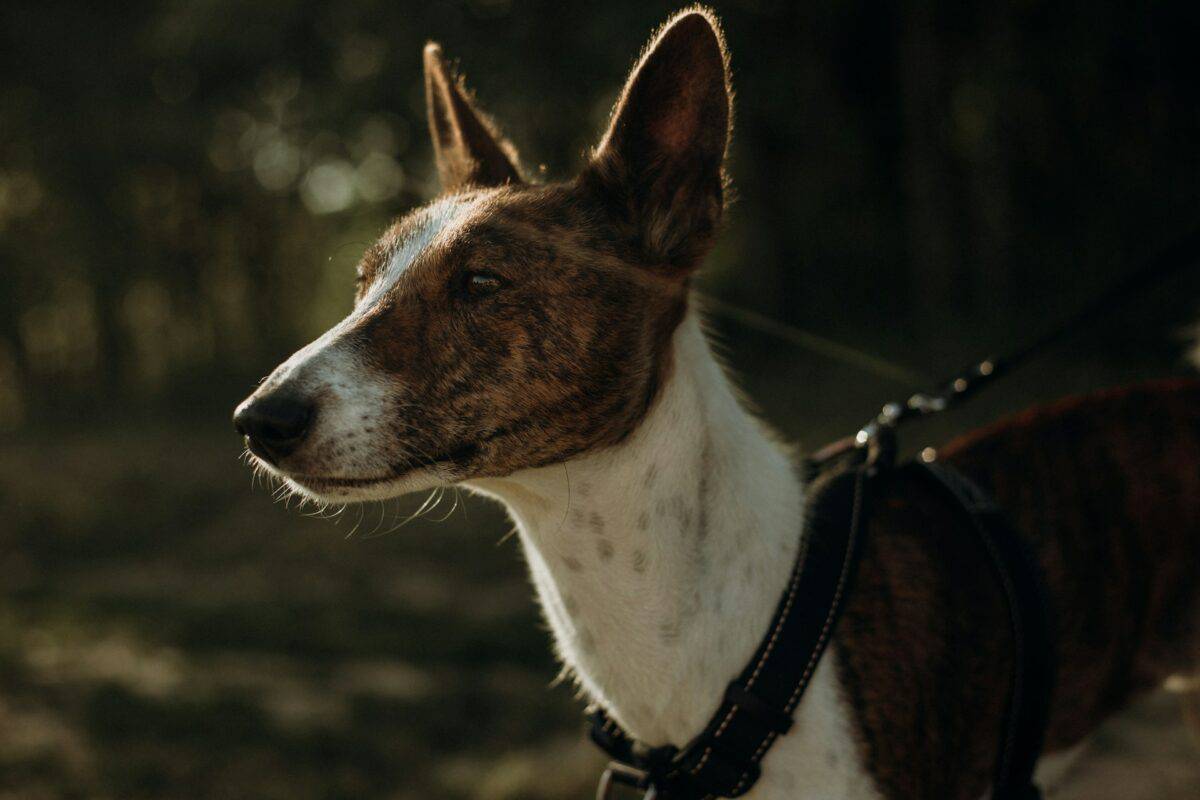
Whether it’s bounding through powdery drifts or burrowing nose-deep into the snow, some dogs are simply built for winter wonderlands. Breeds like the Siberian Husky, Alaskan Malamute, and Bernese Mountain Dog thrive in cold climates, thanks to their thick coats, strong builds, and playful energy. These snow-loving canines often relish the colder months as their favorite time of year, turning your backyard into a personal snowy playground.
On the flip side, not all dogs are fans of freezing temperatures. Breeds like the Chihuahua, Greyhound, and Chinese Crested may shiver at the very thought of stepping outside in the cold. These pups often prefer the warmth of a cozy blanket over a snowy stroll, and that’s perfectly okay. Whether your dog is a snow adventurer or a fireplace snuggler, understanding their preferences and needs helps ensure they stay comfortable and safe all winter long.
Worried about unexpected vet bills?
Pet insurance can cover thousands in unexpected vet costs. Get a free quote from Lemonade in under 2 minutes.
Get My Free Quote →Sponsored · Opens Lemonade.com

As a little kid, I fell in love with nature, wildlife, and animals. Living in the USA, South Africa, Italy, China and Germany gave me the opportunity to discover the world's Wildlife. My favorite animals are Mountain Gorillas, Siberian Tigers, and Great White Sharks.
I'm a certified PADI Open Water Diver, went to Everest Base Camp and Trekked Gorillas in Uganda. I hold a Master of Science in Economics and Finance.
Please send any feedback to feedback@animalsaroundtheglobe.com
- 12 Differences Between Old World and New World Monkeys - June 10, 2026
- 6 Creatures That Can Survive Being Frozen Solid - June 10, 2026
- Why Botswana Okavango Delta Is the Best Place to See Elephants - June 10, 2026