

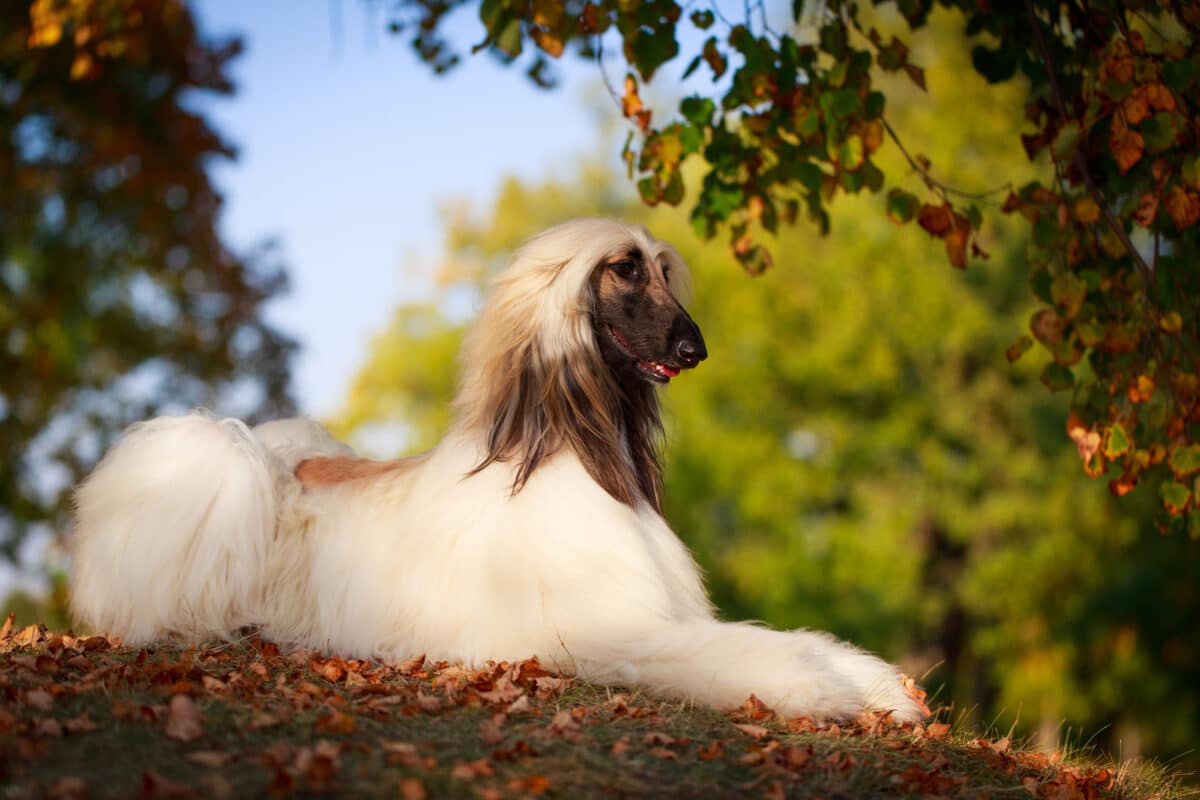
Dog disobedience isn’t simply a matter of stubbornness or a desire to frustrate owners. In reality, what humans perceive as disobedience often stems from a complex interplay of breed characteristics, training approaches, and the natural instincts of these animals. Certain breeds have been selectively bred for independence, problem-solving, and self-directed work—traits that can manifest as what appears to be willfulness or defiance in a domestic setting.
It’s important to note that no dog is inherently “bad” or deliberately difficult. However, some breeds present unique training challenges due to their intelligence, independence, energy levels, or historical working purposes. Understanding these breed-specific tendencies can help owners develop more effective training strategies and set realistic expectations. The following breeds are renowned among trainers and behaviorists for testing their owners’ patience, not because they’re incapable of learning, but because they often require specialized approaches to training and consistent reinforcement.
Siberian Huskies The Independent Snow Dogs
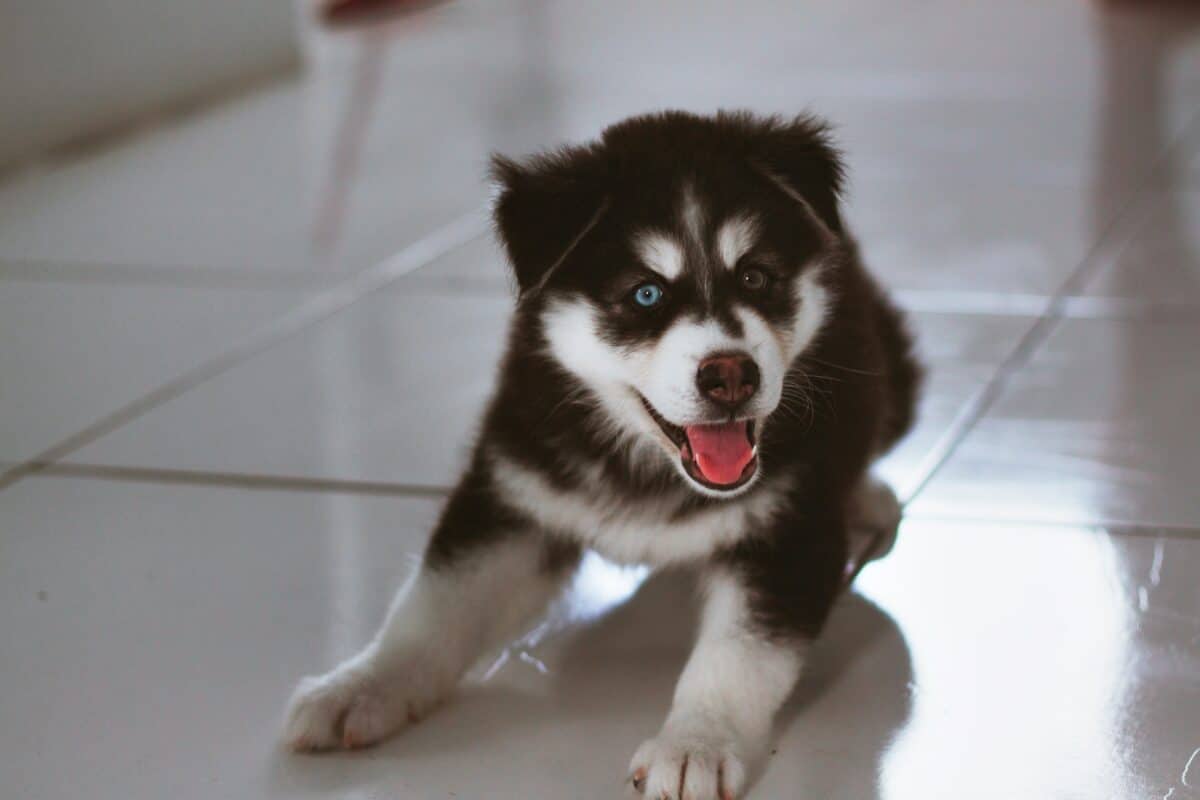
Siberian Huskies consistently rank among the most challenging breeds when it comes to obedience. Bred to run long distances and make independent decisions while pulling sleds in harsh Arctic conditions, these dogs possess a deeply ingrained independent streak. Huskies were historically expected to think for themselves when conditions changed on the trail, sometimes even overriding their musher’s commands if they sensed danger ahead—a trait that persists in modern companion Huskies.
This independence, combined with their high energy levels and remarkable intelligence, creates a perfect storm for training challenges. Huskies are notorious for selective listening, pretending not to hear commands that don’t interest them, and developing creative escaping techniques. They require consistent, positive reinforcement training and abundant physical and mental stimulation. Owners often report that their Huskies understand commands perfectly well but seem to weigh whether compliance is worth their effort—a frustrating but characteristic aspect of this breathtakingly beautiful breed.
Beagles Following Their Nose Above All Else

Beagles may look like adorable, floppy-eared companions, but these scent hounds present unique training challenges that can test even experienced dog owners. Bred for centuries to track prey by scent, Beagles possess one of the most powerful noses in the canine world, with approximately 220 million scent receptors (compared to a human’s mere 5 million). This extraordinary olfactory capability means that once a Beagle catches an interesting scent, practically everything else—including their owner’s commands—fades into insignificance.
This “nose-brain disconnect” makes recall training particularly challenging with Beagles. During walks, they can become so engrossed in following scent trails that they appear completely deaf to calls and whistles. Their hunting heritage also gives them a strong prey drive and a tendency to howl or bay when excited—behaviors that can be difficult to manage in suburban settings. Despite these challenges, Beagles are affectionate, good-natured dogs who respond well to food-based positive reinforcement training, though owners should always be prepared for moments when their Beagle’s nose leads them into temporary “disobedience.”
Afghan Hounds The Aristocratic Challengers
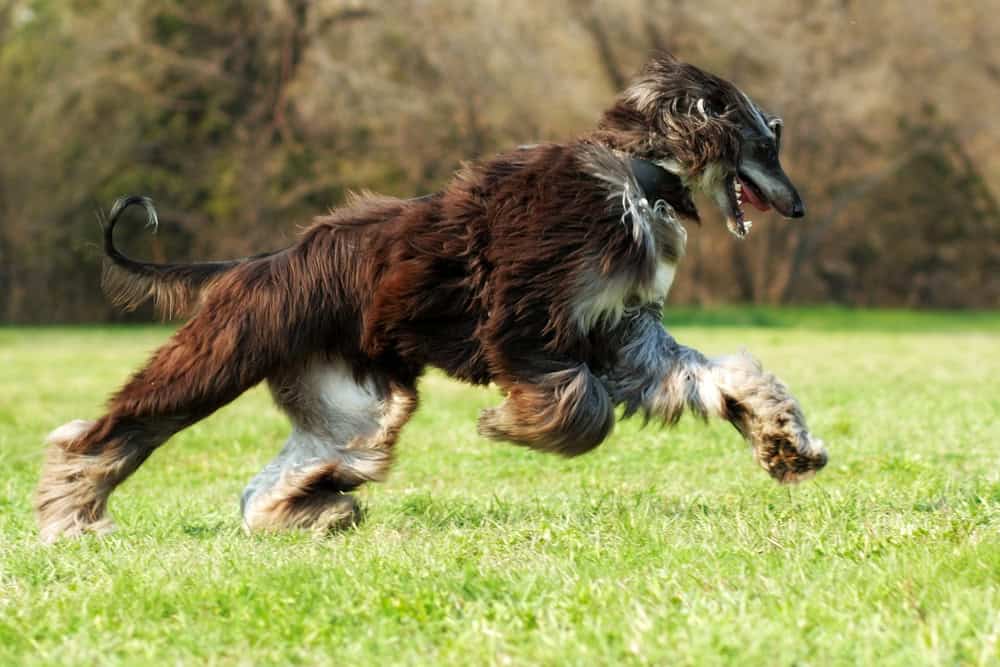
With their flowing coats and regal bearing, Afghan Hounds embody canine elegance. However, their stunning appearance belies a stubborn, independent nature that has frustrated many owners. Originally bred as sight hounds to hunt gazelle and leopards across mountainous terrain in Afghanistan, these dogs were expected to spot, chase, and capture prey with minimal human direction. This heritage has produced a dog that thinks independently and often sees little reason to comply with commands that don’t align with their interests.
Afghan Hounds possess a notorious aloofness that some misinterpret as unintelligence, but this couldn’t be further from the truth. They’re actually quite intelligent—they simply prioritize their own agenda over their owner’s wishes. Training requires extraordinary patience, consistency, and positive reinforcement, ideally starting in puppyhood. Their sensitivity means harsh training methods will backfire dramatically, causing them to shut down entirely. Successful Afghan Hound owners learn to work with this independent nature rather than fighting against it, making training sessions engaging and worthwhile from the dog’s perspective.
Jack Russell Terriers Small Dogs with Big Attitudes

Don’t let their diminutive size fool you—Jack Russell Terriers pack more energy, determination, and stubborn willfulness into their small frames than many dogs triple their size. Developed in England as working fox hunting dogs, these terriers were bred to think independently, problem-solve, and persist relentlessly when pursuing prey underground. These qualities translate into a companion dog that can be extraordinarily challenging to train, especially for novice owners who may be unprepared for such intensity in a small package.
Jack Russells possess seemingly inexhaustible energy reserves and require substantial daily physical and mental stimulation. Without adequate outlets, they’ll create their own entertainment—usually in ways owners don’t appreciate, such as excessive barking, digging, or destructive chewing. Their high prey drive means they can rarely be trusted off-leash in unsecured areas, as they’ll pursue squirrels, cats, or other small animals with complete disregard for commands. However, their intelligence and work ethic can be channeled positively through activities like agility, earthdog trials, or trick training, which provide the mental challenges these bright dogs crave while strengthening the training relationship.
Shiba Inus: The “Cat-Like” Canines
Often described as “cat-like” in temperament, Shiba Inus are ancient Japanese hunting dogs known for their independence, cleanliness, and strong-willed nature. These traits, while admirable in many contexts, combine to create a dog that frequently challenges conventional obedience training approaches. Shibas are infamous for their selective listening, appearing to carefully consider whether a command is worthy of their compliance. This isn’t a matter of intelligence deficiency—in fact, Shibas are remarkably clever—but rather a manifestation of their self-directed nature.
Another hallmark of the breed is the “Shiba scream,” a high-pitched vocalization they emit when displeased, which can be triggered by something as simple as nail trimming or bathing. Their strong prey drive and escape artist tendencies mean they require secure fencing and vigilant supervision. Despite these challenges, Shibas form deep bonds with their families and can become well-behaved companions when trained with consistency, positive reinforcement, and respect for their dignified nature. Successful Shiba owners learn to work with their dog’s independent streak rather than trying to eliminate it, making training feel like a partnership rather than a battle of wills.
Chow Chows The Stubborn Teddy Bears
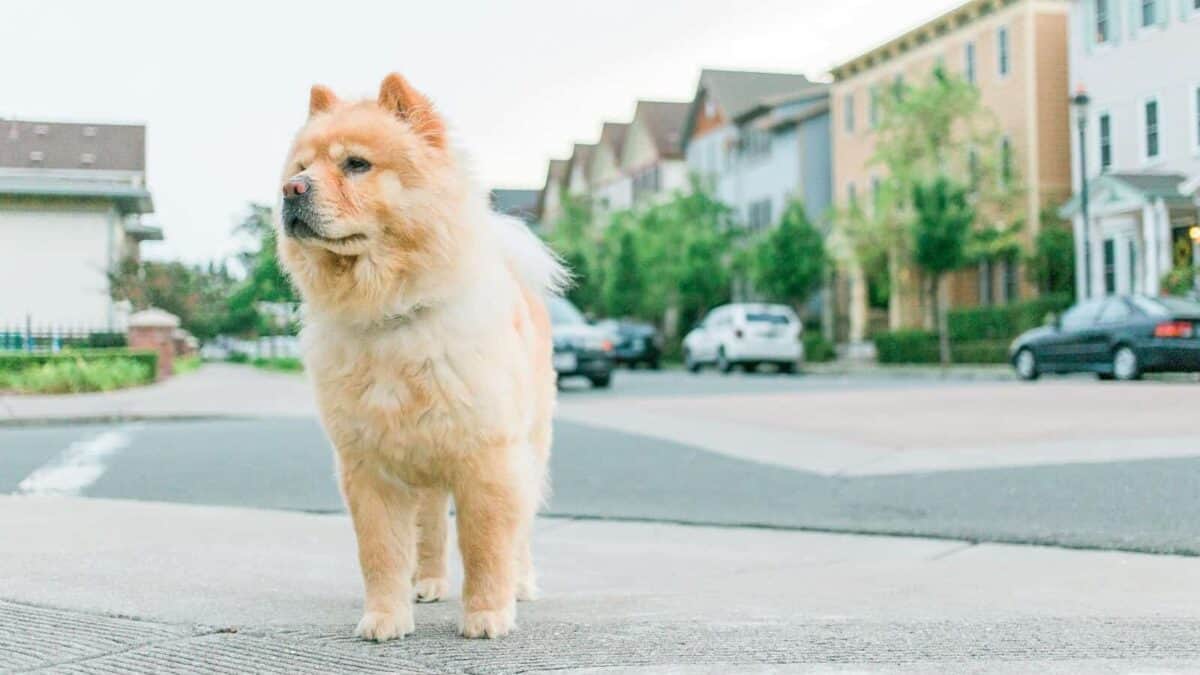
With their distinctive lion-like appearance and blue-black tongues, Chow Chows are immediately recognizable—and experienced dog trainers immediately recognize the challenges they present. Originally developed in ancient China as all-purpose working dogs for hunting, herding, pulling, and protection, Chow Chows were bred to make independent decisions. This history has produced a modern companion dog with a strong sense of autonomy and a decided lack of interest in pleasing humans for the sake of approval alone.
Chow Chows approach training with a “what’s in it for me?” attitude, carefully evaluating commands before deciding whether to comply. Their natural aloofness and reservation with strangers can be misinterpreted as stubbornness or aggression. Early socialization is crucial with this breed, as is consistent, patient training that respects their dignity—Chows respond particularly poorly to harsh corrections or force-based methods. Their territorial nature and natural suspicion of strangers mean they require careful management in social situations. Despite these challenges, devoted Chow owners appreciate their loyalty, cleanliness, and cat-like independence, accepting that their teddy bear-like appearance comes with a decidedly unbearable streak of stubbornness.
Dachshunds Stubborn Hunters in Small Packages

The beloved Dachshund, with its distinctive elongated body and short legs, was bred for a very specific purpose: to fearlessly pursue badgers and other burrowing animals into their underground dens. This required not only physical adaptations but also a tenacious, independent personality that persists in today’s companion Dachshunds. Their hunting heritage has produced a dog that can be remarkably stubborn when faced with commands that don’t align with their current interests or instincts.
Dachshunds are intelligent problem-solvers but can be notoriously difficult to housebreak, often requiring months longer than other breeds to reliably eliminate outdoors. Their hunting instincts make them prone to digging, barking at perceived threats, and pursuing small animals with single-minded determination. Dachshunds also tend to be territorial and can develop resource guarding behaviors if not properly trained. Despite these challenges, they form deeply devoted bonds with their owners and respond well to consistent, positive training methods that emphasize rewards rather than punishment. Successful Dachshund owners learn to respect their dog’s tenacious nature while establishing clear boundaries and expectations.
Basenji The “Barkless” Rebels

Known as “the barkless dog” due to their unique yodel-like vocalization instead of traditional barking, Basenjis present a fascinating set of training challenges. Originally from Central Africa, these ancient hunting dogs were developed to work independently, tracking and driving game into hunters’ nets with minimal human direction. This history has produced a modern companion dog with an independent mind and a notable lack of interest in traditional obedience. Basenjis consistently rank among the most difficult breeds to train, not due to intelligence deficits, but because of their self-directed nature.
While they don’t bark, Basenjis have plenty of other ways to express themselves, including their distinctive “barroo” yodel, whines, and growls. They’re notorious escape artists with impressive climbing and jumping abilities, requiring secure fencing at least six feet tall. Their strong prey drive means they can rarely be trusted off-leash in unsecured areas. Basenjis are fastidiously clean (often compared to cats in their grooming habits) but can be destructive when bored. Successful Basenji owners approach training as a negotiation rather than expecting blind obedience, finding ways to make compliance rewarding for these independent-minded dogs while providing ample mental and physical stimulation to prevent mischief.
Akitas Powerful and Strong-Willed Guardians
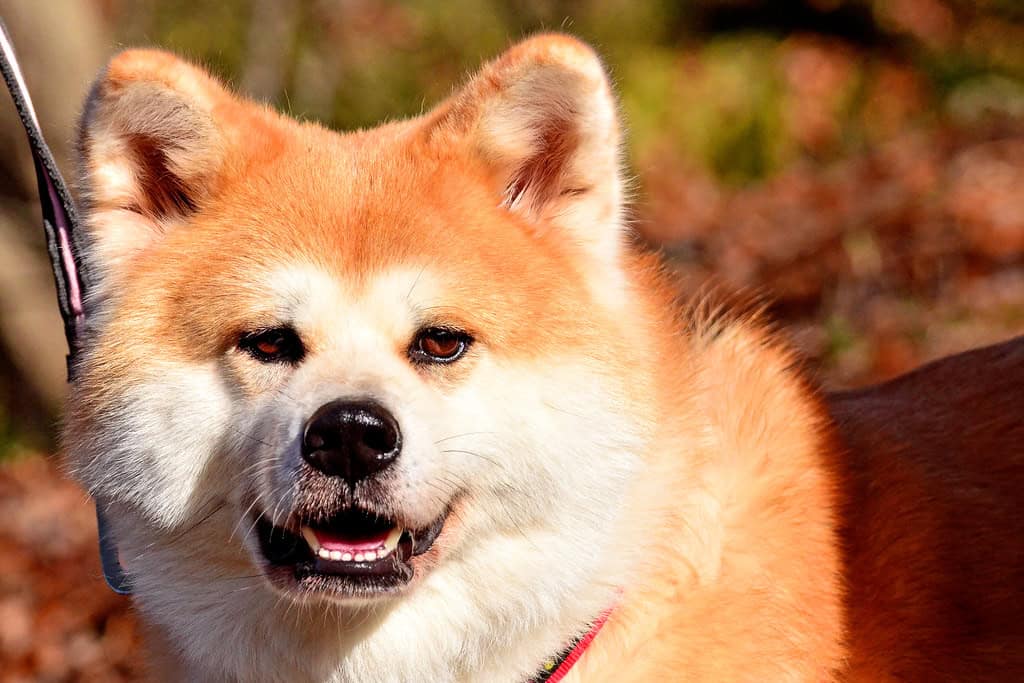
Akitas, with their imposing presence and dignified bearing, were originally bred in Japan for hunting large game and as guardian dogs. This heritage has produced a modern companion dog with impressive physical power matched by equally powerful self-determination. Akitas are known for their unwavering loyalty to their families but also for their strong-willed nature that can manifest as stubborn disobedience, particularly with inexperienced handlers. Their natural guarding instincts mean they make independent decisions about potential threats—sometimes overriding their owner’s commands.
Early and comprehensive socialization is absolutely critical with this breed, as is consistent training that respects their intelligence while firmly establishing boundaries. Akitas respond poorly to harsh training methods, which can damage the trust relationship and potentially lead to defensive aggression. Their natural reserve with strangers and strong territorial instincts require careful management in social situations. Despite these challenges, dedicated Akita owners value their extraordinary loyalty and protective nature. Successful ownership requires understanding that these dogs don’t simply obey commands—they evaluate them first, making them partners rather than subordinates in the human-canine relationship.
Border Collies Too Smart for Their Own Good

Unlike most dogs on this list who challenge their owners through stubborn independence, Border Collies present a different kind of training challenge: they’re often too intelligent, energetic, and work-oriented for the average household. Bred for generations to work as sheep herding dogs, Border Collies possess extraordinary problem-solving abilities, intense focus, and a driving need for mental and physical activity. Without proper outlets, this intelligence and energy can manifest as problematic behaviors that appear disobedient but are actually signs of understimulation.
Border Collies require substantial daily exercise—far more than a simple walk around the block—and constant mental challenges to prevent boredom. Without appropriate outlets, they may develop neurotic behaviors like shadow or light chasing, excessive barking, destructive chewing, or even begin “herding” children, other pets, or moving objects like cars. They’re highly sensitive to their environment and can become reactive without proper socialization. While technically highly trainable, Border Collies can be overwhelming for unprepared owners who cannot meet their intensive needs. Successful Border Collie owners provide structured outlets for their dogs’ working instincts through activities like herding, agility, flyball, or advanced obedience training.
Strategies for Training Challenging Breeds

Successfully training a naturally independent or strong-willed dog requires adapting your approach to work with, rather than against, their inherent traits. Positive reinforcement training methods are particularly effective with challenging breeds, as they build a cooperative relationship rather than creating an adversarial dynamic. Identify what genuinely motivates your dog—whether it’s food, play, or access to certain activities—and use these rewards strategically. Consistency is crucial; all family members should use the same commands and enforce the same rules to prevent confusion and selective obedience.
For breeds with high energy levels, ensure they receive adequate physical exercise before training sessions, as a tired dog is generally more focused and cooperative. Mental stimulation through puzzle toys, scent work, or training games is equally important, particularly for intelligent breeds prone to boredom. Consider working with a professional trainer experienced with your specific breed, especially during the critical puppy developmental periods. Remember that training is an ongoing process, not a one-time event, and even the most challenging breeds can become well-behaved companions with patience, understanding, and appropriate training approaches tailored to their unique characteristics.
Conclusion: Patience, Understanding, and Realistic Expectations

Living with a naturally independent or strong-willed dog breed presents unique challenges, but can also offer profound rewards for those willing to adapt their expectations and training approaches. Understanding that what appears as “disobedience” is often a manifestation of traits these dogs were specifically bred to possess—independence, problem-solving ability, and self-direction—can help owners develop more effective and compassionate training strategies. Rather than fighting against these natural tendencies, successful owners learn to channel them constructively.
It’s important to remember that even the most challenging breeds can become wonderful companions when matched with owners who appreciate their distinctive qualities and are committed to providing appropriate training, socialization, and stimulation. The breeds discussed in this article aren’t “bad dogs”—they simply require more specialized handling and realistic expectations. For the right owners, the journey of working with these strong-willed breeds becomes a rewarding partnership rather than a frustrating power struggle.
Before bringing home any dog, but especially those known for training challenges, potential owners should thoroughly research breed characteristics and honestly assess whether their lifestyle, experience level, and patience align with the dog’s needs. With proper understanding, consistent training approaches, and boundless patience, even the most independent-minded dogs can become beloved, well-behaved family members who enrich their owners’ lives in countless ways.

As a little kid, I fell in love with nature, wildlife, and animals. Living in the USA, South Africa, Italy, China and Germany gave me the opportunity to discover the world's Wildlife. My favorite animals are Mountain Gorillas, Siberian Tigers, and Great White Sharks.
I'm a certified PADI Open Water Diver, went to Everest Base Camp and Trekked Gorillas in Uganda. I hold a Master of Science in Economics and Finance.
Please send any feedback to feedback@animalsaroundtheglobe.com
- Why the Great Barrier Reef Is the Best Place to Spot Sea Turtles - June 3, 2026
- 2 Animals With Super Sized Body Parts and What They are For - June 3, 2026
- Explore The Azores - June 3, 2026