

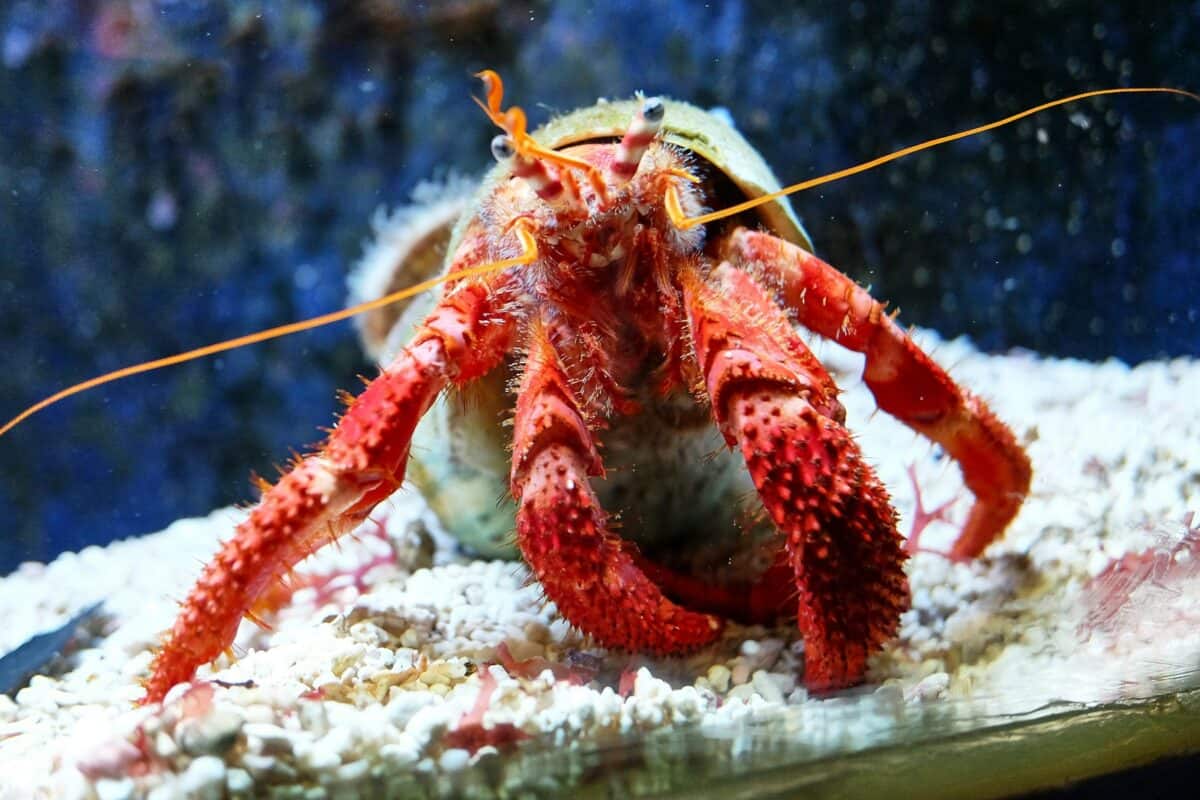
The sight of thousands of crabs marching across U.S. coastal towns may seem like a scene straight out of a sci-fi movie, but it is, in fact, a reality for many seaside communities. This fascinating phenomenon raises questions about the natural world and our environmental impact. In this article, we delve into the reasons behind the crabs’ migration and explore the underlying factors driving these remarkable journeys.
Understanding the Crab Migration Phenomenon
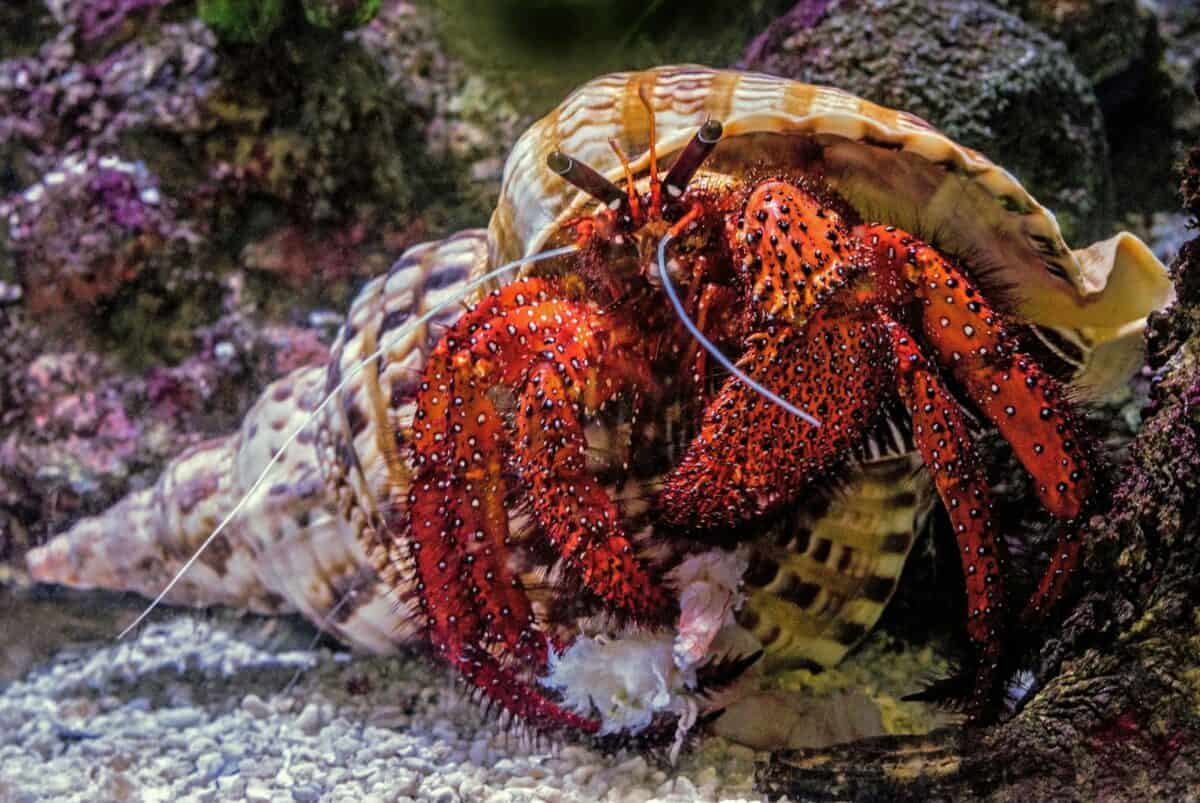
Crabs have long been recognized for their migratory behaviors, often traveling en masse during certain seasons. These migrations are primarily driven by reproductive needs, where crabs move to find optimal conditions for breeding and ensuring the survival of their offspring.
The Types of Crabs Involved

Several crab species participate in these mass migrations. The most commonly observed are the blue crabs, red crabs, and occasionally hermit crabs. Each species has distinct migration patterns but with a shared goal: reaching favorable habitats for reproduction and feeding.
The Role of Environmental Triggers
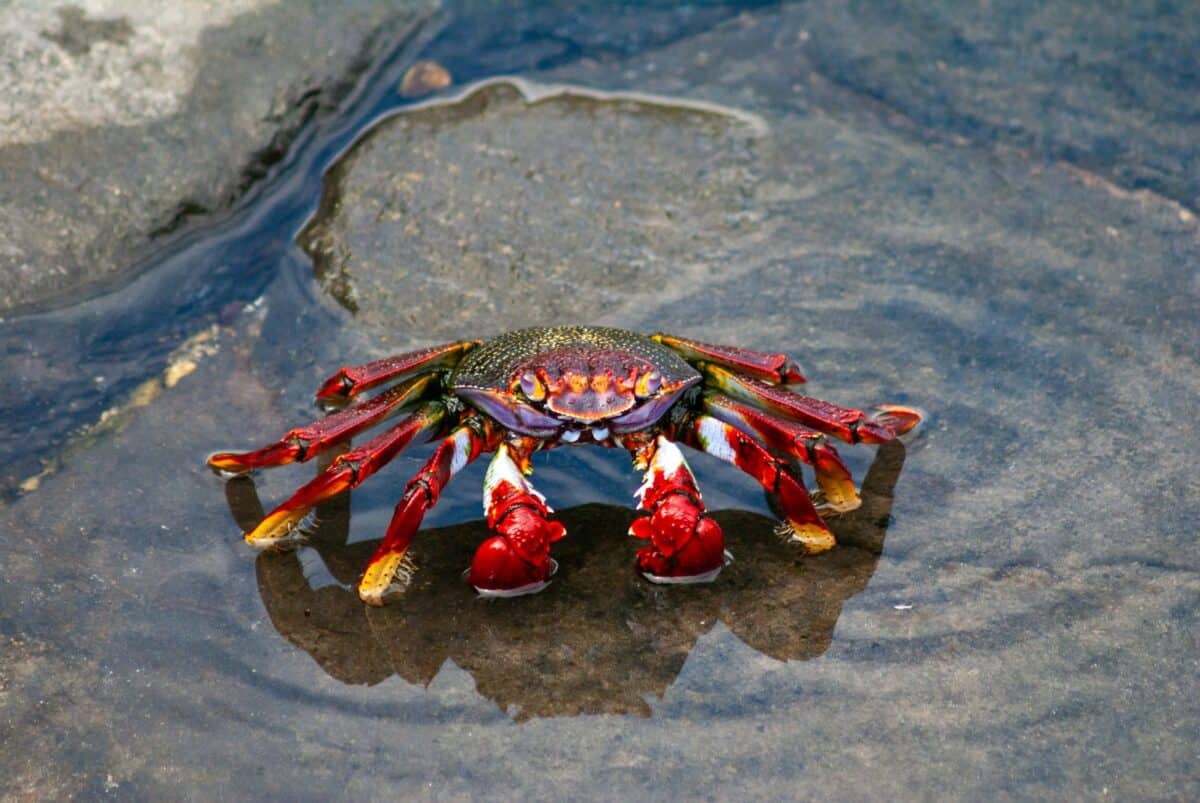
Migratory patterns of crabs are often influenced by environmental triggers such as changes in temperature, tides, and moon phases. These conditions signal the crabs to begin their journey, ensuring they arrive at their destination when resources are abundant and conditions are optimal for mating.
Climate Change and Its Impact
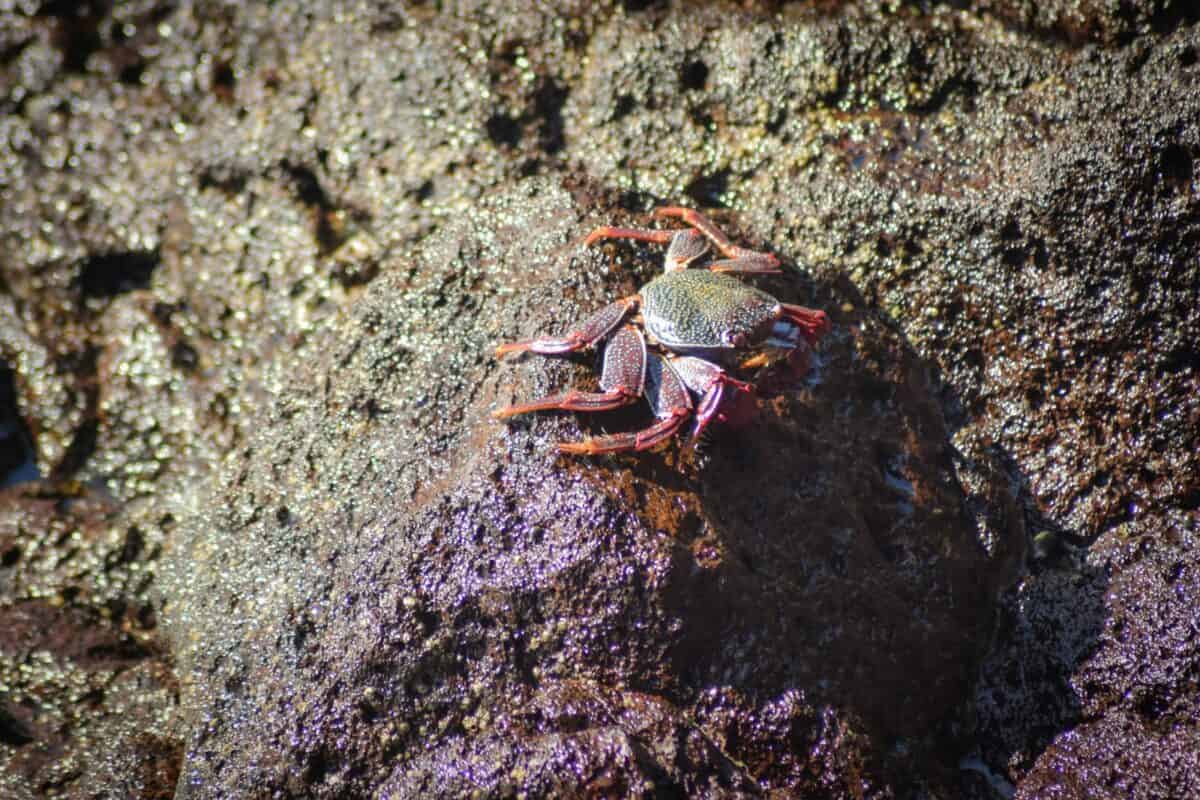
Climate change plays a significant role in altering crabs’ migratory patterns. Rising sea temperatures and altered ocean currents affect their traditional routes, sometimes forcing crabs to appear in unexpected locations such as coastal towns, rather than remote beaches or estuaries.
Human Impacts on Crab Migrations
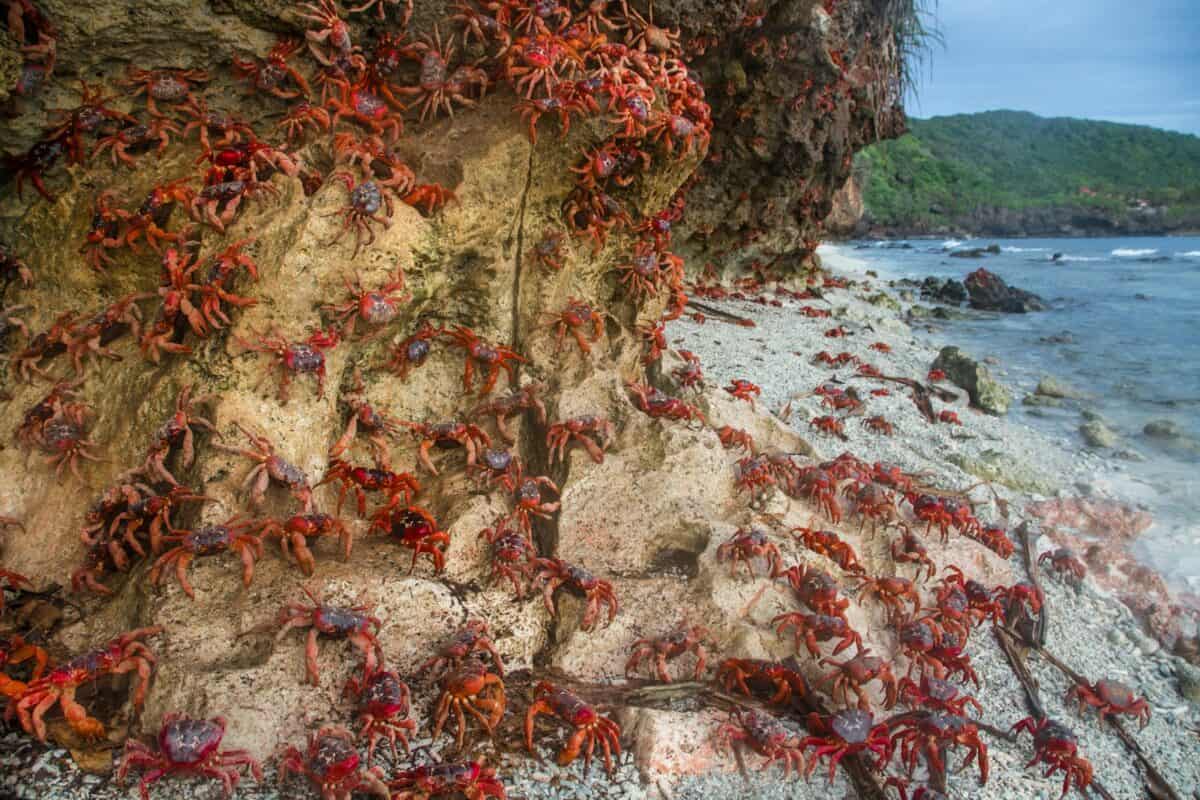
Human activity, including coastal development and pollution, has disrupted natural crab habitats. These disruptions sometimes lead to crabs migrating through towns in search of safer, less disturbed areas for breeding. Additionally, lights from towns can disorient crabs, causing them to stray from their usual paths.
The Role of Coastal Towns in Crab Conservation

Coastal towns have a unique opportunity to aid in the conservation of migrating crabs. Initiatives like creating designated safe passages and reducing light pollution can greatly improve the chances of successful crab migrations, benefiting both the crabs and the local ecosystems.
Economic Implications for Coastal Communities

While crab migrations can present challenges, they also offer economic opportunities for coastal towns. These migrations can attract tourists eager to witness the phenomenon, offering potential boosts to local economies through eco-tourism.
Crab Migrations as a Biodiversity Indicator
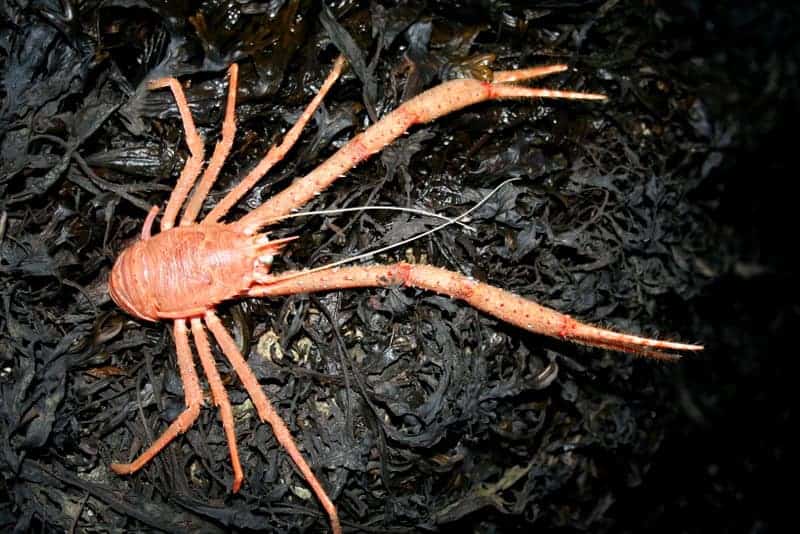
The health and success of crab migrations can serve as indicators of broader ecological health. Changes in crab populations and migration success can help scientists assess the state of marine ecosystems and the impact of environmental changes.
The Role of Research and Monitoring

Continuous research and monitoring of crab migrations are crucial in understanding and predicting their behaviors. Scientists use tools like satellite tracking and data collection to study routes, timings, and population sizes, contributing to conservation strategies.
Community Involvement in Crab Migration Events
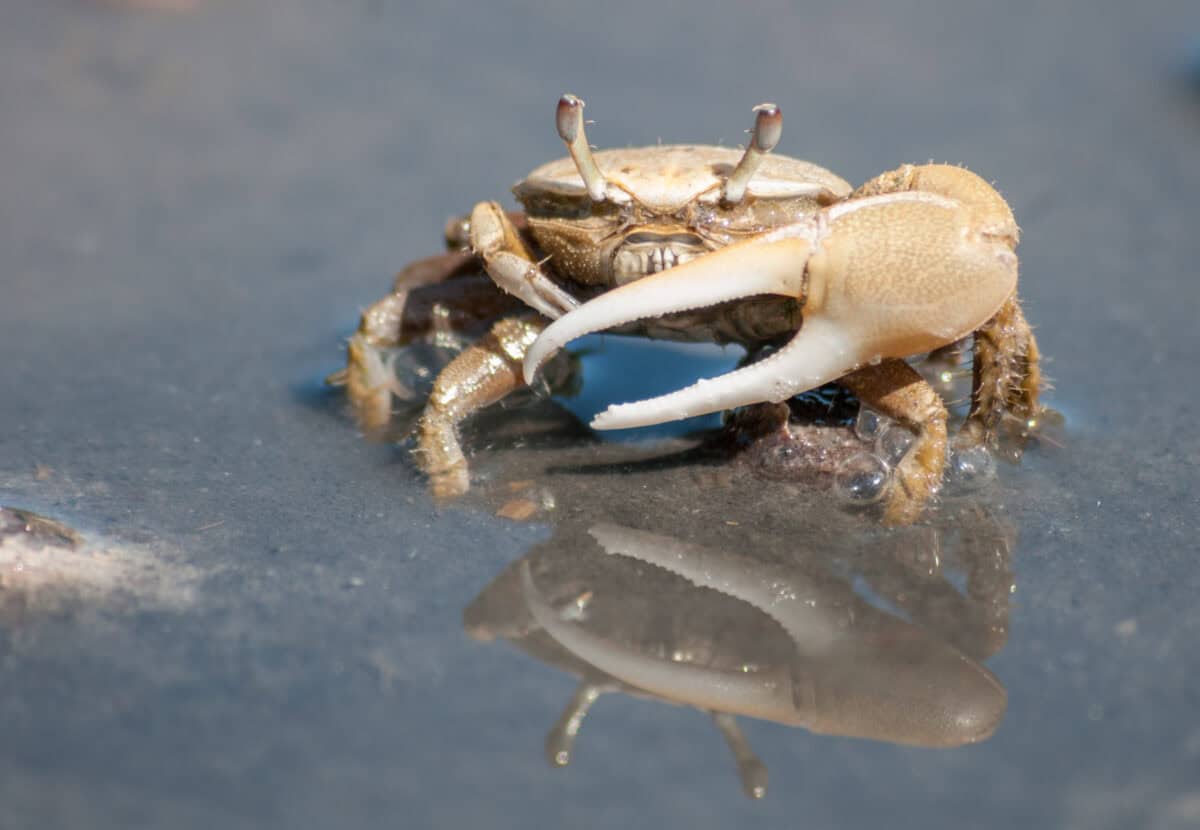
Community involvement plays a pivotal role in protecting migrating crabs. Beach clean-up initiatives and educational programs can foster a sense of stewardship among residents, encouraging them to support and protect these natural events.
Educational Opportunities Through Crab Migrations
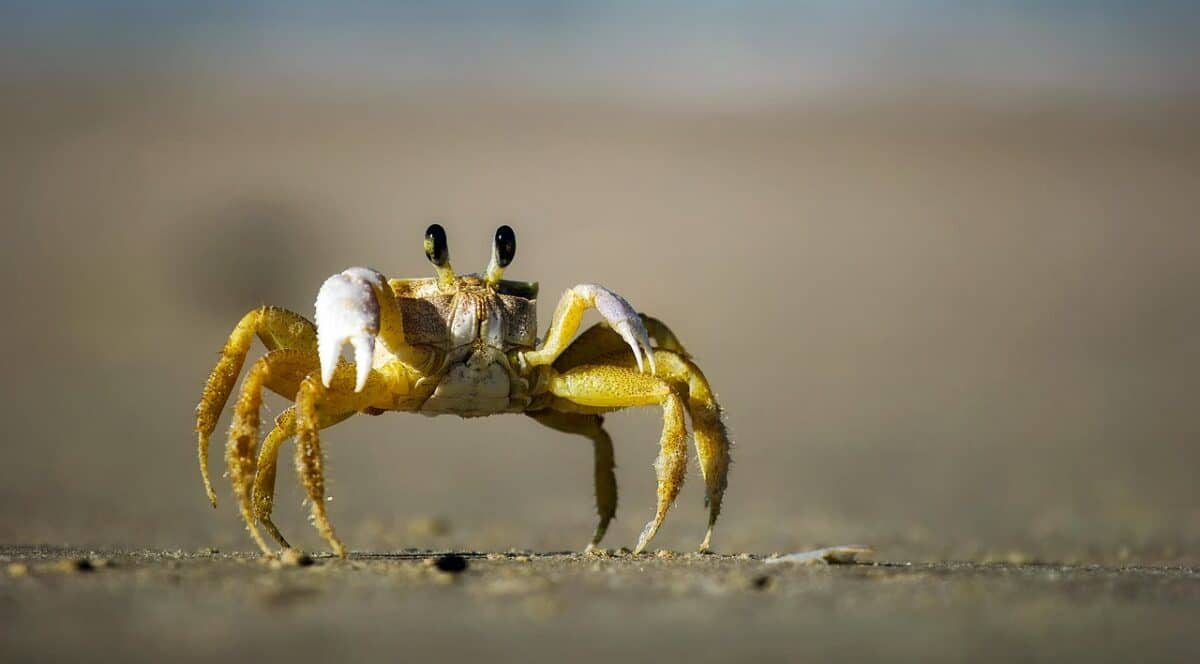
Crab migrations offer unique educational opportunities for schools and community groups. By learning about these migrations, participants can develop a better understanding of environmental science, marine biology, and the impact of human activity on wildlife.
Navigating the Challenges of Urban Crab Migrations

When crabs invade urban areas, it poses logistical challenges, from ensuring road safety to preventing crab fatalities. Developing strategies such as temporary road closures and public awareness campaigns can help mitigate these challenges effectively.
Conclusion: Embracing and Protecting a Natural Marvel

The annual march of crabs across U.S. coastal towns challenges us to reconsider our relationship with the natural world. It serves as a reminder of the delicate balance within ecosystems and the importance of conservation. By understanding, protecting, and embracing these migrations, we can ensure that future generations continue to witness and learn from this extraordinary natural event.

As a little kid, I fell in love with nature, wildlife, and animals. Living in the USA, South Africa, Italy, China and Germany gave me the opportunity to discover the world's Wildlife. My favorite animals are Mountain Gorillas, Siberian Tigers, and Great White Sharks.
I'm a certified PADI Open Water Diver, went to Everest Base Camp and Trekked Gorillas in Uganda. I hold a Master of Science in Economics and Finance.
Please send any feedback to feedback@animalsaroundtheglobe.com
- Why Crabs Are Marching Across U.S. Coastal Towns - July 18, 2026
- The 10 Most Threatened Birds We Could Lose This Decade - July 18, 2026
- 13 Creatures With Built In Armor - July 18, 2026
Leave a comment
You must be logged in to post a comment.