


Snakes have adapted to thrive in an impressive variety of environments across the globe, from scorching deserts to lush rainforests. These remarkable reptiles have evolved specific adaptations that allow them to flourish in their chosen habitats, whether that means developing heat-sensing pits for hunting in darkness or specialized scales for retaining moisture in arid conditions. With over 3,000 species worldwide, snakes collectively occupy nearly every type of terrain on Earth except for the most extreme polar regions.
Understanding the preferred environments of snakes is crucial not only for herpetologists and conservationists but also for pet owners seeking to provide optimal conditions for their serpentine companions. The right environment can significantly impact a snake’s health, behavior, and overall well-being. Conversely, environments that promote excessive dryness can lead to serious health complications, including dehydration, difficult shedding, and respiratory infections. This article explores the diverse habitats where snakes naturally thrive and identifies environments that can potentially harm these fascinating reptiles.
Tropical Rainforests A Snake Paradise

Tropical rainforests represent one of the most snake-rich environments on Earth, hosting incredible biodiversity including arboreal species like emerald tree boas and terrestrial hunters like the infamous anaconda. These lush ecosystems provide the perfect combination of high humidity (typically 70-90%), stable temperatures (usually between 75-85°F year-round), and abundant prey, creating ideal conditions for numerous snake species. The multi-layered canopy offers countless microhabitats, from forest floor to treetops, allowing different snake species to specialize in various ecological niches.
For snakes that call the rainforest home, the consistent moisture is particularly beneficial for healthy skin shedding, while the dense vegetation provides ample hunting opportunities and protection from predators. Species like the green tree python and various pit vipers have evolved specialized adaptations for this environment, including prehensile tails for gripping branches and vivid green coloration for camouflage among the foliage. Pet owners attempting to replicate rainforest conditions for tropical species should focus on maintaining high humidity, providing climbing opportunities, and ensuring proper heat gradients.
Desert Ecosystems Surprising Snake Havens

Despite their seemingly harsh conditions, desert ecosystems support a remarkable diversity of snake species that have evolved specialized adaptations for arid living. Species like sidewinders, sand boas, and various rattlesnakes have developed techniques to navigate loose sand, conserve water, and regulate body temperature in extreme conditions. Many desert snakes are nocturnal, hunting during cooler evening hours and retreating to underground burrows during the scorching daytime heat, where temperatures can exceed 100°F at the surface but remain more moderate below ground.
Desert-dwelling snakes often possess physical adaptations such as specialized scales that reduce water loss, more efficient kidneys that concentrate urine to conserve moisture, and behavioral adaptations like “sidewinding” locomotion that minimizes contact with hot sand. Contrary to popular belief, desert environments are not uniformly dry; they typically include microhabitats with higher moisture levels, such as areas near seasonal water sources or beneath rocks, which snakes utilize strategically. For keepers of desert species, providing a thermal gradient, opportunities for burrowing, and occasional humidity retreats (rather than constant dryness) best mimics these snakes’ natural habitat.
Grasslands and Savannas Open-Field Hunters

Grasslands and savannas provide ideal hunting grounds for many snake species, offering a perfect balance of open terrain and scattered cover. These environments, characterized by their expansive grassy plains interspersed with occasional trees or shrubs, support species like king cobras, black mambas, and various rat snakes. The abundant rodent populations in these ecosystems provide a reliable food source, while the mix of vegetation offers both hunting opportunities and shelter from predators and extreme weather conditions.
Snakes in grassland habitats typically experience moderate seasonal variations in temperature and precipitation, requiring adaptability to changing conditions. Many have developed excellent camouflage that matches the golden or brownish hues of dry grass, allowing them to remain hidden while ambushing prey or avoiding predators. The soil composition in these regions, often featuring numerous animal burrows and natural crevices, provides essential retreats during extreme weather and serves as hibernation sites during colder months. For captive snakes native to grassland environments, enclosures that offer a combination of open space and strategic hiding spots best recreate their natural habitat.
Rocky Outcrops and Mountainous Regions
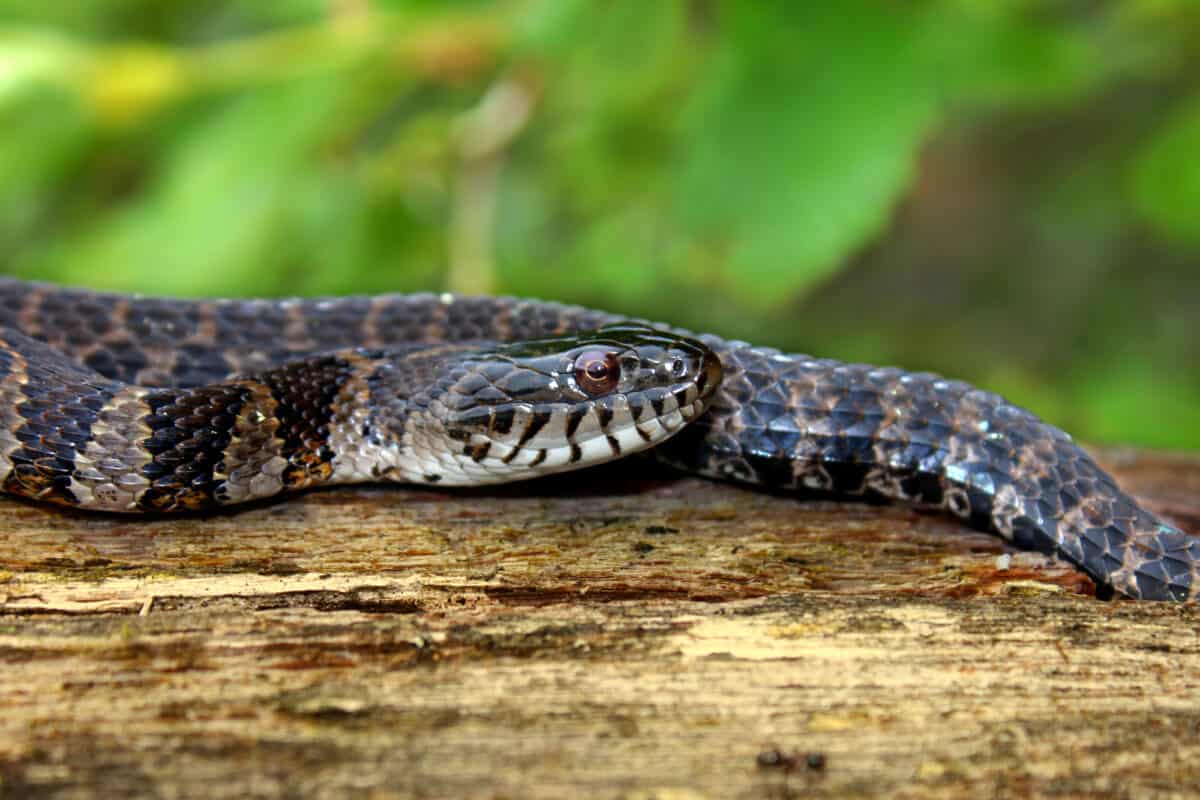
Rocky outcrops and mountainous regions provide excellent habitats for numerous snake species that have adapted to these rugged terrains. These environments offer abundant crevices, caves, and sunning spots that snakes utilize for thermoregulation, shelter, and hunting. Species like timber rattlesnakes, rock pythons, and various rat snakes thrive in these areas, using the varied topography to their advantage. The rocks absorb heat during the day and release it slowly at night, creating thermal refuges that help snakes maintain optimal body temperatures despite fluctuating ambient conditions.
The vertical nature of rocky habitats creates diverse microhabitats within a relatively small area, with different exposures to sun, wind, and moisture. This variation allows snakes to move between areas to find their preferred conditions throughout the day or season. In captivity, snake species adapted to rocky environments benefit greatly from the inclusion of stacked stones, manufactured rock hides, or similar structures that mimic the thermal properties and shelter opportunities of their natural habitat. These features not only provide essential behavioral outlets but also contribute to proper thermoregulation and a sense of security.
Wetlands and Marshes Aquatic Snake Sanctuaries
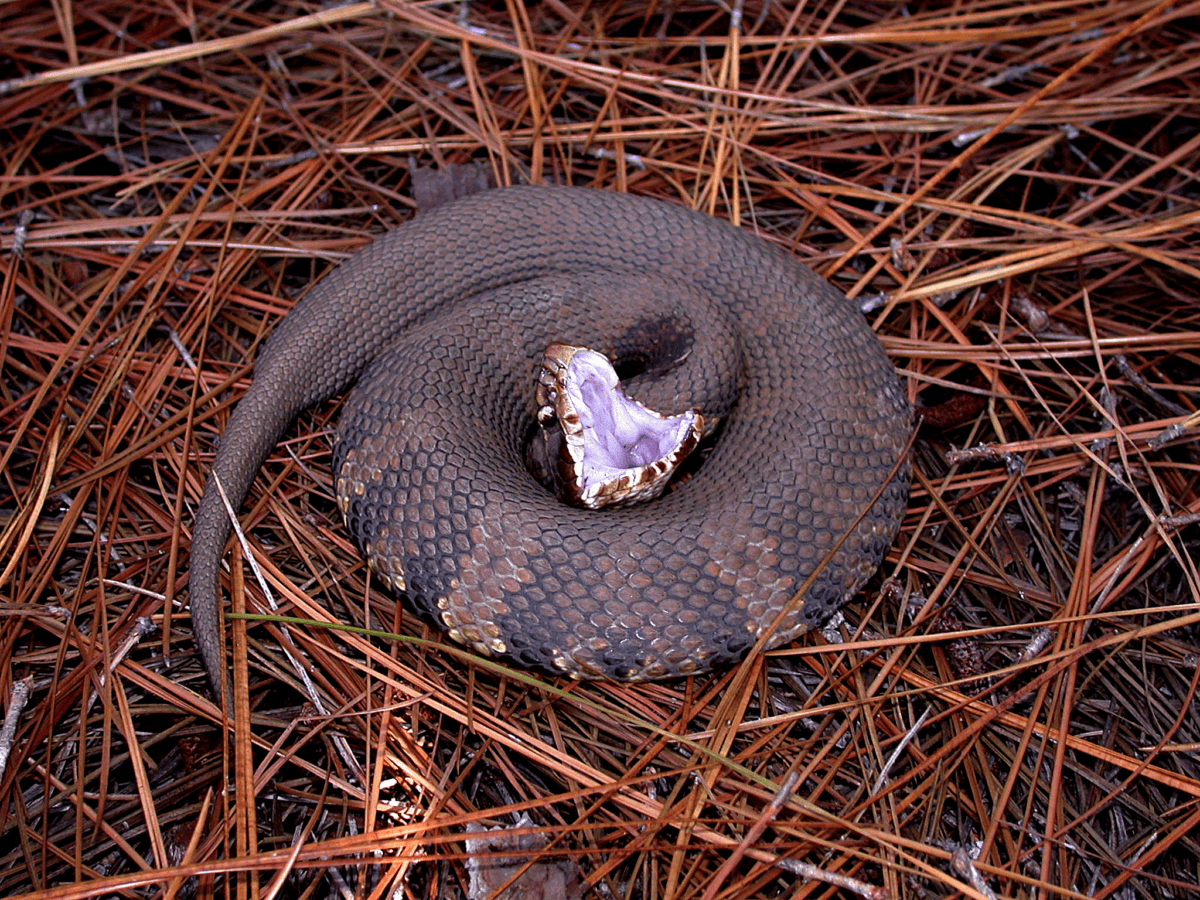
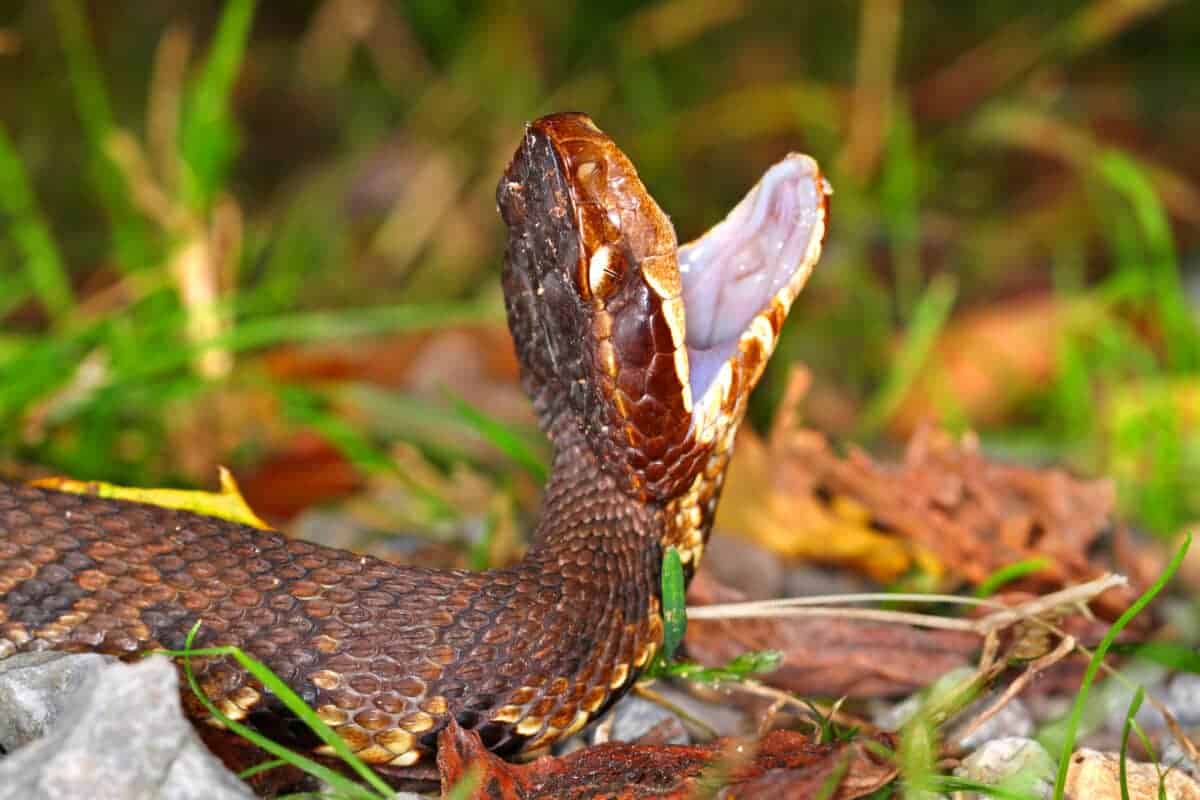
Wetlands and marshes represent prime habitat for semi-aquatic and water-loving snake species, offering an abundant food supply and excellent protection from many predators. Water snakes, cottonmouths, and anacondas exemplify species that have specialized in these environments, developing adaptations such as valved nostrils that can close underwater, eyes and nostrils positioned on top of the head for surface breathing while mostly submerged, and keeled scales that aid in swimming. These habitats provide a rich diversity of prey including fish, amphibians, and other aquatic organisms that support healthy snake populations.
The consistent access to water in these environments not only facilitates hunting but also helps snakes maintain proper hydration and supports healthy shedding processes. Many species alternate between aquatic activities and terrestrial basking, using emergent vegetation, logs, or shorelines to regulate their body temperature. For keepers maintaining semi-aquatic snake species, enclosures should include both water features deep enough for swimming and dry areas for basking and retreating, along with appropriate filtration systems to maintain water quality. Humidity levels typically remain naturally high in these setups, benefiting species adapted to moist environments.
Forest Edges and Ecotones Diverse Transition Zones
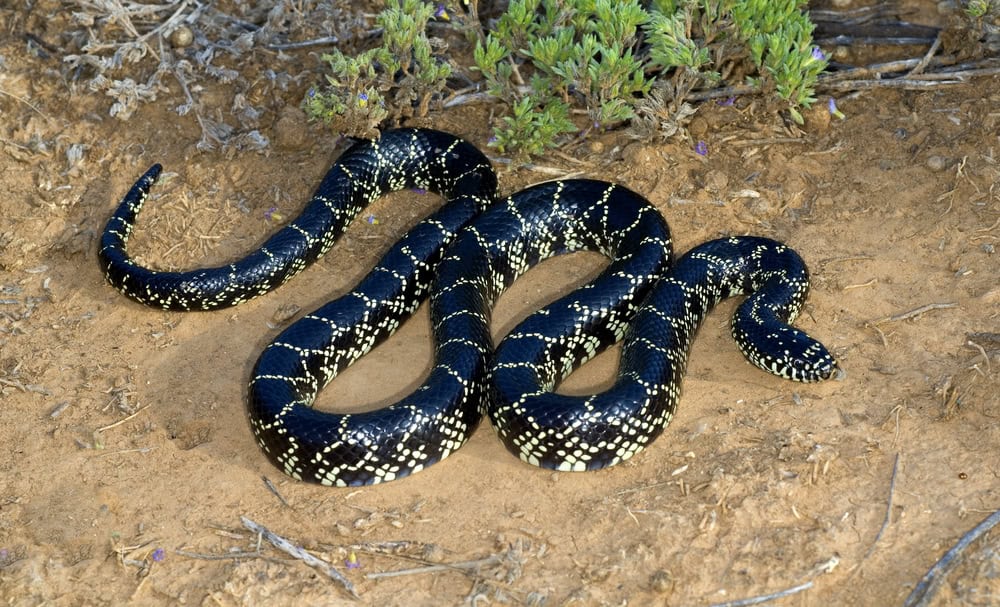
Forest edges and ecotones—transitional areas between different ecosystems—provide exceptionally diverse habitats that many snake species find ideal. These boundary zones often feature a greater variety of microhabitats, prey species, and shelter options than either of the adjacent environments alone. Common species found in these transitional areas include rat snakes, king snakes, and various colubrid species that benefit from the ecological diversity. The mixture of open spaces for basking and dense vegetation for cover creates a perfect balance for snakes that prefer moderate conditions.
These transition zones typically experience moderate humidity levels and temperature fluctuations, with ample sunlight reaching the ground in open areas while shade remains available nearby. The edge effect creates higher biodiversity overall, translating to more abundant and varied prey options for resident snake populations. For captive snakes that naturally inhabit ecotone regions, enclosures that incorporate varied elements—such as branches, plants, and open areas—best simulate their natural environment. This diversity allows the snake to self-regulate by choosing between different microenvironments within their enclosure based on their immediate needs.
Subterranean Environments Underground Specialists
Subterranean environments host specialized snake species that have evolved for life primarily beneath the surface. Blind snakes, shield-tailed snakes, and certain species of sand boas represent snakes that have adapted specifically for underground living, developing compact, cylindrical bodies, reinforced skulls for burrowing, and reduced or absent eyes as vision becomes less important in dark subterranean habitats. These underground worlds maintain relatively stable temperatures and higher humidity levels compared to the surface, providing refuge from extreme weather conditions and predators.
Underground habitats offer access to specialized prey items like termites, ant larvae, and earthworms that constitute the primary diet for many burrowing snake species. The soil composition plays a crucial role in determining suitable habitat, with many burrowing snakes preferring loose, sandy, or loamy soils that facilitate movement. For keepers of burrowing snake species, providing an appropriate substrate depth (typically at least 3-4 inches) of suitable material such as fine sand, soil mixtures, or specialized reptile substrates is essential for allowing natural burrowing behaviors. These species often show reduced stress levels when able to create tunnel systems resembling their natural habitat.
Suburban Gardens and Parks Adaptable Snake Territories

Suburban gardens and parks have become increasingly important habitats for adaptable snake species as natural environments face development pressure. These human-modified landscapes often provide a surprising diversity of microhabitats, food sources, and shelter options that certain snake species readily utilize. Common garden visitors include garter snakes, rat snakes, and in some regions, various species of non-venomous colubrids that help control rodent and insect populations. Features like compost heaps, rock gardens, woodpiles, and dense shrubbery create ideal refuge spots, while garden ponds attract amphibians that serve as prey.
The success of snakes in suburban environments depends largely on habitat connectivity, pesticide use, and human tolerance. Gardens managed with wildlife in mind—featuring native plants, water sources, and structural diversity—can support healthy snake populations that contribute to local biodiversity and natural pest control. For homeowners interested in creating snake-friendly gardens, incorporating features like rock piles, brush areas, and water elements while minimizing chemical use can create welcoming habitats. These suburban snake populations often become important educational opportunities, helping community members develop appreciation for these often misunderstood reptiles.
Riparian Corridors Riverside Snake Communities
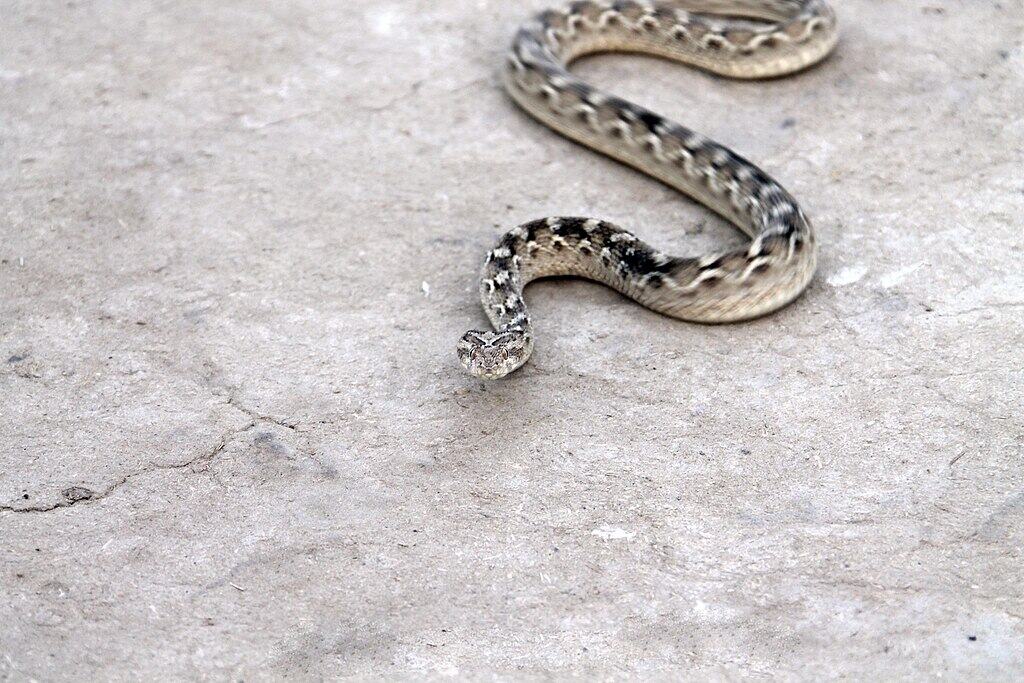
Riparian corridors—the zones along rivers and streams—represent vital habitat for numerous snake species drawn to the rich resources these areas provide. These linear ecosystems feature higher humidity, more abundant prey, and greater vegetation diversity than surrounding landscapes, creating ideal conditions for species like water snakes, garter snakes, and ribbon snakes. The consistent access to water supports amphibian populations that serve as primary food sources for many riparian snake species, while the dense vegetation provides essential cover for both hunting and avoiding predators.
The dynamic nature of riparian environments, with seasonal flooding and changing water levels, creates a constantly evolving habitat that benefits adaptable snake species. Many riparian specialists have developed swimming abilities and water-resistant skin adaptations, allowing them to hunt effectively both in water and on land. These corridor habitats also serve as important movement pathways for snakes, connecting otherwise isolated populations and supporting genetic diversity. For conservation efforts, protecting and restoring riparian zones has proven particularly effective for maintaining healthy snake populations, especially in fragmented landscapes where these corridors may provide the only suitable habitat connecting larger natural areas.
Overheated Enclosures A Dangerous Dehydration Risk
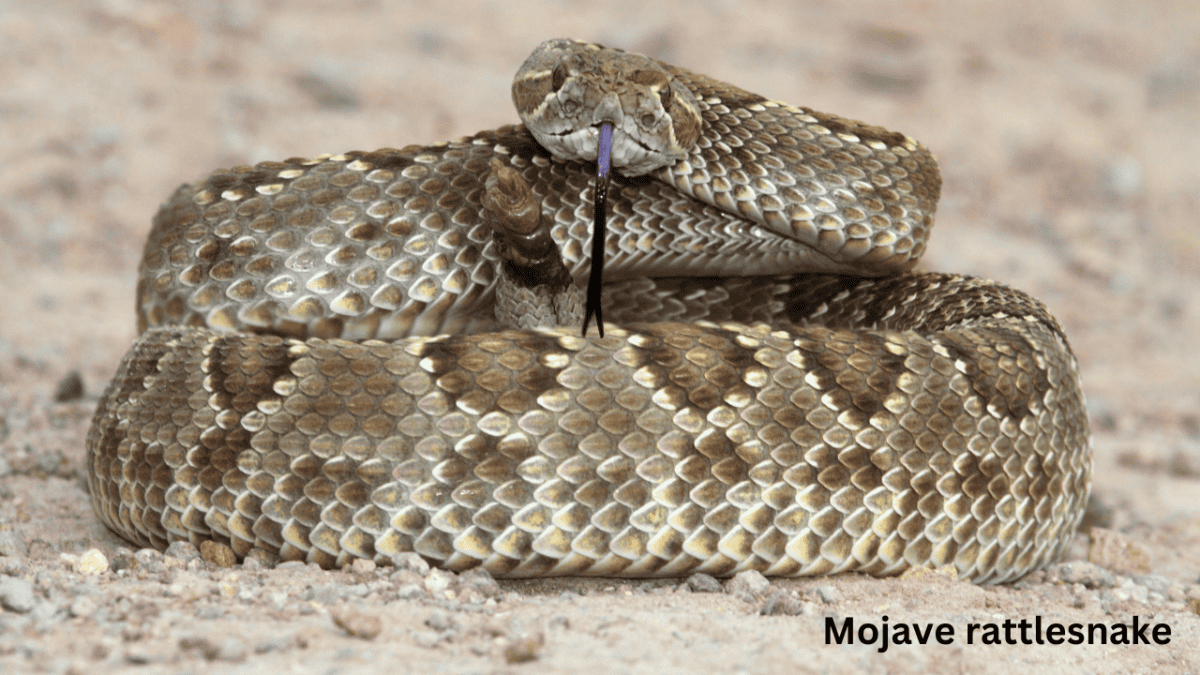
Excessively hot enclosures represent one of the most dangerous environments for captive snakes, creating severe dehydration risks that can quickly become life-threatening. When ambient temperatures consistently exceed a snake’s preferred optimal temperature range (which varies by species but typically shouldn’t exceed 90-95°F even at the warm end), the animal experiences accelerated moisture loss through increased respiration and evaporation through the skin. This situation is particularly dangerous when combined with inadequate water sources or low humidity, as the snake cannot compensate for the moisture loss, leading to rapid dehydration.
Signs of heat-induced dehydration include wrinkled skin, sunken eyes, lethargy, reduced tongue-flicking, and in severe cases, disorientation or neurological symptoms. Even species adapted to desert conditions require thermal gradients and access to microhabitats where they can escape extreme heat. For captive snake keepers, proper temperature monitoring with reliable thermostats, providing appropriate thermal gradients (with at least 10-15°F difference between warm and cool sides), and ensuring constant access to fresh water are essential preventative measures. Heat sources should always be regulated and positioned to allow the snake to move away if temperatures become uncomfortable.
Forced Hibernation Without Preparation

Forcing snakes into hibernation conditions without proper preparation represents a serious threat to their health and can lead to dangerous dehydration and metabolic complications. Many snake species naturally undergo brumation (a hibernation-like state) during cooler months, but this process requires gradual temperature reduction and specific physiological preparations, including building fat reserves and clearing the digestive tract. When snakes are suddenly exposed to cold temperatures without this preparation, they may experience severely compromised immune function, inability to digest remaining food, and critical dehydration as their bodies haven’t prepared for reduced water intake.
The artificial cooling process, when done incorrectly, prevents snakes from properly regulating their fluid balance, leading to concentrated bodily fluids and potential organ damage. Species from tropical regions that don’t naturally brumate are particularly vulnerable to forced cooling. For keepers interested in cycling temperate species through brumation (often for breeding purposes), the process should include gradual temperature reduction over several weeks, cessation of feeding 2-3 weeks before cooling begins, and maintenance of appropriate humidity levels throughout the brumation period. Most importantly, snakes should be assessed by a veterinarian to confirm they’re healthy enough to undergo brumation safely.
Overly Dry Enclosures Shedding Nightmares

Chronically dry enclosures create one of the most common health challenges for captive snakes: dysecdysis, or difficult shedding. When ambient humidity falls below species-appropriate levels for extended periods, snakes cannot properly hydrate their skin during the pre-shedding phase, resulting in retained eye caps, incomplete sheds, and potentially constricting bands of unshed skin that can restrict blood flow to extremities. Different species have varying humidity requirements—ball pythons typically need 50-60% humidity, while many rainforest species require 70-90%—but all snakes need increased moisture during shedding cycles.
Beyond shedding problems, chronically dry conditions can lead to respiratory infections (counterintuitively, as snakes may develop respiratory issues when trying to conserve body moisture), dehydration, and kidney stress from concentrated urates. Providing appropriate humidity can be achieved through several methods, including moisture-retaining substrates, strategically placed water bowls, limited ventilation in certain enclosure areas, and humidity retreats (such as moisture boxes filled with damp sphagnum moss). Misting systems and foggers can help maintain humidity in larger enclosures, but care must be taken to avoid creating constantly wet conditions that might promote bacterial or fungal growth.
Glass Tanks Without Security Stress-Induced Dehydration

All-glass enclosures without adequate cover or hiding opportunities create psychological stress that directly contributes to dehydration in captive snakes. Most snake species naturally avoid open, exposed areas where they would be vulnerable to predators, instead preferring microhabitats with cover overhead and on multiple sides. When housed in highly transparent enclosures without sufficient hiding spots, snakes often experience chronic stress manifesting as reduced activity, refusal to eat, excessive defensive behaviors, and reluctance to drink or use water bowls placed in exposed areas.
This stress-induced behavior pattern leads to reduced water intake and increased moisture loss through elevated respiration rates, creating a dangerous dehydration cycle. For snake keepers, addressing this issue involves providing multiple secure hides (at minimum, one on the warm side and one on the cool side of the thermal gradient), adding visual barriers such as plants (live or artificial), and covering portions of the enclosure’s exterior with backdrop materials. Some species, particularly arboreal snakes, benefit from vertical cover elements like branches and foliage that create security from above. Proper enclosure design that priorit.
Conclusion:

Snakes are incredibly adaptable creatures, thriving in a wide range of environments—from lush rainforests and swamps to deserts and grasslands. Their ability to regulate body temperature, seek shelter, and hunt effectively allows them to make the most of diverse ecosystems. The ten environments they favor typically provide the warmth, moisture, and hiding spots they need to survive and reproduce.
However, not all habitats are snake-friendly. Environments that are too dry, too cold, or lacking in cover and food sources can quickly become hostile. The four environments that tend to dry them out or expose them to danger highlight the delicate balance snakes rely on in nature. Understanding where snakes thrive—and where they don’t—not only helps in conservation efforts but also gives us a better appreciation for their role in maintaining healthy ecosystems.

As a little kid, I fell in love with nature, wildlife, and animals. Living in the USA, South Africa, Italy, China and Germany gave me the opportunity to discover the world's Wildlife. My favorite animals are Mountain Gorillas, Siberian Tigers, and Great White Sharks.
I'm a certified PADI Open Water Diver, went to Everest Base Camp and Trekked Gorillas in Uganda. I hold a Master of Science in Economics and Finance.
Please send any feedback to feedback@animalsaroundtheglobe.com
- 10 Deadliest Spiders in the World And Where They Live - July 21, 2026
- 15 Sharks That Do Not Deserve Their Bad Reputation - July 21, 2026
- 11 Creatures That Can Survive a Nuclear Blast - July 21, 2026