
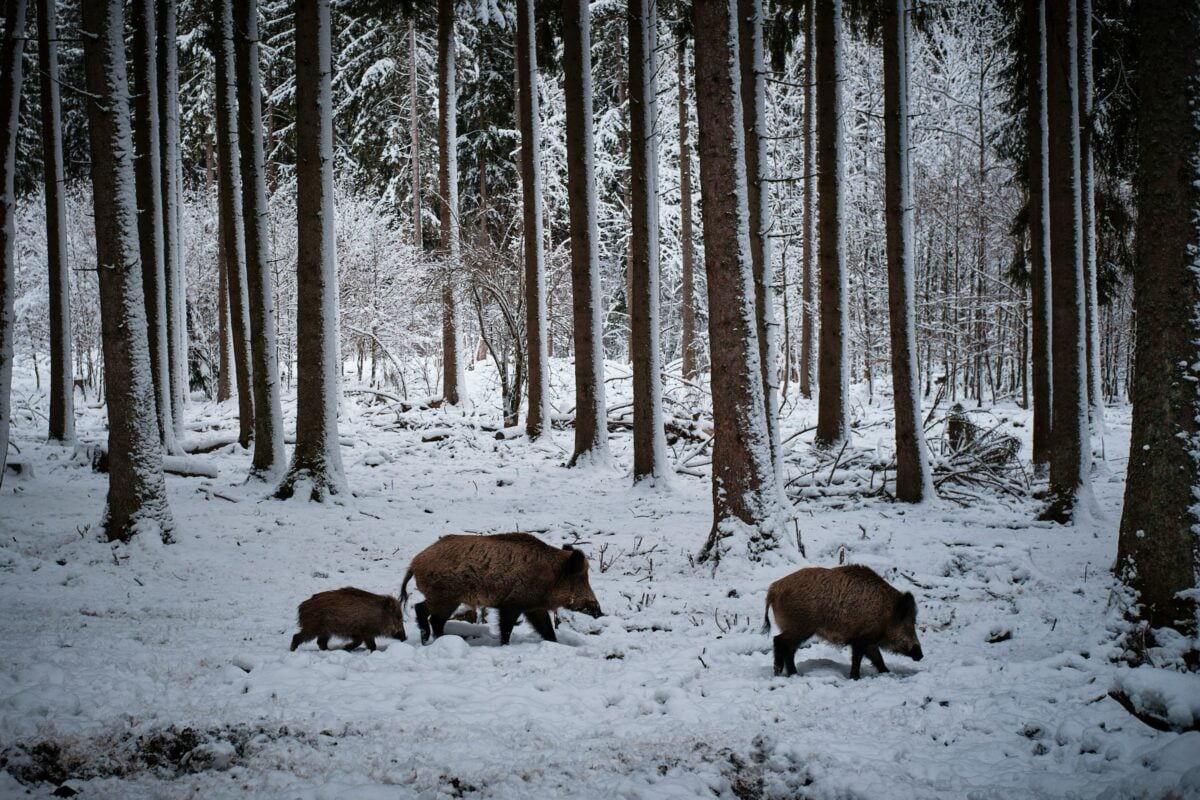
Feral hogs slip through the landscape almost unnoticed until the damage appears overnight. Fields look plowed, streams run muddy, and native wildlife vanish from familiar spots. Their story in America stretches back centuries, yet the scale of the problem today feels startlingly modern.
These animals thrive because they combine raw adaptability with numbers that keep climbing. Understanding what makes them so effective at disruption reveals patterns that reach far beyond any single farm or forest.
Fact 10: Their Numbers Have Exploded Across Dozens of States
🔥 Would you like to save this?
We'll email this post to you, so you can come back to it later!
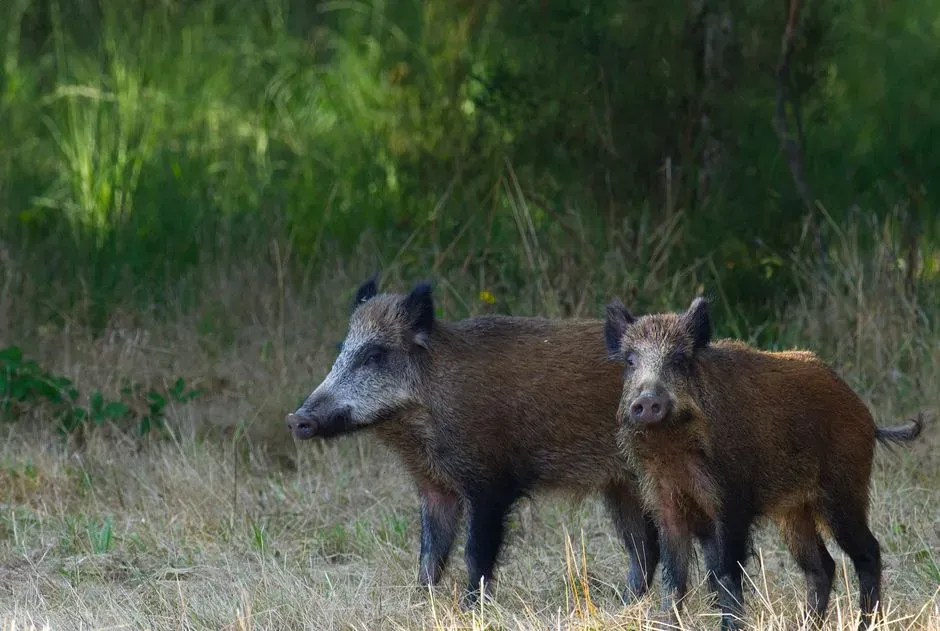
Estimates place the national population between six and nine million animals spread through at least thirty five states. Some counts reach higher when including territories. The animals arrived with early European settlers and later mixed with released wild boar, creating hardy hybrids that fill almost every available niche.
Expansion happens through both natural movement and occasional human transport. Once a group settles, it spreads steadily outward. Cold winters slow them in the north, yet milder regions see steady gains year after year.
Fact 9: Reproduction Rates Outpace Most Large Mammals
🔥 Would you like to save this?
We'll email this post to you, so you can come back to it later!
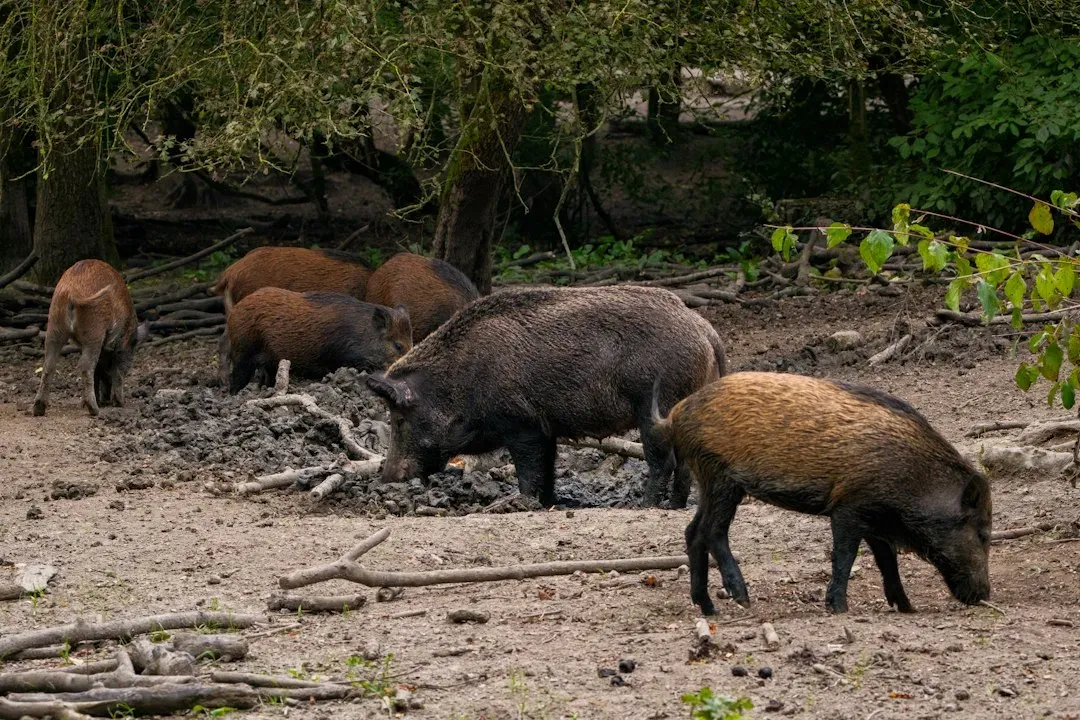
Females reach breeding age as early as six to eight months old. They can produce two litters annually, each containing four to twelve piglets. In good conditions the local population can double within months rather than years.
Breeding occurs in nearly every season when food is plentiful. This pace means control efforts must remove a large share of animals each year simply to hold numbers steady. Few other hoofed species match that output.
Fact 8: Rooting Behavior Tears Apart Soil and Crops
🔥 Would you like to save this?
We'll email this post to you, so you can come back to it later!
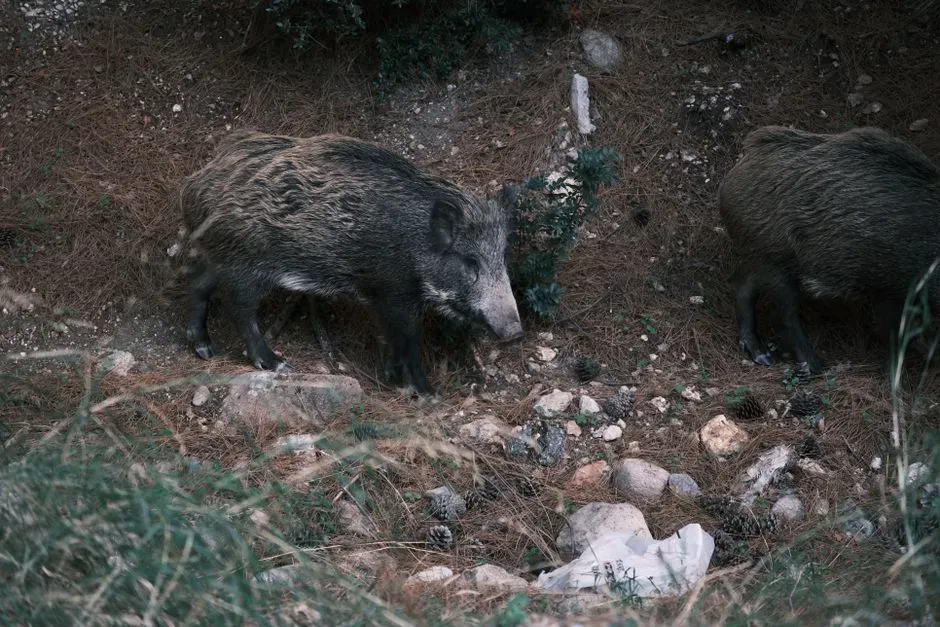
Hogs use powerful snouts to dig for roots, insects, and tubers. A single night of activity can turn a smooth field into a churned mess. The same action loosens topsoil, speeds erosion, and invites weeds to take over.
Pastures suffer repeated hits that reduce desirable grasses. Irrigation lines and fences break under the pressure. The physical disturbance reaches far beyond what the animals actually eat.
Fact 7: They Consume an Enormous Range of Food Sources
🔥 Would you like to save this?
We'll email this post to you, so you can come back to it later!
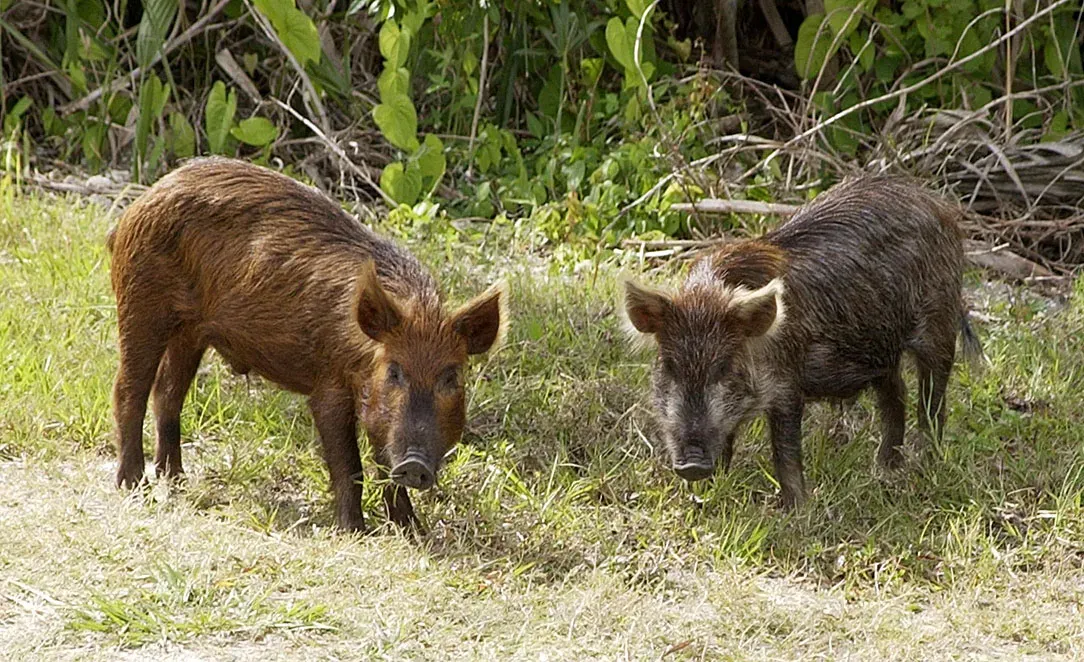
These omnivores eat almost anything available, from acorns and crops to small animals and carrion. Grain fields, vegetable plots, and livestock feed all draw their attention. One estimate suggests each adult consumes several pounds daily over the course of a year.
Preference shifts with the seasons, yet the constant search keeps pressure on whatever grows nearby. This flexibility lets groups survive where pickier species would struggle. The result is broad competition with both wildlife and agriculture.
Fact 6: Agricultural Losses Reach Billions of Dollars Annually
🔥 Would you like to save this?
We'll email this post to you, so you can come back to it later!
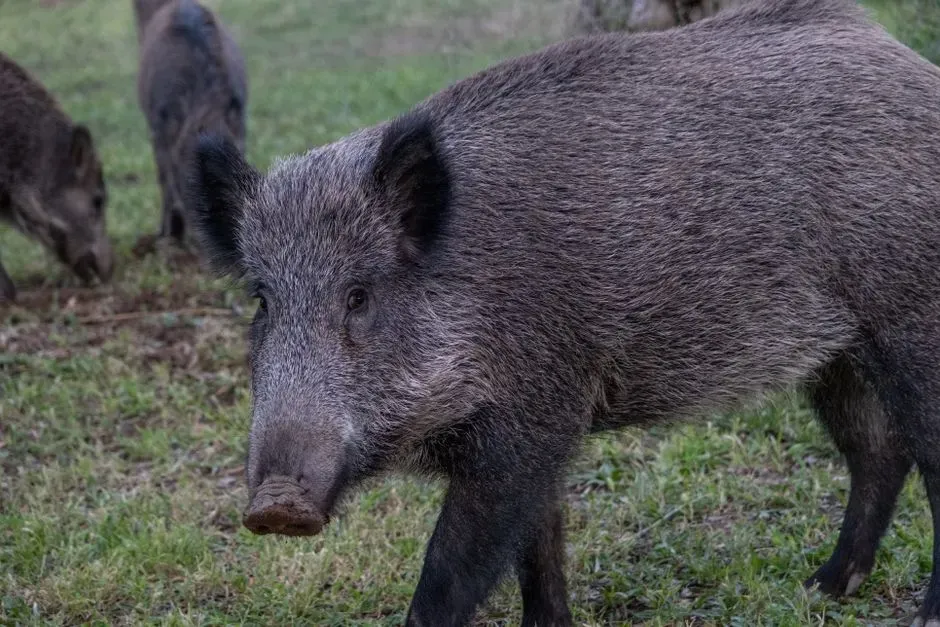
USDA figures place combined damage and control costs near one and a half to two and a half billion dollars each year. Crops such as corn, peanuts, and rice take direct hits through eating and trampling. Livestock operations lose young animals and contaminated feed.
Property damage adds further expense when fences, water systems, and equipment suffer. The totals likely understate the full picture because many incidents go unreported. Rural economies feel the strain most directly.

PetSafe Oasys Pet Fountain, 1/2 Gallon (64 oz), Small Dogs & Cats
Check Price on AmazonAs an Amazon Associate, we earn from qualifying purchases.
10/8/2026 8:14 am GMTi

2 Pcs Halloween Pet Hat Bandana Set, Witch Pumpkin Costumes for Dogs
Check Price on AmazonAs an Amazon Associate, we earn from qualifying purchases.
10/9/2026 2:45 pm GMTi

Halloween Cat Costume Cloak Witch Hat Pet Accessories
Check Price on AmazonAs an Amazon Associate, we earn from qualifying purchases.
10/9/2026 2:44 pm GMTi

Air Purifiers for Home Pets Large Room Up to 3000 Ft²,HEPA Air Cleaner with Washable Double-Side Filter, PM2.5 Air Quality Monitor,15dB Sleep Mode for Bedroom Odor Dust Pollen,White
Check Price on AmazonAs an Amazon Associate, we earn from qualifying purchases.
10/8/2026 8:23 am GMTi

Glass Hummingbird Feeder for Outdoors Hanging, 16 oz Leak-Proof Nectar Feeder with Bee Guards & Ant Moat
Check Price on AmazonAs an Amazon Associate, we earn from qualifying purchases.
10/7/2026 1:22 pm GMTi
Fact 5: Disease Carriage Poses Risks to Livestock and People
🔥 Would you like to save this?
We'll email this post to you, so you can come back to it later!
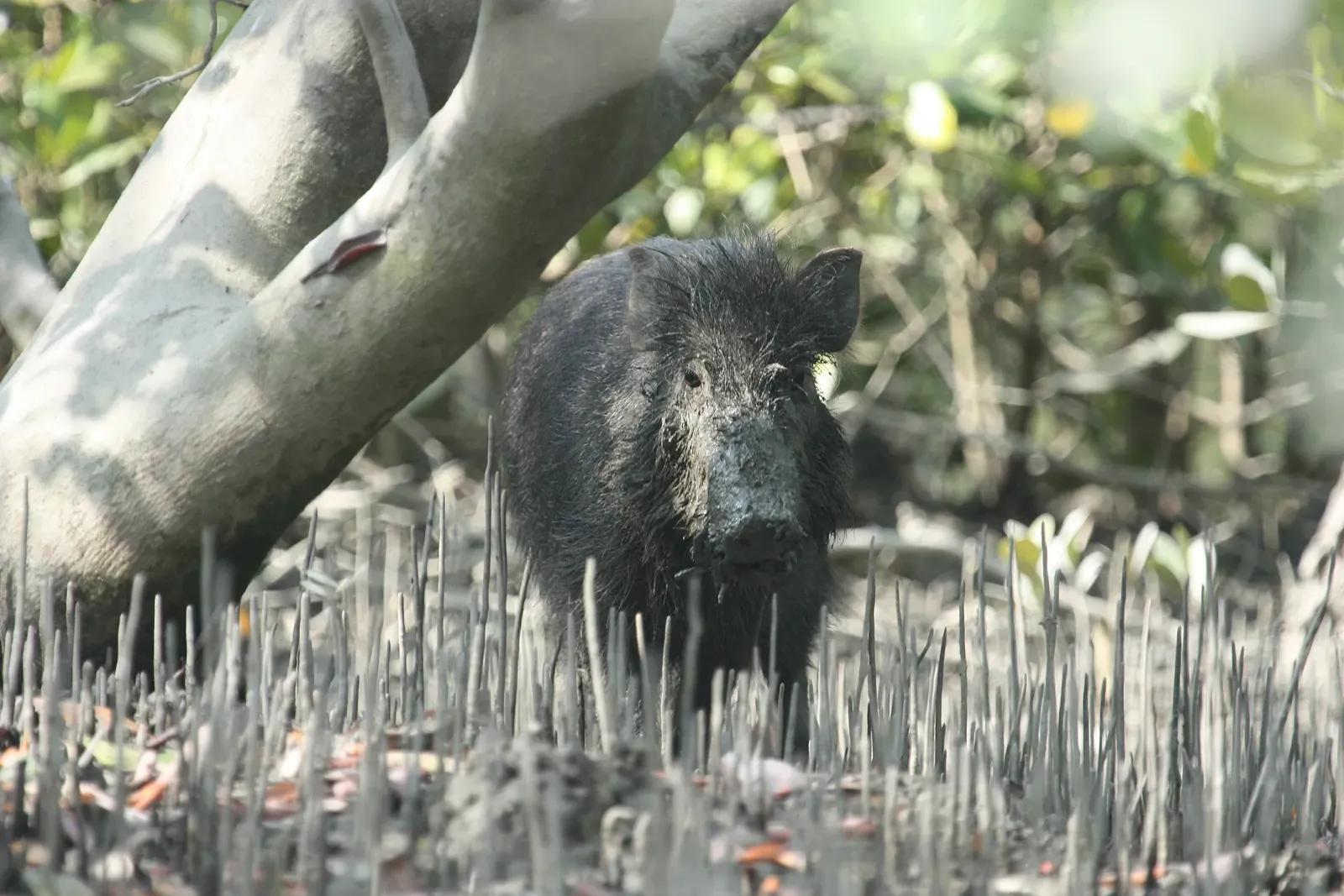
Feral hogs host at least thirty diseases and nearly forty parasites. Brucellosis, pseudorabies, and leptospirosis rank among the concerns for domestic animals and humans. Transmission can occur through contact with carcasses, water, or contaminated soil.
Swine influenza and other pathogens add layers of worry for producers. The animals act as mobile reservoirs that move freely across property lines. Monitoring and response become constant background tasks in affected regions.
Fact 4: Native Wildlife Face Direct Competition and Predation
🔥 Would you like to save this?
We'll email this post to you, so you can come back to it later!
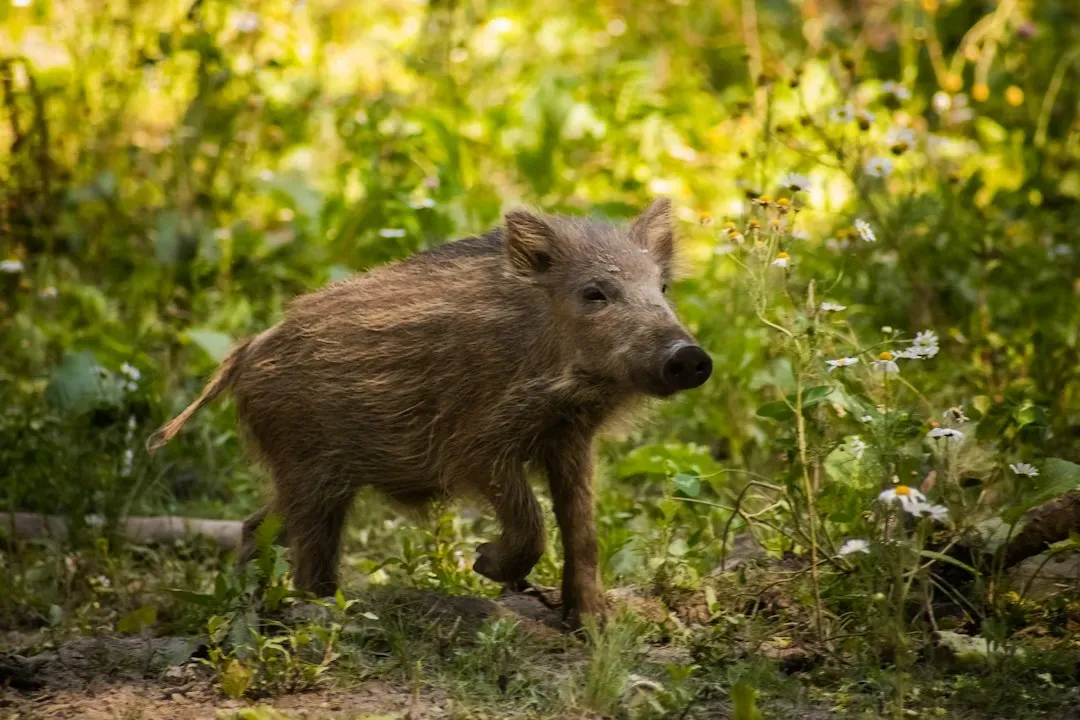
Ground nesting birds lose eggs and chicks to foraging hogs. Deer and turkey compete for acorns and other mast. Studies link hog presence to measurable drops in local biodiversity, sometimes exceeding twenty five percent in heavily used areas.
Amphibians and certain plants also decline where rooting disrupts habitat. The hogs often reach food sources before native predators. Over time the balance of species shifts in favor of the invaders.
Fact 3: Water Quality and Wetlands Suffer Repeated Hits
🔥 Would you like to save this?
We'll email this post to you, so you can come back to it later!
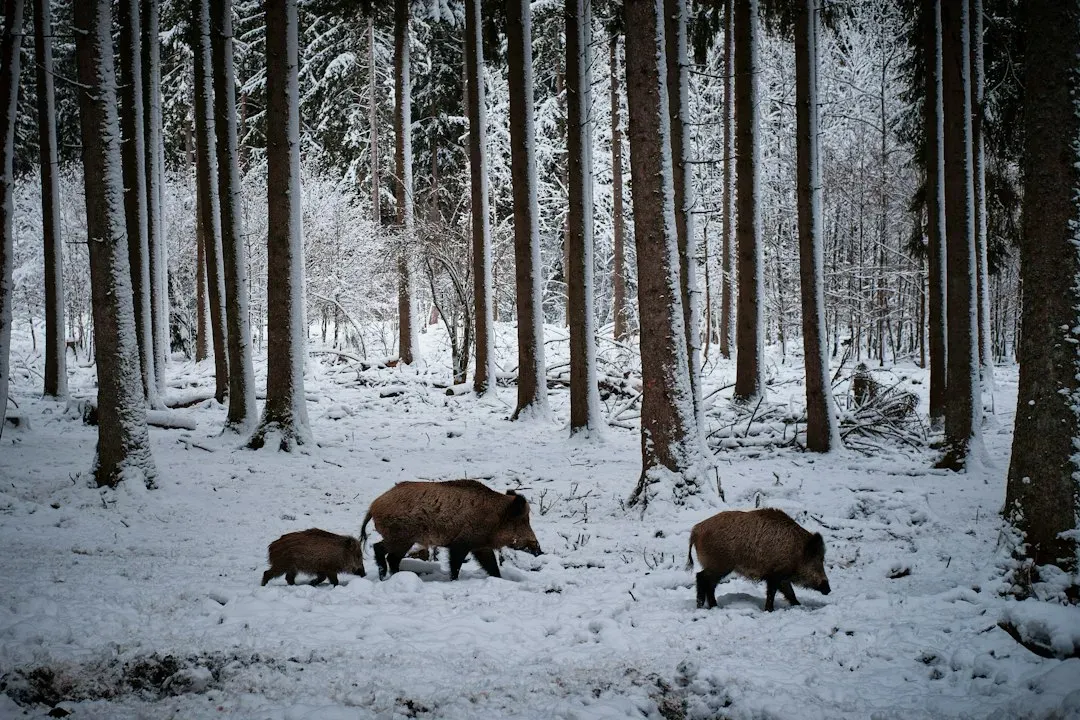
Wallowing and rooting along stream banks stir up sediment and bacteria. E. coli levels can rise dramatically in watersheds with active populations. Sensitive wetland plants disappear under the constant disturbance.
Runoff carries loosened soil into waterways, affecting downstream users. The changes compound during heavy rains when erosion accelerates. Aquatic life feels the effects through altered chemistry and reduced cover.

Halloween Dog Collar with Bow, Orange Cute Ghost Collar,
Check Price on AmazonAs an Amazon Associate, we earn from qualifying purchases.
10/9/2026 2:43 pm GMTi

Orthopedic Extra Large Dog Bed, Waterproof Washable XL Pet Bed 44"
Check Price on AmazonAs an Amazon Associate, we earn from qualifying purchases.
10/7/2026 1:32 pm GMTi

Earth Rated XL Dog & Puppy Pee Pads, Discreet Top, Max Absorbency
Check Price on AmazonAs an Amazon Associate, we earn from qualifying purchases.
10/7/2026 1:28 pm GMTi

Hand Blown Glass Hummingbird Feeders for Outdoors Hanging, 24oz Wild Bird Nectar Feeder
Check Price on AmazonAs an Amazon Associate, we earn from qualifying purchases.
10/7/2026 1:23 pm GMTi

Professional 7 in 1 Dog Paw Cleaner for Dogs & Cats - Includes 1 Portable Paw Washer, 1 Bath Brush
Check Price on AmazonAs an Amazon Associate, we earn from qualifying purchases.
10/7/2026 1:26 pm GMTi
Fact 2: Control Demands Intense and Sustained Effort
🔥 Would you like to save this?
We'll email this post to you, so you can come back to it later!
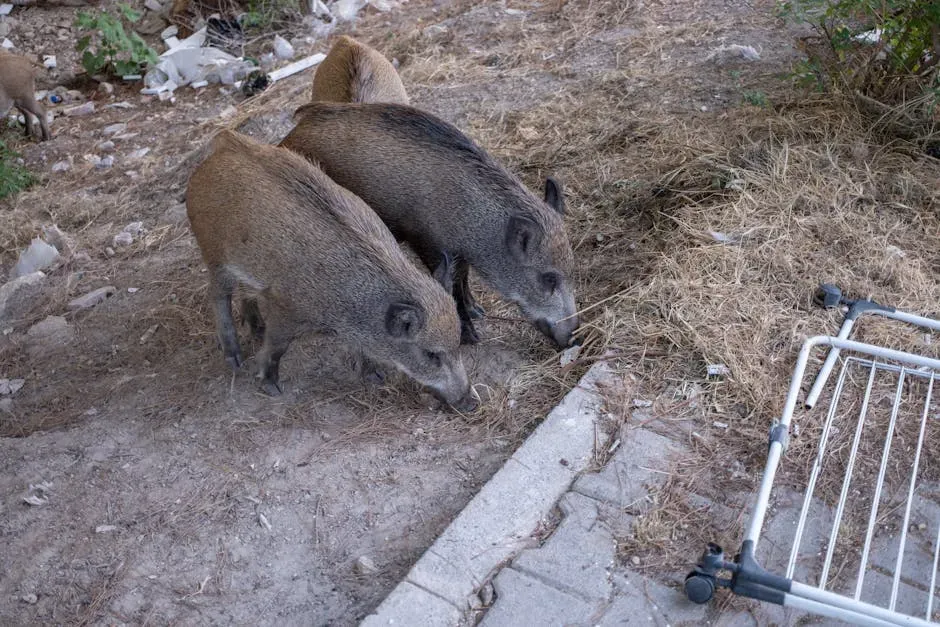
Population models show that sixty to eighty percent of animals must be removed yearly just to prevent growth. Recreational hunting alone rarely reaches that threshold. Professional trapping and targeted removal require coordination across large areas.
Intelligence and social structure help groups avoid repeated pressure. New animals can arrive from neighboring properties almost as fast as locals are cleared. Long term success depends on consistent, landscape level action.
Fact 1: Human Actions Have Accelerated Their Spread
🔥 Would you like to save this?
We'll email this post to you, so you can come back to it later!
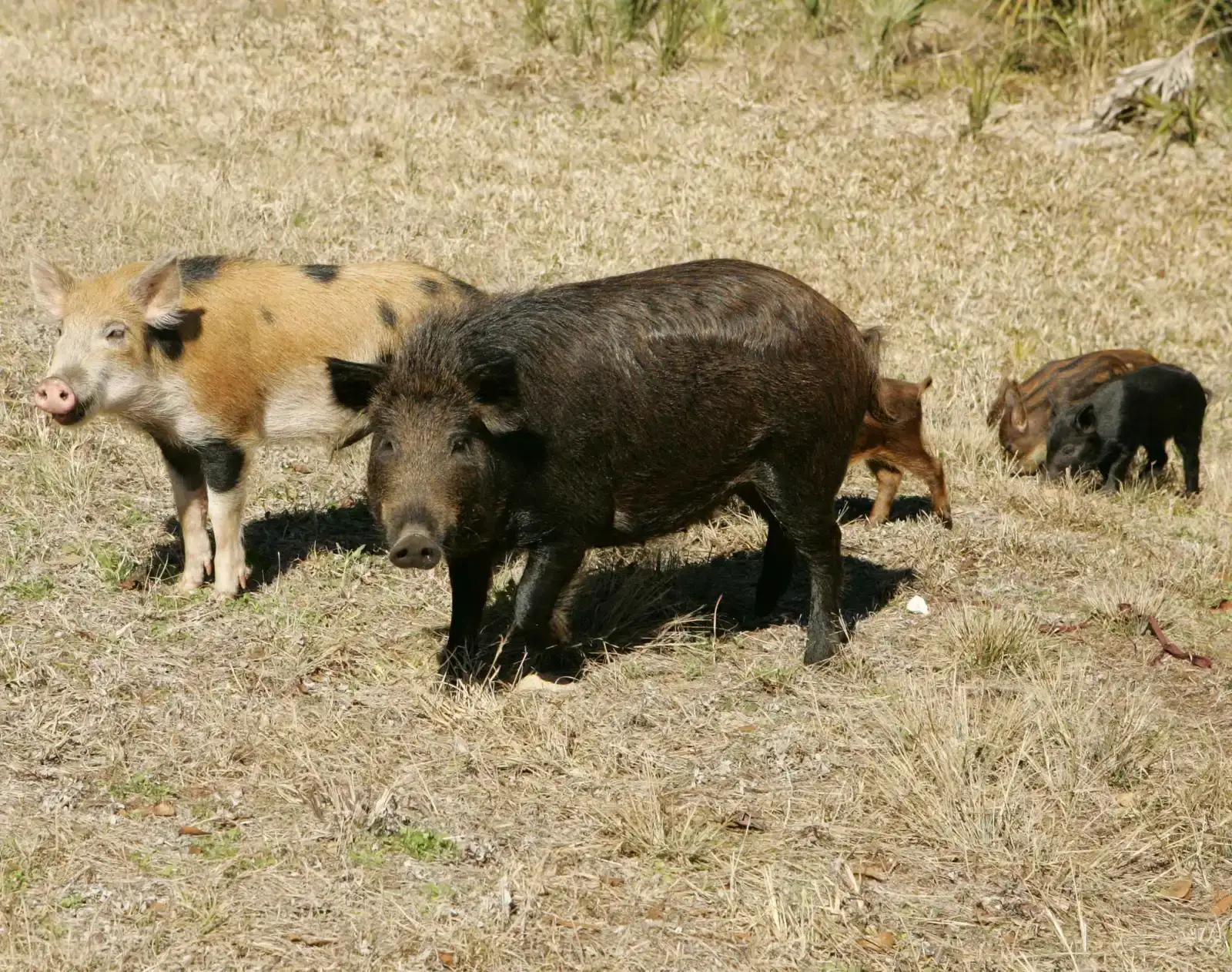
Early introductions for food and sport laid the foundation. Later releases for hunting created new populations far from existing ranges. Escapes from fenced operations add further jumps that natural movement alone could not achieve.
Once established, the animals need little help to expand. The combination of deliberate and accidental transport explains why isolated outbreaks appear in unexpected places. Breaking that cycle remains one of the harder management challenges.

Smart Bird Feeder with Camera Solar Powered, 2K HD Live Video, 10,000+ Bird Species AI Identification
Check Price on AmazonAs an Amazon Associate, we earn from qualifying purchases.
10/7/2026 1:22 pm GMTi

Portable Dog Water Bottle Foldable Dog Travel Water Bottle
Check Price on AmazonAs an Amazon Associate, we earn from qualifying purchases.
10/7/2026 1:29 pm GMTi

Glass Hummingbird Feeder for Outdoors Hanging
Check Price on AmazonAs an Amazon Associate, we earn from qualifying purchases.
10/7/2026 1:21 pm GMTi

Dog Stairs for Bed 18" H, 4-Step Dog Steps for High Bed
Check Price on AmazonAs an Amazon Associate, we earn from qualifying purchases.
10/9/2026 2:42 pm GMTi
The Takeaway
🔥 Would you like to save this?
We'll email this post to you, so you can come back to it later!
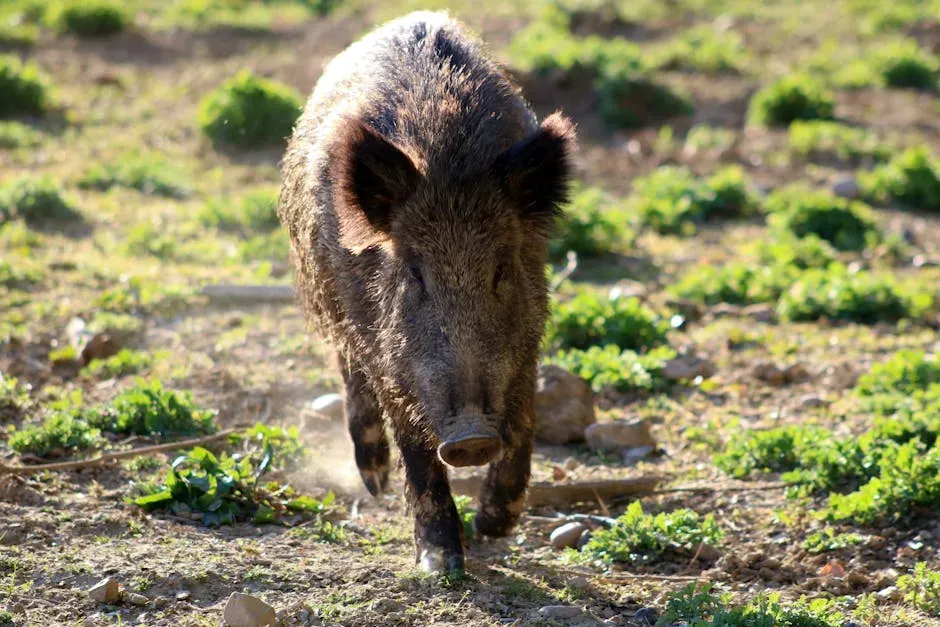
Feral hogs represent a self reinforcing problem that grows with every season of inaction. Their biology, behavior, and history in the country combine to create impacts that touch farms, forests, water, and wildlife all at once. Effective responses will need steady resources and cooperation that match the scale of the animals themselves. The longer the delay, the steeper the costs become for everyone sharing the same landscape.

- 10 Facts About Feral Hogs That Explain Why They’re One of America’s Most Destructive Invasive Animals - November 8, 2026
- Wildlife Biology Says Burmese Pythons in the Everglades Are Linked to Drops of Over 90% in Raccoons and Opossums - November 8, 2026
- Zoology Says Black Panthers Aren’t a Separate Species – They’re Leopards or Jaguars With Extra Melanin and Their Spots Still Show in Sunlight - November 8, 2026