
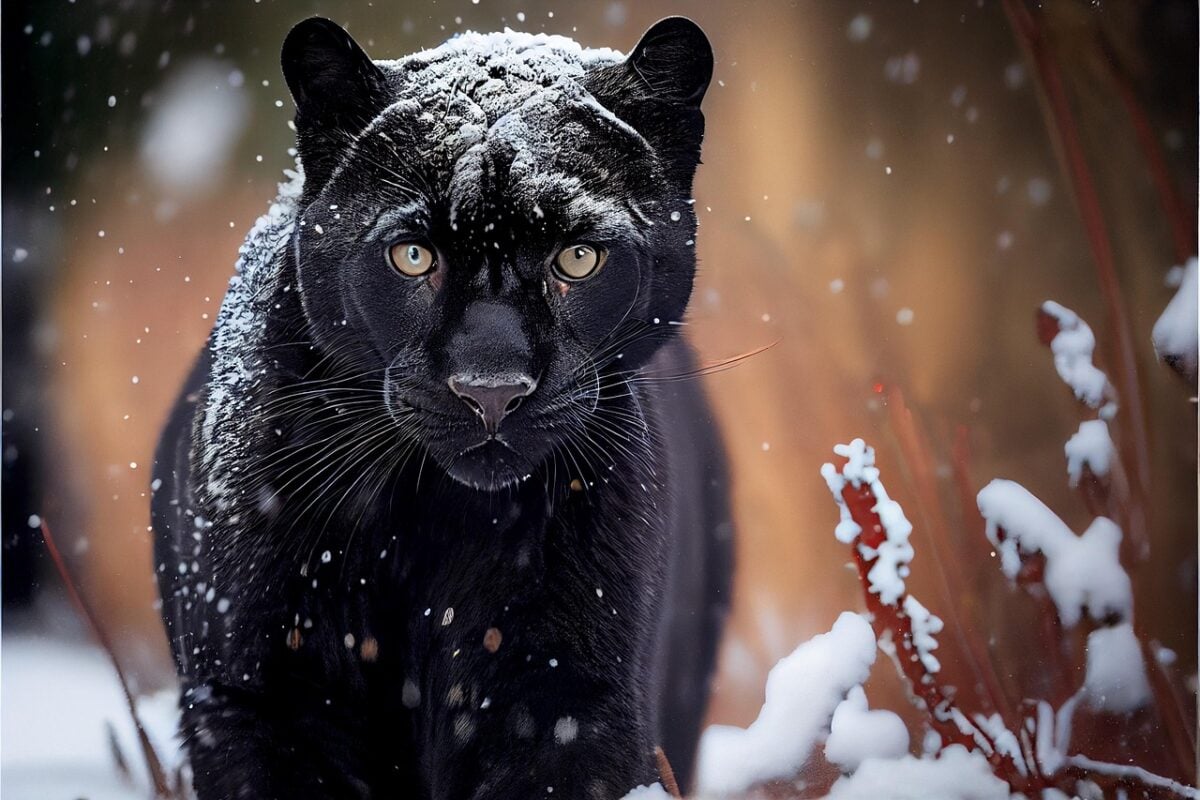
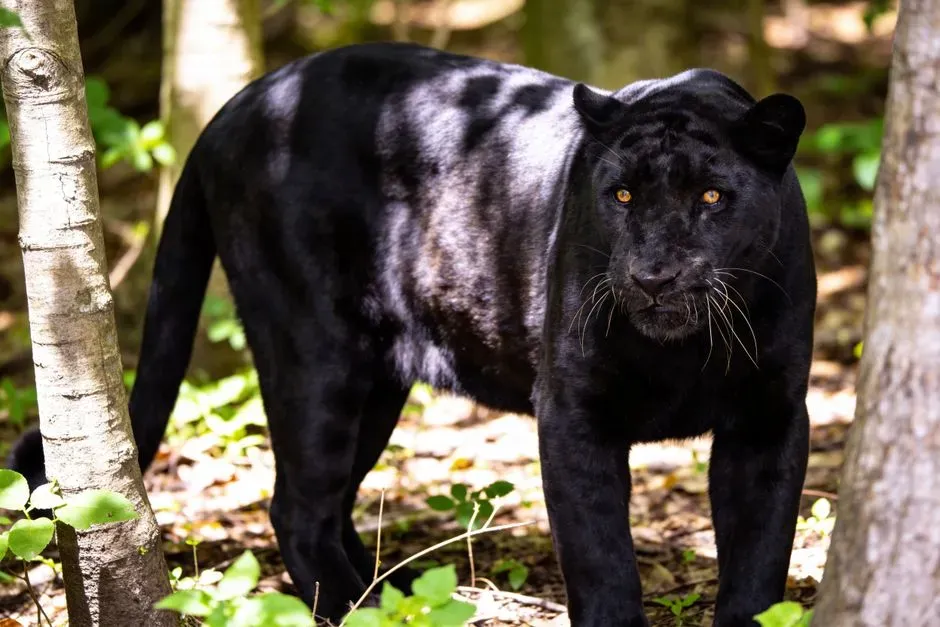
People often picture a sleek, jet black cat prowling through the jungle when they hear the term black panther. That image comes from movies and stories, yet the reality in the wild turns out to be more layered and interesting than a single mysterious species. The dark coat hides a familiar pattern that becomes visible under the right light.
Zoologists have long sorted these animals into known species rather than treating them as something entirely new. The black coloration stems from extra melanin, a pigment that darkens fur without changing the underlying biology. This distinction matters for how we understand big cats and their place in nature.
The Genetics Behind the Dark Coat
🔥 Would you like to save this?
We'll email this post to you, so you can come back to it later!
Melanism occurs when a genetic mutation boosts melanin production in the skin and fur. In leopards and jaguars this change produces a solid black appearance that still carries the same DNA as their spotted relatives. Researchers trace the trait to specific gene variants that appear in certain populations but do not create a new species.
The mutation spreads more readily in dense forests where darker coats may offer slight advantages for hunting or hiding. Even so, the animals remain fully capable of breeding with lighter colored members of their species. Offspring can show a mix of coat colors depending on which genes they inherit from each parent.
Distinguishing Leopards from Jaguars
🔥 Would you like to save this?
We'll email this post to you, so you can come back to it later!
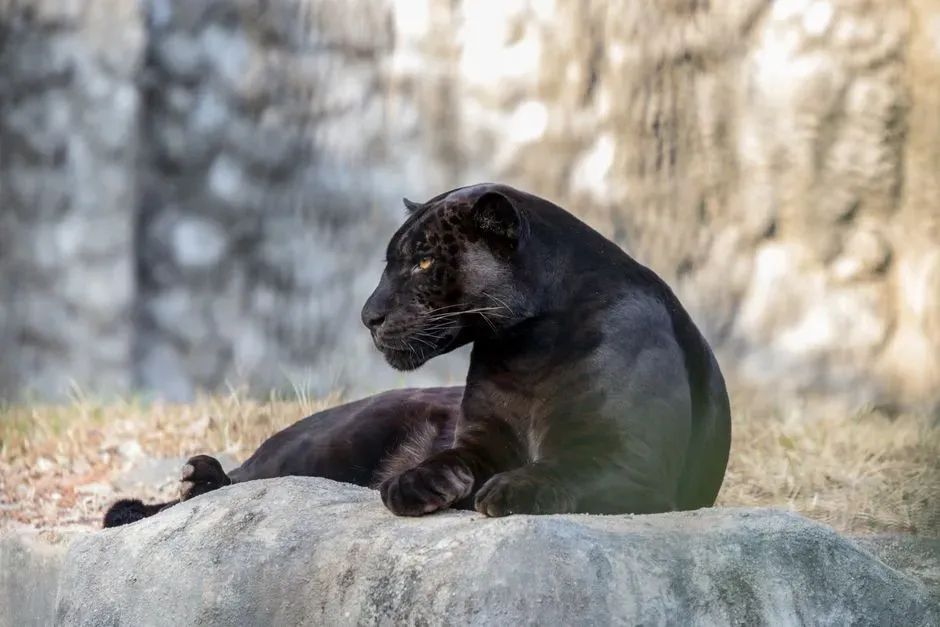
Black leopards tend to appear in parts of Africa and Asia while black jaguars show up more often in Central and South America. The two cats differ in size, head shape, and the arrangement of their rosettes even when melanin masks the pattern. Jaguars generally carry a stockier build and a broader skull suited to their preferred prey.
Both species belong to the genus Panthera, which explains why the term panther gets applied loosely. Field guides and camera trap studies help scientists tell them apart by subtle body proportions and geographic range. These details keep the classification clear despite the shared dark look.
How Sunlight Reveals the Hidden Pattern
🔥 Would you like to save this?
We'll email this post to you, so you can come back to it later!
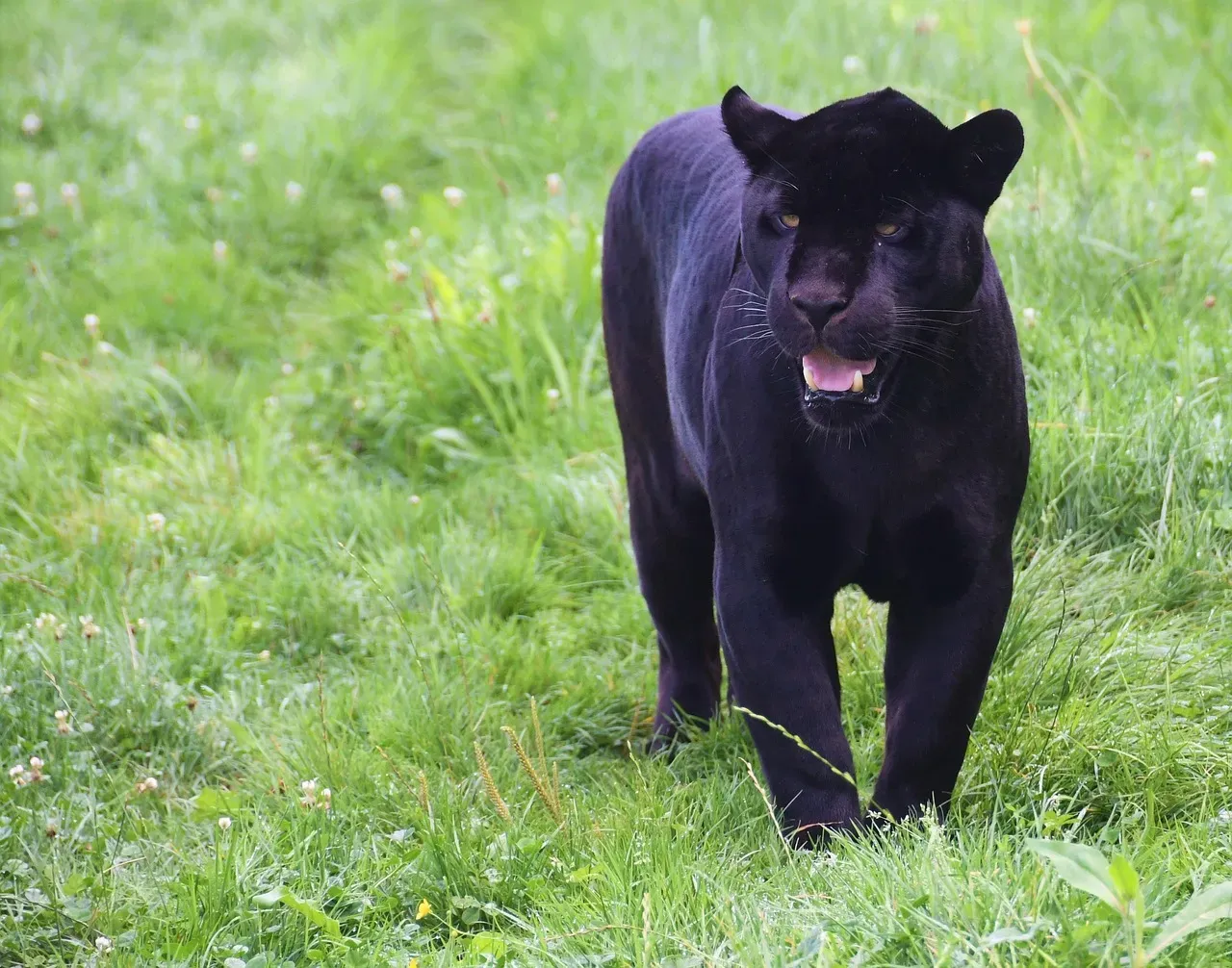
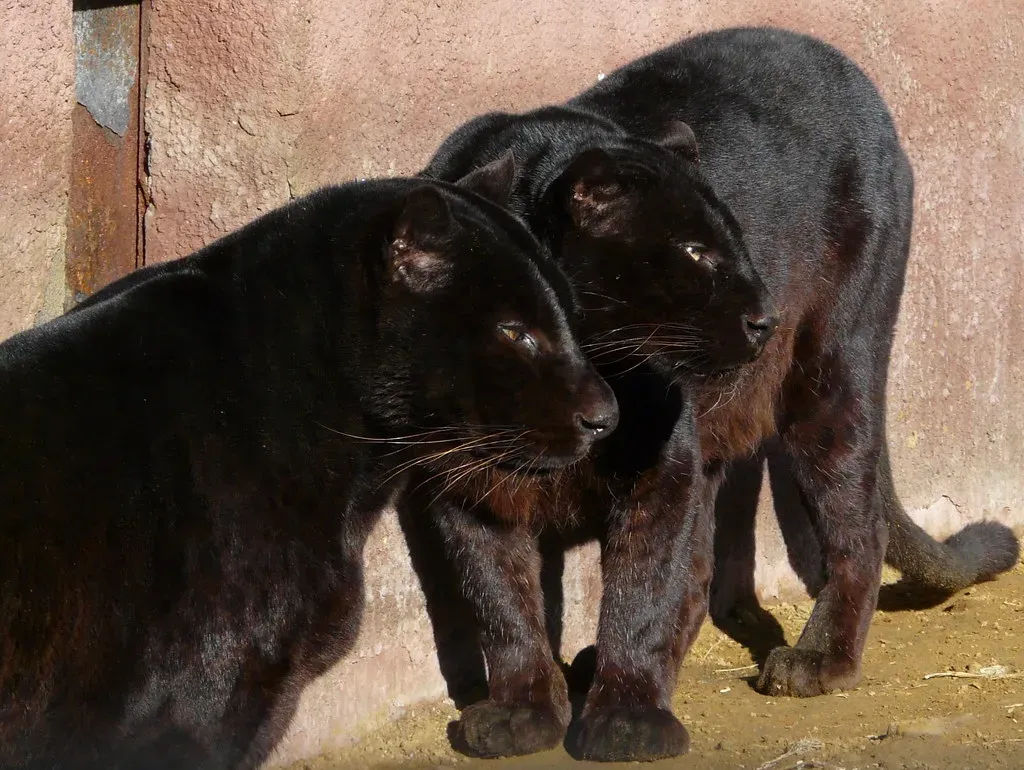
The extra melanin darkens the background fur but leaves the rosette outlines intact beneath the surface. In bright sunlight the spots emerge as faint rings or smudges rather than disappearing completely. Photographers and wildlife observers often capture this effect during golden hour when light hits the coat at an angle.
The pattern stays functional for camouflage even if it looks uniform from a distance. Close examination or high resolution images show the original markings that help identify individuals. This visibility confirms that melanism overlays an existing design instead of erasing it.

Professional 7 in 1 Dog Paw Cleaner for Dogs & Cats - Includes 1 Portable Paw Washer, 1 Bath Brush
Check Price on AmazonAs an Amazon Associate, we earn from qualifying purchases.
10/7/2026 1:26 pm GMTi

Portable Dog Water Bottle Foldable Dog Travel Water Bottle
Check Price on AmazonAs an Amazon Associate, we earn from qualifying purchases.
10/7/2026 1:29 pm GMTi

Halloween Dog Collar with Bow, Orange Cute Ghost Collar,
Check Price on AmazonAs an Amazon Associate, we earn from qualifying purchases.
10/9/2026 2:43 pm GMTi

Hand Blown Glass Hummingbird Feeders for Outdoors Hanging, 24oz Wild Bird Nectar Feeder
Check Price on AmazonAs an Amazon Associate, we earn from qualifying purchases.
10/7/2026 1:23 pm GMTi

Halloween Cat Costume Cloak Witch Hat Pet Accessories
Check Price on AmazonAs an Amazon Associate, we earn from qualifying purchases.
10/9/2026 2:44 pm GMTi
Where These Animals Live and Thrive
🔥 Would you like to save this?
We'll email this post to you, so you can come back to it later!
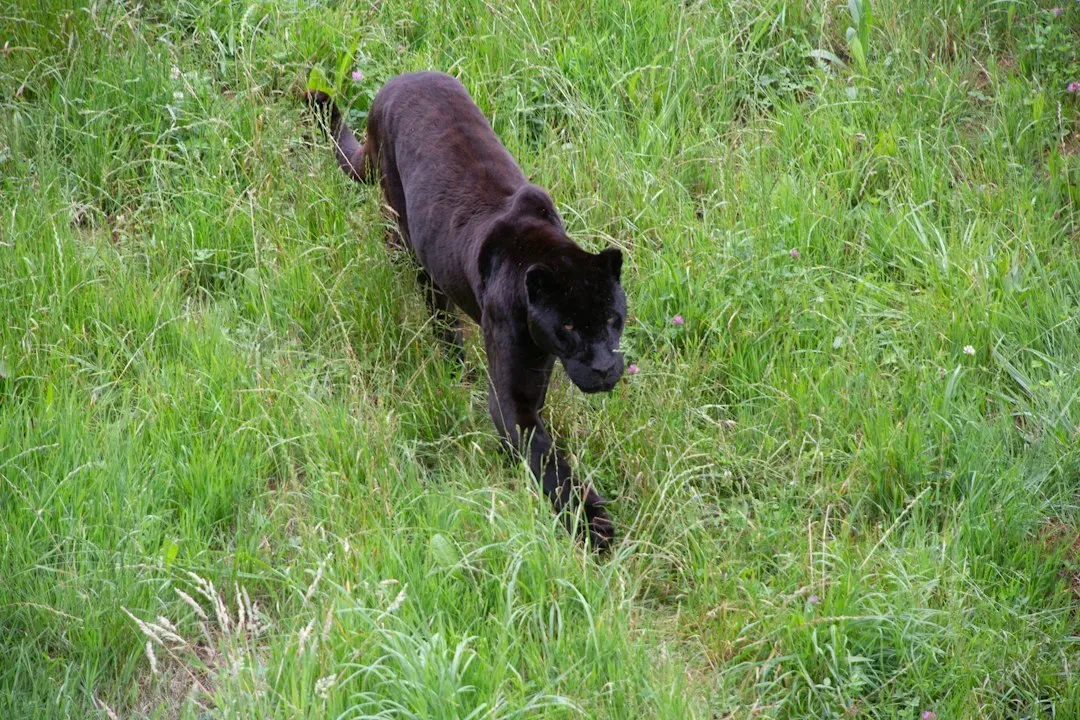
Black leopards inhabit forested regions across sub Saharan Africa and parts of Southeast Asia where tree cover provides shade and hunting opportunities. Black jaguars range through the Amazon basin and other tropical woodlands in the Americas. Both prefer habitats with dense vegetation that supports their ambush style of hunting.
Population estimates remain uncertain because the dark coat makes individuals harder to spot in surveys. Conservation groups rely on camera traps and genetic sampling to track numbers and movement. Habitat loss from logging and agriculture affects both color variants equally since they share the same ecological needs.
Common Myths and Misunderstandings
🔥 Would you like to save this?
We'll email this post to you, so you can come back to it later!
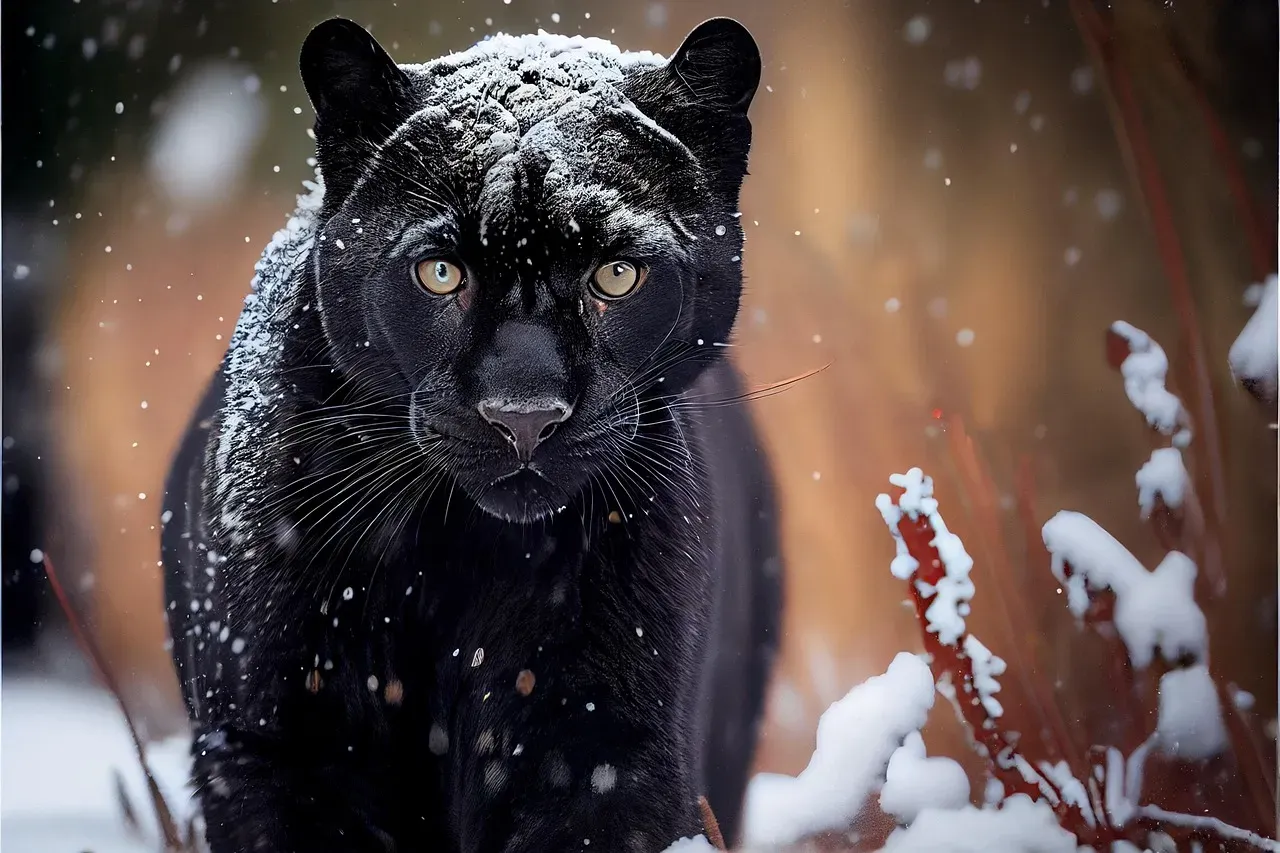
Stories sometimes treat black panthers as a distinct breed or even a hybrid between species. In truth the animals fit neatly into existing leopard and jaguar categories with only the coat color altered. This misconception lingers because early explorers used the term panther broadly for any large dark cat.
Another frequent claim suggests the spots vanish entirely under the melanin layer. Sunlight and close observation disprove that idea by showing the rosettes remain visible. Educational outreach from zoos and wildlife organizations works to replace these ideas with accurate details about genetics and appearance.
The Role of Melanism in Survival
🔥 Would you like to save this?
We'll email this post to you, so you can come back to it later!
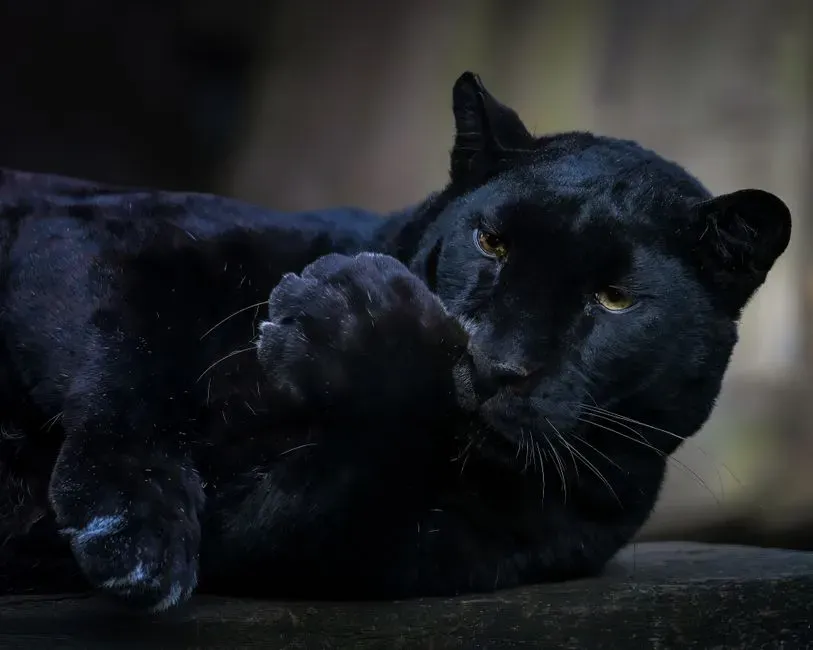
Darker coats may help in low light environments by reducing visibility to prey or rivals. Studies of related species indicate that melanistic individuals sometimes show different activity patterns or success rates in specific conditions. The trait persists because it does not harm reproduction or overall fitness.
At the same time lighter colored cats continue to thrive in open or varied habitats where contrast aids in thermoregulation or social signaling. Both forms coexist within the same populations in many areas. This natural variation adds resilience to the species as environments change over time.

PetSafe Oasys Pet Fountain, 1/2 Gallon (64 oz), Small Dogs & Cats
Check Price on AmazonAs an Amazon Associate, we earn from qualifying purchases.
10/8/2026 8:14 am GMTi

Air Purifiers for Home Pets Large Room Up to 3000 Ft²,HEPA Air Cleaner with Washable Double-Side Filter, PM2.5 Air Quality Monitor,15dB Sleep Mode for Bedroom Odor Dust Pollen,White
Check Price on AmazonAs an Amazon Associate, we earn from qualifying purchases.
10/8/2026 8:23 am GMTi

Orthopedic Extra Large Dog Bed, Waterproof Washable XL Pet Bed 44"
Check Price on AmazonAs an Amazon Associate, we earn from qualifying purchases.
10/7/2026 1:32 pm GMTi

Glass Hummingbird Feeder for Outdoors Hanging
Check Price on AmazonAs an Amazon Associate, we earn from qualifying purchases.
10/7/2026 1:21 pm GMTi

2 Pcs Halloween Pet Hat Bandana Set, Witch Pumpkin Costumes for Dogs
Check Price on AmazonAs an Amazon Associate, we earn from qualifying purchases.
10/9/2026 2:45 pm GMTi
Why Accurate Classification Matters
🔥 Would you like to save this?
We'll email this post to you, so you can come back to it later!
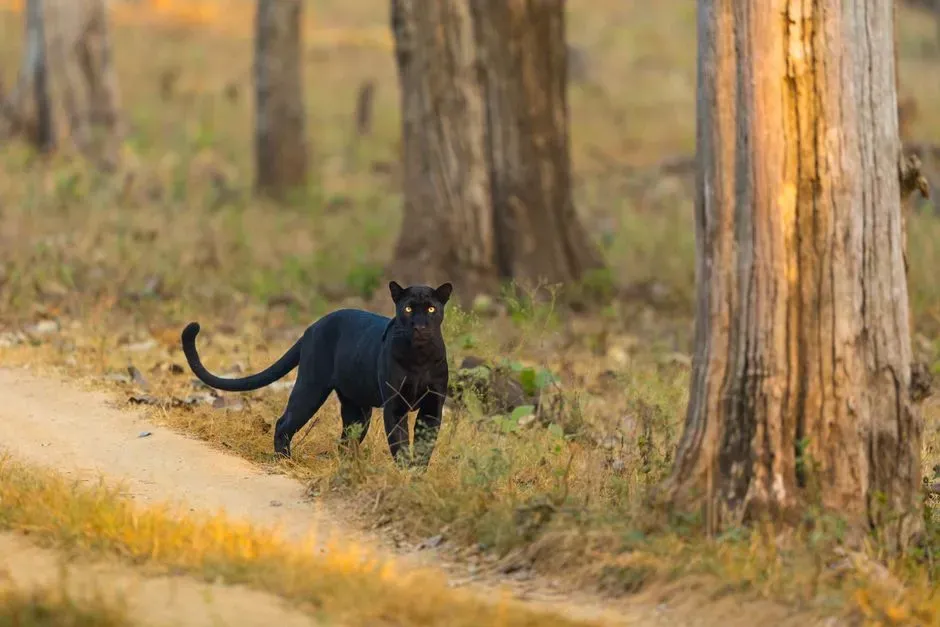
Clear species identification supports targeted conservation plans that address real threats like poaching and deforestation. Treating black panthers as separate would waste resources on nonexistent distinctions and confuse public understanding. Zoologists emphasize shared biology so protection efforts cover all coat colors equally.
Public fascination with the dark form can also drive interest in broader big cat issues. When people learn the animals are familiar species in unusual dress they often feel more connected to ongoing research and habitat work. This connection helps sustain support for field studies and anti trafficking measures.

Earth Rated XL Dog & Puppy Pee Pads, Discreet Top, Max Absorbency
Check Price on AmazonAs an Amazon Associate, we earn from qualifying purchases.
10/7/2026 1:28 pm GMTi

Dog Stairs for Bed 18" H, 4-Step Dog Steps for High Bed
Check Price on AmazonAs an Amazon Associate, we earn from qualifying purchases.
10/9/2026 2:42 pm GMTi

Smart Bird Feeder with Camera Solar Powered, 2K HD Live Video, 10,000+ Bird Species AI Identification
Check Price on AmazonAs an Amazon Associate, we earn from qualifying purchases.
10/7/2026 1:22 pm GMTi

Glass Hummingbird Feeder for Outdoors Hanging, 16 oz Leak-Proof Nectar Feeder with Bee Guards & Ant Moat
Check Price on AmazonAs an Amazon Associate, we earn from qualifying purchases.
10/7/2026 1:22 pm GMTi
A Clearer View of Big Cats
🔥 Would you like to save this?
We'll email this post to you, so you can come back to it later!
Recognizing black panthers as melanistic leopards or jaguars brings the focus back to the animals themselves rather than a label. Their biology, behavior, and needs stay consistent with the rest of their species. Sunlight simply reminds observers that the classic pattern never left.
Future observations will likely continue to reveal how these cats adapt across changing landscapes. The science already shows a straightforward explanation grounded in genetics and visible evidence. Keeping that perspective helps everyone appreciate the diversity within known species without adding unnecessary mystery.

- Zoology Says Black Panthers Aren’t a Separate Species – They’re Leopards or Jaguars With Extra Melanin and Their Spots Still Show in Sunlight - November 8, 2026
- 12 Animals That Glow Under Ultraviolet Light - November 8, 2026
- 9 Cat Behaviours Vets Always Notice - November 8, 2026