
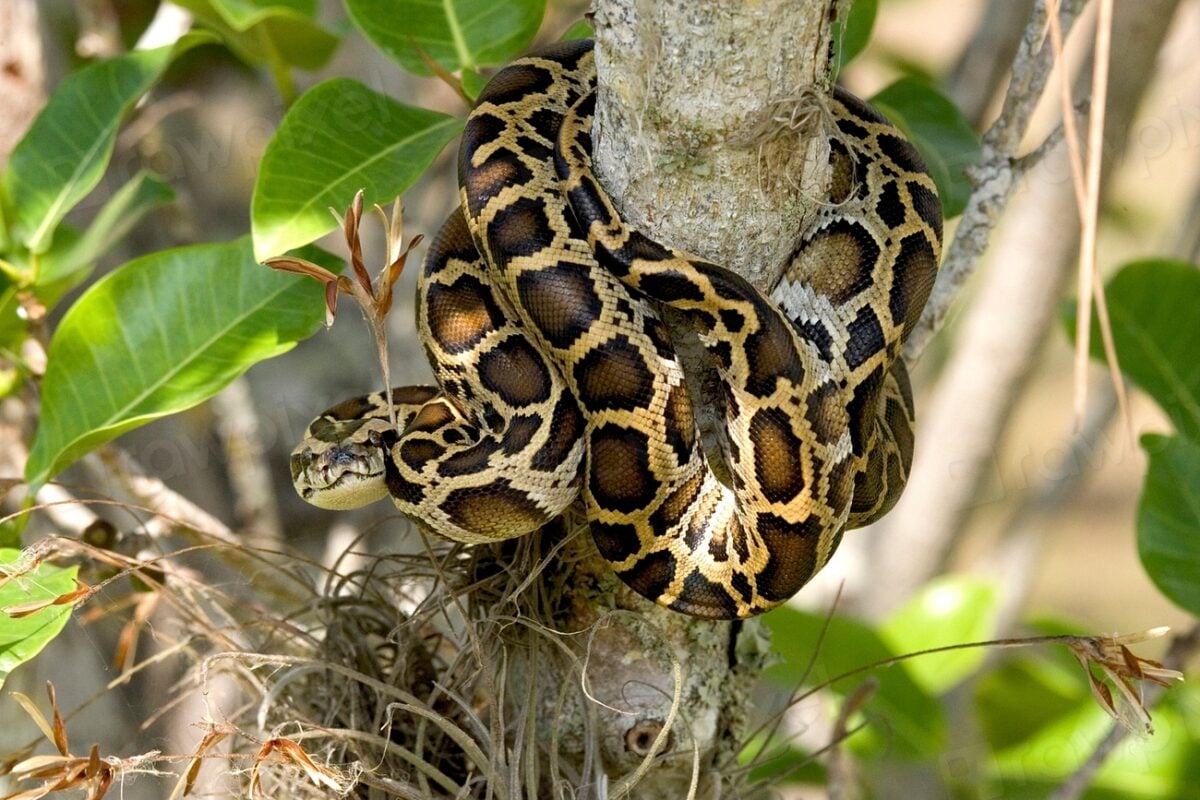
The Everglades once teemed with small mammals that scurried through the wetlands at night. Now many of those creatures have become far harder to find, and researchers have traced much of the change to one introduced predator that has settled in with remarkable success.
That predator is the Burmese python, a large snake native to Southeast Asia. Its presence has coincided with steep declines in several native species, and the numbers tell a striking story about how quickly an ecosystem can shift when a new hunter arrives.
The Arrival and Spread of Burmese Pythons
🔥 Would you like to save this?
We'll email this post to you, so you can come back to it later!
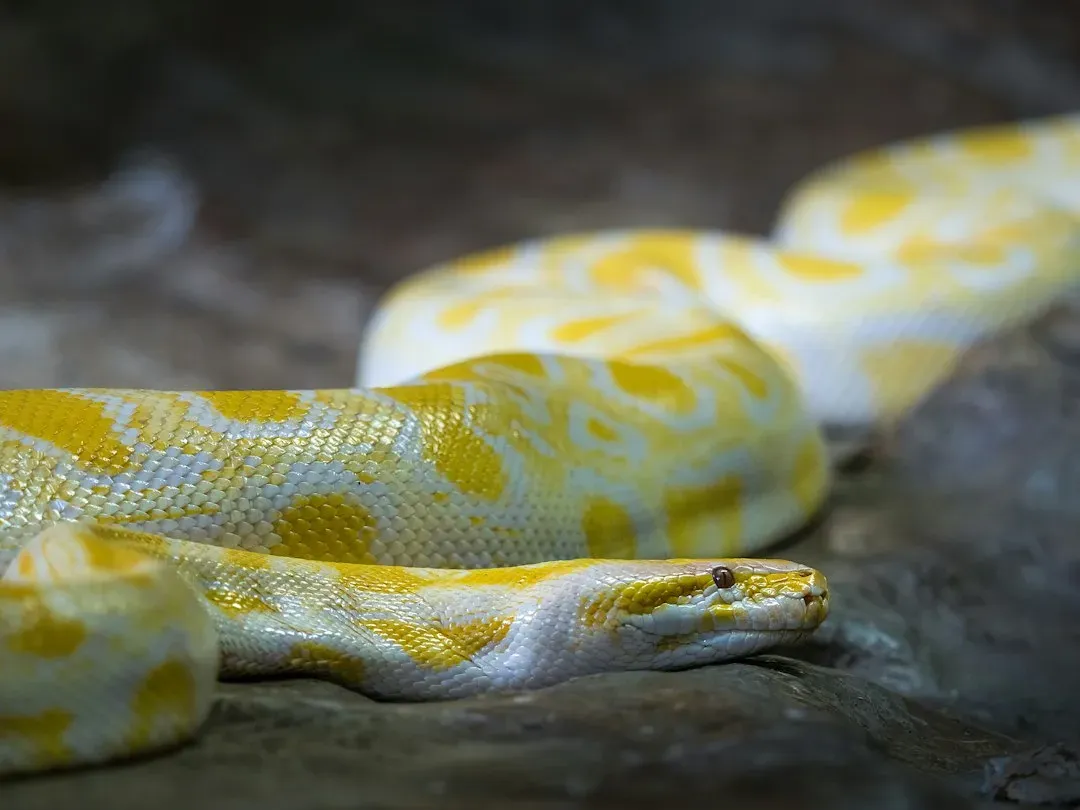
Burmese pythons likely entered the Everglades through a combination of pet releases and escapes from breeding facilities during storms. Once established, the snakes found an environment that suited them well, with abundant prey and few natural checks on their numbers. Their ability to grow large and reproduce steadily allowed populations to expand across vast stretches of wetland and upland habitat.
Over the decades the snakes have moved into new areas, including parts of the park that were once considered less hospitable. Tracking data and sightings show they tolerate a range of water levels and temperatures that many native predators avoid. This flexibility has helped them become a permanent fixture rather than a temporary visitor.
Documenting the Decline in Mammal Populations
🔥 Would you like to save this?
We'll email this post to you, so you can come back to it later!
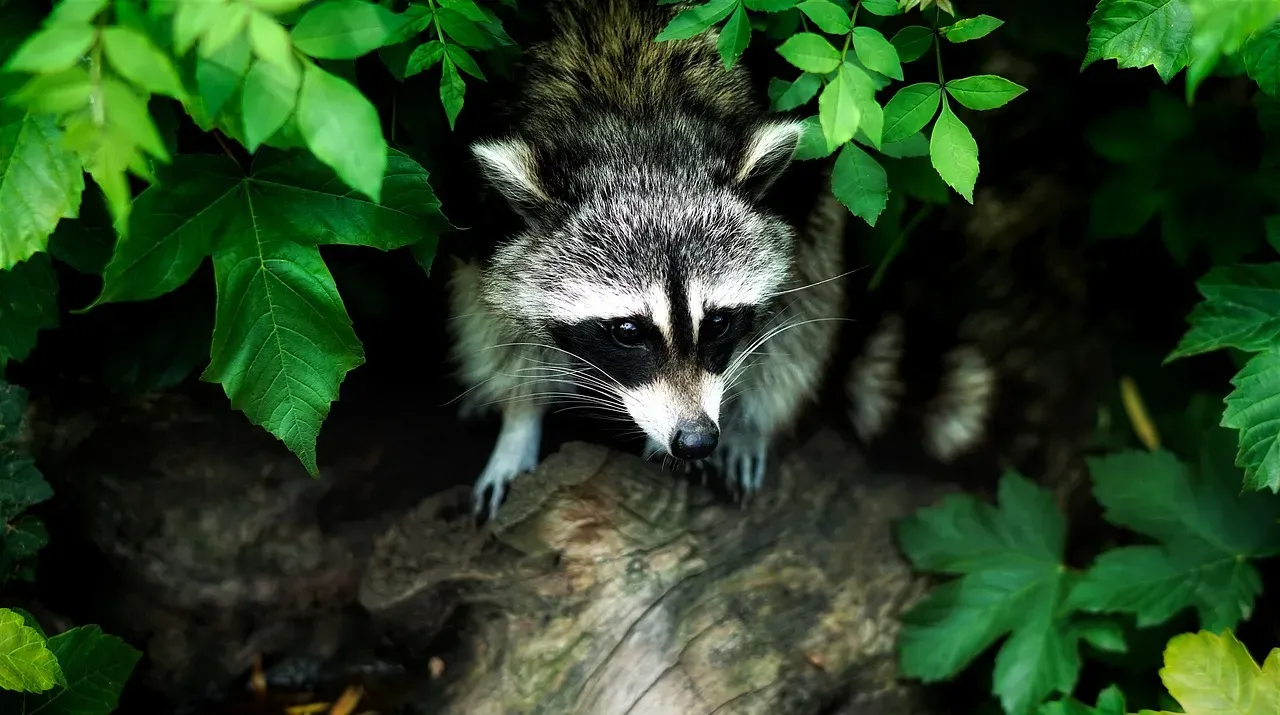
Wildlife biologists began noticing fewer raccoons and opossums during routine surveys in the early 2000s. Roadside counts and camera trap records revealed drops that reached more than ninety percent in some locations compared with earlier decades. These patterns held across multiple study sites, pointing to a widespread rather than localized effect.
Researchers compared areas with high python densities to those with fewer snakes and found consistent differences in mammal presence. The data came from long term monitoring programs that had been running for years before the declines became obvious. Such careful record keeping made it possible to rule out short term weather events or temporary habitat changes as the main drivers.
How Pythons Hunt and Affect Prey Behavior
🔥 Would you like to save this?
We'll email this post to you, so you can come back to it later!
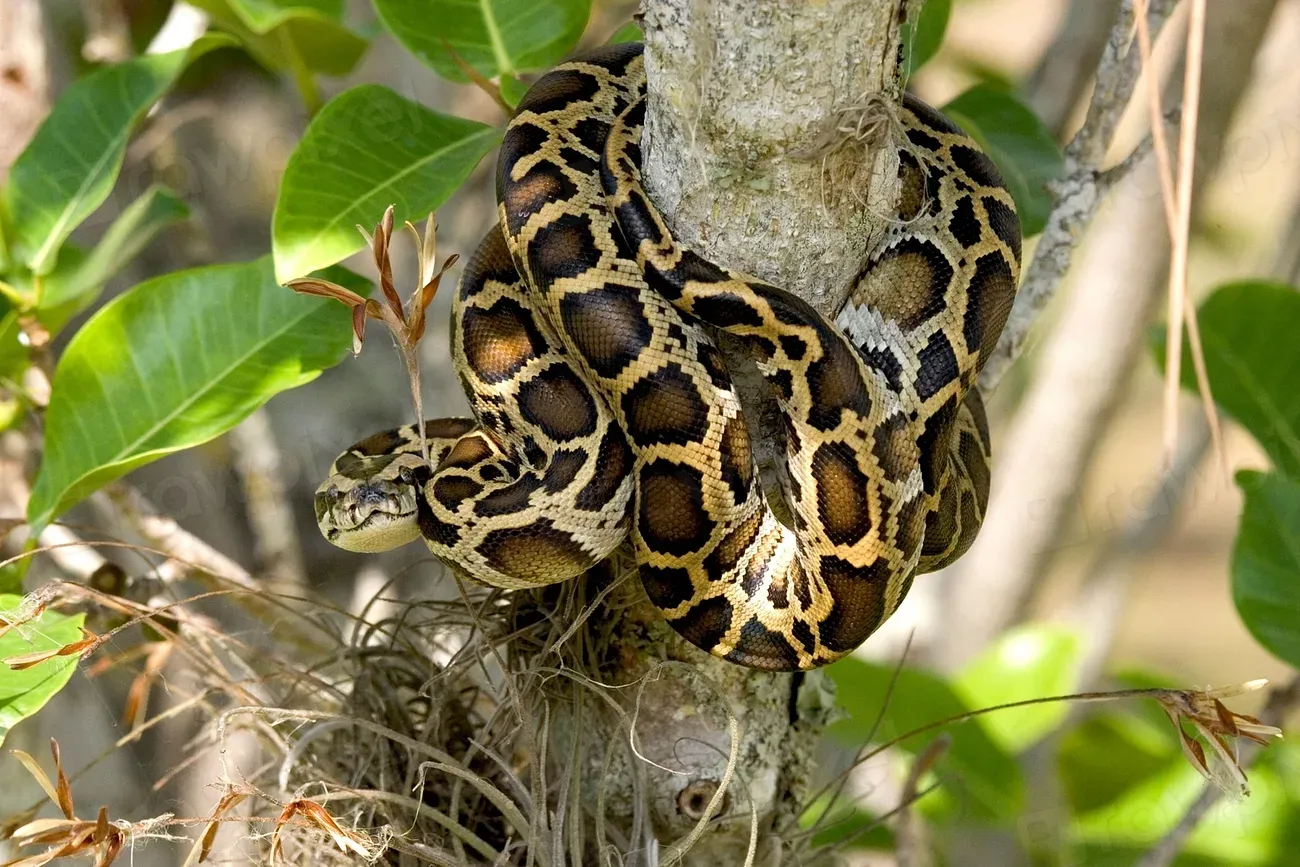
Pythons are ambush predators that rely on stealth and patience rather than speed. They can go weeks between meals, which allows them to persist even when prey becomes scarce. Raccoons and opossums, active at night and often near water, overlap heavily with python hunting grounds and activity periods.
The presence of the snakes appears to alter how surviving mammals move through the landscape. Some animals shift their routes or become more cautious, which can reduce their access to food and shelter over time. These behavioral changes add another layer of pressure beyond direct predation.

Glass Hummingbird Feeder for Outdoors Hanging
Check Price on AmazonAs an Amazon Associate, we earn from qualifying purchases.
10/7/2026 1:21 pm GMTi

Glass Hummingbird Feeder for Outdoors Hanging, 16 oz Leak-Proof Nectar Feeder with Bee Guards & Ant Moat
Check Price on AmazonAs an Amazon Associate, we earn from qualifying purchases.
10/7/2026 1:22 pm GMTi

Professional 7 in 1 Dog Paw Cleaner for Dogs & Cats - Includes 1 Portable Paw Washer, 1 Bath Brush
Check Price on AmazonAs an Amazon Associate, we earn from qualifying purchases.
10/7/2026 1:26 pm GMTi

Earth Rated XL Dog & Puppy Pee Pads, Discreet Top, Max Absorbency
Check Price on AmazonAs an Amazon Associate, we earn from qualifying purchases.
10/7/2026 1:28 pm GMTi

Smart Bird Feeder with Camera Solar Powered, 2K HD Live Video, 10,000+ Bird Species AI Identification
Check Price on AmazonAs an Amazon Associate, we earn from qualifying purchases.
10/7/2026 1:22 pm GMTi
Effects on Raccoons Specifically
🔥 Would you like to save this?
We'll email this post to you, so you can come back to it later!
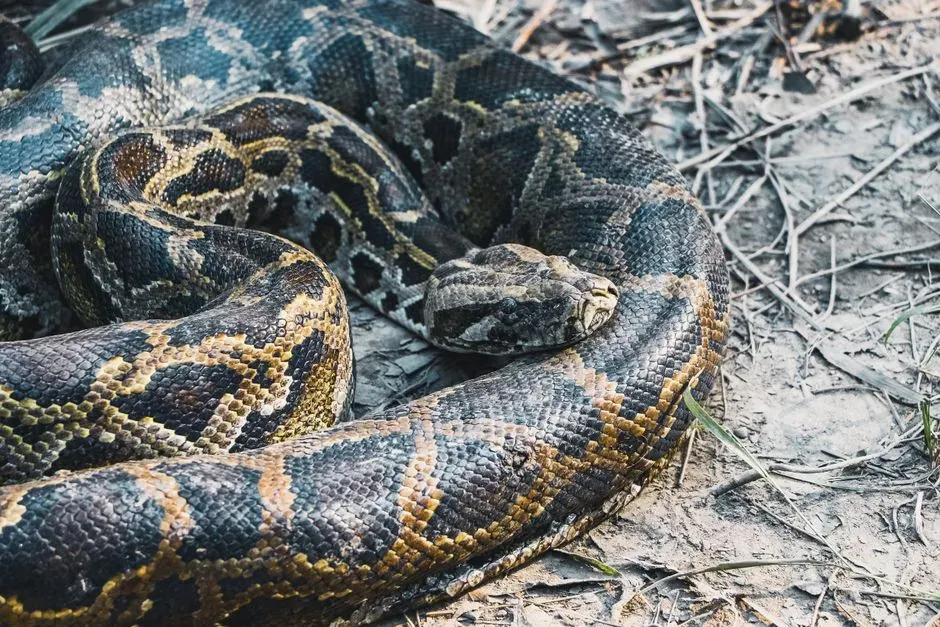
Raccoons have long been common in the Everglades, using their dexterous paws to forage along shorelines and in trees. After python numbers rose, sightings of raccoons dropped sharply in many of the same zones where the snakes were most frequently recorded. The pattern suggests direct consumption played a major role in the reduction.
Lower raccoon numbers can influence other parts of the food web as well. These mammals help control certain insects and small vertebrates, and they also serve as prey for native predators such as alligators and birds of prey. A sustained drop therefore ripples outward in ways that are still being measured.
Effects on Opossums Specifically
🔥 Would you like to save this?
We'll email this post to you, so you can come back to it later!
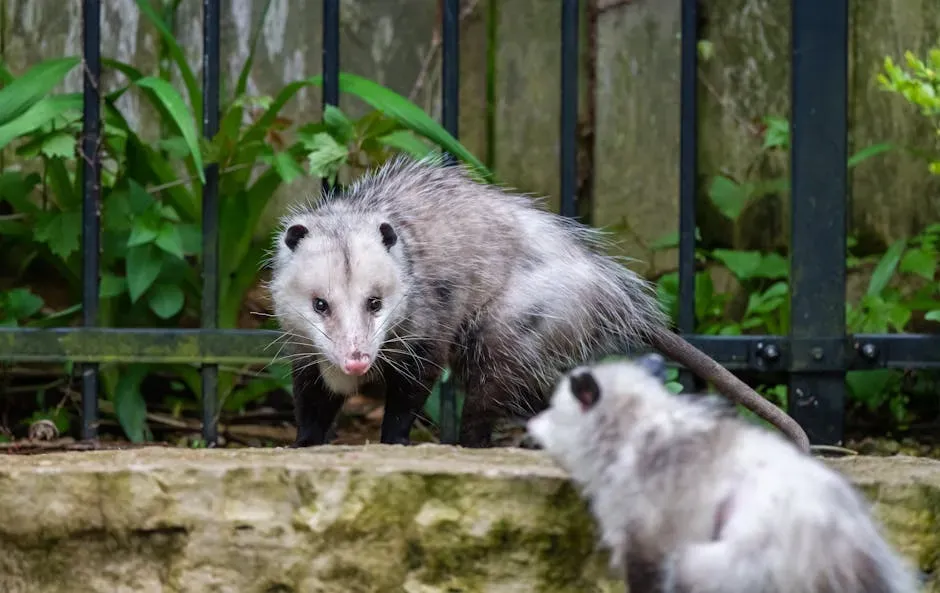
Opossums occupy a similar niche, scavenging and hunting small creatures near the ground. Their populations have followed a comparable downward trend in python heavy areas. Because opossums reproduce relatively quickly, the scale of the decline points to intense and ongoing pressure rather than a one time event.
Camera trap images and track surveys show opossums avoiding sections of habitat where pythons are known to rest during the day. This avoidance can limit their ability to find enough food, especially in seasons when other resources are limited. The result is a slower recovery even in years with favorable conditions for breeding.

Orthopedic Extra Large Dog Bed, Waterproof Washable XL Pet Bed 44"
Check Price on AmazonAs an Amazon Associate, we earn from qualifying purchases.
10/7/2026 1:32 pm GMTi

Air Purifiers for Home Pets Large Room Up to 3000 Ft²,HEPA Air Cleaner with Washable Double-Side Filter, PM2.5 Air Quality Monitor,15dB Sleep Mode for Bedroom Odor Dust Pollen,White
Check Price on AmazonAs an Amazon Associate, we earn from qualifying purchases.
10/8/2026 8:23 am GMTi

Hand Blown Glass Hummingbird Feeders for Outdoors Hanging, 24oz Wild Bird Nectar Feeder
Check Price on AmazonAs an Amazon Associate, we earn from qualifying purchases.
10/7/2026 1:23 pm GMTi

Halloween Cat Costume Cloak Witch Hat Pet Accessories
Check Price on AmazonAs an Amazon Associate, we earn from qualifying purchases.
10/9/2026 2:44 pm GMTi

Dog Stairs for Bed 18" H, 4-Step Dog Steps for High Bed
Check Price on AmazonAs an Amazon Associate, we earn from qualifying purchases.
10/9/2026 2:42 pm GMTi
Broader Changes in the Everglades Ecosystem
🔥 Would you like to save this?
We'll email this post to you, so you can come back to it later!
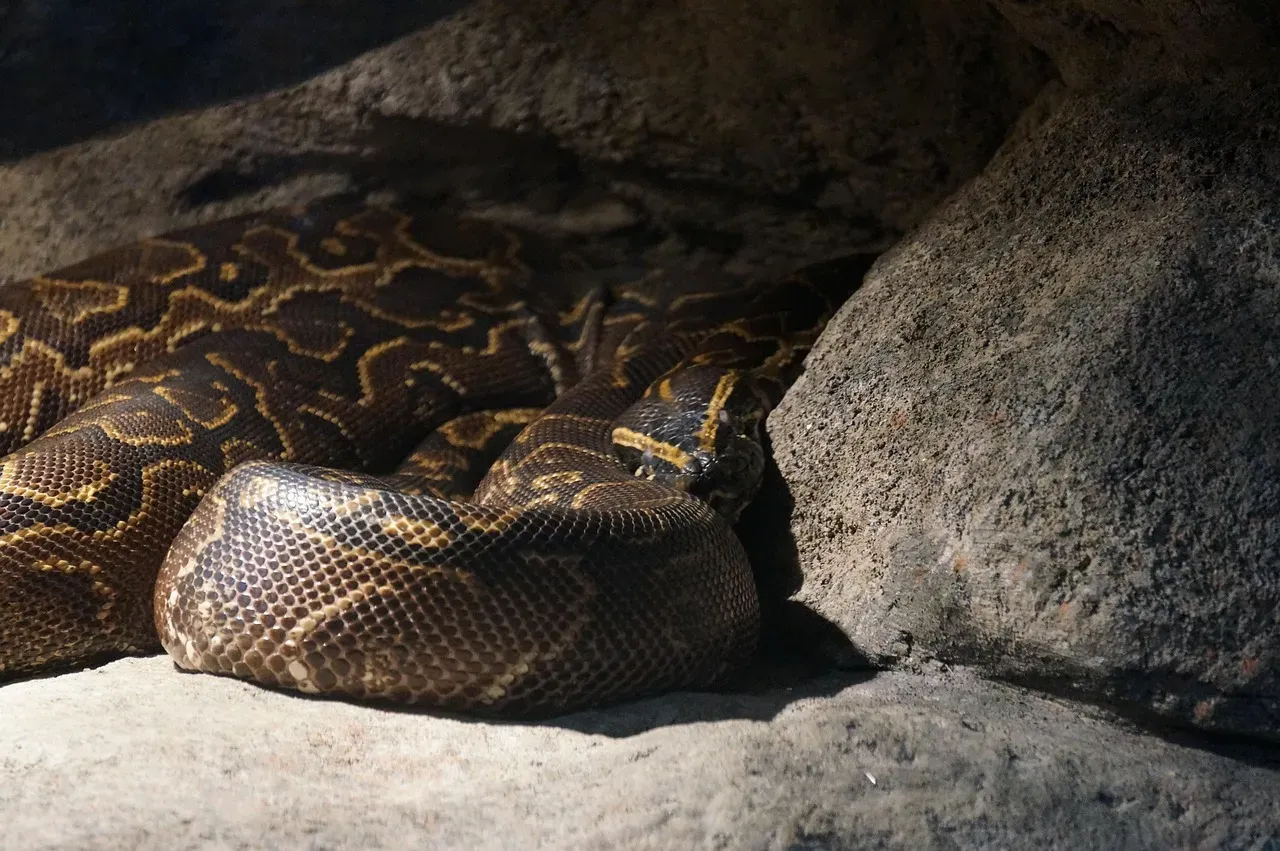
The loss of these two mammals is part of a larger shift that includes declines in other species such as foxes and bobcats. Pythons have also been documented eating birds, deer fawns, and even alligators on occasion. The cumulative effect is a reordering of who eats whom in the wetlands.
Scientists continue to monitor how the absence of raccoons and opossums influences seed dispersal, insect populations, and disease dynamics. Early indications suggest some changes are already underway, though the full picture will take years to clarify. Restoration efforts now include both python removal and habitat work aimed at supporting remaining native wildlife.

PetSafe Oasys Pet Fountain, 1/2 Gallon (64 oz), Small Dogs & Cats
Check Price on AmazonAs an Amazon Associate, we earn from qualifying purchases.
10/8/2026 8:14 am GMTi

Portable Dog Water Bottle Foldable Dog Travel Water Bottle
Check Price on AmazonAs an Amazon Associate, we earn from qualifying purchases.
10/7/2026 1:29 pm GMTi

Halloween Dog Collar with Bow, Orange Cute Ghost Collar,
Check Price on AmazonAs an Amazon Associate, we earn from qualifying purchases.
10/9/2026 2:43 pm GMTi

2 Pcs Halloween Pet Hat Bandana Set, Witch Pumpkin Costumes for Dogs
Check Price on AmazonAs an Amazon Associate, we earn from qualifying purchases.
10/9/2026 2:45 pm GMTi
Looking Ahead for Everglades Wildlife
🔥 Would you like to save this?
We'll email this post to you, so you can come back to it later!
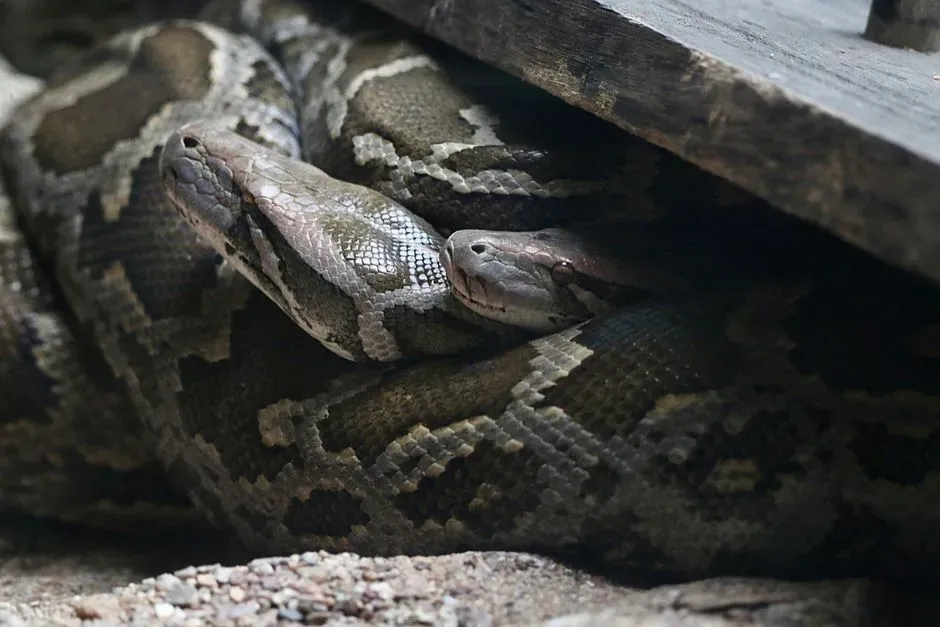
Control programs have removed thousands of pythons, yet the snakes remain widespread and continue to reproduce. Complete removal is unlikely, so the focus has shifted toward keeping their numbers from growing further while protecting the most vulnerable native species. This approach requires steady funding and coordination across agencies.
The situation underscores how quickly an introduced predator can reshape an entire landscape when conditions favor it. Continued research and adaptive management offer the best chance of preserving what remains of the original mammal community. The Everglades have shown resilience before, but the current challenge will test that resilience in new ways.

- Wildlife Biology Says Burmese Pythons in the Everglades Are Linked to Drops of Over 90% in Raccoons and Opossums - November 8, 2026
- Zoology Says Black Panthers Aren’t a Separate Species – They’re Leopards or Jaguars With Extra Melanin and Their Spots Still Show in Sunlight - November 8, 2026
- 12 Animals That Glow Under Ultraviolet Light - November 8, 2026