
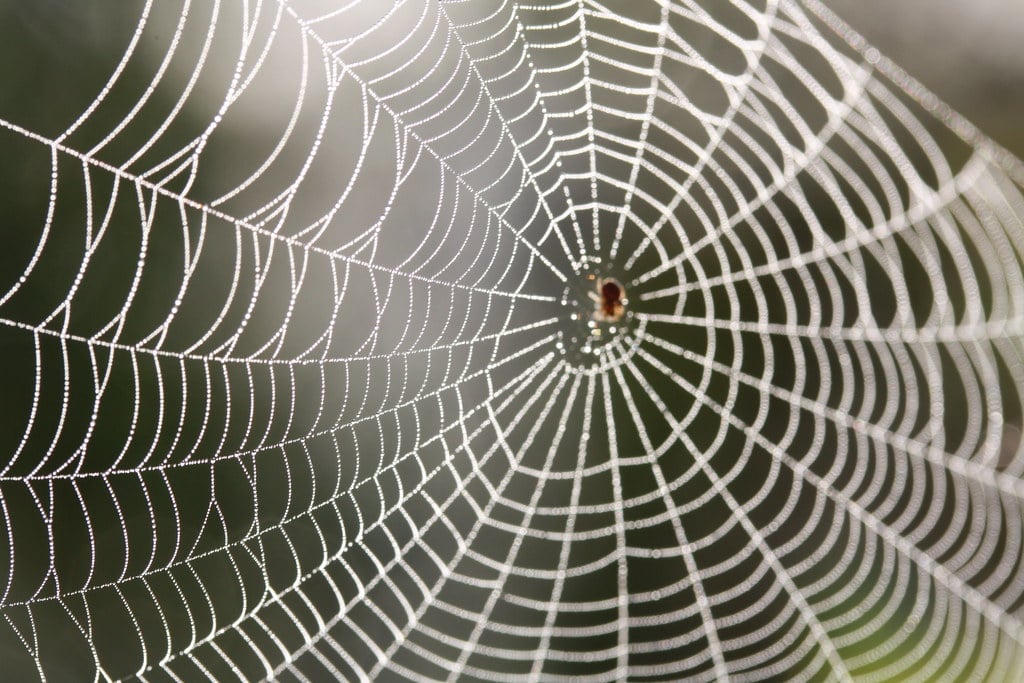
You walk out the door, and something invisible catches your face first. A split second of panic, a swipe at your own forehead, and there it is – a spider’s web, strung perfectly across the one spot you had to walk through. Most people call it annoying and move on with their day.
But in cultures scattered across the map, that same sticky thread has never been just an accident of pest control. Some say it means money is about to land in your hands. Others say it’s a warning to watch the people closest to you. Here’s what the folklore actually says about the web waiting over your threshold – and why the meaning changes depending on where your ancestors are from.
North American Beliefs: The Web That Guards Your Front Door
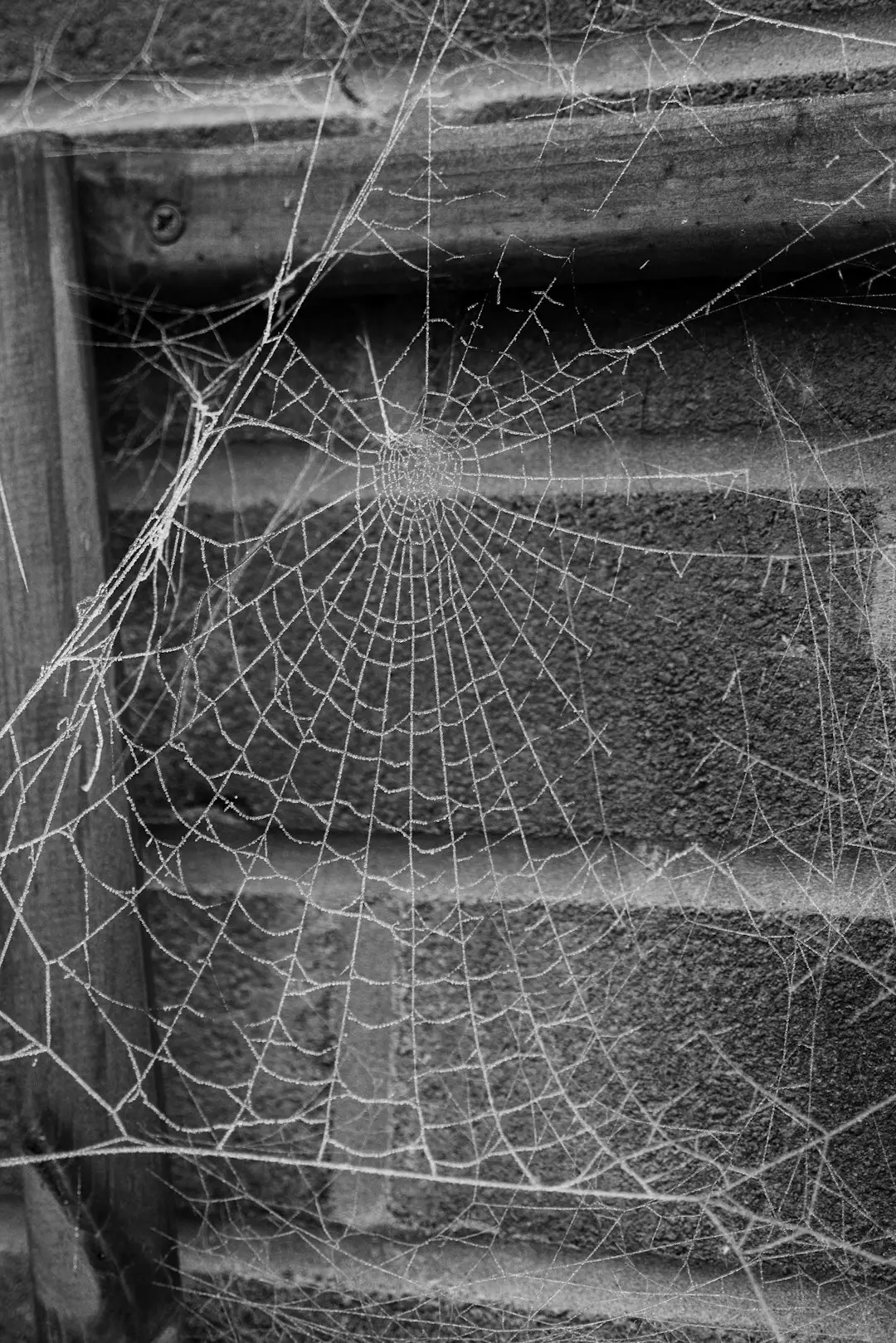
In many Native American traditions, the spider isn’t a pest at all – it’s a protector. A web strung across the entrance of a home is often read as a sign that something is standing guard, catching bad energy the same way it catches insects before they ever cross the threshold. The spider is treated as a wise, deliberate force, not a random visitor.
There’s a second layer to this belief that goes deeper than protection. Some Native American traditions link the spider to storytelling and the passing down of knowledge between generations. A web at the door, in this reading, is a quiet nudge to think about what you’re teaching the people who live under your roof – and what you’re choosing to pass on.
At a Glance
- Spider treated as a guardian catching bad energy at the threshold
- Linked to storytelling and passing knowledge between generations
- Seen as a deliberate, wise presence rather than a random pest
- Web location matters: entrances are considered especially symbolic
European Superstitions: The “Money Spider” Omen
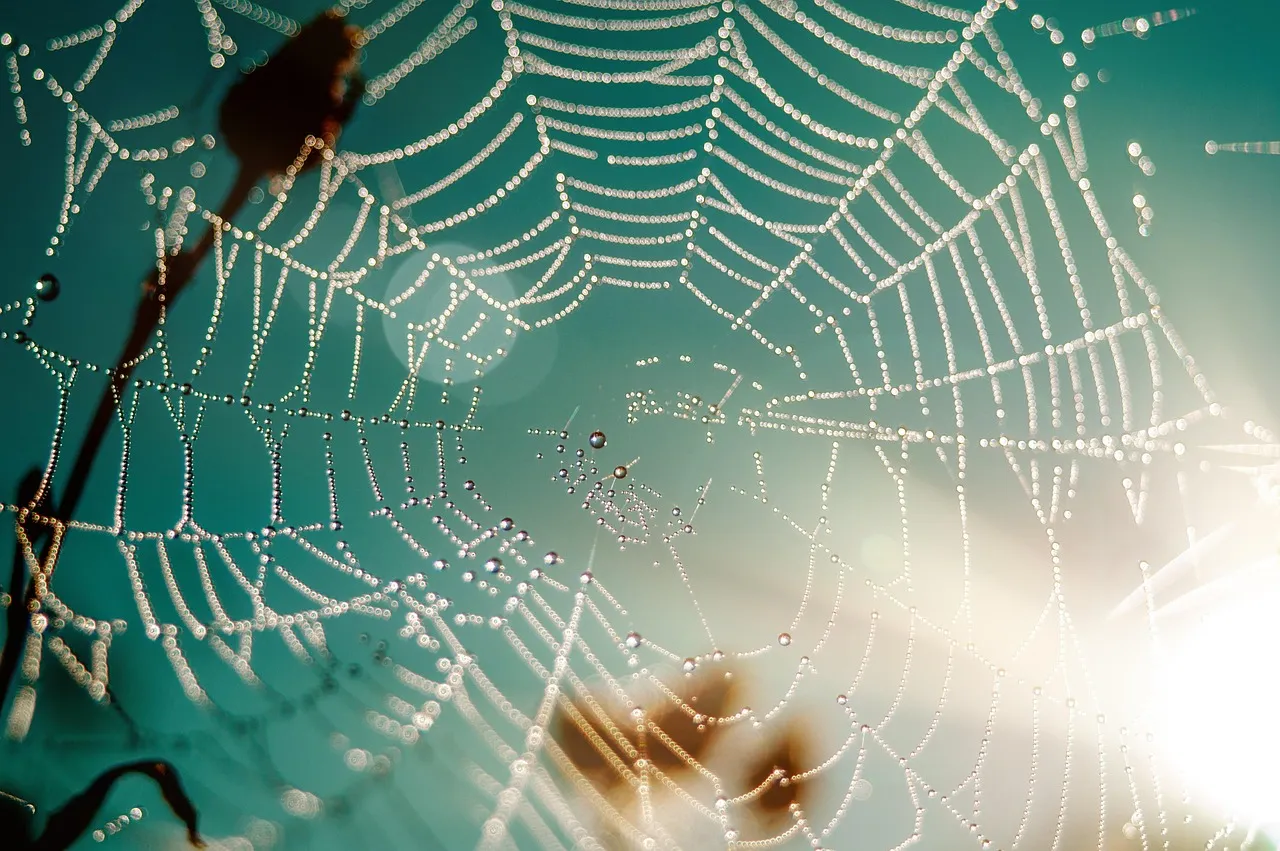
Walk into an English pub and mention killing a spider, and you might get a genuine gasp. In European folklore, spiders are so tightly linked to financial luck that small ones earned the nickname “money spiders,” and harming one is considered an almost reckless invitation for bad fortune. A web spun across your doorway is read as a sign that money is already on its way to you.
The belief isn’t new. It stretches back to Roman times, when people carried spider amulets specifically to attract success in business. The logic is almost poetic: the spider builds something out of nothing, thread by thread, and that patient labor becomes a symbol for effort finally turning into reward.
If you wish to live and thrive, let a spider run alive.
Old English proverb
African Folklore: Anansi’s Warning at Your Threshold
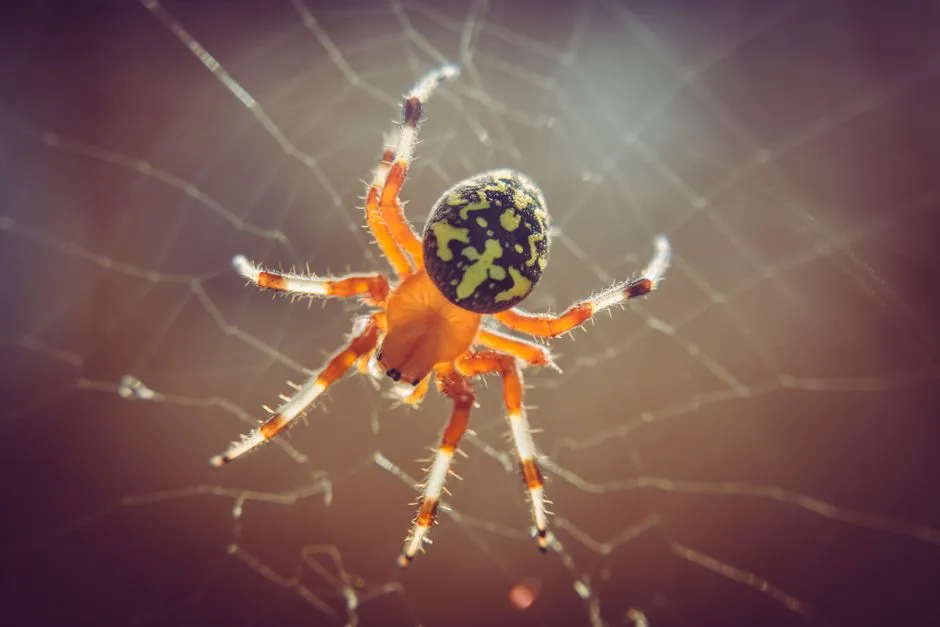
Not every culture treats the spider as a friend. In West African storytelling, the spider shows up as Anansi – a trickster who talks his way out of trouble and talks his way into other people’s fortune. He’s clever, charming, and not remotely trustworthy. A web at your door, in this tradition, can be read less as protection and more as a warning to keep your eyes open.
These Anansi stories were never just entertainment. They carried real lessons about who to trust and how easily cleverness can tip into deception. A web across the entrance becomes a quiet prompt to pause and ask who around you might not have your best interests in mind.
Worth Knowing
- Anansi is one of the most enduring trickster figures in West African and Caribbean storytelling
- His tales spread widely through oral tradition and later migrated across the Atlantic
- Stories were built to teach lessons about trust, cleverness, and consequence
- A web at the door flips the usual “good omen” reading into a caution
Asian Interpretations: A Sign Someone’s Coming
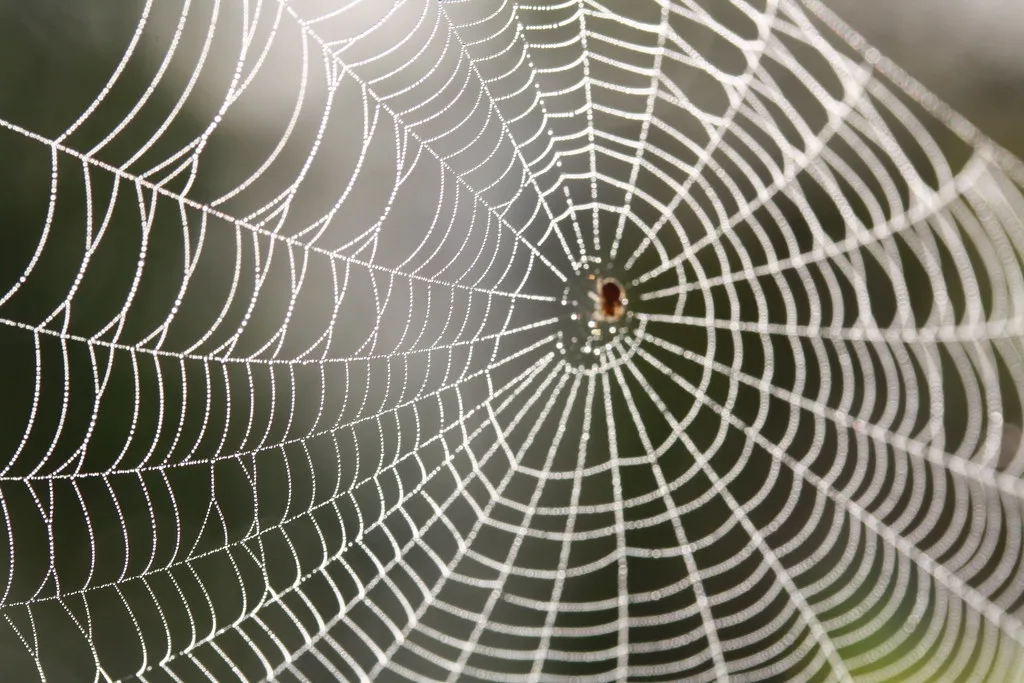
In parts of Japan, a spider’s web at the doorway isn’t about money or protection at all – it’s about visitors. The belief holds that the web is announcing an arrival, someone stepping into your life before you even know they’re on their way.
The twist is in the timing. Spot the spider in the morning, and old belief says brace for bad news. Spot it in the evening instead, and it flips into a sign of good fortune heading your way. Same spider, same web, completely different message depending on the hour.
Quick Compare
- Morning sighting: traditionally read as a warning of bad news on the way
- Evening sighting: traditionally read as a sign of good fortune approaching
- Either time: the web itself signals a visitor is about to arrive
Australian Aboriginal Wisdom: The Web as the Web of Life
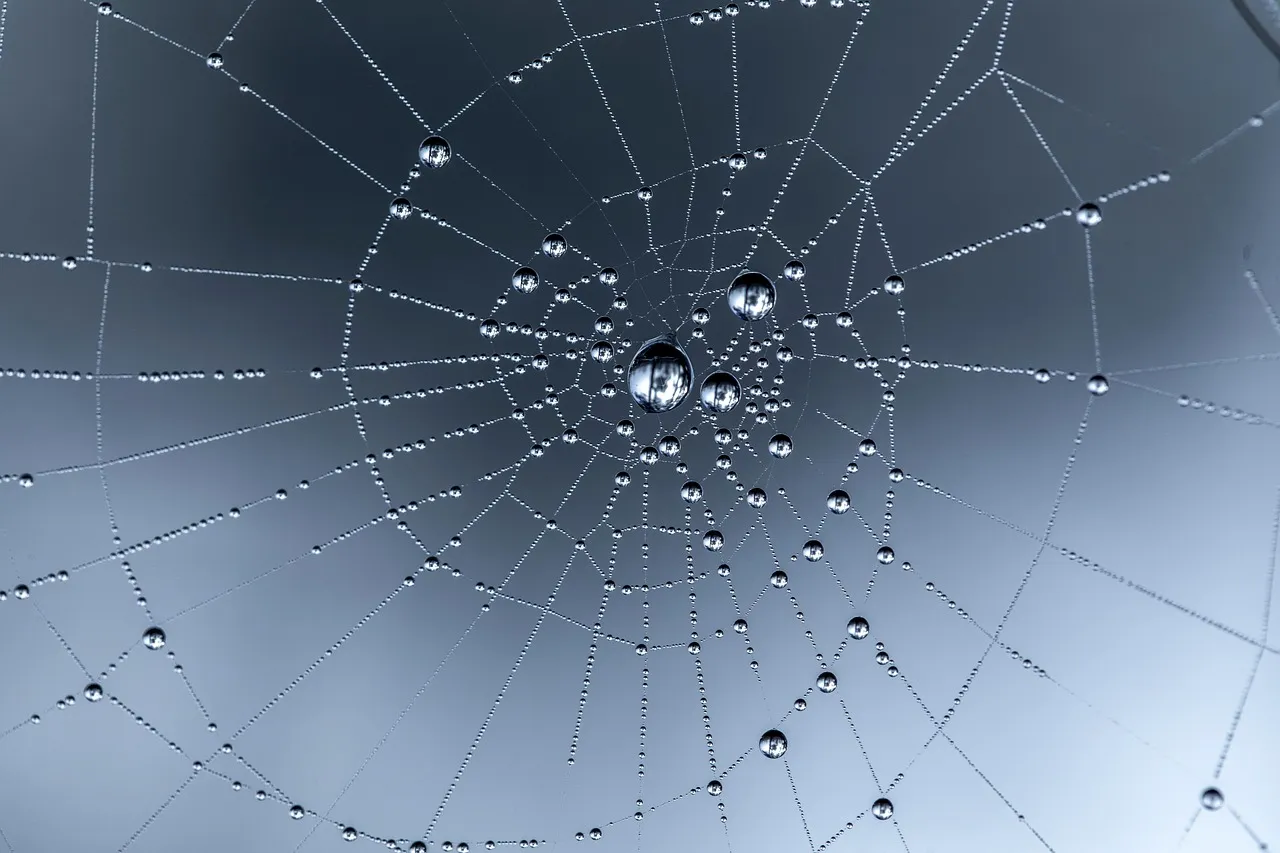
Australian Aboriginal traditions take the symbolism somewhere bigger than any single household. The web itself becomes a map of how everything is connected – people, community, land, and the natural world all tied together the way a web’s threads hold each other up. A web at the doorway is a reminder that nobody stands alone.
There’s a responsibility built into that belief. If the web represents the whole community’s balance, then every person has a role in keeping it intact. Seeing one at your door becomes less about personal fortune and more about a nudge toward showing up for the people around you.
South American Beliefs: Spiders as Weavers of Fate
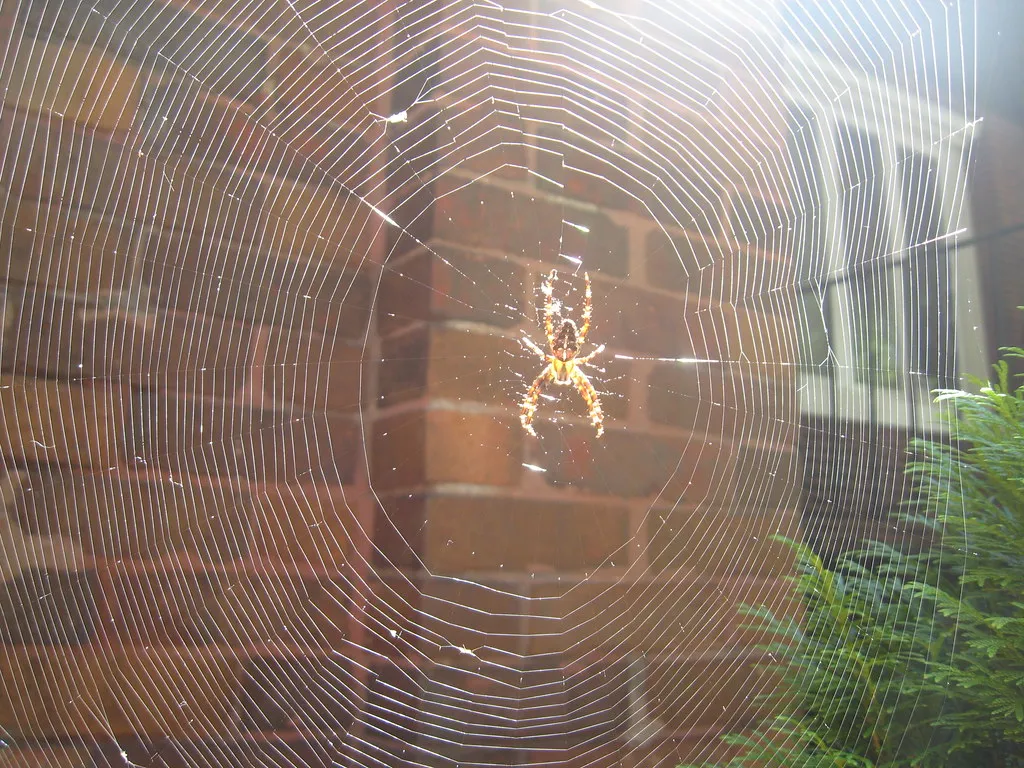
Among indigenous communities in South America, the spider’s web is often tied to fate itself – the tangled, branching paths a life can take. A web strung across the doorway isn’t background scenery; it’s treated as a marker, almost like standing at a crossroads without realizing it yet.
This interpretation asks something of the person who notices it. It’s less about luck arriving on its own and more about paying attention to the decision sitting in front of you right now. The web becomes a visual nudge to slow down before choosing which direction to take.
Universal Symbolism: Patience Spun Into Silk
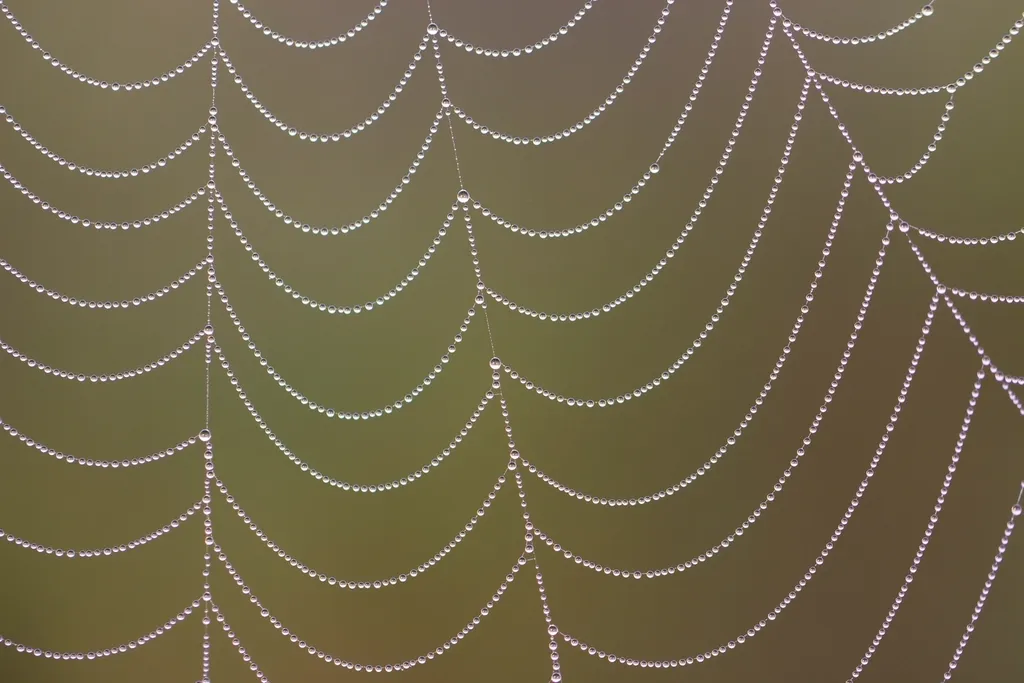
Strip away the regional differences, and one theme keeps resurfacing everywhere: the spider as a symbol of patience and creation. Building a web takes time, precision, and repeated effort that would frustrate most creatures into giving up. That persistence is exactly what makes the spider such a durable symbol across so many unrelated traditions.
A web at your door, read this way, becomes almost a mirror. It’s fragile enough to break with one careless hand, yet strong enough to hold its shape through wind and rain. Plenty of cultures see that as a quiet lesson about sticking with something long enough for it to actually hold.
Why It Stands Out
- Patience and creation show up as core themes across four unrelated continents
- The web is fragile to the touch, yet resilient enough to withstand wind and rain
- Independent cultures landed on similar meanings without ever sharing contact
- The shared thread: quiet, repeated effort eventually holds something together
The Bottom Line
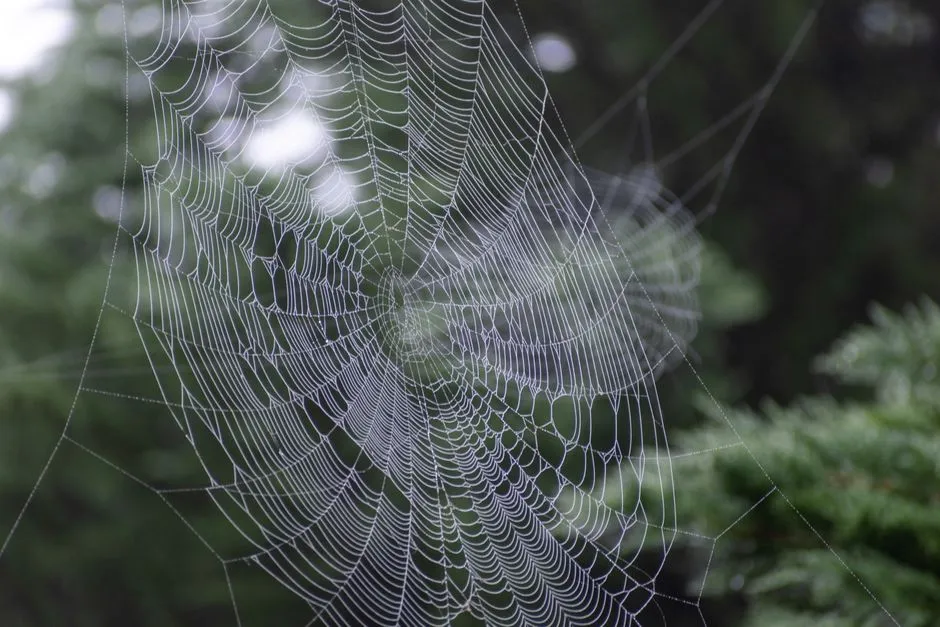
Here’s the opinion part: knock the web down if you want to walk through your own front door without a face full of silk. Nobody’s saying superstition should dictate your morning commute. But it says something that spiders – creatures most people flinch at – got adopted as symbols of protection, wealth, warning, fate, and patience by cultures that never spoke to each other.
That’s not coincidence. That’s humans noticing the same thing over and over: something small, easy to overlook, and quietly persistent enough to build a whole structure out of nothing. Maybe the web across your doorway isn’t telling your fortune. But it might be worth a second look before you sweep it away.

- The Big Cat Each Zodiac Sign Would Be – and the One Trait That Makes the Match Exact - July 14, 2026
- What It Means When a Spider Builds Its Web Across Your Doorway According to Folklore From Four Continents - July 14, 2026
- What It Means When a Spider Builds Its Web Across Your Doorway According to Folklore From Four Continents - July 14, 2026