

When you think about American agriculture, images of vast farmlands and sprawling ranches probably come to mind. These aren’t just picturesque landscapes. They’re the heartbeat of a multibillion-dollar industry that feeds millions of people around the world. Livestock production shapes the economic backbone of several states, supporting entire communities and driving innovation in farming practices.
Yet most people have no idea which states are truly leading the pack. You might have a guess or two, but the real data reveals some surprising patterns. From cattle roaming Texas prairies to hogs thriving in Iowa’s corn country, each state has carved out its own niche in the livestock world. So let’s dive in and explore the six states dominating America’s livestock industry right now.
Texas Reigns Supreme in Cattle Numbers
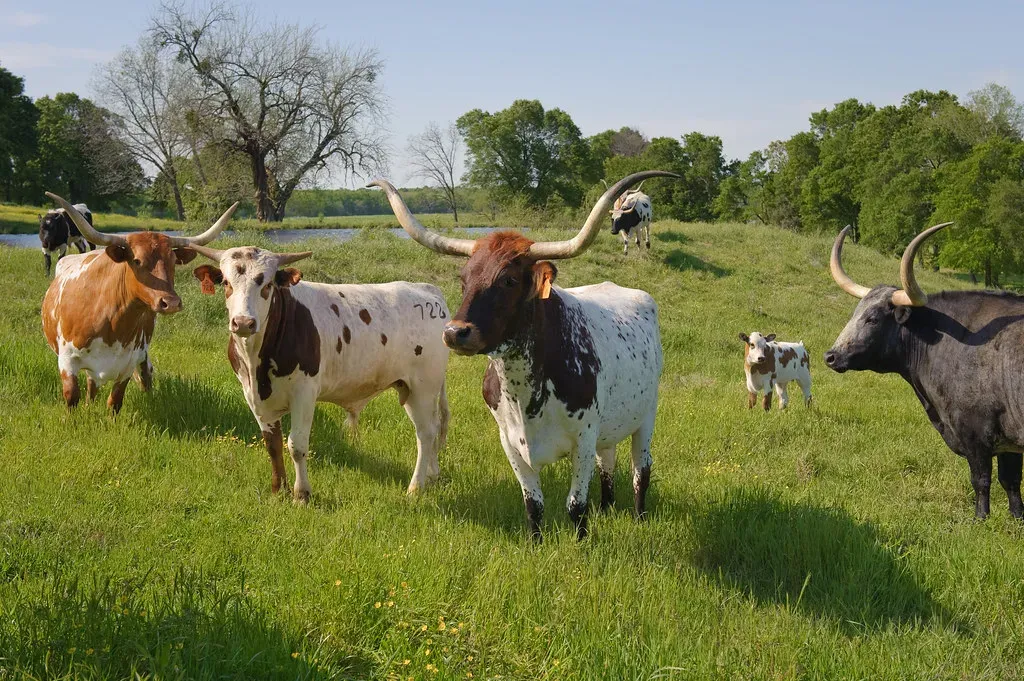
Texas is home to over 12 million cattle and calves, ranking it first in the U.S. in total cattle numbers. Think about that for a second. That’s more cattle than the entire population of many large states. The sheer scale of Texas cattle production dwarfs every other state, and it’s been that way for generations.
The state has the broadest spectrum of producers and variation in production environments, making the beef cattle industry by far the largest sector in the Texas agriculture industry. From the humid coastal plains to the arid High Plains, Texas ranchers have adapted their operations to match the diverse geography. This flexibility has allowed the state to maintain its dominance year after year, even as market conditions shift and challenges emerge.
Iowa Dominates the Pork Industry
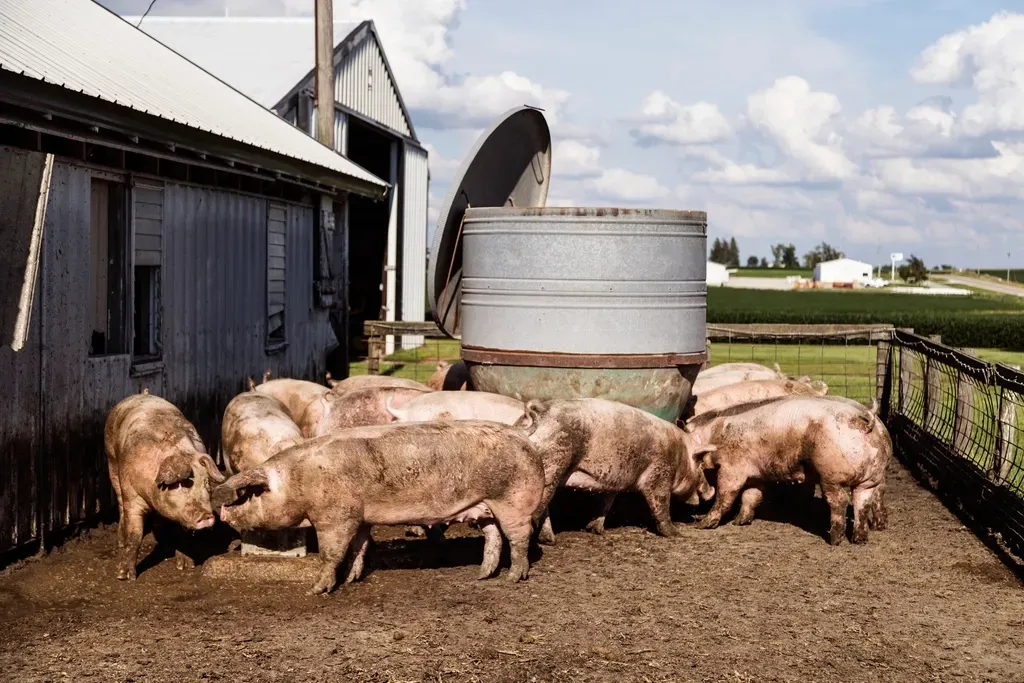
Iowa hog producers accounted for the largest inventory among the states, at 24.6 million head. That’s not a typo. Iowa alone produces roughly a third of all hogs raised in the United States. The numbers are staggering when you consider that Minnesota, the second-largest producer, doesn’t even come close.
Why Iowa? Over the course of a year, Iowa pigs consume over 2 million acres of corn and nearly 1.5 million acres of soybeans, with nearly one-eighth of Iowa’s row crops marketed for nearby use. The proximity to feed sources reduces transportation costs dramatically, giving Iowa producers a competitive advantage that’s hard to beat. The pork industry contributed $15.4 billion in value added to Iowa’s economy in 2024, supporting more than 120,000 jobs statewide.
Nebraska’s Cattle Feeding Powerhouse
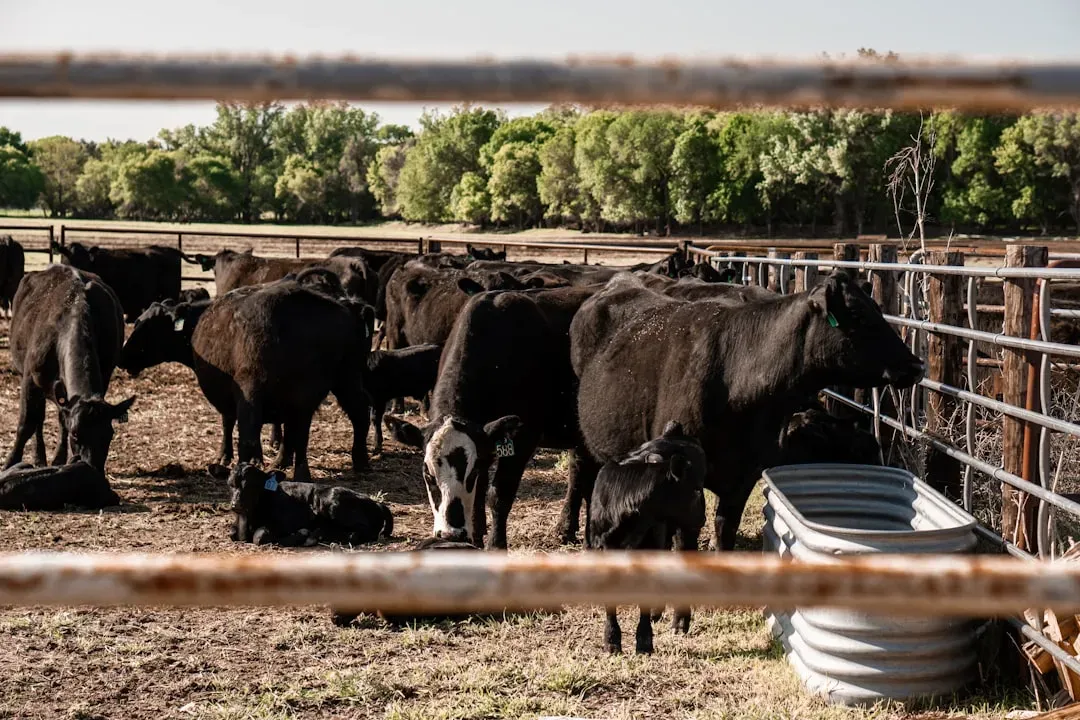
Nebraska has 6.05 million head of cattle, placing it firmly in second place nationally. However, what really sets Nebraska apart isn’t just the total number. Nebraska had the largest fed cattle inventory with 3 million head, representing 20% of all fed cattle in the entire country.
More than one billion bushels of corn are produced here each year, 40% of which is fed to livestock in the state, with climate, natural resources, access to quality feed, and feeding efficiency being among the top reasons Nebraska is a premiere location for beef production. The state has perfected the feedlot model, where cattle are brought to finishing weight before processing. This concentration of feeding operations creates efficiencies that benefit the entire supply chain. Nebraska has the top three beef cow counties in the U.S., including Cherry County, the nation’s number one cow county with nearly 166,000 cows.
Kansas Holds Strong in Beef Production
Kansas has 5.95 million head of cattle, keeping pace with Nebraska in the race for second place. The state’s cattle industry benefits from its central location in the Great Plains, where vast stretches of grassland provide ideal grazing conditions. Kansas has built a robust infrastructure around cattle production, from auction barns to processing facilities.
The state’s role in the beef supply chain goes beyond just raising cattle. Kansas serves as a crucial hub for cattle markets, where animals change hands between ranchers, backgrounders, and feedlot operators. This network of buyers and sellers creates a dynamic market that helps set prices nationwide. In 2022, Kansas had $13.6 billion in cattle sales, demonstrating the enormous economic impact of this industry.
Oklahoma’s Grassland Advantage
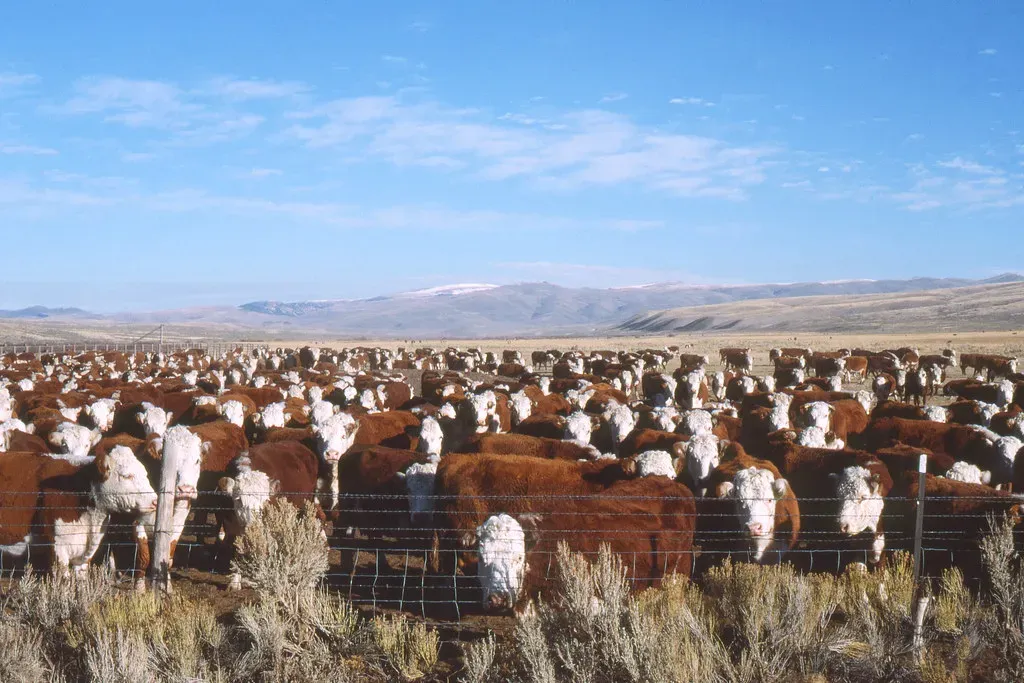
Oklahoma is home to 4.6 million head and benefits from large grazing pastures and strong feeder cattle production. The state occupies a unique position in the cattle industry. Its grasslands are perfect for cow-calf operations, where breeding herds produce the next generation of beef cattle.
A major reason for Oklahoma’s thriving in the cattle industry is because of its nutritious grass and productive grain farms that make farming cattle far easier than other states. The combination of native grasslands and agricultural resources creates an environment where cattle operations can flourish. Oklahoma ranchers have developed expertise in managing herds on open range, a tradition that stretches back generations to the era of cattle drives and the Cherokee Strip.
California’s Dairy Dominance
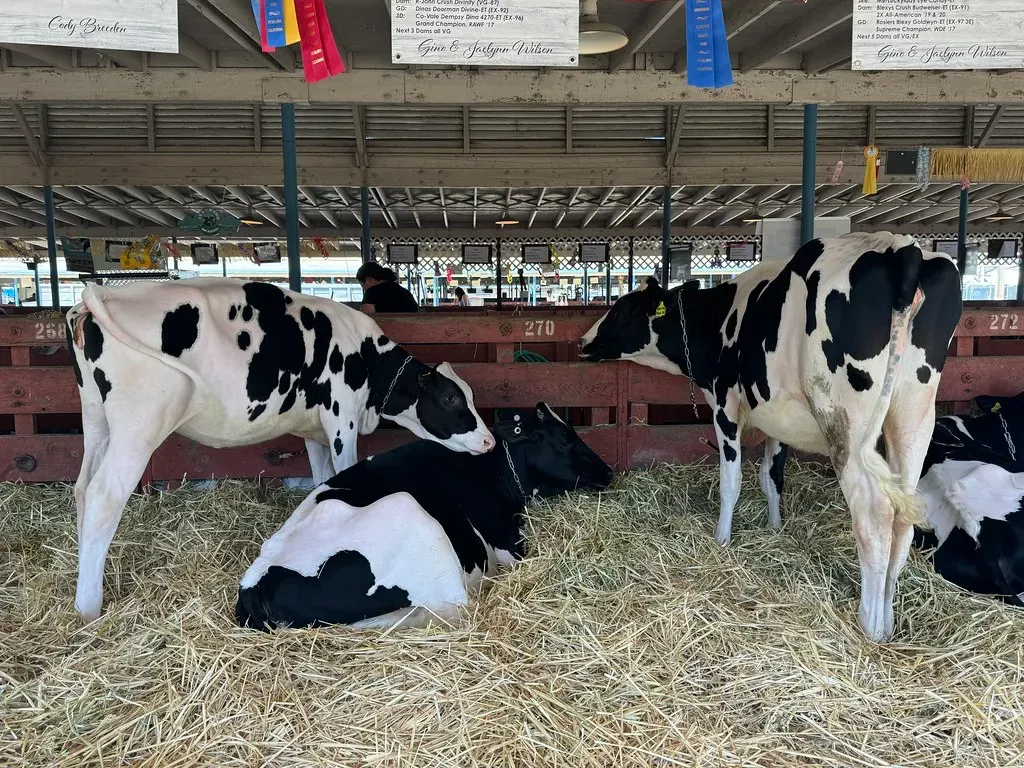
California, with 5.05 million head, has a strong dairy industry that contributes significantly to its total. Most people associate California with tech companies and Hollywood, not livestock. Yet the state ranks among the top five for cattle numbers, primarily because of its massive dairy operations.
California had 18% of all U.S. milk cows with 1.7 million head. These dairy cows require intensive management and sophisticated operations that produce enormous volumes of milk daily. California’s mild climate and access to feed sources have allowed dairy producers to build some of the largest and most efficient operations in the world. The state’s dairy industry supports thousands of jobs and generates billions of dollars in economic activity each year.
Conclusion
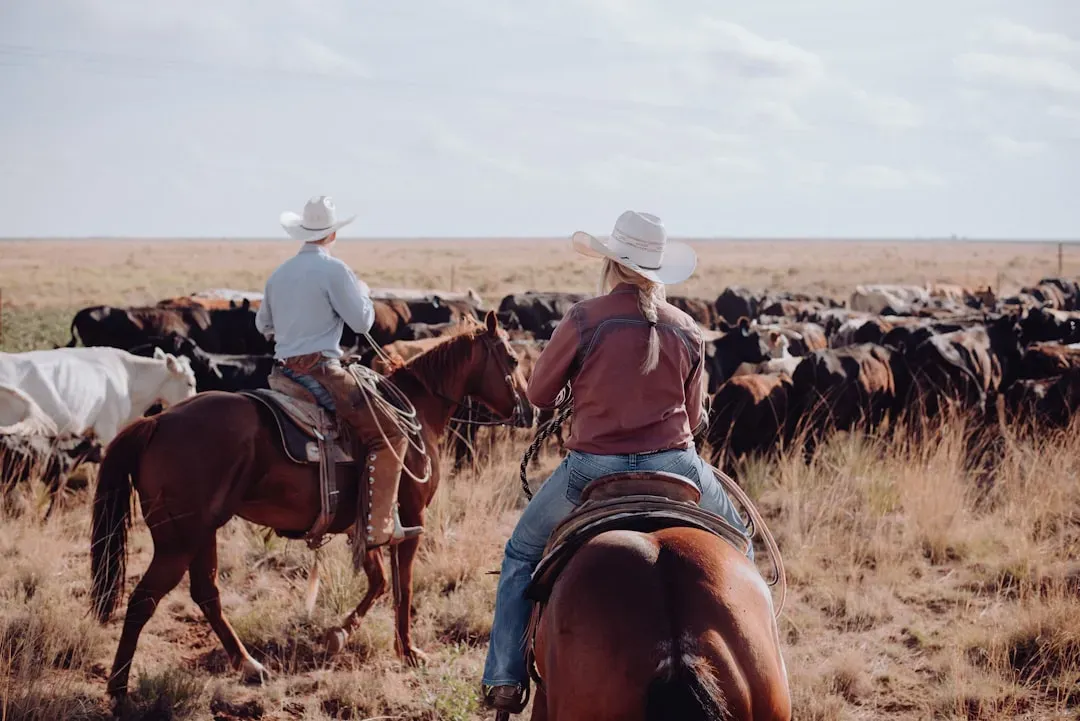
The livestock industry across these six states represents far more than just numbers on a chart. You’re looking at family legacies, rural communities, and economic engines that power entire regions. Each state brings unique advantages, whether it’s Texas with its sheer scale, Iowa with its integration of hog production and corn farming, or Nebraska with its feedlot efficiency.
These operations face constant challenges, from feed costs to market volatility, yet they continue to adapt and thrive. The animals raised in these states ultimately feed families across America and around the globe. So the next time you sit down to a steak dinner or bacon breakfast, there’s a pretty good chance it came from one of these six livestock powerhouses. Which state surprised you the most?
