

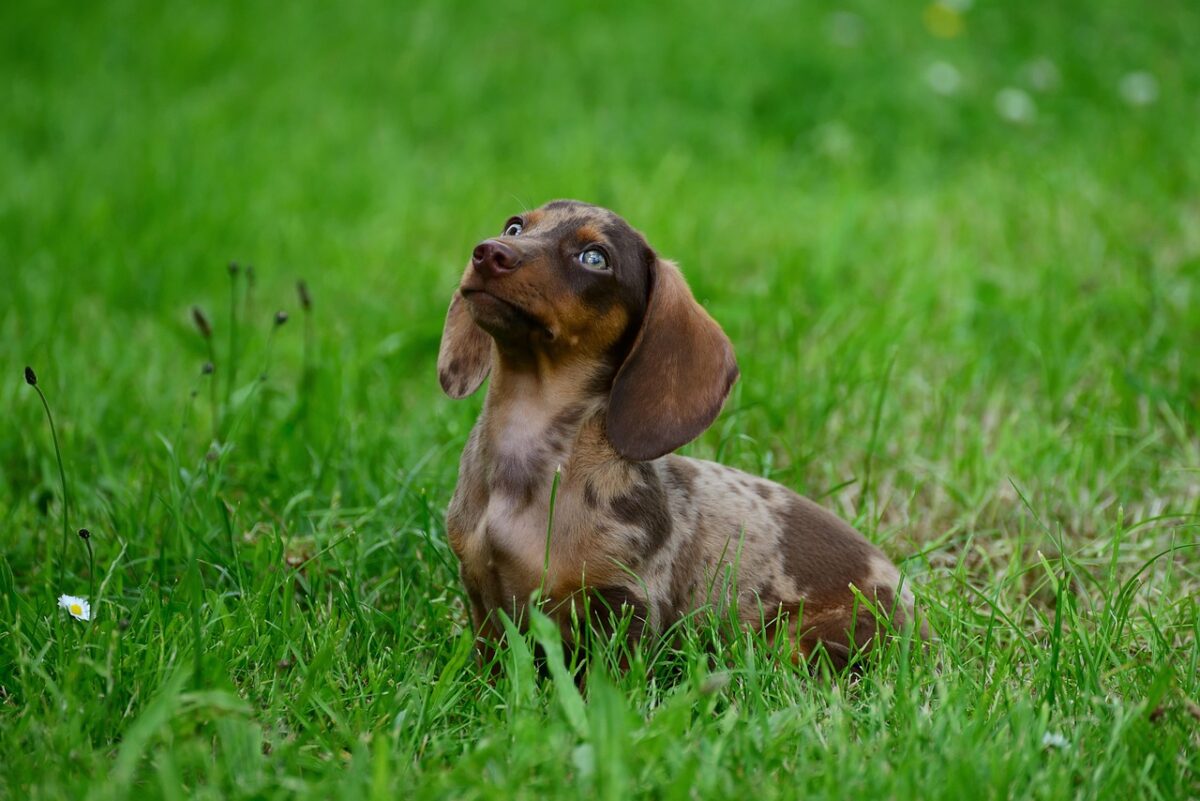
There’s a certain irony in watching a twelve pound dog stare down something that outweighs it by a factor of four. Yet across suburban backyards and rural fence lines, this scene plays out more often than most people realize, and it rarely ends the way size alone would predict. Some small breeds carry a kind of nerve that seems disproportionate to their frame, a trait bred into them generations before coyotes ever became a backyard concern. What follows is a look at ten of these pint sized breeds, the history behind their grit, and why boldness in a dog is fascinating even when it should never be tested on purpose.
Jack Russell Terrier
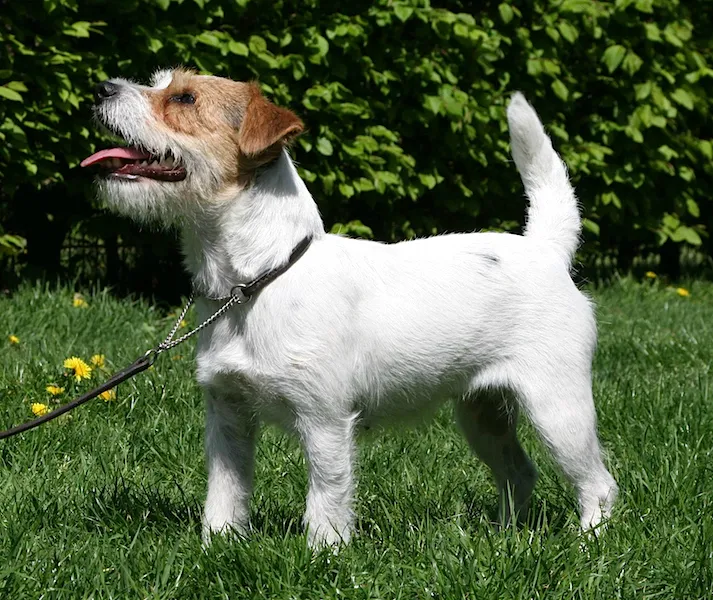
Bred in nineteenth century England to chase foxes into their dens, the Jack Russell Terrier was never meant to back down from anything, regardless of size. Fox hunting required a dog willing to crawl into tight, dark burrows and confront an animal that could easily fight back, and that job shaped a temperament that still shows up in family living rooms today.
Modern Jack Russells retain that same relentless drive, often barking, charging, and standing their ground against dogs, cats, or wildlife many times their size. This isn’t recklessness for its own sake but a genetic holdover from working stock that prized confidence over caution, which is exactly why owners describe them as fearless to a fault.
Rat Terrier
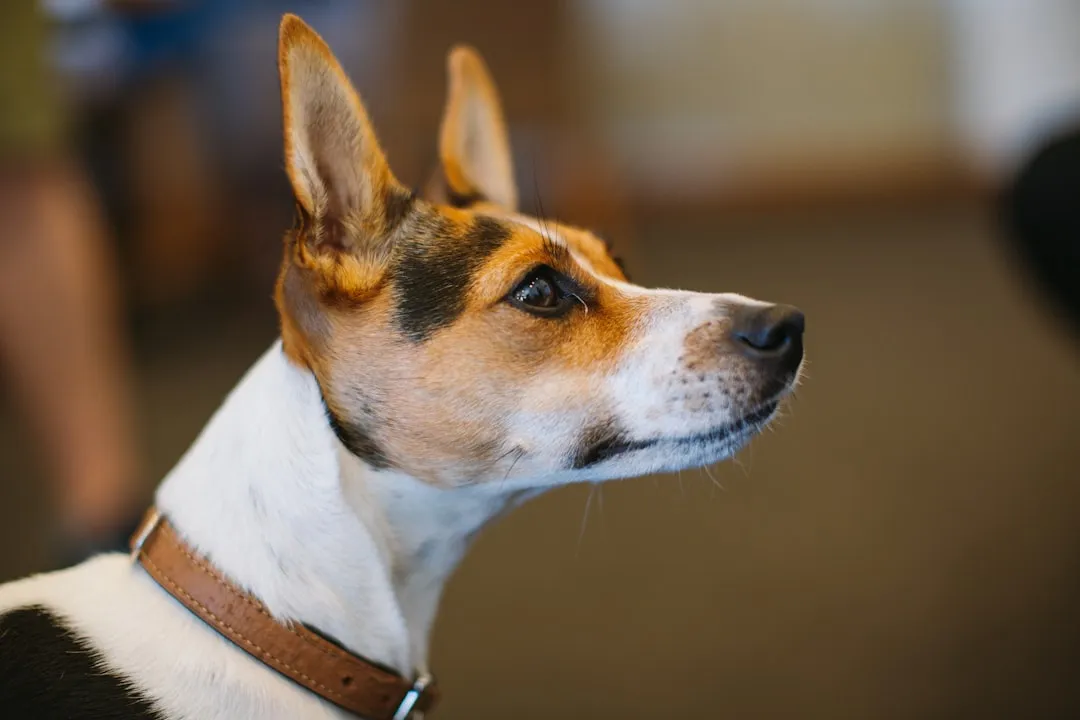
The Rat Terrier earned its name doing exactly what it sounds like, hunting vermin on American farms with speed and an aggressive prey drive. Farmers valued a dog that wouldn’t hesitate when a rat turned to fight, and that same willingness to engage rather than flee has carried through the breed’s development.
Today’s Rat Terriers are compact, muscular, and quick, with a working history that included taking on animals larger than rodents when the situation called for it. Their alertness to movement and their instinct to investigate rather than avoid unfamiliar animals is part of why this breed keeps coming up in discussions about small dogs with outsized nerve.
Miniature Pinscher
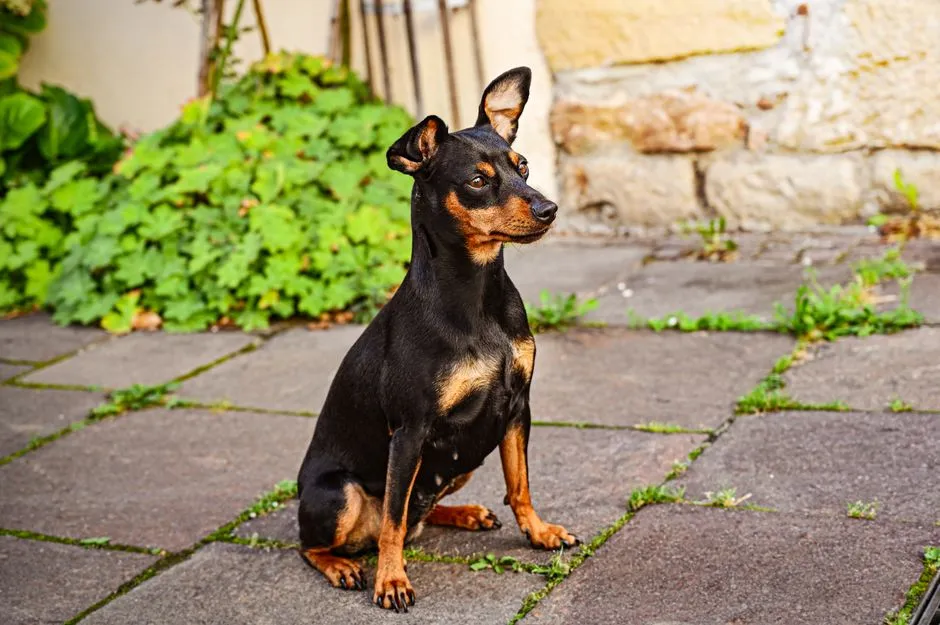
Often mistaken for a tiny Doberman, the Miniature Pinscher is actually an older breed, developed in Germany to hunt rats and other small vermin around stables and homes. That heritage produced a dog with a stiff, confident gait and a personality that many owners describe as almost unaware of its own size.
The breed’s nickname, the king of toys, reflects a temperament that is anything but shy. Min Pins are known to challenge larger dogs without hesitation, a trait that speaks to genuine boldness rather than simple yappiness, and it’s this specific combination of confidence and quick reflexes that makes them notable on any list about small dog courage.
Dachshund
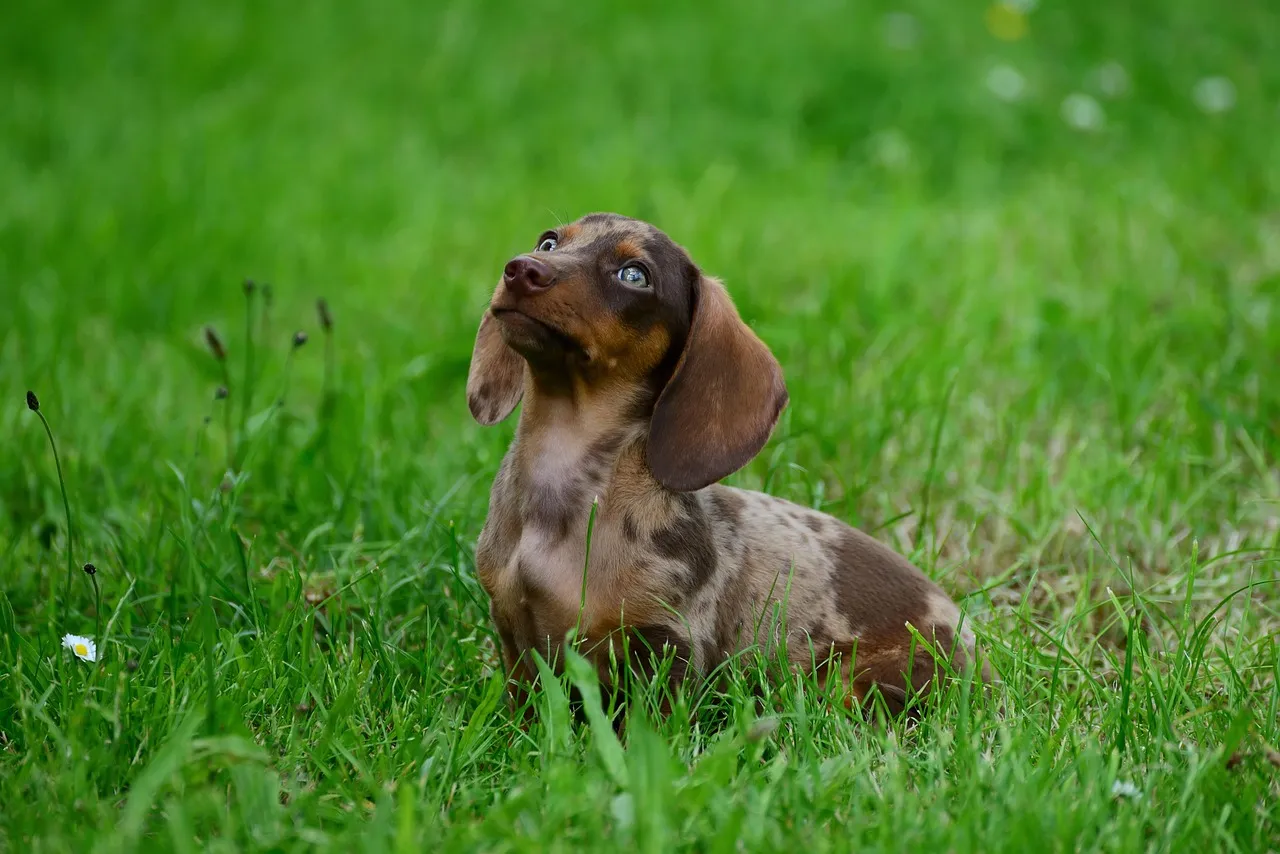
The Dachshund’s entire body was engineered for a dangerous job: burrowing underground to confront badgers, an animal known for its ferocity and willingness to fight to the death. Its long body and short legs weren’t a cosmetic choice but a functional design that let it enter tunnels and hold its ground in cramped, high stakes conditions.
That badger hunting legacy explains why Dachshunds, despite their popularity as lapdogs today, often display surprising tenacity when confronted by other animals. Their bark is deep and confident for their size, and their instinct to stand firm rather than retreat is a direct inheritance from centuries of purpose bred determination. Among small dogs that are fearless enough to face off with coyotes, the Daschund is one of them.
Cairn Terrier
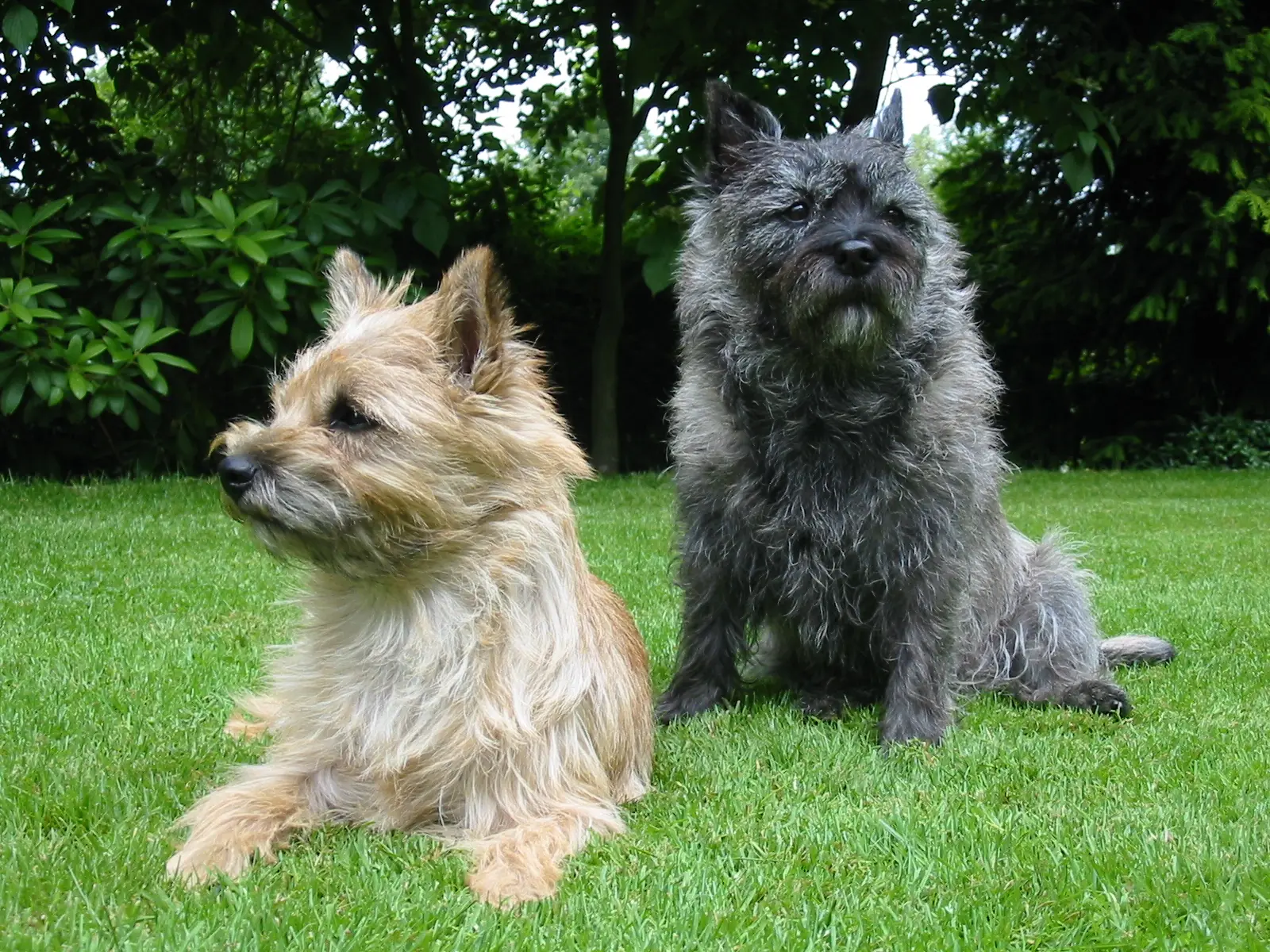
Hailing from the Scottish Highlands, the Cairn Terrier was developed to hunt foxes, otters, and other den dwelling animals among rocky cairns, the piled stone landmarks that gave the breed its name. This work demanded a dog that could squeeze into tight rock crevices and hold its own against animals with sharp teeth and no intention of surrendering.
The result is a small, shaggy dog with a surprisingly sturdy build and a personality that leans toward curiosity and confrontation rather than caution. Cairn Terriers remain alert and vocal watchdogs, quick to bark and posture at anything unfamiliar, a trait that traces directly back to their working roots in the Scottish countryside.
Australian Terrier
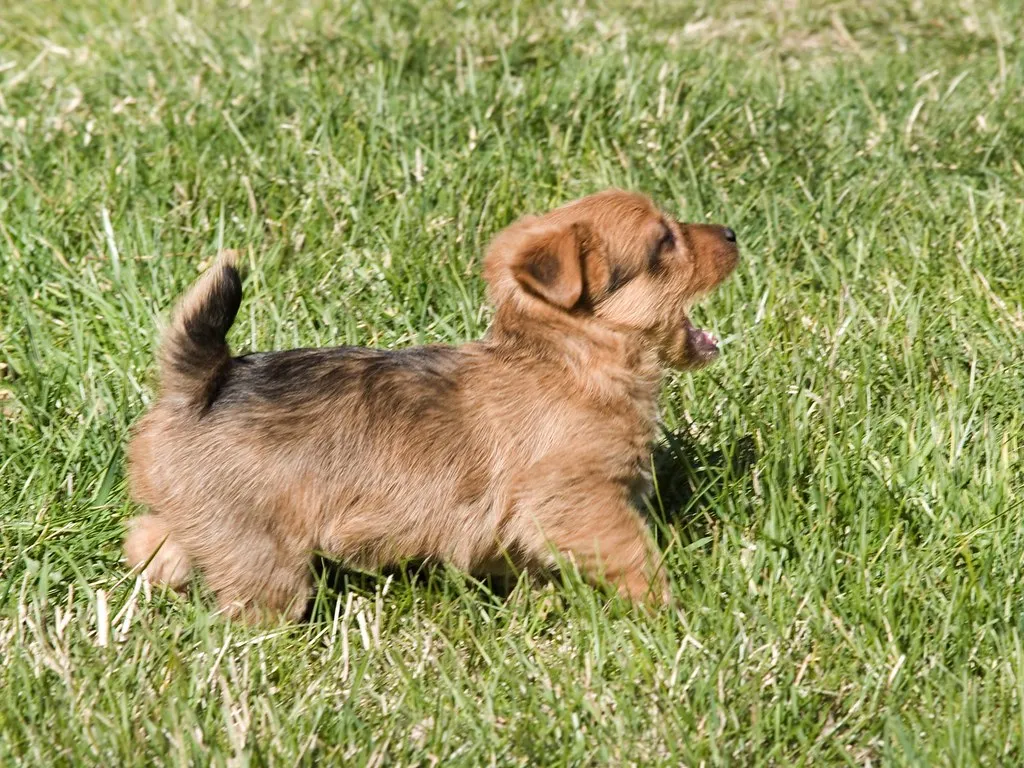
Developed by settlers in Australia to control snakes, rodents, and other pests on remote homesteads, the Australian Terrier had to be tough by necessity. There was little room for a timid dog when the job involved confronting venomous snakes, so breeders selected for nerve as much as for skill.
This history shows up today in a breed that is spirited, alert, and notably unbothered by size differences when it comes to defending territory. Owners often note that Australian Terriers carry themselves with a confidence that seems almost deliberate, a quiet but persistent readiness to engage rather than avoid a challenge.
Patterdale Terrier
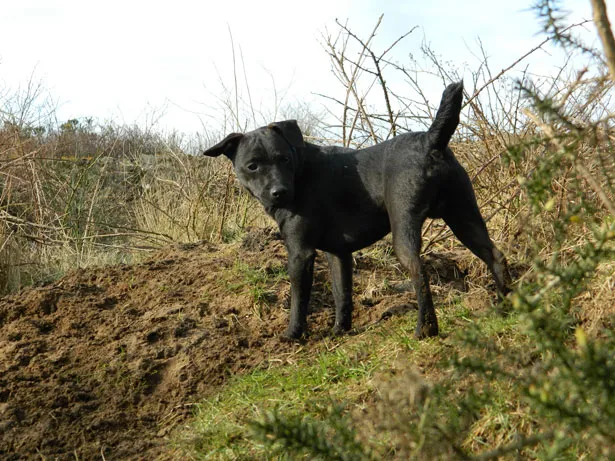
Originating in the Lake District of England, the Patterdale Terrier was bred specifically to hunt foxes in terrain too rugged and rocky for larger hounds to navigate. Farmers needed a dog compact enough to fit through narrow rock crevices yet tough enough to hold a fox at bay once it found one.
Unlike some terriers bred purely for companionship later in their history, the Patterdale has remained close to its working origins, and that shows in its temperament. It is intensely driven, physically hardy, and known among working dog circles as one of the gamest small terriers still in regular use today.
Border Terrier
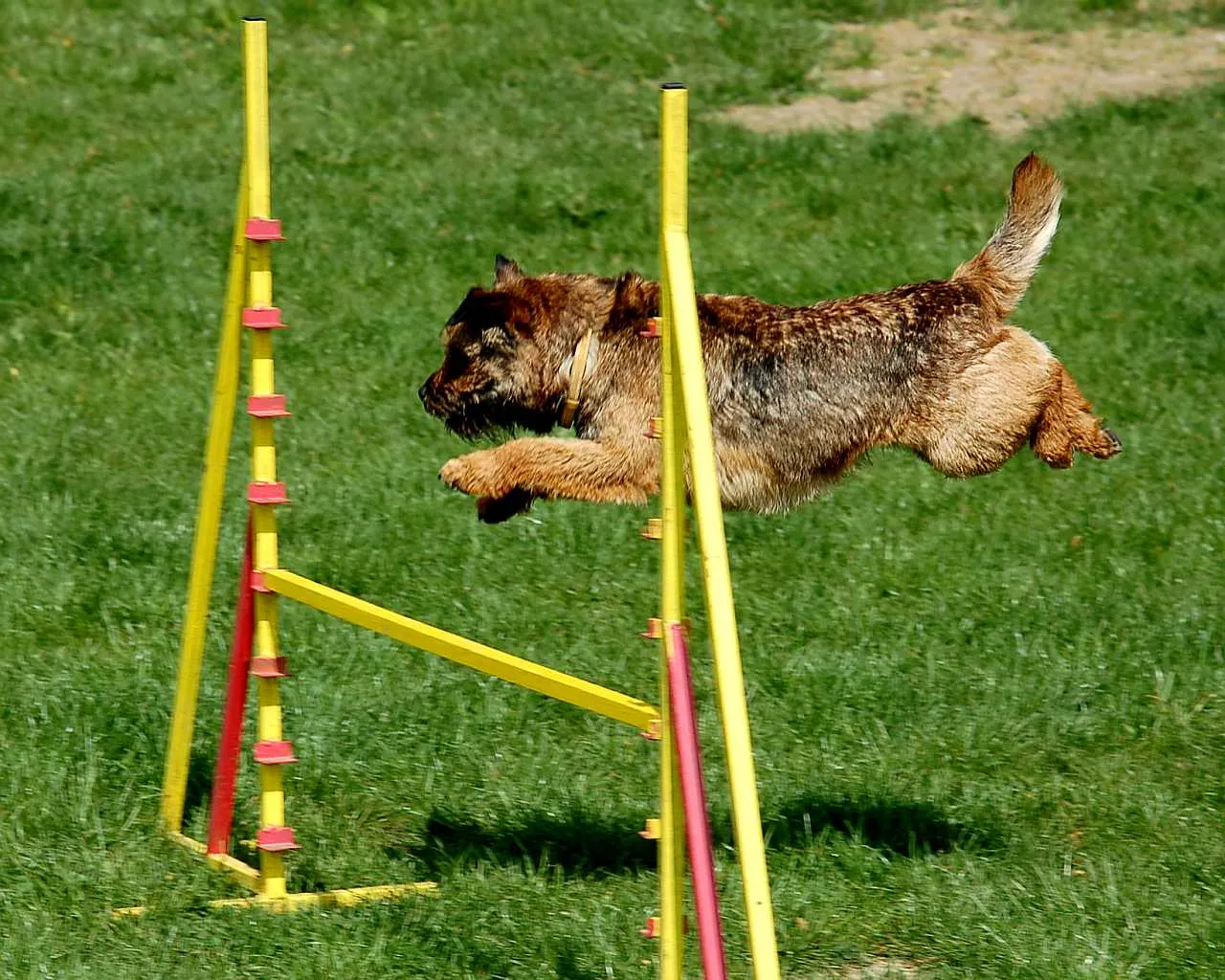
The Border Terrier comes from the rugged hills along the England Scotland border, where it was bred to run alongside horses during fox hunts and then finish the job underground once the fox went to ground. This dual requirement, endurance above ground and courage below it, produced a breed with a rare combination of stamina and grit.
Despite a famously affectionate and easygoing personality around people, Border Terriers retain a strong prey drive and a willingness to stand firm when they perceive a threat. That contrast between a friendly household presence and a genuinely tough working history is part of what makes the breed so often mentioned in conversations about small dog resilience.
Norwich Terrier
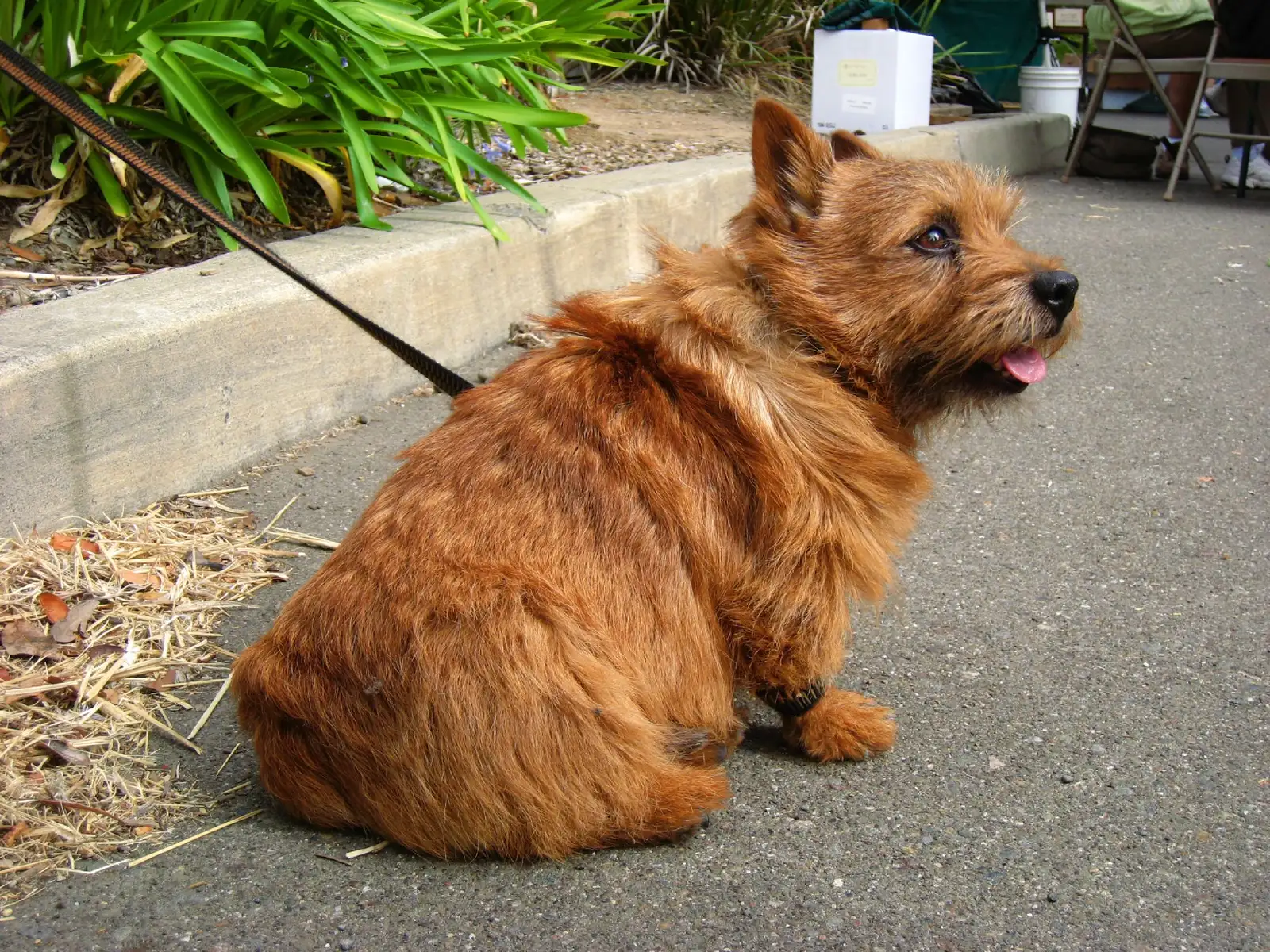
One of the smallest working terriers, the Norwich Terrier was bred in England to hunt rats in stables and to bolt foxes from their dens, tasks that required both speed and nerve in a tiny package. Its diminutive size never translated into a diminutive attitude, and breeders specifically favored dogs that showed no hesitation when confronting prey.
Norwich Terriers today are known for a big personality wrapped in a small, sturdy frame, often showing more confidence toward unfamiliar animals than dogs several times their size. That fearless streak, paired with genuine affection toward their families, is a hallmark trait that has followed the breed since its earliest working days.
Schipperke
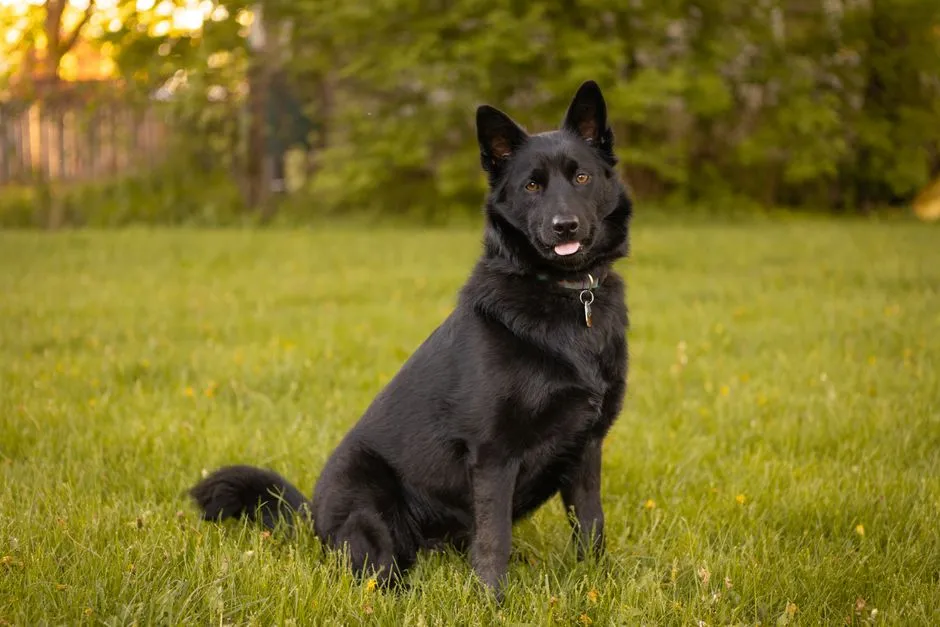
Originating in Belgium, the Schipperke served as a small guard dog and vermin hunter on barges and farms, jobs that demanded constant alertness and a willingness to confront intruders regardless of size. Its name, often translated as little captain, hints at the outsized sense of authority this compact breed tends to carry.
Schipperkes are known for being watchful, vocal, and quick to react to anything they perceive as a threat, a trait rooted in their long history as working guardians rather than purely decorative companions. That combination of vigilance and nerve is exactly why this breed continues to appear on lists of small dogs with genuine backbone.
Final Thoughts
There’s something worth admiring about a dog that never learned it’s supposed to be afraid. These ten breeds share a common thread: they were built, generation after generation, for jobs that demanded confrontation rather than retreat, and that history hasn’t faded just because most of them now spend their days on couches instead of in fox dens.
Still, admiration for a breed’s courage shouldn’t be confused with a green light to let it happen. A coyote is a wild predator, often larger, faster, and far more dangerous in an actual encounter than any terrier’s nerve can compensate for, and no amount of historical grit changes that math. My honest take is that owners of these breeds should feel proud of their dog’s spirit while also being the ones responsible enough to keep that spirit from ever being tested against something with teeth built for exactly that fight.

As a little kid, I fell in love with nature, wildlife, and animals. Living in the USA, South Africa, Italy, China and Germany gave me the opportunity to discover the world's Wildlife. My favorite animals are Mountain Gorillas, Siberian Tigers, and Great White Sharks.
I'm a certified PADI Open Water Diver, went to Everest Base Camp and Trekked Gorillas in Uganda. I hold a Master of Science in Economics and Finance.
Please send any feedback to feedback@animalsaroundtheglobe.com
- 11 Most Unexpected Animals That Thrive in U.S. Cities - July 17, 2026
- 12 Sharks Found Off U.S. Shores - July 17, 2026
- 10 Fearless Small Dog Breeds Courageous Enough To Face Off With Coyotes - July 17, 2026