

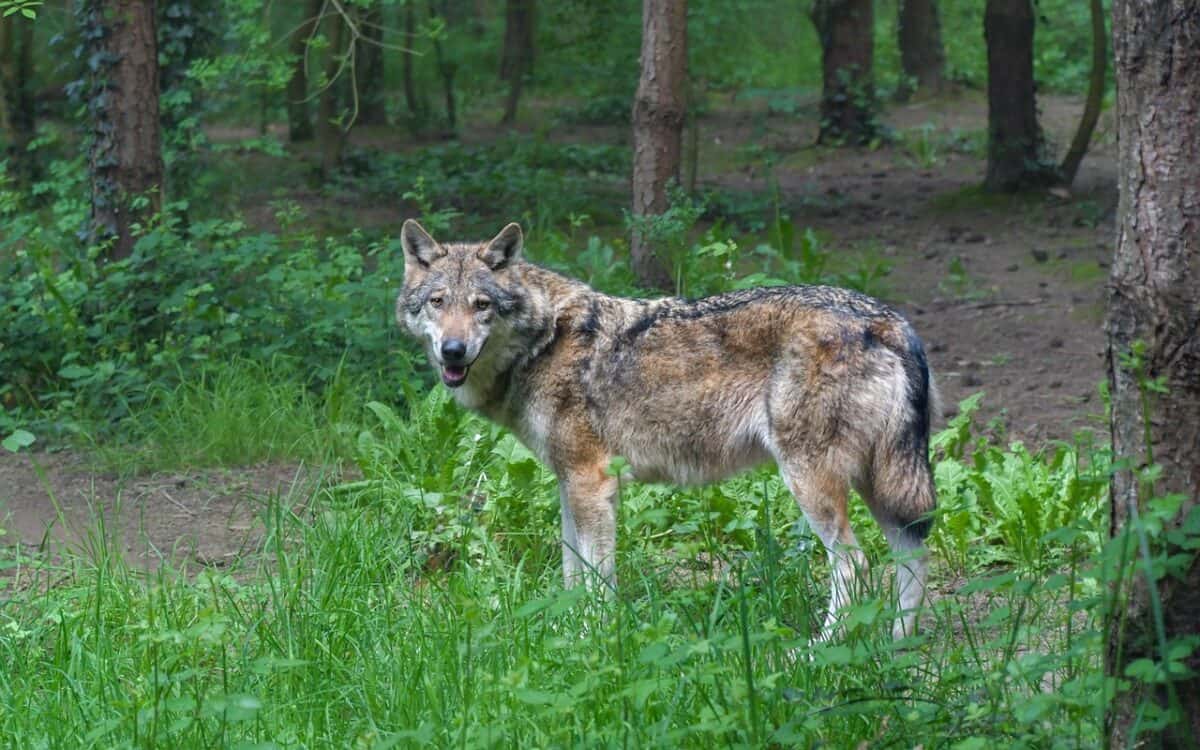
Wolf packs represent one of nature’s most sophisticated social structures, built on complex relationships and behaviors that have evolved over thousands of years. Unlike the outdated “alpha wolf” theory that suggested dominance through aggression, modern research reveals that wolf packs typically function as family units led by breeding pairs—the parents or “breeding alphas”—with their offspring of various ages making up the rest of the pack. This family-based hierarchy creates a dynamic social environment where cooperation, communication, and mutual support are essential for survival.
Understanding what strengthens these remarkable social groups—and what can tear them apart—offers valuable insights not just into wolf behavior but into the fundamentals of social cohesion in general. Wolf packs typically consist of 5-12 individuals, though they can sometimes grow larger or smaller depending on environmental factors, prey availability, and territory size. Their success depends on maintaining social bonds that enable them to hunt, defend territory, raise young, and overcome environmental challenges together as a unified group.
10. Coordinated Hunting Strategies
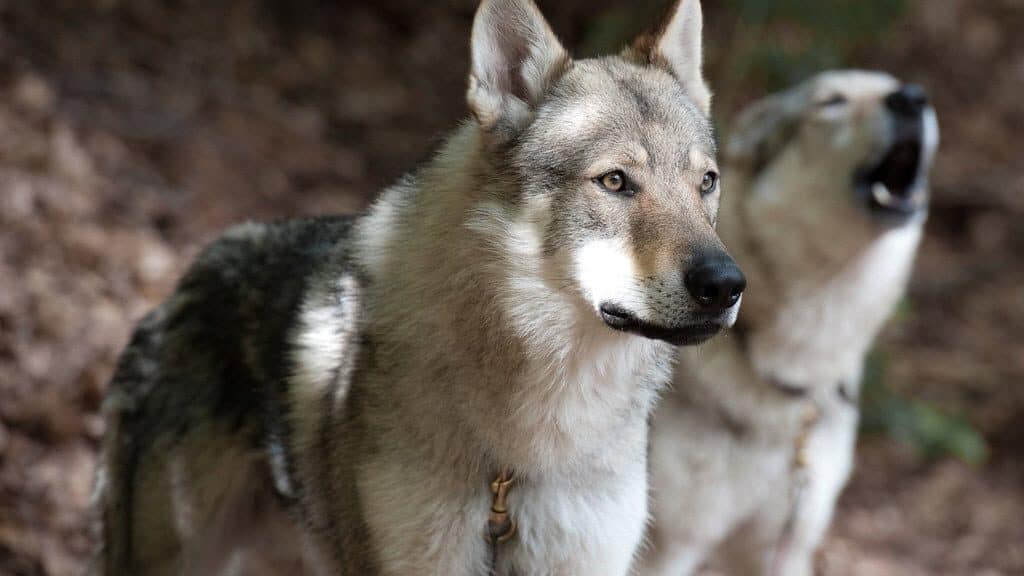
One of the most powerful pack-strengthening habits is coordinated hunting. Wolves employ sophisticated, collaborative hunting techniques that allow them to take down prey much larger than any individual wolf could handle alone. During hunts, each pack member often takes on specific roles—some wolves may drive prey toward others waiting in ambush, while others might flank or pursue. This division of labor requires intense communication through body language, vocalizations, and learned behaviors.
Research has shown that hunting success rates increase dramatically with coordinated efforts. For example, wolves hunting as a pack can achieve success rates of up to 14% when pursuing moose, compared to just 1-2% success for lone wolves. These shared hunting experiences reinforce social bonds, establish trust, and provide concrete evidence to pack members of the benefits of cooperation. The subsequent sharing of food further reinforces these connections, creating a positive feedback loop that strengthens pack cohesion with each successful hunt.
9. Regular Communal Howling
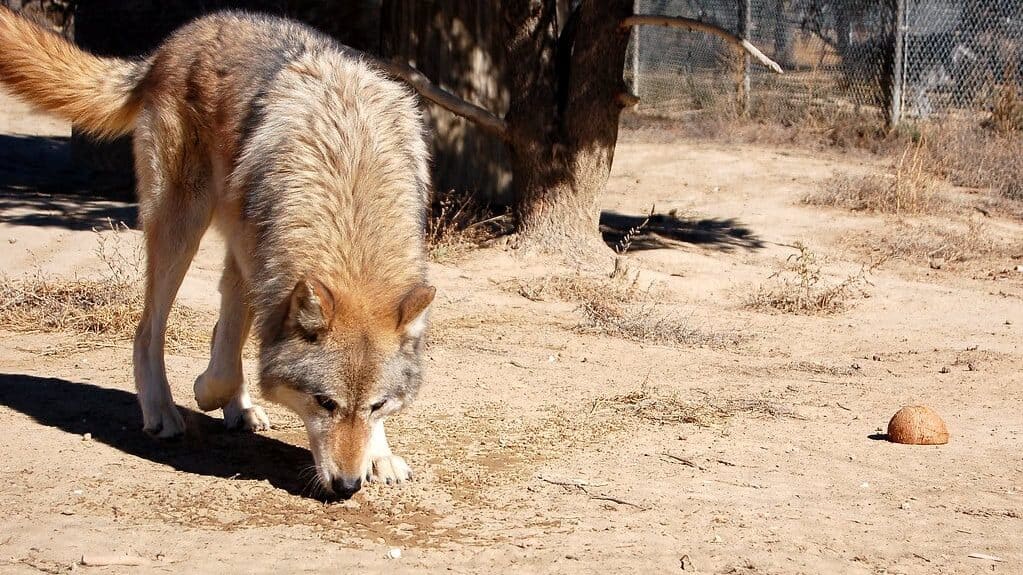
Howling serves as a crucial social glue within wolf packs. These haunting vocalizations aren’t just atmospheric wilderness sounds—they serve specific, important functions in maintaining pack unity. Regular group howling sessions help wolves communicate their location to separated pack members, defend territory boundaries from neighboring packs, and reinforce social bonds. Research has found that wolves often engage in “chorus howls” where multiple pack members howl together, creating a harmonizing effect that actually strengthens social connections.
Interestingly, wolf researchers have observed that packs that howl together more frequently tend to show stronger cohesion. During these communal howling sessions, wolves often display synchronized behaviors—standing close together, making physical contact, and engaging in greeting ceremonies before and after. These sessions typically increase during breeding season and when packs feel territorial pressure, suggesting howling acts as both a warning to outsiders and a reassuring bonding activity for the pack itself.
8. Play Behavior Among All Age Groups

Wolf play behavior isn’t limited to puppies—it continues throughout adulthood and serves essential social functions. Play among pack members helps establish and reinforce social bonds, practice hunting and fighting skills, and reduce tension within the group. Adult wolves will engage in play-bows, chase games, mock fighting, and playful ambushes. These interactions allow wolves to practice physical skills in a non-threatening context while simultaneously strengthening their connections with packmates.
Researchers studying captive and wild wolf packs have found that packs with higher rates of play behavior among all age groups—not just between young wolves or between adults and pups—demonstrate better cooperation during hunts, lower rates of serious conflict, and overall stronger pack stability. Play sessions often occur during periods of relaxation after successful hunts or during times when the pack is gathered at den or rendezvous sites, creating positive associations with being together as a group and reinforcing the pack’s social hierarchy without aggression.
7. Collective Pup Rearing
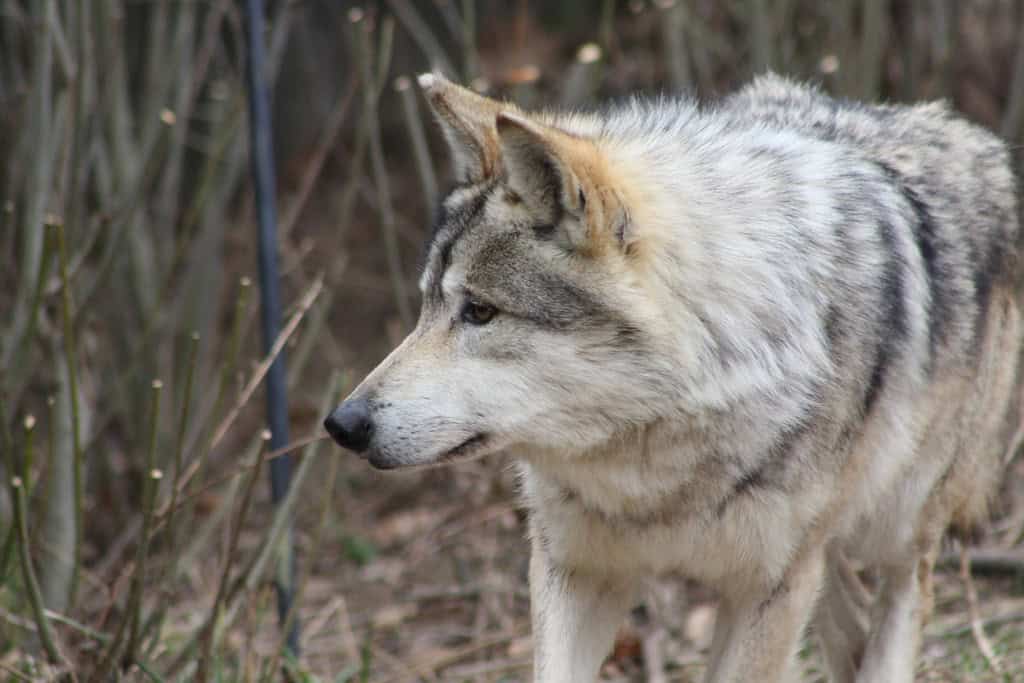
In healthy wolf packs, pup rearing is a collective responsibility that creates powerful bonds across generations. While the breeding female (sometimes called the “alpha female” or “breeding pair female”) is the primary caregiver, other pack members—including males and non-breeding females—participate actively in raising pups. This alloparental care includes regurgitating food for pups, guarding them while parents hunt, grooming them, playing with them to develop social skills, and even serving as “babysitters” at den sites.
This shared responsibility creates multiple attachment bonds within the pack, essentially making the entire group invested in the next generation’s survival. Researchers have observed that packs with stronger alloparental behaviors tend to have higher pup survival rates and stronger pack cohesion overall. The pack’s yearlings (one-year-old wolves) often take special interest in new pups, which helps these adolescent wolves develop parenting skills they’ll need later while simultaneously strengthening their own place in the pack structure. This multigenerational approach to child-rearing creates an interconnected social web that benefits the entire pack.
6. Maintaining Clear Territorial Boundaries

Wolves are highly territorial animals, and successful packs engage in consistent territory maintenance that reinforces group identity and purpose. A wolf pack typically maintains a territory ranging from 50 to 1,000 square miles, depending on habitat and prey density. Packs mark these territories through scent marking (urination and defecation at boundary lines), scratching, and regular patrol routes that typically follow natural landscape features like ridgelines, rivers, or forest edges.
This boundary maintenance serves multiple purposes that strengthen the pack. First, it provides a shared sense of purpose and identity—the pack literally defines itself in relation to its physical space. Second, territorial patrols create opportunities for shared experiences and coordinated movement, reinforcing the pack’s ability to work together. Third, successfully defending territory from neighboring packs through howling and occasional direct confrontations reinforces the value of cooperation. Research shows that packs with well-established, stable territories tend to have better hunting success, higher reproductive rates, and stronger overall cohesion.
5. Ritualized Greeting Ceremonies

Wolf packs engage in elaborate greeting rituals that serve as social bonding mechanisms and tension reducers. When pack members reunite after being separated—whether after hunts, territorial patrols, or other activities—they engage in characteristic greeting behaviors. These typically include face-licking, tail wagging, whining, playful jumping, submissive postures from younger members to older ones, and general physical contact that reaffirms connections between individuals.
These ceremonies help reestablish social bonds and hierarchy after separation, reducing potential aggression and reinforcing pack identity. Researchers have observed that the intensity of greeting ceremonies often correlates with the length of separation—longer separations typically result in more elaborate greetings. Packs that maintain consistent greeting rituals show lower rates of serious intra-pack conflict and stronger overall cohesion. These ceremonies are especially important during times of stress, such as food scarcity or territorial pressure, when maintaining clear social connections becomes even more crucial for pack survival.
4. Cooperative Food Sharing

While wolves do maintain a feeding order based on their social hierarchy, healthy packs demonstrate remarkable food-sharing behaviors that strengthen group bonds. After a successful hunt, breeding wolves typically feed first, but they allow other pack members access to the kill rather than aggressively guarding it for themselves alone. More importantly, wolves regularly bring food back to pack members who remained at den sites, particularly to nursing mothers, pups, and injured or elderly pack members who couldn’t participate in hunting.
This food sharing creates a network of reciprocal obligations within the pack. Research on both wild and captive wolves shows that individuals who share food more generously receive more social support, grooming, and alliance-building behaviors from other pack members. Interestingly, wolves have been observed making different vocalizations when returning to the pack with food versus returning empty-handed, suggesting a complex communication system around resource sharing. Packs that maintain fair food distribution show higher survival rates during harsh winters and periods of prey scarcity, demonstrating the survival value of this cooperative behavior.
3. Group Rest and Physical Contact

Healthy wolf packs spend significant time resting together in close physical proximity, which reinforces social bonds through oxytocin release and other neurobiological mechanisms. During rest periods, particularly in cold weather, wolves will often sleep in tight groups, sometimes referred to as a “wolf pile,” with multiple animals maintaining physical contact. This behavior serves both practical purposes—conserving body heat—and social ones, reinforcing connections between individuals through touch.
Research has demonstrated that physical contact between wolves, including during rest periods, leads to the release of oxytocin—often called the “bonding hormone”—which strengthens social attachments. Wolf packs that maintain regular group rest with physical contact show stronger cohesion and cooperation during more active periods. Even during warmer seasons when thermal conservation isn’t necessary, healthy packs will often choose to rest in proximity to one another rather than spreading out, suggesting the social value of this behavior extends beyond mere practical considerations.
2. Mutual Grooming Practices

Wolves engage in regular mutual grooming, a behavior that serves both hygiene functions and important social purposes. Pack members will lick and gently nibble at each other’s fur, particularly focusing on areas that are difficult for an individual wolf to reach like the head, neck, and back. This allogrooming helps remove parasites, dirt, and debris from fur while simultaneously creating social bonds through positive physical interaction and the release of pleasure-inducing hormones.
Interestingly, wolf researchers have observed patterns in grooming relationships that reveal much about pack structure. Higher-ranking wolves typically receive more grooming attention than they give, while closely bonded pairs groom each other more equally. During periods of tension, increased mutual grooming sessions have been observed to reduce aggression and restore social harmony. Packs with regular, widespread grooming networks (where multiple individuals groom each other rather than just a few central relationships) demonstrate greater stability and resilience during challenging times like food shortages or territorial disputes.
1. Collective Problem-Solving
Perhaps one of the most remarkable aspects of wolf pack behavior is their ability to collectively solve problems, adapting their strategies based on environmental challenges and learning from past experiences. Wolves demonstrate impressive cognitive flexibility when faced with obstacles, whether navigating difficult terrain, developing new hunting techniques for specific prey, or finding alternative water sources during droughts. These challenges become opportunities for the pack to work together, reinforcing the value of cooperation.
Researchers have documented numerous examples of wolf packs developing innovative solutions to novel problems. For instance, some packs have been observed creating driving lines to push prey toward natural obstacles like cliffs or deep snow, while others have developed specialized techniques for hunting beavers at dam sites or fishing for salmon during spawning seasons. These shared learning experiences become part of the pack’s collective knowledge and create shared history and identity. Packs that successfully overcome challenges together show stronger bonds and greater resilience when facing future adversity.
Destructive Habit 3 Excessive Aggression Within the Pack
While wolf packs do maintain clear social hierarchies, excessive internal aggression can severely damage pack cohesion and functionality. Contrary to popular misconceptions about “alpha wolves” constantly fighting to maintain dominance, healthy wolf packs actually minimize serious conflict. When aggression becomes frequent or severe—particularly if it results in serious injuries—it indicates fundamental problems within the pack structure. This can happen when resources become extremely scarce, when too many wolves reach breeding age within a single pack, or when an ill or injured pack leader can no longer effectively maintain social order.
The consequences of excessive internal aggression are severe. It diverts energy from hunting and territory defense, can lead to injuries that compromise hunting ability, and creates chronic stress that impacts overall health. In extreme cases, it can lead to pack fragmentation, with wolves being driven out or voluntarily leaving to escape conflict. Research from wolf populations in Yellowstone National Park has shown that packs experiencing high internal aggression have lower hunting success rates, higher vulnerability to neighboring pack encroachment, and reduced reproductive success compared to more socially stable packs.
Destructive Habit 2 Failure to Maintain Territory Boundaries

When a wolf pack fails to consistently maintain and defend its territorial boundaries, it can rapidly lead to pack breakdown. Territory provides essential resources—prey, denning sites, water access—and helps define the pack’s identity. Weak boundary maintenance can result from several factors: declining health of pack leaders, insufficient pack size to patrol effectively, or disturbances from human activity that disrupt normal territorial behaviors. Without clear boundaries, neighboring packs may encroach, leading to dangerous confrontations or loss of critical hunting grounds.
The consequences of territory failure cascade through all aspects of pack life. Reduced hunting territory typically means less available prey, leading to nutritional stress. Confrontations with encroaching packs often result in injuries or deaths. Perhaps most significantly, the loss of clearly defined territory undermines the pack’s shared purpose and identity. Long-term studies in areas like the Greater Yellowstone Ecosystem have shown that packs that lose significant portions of their territory have higher rates of pack dissolution, with members dispersing to join other packs or attempt to establish new territories elsewhere—often with limited success and high mortality rates.
Destructive Habit 1 Isolation of Pack Members

Wolf packs function as integrated social units, and the isolation of individuals—whether physically or socially—can severely damage pack cohesion. This isolation can manifest in several ways: injured or sick wolves being left behind rather than supported, certain pack members being excluded from group activities like hunting or resting, or younger wolves not being properly integrated into pack hunting and social activities. While temporary separation is normal during certain activities, persistent isolation of any pack member indicates serious social dysfunction.
The effects of member isolation extend beyond the excluded individuals. It reduces the pack’s overall hunting effectiveness by limiting available participants, creates tension that can erupt into conflict, and disrupts the knowledge transfer that would normally occur between generations. Research on wolf behavior suggests that isolation often precedes either the excluded wolf leaving the pack or escalating aggression as the isolated wolf attempts to reintegrate. Either outcome weakens the pack as a whole. Additionally, studies have shown that packs that regularly isolate members have higher stress hormone levels throughout the group, suggesting that isolation creates psychological impacts on all wolves, not just those being excluded.
Conclusion: Understanding the Balance of Wolf Pack Dynamics

The ten strengthening habits and three destructive behaviors outlined above demonstrate the delicate balance that sustains wolf pack cohesion and functionality. Healthy wolf packs engage in regular cooperative behaviors—from hunting together to raising young collectively—that continuously reinforce social bonds and create mutual dependence. These positive interactions generate practical benefits for survival while simultaneously creating neurobiological rewards through hormones like oxytocin that make social connection intrinsically rewarding for pack members.
Conversely, the destructive habits that break pack cohesion—excessive aggression, territory failure, and member isolation—all represent breakdowns in the fundamental cooperation that defines wolf society. Understanding these dynamics has implications beyond wolf conservation. It provides insights into the evolution of cooperative behavior in highly social species, including our own. As we continue studying these remarkable animals, we gain not just knowledge about wolves themselves, but deeper understanding of the universal principles that allow social groups to thrive through collaboration, communication, and mutual support.

As a little kid, I fell in love with nature, wildlife, and animals. Living in the USA, South Africa, Italy, China and Germany gave me the opportunity to discover the world's Wildlife. My favorite animals are Mountain Gorillas, Siberian Tigers, and Great White Sharks.
I'm a certified PADI Open Water Diver, went to Everest Base Camp and Trekked Gorillas in Uganda. I hold a Master of Science in Economics and Finance.
Please send any feedback to feedback@animalsaroundtheglobe.com
- The Greatest Showdown Between a Fox and a Coyote - June 15, 2026
- 14 Fascinating Facts About the Great White Shark - June 15, 2026
- 11 Snake Species That Make Great Pets for Beginners - June 15, 2026