
Worried about unexpected vet bills?
Pet insurance can cover thousands in unexpected vet costs. Get a free quote from Lemonade in under 2 minutes.
Get My Free Quote →Sponsored · Opens Lemonade.com
Nature has given some creatures an almost supernatural gift. They can morph, shift, and transform themselves before your very eyes. It sounds like something out of a superhero movie, right? Well, these real animals might just blow your mind more than any special effects ever could.
The ability to change appearance isn’t just a party trick. For these remarkable species, it’s a matter of life and death. Whether they’re hiding from hungry predators or sneaking up on unsuspecting prey, their shape-shifting talents have been honed over millions of years. Let’s dive in and meet these extraordinary masters of disguise.
The Cuttlefish: Nature’s Living Television Screen
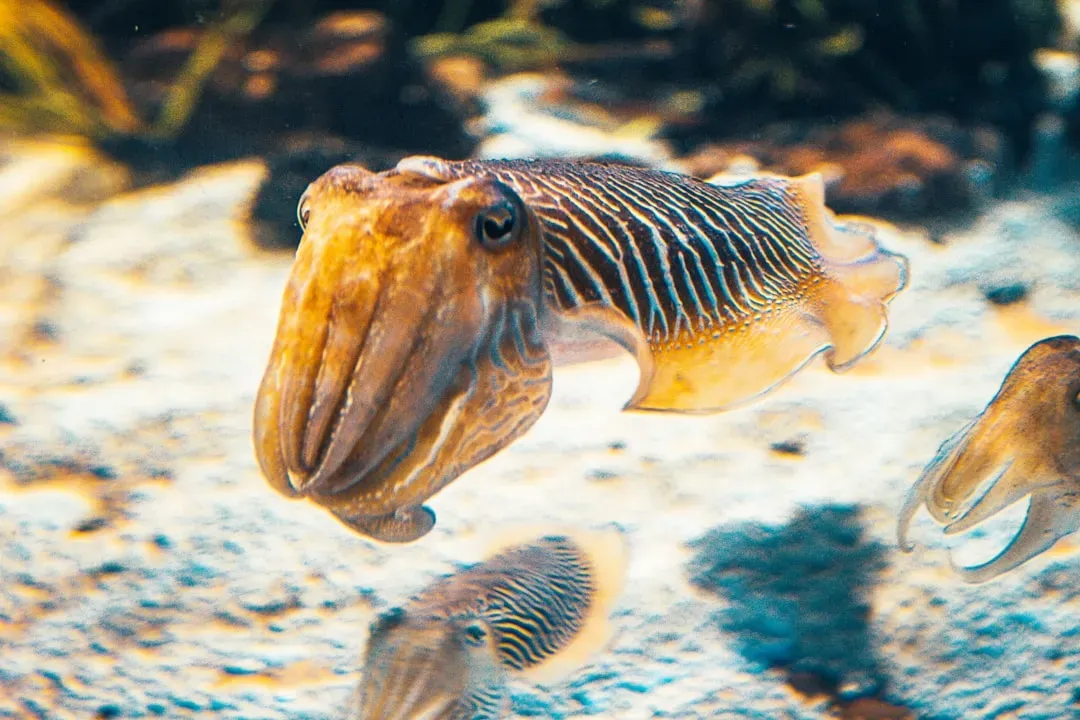
Cuttlefish are sometimes referred to as the “chameleons of the sea”, and honestly, that’s selling them short. These cephalopods can change the color of their skin in the blink of an eye. Imagine having millions of tiny pixels all over your body that you could control with your brain.
A cuttlefish has maybe ten million little color cells in its skin, and each one is controlled by a neuron. The creature uses specialized cells called chromatophores, which are basically elastic sacs filled with pigment. When muscles around these sacs contract or relax, different colors flood across the skin’s surface. It’s hard to say for sure, but watching a cuttlefish in action feels like witnessing actual magic.
What makes it even more bizarre? Cuttlefish are colorblind. Think about that for a second. They can match colors perfectly without even seeing them the way we do. Cuttlefish and octopus use papillae, muscly balloon-like skin structures that can expand into various shapes and sizes, allowing them to change not just color but texture too. They can go from smooth to spiky in less time than it takes you to snap your fingers.
The Mimic Octopus: The Ultimate Shapeshifter
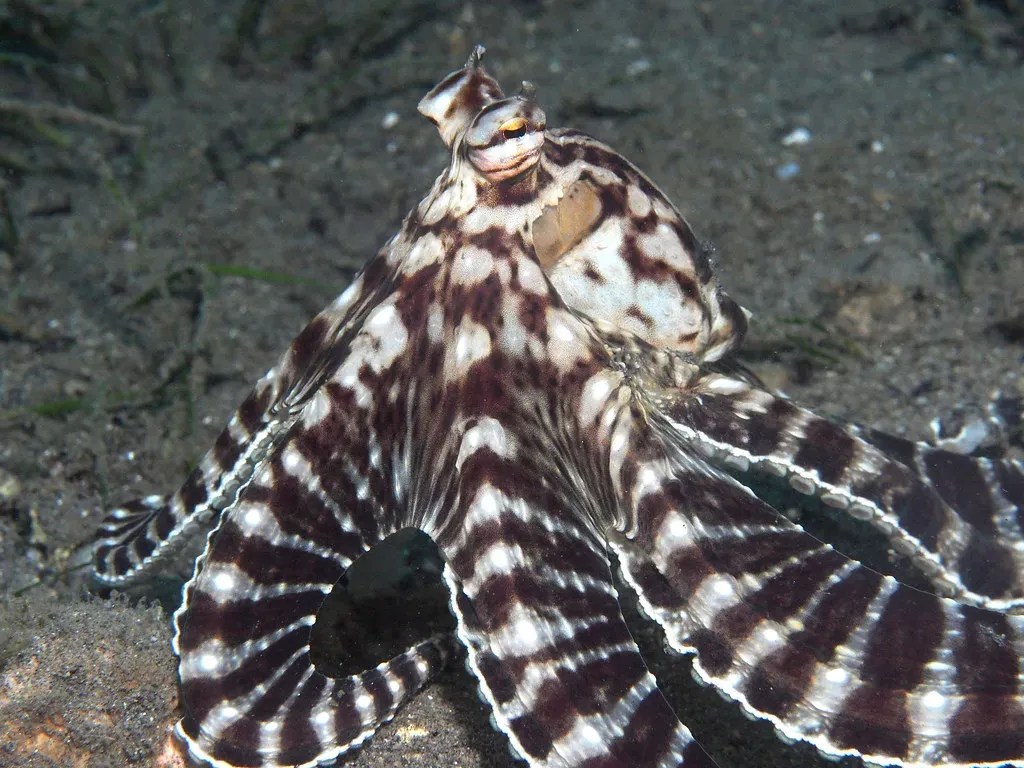
Let’s be real here, if there’s one animal that deserves an Oscar for best performance, it’s the mimic octopus. The mimic octopus can switch between various disguises: up to 18 different marine animals. We’re not talking about subtle color changes either. This creature completely transforms its shape, movement, and behavior.
The mimic octopus changes its skin color and how it moves its tentacles to take on the shape of other sea creatures, and has been known to impersonate more than 15 different marine species, including flounders, lionfish, and sea snakes. Need to scare off a damselfish? The octopus tucks into a hole, sticking just two arms out that display black bands and rippling them in opposite directions, mimicking a snake’s movement, and the cephalopod only takes the form of a sea snake when bothered by damselfish.
Here’s the thing that really gets me: this octopus seems to choose its disguises strategically. It’s not random. The mimic octopus may choose which animal to impersonate based on which predator is hovering nearby, and when bullied by territorial damselfish, an octopus was seen transforming into a sea snake. That takes serious brainpower.
The Common Octopus: Master of Instant Camouflage
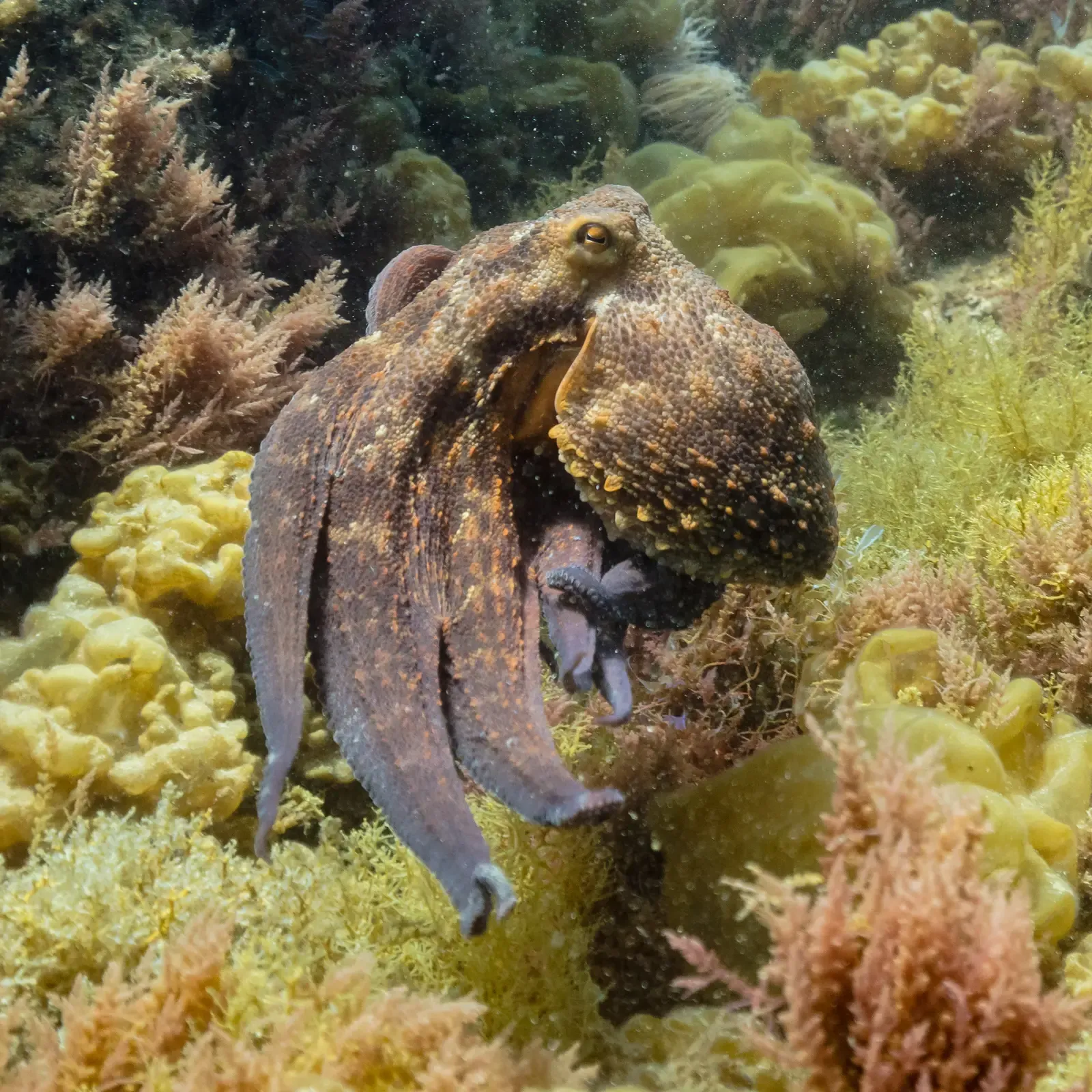
While the mimic octopus gets all the attention for its impersonations, the common octopus deserves massive respect for its camouflage abilities. Many species of octopus have a variety of biochromes that allow them to change the color, pattern, and opacity of their skin. They can become practically invisible against any background.
The octopus can rapidly change color and even texture by using special pigment organs in their skin, known as chromatophores. Picture this: an octopus sitting on a coral reef can instantly shift from bright reds and oranges to dull grays and browns the moment it moves to sandy seafloor.
What really blows my mind is the speed. Cephalopods can transform their appearance faster than the blink of an eye, the swiftest known change in the animal kingdom. Try blinking right now. That fast. No other creature on Earth can pull off such rapid transformations. The octopus also has another trick up its sleeve, or should I say tentacle? Octopuses and cuttlefish are covered in small bumps, flaps, branches, and ridges called papillae, which can be ruffled upwards or smoothed out to create different skin textures.
The Flounder: The Flatfish That Vanishes
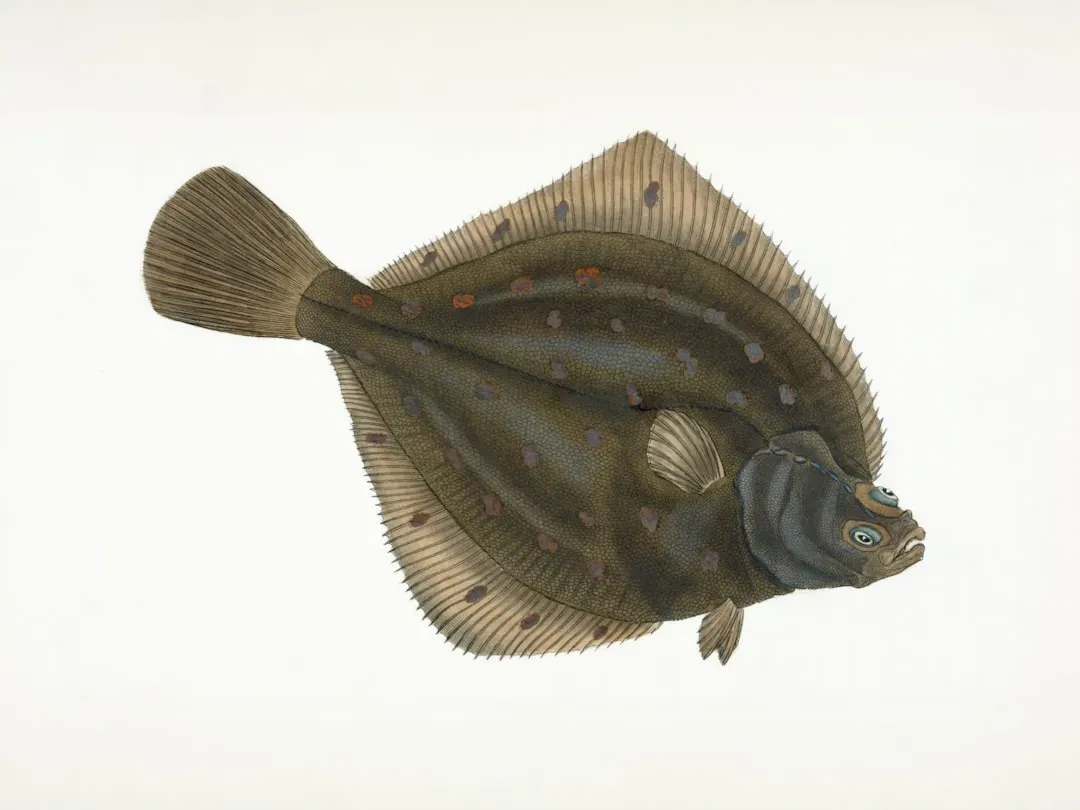
Moving away from cephalopods for a moment, let’s talk about one of the ocean’s sneakiest fish. Many fish change colors, including several species of gobies and groupers, and color changes may be initiated by changes in mood, temperature, and stress in addition to visible changes in the local environment. Flounders are particularly impressive at this game.
These flatfish lie on the ocean floor, and their ability to blend in is almost supernatural. They scan their surroundings with their oddly positioned eyes (both on one side of their head), then adjust their skin pigmentation to match. Give a flounder a checkerboard pattern to sit on, and it’ll actually try to recreate that pattern on its body. The results aren’t perfect, but they’re close enough to fool most predators.
What sets flounders apart from many other color-changing fish is their commitment to the seafloor lifestyle. They’ve literally evolved to be flat, with both eyes migrating to one side of their body during development. Combined with their camouflage abilities, they’re basically living rugs that can eat you. The transformation from normal-looking fish larvae to flat, camouflaged adults is one of nature’s weirdest makeovers.
Shore Crabs: The Slow but Steady Changers
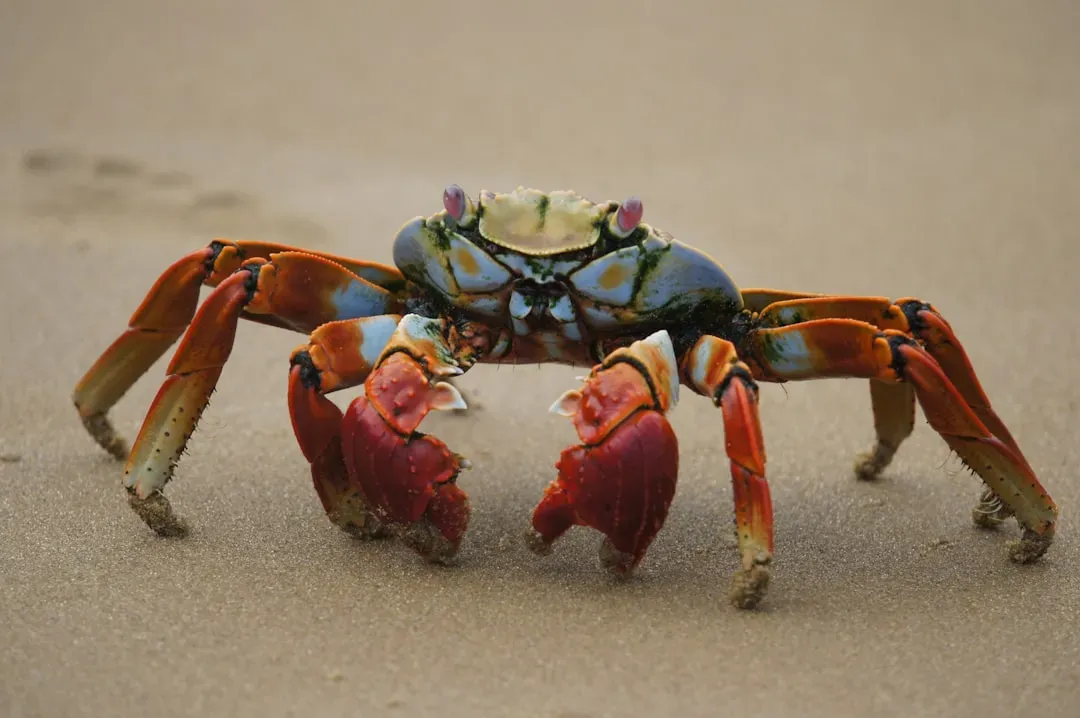
Not every appearance-changing animal works at lightning speed. For crustaceans, a slow color change allows them to adapt to alterations in their environment, and chameleon prawns transition between green and red, tracking the seasonal appearance of seaweed. Shore crabs take a more measured approach to their transformations.
Shore crabs can change their appearance and better match the background to predator vision in the short term. Unlike the instant changes of cephalopods, crabs might take hours or even days to fully adjust their coloration. In fish and frogs, color change is mediated by a type of chromatophore known as melanophores that contain dark pigment, and crabs use similar mechanisms.
Some frogs, lizards and crabs use their chromatophores as natural dimmer switches, adjusting their color and brightness as day turns to night. Shore crabs living on different colored rocks or seaweed gradually take on those hues. It’s patient, calculated, and remarkably effective. They might not win any speed contests, but when it comes to long-term survival strategy, these crabs know what they’re doing.
Chameleons: The Misunderstood Color Changers
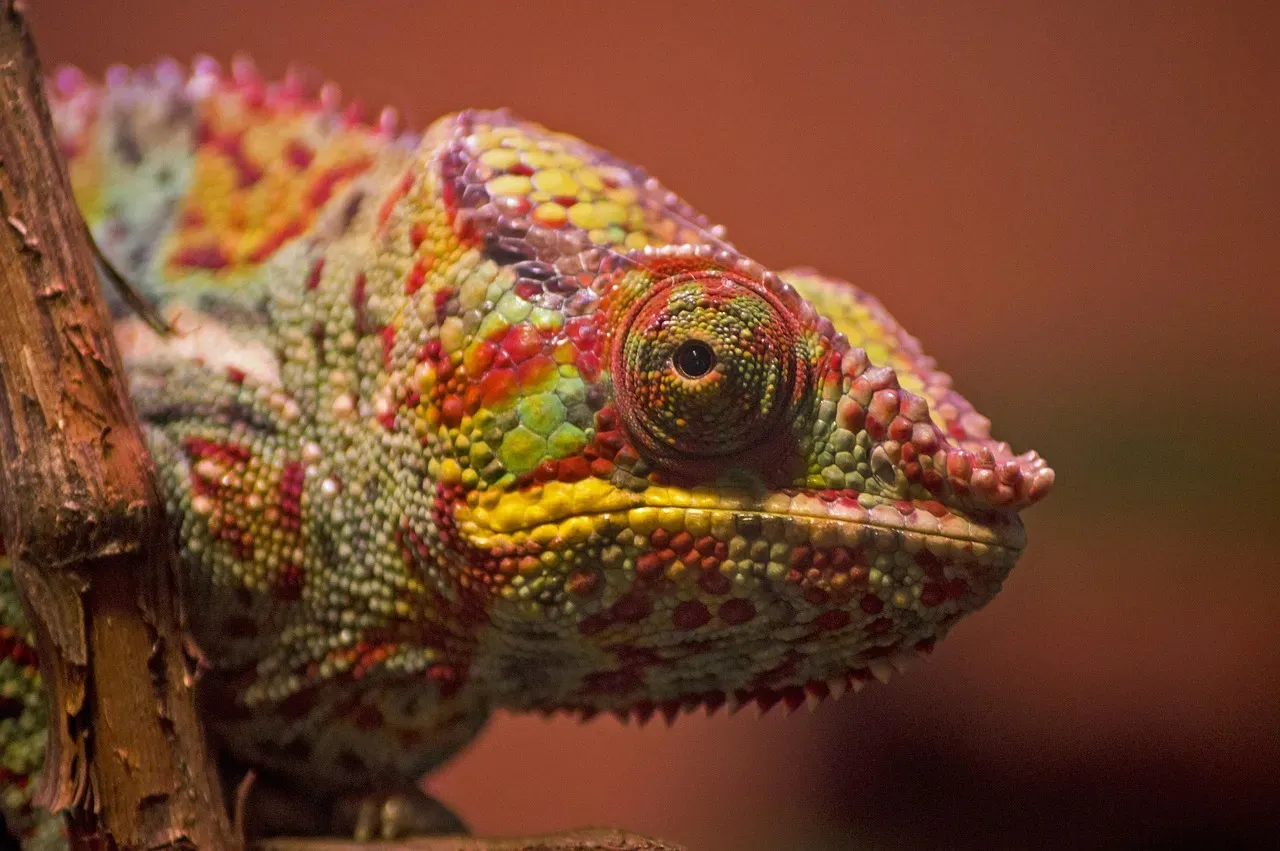
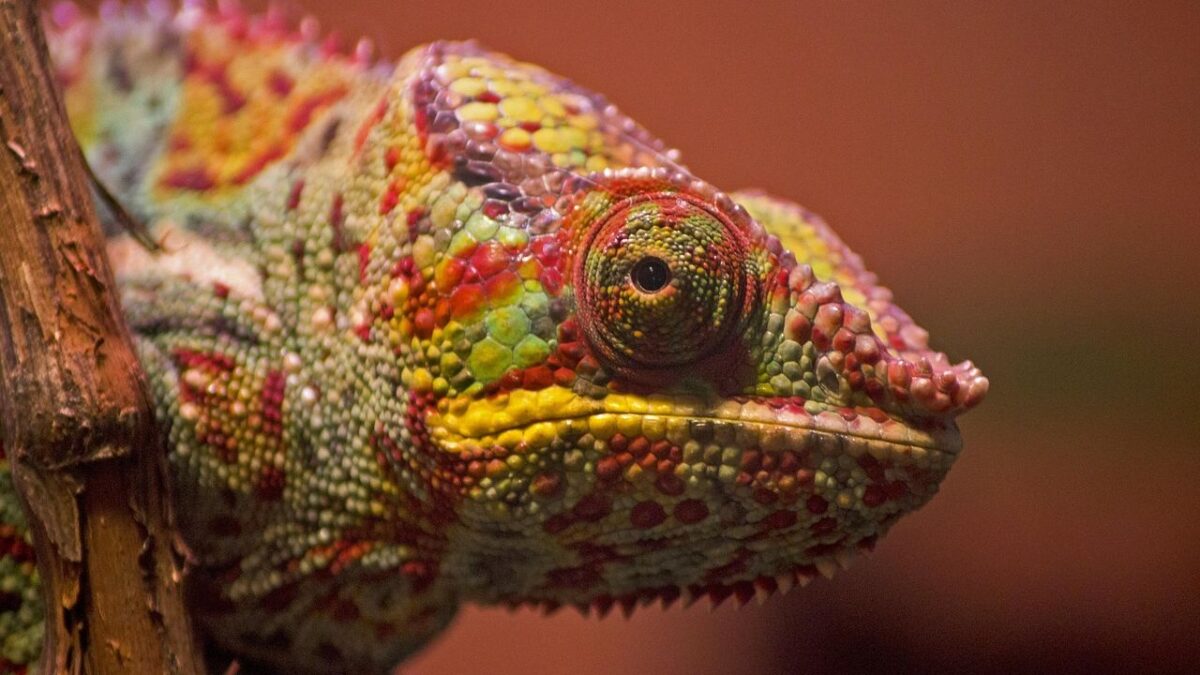
Here’s where things get interesting. Everyone thinks chameleons are the ultimate camouflage artists, but that’s not really why they change color. Chameleons alter their skin color using a similar mechanism to cuttlefish, but not usually for camouflaging purposes, as they tend to change their skin color when their mood changes, not when they move into different surroundings.
Think of chameleons more like mood rings with legs. They shift colors to communicate with other chameleons, to show aggression, to attract mates, or to regulate their body temperature. Chameleons change colors in order to communicate, and when a chameleon is threatened, it does not change color to blend in to its surroundings. A stressed chameleon might darken, while a relaxed one lightens up.
That said, Smith’s dwarf chameleon does use active color change for camouflage, so not all chameleons follow the same rulebook. The color-changing mechanism involves chromatophores similar to those in cephalopods, but chameleons change much more slowly. Chameleons change color gradually, and it can take up to several minutes for their transformation complete. Still, the range of colors they can produce and the reasons behind those changes make them absolutely fascinating creatures worthy of their reputation.
Conclusion: Masters of Transformation
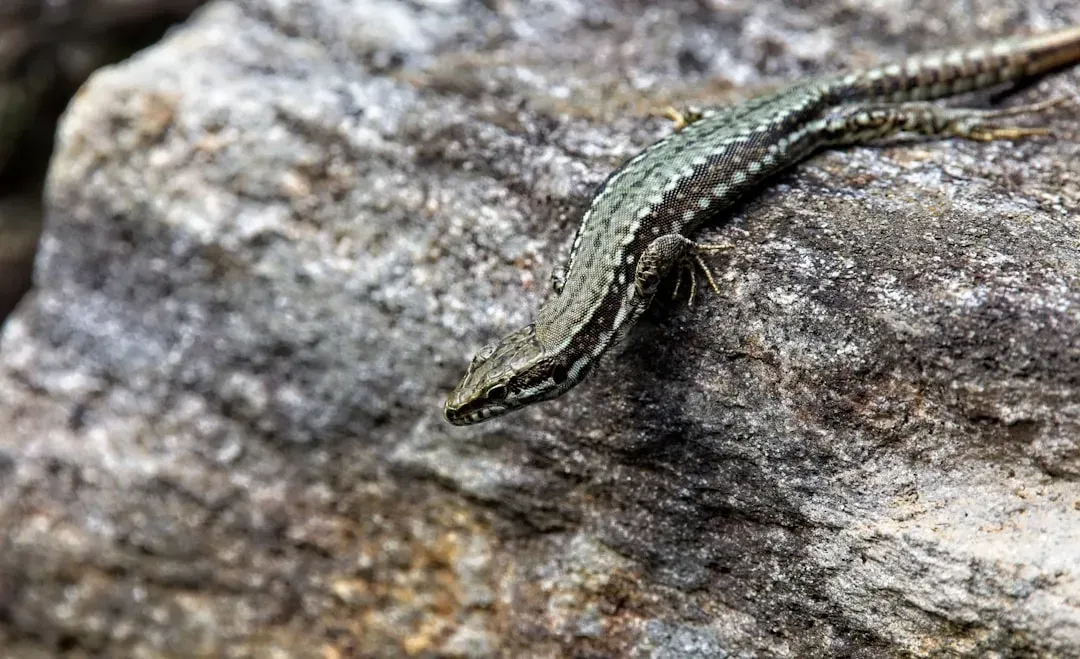
The natural world never stops surprising us. These six animals have evolved wildly different strategies for changing their appearance, from the lightning-fast cephalopods to the mood-driven chameleons. Each adaptation tells a story of survival, of evolutionary pressures that pushed these species to develop abilities that seem almost impossible.
What strikes me most is how each creature uses its gift differently. The cuttlefish blends into coral reefs. The mimic octopus becomes other animals entirely. The flounder disappears into sand. The shore crab slowly adjusts to its rocky home. The chameleon wears its emotions on its skin.
Did you expect that these abilities would be so varied and complex? What would you do if you could change your appearance at will? Share your thoughts in the comments below.
Worried about unexpected vet bills?
Pet insurance can cover thousands in unexpected vet costs. Get a free quote from Lemonade in under 2 minutes.
Get My Free Quote →Sponsored · Opens Lemonade.com

- 14 Quiet Signs Your Dog Is Getting Ready to Say Goodbye – Most Owners Miss Them Completely - June 9, 2026
- 15 Dog Breeds Known for Their Exceptional Loyalty and Devotion - June 9, 2026
- 14 Garden Mistakes That Drive Hummingbirds Away for Good – Most Gardeners Don’t Realize Until It’s Too Late - June 9, 2026